About six years ago, I sat with a brand owner who was convinced his business was failing. His classic khaki shorts were his best-selling product. Customer reviews were excellent. His wholesale accounts were reordering. But his bank account was empty. We pulled his inventory data. He had purchased a single, massive batch of 15,000 units at the beginning of the season, hoping to negotiate a lower unit price. The shorts sold steadily, but it took him eleven months to sell through the batch. His cash had been tied up in that inventory for nearly a year. He had no money left for marketing, for new product development, or for the unexpected opportunities that arose. He was not failing because his product was bad. He was failing because his inventory turnover was far too slow.
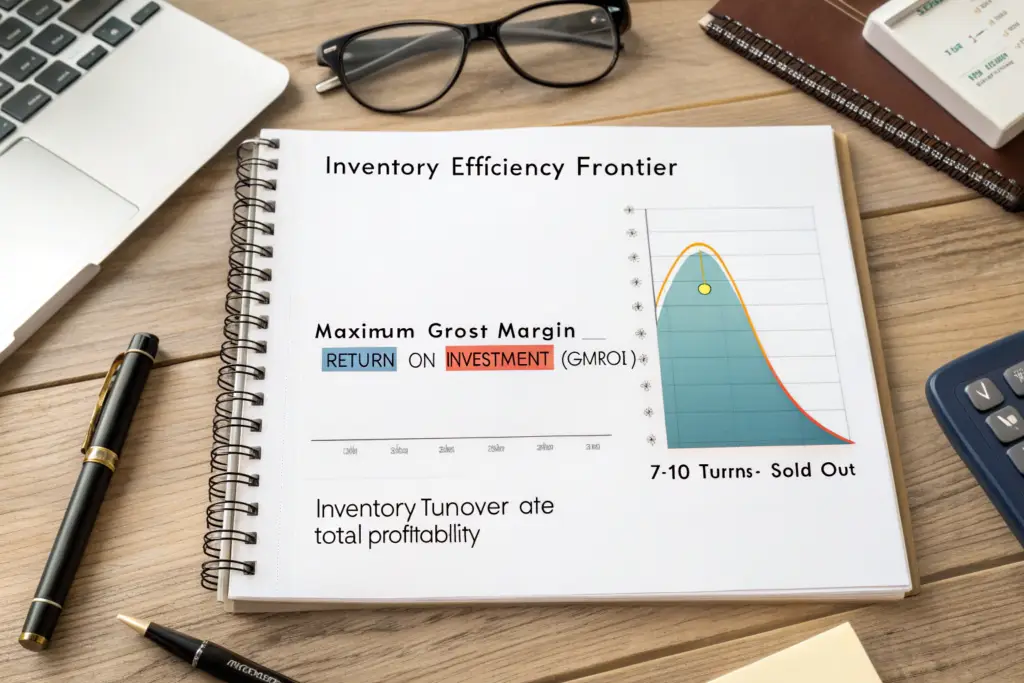
The ideal inventory turnover rate for a smartly-purchased classic shorts batch is between 4 and 6 turns per year, meaning the entire inventory is sold and replaced every two to three months during the active selling season, a rate that balances the competing demands of securing a low per-unit cost through larger production volumes, avoiding stockouts that result in lost sales, and minimizing the cash flow drain and the carrying costs associated with holding inventory for extended periods, with a turnover rate below 4 indicating that too much cash is tied up in unsold stock, and a rate above 8 indicating that the brand is likely losing sales due to frequent stockouts.
At Shanghai Fumao, I help my brand partners plan their production volumes not just for the lowest possible unit cost, but for the healthiest possible inventory velocity. The goal is not the cheapest FOB price. The goal is the highest return on the cash invested in inventory. Let me walk you through the math, the trade-offs, and the purchasing strategies that achieve the ideal turnover rate.
Why Is a Turnover Rate of 4 to 6 the "Sweet Spot" for Classic Shorts?
Inventory turnover rate is calculated by dividing the Cost of Goods Sold over a specific period, typically a year, by the Average Inventory Value over that same period. A turnover rate of 4 means the brand sells its entire inventory value four times per year. For a seasonal product like classic shorts, this means the inventory is turning approximately every two months during the spring and summer selling season. This rate is not arbitrary. It is the mathematical intersection of several competing financial forces.
An inventory turnover rate of 4 to 6 is the sweet spot for classic shorts because it represents the point where the financial benefits of purchasing larger quantities, such as a lower per-unit FOB price and reduced freight cost per unit, are maximized without incurring the offsetting costs of slow turnover, including the cash flow drain of capital tied up in unsold inventory, the warehousing and insurance costs that accrue monthly, the risk of fabric degradation or style obsolescence, and the psychological pressure to discount that builds as inventory ages, a combination of costs that, for classic shorts, typically begins to outweigh the volume discount at turnover rates below 4.
How Does Cash Flow Tie-Up Erode the Volume Discount?
The classic mistake is to purchase a larger batch of shorts than needed because the factory offers a lower per-unit price at higher volumes. The buyer calculates the savings per unit and concludes it is a smart financial decision. This calculation ignores the cost of the cash that is tied up in the inventory while it waits to be sold.
Every dollar that is sitting in a carton of unsold shorts is a dollar that cannot be used for marketing, for hiring, for product development, or for seizing an unexpected opportunity. The cost of this tied-up capital is the brand's cost of capital, typically 10% to 15% per year for a small to mid-size brand. A batch of shorts that takes nine months to sell through has incurred a carrying cost of 7.5% to 11% of its value just in the cost of the tied-up cash. When this carrying cost is added to the unit cost, the effective cost per unit is often higher than the cost of a smaller batch purchased at a slightly higher unit price but sold through in three months. This inventory carrying cost and its impact on profitability explains the full cost of slow-moving inventory.
What Are the Hidden Costs of Inventory That Moves Too Slowly?
Cash flow is not the only cost of slow-moving inventory. Warehousing costs accrue monthly. A pallet of shorts that sits in a third-party warehouse for six months costs $15 to $25 per pallet per month. Insurance costs accrue. The risk of damage, from moisture, from pests, from handling, increases with time. The risk of obsolescence, while low for a classic khaki short, is not zero. A change in the brand's labeling, packaging, or logo can render old inventory inconsistent with the new brand presentation.
Perhaps the most significant hidden cost is the psychological pressure to discount. The buyer who is sitting on a large inventory of shorts as the season draws to a close feels a powerful urge to clear that inventory through markdowns. The shorts that were planned to sell at full price are now sold at a 30% or 40% discount, directly eroding the margin that the volume discount was intended to protect. This markdown psychology and inventory management explains the human factors that drive discounting behavior.
How Should You Structure Your Purchase Order to Hit the Target Turnover Rate?
The traditional approach to purchasing is to place one large order at the beginning of the season. This approach maximizes the volume discount and minimizes the logistical complexity. It also guarantees a slow inventory turnover rate, as the entire season's supply sits in the warehouse from day one. The smart purchasing approach is to split the order into phases, with an initial bulk order followed by smaller, faster reorders triggered by actual sell-through data.
Structuring a classic shorts purchase order to achieve a 4 to 6 turnover rate requires a phased purchasing strategy: an initial bulk order, typically 50% to 60% of the forecasted seasonal demand, placed before the season to secure the volume discount and ensure launch inventory, with the remaining 40% to 50% of the demand held as a fabric reservation or a capacity commitment with the factory, to be called off in smaller, more frequent reorders triggered when the sell-through data confirms which styles, colors, and sizes are selling, a strategy that maintains a lower average inventory level throughout the season and dramatically increases the turnover rate.

What Is the Difference Between a "Bulk Buy" and a "Phased Reorder" Strategy?
A bulk buy strategy places one purchase order for the entire forecasted season demand. If the brand forecasts selling 5,000 units for the season, it purchases 5,000 units upfront. The unit cost is minimized. The inventory turnover is slow. The risk is that the forecast is wrong. If the shorts sell faster than expected, the brand stocks out and loses sales. If the shorts sell slower than expected, the brand is left with excess inventory.
A phased reorder strategy places an initial purchase order for 2,500 to 3,000 units, half to sixty percent of the forecast. The brand holds a reservation with the factory for the remaining fabric and capacity. After the first month of sales, the brand analyzes the data. If the khaki shorts in size 34 are selling faster than expected, a reorder is placed specifically for those units. The reorder arrives in 4 to 6 weeks, before the initial inventory is depleted. The average inventory level throughout the season is lower, the turnover rate is higher, and the risk of a major forecasting error is reduced. This phased inventory purchasing and open-to-buy planning is the standard strategy for inventory-efficient brands.
How Does a Fabric Reservation Agreement Support a Fast Turnover Strategy?
The phased reorder strategy only works if the factory can deliver the reorders quickly. If the reorder lead time is 12 weeks, the brand must hold more initial inventory to cover the gap, and the turnover rate suffers. A fabric reservation agreement is the key to fast reorders.
The brand and the factory agree that the factory will hold a specified quantity of the brand's greige fabric in reserve. The fabric is undyed, ready to be dyed and finished when the reorder is placed. This reservation cuts the reorder lead time from 12 weeks, which includes fabric procurement, to 4 to 6 weeks, which includes only dyeing, finishing, cutting, and sewing. The brand pays a small reservation fee or commits to purchasing the reserved fabric over the course of the season. The faster reorder capability allows the brand to hold less initial inventory and achieve a higher turnover rate. This fabric reservation and agile supply chain management explains the mechanics of this approach.
What Metrics Should You Track to Maintain the Ideal Turnover Rate?
The inventory turnover rate is a lagging indicator. It tells the brand what happened over the past quarter or year. To actively manage the turnover rate and keep it in the sweet spot, the brand must track leading indicators, metrics that predict where the turnover rate is heading and allow for corrective action before the problem becomes embedded in the financial statements.
Maintaining the ideal inventory turnover rate requires weekly tracking of three leading indicators: the Sell-Through Rate, which measures the percentage of the initial batch that has sold and signals whether the purchasing forecast was accurate; the Weeks of Supply, which divides the current inventory by the average weekly sales rate and predicts how long the current stock will last; and the Aged Inventory Report, which identifies any units that have been in stock for more than 90 days and are at risk of becoming slow-moving or obsolete, with each of these metrics providing an early warning signal that allows the brand to adjust its reorder timing, its marketing focus, or its pricing strategy before the turnover rate drifts out of the target range.

How Do You Calculate and Interpret "Weeks of Supply"?
Weeks of Supply is a simple, powerful metric. It is calculated by dividing the current inventory quantity by the average weekly sales rate over the past four to eight weeks. If the brand has 600 units in stock and is selling an average of 100 units per week, the Weeks of Supply is six. The brand has six weeks of inventory remaining at the current sales rate.
A Weeks of Supply that is too high, more than 12 weeks for a seasonal product, indicates that inventory is moving too slowly. The brand is at risk of ending the season with excess stock. A Weeks of Supply that is too low, less than 4 weeks, indicates that inventory is moving too fast and the brand is at risk of stocking out before a reorder can arrive. The target Weeks of Supply for classic shorts during the peak selling season is typically 6 to 8 weeks, providing enough cushion to absorb a sales spike while maintaining a healthy turnover rate. This weeks of supply and inventory health metrics explains the calculation and interpretation in more detail.
Why Is an Aged Inventory Report Essential for a Seasonal Product?
Classic shorts are a seasonal product. The vast majority of sales occur between March and August. Any inventory that remains after August will likely need to be stored until the following spring. An Aged Inventory Report identifies units that have been in stock for more than 60 days, or more than 90 days, providing an early warning that certain styles, colors, or sizes are not selling as expected.
The report allows the brand to take proactive action. A slow-selling color can be promoted with a small, targeted discount while the season is still active. A slow-selling size can be bundled with a complementary product. The goal is to address the slow-moving inventory before the season ends, avoiding the need to carry it over to the next year with the associated carrying costs. A clean Aged Inventory Report, with minimal units over 90 days, is a sign of a healthy, fast-turning inventory. This aged inventory analysis and slow-moving stock management provides practical strategies for managing aging inventory.
Conclusion
The ideal inventory turnover rate for a smartly-purchased classic shorts batch is 4 to 6 turns per year, a rate that balances the competing financial forces of volume discounts, cash flow, carrying costs, and stockout risk. Achieving this rate requires a shift from the traditional bulk-buy purchasing model to a phased reorder strategy, where an initial order of 50% to 60% of the forecast is placed before the season, and the remaining demand is fulfilled through smaller, faster reorders triggered by actual sell-through data. This strategy is enabled by a fabric reservation agreement with the factory that compresses the reorder lead time.
Maintaining this rate requires weekly attention to leading indicators: the Sell-Through Rate, the Weeks of Supply, and the Aged Inventory Report. These metrics provide the early warning signals that allow the brand to adjust its purchasing, its marketing, and its pricing before the turnover rate drifts out of the target range. The reward for this discipline is a business that is not just profitable on paper, but that generates the cash flow needed to grow, to invest, and to weather the inevitable uncertainties of the apparel market.
At Shanghai Fumao, I help my brand partners implement the phased purchasing strategies and the fabric reservation agreements that make a 4 to 6 turnover rate achievable. If you are planning your classic shorts inventory and want to ensure that your cash is working as hard as your product, contact our Business Director, Elaine, at elaine@fumaoclothing.com. Let's build a purchasing strategy that maximizes your return on inventory.