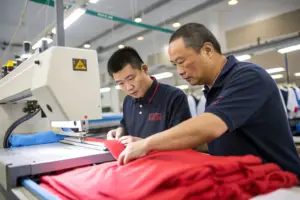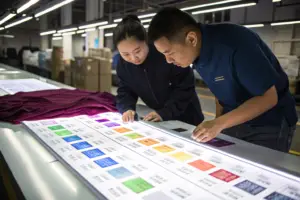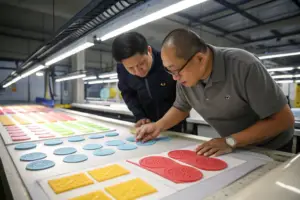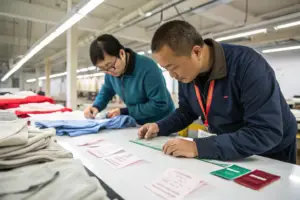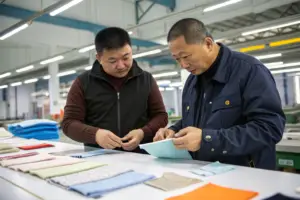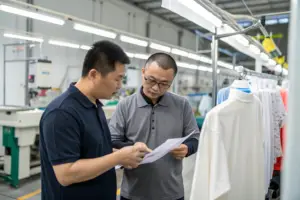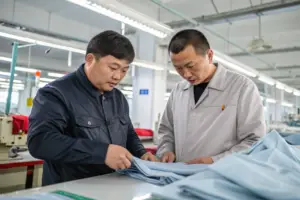
About twelve years ago, I made a decision that puzzled some of my peers in the manufacturing industry. I stopped offering a broad, general catalog of garments and focused our factory's production almost entirely on classic shorts. Trousers, jackets, and shirts were phased out. The new client inquiries shifted. Instead of small, one-time buyers asking for low prices on a mixed bag of products, I began receiving inquiries from serious distributors and established brands who were looking for exactly one thing: a factory that specialized in classic shorts and nothing else. They did not want a generalist. They wanted a master of one category. That decision transformed our business.
Breaking into the North American market by selling only classic shorts designs is a viable and strategically sound entry strategy because it allows a factory or a brand to build a reputation for unmatched expertise in a single, high-demand, year-round category, to streamline production, quality control, and inventory for maximum efficiency, and to attract the most valuable type of customer, the large-volume buyer, the brand, and the distributor, who is seeking a reliable, specialized supply chain partner for their core replenishment business, not just a vendor for a one-time order.
At Shanghai Fumao, we have proven that the specialist beats the generalist. The North American market is enormous, competitive, and demanding. The brands and distributors who buy from overseas are not looking for a factory that can do everything. They are looking for a factory that can do one thing exceptionally well, consistently, and at scale. Let me walk you through the strategy of building a business around a single product category.
Why Does Specialization in One Category Attract Higher-Value Buyers?
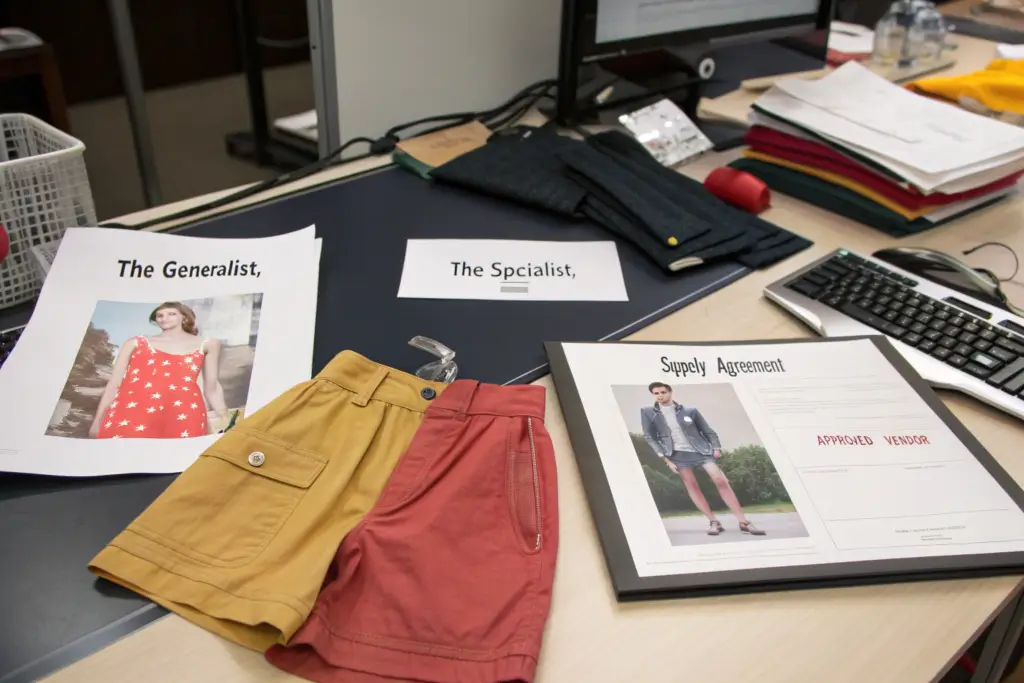
The North American apparel market is a pyramid. At the bottom are millions of small buyers, boutique owners, startup brands, and one-time purchasers. They buy small quantities, they are highly price-sensitive, and they require the same amount of communication and sampling work as a large buyer. At the top are a smaller number of large buyers, established brands, major distributors, and private label programs. They buy in volume, they value reliability and expertise over the lowest possible price, and they represent long-term, compounding revenue streams. The generalist factory attracts the bottom of the pyramid. The specialist factory attracts the top.
Specialization in classic shorts attracts higher-value buyers because the large-volume buyer is not looking for a vendor who can make many different things adequately. They are looking for a supply chain partner who can make the one thing they need, their core, high-volume product, with the highest possible quality, consistency, and reliability. A factory that makes only shorts is, in the buyer's perception, almost certainly better at making shorts than a factory that also makes dresses, jackets, and children's wear. Specialization signals mastery, and mastery attracts the buyers who are willing to pay for quality and reliability.
How Does a Narrow Catalog Build Trust with a Professional Buyer?
A professional buyer at a major brand or a large distributor has a specific problem. They need a reliable supply of a core product that they sell in high volume, season after season. This product is the foundation of their business. A mistake on this product, a quality failure, a delivery delay, is catastrophic. The buyer is risk-averse. They are looking for a supplier who reduces their risk, not one who adds to it.
When the buyer sees a factory that only makes classic shorts, they perceive lower risk. The factory is not distracted by other product categories. The factory's entire production system, its machinery, its operator training, its quality control checkpoints, and its supply chain relationships, is optimized for this one product. The factory has likely encountered and solved every problem that can arise in the production of a classic short. The buyer's reasoning is simple and largely correct: a specialist is a safer bet than a generalist. This supplier specialization and buyer trust in procurement explains why specialization is such a powerful trust signal.
What Is the Difference Between a Transactional Buyer and a Partnership Buyer?
The transactional buyer purchases a product. They negotiate on price, place an order, and the relationship ends when the order is delivered. The partnership buyer purchases a supply chain. They negotiate on reliability, quality, and long-term capacity. The relationship deepens with each successful order. The transactional buyer is typically a small brand or a one-time importer. They are price-sensitive and disloyal. The partnership buyer is typically a large brand, a distributor, or a private label program. They value reliability and are loyal to suppliers who provide it.
Specialization attracts partnership buyers. The generalist factory, with its broad catalog, signals that it is open to all types of business, including transactional. The specialist factory, with its narrow catalog, signals that it is looking for a specific type of client, one who needs volume, consistency, and long-term partnership. The signal is implicit but powerful. The buyer who contacts a shorts-only factory is already pre-qualified as a buyer who is serious about the category. This transactional vs strategic supplier relationships is a fundamental distinction in B2B markets.
How Do You Use Limited SKUs to Dominate Search and Wholesale Platforms?
The North American wholesale market has moved online. Platforms like Alibaba, Faire, and even basic Google search are where buyers begin their supplier research. These platforms reward specialization. A factory that lists a thousand different products, from t-shirts to jackets to dresses, is spread thin. Its product pages are generic. Its keywords are diluted. It competes with thousands of other generalist factories on price. A factory that lists fifty variations of a single product, a classic short, can dominate the search results for that specific category.
A limited SKU strategy allows a factory or a brand to dominate search algorithms and wholesale platforms by concentrating all of its content, keywords, product listings, and customer reviews onto a single, high-demand category, creating a density of relevance that a generalist competitor cannot match, and by establishing a clear, unmistakable identity in the mind of the buyer who is searching for a specific product, making the specialist the obvious and memorable choice.
Why Does a Narrow Product Line Perform Better in Search Algorithms?
Search algorithms on platforms like Google and Alibaba aim to show the user the most relevant result for their query. A buyer searches "classic shorts wholesale." The algorithm must decide which suppliers are most relevant to this query. It evaluates the supplier's entire presence, their product titles, descriptions, keywords, and customer reviews, for relevance to the search term.
A generalist factory with a thousand products has a small fraction of its content related to classic shorts. A specialist factory with fifty products, all of which are classic shorts, has one hundred percent of its content related to classic shorts. The algorithm interprets this density as high relevance. The specialist factory is more likely to appear at the top of the search results. The same principle applies to customer reviews. A specialist factory's reviews are all for classic shorts, reinforcing the factory's relevance and expertise in the eyes of both the algorithm and the human buyer. This e-commerce SEO for B2B and wholesale explains how search algorithms evaluate relevance.
How Does a Focused Catalog Create a Memorable Brand Identity?
A buyer who is sourcing classic shorts may review a dozen or more supplier profiles in a single session. The profiles blur together. The buyer cannot remember which factory had the khaki twill short and which had the olive. The specialist factory, with its single-minded focus, is memorable. The buyer remembers: "That is the shorts factory." The brand identity is clear, simple, and sticky.
This memorability is a significant competitive advantage. When the buyer is ready to make a decision, the specialist factory is the one they remember. When the buyer has a question about shorts, the specialist factory is the one they contact. The focused catalog does not just help with search algorithms. It helps with the human mind. This brand positioning and specialization for B2B companies explains why narrow positioning is more effective than broad positioning.
How Do You Penetrate the Market Through Wholesale Platforms and Trade Shows?
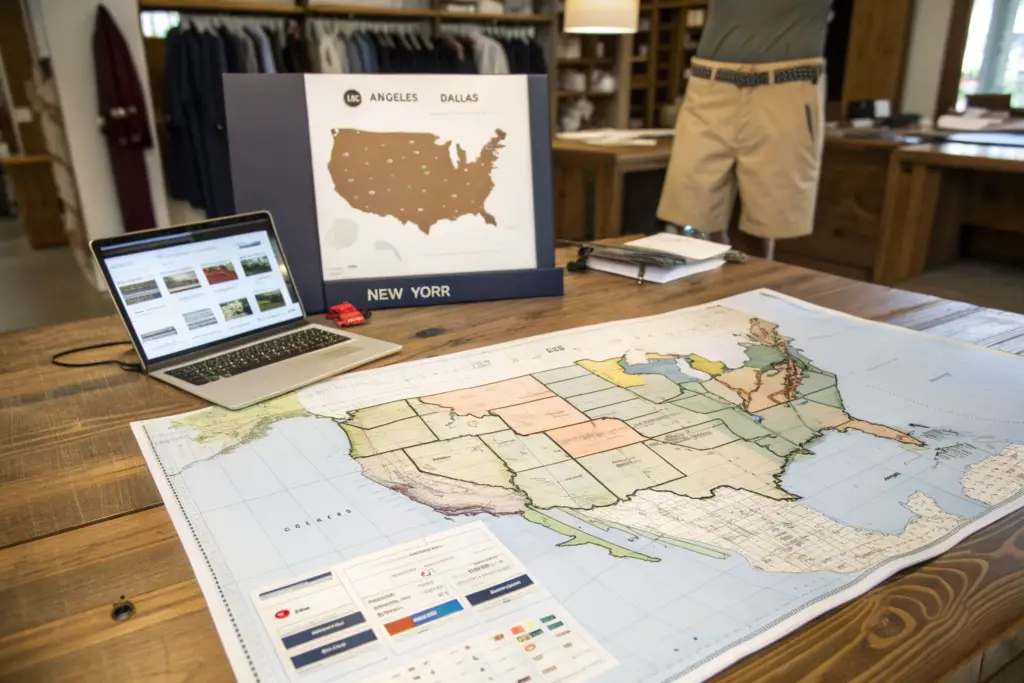
North America is a large continent, but the wholesale apparel market is surprisingly concentrated. A small number of trade shows, a small number of online platforms, and a small number of buying offices control a large share of the purchasing volume. A specialist supplier can penetrate this market efficiently by focusing their limited marketing resources on these high-leverage points of access. The strategy is not to market broadly. It is to market deeply into the channels where the high-value buyers congregate.
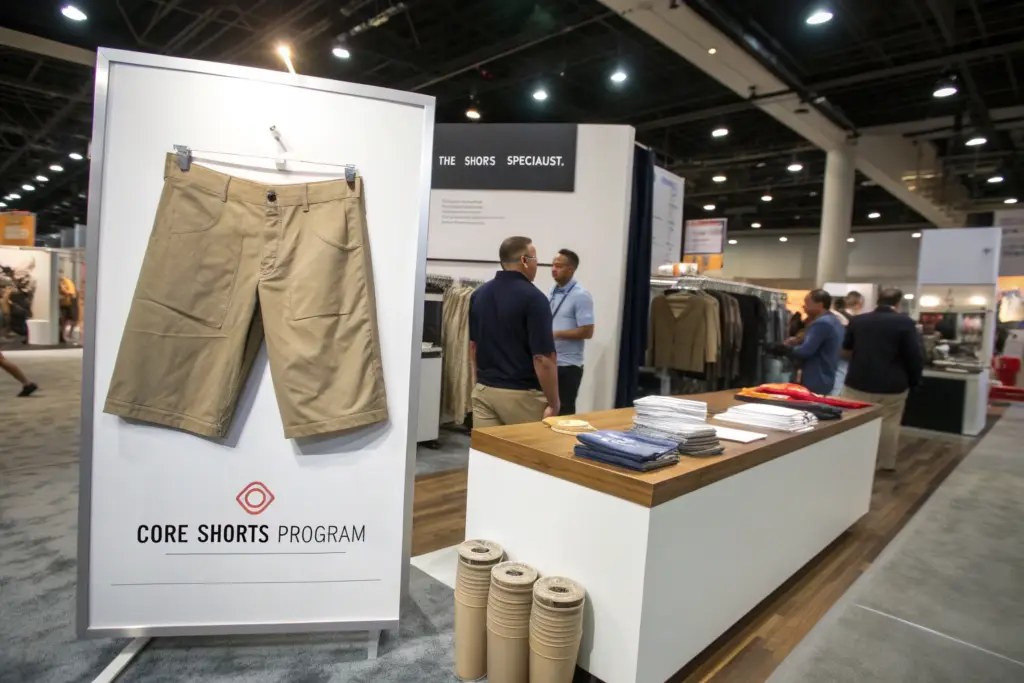
Penetrating the North American market with a classic shorts-only line requires a concentrated presence on the specific wholesale platforms, such as Faire and Alibaba, where independent retailers and boutique chains source, and at the specific trade shows, such as MAGIC in Las Vegas and PROJECT in New York, where major buyers and distributors discover new suppliers, with the marketing message at each touchpoint reinforcing the specialization: a simple, powerful booth design, a focused line sheet, and a sales pitch that leads with the factory's singular expertise in classic shorts.
What Are the Key Trade Shows and Platforms for North American Wholesale?
The North American wholesale apparel market has several key access points. MAGIC Las Vegas is the largest and most important trade show for mainstream and mass-market apparel. PROJECT New York is more focused on contemporary and premium menswear. Atlanta Apparel is the dominant show for the Southeastern market. Dallas Market Center serves the Texas and Southwestern market. For online platforms, Faire has rapidly become the leading wholesale marketplace for independent boutiques and small chains. Alibaba remains the dominant platform for buyers seeking direct relationships with overseas manufacturers.
A specialist shorts supplier should select one or two of these access points that best align with their target buyer and their product positioning, and invest heavily in a professional, memorable presence at those points. A small, generic booth at five trade shows is far less effective than a well-designed, well-staffed booth at one major show. This North American apparel trade shows and wholesale platforms provides an overview of the key events.
What Should the Pitch and Presentation Emphasize?
The pitch at a trade show or on a wholesale platform should lead with the specialization. Not with the price. Not with the minimum order quantity. With the fact that this factory does one thing and does it exceptionally well. "We are a classic shorts specialist. That is all we make. Our production lines are dedicated to shorts. Our quality control is optimized for shorts. Our fabric sourcing is focused on the best materials for shorts. We make shorts better, faster, and more consistently than any generalist factory."
The booth design, the line sheet, and the product samples should all reinforce this message. The booth should not be cluttered with dozens of products. It should feature a curated selection of the core silhouettes, presented beautifully, with detailed information about the fabric, the construction, and the quality standards. The sales team should be knowledgeable, not just about the product, but about the shorts market. They should be able to speak to the buyer about silhouette trends, fabric innovations, and inventory strategies. The buyer should leave the booth feeling that they have met the expert, not just another supplier. This trade show booth design and sales pitch for B2B provides practical guidance on effective trade show marketing.
Conclusion
Breaking into the North American market by selling only classic shorts designs is a strategy that leverages the power of specialization. The large buyers who make up the most valuable segment of the market are not looking for a supplier who can do everything. They are looking for a supply chain partner who can do one thing, their core product, with the highest possible quality, consistency, and reliability. A factory that focuses exclusively on classic shorts signals mastery, and mastery attracts these high-value buyers.
The specialist strategy also aligns with the mechanics of the modern wholesale market. Search algorithms reward the density of relevance that a narrow product line provides. Wholesale platforms favor the clear, memorable identity of the specialist over the generic blur of the generalist. Trade show buyers remember the booth that did one thing beautifully over the booth that did many things adequately. The limited SKU strategy is not a limitation. It is a competitive advantage.
At Shanghai Fumao, I have proven this strategy over more than a decade. We make classic shorts. We make them well. We make them consistently. And we have built our business serving the North American buyers who value that expertise. If you are a brand or a factory looking to enter or expand in the North American market with a focused classic shorts program, or if you are a buyer looking for a specialist supply chain partner, contact our Business Director, Elaine, at elaine@fumaoclothing.com. Let's discuss how specialization can build your business.