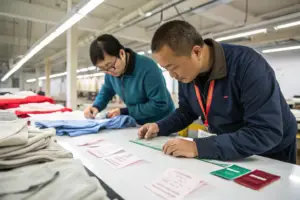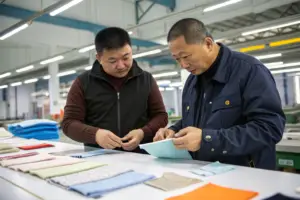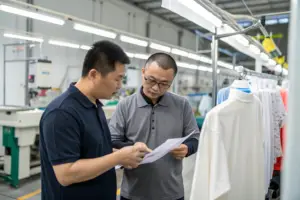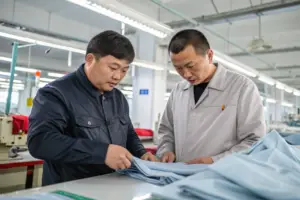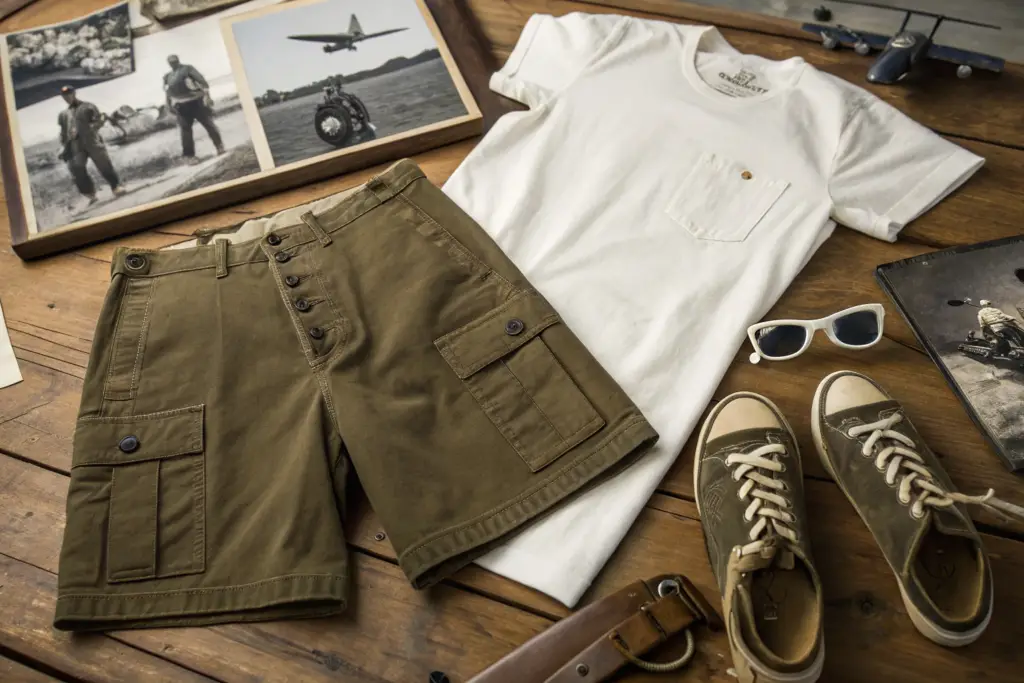
About three years ago, I sat across a table from a young brand owner in Brooklyn. He was building a menswear label that blended heritage workwear with contemporary proportions. He pulled a pair of shorts out of his bag and laid them on the table. They were not his design. They were an original pair of US Army tropical combat shorts from 1965, the OG-107 fatigue shorts in olive drab sateen. He had found them in a vintage store. "This," he said, tapping the slanted pocket and the button fly, "is the best pair of shorts I have ever worn. I want to make this, but for now." He was not alone. In the years since, I have manufactured military-inspired shorts for multiple brands, each drawing on the same archive of vintage military garments, and each finding a receptive, growing audience of male consumers who want the authenticity, durability, and functional design of military shorts, but cut for contemporary life.
The allure of vintage military-inspired classic shorts for men's contemporary wear lies in their unique combination of authentic functional design, where every pocket, seam, and button has an original purpose rooted in the demands of military service, their exceptional durability, resulting from the heavy-duty fabrics and reinforced construction required for combat conditions, and their aesthetic alignment with the broader menswear movement toward heritage, workwear, and utilitarian fashion, allowing the wearer to access a sense of history, purpose, and rugged masculinity through a garment that has been updated in fit and proportion for the modern civilian context.
At Shanghai Fumao, I manufacture these shorts for brands that understand the power of authentic product storytelling. The military-inspired short is not a fashion trend that will fade with the season. It is a permanent category, rooted in a century of garment history, that appeals to a deep and lasting consumer desire for clothing with meaning. Let me walk you through the history, the design details, and the modern interpretation of this enduring style.
What Are the Historical Roots of the Military-Inspired Classic Short?
The military-inspired classic short is not a recent invention of fashion designers. It is a direct descendant of the tropical uniforms issued to soldiers in the British, American, and French armies throughout the twentieth century. These were not fashion garments. They were equipment. Every detail was designed to solve a specific problem of military life in hot climates: durability, mobility, storage, and camouflage. The shorts that civilian men wear today, the cargo pockets, the slanted hip pockets, the heavy cotton twill, and the button flies, are all inherited from these military originals.
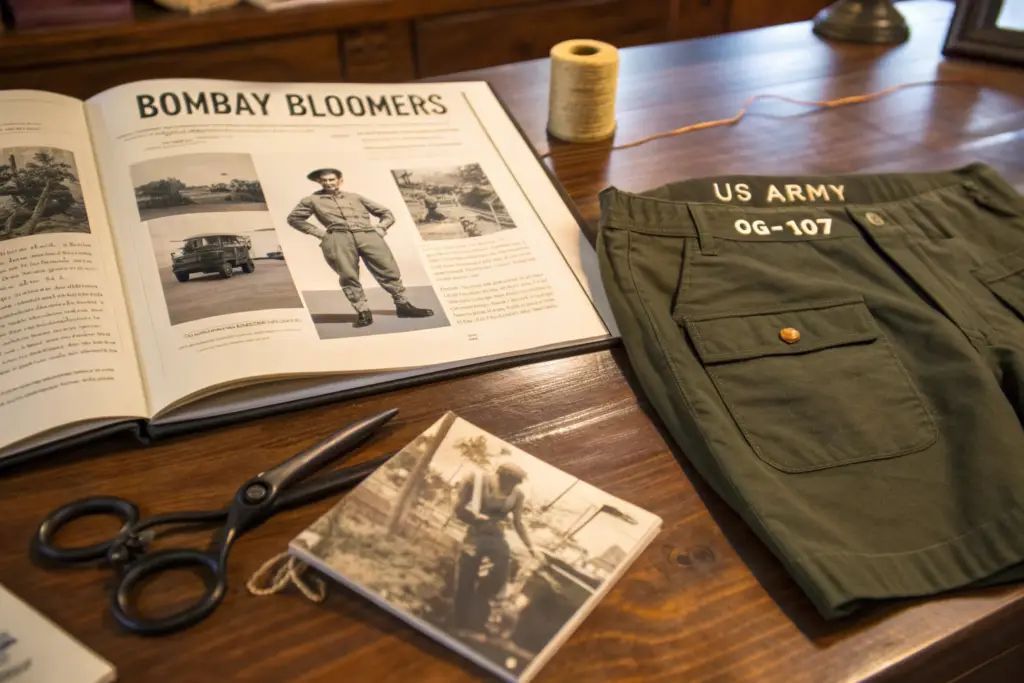
The key historical references for the modern military-inspired short are the British Army tropical "Bombay Bloomers" and khaki drill shorts of the early 1900s, which established the tailored, knee-length silhouette, the US Army OG-107 fatigue shorts of the 1950s and 1960s, which introduced the durable cotton sateen fabric and the utilitarian patch pockets, and the French Army surplus shorts of the mid-century, which contributed the distinctive side-adjuster waist tabs, with each of these original garments designed for function in extreme conditions, and each now serving as a design archive for contemporary brands.
What Functions Did the Original Military Shorts Serve?
The original military shorts were designed for combat and labor in tropical and desert environments. British soldiers in India and North Africa, American soldiers in the Pacific and Vietnam, and French soldiers in Algeria all required a garment that allowed freedom of movement, provided storage for essential equipment, and withstood the abrasion, the sun, and the repeated washing of active service.
The heavy cotton twill or sateen fabric was chosen for its toughness. The loose, straight-leg cut allowed airflow and unrestricted movement. The large patch pockets on the thighs held maps, ammunition, and rations. The slanted side pockets allowed access while wearing a belt and webbing. The button fly was more durable and easier to repair in the field than a zipper. Every detail was functional, not decorative. This functional purity is what gives the military short its authentic, unpretentious character. This history of military shorts and tropical uniforms provides a more detailed account of the garment's origins.
How Did Surplus Military Shorts Enter the Civilian Market?
After each major war of the twentieth century, vast quantities of military surplus clothing were sold to the civilian market. Returning soldiers continued to wear their shorts as workwear and casual wear. Surplus stores sold the remaining stock at low prices to farmers, laborers, and eventually to the counterculture movements of the 1960s and 1970s, who adopted military surplus as a form of anti-fashion statement.
This surplus pipeline meant that generations of American men grew up wearing military shorts, not as a fashion choice, but as a practical, inexpensive, and durable garment. The association of military shorts with utility, durability, and a certain rugged, working-class authenticity was cemented during this period. The fashion brands that now produce military-inspired shorts are drawing on this deep cultural reservoir of memory and association. This military surplus and the development of American casual wear explains how military garments transitioned to civilian fashion.
What Specific Design Details Define an Authentic Military-Inspired Short?
The difference between a genuine military-inspired short and a fashion short with a few cargo pockets stuck on is the authenticity of the details. The consumer who is drawn to this category is often knowledgeable about the historical garments. They will recognize and appreciate a correctly executed button fly, a properly angled pocket, and a fabric weight that feels substantial and authentic. The brand that gets these details wrong risks alienating the very customer they are trying to attract.
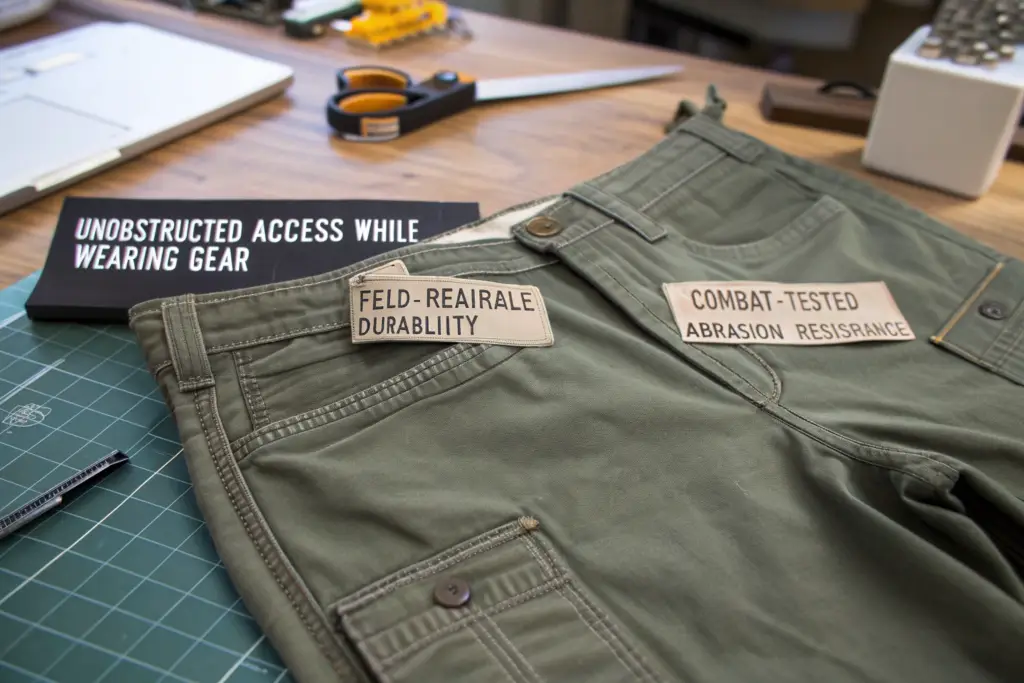
The defining design details of an authentic military-inspired classic short are the button fly, which is the original closure method and provides a flat, clean front, the slanted "drill" style side pockets, which are cut on an angle that allows easy access even when a belt is worn, the patch pockets on the thigh, which are simple, functional pockets sewn directly onto the face of the garment without a welt, the heavy-weight fabric, typically a 260 to 320 GSM cotton twill, sateen, or ripstop that provides the authentic drape and durability, and the absence of visible branding, reflecting the military origin where function and anonymity were paramount.
Why Is the Button Fly the Preferred Closure for Authenticity?
The button fly predates the zipper fly in military shorts. Zippers, when they were first introduced, were expensive, prone to failure in sandy or muddy conditions, and difficult to repair in the field. A button could be sewn back on by a soldier with a needle and thread. A broken zipper rendered the shorts unwearable until a tailor could replace it.
This functional origin gives the button fly its authentic, heritage character. A button fly communicates that the short is built for durability and practicality, not for sleek, modern aesthetics. The flat, clean front of a properly constructed button fly is also aesthetically appealing. There is no metal zipper hardware to create a bulge or a visible line. The front of the short lies perfectly flat. This button fly vs zipper fly in menswear explains the historical and functional differences.
What Is the Correct Angle and Construction for the Slanted Pocket?
The slanted side pocket on a military short is not a random design choice. The angle of the opening, typically 30 to 45 degrees from the horizontal, allows the wearer to access the pocket easily while wearing a belt, a pack, or military webbing. A straight vertical pocket opening is difficult to access when a belt is cinched tight. A horizontal pocket opening allows items to fall out when the wearer is moving. The slanted angle is the optimal compromise.
The pocket itself is typically a simple patch pocket, sewn onto the inside of the garment with the opening finished with a clean hem. It is not a complicated, multi-piece construction. It is functional, simple, and robust. The brand that replicates the correct angle and the simple, robust construction of the original military pocket is communicating an understanding of the garment's heritage. The brand that uses a standard, vertically-opening pocket or a fashion pocket with unnecessary flaps and details is missing the point. This military garment pocket construction and function provides a technical overview of pocket types and their origins.
How Are Contemporary Brands Modernizing the Military Short Silhouette?
The original military shorts were cut for function, not for fashion. The fit was loose and boxy. The inseam was long, often reaching to the knee or below. The waist was designed to be worn with a belt, not to fit precisely. The contemporary male consumer wants the authentic details of the military short, but he wants them on a silhouette that is flattering, comfortable, and appropriate for his civilian life. The challenge for the brand is to honor the original while updating the fit.
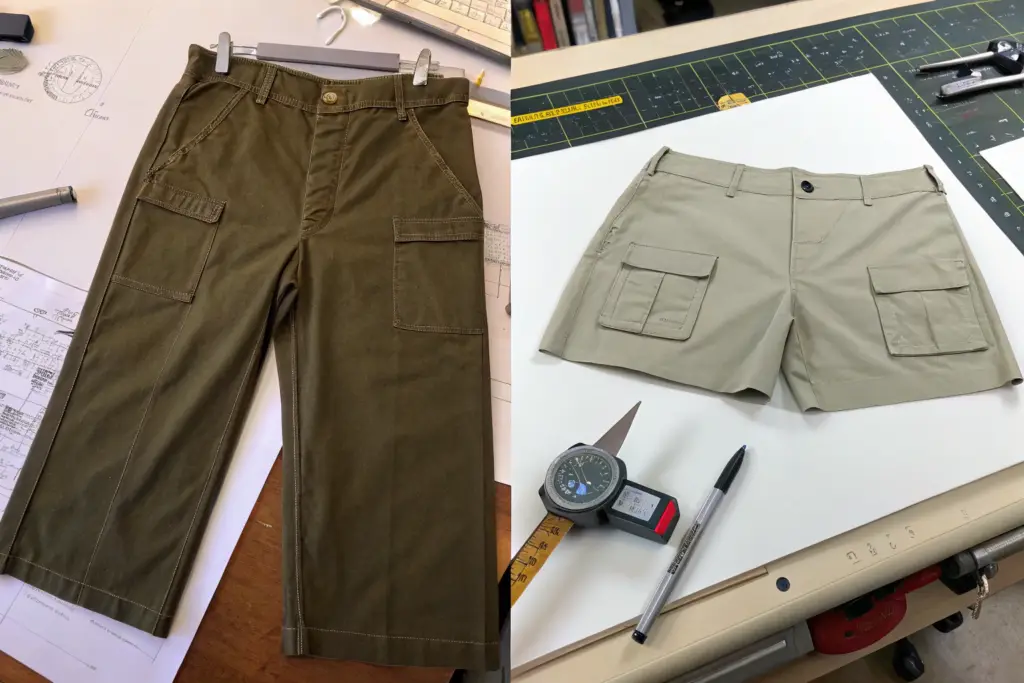
Contemporary brands are modernizing the military-inspired short silhouette by maintaining the authentic fabric weight, pocket details, and button fly, while tailoring the fit through a more precise waistband that sits at the upper hip, a gently tapered leg that reduces the boxy excess of the original but does not become a slim-fit, an adjusted inseam that typically falls between 7 and 9 inches for a modern proportion, and upgraded interior finishing such as bound seams and clean-finished pocket bags that provide the refined quality the contemporary consumer expects.
How Do You Balance an Authentic Loose Fit with a Modern Tailored Look?
The original military short had a very full cut. The leg was wide, the rise was high, and the seat was generously sized. This cut allowed unrestricted movement and airflow, but it reads as shapeless and unflattering to the modern eye. The modern interpretation must reduce the fullness without eliminating the comfort and the authenticity.
The solution is a gentle taper. The thigh remains generously cut, maintaining the comfort and the airflow of the original. From the mid-thigh to the hem, the leg tapers slightly, removing the excessive fullness at the hem. The result is a silhouette that is relaxed and comfortable, but that has a clean, intentional shape. It does not look like a pair of vintage shorts that are two sizes too large. It looks like a modern short that references a vintage design. This modernizing vintage garment patterns for contemporary fashion explains the pattern-making adjustments required.
What Fabric and Finish Upgrades Are Acceptable Without Losing Authenticity?
The original military shorts were made from heavy, unwashed cotton twill or sateen. The fabric was stiff, durable, and designed to be broken in over months of wear. The contemporary consumer is not willing to endure months of break-in. They want the authentic look and durability of the military fabric, but with a softer, more comfortable hand feel from day one.
The solution is to use the same heavy fabric weight, 260 to 320 GSM cotton twill, but to apply an enzyme wash or a garment wash that softens the fabric and gives it a lived-in feel without compromising its structural integrity. The fabric still feels substantial and durable, but it is comfortable against the skin from the first wear. The addition of a small percentage of stretch, typically 2% elastane, is acceptable to some consumers but rejected by purists who value the rigid, authentic character of the original. The brand must decide where on the authenticity-comfort spectrum it wants to position its product. This fabric finishing for military-inspired apparel explains the available finishing techniques.
What Is the Consumer Psychology Behind the Military-Inspired Trend?
The consumer who buys a military-inspired short is not just buying a garment. They are buying into a set of values and associations. Durability over disposability. Authenticity over branding. Function over decoration. History over novelty. This consumer is often the same person who appreciates heritage workwear, classic leather boots, mechanical watches, and other products that are built to last and carry a story. The military short fits into this broader consumer identity.
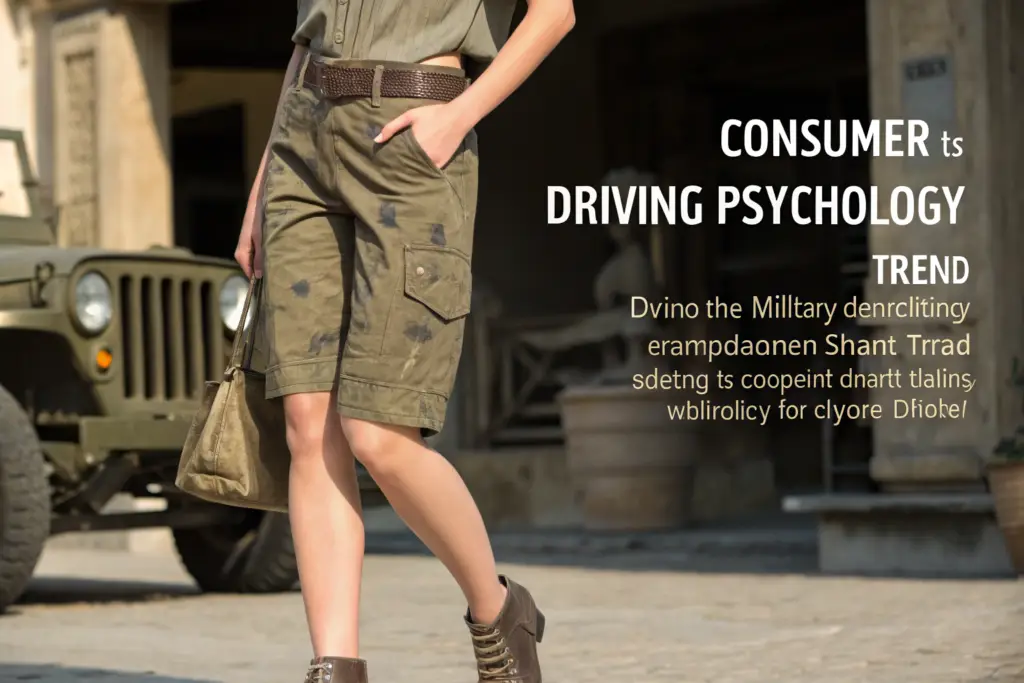
The consumer psychology driving the military-inspired short trend is rooted in a desire for authenticity and durability in a fast-fashion world, with the garment serving as a symbol of a set of masculine-coded values including ruggedness, practicality, self-reliance, and connection to history, values that the consumer seeks to express through their clothing choices, and with the documented history and functional design of the military short providing a level of product storytelling and emotional resonance that a generic fashion short cannot match.
Why Does the Consumer Value "Authentic" Product Stories?
The modern consumer is bombarded with marketing messages. Every brand claims quality, craftsmanship, and authenticity. The consumer has developed a sophisticated skepticism. They are looking for evidence, not claims. A product with a documented, verifiable history, such as the military short, provides that evidence. The consumer can trace the slanted pocket back to a specific military function. The consumer can see the original garment in a museum or a vintage photograph.
This connection to history gives the military short a depth and a meaning that a generic short lacks. The consumer is not just wearing a pair of shorts. They are wearing a piece of design history. This emotional resonance is a powerful driver of purchase intent and brand loyalty. This consumer demand for authentic brand storytelling explains the psychology behind the trend.
How Does the "Rugged Masculinity" Archetype Influence Purchasing?
The military short carries an unavoidable association with a specific archetype of masculinity. The soldier, the laborer, the adventurer. This archetype is rugged, capable, self-reliant, and physically competent. It is a powerful and enduring masculine ideal. The consumer who wears a military-inspired short is, consciously or unconsciously, accessing this archetype.
The brand must handle this association with care. The marketing should not glorify war or present a cartoonish, hyper-aggressive version of masculinity. It should focus on the positive values associated with the archetype: resilience, practicality, dependability, and quiet confidence. The short is presented as a tool for the modern man, not a costume for a soldier. This masculinity and fashion marketing explores the nuances of marketing to male consumers.
Conclusion
The allure of vintage military-inspired classic shorts for men's contemporary wear is not a fleeting fashion trend. It is a deep and durable consumer preference rooted in the garment's authentic functional design, its proven durability, and its powerful connection to history and to a specific, valued masculine archetype. The slanted pocket, the button fly, the heavy twill fabric, and the unadorned, functional aesthetic all communicate a set of values that the contemporary male consumer finds compelling and desirable.
The brands that succeed in this category are the brands that respect the authenticity of the original garments while thoughtfully updating the fit, the finish, and the comfort for the modern civilian context. They are not simply copying vintage shorts. They are translating a functional military design into a relevant, wearable, and desirable contemporary garment.
At Shanghai Fumao, I have developed military-inspired shorts for multiple brands, with the patterns, the fabric sources, and the construction expertise to execute the authentic details correctly. If you are a brand looking to add this enduring category to your line, contact our Business Director, Elaine, at elaine@fumaoclothing.com. Let's build a short that honors the history and fits the present.