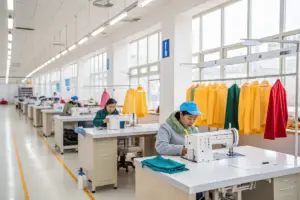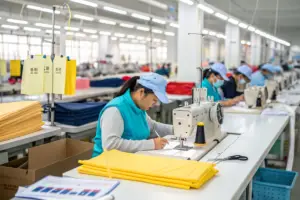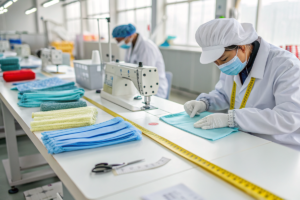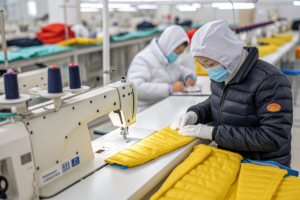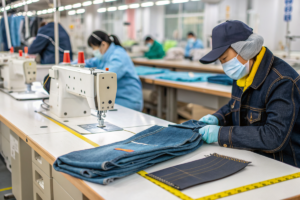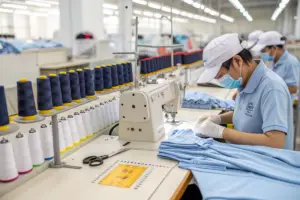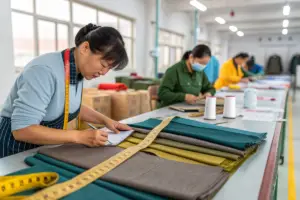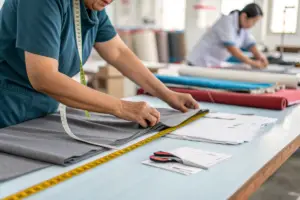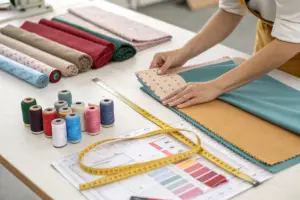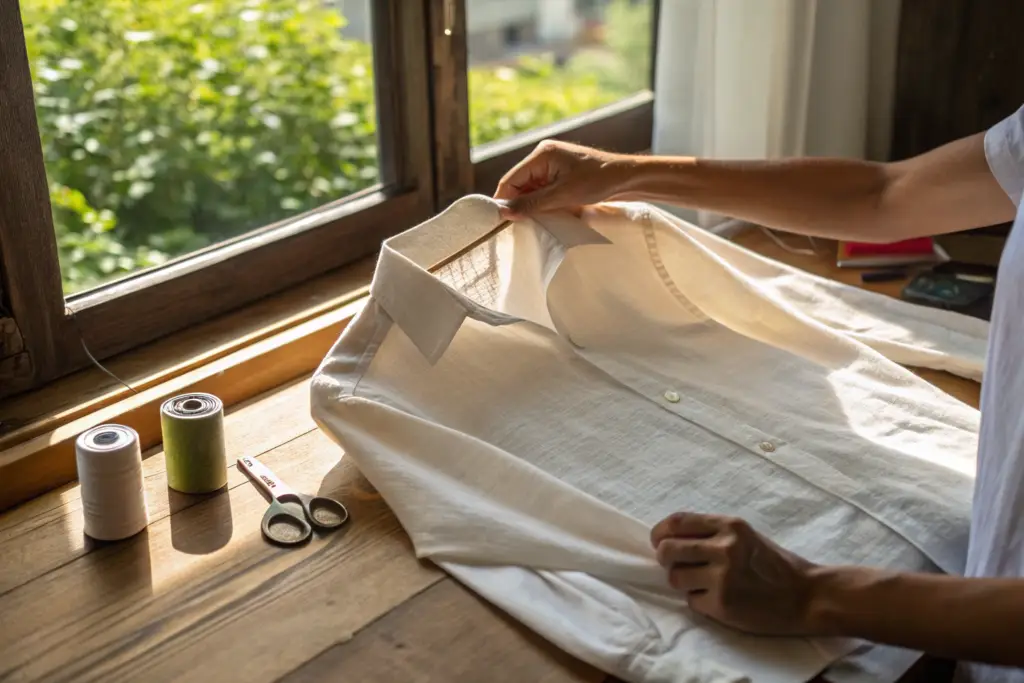
A Charleston-based resort wear brand once launched a beautiful collection of Summer linen shirts that sold out almost immediately. The fabric was a premium 100% Irish linen, the colors were a perfect palette of coastal pastels, and the fit was universally flattering. The returns began arriving six weeks later. The side seams were pulling apart at the hip. The armhole seams were fraying. The buttonholes were stretched and misshapen. The beautiful linen had been constructed with a standard single-needle lockstitch at 8 stitches per inch and unfinished seam allowances that unraveled after repeated washing. The brand had invested in premium fabric but had not invested in the craftsmanship required to make that fabric durable. The customer had purchased a beautiful garment that was structurally incapable of surviving a single Summer of regular wear.
The craftsmanship that makes Summer garments more wear-resistant consists of four specific, inspectable construction techniques: flat-felled or French seams that fully enclose all raw fabric edges, preventing the fraying and unraveling that lightweight Summer fabrics are particularly prone to; a minimum stitch density of 10-12 stitches per inch using a high-tenacity polyester core-spun thread that resists UV degradation and wet-strength loss; stress-point reinforcement with bar-tacks or dual-row stitching at every seam termination, pocket corner, and closure point; and a properly interfaced and stabilized collar, placket, and cuff construction that prevents the stretching and distortion that Summer heat and humidity accelerate.
At Shanghai Fumao, I specify these four craftsmanship standards on every Summer garment tech pack. A lightweight linen or cotton voile is a delicate canvas. The craftsmanship is what makes it durable. The customer who buys a Summer shirt and wears it twenty times between May and September needs the seams to hold, the collar to keep its shape, and the fabric edges to remain smooth. Beautiful fabric with weak construction is a return waiting to happen.
Why Are "Flat-Felled and French Seams" Non-Negotiable for Preventing Edge Fraying in Lightweight Summer Fabrics?
A Miami-based linen clothing brand once constructed their bestselling Summer trousers using a standard overlocked seam with an exposed raw edge. The trousers were beautiful on the hanger and sold well. After five washes, the raw edges of the overlocked seams began to fray. The lightweight linen, which has relatively short staple fibers compared to heavier fabrics, shed fibers from the exposed edges with every wash cycle. By the tenth wash, the seam allowances had frayed so significantly that the stitching no longer had fabric to grip, and the seams began to split open. The trousers were returned en masse. The brand had used a seam finish designed for heavier, more stable fabrics on a fabric that was fundamentally incapable of supporting it.
Flat-felled and French seams are non-negotiable for preventing edge fraying in lightweight Summer fabrics because these seam types fully enclose the raw cut edge of the fabric within a folded, double-layered seam structure, physically trapping the short, delicate fibers that would otherwise pull away and unravel with every wash and wear cycle, whereas a standard overlocked seam leaves the raw edge exposed, and the overlock stitching alone cannot prevent the progressive fraying that lightweight linen, cotton voile, and rayon challis experience due to their inherently shorter fiber staple lengths and lower tensile strength.
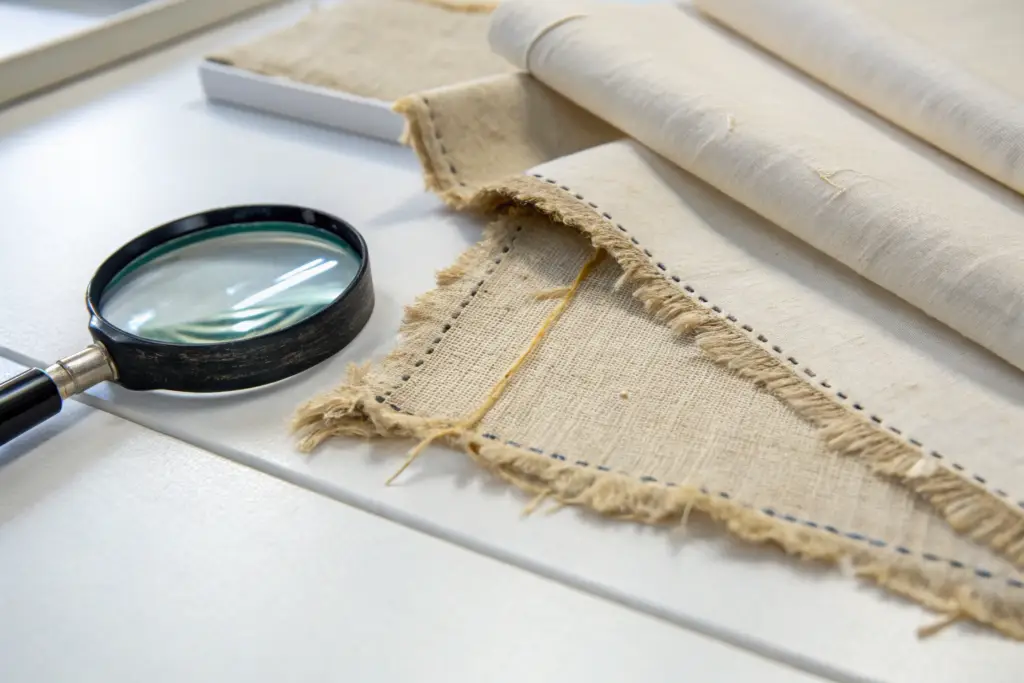
A standard overlock seam wraps thread around the raw edge, but the edge itself remains exposed to friction, washing, and wear. A flat-felled seam folds the raw edge inside the seam, encases it between two layers of fabric, and topstitches it down. The raw edge is physically protected from any contact with the outside world. A French seam encloses the raw edge inside a second, folded seam, creating a clean, protected finish on the interior of the garment. Both methods eliminate the exposed raw edge that is the starting point for fraying.
How Does a "Flat-Felled Seam" Differ Structurally From a "French Seam" in Terms of Durability and Appropriate Application?
A flat-felled seam folds both seam allowances to one side and topstitches them flat, creating a very strong, flat, visible seam line on the outside of the garment. It is ideal for side seams on Summer shirts, trousers, and jackets. A French seam encloses the raw edge within a second seam, creating a clean, narrow, hidden finish on the inside of the garment. It is ideal for sheer, delicate fabrics where a visible flat-felled seam would be too heavy or aesthetically intrusive.
Why Does a "Double-Needle Coverstitch" on a Summer Knit Garment's Hem Prevent the "Wavy Hem" That Develops After Washing?
A single-needle hem stitch can stretch and distort during washing, creating a wavy, uneven hem line. A double-needle coverstitch creates two parallel lines of stitching on the outside and a looping thread on the inside, providing significantly more dimensional stability and preventing the hem from stretching out of shape.
What "Stitch Density and Thread Specification" Prevents Seam Rupture in Summer Garments Subjected to Active Wear and Frequent Washing?
A San Diego-based active lifestyle brand once constructed their Summer performance polo shirts using a 100% cotton thread at 8 stitches per inch—the same thread and density they used for their heavier Fall flannel shirts. The polos were worn for golf, beach volleyball, and casual outdoor activities. After repeated washing and exposure to sunlight, sweat, and sunscreen, the cotton thread degraded. Cotton loses approximately 30% of its tensile strength when wet, and Summer garments are frequently damp from perspiration or washing. The 8-stitch-per-inch density was already at the low end of durability, and the weakening cotton thread caused seams to rupture at the shoulder and side under the normal stress of a golf swing or a volleyball serve.
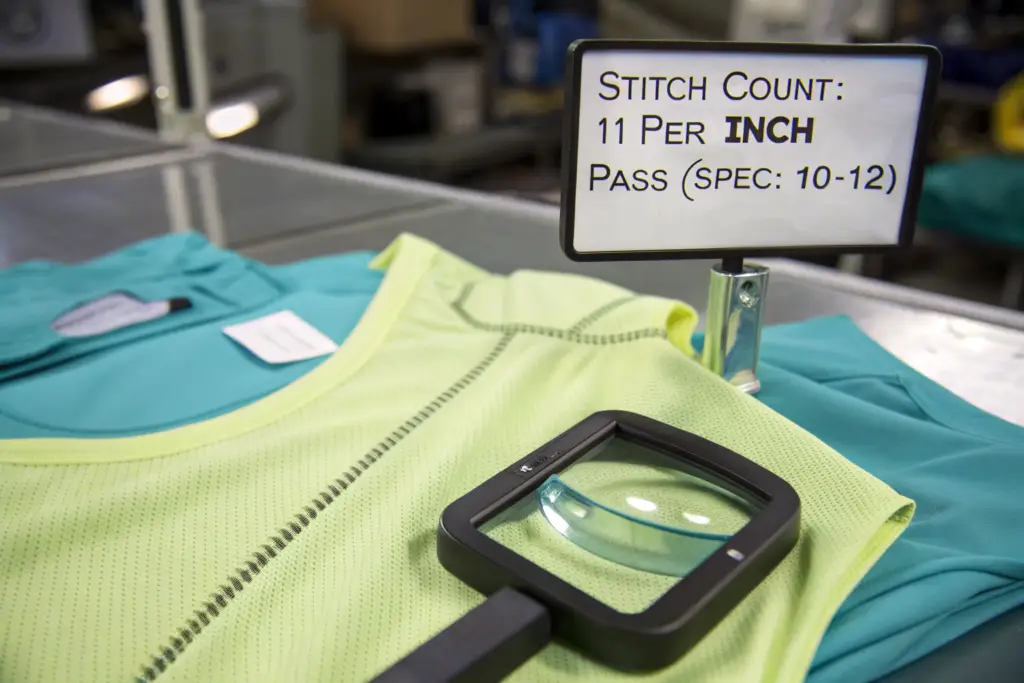
A minimum stitch density of 10-12 stitches per inch, combined with a high-tenacity polyester core-spun thread with a tensile strength of at least 8 pounds, prevents seam rupture in Summer garments because the higher stitch count distributes the load across more individual thread points, reducing the stress on any single stitch, and the polyester core provides wet-strength retention and UV resistance that cotton thread cannot match, ensuring that the seams maintain their integrity through repeated wash cycles, prolonged sun exposure, and the active body movements characteristic of Summer activities.
Stitch density is the number of needle penetrations per inch of seam. A seam sewn at 8 stitches per inch has 8 thread points holding the fabric together over that inch. A seam sewn at 11 stitches per inch has 11 thread points—a 37% increase in holding power. When the fabric is stressed, the load is distributed across more points, reducing the stress on each individual stitch and significantly lowering the probability of seam rupture.
How Does "Polyester Core-Spun Thread" Retain Its Strength When Wet, While 100% Cotton Thread Loses Approximately 30% of Its Tensile Strength?
Cotton fibers absorb water and swell, which disrupts the internal fiber structure and reduces the fiber's tensile strength. Polyester fibers are hydrophobic—they do not absorb water—and their molecular structure is unaffected by moisture. A polyester core-spun thread combines a strong, water-insensitive polyester filament core with a cotton wrap for sewability and appearance, retaining its full tensile strength when wet.
Why Should the "Stitch Density Specification" on a Summer Garment Tech Pack Include Both a Minimum and a Maximum Value?
Too few stitches per inch and the seam is weak. Too many stitches per inch and the needle perforates the fabric excessively, creating a "perforated tear" line that can actually weaken the fabric and cause it to tear along the stitch line. For lightweight Summer fabrics, the maximum should be capped at 12-13 stitches per inch to prevent over-perforation.
How Do "Bar-Tack and Stress-Point Reinforcements" Prevent the Gradual Unraveling of Summer Garments at Pocket Corners, Fly Openings, and Seam Terminations?
A Nantucket-based coastal apparel brand once designed a pair of Summer shorts with patch pockets that were simply topstitched onto the garment with a single row of stitching and no reinforcement at the pocket corners. The shorts were worn with wallets, phones, and keys placed in the pockets—the normal, expected use of a pocket. Within a month, the topstitching at the pocket corners began to pull away from the fabric. The single row of stitching, placed under daily stress at a concentrated point, failed one stitch at a time. The pocket corners peeled open. The brand had not reinforced the single highest-stress point on the entire garment.
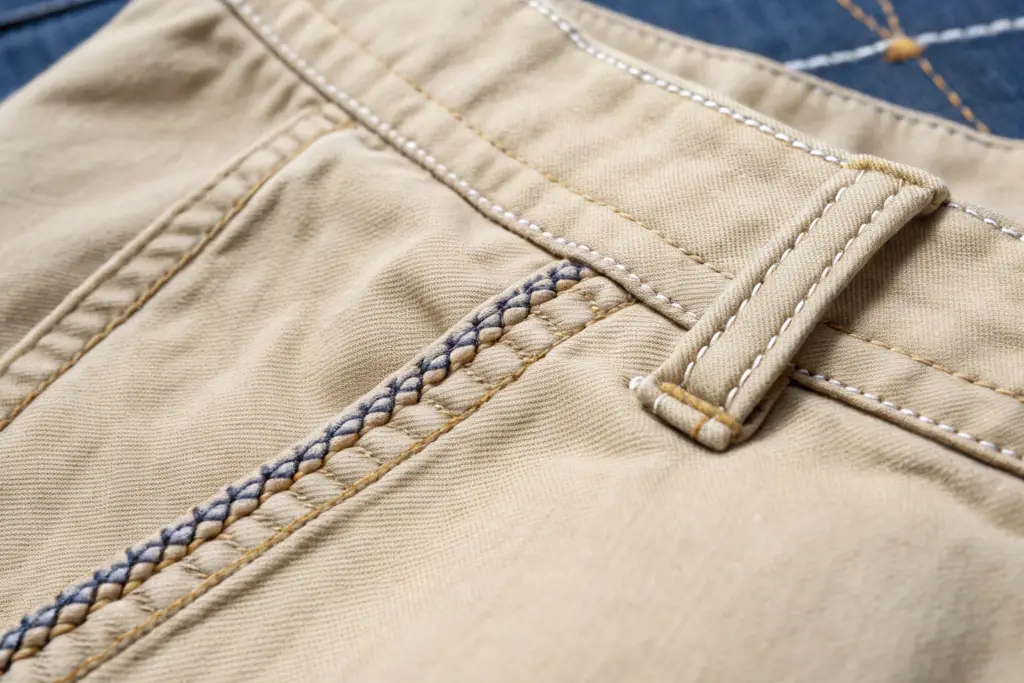
Bar-tack and stress-point reinforcements prevent the gradual unraveling of Summer garments by placing a dense, tightly stitched zigzag pattern—typically 1/2 inch long and 1/8 inch wide—at every point where a seam terminates, a pocket corner experiences concentrated pulling force, or a closure such as a buttonhole or a fly opening is subjected to repeated tension, distributing the stress that would otherwise concentrate on a single stitch point and cause a sequential, stitch-by-stitch seam failure that progresses from the stress point down the entire length of the seam.
A seam is a chain of stitches. When the first stitch at the end of the seam breaks, the load that stitch was carrying is transferred to the second stitch. The second stitch, now overloaded, breaks. The third stitch breaks. The failure propagates down the seam like a zipper unzipping. A bar-tack placed at the end of the seam prevents the first stitch from breaking by distributing the load across a dense patch of stitches, stopping the cascade before it can begin.
How Does a "Bar-Tack at a Pocket Corner" Differ From "Backstitching at a Pocket Corner" in Terms of Long-Term Durability?
Backstitching is a reversal of the straight stitch for a few stitches, creating a slightly thicker, doubled thread section. It provides some reinforcement, but the thread density remains low, and the stress is still concentrated on a small area. A bar-tack is a dedicated, dense zigzag reinforcement that distributes the pulling force across a much wider area and a much higher stitch count, providing far superior stress distribution.
Why Should "Buttonholes on Summer Garments" Be Reinforced With a Gimp Thread or a Bartack at Each End?
A buttonhole endures concentrated stress every time it is buttoned and unbuttoned. A lightweight Summer fabric like linen or voile can tear at the buttonhole ends under repeated tension. A gimp thread—a thicker, reinforcing cord sewn into the buttonhole stitch—or a small bar-tack at each end of the buttonhole provides the structural reinforcement that prevents tearing.
What "Interfacing and Stabilization" Techniques Prevent Collars, Plackets, and Cuffs From Stretching Out of Shape in Humid Summer Conditions?
A Houston-based menswear brand once launched a line of casual Summer polo shirts with unstructured, un-interfaced collars, intending to create a relaxed, soft, "lived-in" aesthetic. The relaxed look was achieved, but it lasted approximately three wears. The humid Houston summer caused the cotton collar fabric to absorb moisture, relax, and stretch. The collars lost their shape, becoming wavy, curled, and misshapen. The polo shirts, which were designed to be worn to casual offices and golf clubs, looked sloppy and worn-out within a month. The brand had confused "unstructured" with "unsupported," and the humid Summer climate had exposed the absence of internal engineering.
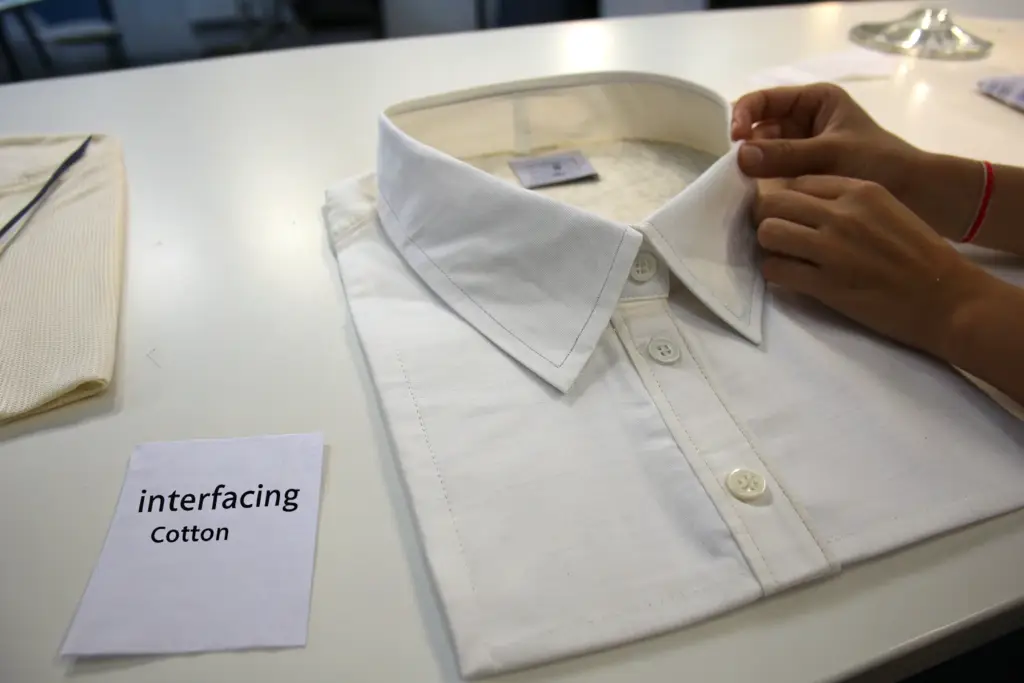
Proper interfacing and stabilization techniques prevent collars, plackets, and cuffs from stretching out of shape in humid Summer conditions by sandwiching a layer of high-quality, sew-in woven cotton or specialized knit interfacing between the outer fabric and the inner facing, providing a stable internal skeleton that resists the mechanical stretching and the moisture-induced fiber relaxation that occur when lightweight Summer fabrics are exposed to humidity, perspiration, and repeated washing, while maintaining the soft, natural drape that a fusible, synthetic interfacing would compromise.
Lightweight Summer fabrics—linen, cotton voile, rayon—have limited internal structural integrity. When they absorb moisture from humidity or perspiration, their fibers relax and stretch. When they dry, they often do not return to their original dimensions. An internal interfacing layer provides a dimensionally stable backbone that holds the fabric to its intended shape, regardless of moisture content, while the external fabric remains soft and natural to the touch.
How Does a "Sew-In Woven Cotton Interfacing" Differ From a "Fusible Synthetic Interfacing" in Terms of Breathability and Natural Drape for a Summer Garment?
A fusible synthetic interfacing is a non-woven polyester sheet with heat-activated adhesive dots. It can create a stiff, papery feel and can delaminate after repeated washing. A sew-in woven cotton interfacing is a natural fiber, breathable, and matches the drape and hand feel of the cotton or linen shell fabric. It provides support without sacrificing the natural, breathable quality of the Summer garment.
Why Should the "Interfacing Be Cut on the Bias" for a Curved Collar Component?
Bias-cut fabric has natural stretch and flexibility along the curve. An interfacing cut on the grain will resist the curved shape of the collar and create tension, causing the collar to curl or not lie flat. A bias-cut interfacing conforms to the collar's curve and supports it without fighting it.
Conclusion
The craftsmanship that makes Summer garments more wear-resistant is a specific set of internal construction techniques that address the inherent vulnerabilities of lightweight, delicate seasonal fabrics. Flat-felled and French seams enclose raw edges, preventing the fraying that lightweight linen and cotton voile are structurally prone to. A stitch density of 10-12 stitches per inch with high-tenacity polyester core-spun thread provides the wet-strength and UV resistance that Summer garments need to survive frequent washing and prolonged sun exposure. Bar-tack reinforcements at stress points—pocket corners, seam terminations, buttonholes—prevent the catastrophic, progressive seam failure that begins at a single overloaded stitch. Proper sew-in interfacing provides the internal dimensional stability that prevents collars, cuffs, and plackets from stretching out of shape in humid Summer conditions.
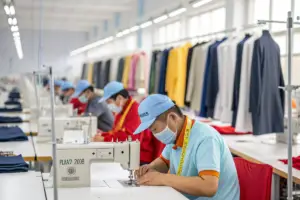
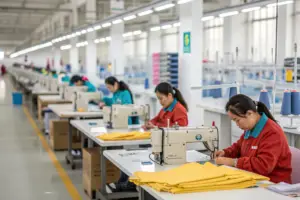
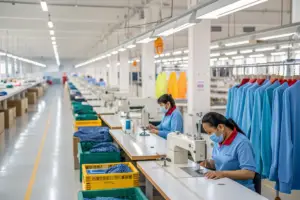
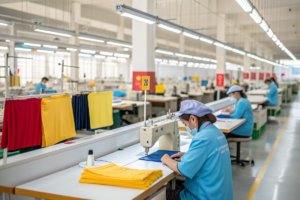
At Shanghai Fumao, I specify these four craftsmanship standards on every Summer garment tech pack, and my QC team inspects them at inline stations during production. The seam type is specified. The stitch density is measured with a pick glass. The stress-point reinforcements are checked against the reference sample. The interfacing type and cut direction are verified. A Summer garment made from beautiful, lightweight fabric with weak, standard construction is a return waiting to happen. The same fabric with these four craftsmanship standards becomes a garment that the customer wears with confidence all Summer long.
If you are a brand buyer developing a Summer collection and you want a manufacturing partner who specifies and inspects the internal craftsmanship that makes lightweight fabrics durable, contact my Business Director, Elaine. She can share our Summer garment construction standards, our stitch density and thread specifications, and our stress-point reinforcement reference samples. Reach Elaine at: elaine@fumaoclothing.com. Build a Summer garment that survives the season.