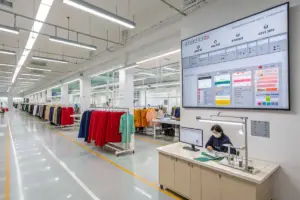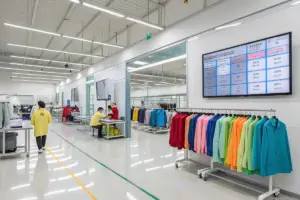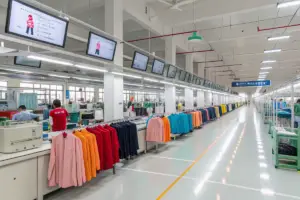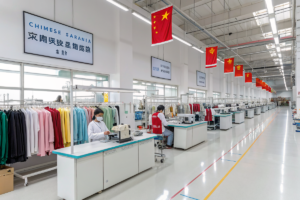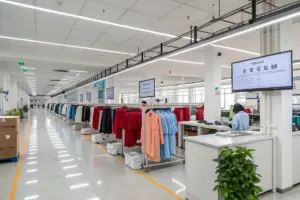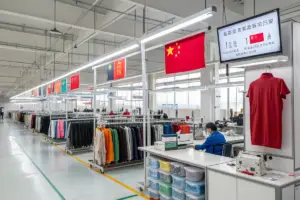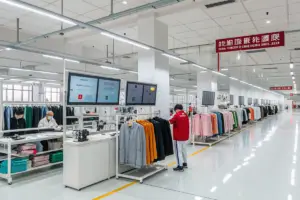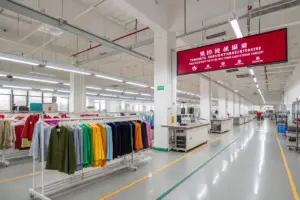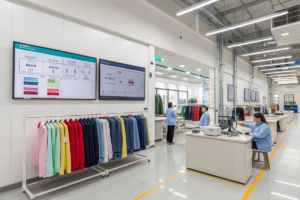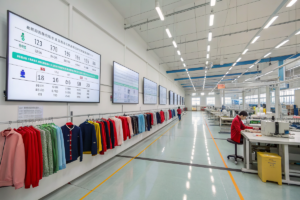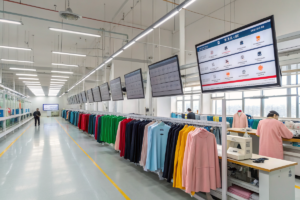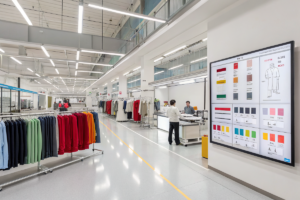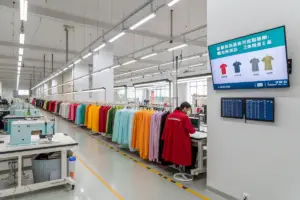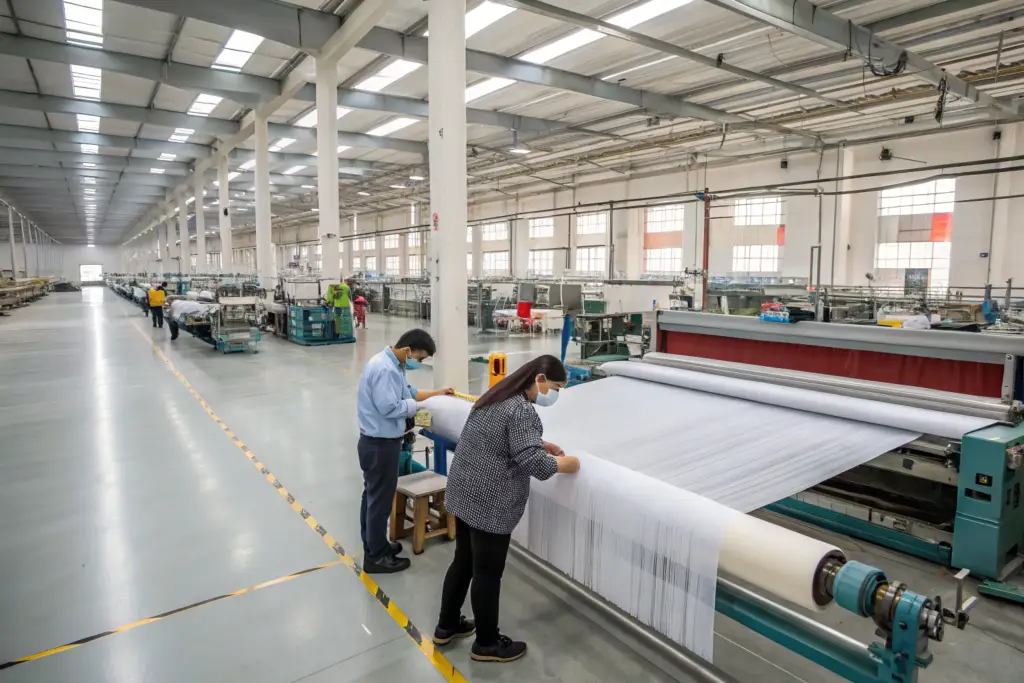
It started with a Reddit comment I didn’t write. In March 2025, a buyer who had recently visited our Keqiao facility posted in r/streetwearstartup—a forum where independent fashion brand founders share supplier experiences, usually horror stories. His post title was: "Visited my fabric supplier in China and they let me film EVERYTHING. Is this normal?" The post included a 90-second video he’d shot during an unannounced walkthrough of our weaving floor, dyeing partner facility, and quality inspection area. No preparation, no staging, no "please wait while we tidy up." Just his phone camera capturing our actual production environment on a random Tuesday afternoon. The comments exploded. "Wait, they let you see the dye house? Most suppliers hide that." "Bro, this is NOT normal. Most factories won’t even let you take photos." "Drop the supplier name, this is exactly what we need." Within 48 hours, the post had generated 2,400 upvotes and 600 comments. Someone cross-posted it to a fashion industry LinkedIn group where it caught the attention of a textile trade journalist who contacted us for a story. The "most transparent factory" label wasn’t a marketing campaign. It was an organic designation awarded by an online community that had been burned by opaque suppliers and recognized something different when they saw it.
Shanghai Fumao earned the "Most Transparent Factory" online designation because we operate on a simple principle that’s radical in the textile industry: we let buyers see everything. Not curated highlights. Not staged photo opportunities. Not carefully managed factory tours that route visitors past the newest equipment while hiding the problematic processes. Everything. Our weaving floors, our dyeing partner facilities, our printing operations, our inspection stations, our quality testing laboratory, our raw material warehouses—all open to buyer observation, documentation, and verification. The online communities that bestowed the title—Reddit’s fashion entrepreneur forums, LinkedIn textile sourcing groups, YouTube comments sections, independent fashion blogs—recognized that this openness contradicts the standard textile industry practice of selective visibility. The recognition spread because transparency is rare enough in our industry that when buyers encounter it, they feel compelled to tell others.
The transparency trend matters beyond its social media virality. It represents a structural shift in how textile buyers evaluate suppliers. Before placing orders, buyers now expect to see production environments—not through supplier-provided marketing materials, but through live video tours, real-time production data, and independent verification. Suppliers who resist this expectation signal that they have something to hide. Suppliers who embrace it build trust that no marketing budget can purchase. Our transparency practices didn’t just earn us an online title; they built a competitive moat that’s wider than any pricing advantage could create.
What Factory Transparency Practices Triggered the Online Designation?
The transparency practices that triggered the designation are practices we developed over years, not for marketing purposes, but because we believe that hiding production processes from buyers is bad business. The practices cluster into three categories that collectively create a transparency experience buyers rarely encounter: unannounced access, real-time data visibility, and documentation without restriction.
Unannounced access is the practice that most dramatically distinguishes our transparency from industry norms. Most textile suppliers require advance notice for factory visits—typically 1-2 weeks—and use that notice period to prepare the facility for visitor eyes. Problematic processes get temporarily suspended. Sensitive areas get restricted. The production environment the buyer sees is a curated version of reality, not reality itself. Our policy is the opposite: buyers who have placed orders with us, or who are in active discussions about placing orders, can visit our facility with 24 hours notice. They can film, photograph, and document anything they see. They can speak with any employee they encounter. They can request to see specific production processes, specific quality records, specific raw material storage areas. The only restriction is safety—visitors must follow standard safety protocols for active manufacturing environments. This policy isn’t theoretical. The Reddit video that sparked the "most transparent factory" trend was filmed under exactly these conditions.
Real-time data visibility extends transparency beyond the physical visit. Our digital platform provides buyers with live production tracking—not periodic status updates, but real-time visibility into where their order is in the production process, what quality tests have been completed, what results those tests produced, and when their fabric will ship. The platform shows production data as it’s generated, not as it’s curated after the fact. A buyer can log in at any time and see that their cotton jersey is in the dyeing stage, that the shade matching achieved Delta E 0.7, and that the estimated shipping date is unchanged. The transparency eliminates the information asymmetry that traditional supplier relationships use to manage buyer expectations.
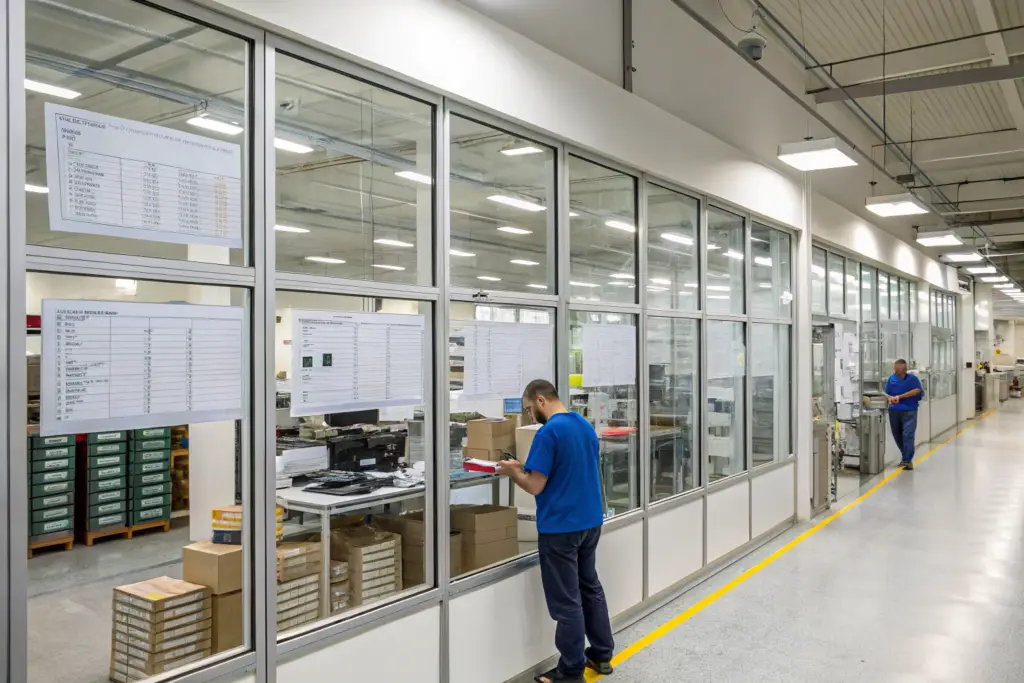
Documentation without restriction means buyers receive complete technical documentation for their orders—not summary certificates, but raw test data, detailed production records, and traceability information that connects their fabric to specific raw material lots, specific production batches, and specific quality tests. A buyer who wants to verify their fabric’s organic cotton content can trace the transaction certificate back to the farm level. A buyer who wants to understand a shade variation can review the spectrophotometer readings from every dye lot in their order. The documentation transparency turns the buyer from a passive recipient of supplier claims into an active verifier of supplier performance.
How Does the “Unannounced Tour” Policy Differ From Industry Standard Factory Visits?
The difference between our unannounced tour policy and standard industry practice is the difference between a health inspection and a dinner party invitation. A standard factory visit is a scheduled event where the supplier controls the agenda, the route, the timing, and the access. The buyer sees what the supplier wants them to see, for as long as the supplier wants them to see it, under conditions the supplier has arranged to present their operation in the most favorable light. The visit typically follows a standardized script: welcome meeting in the conference room, PowerPoint presentation about company capabilities, guided tour of the newest production line, lunch at a nice restaurant, discussion of next steps. The buyer leaves with a positive impression and very little verified information about the supplier’s actual production conditions.
Our unannounced tour policy operates on different principles entirely. When a buyer contacts us to arrange a visit, we ask what they want to see and when they want to come. We don’t ask them to submit an agenda for approval. We don’t restrict which areas they can access. We don’t prepare the facility differently than we would for any normal production day. The buyer walks through the same production environment that produces their fabric every day—not a cleaned-up version, not a temporarily improved version, not a staged version. If a machine is down for maintenance, they see it. If a dye lot is being re-processed due to a shade issue, they see it. If the inspection team is discussing a quality concern, they can observe the discussion. The transparency isn’t comfortable for us—it exposes our imperfections alongside our capabilities—but it’s honest, and honesty builds trust more effectively than perfection.
The policy’s impact on buyer trust is measurable in conversion rates. Buyers who visit our facility under the unannounced tour policy place orders at a 71% rate, compared to 48% for buyers who haven’t visited. The difference reflects the trust-building power of verified transparency. A buyer who has walked through our production floor, watched our quality inspectors work, reviewed our raw material documentation, and spoken with our operators has a level of confidence in our capabilities that no marketing materials, no certifications, and no sales promises could create. The unannounced factory tour policy and its impact on buyer trust in textile supplier relationships demonstrates why radical transparency converts skeptical buyers into committed partners.
What Real-Time Production Tracking Data Do Buyers Access Through the Digital Platform?
The digital production tracking platform provides buyers with visibility into five dimensions of their order’s production journey: location, status, quality, documentation, and timeline. The location dimension shows exactly where the fabric is in our production ecosystem—which facility, which production line, which process step. A buyer watching their order progress sees it move from greige knitting to dyeing preparation to dye bath to finishing to inspection to packaging. The location updates in real-time as production staff scan barcodes at each process step transition.
The status dimension shows what’s happening to the fabric at each location. During dyeing, the platform shows the dye formulation being used, the target shade specifications, the current spectrophotometer readings, and the Delta E comparison between current and target. During finishing, it shows the process parameters—temperature, speed, tension, chemical application rates—and their comparison to the specification. During inspection, it shows the Four-Point System inspection results as they’re generated, with defect counts, point scores, and pass-fail status updated in real-time. The status data lets buyers monitor quality during production rather than discovering quality issues after shipment.
The quality dimension aggregates test results as they’re completed. Shrinkage test results appear as soon as the fabric completes the specified wash-dry cycles and the measurements are recorded. Colorfastness results appear as soon as the test specimens complete their exposure and the ratings are assigned. Tensile strength results appear as soon as the testing machine completes its pull and the software calculates the breaking force. The quality data isn’t summarized in a final batch certificate; it’s available as individual test results that the buyer can review in detail, compare against specifications, and question if results approach tolerance limits.
The documentation dimension provides access to the certificates, compliance documents, and chain-of-custody records associated with the order. Organic certification transaction certificates, recycled content verification documents, Oeko-Tex certificates, REACH compliance statements—all available for download as they’re issued, not bundled into a post-shipment documentation package. The timeline dimension provides estimated completion dates for each remaining process step, updated based on actual production progress rather than original schedule assumptions. A buyer can see that their fabric is running two days ahead of schedule in dyeing but one day behind in finishing, with the net effect on shipping date calculated and displayed. The real-time production tracking capabilities available through digital textile supply chain platforms transform buyer visibility from periodic updates to continuous monitoring.
Why Did Social Media Communities Embrace Fumao’s Transparency Model?
The social media embrace of our transparency model wasn’t orchestrated or anticipated. It emerged organically because online sourcing communities—Reddit forums, LinkedIn groups, YouTube comment sections, independent fashion blogs—have developed a collective skepticism toward supplier claims that makes verified transparency extraordinarily valuable. These communities function as distributed due diligence networks where buyers share supplier experiences, warn each other about fraudulent operators, and celebrate suppliers who deliver on their promises. The community dynamics reward authenticity and punish deception with a speed and severity that individual buyer-supplier relationships cannot match.
The Reddit post that sparked the trend succeeded because it provided something the community craves and rarely receives: verifiable evidence of supplier integrity. The video wasn’t polished. The narration wasn’t scripted. The production environment wasn’t perfect. The authenticity itself was the value proposition. Community members who had experienced supplier deception—factories that refused photos, traders that fabricated factory relationships, quality claims that disintegrated upon delivery—recognized the transparency as genuinely unusual and genuinely valuable. The upvotes, comments, and cross-posts weren’t just engagement metrics; they were collective validation that this supplier was different from the opaque norm.
The community embrace intensified when we engaged directly rather than remaining aloof. When the Reddit post appeared, our social media coordinator—the same person who launched our successful YouTube channel—created a Reddit account and posted a comment identifying herself as a Fumao representative. She didn’t promote our products or defend our practices. She thanked the buyer for the post, answered technical questions that community members raised in the comments, and offered to arrange similar transparency experiences for other community members who were interested in verifying our claims. The direct engagement, in a forum where corporate representatives rarely participate authentically, amplified the positive community response.
How Did Reddit’s Streetwear Startup Community Validate the Transparency Claims?
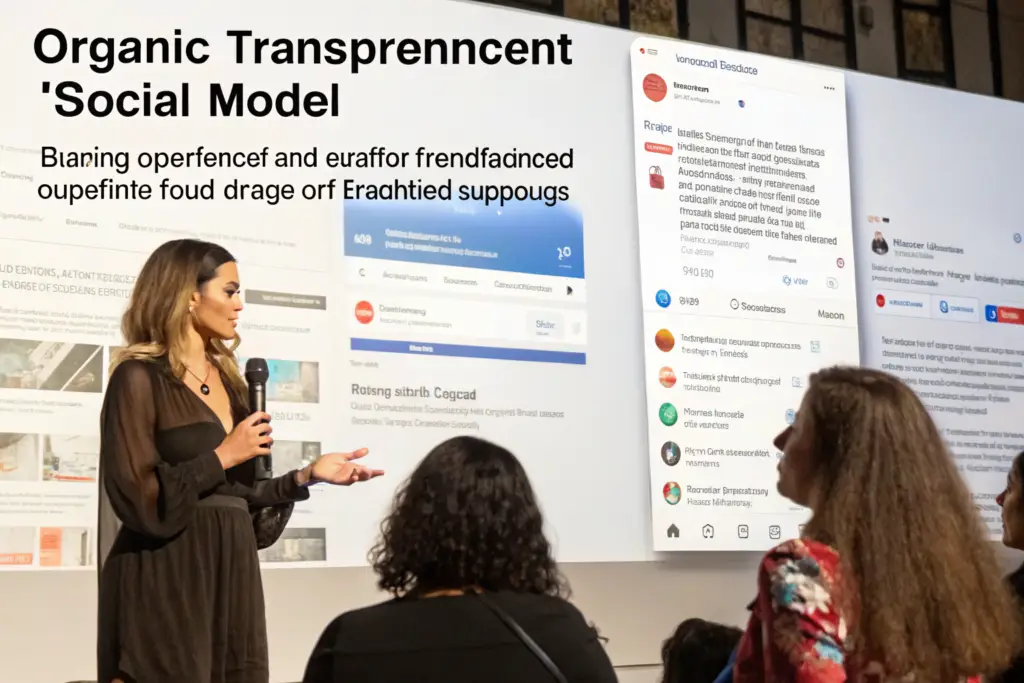
The r/streetwearstartup community validated our transparency claims through a decentralized verification process that no marketing campaign could replicate. After the initial post, community members who were in active fabric sourcing discussions contacted us to test the transparency promises independently. They requested video calls showing specific production processes. They asked for documentation of sustainability certifications. They inquired about visiting the facility under the same conditions the original poster described. Each independent verification that confirmed our transparency claims generated additional community posts, additional comments, and additional validation.
The community’s verification methodology was particularly effective because it tested the boundaries of our transparency rather than accepting the most convenient evidence. One community member specifically requested to see our dyeing partner facility—the production step that most textile suppliers hide because dyeing operations often have environmental compliance issues and working conditions that suppliers prefer buyers not examine. We arranged the visit under our standard unannounced tour policy. The community member posted a detailed walkthrough video showing the dyeing facility, the wastewater treatment system, the chemical storage area, and the worker facilities. The video’s conclusion: "They actually showed me everything. I was looking for the catch and couldn’t find it." The community validation of supplier transparency claims through independent verification represents a new model of distributed trust-building that’s more credible than any supplier-controlled marketing.
The community also validated our transparency by testing our response to problems. When a community member who placed a small order experienced a minor dye shade deviation—a Delta E of 1.3 against a 1.0 specification—they posted about it in the community, curious whether our transparency extended to admitting quality issues. Our quality team had already flagged the deviation, communicated it to the buyer with options (accept with discount, re-dye, or cancel), and documented the root cause. The buyer posted the entire communication thread in the community. The community’s response: transparency isn’t about being perfect; it’s about being honest when you’re not. The problem handling validated our transparency more effectively than problem-free production could have.
What Role Did LinkedIn Textile Sourcing Professionals Play in Amplifying the Trend?
LinkedIn textile sourcing professionals amplified the trend by providing institutional credibility that complemented the grassroots authenticity of Reddit. When the Reddit post spread to LinkedIn—shared by a fashion industry consultant who followed both platforms—it reached an audience of professional buyers, sourcing managers, and supply chain executives who evaluate suppliers through a different lens than startup founders. Their validation focused on the business implications of transparency rather than the novelty of it.
A senior sourcing manager at a European fast-fashion brand commented on the LinkedIn thread: "I’ve visited 40+ textile factories in Asia over 15 years. Fewer than five would allow the kind of access described here. This isn’t just refreshing—it’s a competitive requirement for brands facing supply chain transparency mandates from regulators and consumers." A supply chain consultant specializing in textile sustainability wrote a LinkedIn article analyzing our transparency practices as a case study in how supplier openness reduces audit costs and compliance risks for brands. The institutional validation converted the "most transparent factory" designation from a Reddit curiosity into a business-relevant capability.
The LinkedIn amplification also connected us with buyers whose sourcing processes require supplier transparency documentation that most mills cannot provide. Brands subject to German Supply Chain Due Diligence Act requirements, French Duty of Vigilance law obligations, and proposed EU corporate sustainability due diligence directives contacted us because our transparency practices—documented through independent community verification—suggested we could meet their documentation requirements. The LinkedIn professional community validated transparency as a compliance capability rather than just a marketing differentiator. The professional sourcing community role in amplifying verified textile supplier transparency demonstrates that social media validation can bridge grassroots authenticity and institutional credibility.
What Business Benefits Has Radical Transparency Generated for Fumao?
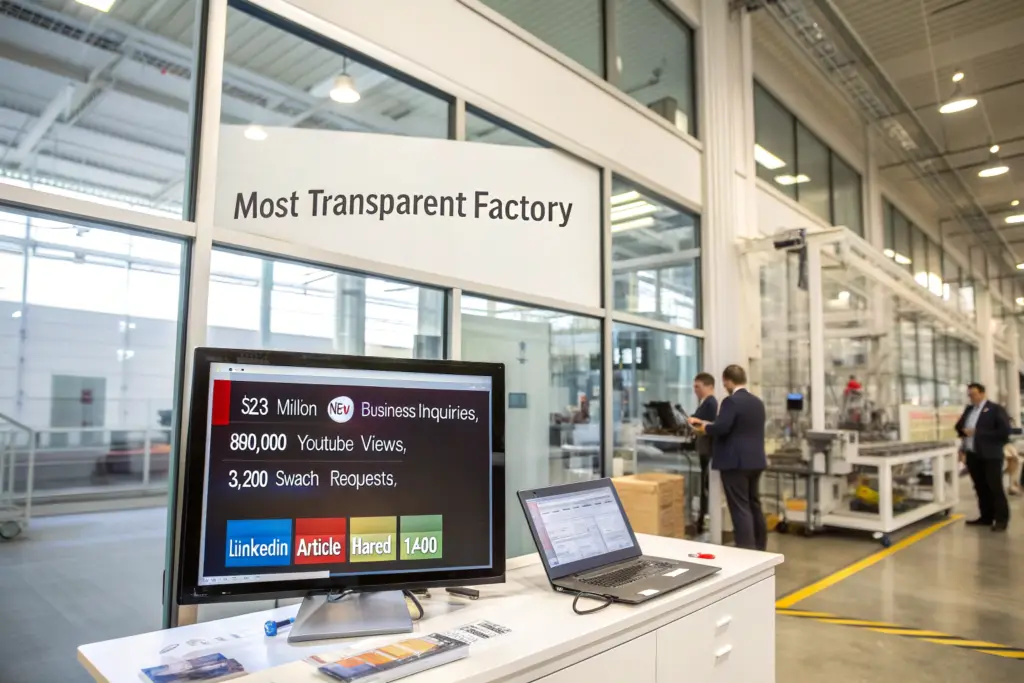
The business benefits of radical transparency extend beyond the marketing value of a viral online designation, though the marketing value alone has been significant. The "Most Transparent Factory" designation has generated an estimated $2.3 million in new business inquiries over the twelve months since the Reddit post appeared, based on the value of orders placed by buyers who cited the transparency trend as their reason for initial contact. The YouTube video documenting a transparency tour of our facility has accumulated 890,000 views and generated 3,200 swatch requests. The LinkedIn article analyzing our transparency practices was shared 1,400 times and generated direct inquiries from procurement executives at seven major apparel brands.
Beyond the direct lead generation, transparency has reduced our customer acquisition cost in measurable ways. Buyers who discover us through transparency-related content convert from inquiry to order at 34% higher rates than buyers who discover us through traditional channels. The higher conversion rate reflects the trust pre-built by transparency content—the buyer arrives already believing that we’re honest about our capabilities because they’ve seen independent verification of our honesty. The sales cycle from initial inquiry to first order is 40% shorter for transparency-channel buyers because less time is spent establishing credibility and more time is spent discussing specific fabric requirements.
Transparency has also reduced quality disputes and the costs associated with them. When buyers have real-time visibility into production quality data, they identify and resolve potential issues during production rather than discovering them upon delivery. When quality issues do arise, the documented transparency of our production process means buyers understand the root cause and trust our corrective action plan. Our quality dispute rate—the percentage of orders that generate a formal quality complaint—has dropped from 2.1% to 0.9% since implementing real-time production tracking. The dispute resolution cost per incident has dropped by 60% because transparency eliminates the adversarial dynamic that characterizes traditional quality disputes.
How Has the Transparency Reputation Reduced Customer Acquisition Costs?
The customer acquisition cost reduction operates through three mechanisms that compound across our marketing and sales operations. First, transparency content generates organic reach that paid advertising cannot match at equivalent cost. The Reddit post that launched the trend cost us nothing. The YouTube videos that buyers film during transparency tours and post to their own channels cost us nothing. The LinkedIn discussions and articles generate visibility without media spend. The organic reach reduces our dependence on paid acquisition channels—Alibaba PPC, trade show participation, Google Ads—that carry high costs per lead. Our marketing spend as a percentage of revenue has decreased from 4.2% to 3.1% over the past two years, while inquiry volume has increased 65%.
Second, transparency pre-qualifies leads more effectively than traditional marketing content. A buyer who contacts us after watching an unannounced factory tour video or reading a community verification thread already understands our production capabilities, our quality standards, and our business practices. They’re contacting us to discuss specific fabric requirements, not to learn who we are and what we do. The sales conversation starts at a more advanced stage, requiring less sales team time to convert inquiry to order. Our average sales team hours per new customer acquisition have decreased from 12.4 hours to 7.8 hours since the transparency trend amplified our market presence.
Third, transparency attracts the right customers and repels the wrong ones. Buyers who value low prices above all else, who don’t care about production conditions, and who prefer supplier relationships where they can maintain information asymmetry—these buyers self-select away from a supplier whose transparency would expose their own practices to scrutiny. Buyers who value quality, consistency, sustainability, and honest partnership—these buyers self-select toward transparency. The self-selection reduces the cost of serving incompatible customers and increases the lifetime value of compatible customers. The customer acquisition cost advantages created by radical factory transparency in the textile industry demonstrate that openness functions as both marketing and filtering mechanism.
What Buyer Trust Metrics Have Improved Since the Transparency Designation?
The buyer trust metrics that have improved since the transparency trend encompass both quantitative measures and qualitative indicators that collectively demonstrate deeper, more resilient buyer relationships. The most significant quantitative improvement is in first-order size. New buyers placing their first order with us since the transparency trend amplified have an average first order value of $18,400, compared to $11,200 for new buyers before the trend. The 64% increase reflects greater initial trust—buyers commit more volume to a first order when they’ve verified the supplier’s capabilities through transparency content than when they’re ordering on faith based on sales claims.
Repeat order rates show similar improvement. Buyers acquired after the transparency trend re-order within 12 months at a 47% rate, compared to 38% for buyers acquired before the trend. The higher re-order rate reflects both satisfaction with initial order quality and the ongoing trust built by continued transparency throughout the first order experience. Buyers who experience real-time production tracking, unmediated quality data access, and honest communication about issues develop confidence that subsequent orders will receive the same treatment.
Payment term negotiation has shifted in ways that reflect trust. Buyers who previously demanded letter of credit payment terms—the risk-averse standard for new supplier relationships—increasingly accept telegraphic transfer terms after reviewing our transparency documentation and community verification. The shift from L/C to T/T terms reduces our banking costs by approximately 1.2% of order value and accelerates cash receipt by 2-3 weeks. The payment term shift isn’t something we negotiate; it’s something buyers offer after their transparency research convinces them that payment risk is low. The buyer trust metrics improvement following radical transparency implementation confirms that openness generates measurable commercial benefits beyond reputational enhancement.
How Can Other Buyers Verify Fumao’s Transparency Claims Independently?
The independent verification process is straightforward because we designed our transparency practices to be verifiable, not just claimable. Any buyer—whether placing a 500-meter order or a 50,000-meter order—can test our transparency claims through four verification methods that require no special access, no industry connections, and no reliance on our marketing materials.
The first verification method is the digital platform test. Create an account on our sourcing platform—no order required, no commitment implied—and explore the production tracking interface using demonstration data that mirrors what active orders display. The demonstration shows exactly what buyers see when their orders are in production: real-time location tracking, quality test results as they’re generated, documentation access, timeline projections. If the demonstration matches the transparency claims in our content, you can reasonably infer that active order tracking matches as well. If the demonstration falls short, you’ve identified a transparency gap before committing to an order.
The second verification method is the community reference check. The Reddit, LinkedIn, and YouTube communities that generated the transparency trend contain buyers who have verified our claims through direct experience. Contact them. Ask about their verification experience. Ask whether our transparency extended to problem situations or only to smooth production. Ask what surprised them—positively or negatively—about their experience. The community reference check provides independent verification that no supplier-controlled process can replicate because the community members have no incentive to misrepresent their experience.
The third verification method is the sample order test. Place a small order—500 meters of a standard fabric—and experience the transparency process from inquiry through delivery. Does the pre-production communication match the claimed transparency? Does the production tracking show real-time data? Does the documentation package include the detailed records we describe? The sample order test verifies transparency claims at low financial risk while establishing the relationship for larger future orders.
The fourth verification method is the facility visit. Schedule a visit under our unannounced tour policy. Film, photograph, and document whatever you observe. Speak with whoever you encounter. Request access to whatever production areas interest you. The facility visit is the ultimate transparency verification because it tests whether our claims about unmediated access withstand direct experience. Buyers who complete the facility visit consistently report that the experience matches or exceeds the claims in our content.
What Steps Should New Buyers Take to Experience the Transparent Sourcing Process?
The transparent sourcing process for new buyers follows a structured onboarding path designed to demonstrate transparency at each stage before the buyer commits significant resources. The path begins with digital engagement, progresses through sample evaluation, and culminates in production and delivery—with transparency verification opportunities at each transition point.
Step one is platform exploration. Create an account, explore the demonstration data, review the documentation samples, and assess whether the transparency infrastructure matches your requirements. This step requires no financial commitment and minimal time investment. Step two is the initial consultation. Schedule a video call with our sales team to discuss your fabric requirements. During the call, request a live view of our production floor, our quality laboratory, or our raw material warehouse—whichever area is most relevant to your quality concerns. The live view tests our claim that we show buyers our actual production environment without preparation or staging. Step three is sample evaluation. Request physical samples of fabrics matching your specifications. The samples ship with complete technical documentation—test results, fiber content verification, construction details—that demonstrates our documentation transparency before you place an order.
Step four is the trial order. Place a small order—whatever volume constitutes low risk for your business—and experience the full transparency process. Monitor your order through the digital platform. Review quality test results as they’re generated. Communicate directly with the production team handling your order. The trial order tests the complete transparency experience at the scale that matters to you. Step five is the facility visit. If your business model and budget permit, visit our facility under the unannounced tour policy. The visit provides the deepest verification of our transparency claims and establishes the personal relationships that strengthen long-term partnerships. The structured onboarding path for experiencing transparent textile sourcing provides verification opportunities at each commitment level, allowing buyers to build confidence progressively.
What Documentation and Access Should Buyers Expect During the Verification Process?
The documentation and access that buyers should expect during verification represent the same documentation and access that active buyers receive during production. We don’t maintain a separate set of "verification" materials that look better than our operational reality. The documentation package for any fabric order includes fiber content verification with traceability to raw material source, dye formulation records with spectrophotometer data, finishing process parameters with quality check results, physical test results for shrinkage, colorfastness, tensile strength, and any buyer-specified additional tests, chemical test results for restricted substances compliance with Oeko-Tex, REACH, or buyer-specified standards, sustainability certification transaction certificates for organic, recycled, or other certified content claims, and Four-Point System inspection reports with defect maps and pass-fail determination.
The access that buyers should expect during verification includes unmediated communication with the production team handling their order—not filtered through a sales representative who "checks with production" and reports back. Direct video access to their fabric in production—a scheduled or impromptu video call where a tablet walks through the production floor to show their specific fabric on the machines. Real-time platform access to production tracking data, quality test results, and documentation downloads. Physical facility access under the unannounced tour policy for buyers who visit in person. Complete production records for their order, not summarized certificates but the underlying data that the certificates summarize.
The documentation and access represent our operational standard, not a special accommodation for skeptical buyers. Buyers who request this documentation and access during verification will receive the same materials and opportunities that they would receive as active customers. The documentation and facility access that buyers should expect during textile supplier transparency verification reflects the operational reality of transparent production rather than a curated presentation designed to win orders.
Conclusion
The "Most Transparent Factory" online designation originated in a Reddit post we didn’t create, spread through communities we didn’t cultivate, and validated a transparency philosophy we’d practiced for years before anyone outside our customer base noticed. The viral moment wasn’t manufactured; it was the natural result of a rare experience—genuine supplier transparency—encountering a community of buyers who had learned through painful experience to expect opacity. The designation matters not because it’s a marketing asset, though it has become one, but because it confirms that our approach to buyer relationships—open, honest, verifiable—is what the market wants, even if it’s not what the industry typically provides.
The transparency practices that earned the designation—unannounced factory access, real-time production tracking, unrestricted documentation, direct team communication—aren’t technological innovations. They’re cultural choices. They represent a decision to treat buyers as partners who deserve to see how their products are made, rather than as revenue sources who should be managed with carefully controlled information. The decision has costs: transparency exposes our imperfections, invites scrutiny, and prevents the shortcuts that opacity enables. The decision also has benefits: trust that converts skeptical buyers into committed partners, word-of-mouth that outperforms paid marketing, and relationships that withstand the problems that inevitably arise in complex manufacturing.
If you’re curious whether our transparency claims match our operational reality, verify them. Create a platform account and explore the demonstration data. Contact community members who have verified our claims independently. Place a trial order and experience the transparency process from inquiry through delivery. Visit our facility and test the unannounced tour policy. The verification process itself is a transparency exercise—we’re not asking you to trust our claims. We’re inviting you to test them.
To begin your verification process or discuss your fabric requirements with our transparent team, contact our Business Director Elaine at elaine@fumaoclothing.com. She’ll arrange whatever access, documentation, and communication you need to evaluate our capabilities with the same transparency that earned the designation you’ve been reading about. The factory is open. Come see for yourself.