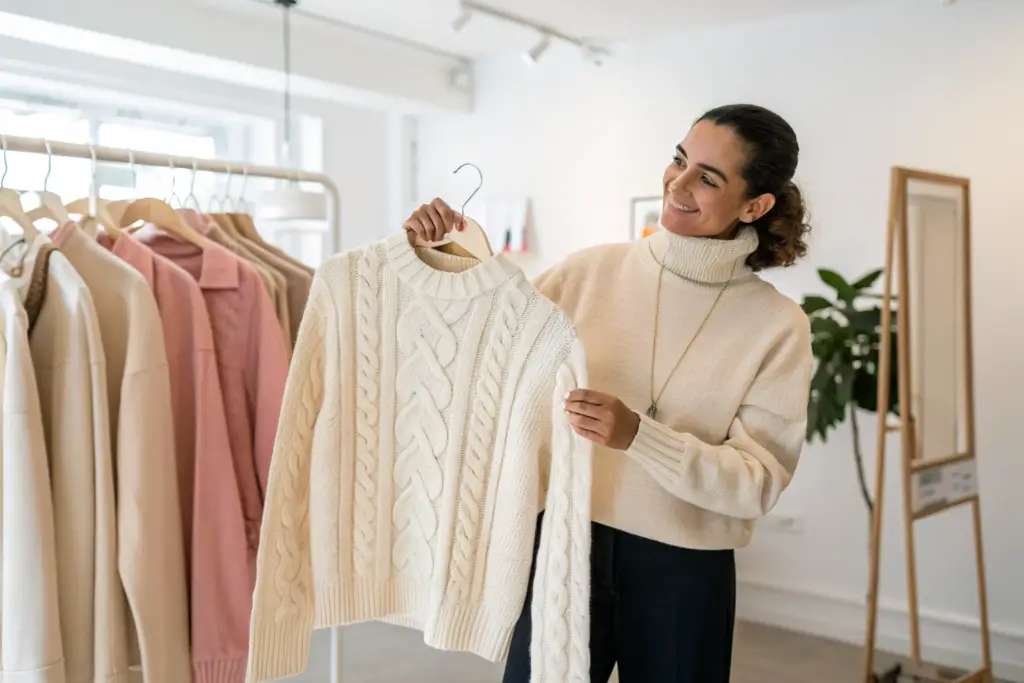
You have probably spent months trying to find the perfect linen dress for your spring drop. You scroll through Alibaba at 2 AM and see thousands of suppliers. Their photos look professional. Their prices look too good to be true. You take a chance on a vendor with a 4.8-star rating. The samples arrive. The stitching is sloppy. The sizing chart makes no sense. The fabric smells strange and will almost certainly fade after one wash. That wasted sample cost is not just money. It is the loss of two weeks of your selling season. That anxiety is exactly what pushes boutique owners to re-think their OEM strategy.
Yes, Shanghai Fumao’s OEM program is designed specifically for small-to-medium boutiques that need low minimum order quantities, custom design flexibility, and consistent sizing that American customers trust. We do not treat your 300-piece order like a rounding error. We treat it like the foundation of your brand.
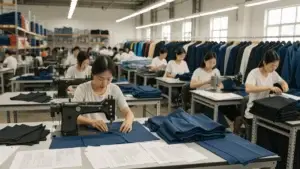
I will not pretend that a boutique OEM program is easy. Factories prefer giant production runs. They like to run one style for three straight weeks. But I built our production floor to handle the complexity of smaller batches. You have a vision for a curated collection, not a warehouse of generic basics. I want to walk you through the mechanics of how we make this work. You need to know about MOQs, fabric sourcing, and how we solve the sizing puzzle that haunts so many small labels.
What Is the Real Minimum Order Quantity for a Custom Clothing Line?
MOQ is the first wall most boutique owners hit. You finally get a supplier to reply, and they tell you 1,000 pieces per color. Your heart sinks. You know you cannot sell 1,000 units of a lavender linen jumpsuit in your local market. So you either walk away or you buy 1,000 and pray for a miracle. Usually, the miracle does not come. You end up with a storage unit full of dead stock and a maxed-out credit card.
We solved this by restructuring our production planning. We did not want to exclude the creative, small-scale entrepreneur. We use a flexible cutting system. Instead of spreading 100 plies of fabric for a massive cut, we spread 30 plies. That cuts down the minimum scale without breaking our efficiency completely. Our standard OEM program for a boutique starts at 300 pieces per style. You can split those 300 pieces across three sizes and two colorways. That gives you the variety you need for a retail floor without the risk of overstock.
How Do Low Minimums Change Your Fabric Choices?
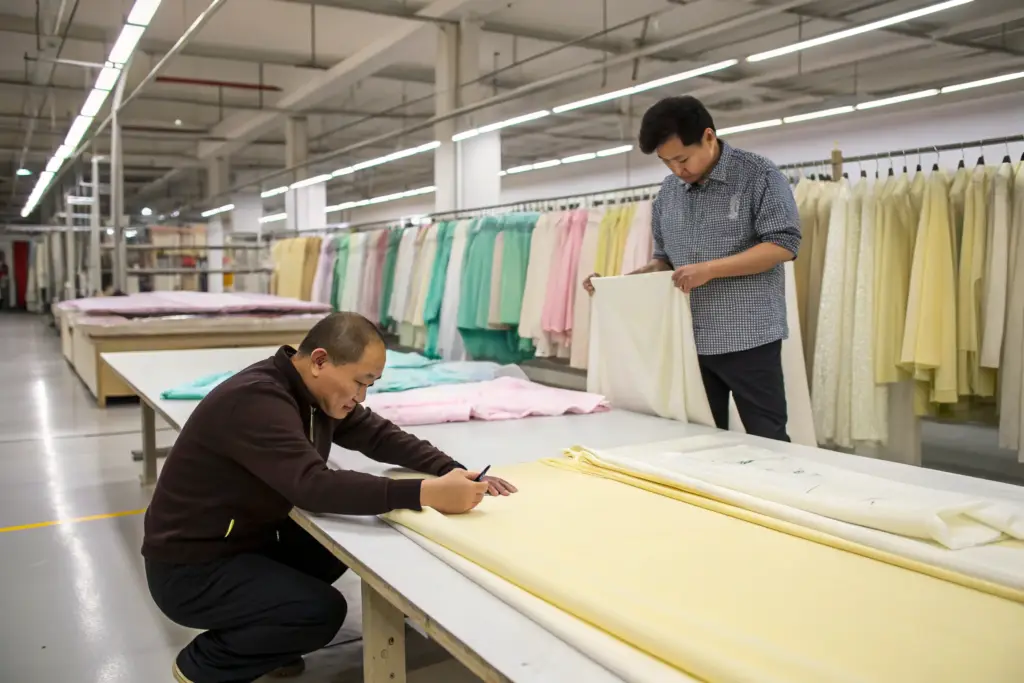
Last summer, a boutique owner from Austin, Texas came to us with a request for a silk-cotton blend sundress. She needed only 150 pieces. The fabric mill has a minimum roll purchase, usually 1,000 meters. If we bought the full roll, the fabric waste would inflate her unit cost. So we switched gears. Before she committed to the design, we showed her our stock fabric library. We had a dead-stock supply of an incredibly soft, sustainable Tencel twill from a previous large order.
We proposed using that fabric instead. The hand feel was similar. The drape worked perfectly for her A-line silhouette. By using dead-stock fabric, we eliminated the mill minimum. Her unit cost dropped by 15% and she got a great sustainability story to tell her Austin customers. The lesson is clear. Low MOQs require smart fabric strategy. You cannot always demand a custom-milled fabric for a tiny order. You need a factory that knows how to hunt for available high-quality stocks and suggest suitable replacements.
Why Is a Modular Pattern System Crucial for Small Batch Costs?
Pattern making is a hidden cost killer for boutiques. A full graded pattern set for a complex jacket can cost over 600 US dollars. If you only use that pattern for 200 units, your development cost per piece is very high. We apply a modular pattern system. We have a large library of base blocks. We have perfected blocks for bomber jackets, raglan sleeve hoodies, and high-waisted trousers. We do not start from zero.
I remember a brand from Portland that wanted a cropped chore coat. We pulled our standard chore coat block, which has a proven armhole curvature that never binds. We digitally shortened the length to the specs the client sent. We added an oversized pocket. The pattern development was fast. The fit was right on the first sample. This approach keeps your pattern grading costs realistic while ensuring the garment will fit a human body, not just a dress form. Cheap factories often digitize stock patterns from the internet. Those patterns have fundamental balance flaws. You pay for that in returned merchandise.
How to Ensure Consistent Sizing When Manufacturing Overseas?
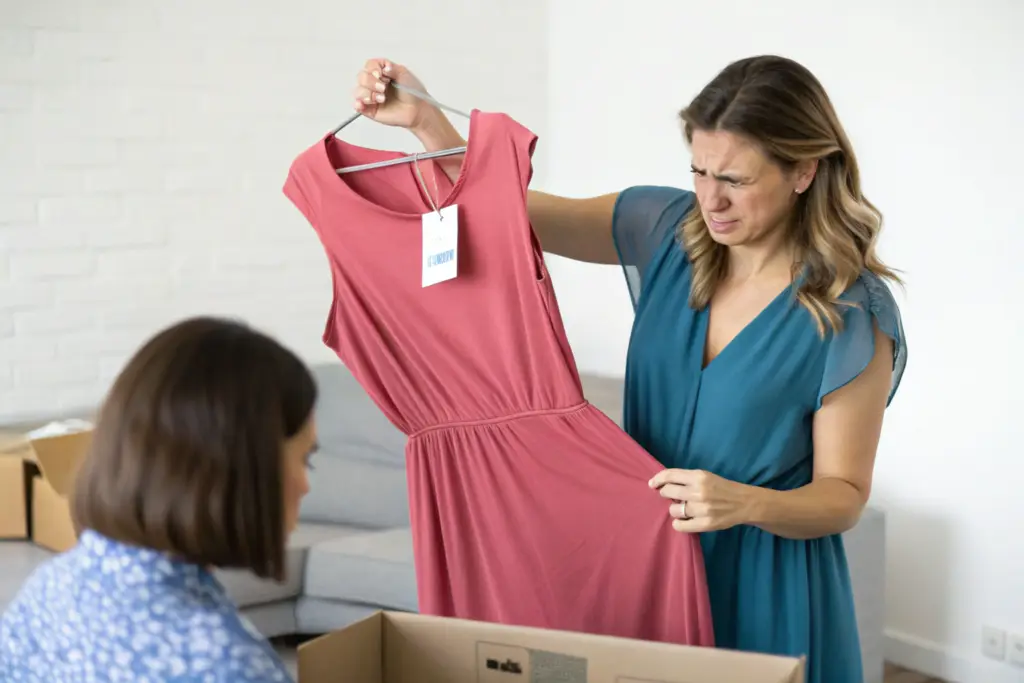
Nothing destroys a boutique's reputation faster than bad sizing. The customer falls in love with a dress online. She pays full price. The package arrives. She tries to pull it over her head, but the shoulders are painfully tight. Meanwhile, the waist is a baggy tent. She leaves a one-star review saying "sizing is totally off." That review stays on your site forever. It scares away a hundred potential buyers.
I have spent years trying to understand the fit expectations of the American consumer. You cannot just take a Chinese or Korean size chart and slap a different label on it. True OEM partnership means adopting the fit model that your customer knows. We always start our sampling process by confirming your specific size specs. If you do not have a spec sheet yet, we will recommend one based on ASTM standards and our experience with bust, waist, and hip ratios for your target market.
How Does a Fit Model Approve the Perfect Sample?
We worked with a womenswear boutique in Denver that focused on professional women. The owner had a very specific fit model in mind. Her customer was not a runway model. She was an active, athletic woman with broader shoulders and a straight torso. We sent our first fit sample in a size Medium based on standard ASTM measurements. The fit looked wrong. The shoulders were pulling, and the waist was too loose. The boutique owner found a local customer to act as a fit model. We did a live 20-minute fit session on video.
I watched the session live from Shanghai at 10 PM my time. My pattern maker looked at the drag lines on the back. We saw the pulling around the deltoid. We added 1.5 cm to the cross-back width and shortened the waist dart by 3 cm. The second prototype fit the fit model beautifully. The owner launched the capsule collection. Her return rate for fit issues was under 2%. A live fit session is worth more than a hundred emails. It eliminates guesswork.
What Are the Technical Standards for Size Grading?
Grading is where many overseas suppliers take a lazy shortcut. They grade up from size S to size L by just adding a blanket inch everywhere. This ruins the silhouette. A sleeve length increment needs to be different from a bust increment. We use a standard grade rule table based on your brand demographic. For a junior missy brand, the bust grade is usually 1 inch, while the waist grade is 1.5 inches. For a contemporary brand, the waist might grade 2 inches from size 2 to size 4.
I once audited a sample from a competitor for a client. The size S looked fantastic. The size XL looked like a completely different garment. The armhole was deep, and the length was too long. We apply proportional grading. We test the base size and the largest size before mass production. This ensures the size grading works for every body type you serve. A satisfied plus-size customer is one of the most loyal customers you can have. Do not alienate her with a distorted fit.
How Does the Custom Labeling Process Work for OEM Clothing Lines?
Your label is your identity on the hanger. Without it, your garment is a commodity. With it, the piece is a story. I once met a boutique owner who had invested everything in her brand identity. The logo was beautiful. The packaging was eco-friendly. But her supplier forgot to sew the labels into 400 units of a silk camisole. They were shipped loose in a bag. She had to hire a local seamstress to sew the labels in one by one in her kitchen. That cost her a precious weekend and ate into her margin. That should never happen.
We have a dedicated trimming room. Every custom label, hang tag, and care label is checked against the order confirmation form before the packing stage. We know that a missing label is a failed delivery. The labeling process for your OEM line needs to be as precise as the cutting. We offer several tiers of customization to protect your brand presentation. From heat transfer labels to high-end woven damasks, we cover the range.
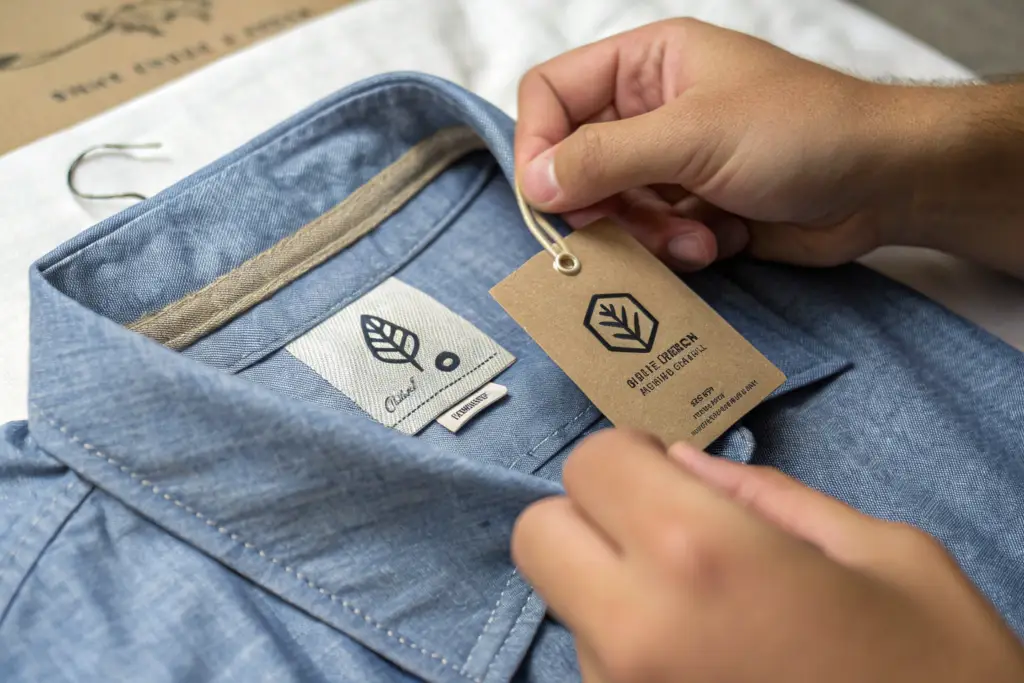
What Is the Difference Between Heat Transfer, Woven, and Printed Labels?
You have to match the label to the garment's purpose. For lightweight activewear, a thick woven label feels like a brick against the skin. We produced a bamboo yoga tank for a boutique in Miami. Initially, the owner wanted a woven satin label at the side seam. We warned against it. The label would be visible through the thin, light-colored fabric. It would scratch the ribcage during a downward dog pose.
We switched to a heat transfer label instead. We printed the care symbols and the logo directly onto the inside back of the neck. It was invisible, had zero skin irritation, and reduced the unit cost by 20 cents. For a premium cashmere sweater, we obviously go the opposite direction. A cheap printed label ruins the luxury feel. A soft, custom-woven damask label stitched with a delicate zig-zag stitch signals quality to the consumer. The choice depends on your fabric weight and your brand tier.
How Can Hang Tags and Packaging Increase Your Perceived Value?
Do not treat the hang tag as an afterthought. It is the first thing a browser touches in a boutique. I have a client who sells organic baby clothes. We helped her source a certified organic cotton string to attach a recycled kraft paper hang tag. The tag had a subtle embossed logo. She told us that her wholesale buyers specifically commented on the packaging. It made the collection look "whole" and "designed." The cost per unit for the tag and string was about 15 cents.
This small investment allowed her to raise her wholesale price by two dollars per unit. The packaging details doubled her perceived value. We coordinate with your packaging design requirements. We can fold your garments in tissue paper printed with your logo. We can pack them in poly bags with your quality inspection sticker. We do these small things so that the product arrives at your store looking ready to sell. You do not want to spend your time steaming garments. You want them ready to put on the rack.
How to Communicate Your Design Vision Without Visiting the Factory?
Most boutique owners cannot just fly to Shanghai for two weeks to supervise production. You have a store to run. You have social media to manage. I hear this fear all the time: "How will you understand my vibe if you never see me?" The truth is, I do not need to shake your hand to see your vision. I need to see your tech pack and your reference photos. I need to hear your voice over a call. The digital sampling process has become so precise that physical distance is rarely the issue.
Last year, we worked on a full collection with a boutique in Brooklyn. The owner never stepped foot in China. She sent us a mood board with 20 photos from vintage Japanese workwear archives. She sent specific measurements pointing to high armholes and French seams. We developed ten styles. We used detailed photo comments on sample photos, like "move button down 2 cm, bring shoulder seam forward by 1 cm." This precise language ensures the factory understands your specific needs.
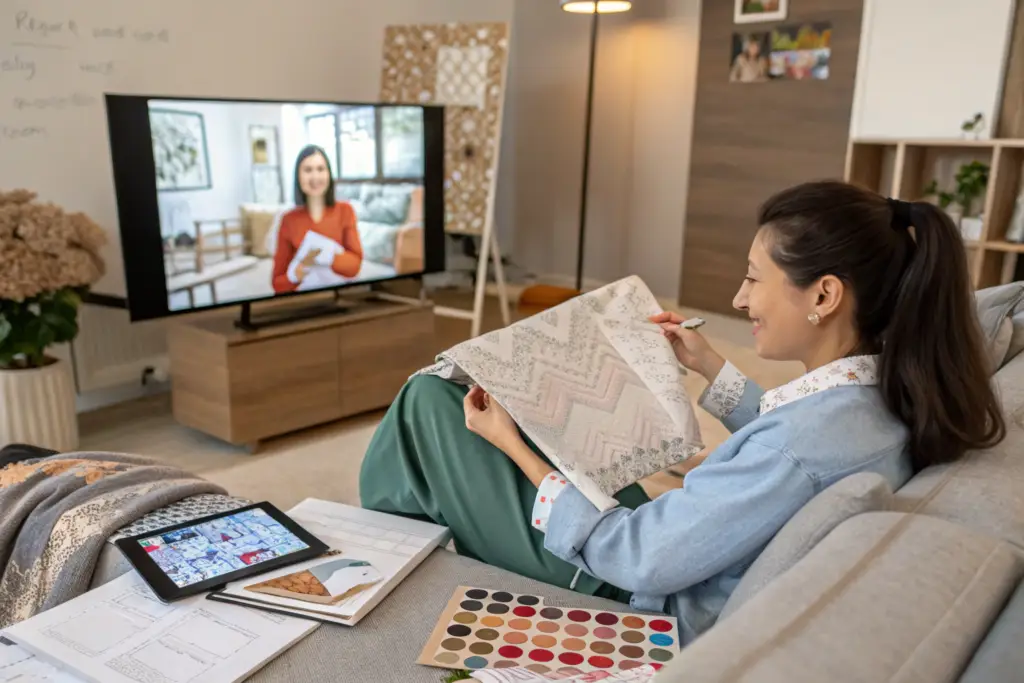
How Do Detailed Photo Comments Speed Up Sampling?
Words are hard to interpret. A picture with annotations saves weeks. When we finish a sampling prototype, we do not just ship it blindly. We put the sample on a dress form. We take high-resolution photos from the front, back, and side. We send them to you instantly via a shared link. If the sleeve length needs a change, you use a red marker tool on the photo. You draw a line where the new sleeve needs to end. You type "cut here." This leaves zero space for ambiguity.
I remember a specific case with a boiled wool jacket. The boutique owner thought the lapel was too wide. A verbal description like "make it a bit slimmer" is a disaster. "Slimmer" might mean 0.5cm to me and 2cm to you. She used the photo markup tool. She drew the exact lapel size she wanted. My pattern maker checked the proportions digitally. We matched the drawing exactly. The sampling process that used to take three rounds took only one round. This speed allows you to launch your pre-order faster.
Why Is Understanding Fabric Drape Essential for Remote Design?
Fabric behaves differently in reality than in a photo. A chiffon blouse flows. A poplin blouse holds its shape. If you design a dress with a poplin sleeve intended for a chiffon flow, you ruin the look. Before we cut the sample, I often ask the boutique owner for a "reference garment." Ship us the dress or shirt from your own closet that has the perfect drape or stiffness you want. We have a library of standard swatches, but a reference garment is a concrete brief.
For a silk maxi dress order from a California boutique, the owner wanted a specific "liquid silk" drape. We almost used a silk twill. She sent her favorite vintage slip dress. It was silk crepe de chine. The difference is huge. Crepe de chine is lighter and pebbled, while twill is heavier and diagonal. By holding her actual reference garment, we identified the exact fabric drape and weight she needed. We didn't just rely on the technical name. We matched the physical feeling. That level of dedication turns a first order into a long-term partnership.
Conclusion
Your boutique deserves a supply chain that feels like a true creative partnership, not a transaction with a vending machine that might accidentally eat your money. The right OEM program brings your sketches to life without forcing you to buy thousands of units that fill your garage. It delivers consistent sizing that makes your customers feel confident. It presents your custom labels as a symbol of deliberate design.
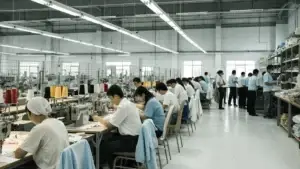
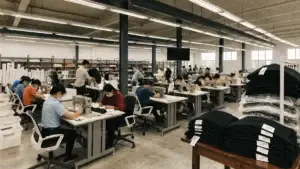
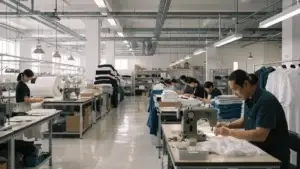
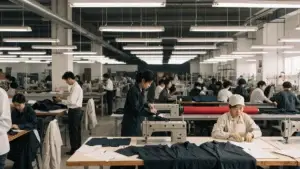
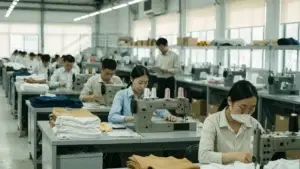
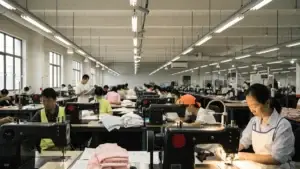
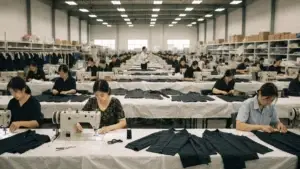
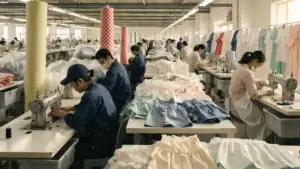
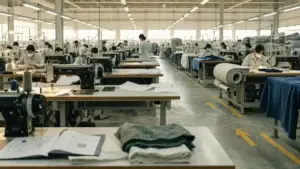
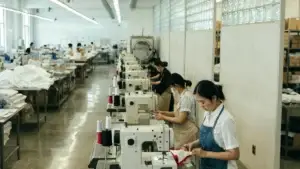
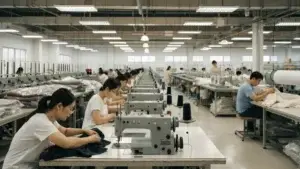
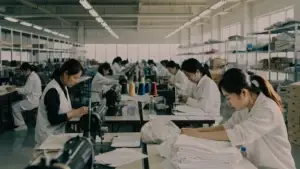
The factory floor of Shanghai Fumao is set up to handle the thoughtful scale of a boutique. We bridge the gap between your remote design direction and the physical garment through precise fit sessions and clear photo communication. We give you the power to select the right labels and hang tags that boost the item's value. And we do it within a low minimum framework that respects your budget and your cash flow.
When you are ready to stop gambling on bad samples and start building a cohesive collection that elevates your boutique's reputation, I am here to help. I invite you to reach out to our Business Director Elaine. She can talk you through your specific design ideas and give you a clear timeline. Send her an email at elaine@fumaoclothing.com. We will turn your vision into clothes that sell out, not sit on a clearance rack.