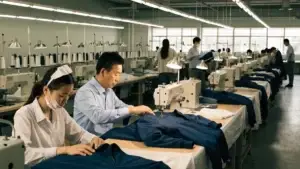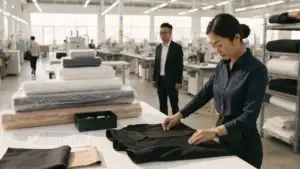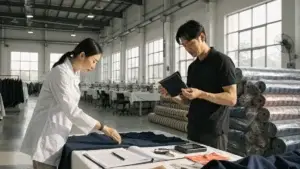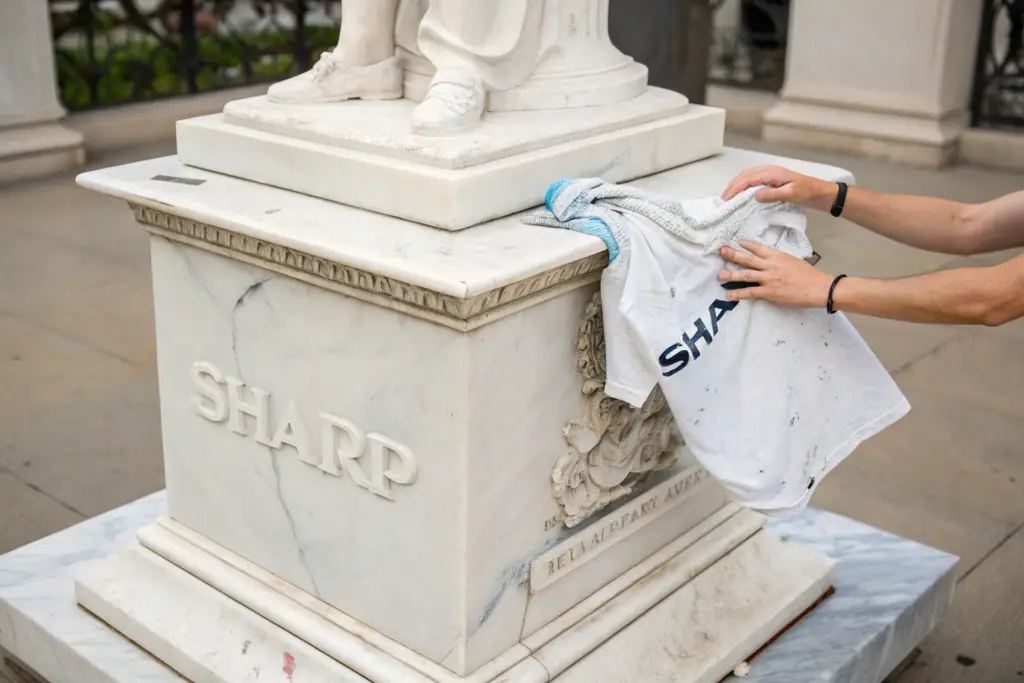
I need to be honest with you. There is a version of this business that is very tempting. It looks easy. You find a supplier online selling blank t-shirts for $1.80 or a custom hoodie for $6.50. You slap a cool logo on it. You sell it for $35. The margins look incredible on a spreadsheet. I have watched brands do this. They pop up on Instagram with great photography and a clever name. They make money for six months. Maybe a year. Then they vanish. Why? Because the clothes fell apart. The reviews turned toxic. And the brand became a joke.
Cheap wholesale clothing damages long-term brand reputation through three irreversible mechanisms: Product Failure leading to customer churn, Perceived Value Destruction limiting future pricing power, and Negative Social Proof in the form of reviews and unboxing videos that permanently scar the brand's digital footprint.
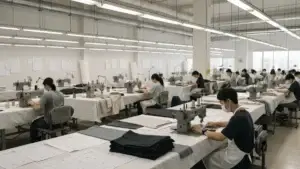
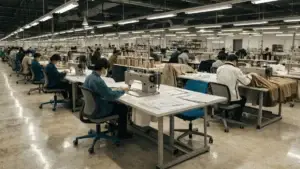
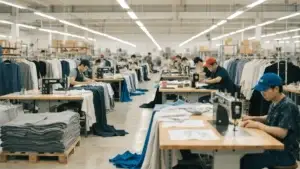
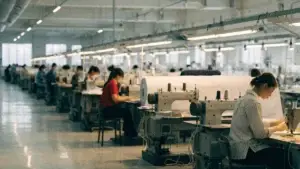
At Shanghai Fumao, I have built a business on the opposite principle. I want my clients to be around in ten years, still selling to the same loyal customers. Let me explain the hidden, long-term cost of saving a dollar on the front end.
How Does Poor Quality Fabric and Construction Trigger Customer Churn?
Customer acquisition is expensive. If you are running Facebook ads, you might be paying $15 to $25 just to get one person to visit your site. If you are doing wholesale, you spent months courting that boutique buyer. You cannot afford to lose that customer after a single purchase. But that is exactly what cheap clothes do. They create a "One and Done" customer.
The primary driver of customer churn in apparel is the failure of the garment to meet basic expectations of durability and fit. Cheap fabrics pill after three washes, seams unravel, and collars lose their elasticity. The customer feels cheated and, more importantly, loses trust in the brand's ability to curate quality products.
You are not just losing a sale. You are losing the lifetime value of that customer and all the friends they would have told about you.
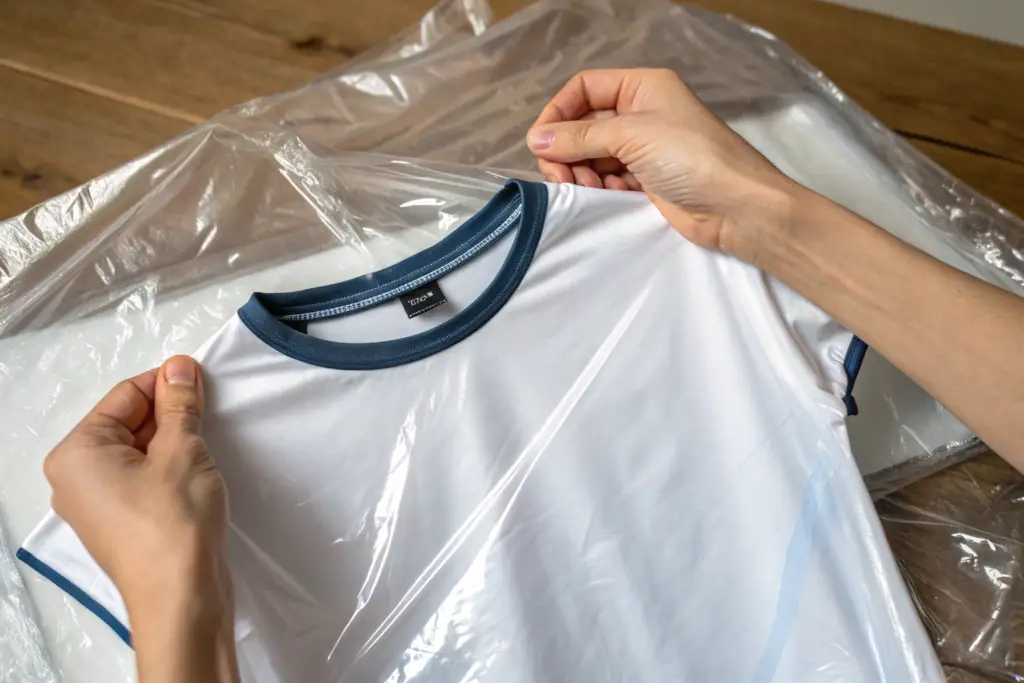
What Are the Most Common Physical Failures of Cheap Garments?
I have a "Wall of Shame" in my sample room. It is a rack of clothes I have bought from fast fashion sites and failing brands. I show it to new clients so they can see what not to do.
The Top 5 Physical Failures of Low-Cost Wholesale Clothing:
- Surface Pilling: Cheap yarns have short fiber staples. After friction, these fibers break and form little balls on the surface. The shirt looks old after three wears.
- Seam Slippage: The stitching is fine, but the fabric weave is so loose that the yarns pull away from the seam. You get holes along the side seam of a t-shirt.
- Collar "Bacon Neck": The neck ribbing lacks spandex recovery. It stretches out and never snaps back.
- Twisted Seams: The factory did not align the grain line when cutting. The shirt hangs crooked on the body.
- Fading and Crocking: The dye is cheap and unfixed. It bleeds in the first wash or rubs off on your white couch.
I recall a specific conversation with a brand owner who switched to us from a cheaper vendor. He showed me a Reddit thread about his previous collection. The top comment was, "Cool design, but the shirt fits like a trash bag after one wash. Hard pass." That single comment had 200 upvotes. That is 200 potential customers lost forever, just because he saved $0.80 on the blank.
Why Does Inconsistent Sizing Destroy Repeat Purchase Rates?
This is a hidden killer. A customer buys a Medium. It fits perfectly. They love it. They come back a month later and buy the same shirt in a different color, also in Medium. But this new shirt came from a different dye lot or a different cutting at the cheap factory. It fits a full size smaller. Or the sleeves are an inch shorter.
Now the customer is confused. "Did I gain weight?" "Is this brand unreliable?" They return the shirt. And they never buy from you again.
Consistent sizing requires strict pattern grading control and fabric shrinkage testing before cutting. Cheap factories skip both. They use a "standard block" that drifts over time. They do not test how much the fabric shrinks in the wash, so the garment measurements on the table are not the measurements the customer experiences.
At Shanghai Fumao, we maintain a "Golden Pattern" file for each client. It is a physical, hard-copy pattern on oak tag board. We never deviate from it. We also conduct a Shrinkage Template Test on every bulk fabric roll. We calculate the expected shrinkage and adjust the marker accordingly. This is extra work. It adds cost. But it ensures that a Medium is always a Medium. That consistency is the foundation of trust.
How Does Low Price Point Damage Your Brand's Perceived Value?
Value is a story. Your brand tells a story through its website design, its photography, and its pricing. When you sell a $40 hoodie, you are telling the customer, "This is a premium, thoughtful product." But if that hoodie feels like a $6 gas station special, the story breaks. The customer feels lied to.
Perceived value is a fragile asset. Once a brand becomes associated with "cheap" in the consumer's mind, it is nearly impossible to command premium pricing in the future. Customers anchor their expectations to that first, poor-quality experience and will permanently discount the brand's future offerings, regardless of any improvements made.
I have seen brands try to pivot from cheap to quality. It almost never works. The audience you built was a deal-hunting audience. They are not willing to pay $60 for your "elevated" men's wear line. You have to start a new brand from scratch.
What Is the "Unboxing" Litmus Test?
In the age of TikTok and Instagram Reels, the unboxing is part of the product. People film themselves opening packages.
The Unboxing Checklist for a Premium Brand:
- The Sound: Does the polybag crinkle like cheap plastic or feel thick and soft?
- The Smell: Does the shirt smell like harsh chemicals (formaldehyde) or just clean cotton?
- The Touch: Is the fabric stiff and scratchy, or soft and substantial?
- The Look: Is the print cracked or the collar wavy before it is even worn?
I had a client who sold activewear. They did a test. They sent a cheap sample from a competitor and our premium sample to five influencers. They asked them to film their honest reaction. The cheap sample unboxings were brutal. One influencer held the shirt up to the light and laughed, "I can see my whole hand through this." That video got 50,000 views. The brand never recovered.
Can You Repair a Reputation Damaged by Poor Quality?
It is expensive. Very expensive. The cost to acquire a new customer is five times higher than retaining an existing one. If you have a 20% return rate due to quality, you are constantly running on a treadmill, spending marketing dollars just to replace the customers who left angry.
Here is a simplified math model I share with clients:
| Scenario | Cheap Supplier | Quality Supplier (Shanghai Fumao) |
|---|---|---|
| Unit Cost (Landed) | $8.00 | $12.00 |
| Retail Price | $40.00 | $48.00 |
| Gross Margin | $32.00 | $36.00 |
| Return Rate | 15% (Quality Issues) | 2% (Fit Issues only) |
| Refund Loss (per 100 units) | $600 | $80 |
| Lost Lifetime Value (LTV) | $2,500+ (Churned customers) | $0 |
| Net Profit (per 100 units) | $1,100 | $2,520 |
The math is clear. Saving $4 on the cost of goods sold (COGS) cost that brand over $1,400 in net profit because of returns and lost repeat business. And that does not even count the cost of managing the returns and the customer service headaches.
Why Does Ethical Sourcing Matter More Than Ever for Brand Longevity?
The definition of "cheap" has expanded. It does not just mean low price anymore. In the mind of the Gen Z and Millennial consumer, "cheap" often implies exploitation. They ask: How can this hoodie be $25? Who paid the price for this discount?
Ethical sourcing is no longer a niche marketing angle; it is a baseline requirement for long-term brand survival. Associations with sweatshop labor, unsafe working conditions, or environmental negligence can trigger immediate and irreversible social media backlash, leading to canceled wholesale orders and a permanent stain on the brand's legacy.
You might not care about the supply chain personally, but your customers do. And they have smartphones.
How Do Supply Chain Scandals Impact Small Brands?
A massive corporation like a fast fashion giant can absorb a scandal. They have PR firms and lawyers. A small, independent brand cannot. One investigative post on Instagram about your supplier can end your business.
I have seen this happen. A small streetwear brand blew up. They were doing great. Then a watchdog group published a report linking their blank t-shirt supplier to a factory with forced labor indicators. The brand owner had no idea. He just bought the cheapest blanks on the market. But the internet did not care. He was the face of the brand. He took the heat. His wholesale accounts canceled their orders immediately. He was out of business in 90 days.
At Shanghai Fumao, we provide SMETA Audit Reports and BSCI Certifications to our partners. We are transparent about our wages and our hours. This documentation is an insurance policy for your brand. It is proof that you did your due diligence. If anyone questions your supply chain, you have a file of evidence showing you partnered with a responsible manufacturer.
Does Sustainable Manufacturing Align with Quality Perception?
There is a strong correlation between ethical factories and quality factories. A factory that treats its workers well usually treats its machines well. A factory that cares about environmental compliance usually cares about fabric quality.
Why Ethical Factories Produce Better Clothes:
- Skilled Labor Retention: If you pay fair wages and provide a safe environment, your best sewers stay for 10 years. They know how to sew a perfect collar. Cheap factories have high turnover. You are always training rookies.
- Proper Machine Maintenance: Safe factories are clean. Machines are oiled and timed correctly. This prevents the skipped stitches and oil stains that plague cheap garments.
- Honest Raw Materials: Ethical factories buy from certified mills. They do not use smuggled, mislabeled fabric.
I had a client tell me, "I use your factory's story in my marketing. I tell customers we make our women's wear in a BSCI-certified facility in Shanghai. It justifies the higher price point, and it stops the price comparison questions. They stop asking 'Why are you $10 more?' and start saying, 'Okay, I get it.'"
Conclusion
Cheap wholesale clothes are a trap. They look like a smart financial decision on the purchase order. They look like a way to boost margin. But they are a debt that comes due with interest. The interest is paid in the form of angry emails, public bad reviews, high return rates, and a customer base that views your brand as disposable.
Long-term brand reputation is built on the slow, steady accumulation of trust. It is built on the customer who washes your t-shirt ten times and it still looks good. It is built on the boutique owner who re-orders because their customers came back asking for "that brand with the really soft fabric."
You cannot build that trust with a $1.80 t-shirt.
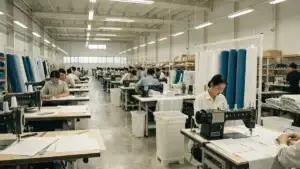
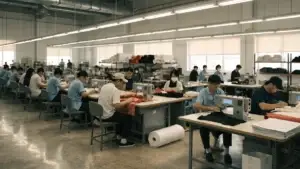
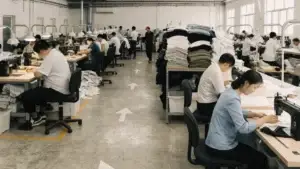
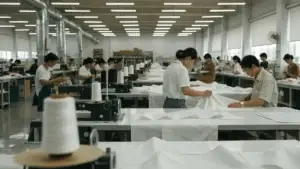
At Shanghai Fumao, we are not the cheapest option in Asia. We do not pretend to be. We are the option for brands who plan on being here in five years. We make clothes that match the promise you make to your customer. We help you build a brand that stands for something more than just a low price.
If you are ready to build a legacy, not just a quick flip, let's have a conversation. Our Business Director, Elaine, can show you the difference between a cheap garment and a value-driven garment. You can reach her at strong>elaine@fumaoclothing.com</strong. Let's make something that lasts.