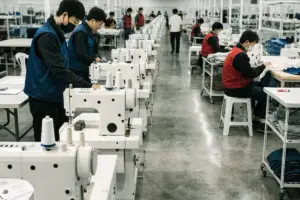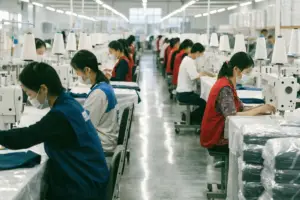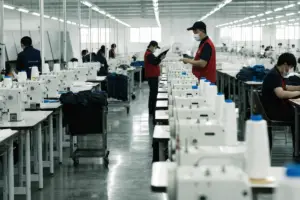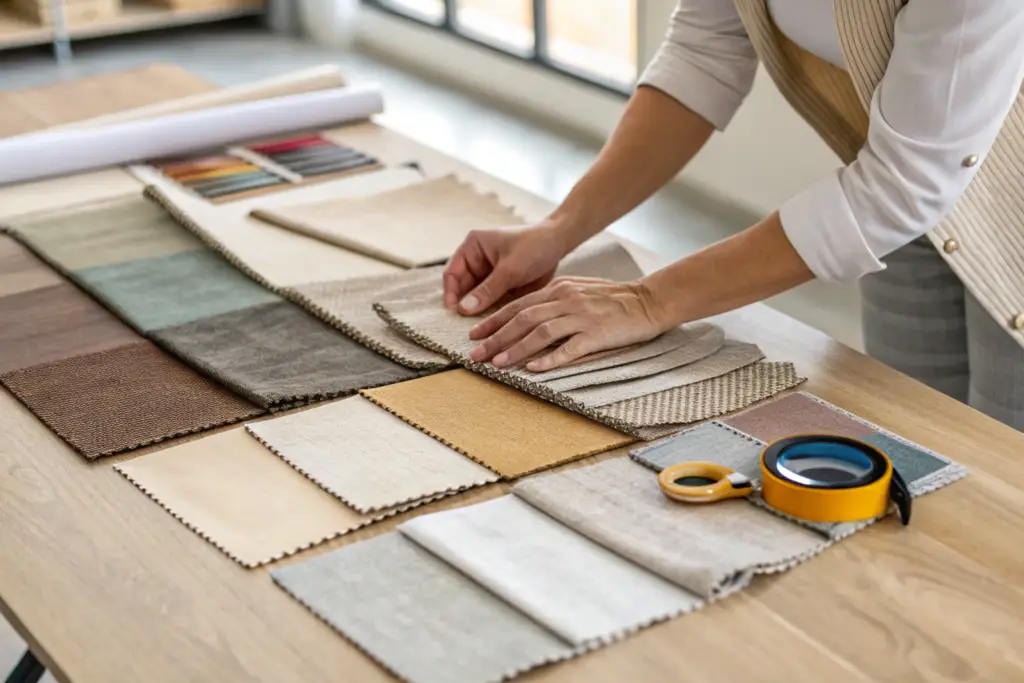
Three years ago, I watched an independent label owner almost lose her entire business over a fabric decision. She had designed a beautiful line of summer dresses. The sketches were elegant. The marketing photos were stunning. She launched with a pre-order campaign that sold out in 48 hours. Then the fabric arrived. It was supposed to be a soft, flowy rayon challis. What she received from her "bargain" supplier was a stiff, scratchy blend that draped like cardboard. The dresses looked nothing like the samples. The returns flooded in. The refunds drained her bank account. She had built a brand on a foundation of bad fabric, and the whole thing crumbled.
Sourcing high-quality fabric requires a systematic approach combining physical mill visits or third-party inspections, verification of technical specifications through lab testing, and building direct relationships with mills rather than relying on middlemen. The key is understanding fiber content, yarn count, and finishing processes—not just looking at a pretty swatch card.
Fabric is the soul of your clothing label. You can have the most brilliant design in the world, but if the fabric pills after three washes or feels like sandpaper against the skin, your customer will never buy from you again. At Shanghai Fumao, I’ve seen how the right fabric elevates a simple t-shirt into a customer’s favorite wardrobe staple. I’ve also seen how the wrong fabric destroys trust overnight. This guide will walk you through exactly how to find, test, and secure the materials that will define your brand’s reputation.
What Are the Most Reliable Fabric Sourcing Channels for Small Brands
When you’re an independent label ordering 300 yards instead of 30,000 yards, the sourcing world looks different. The big textile mills don’t return your emails. The agents on Alibaba promise you the moon and deliver dust. You feel invisible. You need fabric that tells a story of quality, but you don’t have the buying power of a major retailer. The challenge is finding suppliers who actually want your business and can deliver consistency at your scale.
Reliable fabric sourcing for small brands depends on targeting deadstock specialists, regional mill agents who aggregate small orders, and vertical manufacturing partners who can leverage their existing mill relationships on your behalf.
The traditional model of calling up a massive mill in India or China and asking for 200 yards of custom-dyed organic cotton simply doesn’t work. Their minimum order quantities start at 2,000 yards per color. You’ll drown in inventory and debt. Instead, you need to fish in different ponds. Here is where the successful independent brands I work with actually find their gold.
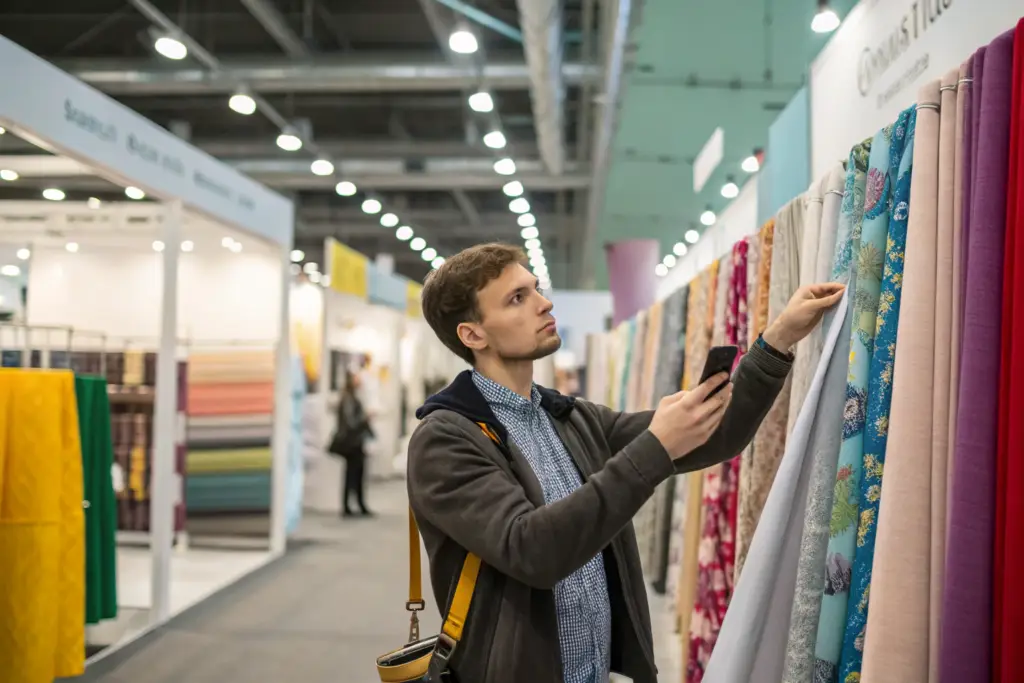
How Can Deadstock Fabric Solve Minimum Order Quantity Problems?
Deadstock is the industry term for leftover fabric from major fashion houses and large manufacturers. When a big brand orders 10,000 yards for a seasonal collection, the mill produces a little extra to account for defects. That extra—maybe 50 to 500 yards—sits in a warehouse. It’s high-quality material that has already been produced and inspected. It just needs a home.
For an independent label, deadstock is a lifeline. You can buy premium Italian wool suiting or Japanese selvedge denim in quantities as small as 10 yards. The price per yard is often lower than wholesale because the mill or jobber just wants to clear the shelf space.
Here are the primary deadstock channels ranked by accessibility for US-based labels:
| Sourcing Channel | Typical MOQ | Quality Level | Best For |
|---|---|---|---|
| Online Deadstock Marketplaces | 1-10 yards | Medium to High | Sampling, one-off custom pieces, very small capsule drops. |
| Local Jobbers | 50-200 yards | High | Consistent small production runs. You can touch before buying. |
| Mill-End Brokers | 100-500 yards | Premium | Accessing luxury European leftovers at fraction of original cost. |
The downside is that deadstock is inconsistent. If you find a fabric you love, buy all of it immediately. When it’s gone, it’s gone forever. You cannot reorder. This makes deadstock ideal for limited edition drops but risky for your core collection hero product.
Why Should You Consider Partnering with a Full-Package Manufacturer for Mill Access?
This is the secret weapon that most independent brand owners don’t realize they have. You might not be big enough to get a meeting with a top-tier knitting mill in China. But Shanghai Fumao is. We buy hundreds of thousands of yards per year across all our clients.
When you partner with a full-package manufacturer for production, you piggyback on their purchasing power. We can take your 300-yard custom color dye order and add it to our larger production run. The mill processes it because the total volume meets their threshold. You get the exact custom fabric you want, at a reasonable price, with a minimum order quantity that doesn’t bankrupt you.
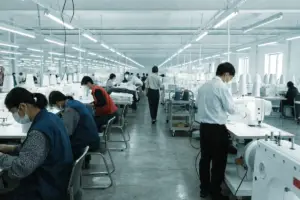
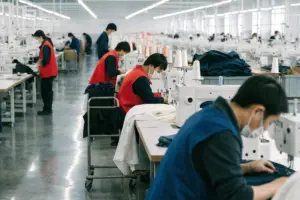
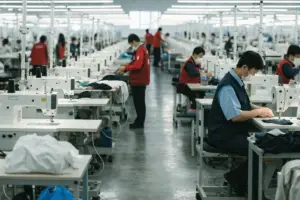
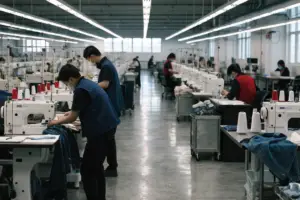
This approach also solves the quality control problem. Our in-house fabric inspection team checks every roll before it hits the cutting table. If there is a shading issue or a weaving defect, we catch it. We deal with the mill’s claims department. You just receive finished, high-quality garments.
How Can You Test Fabric Quality Before Committing to Bulk Orders
A swatch card in the mail is a first date. It looks nice. It smells like potential. But you don’t get married based on a first date. You need to dig deeper. The problem is that most independent designers trust their fingers too much. They feel a fabric and say, “Oh, that’s soft.” But “soft” doesn’t tell you if the fabric will shrink 8% in the first wash. “Soft” doesn’t tell you if the seams will slip apart under stress. Relying on touch alone is how you end up with a warehouse full of beautiful-looking garments that customers return because they fell apart.
Comprehensive fabric testing involves a combination of simple at-home burn tests for fiber identification and professional lab testing for objective data on colorfastness, shrinkage, and tensile strength.
You don’t need a full textile laboratory in your garage. But you do need a systematic approach. You need to move beyond subjective adjectives and into objective data. The following tests separate the pretenders from the performers.
What Does a Burn Test Reveal About Fiber Content?
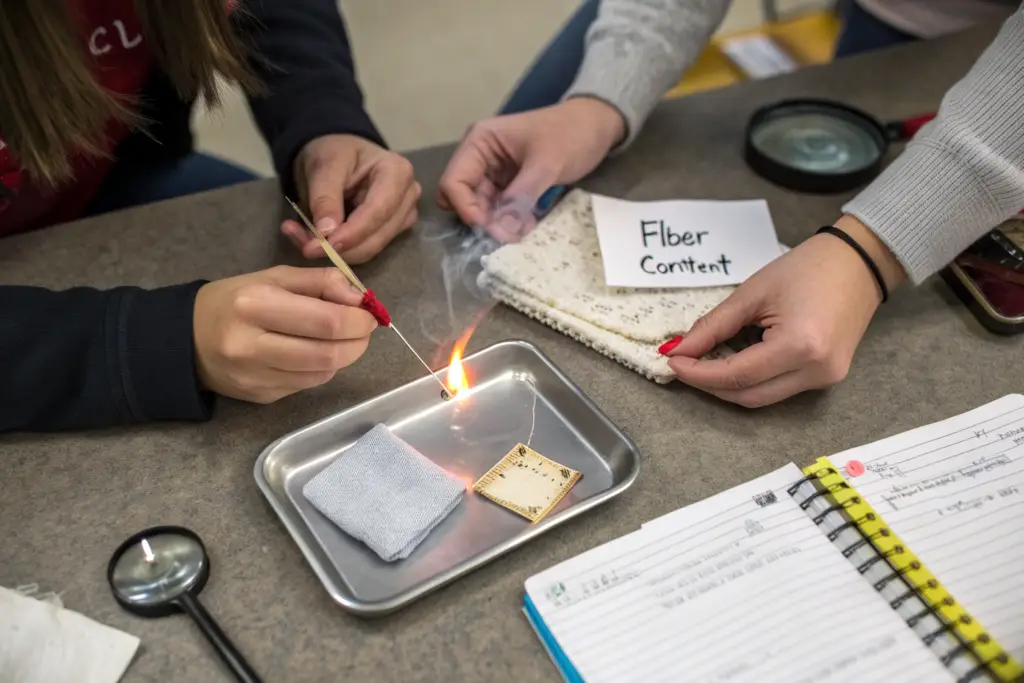
Labels can lie. Certificates can be faked. Fire cannot lie. The burn test is the oldest and most reliable quick-check in the textile industry. It tells you immediately if that “100% Silk” fabric is actually polyester.
Here is how you do it safely and what to look for:
- Prepare: Use metal tweezers to hold a small swatch over a fireproof surface (a metal sink or a ceramic plate). Have water nearby.
- Ignite: Touch the edge of the fabric to a lighter flame.
- Observe: Watch the smoke, the flame color, the smell, and the ash residue.
Here is the cheat sheet I use with my team at Shanghai Fumao:
| Fiber Type | Flame Behavior | Smoke & Smell | Ash Residue |
|---|---|---|---|
| Cotton/Linen/Rayon | Burns quickly, steady flame. | Smells like burning paper or leaves. | Fine, soft gray ash that crumbles easily. |
| Wool/Silk | Burns slowly, sputters. Flame may self-extinguish. | Smells like burning hair or feathers. | Dark, crushable bead of ash. |
| Polyester/Nylon | Melts and shrinks away from flame. Burns with black smoke. | Sweet, chemical smell. | Hard, shiny black bead that cannot be crushed. |
| Acetate | Melts and burns quickly. | Smells like vinegar and burning paper. | Hard, irregular black bead. |
If the label says “100% Cotton” but the fabric melts into a hard plastic bead, you’ve caught a liar. Do not pass go. Do not place an order.
Why Is Professional Lab Testing Non-Negotiable for Premium Brands?
The burn test confirms the identity of the fiber. Lab testing confirms the performance of the fabric. This is where you get the data that protects your brand from chargebacks and bad reviews.
For any fabric you plan to use in production, you should request a Mill Test Report or send a sample to an independent lab like Intertek or SGS. The specific tests you need depend on the garment type:
- For Woven Bottoms: You must test for Seam Slippage. This measures how easily the fabric tears at the stitching line. A pair of pants that splits when the wearer sits down is a lawsuit waiting to happen.
- For Knits: You must test for Pilling Resistance using a Martindale machine. This rubs the fabric against itself thousands of times to simulate wear. A grade of 3-4 or higher is acceptable for premium garments. Lower grades mean the sweater will look old after two weeks.
- For All Fabrics: Test for Colorfastness to Laundering and Crocking. Crocking is when the dye rubs off on other surfaces—like a dark denim leaving blue stains on a white leather couch. This is a catastrophic failure for a premium brand.
The cost for a basic lab test panel is usually between $150 and $300. Compare that to the cost of a product recall. It’s the cheapest insurance you’ll ever buy for your label.
Which Fabric Certifications Actually Matter to US Consumers
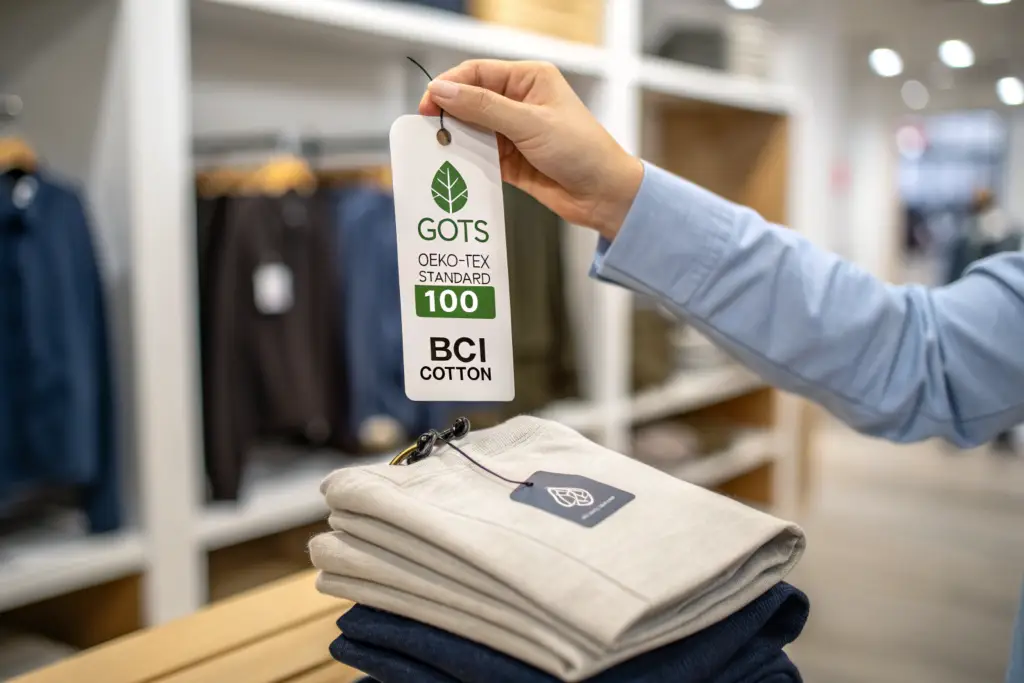
Walk down the aisle of a high-end boutique and look at the hangtags. You’ll see a alphabet soup of acronyms: GOTS, OCS, BCI, RWS, OEKO-TEX. It’s confusing. It’s overwhelming. And some of it is pure marketing fluff designed to make you feel good while meaning nothing. But other certifications are critical. They are the difference between a customer trusting your brand with their baby’s sensitive skin and them putting the garment back on the rack.
Not all certifications carry equal weight. US consumers, especially in the premium segment, are becoming more educated and skeptical. They know how to Google. They can spot a vague “eco-friendly” claim from a mile away and they will call you out on social media if you’re greenwashing.
The certifications that demonstrably influence US purchasing decisions and justify premium pricing are those that verify specific, measurable standards for organic content, chemical safety, and ethical labor practices.
You need to know which acronyms are worth the extra cost per yard and which ones you can ignore. At Shanghai Fumao, we guide clients through this landscape daily. Here is the truth about what matters in the American market.
Does OEKO-TEX Standard 100 Justify a Higher Retail Price?
Yes. Unequivocally. For certain categories, it’s not a “nice to have.” It’s a requirement to avoid legal and reputational disaster.
OEKO-TEX Standard 100 is a chemical safety certification. It guarantees that every component of the garment—the fabric, the thread, the buttons, the zipper tape, the printed label—has been tested for harmful substances. This includes lead, formaldehyde, heavy metals, and a long list of restricted chemicals.
Here is why this matters specifically for independent labels selling in the US:
- Children’s Wear: If you make clothes for kids under 12, US law under the CPSIA mandates strict limits on lead and phthalates. An OEKO-TEX certificate provides a robust defense of due diligence. Selling uncertified kids’ clothes is a massive legal gamble.
- Skin Sensitivity Claims: You can market “Hypoallergenic” and “Safe for Sensitive Skin” with confidence. This is a huge differentiator for premium basics and loungewear.
- Premium Pricing Justification: You can legitimately charge 15-25% more for an OEKO-TEX certified garment. The consumer perceives tangible value in the “Tested for Harmful Substances” label.
However, OEKO-TEX does not mean the cotton was grown organically. It only tests the finished product for chemicals. This is a common point of confusion. OEKO-TEX is about product safety. GOTS is about organic agriculture and ethical manufacturing.
What Is the Real Difference Between GOTS and OCS Organic Certifications?
If you want to put the word “Organic” on your label or hangtag in the United States, you need to understand this distinction. Using the word “Organic” without proper certification is a violation of USDA labeling rules and can result in fines.
GOTS (Global Organic Textile Standard) is the gold standard. It covers the entire supply chain:
- Farming: Cotton must be certified organic (no synthetic pesticides).
- Processing: Spinning, knitting, dyeing, and finishing must use approved low-impact chemicals and treat wastewater.
- Social Compliance: Factories must meet minimum social criteria based on ILO standards (no child labor, safe working conditions).
OCS (Organic Content Standard) is a simpler chain-of-custody verification. It tracks the amount of organic material in the product. It does not regulate the chemicals used in dyeing, and it does not include social labor requirements.
| Feature | GOTS Certified | OCS Certified |
|---|---|---|
| Organic Fiber Content | Minimum 70% organic fibers. | Tracks percentage (e.g., OCS 100 or OCS Blended). |
| Chemical Restrictions | Strict list of approved dyes and auxiliaries. | No restrictions on processing chemicals. |
| Social Labor Standards | Mandatory compliance. | Not included. |
| Market Perception | Premium eco-luxury. | Entry-level organic claim. |
If you’re building a brand around sustainability and charging top dollar, GOTS is the only credible choice. It’s more expensive to source, but it protects your brand story. If you just want to say “Made with X% Organic Cotton” and your price point is moderate, OCS is a viable, less expensive alternative.
What Common Fabric Sourcing Pitfalls Should You Avoid
Even with the best certifications and lab tests, things go wrong. The fabric industry is global and complex. A delay at a port in Vietnam can ripple into a missed delivery window for your holiday collection. A mill might substitute a cheaper yarn to save costs without telling you. You are the last line of defense for your brand’s quality.
Understanding the most common fabric sourcing failures allows you to build preventative measures into your supply chain process. Most of these pitfalls are avoidable with clear communication and a healthy dose of skepticism.
I’ve seen independent labels make the same five mistakes over and over. They get excited about the design and the marketing, but they gloss over the unsexy details of fabric specifications. Here is how to stop that from happening to you.

Why Is “Hand Feel” Not a Reliable Specification?
This is the number one reason for disputes between brands and manufacturers. A designer approves a sample swatch. They love the “drape” and the “hand.” They place a bulk order. The bulk fabric arrives, and it’s stiffer or thinner than the swatch. The factory says, “It’s within tolerance.” The designer says, “It’s completely wrong.” Who is right?
Technically, the factory might be right. If the only specification was “hand feel,” there is no objective standard to measure against. Hand feel changes with humidity, finishing washes, and even the mood of the person touching it.
The solution is to define objective physical specifications in your purchase order. At Shanghai Fumao, we require these metrics for any custom-developed fabric:
| Specification | Unit of Measure | Why It Matters |
|---|---|---|
| Fabric Weight | GSM (Grams per Square Meter) or OZ (Ounces per Square Yard) | Ensures the fabric isn’t thinner/lighter than the sample. |
| Yarn Count | Ne (English Cotton Count) or Denier | Determines the fineness of the yarn and thus the softness/durability. |
| Fabric Construction | Ends per Inch x Picks per Inch | Defines the tightness of the weave. |
| Shrinkage Tolerance | Percentage (%) | Defines acceptable change after washing. |
If the bulk fabric is within 5% tolerance of these numbers, it’s acceptable. If it’s outside, you have a documented, objective reason for a claim. “It feels different” won’t get you a refund. “The GSM is 180 but the spec was 210” will.
How Can You Protect Yourself From Late Shipments and Supply Chain Delays?
Fabric is always late. That’s not pessimism. That’s experience. The weaving schedule slips. The dye lot fails inspection. The vessel misses its sailing window. You need to plan for this reality.
Here is a simple rule that has saved my clients from missing entire selling seasons: Never book a launch date based on the factory’s “best case” delivery estimate.
Add buffer time. Here is a realistic timeline for independent labels:
- Sampling & Lab Dips: 4-6 weeks.
- Bulk Fabric Production (Custom): 6-10 weeks.
- Ocean Freight to USA: 4-6 weeks (plus 1 week for customs clearance).
That’s roughly 15 to 22 weeks from order to receiving fabric in your US warehouse. Nearly half a year.
What can you do to mitigate this?
- Use DDP Shipping Terms: This means the supplier is responsible for the goods until they reach your door. They handle the customs clearance. It costs more upfront but removes the risk of unexpected port storage fees and clearance delays.
- Build a Core Program: Identify one or two “core” fabrics you use season after season. Keep a small inventory of greige (un-dyed) fabric at the mill. When you need a reorder, you only need to wait for dyeing and finishing (4 weeks) instead of weaving (8 weeks).
- Diversify Mills: Don’t put all your eggs in one basket. If you rely on one mill in one country, a single regional event (a holiday, a power outage, a trade dispute) can shut you down. Work with a partner like Shanghai Fumao who has relationships with multiple mills across different fiber specializations.
Conclusion
Sourcing high-quality fabric is the single most important operational skill an independent clothing label must master. We’ve walked through the entire journey—from finding reliable channels that actually serve small-batch buyers to conducting scientific tests that protect you from fraud. We’ve deciphered the certification alphabet so you know which labels truly resonate with American consumers and justify your premium pricing. And we’ve confronted the uncomfortable truth about supply chain delays and the inadequacy of subjective “hand feel” as a quality standard.
The fabric you choose is not just a material input. It is the physical embodiment of your brand promise. When a customer pulls your garment over their head, they feel your commitment to quality in every fiber. That feeling—whether it’s the cool smoothness of premium linen or the cozy warmth of responsibly sourced wool—determines whether they become a one-time buyer or a lifelong advocate.
You don’t have to navigate this complex landscape alone. The right manufacturing partner brings decades of mill relationships, quality control infrastructure, and material science expertise to your project. We help you avoid the pitfalls that sink so many promising labels before they find their footing.
If you’re ready to source fabric that matches the vision of your brand, let’s discuss your specific material requirements. We can provide swatch recommendations, mill options, and transparent cost breakdowns tailored to your collection.
For expert guidance on fabric sourcing and production, contact our Business Director, Elaine.
Contact Elaine at: elaine@fumaoclothing.com