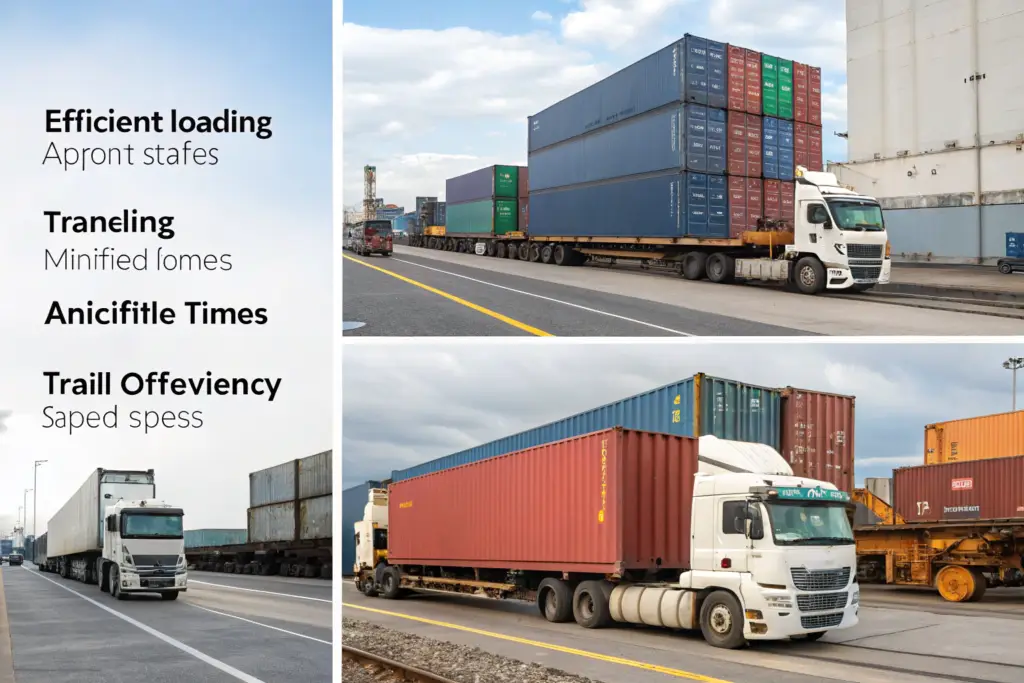
You know the frustration. The collection is ready. It sits in a factory warehouse, boxed and beautiful. But it doesn't move. The truck is late. The vessel space is gone. The container is "rolled" to next week. Then next month. Your launch date sails by, and your perfect, seasonally-timed collection becomes dead stock. This is the logistics gap that kills brands. Most factories treat shipping as an afterthought. They hand your goods to a third-party forwarder and wave goodbye, their responsibility ending at the factory gate. Their speed ends there. Ours begins.
Shanghai Fumao logistics is faster than competitors because we have internalized and pre-engineered the entire outbound supply chain. We own the trucking relationship. We hold contracted, guaranteed vessel space with top-tier carriers. We use a dedicated, US-based customs brokerage that clears our DDP shipments before the vessel even docks. We do not outsource your delivery to a chain of strangers. We control it, from our loading bay to your warehouse door.
Speed in logistics is not just about a fast ship. It is about eliminating the hidden waiting times between every handoff. It is about the container moving, not sitting. Let me walk you through the four specific stages where our logistics system compresses time and outpaces the fragmented, competitor model.
Stage One: Pre-Booked Carrier Space and Priority Loading
The first delay in a standard supply chain happens before the container even leaves the factory. A standard factory finishes your order, then calls a freight forwarder. The forwarder checks spot rates and available sailings. During peak season, the next available vessel might be in two weeks. Your container waits. We reverse this process. We secure the ship before the last button is sewn. Our logistics team books vessel space based on the Time and Action calendar's projected completion date, weeks in advance. The container and the sailing date are waiting for the goods, not the other way around.
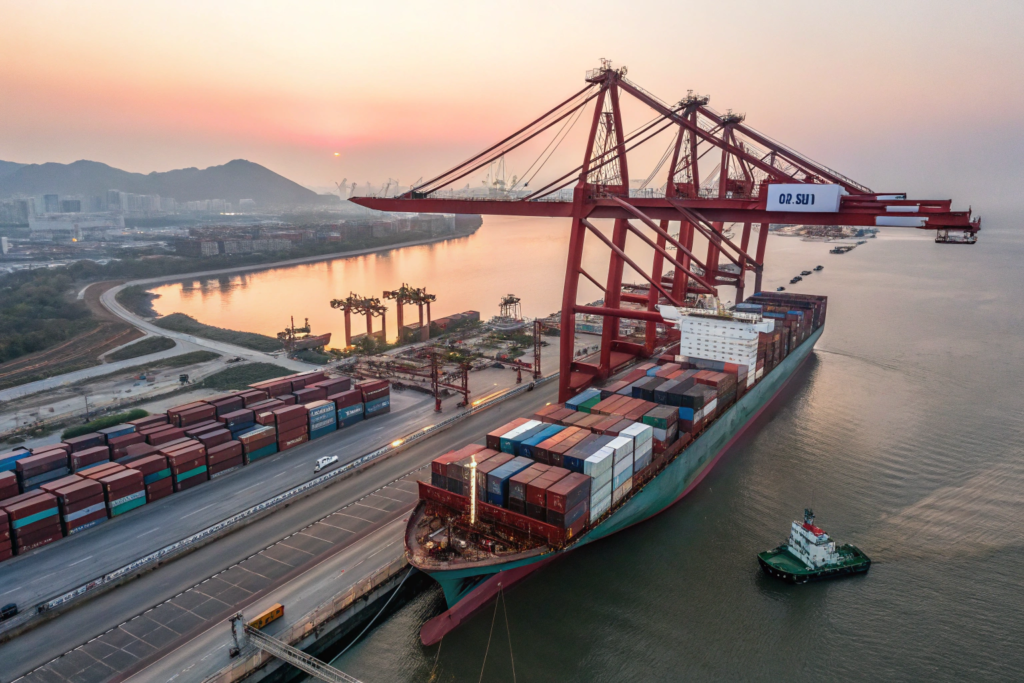
Our logistics speed advantage starts with a guaranteed vessel booking. We have annual service contracts with major ocean carriers that allocate us fixed space on specific sailings. When your production order reaches 80% completion, our logistics team confirms the booking. The empty container is pre-positioned at our factory. The truck to the port is scheduled. There is zero waiting time between final inspection and container loading.
Why Does a Carrier Contract Matter More Than a Low Spot Rate?
A spot rate is a one-time transaction. During the August-to-October peak season, when every brand is shipping for the holidays, spot-rate cargo is the lowest priority. If the vessel is overbooked, spot-rate containers are the first to be "rolled" to the next sailing, which could be another week away. A carrier contract is a guaranteed space agreement. We commit to a minimum volume of containers over the year, and the carrier commits to loading our containers on the booked vessel.
This contractual obligation is our legal guarantee of space. For a New York-based brand's critical Black Friday order last year, our contracted space meant their container loaded on October 1st exactly as planned, while a competitor's FOB shipment from another factory was rolled twice and arrived in late November, missing the entire event. This is the financial value of a strategic carrier partnership. We pay for reliability, not just the lowest possible rate. You receive the benefit of that reliability in the form of a guaranteed on-shelf date.
How Does On-Site Container Loading Save Critical Days?
A standard factory loads your goods onto a truck, which drives them to a container freight station. There, the goods wait in a warehouse queue to be consolidated into a container. This adds a day or two of handling and waiting. We operate a factory loading dock. The empty container is dropped at our facility by the carrier. Our own logistics team, trained in our own protocols, loads your goods directly into the container under our supervision.
We control the loading speed. We control the carton count and the weight distribution. The container is sealed with a security seal at our dock, and the seal number is logged and sent to you immediately. The loaded container then moves directly to the port terminal for export. This eliminates the external CFS handling delay entirely. The container moves from our factory to the port in one seamless, same-day journey. This is the efficiency of an integrated factory loading operation.
Stage Two: The Shanghai Port Advantage and Direct Routing
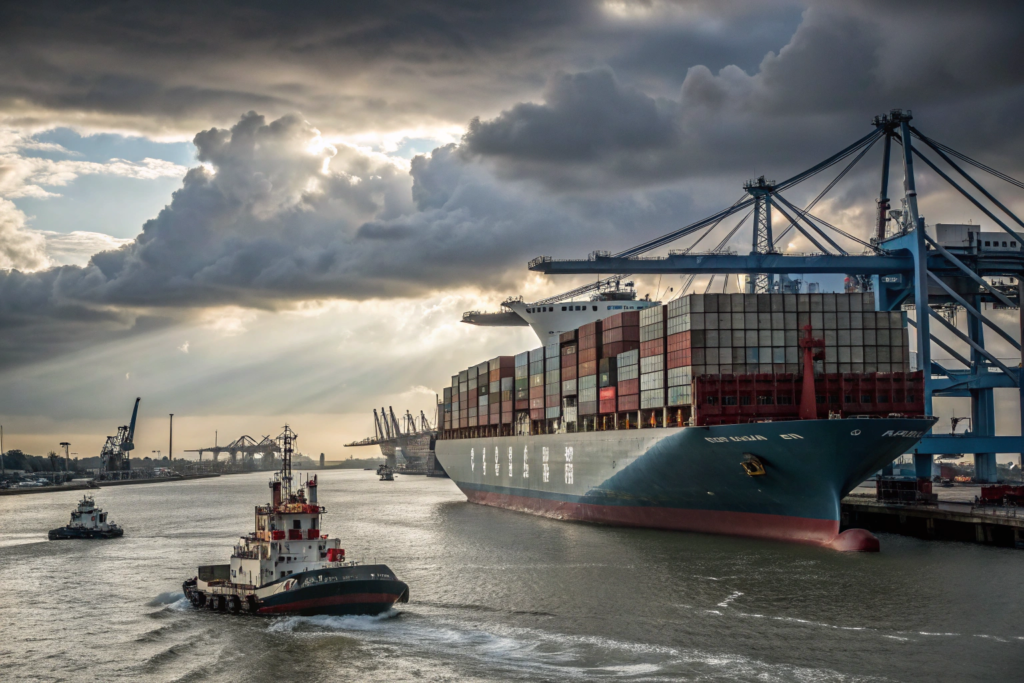
A factory in a remote province relies on a feeder vessel to take its container to a main hub port. This adds days of transit and a transshipment risk. Our factory is located with direct, rapid access to the Port of Shanghai, the world's busiest and most efficient container port. This geographic and infrastructural advantage compresses the first mile of the ocean journey. Your container is on a mainline vessel, heading directly to the US, within 24 hours of leaving our factory.
Our proximity to Shanghai port is a structural speed advantage. There are no feeder vessel delays. Direct sailings from Shanghai to Los Angeles/Long Beach take as little as 12 days. The port's world-class efficiency, with automated terminals and deep-water berths, means vessels berth, unload, and depart on schedule. We do not lose days in a regional transshipment queue.
Why Does Shanghai's Port Efficiency Outpace Regional Competitors?
The World Bank's Container Port Performance Index consistently ranks Shanghai among the top ports globally for efficiency. This is measured in port hours per container move. An efficient port means the vessel berths quickly, the containers are offloaded with automated cranes, and the ship departs without delay. An inefficient port means the ship waits at anchor for a berth for two or three days. That waiting time is added directly to your transit time.
When you ship from a factory using a less efficient regional port, the risk of an anchorage delay is high, especially during peak season. Shanghai's sheer infrastructure scale absorbs peak volumes far better. Your container is unloaded and available for customs clearance faster. This port efficiency is not something we control, but it is a competitive advantage we deliberately leverage by our factory location and our exclusive use of high-frequency, direct services from Shanghai. You can verify this data at the World Bank CPPI.
What Is Direct Routing and Why Does It Beat Transshipment?
Direct routing means the vessel that carries your container in Shanghai is the same vessel that arrives in Los Angeles. Transshipment means your container is offloaded at an intermediate hub, like Busan in Korea, and loaded onto a different vessel for the final leg. Transshipment adds a minimum of 3 to 5 days. It also introduces a major risk: the second vessel is missed, and the container waits a week for the next connection.
We book direct sailings exclusively for our DDP shipments. The vessel departure from Shanghai is a single, uninterrupted voyage to the US West Coast port. This is the fastest possible surface freight option. We do not route your goods through a hub to save a marginal amount on freight cost at the expense of speed and certainty. Direct routing is a policy, not an exception.
Stage Three: Pre-Cleared DDP Customs Brokerage
The moment a container arrives at a US port, a clock starts ticking. Under standard FOB terms, the buyer's customs broker is now alerted. They begin filing the entry. If the paperwork is incomplete, if a Harmonized Tariff Schedule code is challenged, the container sits. It accrues demurrage fees. Days pass. Our DDP model eliminates this entire waiting period because we process customs clearance before the vessel even arrives.
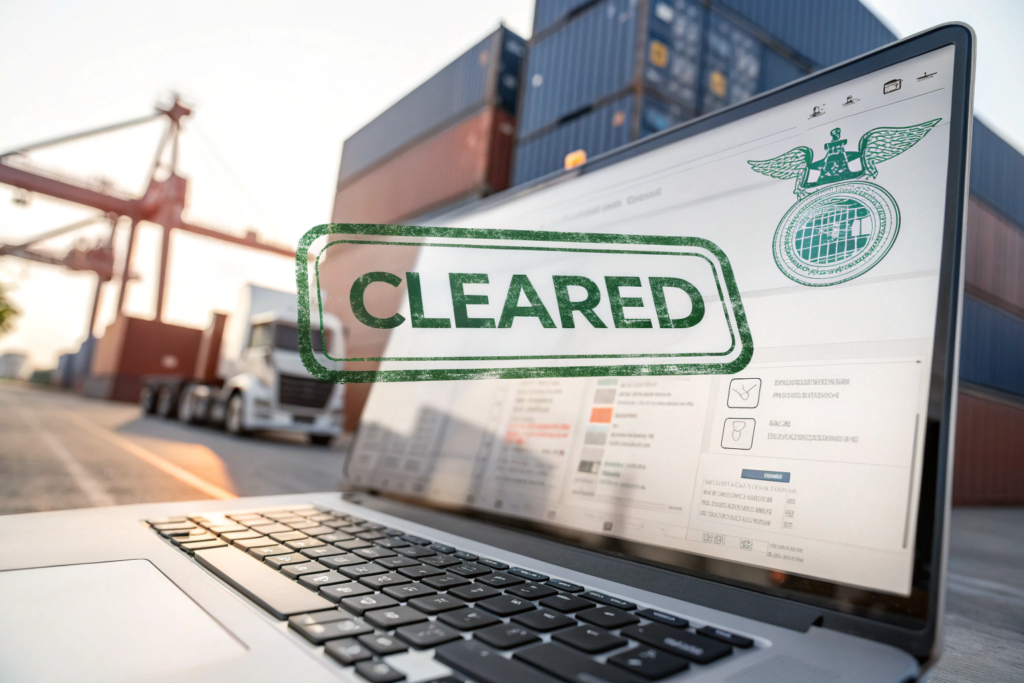
We file our US customs entry pre-arrival. Our dedicated, US-based customs broker receives the full documentation package, commercial invoice, packing list, and certificate of origin, from our logistics team the day the vessel departs Shanghai. The broker files the entry electronically with CBP while the ship is at sea. By the time the container is unloaded, it is often already cleared for immediate delivery. There is no post-arrival filing delay.
What Is a Customs Continuous Bond and How Does It Speed Clearance?
A Continuous Bond is an annual insurance policy filed with CBP. It guarantees the payment of all duties, taxes, and fees for all imports made by the bond holder over a year. As the Importer of Record on DDP shipments, we hold a continuous bond. This allows our broker to clear an unlimited number of shipments without obtaining a new Single Transaction Bond for each consignment.
A FOB buyer without a continuous bond must purchase a Single Entry Bond for their shipment. This process, while usually fast, is still an extra administrative step. More critically, if the buyer is a new importer without a bond on file, the process can be delayed. Our continuous bond is active and ready. It is one less transaction in the clearance chain. It streamlines the financial guarantee component of customs entry. You can learn more about this requirement on the CBP Basic Importing page.
How Does Accurate HTS Classification Prevent Customs Exams?
A Harmonized Tariff Schedule (HTS) code is a 10-digit number that classifies your product. A wrong code triggers a red flag in CBP's automated targeting system. The container is flagged for a physical customs exam. An exam can take 5 to 10 days and cost thousands of dollars in exam fees and trucking. We prevent this through rigorous, pre-filing HTS code validation.
Our logistics team works with our pattern room to determine the exact fiber composition and construction of every garment. This data is used to assign the precise 10-digit HTS code. Our broker then reviews the classification. A clean, accurate HTS code with a consistent import history is a powerful signal to CBP's algorithms. It marks our shipments as low-risk. Our exam rate is exceptionally low. A container that is not examined is a container that is delivered days faster. This is the invisible speed advantage of meticulous trade compliance.
Stage Four: Direct-to-Door Last-Mile Delivery
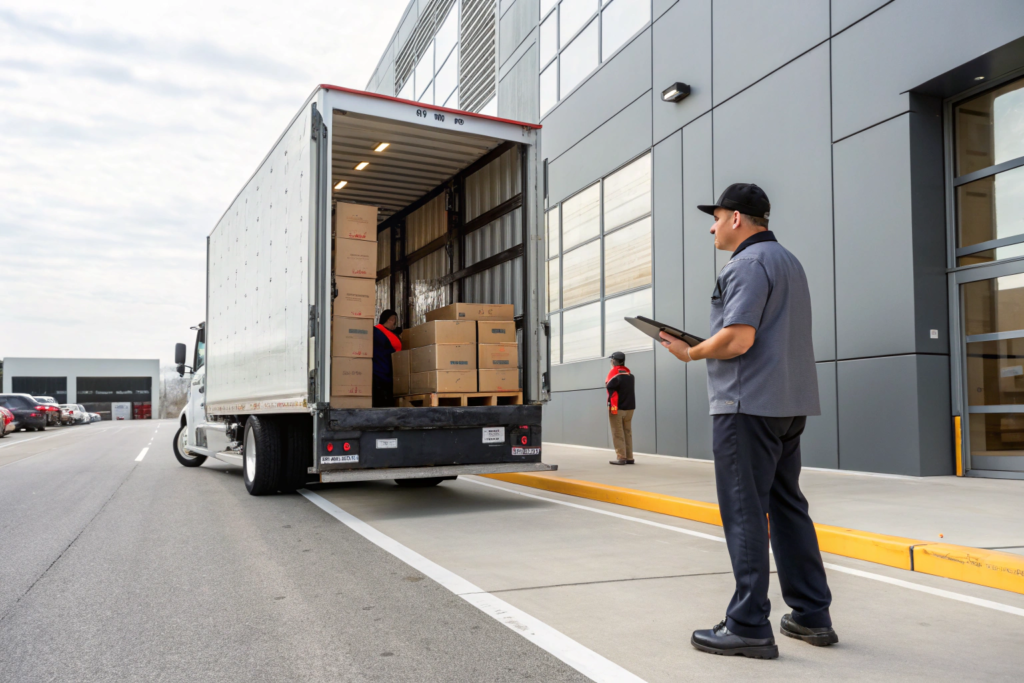
The final mile is where many logistics chains fail. A container arrives at the port. It is cleared. Then it sits, waiting for a trucking appointment. The buyer scrambles to find a drayage carrier. We remove this final bottleneck. Our logistics service is door-to-door. The same team that booked the vessel, and cleared the customs, also arranges the final drayage and delivery to your warehouse, distribution center, or even directly to your retail fulfillment center.
Our last-mile delivery is pre-scheduled and integrated. Our broker notifies the designated drayage carrier immediately upon customs release. The trucking appointment is booked while the container is still at the port. The container is picked up and delivered directly to your specified door. We handle the delivery appointment scheduling with your warehouse. You do not coordinate with trucking companies. The goods simply arrive on the scheduled day.
How Does Pre-Scheduled Drayage Eliminate Port Storage Fees?
Drayage is the trucking of the container from the port to its first destination. If drayage is not arranged promptly, the container sits on the port terminal. Terminals charge a daily storage fee, called demurrage, after a short free period. These fees can be hundreds of dollars per day. A disorganized buyer can lose a week to these charges before they even arrange a truck.
Because our delivery pipeline is pre-scheduled, the drayage carrier is notified in advance of the vessel's arrival and the estimated customs clearance time. They monitor the clearance status. The moment the container is released, a truck is dispatched. The container spends minimal time on the terminal, often avoiding demurrage charges entirely. This speed directly saves you money and keeps the goods moving without a costly pause. This is the operational discipline of a fully managed drayage service.
What Is a Delivery Appointment and Why Does Our Coordination Matter?
Large US warehouses and fulfillment centers require delivery appointments. You cannot just show up with a truck. The warehouse allocates a specific dock door and a specific time slot. Securing these appointments can be a frustrating back-and-forth. Our logistics team handles this directly with your receiving team.
We provide the delivery address, the carton count, the pallet configuration, and the estimated arrival window. We book the delivery appointment slot that works for your warehouse. The truck arrives during the booked window. The driver has the correct paperwork. The offloading is fast and smooth. Your goods are received into inventory without logistical chaos. This end-to-end coordination, from the factory dock to your warehouse rack, is the ultimate expression of our logistics speed. It is not just fast shipping. It is a seamless, managed delivery experience.
Conclusion
Our logistics speed is not a miracle. It is an engineered system that closes every time leak in the traditional, fragmented supply chain. We secure the vessel space before the order is packed, so your container sails, not waits. We leverage the unmatched efficiency of Shanghai Port and direct sailings to compress ocean transit. We clear US customs while the ship is still at sea, so your container is released on arrival, not days later. And we pre-schedule the truck that delivers it to your door, eliminating the final-mile scramble.
At Shanghai Fumao, we treat logistics as a core production process, not an outsourced afterthought. The result is a door-to-door speed and reliability that turns your supply chain from a source of anxiety into a competitive advantage. You can sell with confidence because you know the product will be on the shelf when we promised it.
If your current supplier's logistics performance is the weak link in your business, I invite you to test our speed. Give us a style you regularly import. We will provide a guaranteed door-to-door delivery timeline and prove we can beat your current transit time.
Contact our Business Director, Elaine, at elaine@fumaoclothing.com. She can prepare a sample DDP logistics schedule for your specific delivery address. Let us show you what truly integrated logistics feels like.