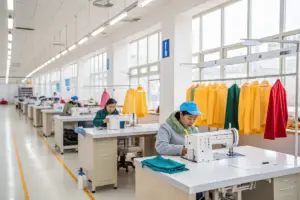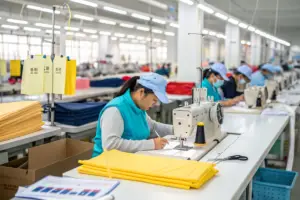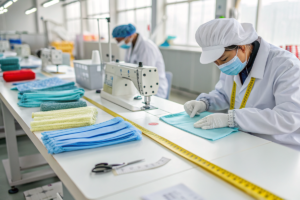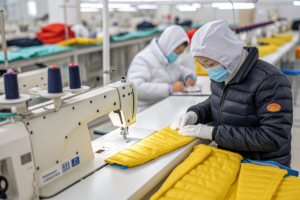
You have a great idea for a women's wear collection. It has three styles: a basic tank top (you need 5,000 units), a printed midi dress (you need 1,000 units), and a complex outerwear jacket with custom embroidery (you need only 300 units). You send the inquiry to a factory. They reply: "Minimum Order Quantity is 3,000 units per style." Just like that, your dream collection is dead. Or they say yes to all three, but the 300 jackets arrive looking rushed and sloppy because the factory is set up to only do massive, simple runs. This is the reality of working with rigid, high-volume factories.
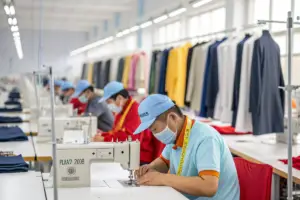
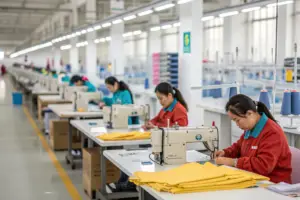
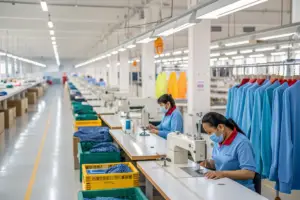
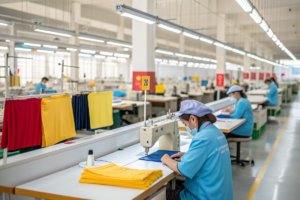
Flexible production lines allow a manufacturer to efficiently switch between large bulk orders and small, complex custom orders without sacrificing quality or lead time. At Fumao, our 5 production lines are configured to operate as modular cells. We can dedicate one line to a 10,000 unit basic tee order while another line handles a 300 unit order for fully fashioned knitwear with custom logos.
This agility is not just convenient. It is a competitive advantage for brand owners. At Shanghai Fumao, we designed our factory floor specifically to serve the dynamic US fashion market, where trends change fast and inventory risk must be managed carefully. Let me explain why the flexibility of our 5 production lines is the secret weapon for brands that want to offer both core basics and rare style statement pieces.
How Do Modular Production Cells Handle Small Batch Custom Orders?
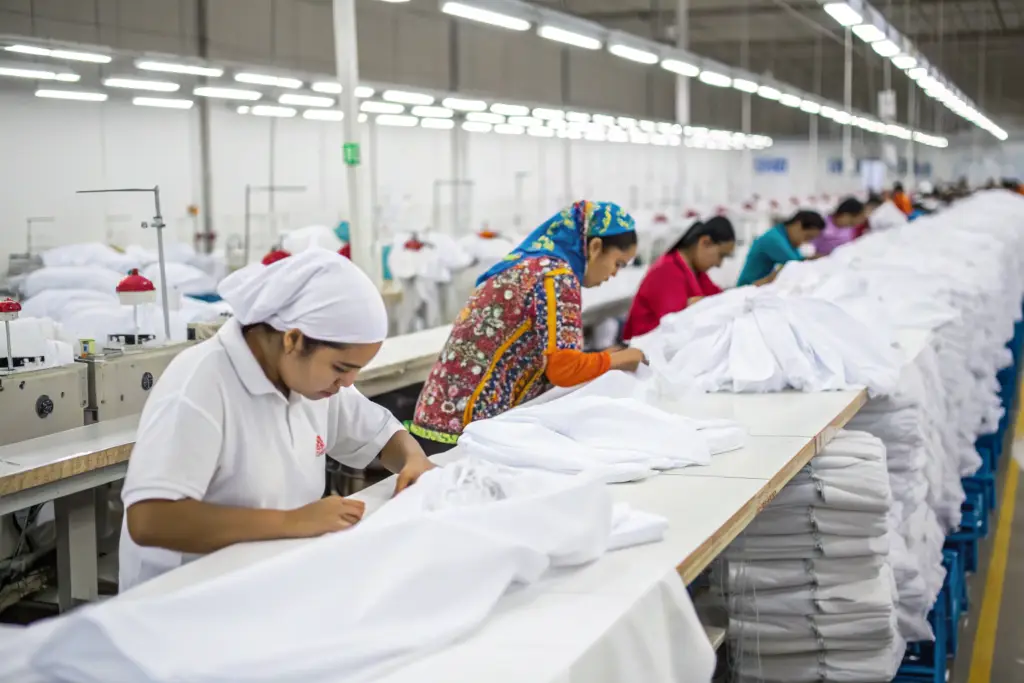
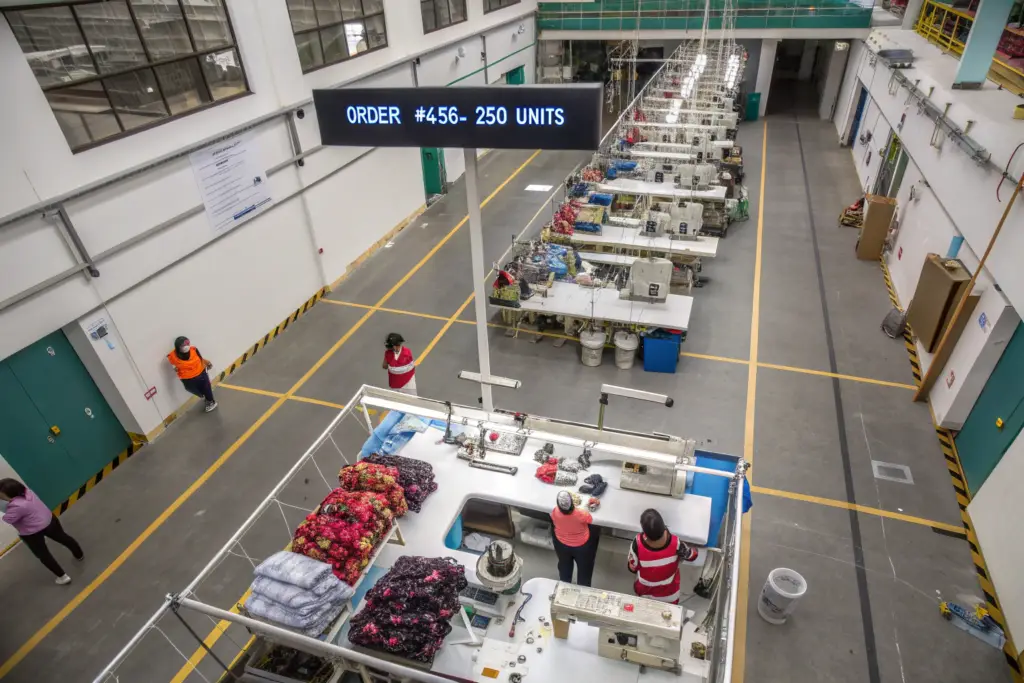
Traditional factories use a long "assembly line" setup. Operator #1 sews the shoulder seam. Operator #2 attaches the collar. This is extremely efficient for 10,000 identical pieces. But it is a disaster for a 250-unit custom order. Changing the setup for a different style takes hours of downtime. The factory loses money, so they either refuse the order or charge a huge premium.
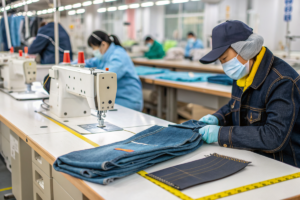
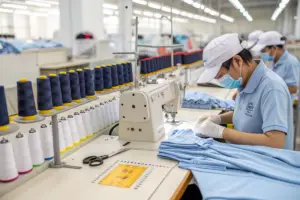
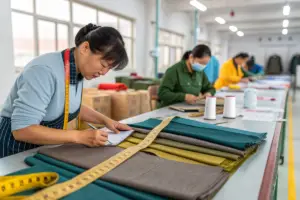
Modular production cells are small, self-contained teams that take a garment from cut pieces to finished product. This setup allows for rapid changeovers between styles. A modular cell can complete a small batch order of 200 units in the morning, switch the machine settings in 30 minutes, and be working on a different 500 unit order in the afternoon.
I recall a men's wear brand that wanted to test a new rare style of camp collar shirt with a unique print. They only needed 400 units to gauge market reaction. A traditional factory quoted them a 60-day lead time and a high "small batch fee." Our modular cell #4 handled the order. The team of six operators worked through the bundle in two days. The lead time was the same as our bulk orders, and the quality was impeccable because the team was focused on that single style. This allowed the brand to test the style without overcommitting to inventory. This is the essence of agile manufacturing and lean production principles .
What Is the Difference Between a Modular Line and a Traditional Line?
The difference is in the workflow and the skill of the operators. A traditional line is a straight line. A modular cell is a U-shape. This shape allows operators to help each other and balance the work.
Here is a comparison:
| Feature | Traditional Straight Line | Modular Cell (Fumao) |
|---|---|---|
| Optimal Batch Size | 2,000+ units per style | 50 - 1,500 units per style |
| Changeover Time | 4-8 hours | 20-45 minutes |
| Operator Skill | Specialized (one task only) | Multi-skilled (can operate 2-3 machines) |
| Ideal For | Basic men's wear tees, activewear leggings | Customizable logo pieces, woven garments, outerwear |
We maintain both types of lines. Lines 1 and 2 are our high-speed traditional lines for bulk basics. Lines 3, 4, and 5 are our modular cells. This gives us the flexibility to serve large company buyers with volume orders and emerging brands with complex, smaller runs simultaneously. This hybrid model is what makes us a true partner for B2B growth.
How Does This Flexibility Reduce Minimum Order Quantities (MOQs)?
MOQs are usually dictated by the fabric mill and the factory's line setup. If a factory only has traditional lines, their "true" MOQ is the amount of units needed to keep that line busy for at least a day or two. That is often 1,000+ units per color.
Because we have modular cells that can be profitable on 200-unit runs, our factory-level MOQ is much lower. We can say "yes" to a 300-unit order for a women's wear blouse in three colors (100 units per color). A rigid factory would say "No" or "Yes, but the price is double." We can offer competitive pricing on these smaller runs because our operational structure is designed for it. This allows our clients to test new designs or offer customization without betting the farm on inventory.
How Do We Manage Complex Trims on a Flexible Line?
The challenge with small, complex orders is the trims. A bulk order of 10,000 units uses the same zipper for weeks. A flexible line handling five different small orders in a week might deal with five different zipper types, four different button styles, and three different embroidery threads. Mixing them up is a huge risk.
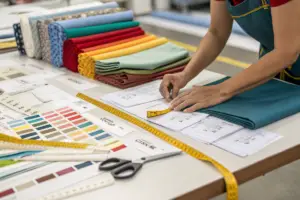
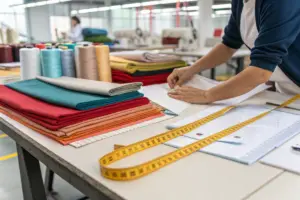
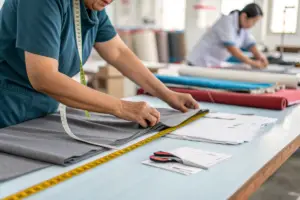
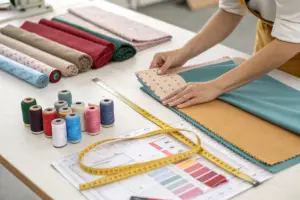
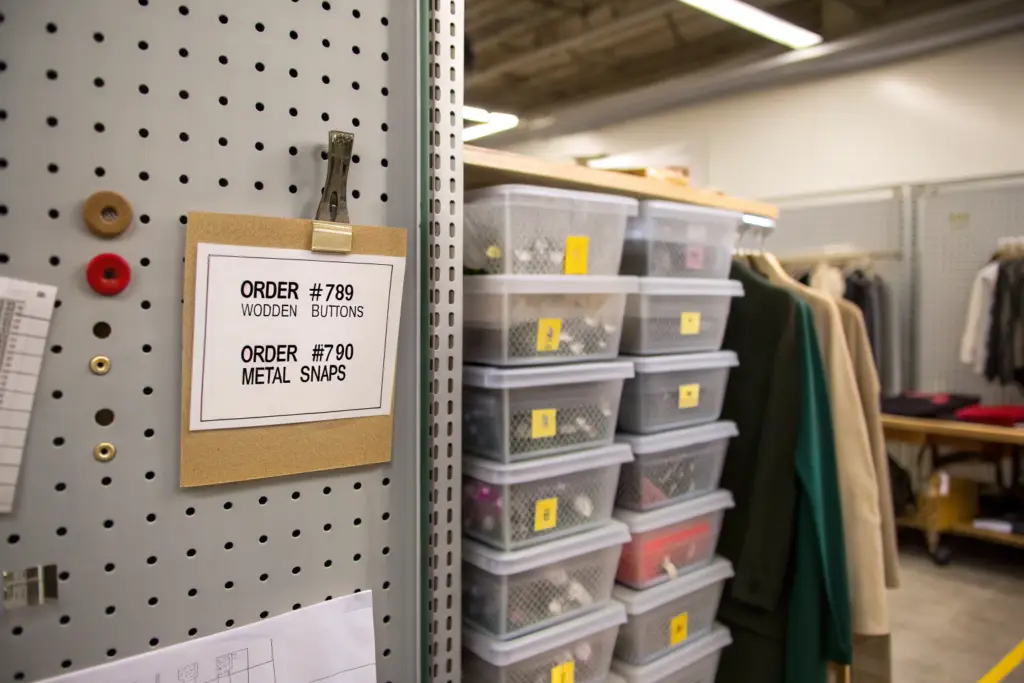
Fumao uses a "Kit System" for complex custom orders. Before the fabric hits the modular cell, our warehouse team pre-packages all the required trims for that specific batch into a single "Production Kit." This kit travels with the cut fabric bundle to the cell. The operators have exactly what they need for that specific order, eliminating the risk of using the wrong button or wrong color thread.
I remember a kids' wear order with a rare style of applique. The design required three different colors of embroidery thread and a specific custom patch. Our warehouse team kitted the threads and patches with the cut panels. When the bundle arrived at Cell #5, the supervisor opened the kit, checked the photo reference, and distributed the materials. The result: zero errors. Without this kit system, an operator might have grabbed a spool of "Navy" thread from the general supply and sewn the wrong color, ruining a dozen expensive garments. This is the kind of production tracking and organization that makes flexible manufacturing successful.
How Does the "Kit System" Prevent Errors with Custom Logos?
When you are running custom logo orders, a mix-up is catastrophic. Sewing Client A's logo on Client B's shirt is a breach of trust and a financial loss.
Our Kit System uses barcode verification. The kit box has a barcode. The operator scans the barcode at the workstation. A tablet displays the digital Tech Pack for that specific order, with a high-resolution photo of the customizable logo and its placement. The operator verifies the physical trim in the kit matches the photo on the screen. This two-step verification—physical kit plus digital check—provides a near-foolproof system for managing multiple brand identities on the same flexible line. This is especially important for B2B clients who are wholesale distributors of promotional apparel.
Can One Cell Handle Both Woven and Knit Orders?
Yes, with the right operators and machines. This is the beauty of the modular cell. A traditional line is often dedicated to either woven or knit because the machinery is different. Knits require overlock and coverstitch machines. Wovens require lockstitch and specialized folders.
Our modular cells are equipped with a universal machine setup. Each workstation has the power and air connections for quick machine swaps. We use mobile machine tables. If Cell #4 is doing a woven shirt order on Monday, they roll in the lockstitch machines and felling folders. If they switch to a knitwear polo order on Wednesday, they roll those machines out and roll in the overlock and coverstitch machines. This changeover takes less than an hour. This allows us to match the cell's capability to the exact needs of the apparel order, regardless of fabric type.
Why Is Line Flexibility Crucial for Fast Reorders and Test Runs?
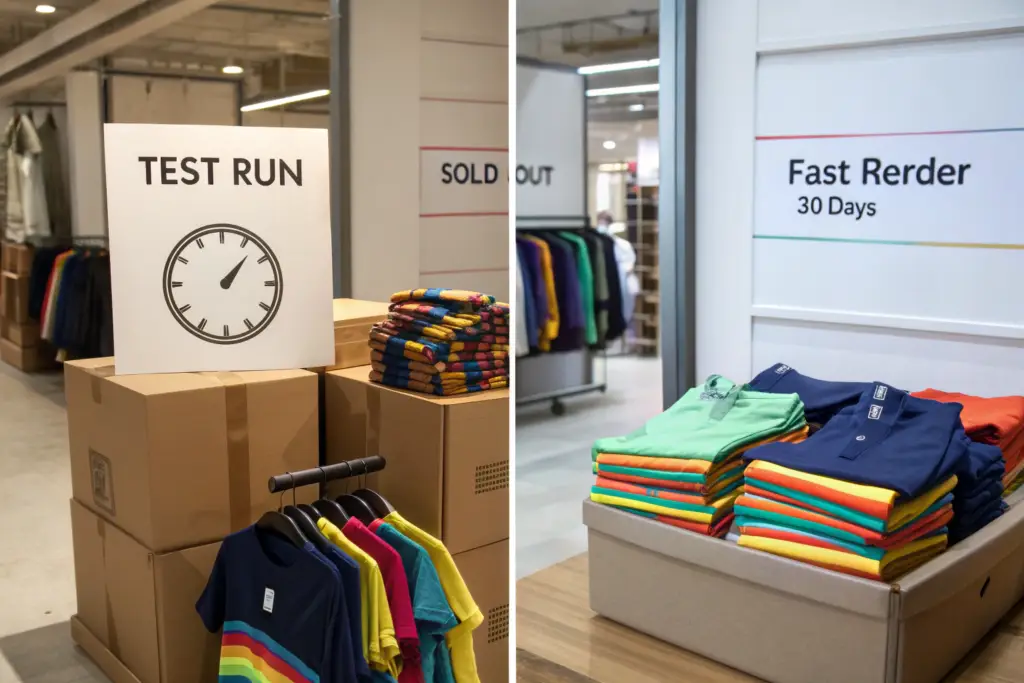
In the US fashion market, speed kills. You see a style going viral on TikTok. You have a small initial order that sells out in three days. If your factory takes 90 days for a reorder, the trend is dead, and you are stuck holding the bag (or you lost all those potential sales). Flexible lines are the antidote to this problem.
Because flexible lines can handle small batches and switch styles quickly, they are uniquely suited for rapid reorders. We do not need to wait to "fill a container" or schedule a large block of time. A modular cell can be assigned to a reorder within 48 hours of receiving the PO, shaving weeks off the standard replenishment timeline.
We had a client with a women's wear dress that unexpectedly blew up. They had ordered 800 units. They sold 600 in the first week. They were panicked about missing the rest of the season. They called us. Because we use flexible scheduling, we were able to reallocate Cell #3 to their reorder. We still had the fabric on order from the mill for other clients, so we just added to the dye lot. We shipped the reorder 32 days later. The client captured an extra $45,000 in full-price sales. That is the power of flexible production lines. This responsiveness is a key differentiator in supply chain agility.
How Do You Balance New Development Samples with Bulk Production?
This is the eternal struggle. The sales team wants new samples to show buyers. The production team wants to keep the lines running bulk orders to meet shipping deadlines. In a rigid factory, samples are a nuisance that gets pushed to the back of the queue.
Because we have 5 production lines, we can dedicate one cell specifically to Product Development and sampling. This cell does not have bulk production targets. Its only job is to make pre-production samples, fit samples, and TOP (Top of Production) samples. This ensures that bulk production is never interrupted by a sample request, and samples are never delayed because a bulk order is running late. This separation of "R&D" and "Production" is how we offer both reliable delivery of bulk and fast turnaround on customization requests.
Can Flexible Lines Handle Peak Season Volume Spikes?
Yes, flexibility works both ways. In the slow season, we can run multiple small-batch orders to keep everyone busy. In the peak season (July-October for holiday goods), we need to push massive volume.
During peak season, we "flex up" the modular cells. We add a second shift of multi-skilled operators to those cells. We also convert some modular cells to operate like mini traditional lines temporarily. If we have a 15,000 unit order for a simple activewear style, we can set up Cell #4 as a straight line for two weeks to maximize speed, then revert it back to a modular U-shape for smaller orders. This dynamic reconfiguration is what makes our 5 production lines such a powerful asset. It allows us to absorb the demand spikes of large company buyers without sacrificing service to our smaller brand clients.
How Does Operator Cross-Training Enable Production Flexibility?
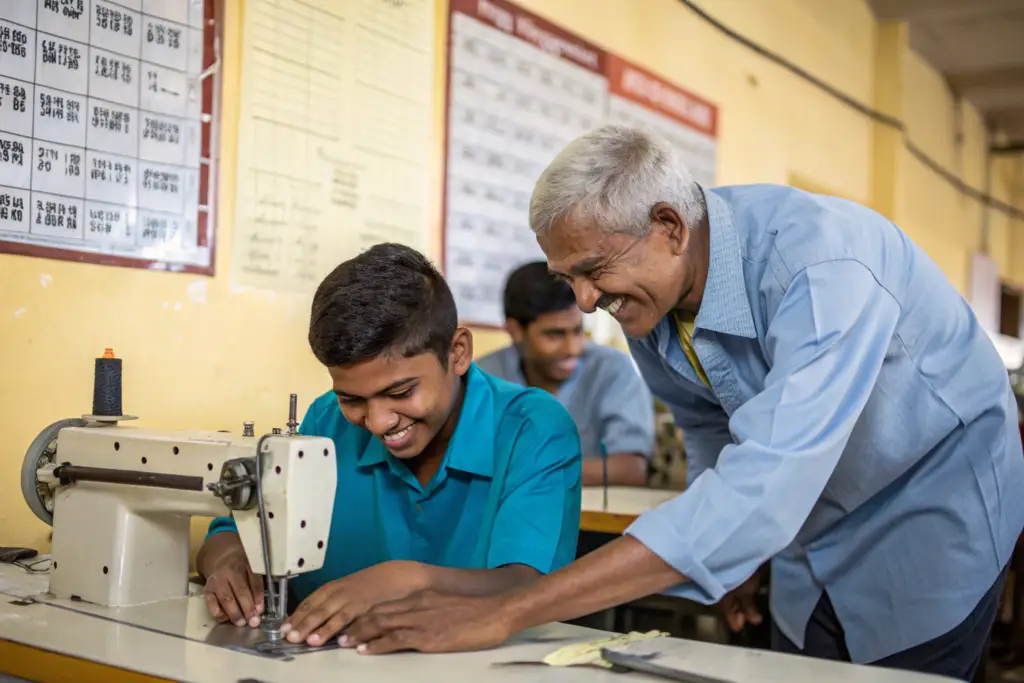
Flexible equipment is useless without flexible people. The heart of our flexible system is our team of multi-skilled operators. A factory where Operator #1 only knows how to sew a side seam is a rigid factory. A factory where Operator #1 can sew a side seam, set a sleeve, and operate a coverstitch machine is a flexible factory.
Fumao invests heavily in cross-training programs. We incentivize operators to learn multiple skills through a tiered wage system. An operator who masters three different machine types earns a higher hourly rate than one who only masters one. This creates a workforce that can be dynamically reassigned to different cells and different tasks based on the daily production schedule.
This is a significant investment in our people. It takes time and patience. But the payoff is immense. When we have a rush order for woven trousers, we can pull an operator from the knitwear cell who is cross-trained on the lockstitch machine. They can step in and be productive immediately. This prevents bottlenecks and ensures that every order, big or small, gets the attention it needs to ship on time. This investment in human capital is a cornerstone of long-term manufacturing excellence .
What Is a Skills Matrix and How Does It Improve Quality?
A Skills Matrix is a visual chart that maps every operator's proficiency on every machine type. We use a simple 3-level system:
- Level 1: Trained, but requires supervision. (Speed: 50%)
- Level 2: Proficient, works independently. (Speed: 80%)
- Level 3: Expert, can train others. (Speed: 100%)
The production planner uses this matrix when assigning work. If an order requires extremely precise topstitching on a rare style of outerwear, the planner will look at the matrix and assign only Level 3 lockstitch operators to that task. This ensures that the most complex, high-value garments are made by the most skilled hands. This is how we maintain top quality while being flexible. It is a data-driven approach to quality control.
How Does This Model Reduce Turnover and Improve Consistency?
Cross-training is not just good for the factory. It is good for the worker. Doing the exact same repetitive task 2,000 times a day leads to burnout and high turnover. High turnover leads to inconsistent garment quality.
By rotating operators through different tasks in the modular cell, we keep the work engaging. Operators feel more valued because they have a broader skillset. They are more invested in the final product because they worked on multiple parts of it. This leads to lower absenteeism and a more stable, experienced workforce. And a stable workforce is the single biggest factor in achieving consistent quality assurance across multiple seasons and multiple custom orders.
Conclusion
Flexible production lines are not just about machinery. They are about a mindset. They are about building a manufacturing system that bends to the needs of the market and the needs of the brand, rather than forcing the brand to bend to the limitations of the factory. In an era where consumers demand variety, where social media creates instant trends, and where inventory risk is the enemy of profit, flexibility is survival.
At Shanghai Fumao, our 5 production lines are structured to provide the best of both worlds: the cost-efficiency of scale for your core men's wear and women's wear basics, and the agility of small-batch craftsmanship for your rare style pieces and customizable logo projects. The modular cells, the kit system for trims, the cross-trained operators—these are the invisible gears that allow us to say "Yes" when other factories say "Minimums."
You should not have to choose between a factory that does huge volume cheaply and a factory that does small runs beautifully. With a flexible partner, you get both. You get the competitive pricing you need to make margin and the customization capability you need to stand out.
If you are looking for a clothing manufacturer who can scale with you from a 300-unit test run to a 10,000-unit reorder, let's discuss how our flexible lines can support your growth. Please reach out to our Business Director, Elaine. She can explain how our specific line setup can accommodate your collection's unique mix of products. Email Elaine at: elaine@fumaoclothing.com.