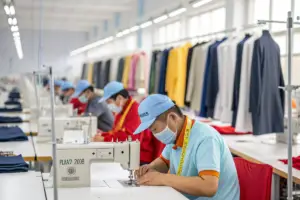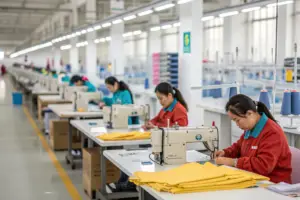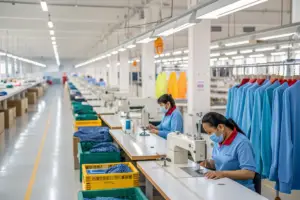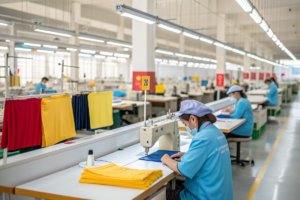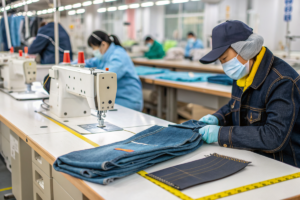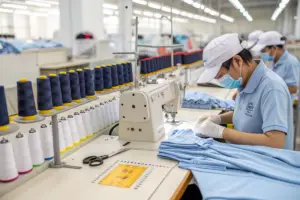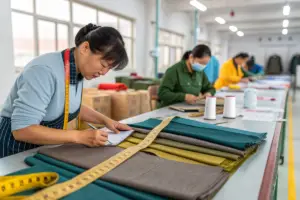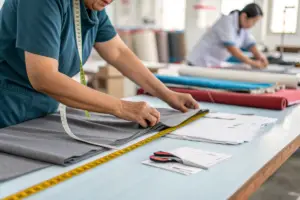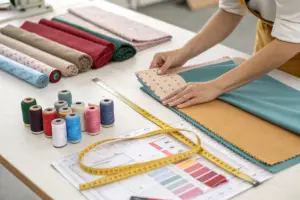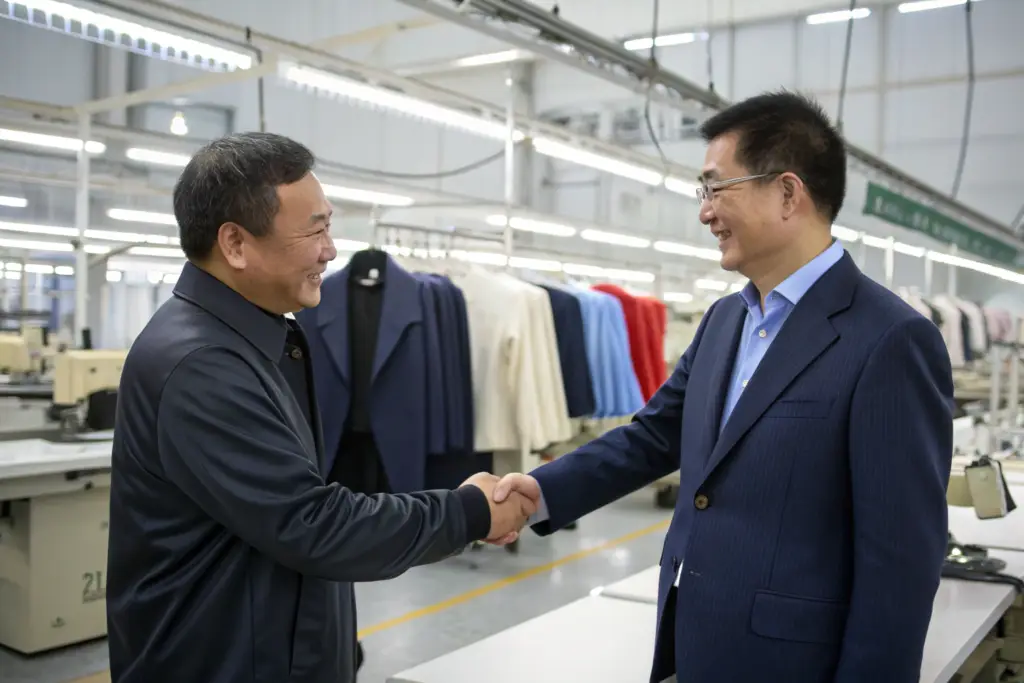
Successful CEOs heavily invest in their apparel factory relationships because a strong factory partnership gives them priority production slots, faster problem resolution, better pricing on small batches, and early access to new materials. These advantages directly improve their margins and speed to market.
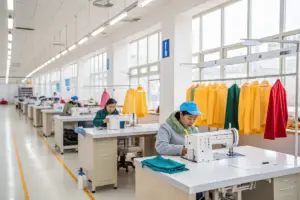
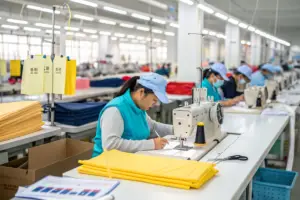
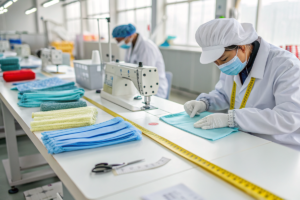
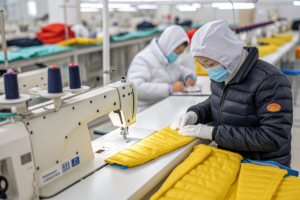
I run a clothing factory in China with five production lines. We ship to North America and Europe. I work with many brand owners. Some treat us like a vendor. They send an order. They wait for delivery. They never call. Others treat us like a partner. They visit our factory. They know our managers by name. They ask about our challenges. The second group gets better results. Always. Let me explain why successful CEOs invest time and money in factory relationships.
How do strong factory relationships give you priority during peak seasons?
Every factory has limited production capacity. When peak season comes, everyone wants their orders made fast. The factory cannot make everyone happy. They choose who to prioritize. The CEO who calls to check on the factory owner's family gets priority. The CEO who only emails purchase orders gets the standard queue.
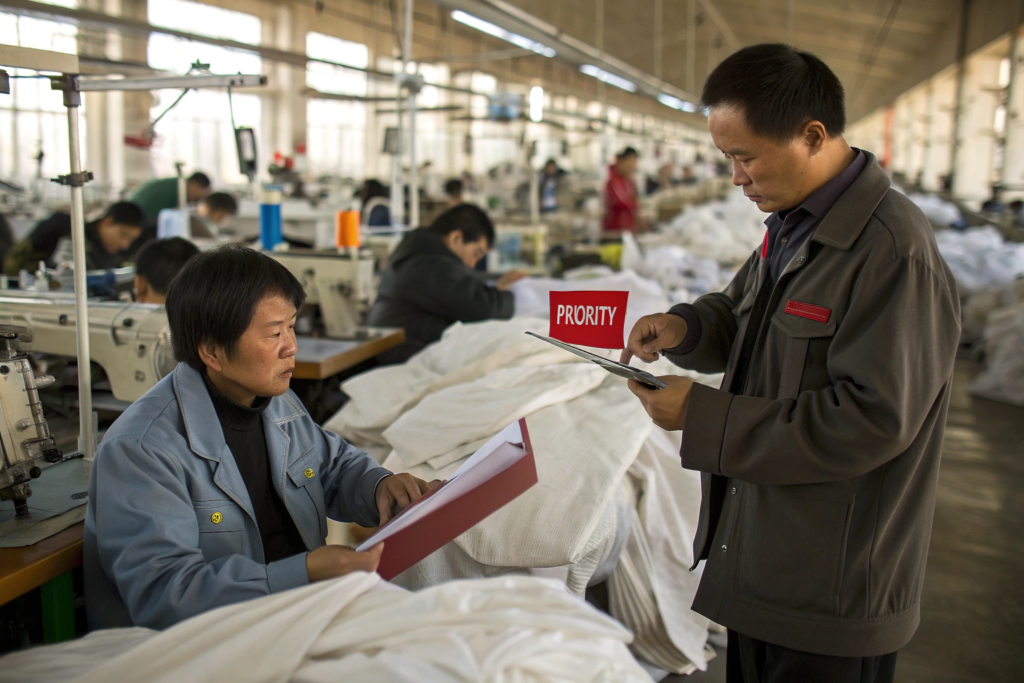
What happens when two brands need the same production slot?
I face this choice every month. Two clients need the same production line for the same two weeks. One client sends an email with a purchase order. The other client calls and says "I know you are busy. How can I help?" The second client gets the slot.
Here is how production priority works in a real factory:
| Client Type | Relationship Level | Peak Season Wait Time | Gets Priority Over |
|---|---|---|---|
| Transactional client | Only email contact | 4 to 6 weeks | No one (standard queue) |
| Regular client | Monthly calls, yearly visit | 2 to 3 weeks | Transactional clients |
| Preferred client | Quarterly visits, knows managers | 1 to 2 weeks | Regular clients |
| Strategic partner | CEO knows factory owner personally | 3 to 7 days | Almost everyone |
A client from New York has visited our factory four times in two years. He knows our production manager's name. He brought gifts for the team during Chinese New Year. Last September, he needed a rush order of 3,000 jackets. Our production was fully booked. I moved another client's order back by 10 days. I put his order in the priority slot. The other client was angry. But the New York client got his jackets on time.
The transactional client who got delayed had never visited our factory. He had never asked about our challenges. He only sent purchase orders. He did not have a relationship to call on. His order was late. He lost sales. The New York client gained sales. That is the cost of weak relationships.
How do you become a priority client without paying more?
You do not need to pay more. You need to pay attention. Factory owners are people. We have families. We have problems. We appreciate clients who treat us like humans, not machines.
Here is our priority client checklist:
| Action | Cost | Impact on Priority | Frequency |
|---|---|---|---|
| Learn the factory manager's name | $0 | Medium | Once |
| Send a message during local holidays | $0 | Medium | Each holiday (Chinese New Year, Mid-Autumn) |
| Visit the factory once per year | $1,500 to $3,000 (travel) | High | Annually |
| Ask about the factory's challenges | $0 | High | Each call |
| Pay on time or early | $0 (actually saves you money) | Very high | Every order |
| Give feedback on samples quickly | $0 | High | Every sample round |
A client from Chicago pays all his invoices early. Not on time. Early. He pays within 7 days instead of 30 days. That helps our cash flow. When he needs a rush order, I remember. I move his order up. He never asks for a discount. He just pays early. That is smarter than asking for 5% off and getting slow service.
Another client from Texas sends a message every Chinese New Year. Just a simple "Happy New Year to you and your team." That takes 10 seconds. But it tells me he thinks of us as people. When he needs something, I want to help him.
Why do CEOs who visit factories get better quality and pricing?
A factory visit changes everything. On email, you are a name. In person, you are a person. When you visit, we show you our challenges. We show you why some things cost more. We show you where we can save money. A client who visits once gets better pricing than a client who never visits.
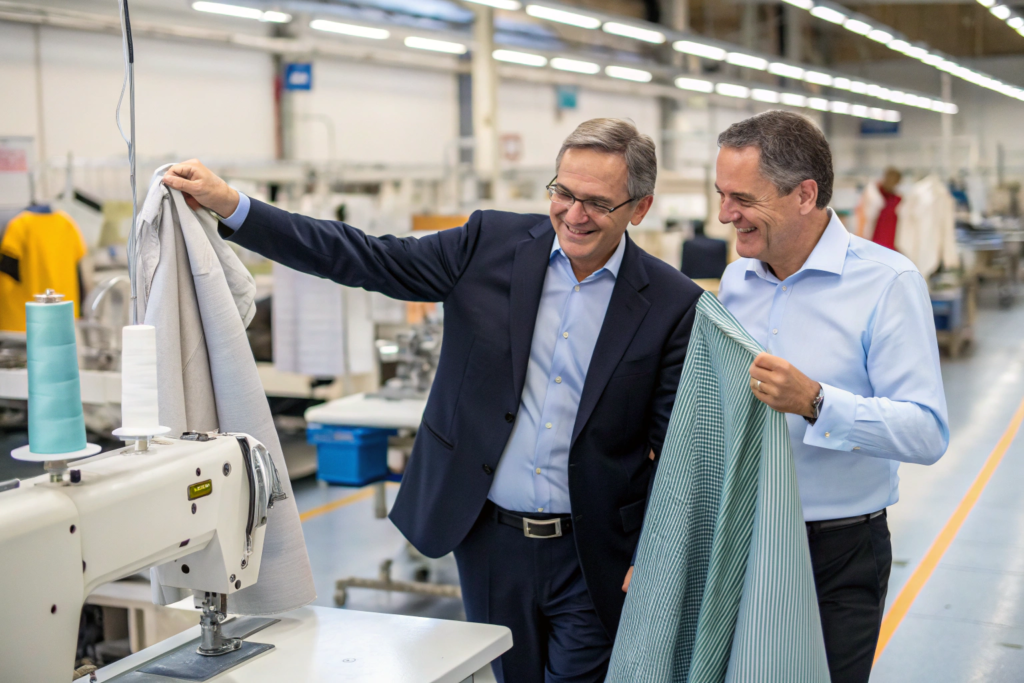
What do you learn on a factory visit that you cannot learn remotely?
You learn why things cost what they cost. You see the cutting machine. You see the quality control station. You see the shipping dock. You understand the real work. That understanding helps you make better decisions.
Here is what factory visit insights give you:
| What You See | What You Learn | How It Helps You |
|---|---|---|
| Cutting room fabric waste | Which fabrics are hard to cut | Choose easier fabrics for lower cost |
| Sewing line bottlenecks | Which styles take the longest | Simplify designs to speed up production |
| Quality control checkpoints | Where defects are caught | Add extra checks at problem areas |
| Fabric storage conditions | How fabric is handled | Plan orders around fabric availability |
| Worker break room | How workers are treated | Understand production stability |
A client from Denver visited our factory. He saw our cutting room. He noticed we had waste from a specific fabric. He asked why. I explained that the fabric width was inconsistent. He changed his fabric specification for the next order. His fabric cost dropped by 8%. That one observation saved him $12,000 per year.
A different client had never visited. He complained about our pricing. He thought we were too expensive. He switched to a cheaper factory in another country. The cheaper factory delivered late. The quality was poor. He came back to us. He paid our price. And then he visited. After the visit, he understood why our price was higher. He stopped complaining. He became one of our best clients.
How often should you visit your apparel factory?
Once per year is enough for most brands. Twice per year is better. The visit does not need to be long. One day is enough. Walk the floor. Have lunch with the managers. Ask questions. Take photos.
Here is our factory visit schedule recommendation:
| Brand Size | Annual Order Volume | Recommended Visits | Best Months |
|---|---|---|---|
| Small brand | Under $500,000 | 1 visit every 2 years | Any |
| Medium brand | $500,000 to $2 million | 1 visit per year | March to May or September to November |
| Large brand | $2 million to $10 million | 2 visits per year | March and September |
| Enterprise brand | Over $10 million | 3 to 4 visits per year | Spread across seasons |
A client from Seattle visits us every September. He comes for one day. He brings his designer and his production manager. They review the past year. They plan the next year. They take us to dinner. That one day builds a year of goodwill. When he needs something urgent, we remember that dinner.
You do not need to visit every factory in your supply chain. Visit your top factory. The one that makes 70% of your products. Build that relationship deep. The other factories can be managed remotely.
How do strong relationships unlock better payment terms and flexibility?
Payment terms are not fixed. They are negotiated. And they are negotiated based on trust. A new client pays 50% deposit and 50% before shipment. A trusted partner pays 30% deposit and 70% after shipment. That difference is huge for cash flow.
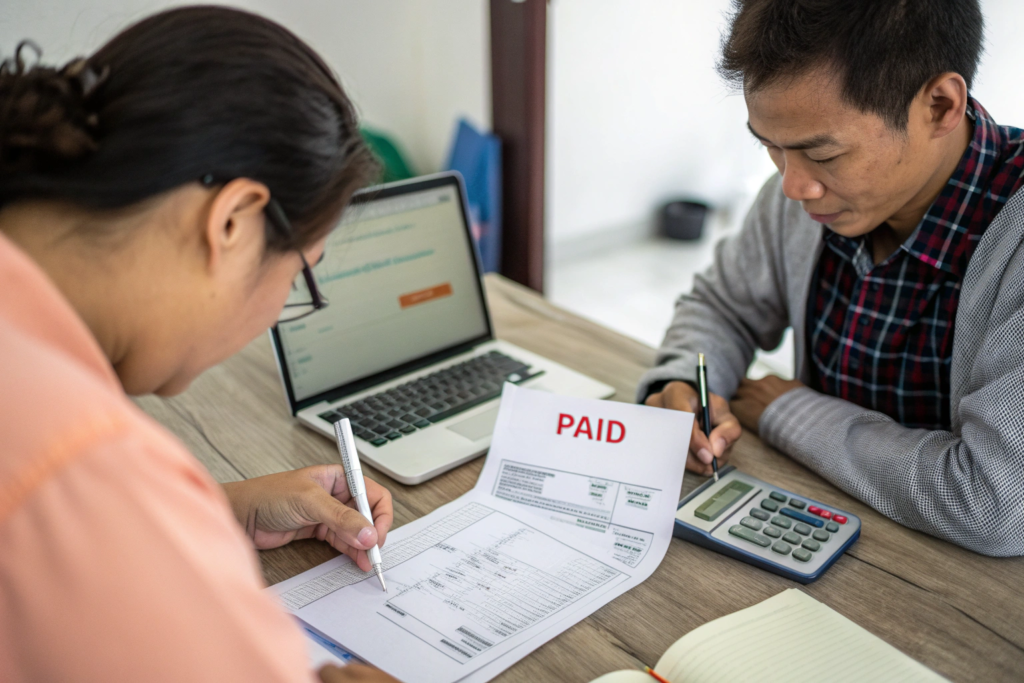
What payment terms can you get after two years of trust?
We have a payment ladder. The longer you work with us, the better your terms. CEOs who invest in the relationship climb the ladder faster.
Here is our payment term progression:
| Relationship Duration | Deposit | Balance | Notes |
|---|---|---|---|
| First 3 orders | 50% | 50% before shipment | Standard for new clients |
| 3 to 12 months | 40% | 60% before shipment | Some trust built |
| 1 to 2 years | 30% | 70% before shipment | Good relationship |
| 2 to 3 years | 30% | 70% against copy of bill of lading | Very good trust |
| 3+ years | 20% | 80% net 30 after shipment | Strategic partner |
A client from Boston has worked with us for four years. He pays 20% deposit. The rest is due 30 days after we ship. That means he receives the goods, sells them, and gets paid by his customers before he pays us. His cash flow is excellent. He does not need a bank loan for inventory.
He earned those terms. He never missed a payment. He visited our factory. He referred two other clients to us. He treats our team with respect. When he asked for better terms, I said yes immediately.
A transactional client with the same order volume still pays 40% deposit. He has never visited. He has never referred anyone. He complains about small issues. I have no reason to give him better terms. He does not invest in the relationship. So I do not invest in him.
How do you ask for better payment terms without damaging the relationship?
Ask at the right time. After a successful order. After a visit. After you have paid on time for six months. Do not ask on the first order. Do not ask after a problem.
Here is our payment term negotiation guide:
| Timing | What to Say | Success Rate |
|---|---|---|
| After 3 on-time payments | "We have paid every invoice on time. Can we move to 30% deposit?" | 70% |
| After a factory visit | "Thank you for the tour. We want to grow with you. Can we discuss payment terms?" | 85% |
| When placing a larger order | "This order is 50% bigger than our usual. Can we adjust payment terms?" | 75% |
| At the start of a new year | "We want to plan our cash flow for the year. Can we review our payment terms?" | 60% |
A client from Atlanta asked for better terms at the wrong time. He asked after a late payment. His payment was late because his bank made an error. But still. The context was bad. I said no. He got angry. He threatened to leave. I said okay. He left. He came back six months later. The new terms were worse than his original terms. He learned that threats do not work. Relationships do.
The right way: A client from Portland asked for better terms after a successful holiday season. He said "We paid every invoice early last year. We want to grow with you. Can we move to net 30?" I said yes. He got what he wanted. He asked nicely. He had proof of good behavior. That is how you negotiate.
Mills send new samples to factories first. Factories share them with their best clients first. The client who calls every week sees the new material before the client who calls once per order. That head start is huge in fashion.
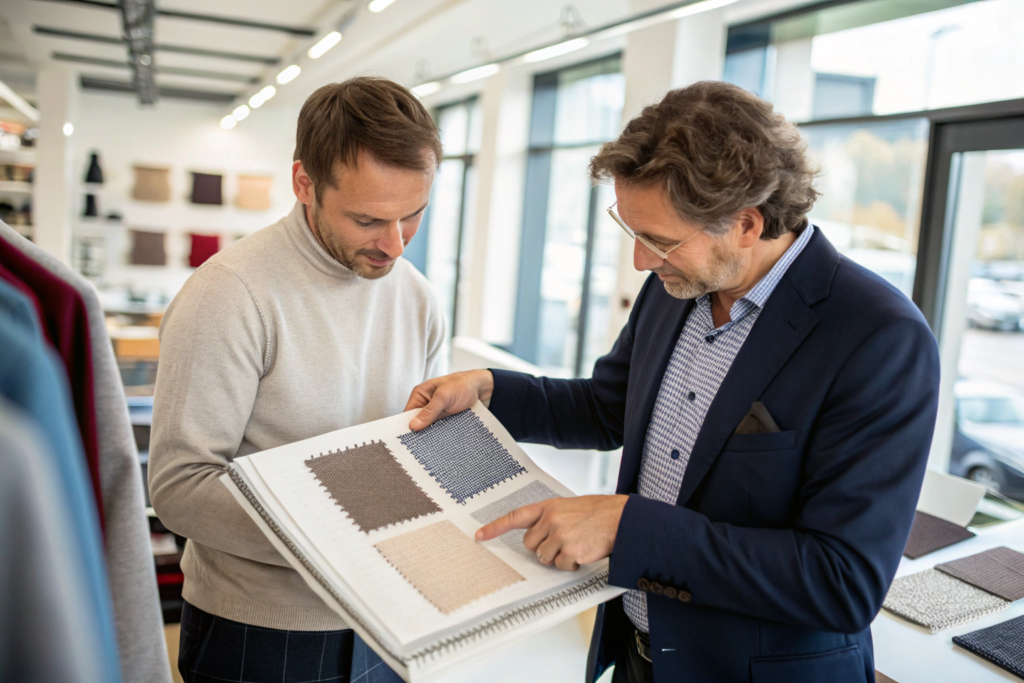
What is the lead time advantage of being a preferred client?
New materials arrive at mills 12 to 18 months before they hit the market. Factories get samples 10 to 14 months before. Preferred clients see them 8 to 12 months before. Mainstream brands see them 6 to 8 months before. Late adopters see them when everyone else does.
Here is the new material access timeline:
| Stage | Who Sees It | Lead Time Before Mainstream |
|---|---|---|
| Mill develops new fabric | Mill's R&D team | 18 months |
| Mill shows to top factories | Factory owners | 14 months |
| Factory shows to strategic clients | CEOs who visit regularly | 10 to 12 months |
| Strategic clients order samples | Early adopter brands | 8 to 10 months |
| Fabric appears in trade shows | Anyone who attends | 6 to 8 months |
| Fabric in mainstream catalogs | Everyone | 0 months |
A client from Los Angeles is one of our strategic partners. He saw a new recycled nylon fabric in our sample room last March. The fabric was not yet in any catalog. He designed a jacket collection using that fabric. He launched in September. His competitors launched similar jackets in February of the next year. He had a 5-month exclusive window. He sold 15,000 jackets at full price.
The exclusive window came from the relationship. We showed him the fabric because we trust him. We know he will not share photos with competitors. We know he will order quickly. We know he will pay on time. That trust took two years to build.
How do you get on the list for early sample access?
Ask. But ask the right way. Do not just say "send me new samples." Show that you will act on them. Show that you are serious.
Here is our early access qualification:
| Requirement | Why It Matters | How to Show It |
|---|---|---|
| Minimum annual volume | We do not waste samples on small buyers | Order at least $200,000 per year |
| Fast decision making | Samples are time-sensitive | Respond to sample offers within 48 hours |
| Willingness to pay for samples | You are serious | Pay sample fees without complaining |
| No sharing with competitors | Protects our advantage | Ask before sharing with others |
| Regular communication | You are active, not passive | Reply to emails within 24 hours |
A client from Vancouver met all five requirements. He gets our new sample photos every month. He saw a new eco-wash denim before any other client. He ordered 5,000 pairs. The denim became his best-selling product. He thanks us every time we talk.
A different client asked for early samples but did not meet the requirements. His volume was low. He took weeks to reply. He shared our sample photos on social media. We stopped sending him early samples. He complained. But he did not change his behavior. The relationship did not grow.
At Shanghai Fumao, we have a VIP sample list. It has 12 names. These are our strategic partners. They get photos of every new fabric within 48 hours of arrival. They get first right of refusal on new materials. That list is not for sale. It is earned.
Conclusion
Successful CEOs invest in factory relationships because the return on that investment is huge. You get priority during peak seasons. You get better quality because the factory cares more. You get better payment terms that improve your cash flow. You get early access to new materials that give you a head start on competitors.
The investment is not expensive. Learn the factory manager's name. Send a message during local holidays. Visit once per year. Pay on time. Ask about the factory's challenges. That is it. That is the whole strategy. It costs almost nothing. But it pays back in better service, lower costs, and faster speed.
Transactional relationships get transactional results. Partnership relationships get partnership results. You choose which one you want.
If you want to build a strong relationship with your apparel factory, start today. Contact our Business Director Elaine. Her email is elaine@fumaoclothing.com. Tell her you want to visit our factory. Or just ask for a call to learn about our team. She will set it up. No order required. Just a conversation. That is how relationships start.