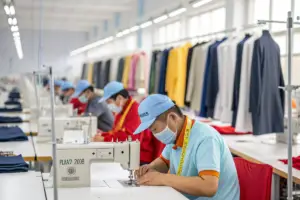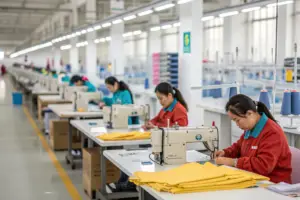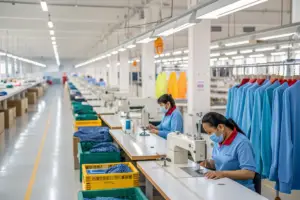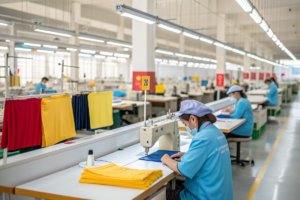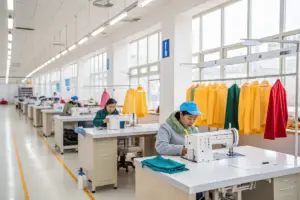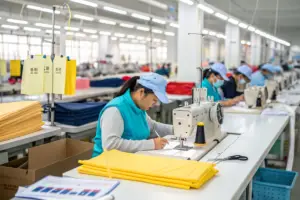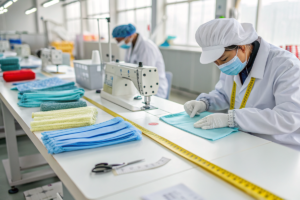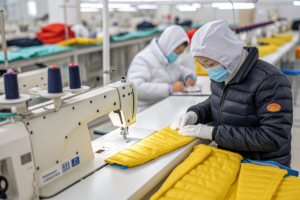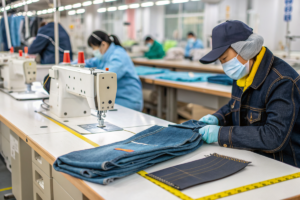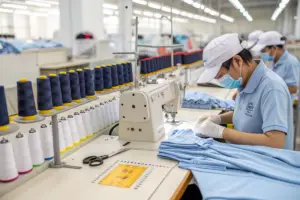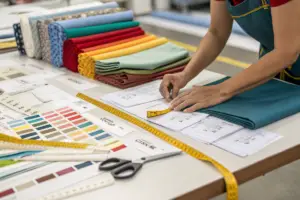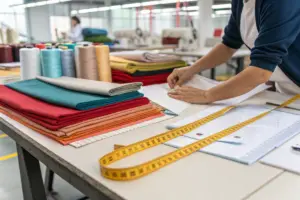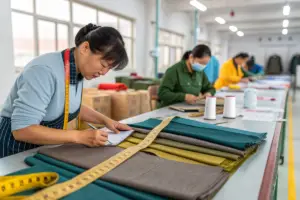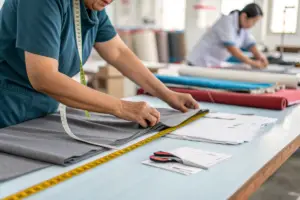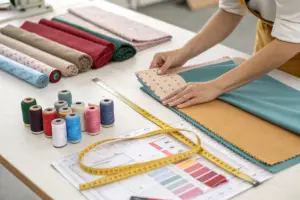
Fast fashion brands rely heavily on agile overseas garment factories because these factories can turn new designs into finished products in two to three weeks. Local factories often take eight to twelve weeks for the same work. That speed difference is the entire business model of fast fashion.
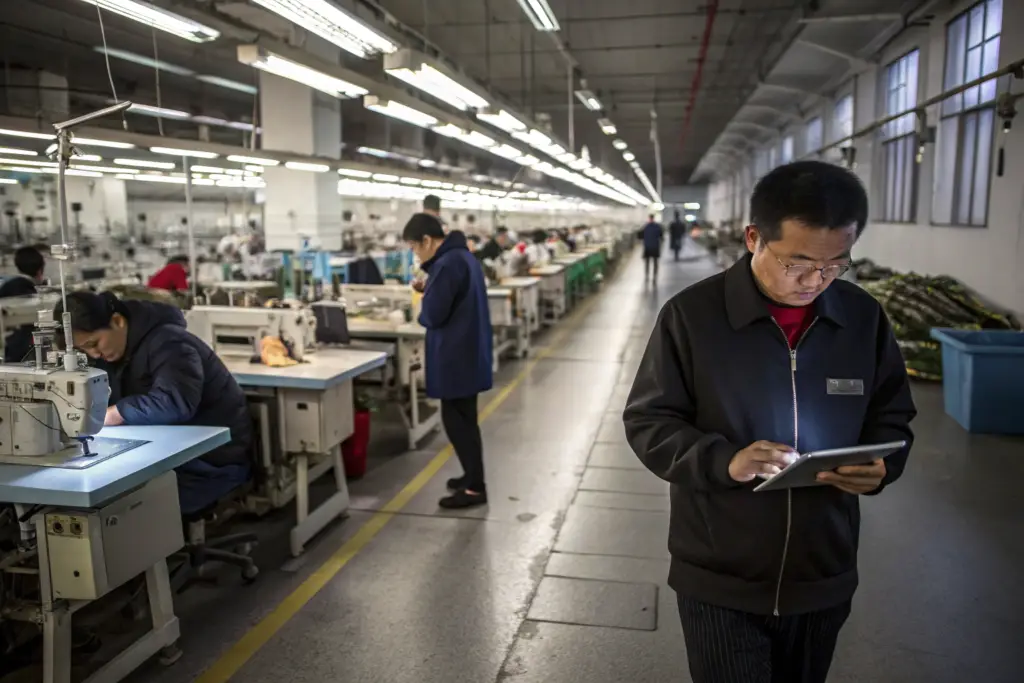
I run a clothing factory in China. We have five production lines. We ship to North America and Europe. Every week, I talk to fast fashion brand owners. They all ask the same question. How fast can you go? They do not ask about the lowest price first. They ask about speed. That is new. Ten years ago, price was everything. Now speed is the king. Let me explain why agile overseas factories have become the secret weapon of fast fashion.
How does production speed directly impact fast fashion sales?
Fast fashion is not about making beautiful clothes that last forever. It is about making trendy clothes that sell now. A trend appears on TikTok on Monday. A fast fashion brand wants that trend in stores by Friday next week. That is only 11 days. An agile overseas factory can do that. A slow local factory cannot.
What is the real timeline from design to delivery in agile manufacturing?
Let me give you a real example. Last year, a Los Angeles fast fashion brand came to us. They saw a celebrity wearing a specific type of knitted vest. The celebrity posted the photo on a Tuesday. The brand sent us the photo on Wednesday. We made a sample on Friday. They approved the sample on Saturday. We started bulk production on Monday. We shipped 2,500 pieces by air on day 18. They had the vests in their LA warehouse on day 21.
That is the agile manufacturing timeline that fast fashion brands need. Here is how it breaks down compared to a traditional factory:
| Production Stage | Traditional Factory | Agile Overseas Factory (Shanghai Fumao) |
|---|---|---|
| Pattern making and sampling | 10 to 14 days | 2 to 3 days |
| Fabric sourcing | 7 to 10 days | 1 to 2 days (from local stock) |
| Bulk production (2,500 pieces) | 20 to 25 days | 8 to 12 days |
| Quality control | 3 to 5 days | 1 day (inline inspection) |
| Shipping to USA (air) | Not offered | 5 to 7 days |
| Total time | 40 to 60 days | 18 to 25 days |
The brand sold those knitted vests for $34.99. Their cost from us was $8.50. That is a 75% margin. They sold out in 12 days. If the vests had arrived in 60 days, the trend would be dead. They would have sold maybe 30% of the inventory. The rest would go to discount stores. That is why speed matters more than price.
Why can't local factories match the speed of overseas agile factories?
I hear this question a lot. American brand owners ask me. Why can't I find this speed in my own country? The answer is not about skill. It is about the whole system.
Local factories in the US and Europe often focus on large orders. They are set up for stability, not speed. They have fewer workers. They have less fabric inventory. They have longer supply chains for buttons, zippers, and threads.
In our region of China, we have something special. Within a one-hour drive from my factory, there are over 200 fabric suppliers. There are 50 trim suppliers. There are 30 washing and finishing plants. If I need a specific zipper, I can get it in two hours. If I need a rare fabric, I can find it in one day. This supply chain density does not exist anywhere else in the world.
One of our European clients tried to onshore production. They moved a small order to Portugal. The sampling took 18 days. The fabric took 22 days. The total lead time was 65 days. They moved back to us after that single season. We delivered their next collection in 28 days.
How do overseas factories enable small batch testing for fast fashion?
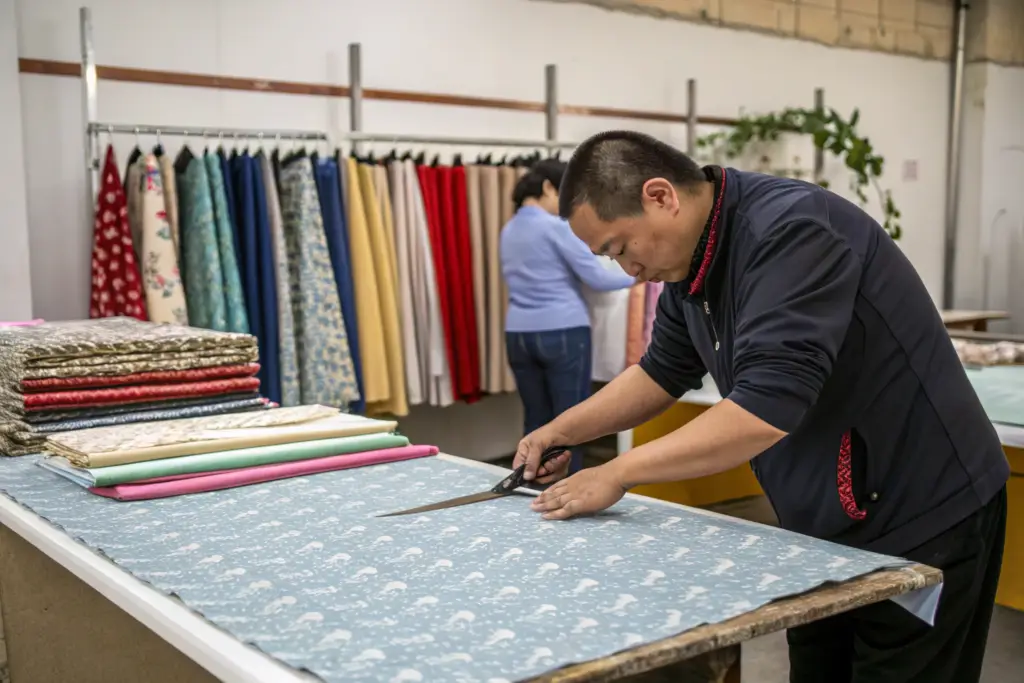
Fast fashion brands do not know what will sell. Nobody does. So they want to test small batches. They make 300 pieces of a new style. They put it online. If it sells well, they reorder 3,000 pieces. If it sells poorly, they lose only a small amount of money. This is called test-and-repeat. Agile overseas factories are built for this model.
What is the smallest order quantity you can get from an agile factory?
Many brand owners think they need to order 1,000 pieces per style. That is not true anymore. We now offer sample batches of 100 to 300 pieces for fast fashion clients. The price per piece is higher. But the risk is much lower.
A New York fast fashion brand tested 10 new styles with us last year. Each style was 150 pieces. That is only 1,500 pieces total. They spent about $12,000 on production. Four of the styles sold well online. They reordered those four styles at 2,000 pieces each. The other six styles did not sell. They stopped production. Their total loss was only $7,200 on the failed styles. If they had ordered 1,000 pieces of each style upfront, their loss would have been $60,000.
Here is how small batch testing works with an agile factory:
| Batch Size | Risk Level | Cost Per Unit | Best For |
|---|---|---|---|
| 50 to 100 pieces | Very low | Higher (2x standard) | Influencer collaboration, trend test |
| 150 to 300 pieces | Low | 1.5x standard | New style launch, A/B testing |
| 500 to 1,000 pieces | Medium | 1.2x standard | Proven style, seasonal basic |
| 2,000+ pieces | Low per unit | Standard cost | Best seller, core collection |
We also keep a fabric library for fast fashion clients. If you test a style and it sells well, we reserve the same fabric for your reorder. That means your second batch does not need new fabric sourcing. We save 5 to 7 days. That is a huge advantage for fast fashion replenishment.
How do you manage fabric inventory for unknown demand?
This is the hardest part of fast fashion. You do not know what will sell. But you cannot wait until after the test to buy fabric. Fabric sourcing takes time. So what do you do?
We solved this with our clients. We buy grey fabric in bulk. Grey fabric is undyed and unfinished. We store it in our warehouse. When a client tests a style and it sells well, we dye and finish the grey fabric specifically for their reorder. The dyeing and finishing takes only 5 days. That is much faster than buying new fabric from a mill.
A Chicago brand uses this system for their women's tops. They test 15 new styles every month. Each test batch is 200 pieces. We use grey fabric from our stock. The tops sell or not. For the styles that sell, we dye 3,000 meters of fabric in their colors. Production starts immediately. Their reorder lead time is only 14 days. That is half the time of their previous supplier in Bangladesh.
Fast production is useless if communication is slow. You can have the fastest factory in the world. But if it takes three days to answer an email, you will miss the trend. Agile factories know this. We build communication systems that work across time zones.
What communication tools actually work between China and the USA?
We tried many tools. Email is too slow. Phone calls are hard to schedule. WeChat is good for China but Americans do not use it. WhatsApp is better. But the best tool we found is something simpler. A shared project management board.
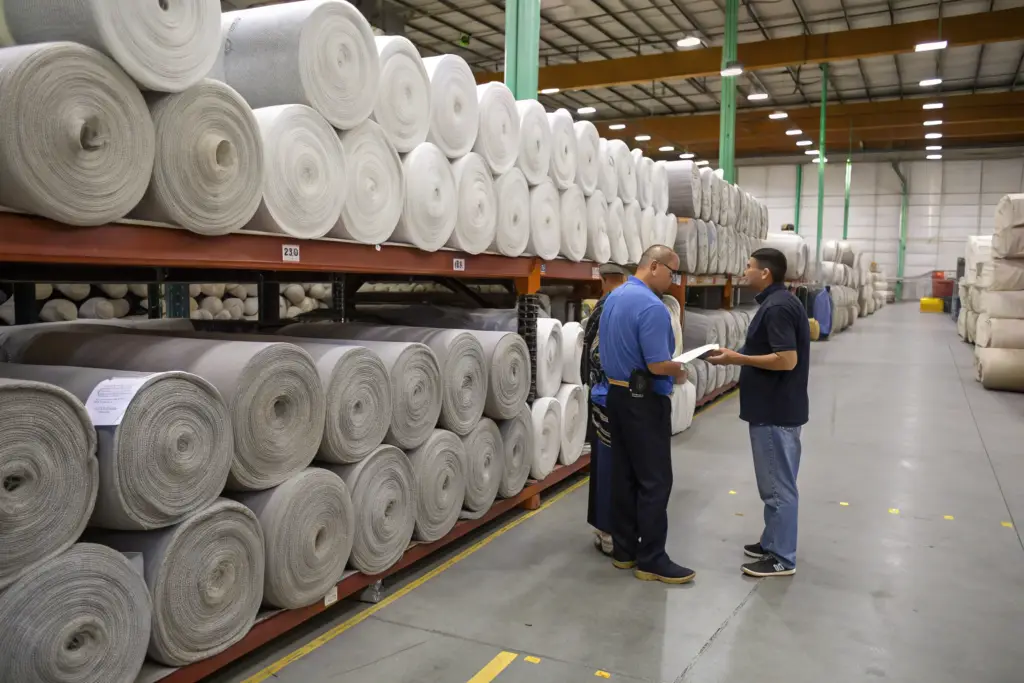
We use a system where every order has a timeline. Our clients can see every step. Sample cutting. Fabric inspection. Production start. Quality control. Packing. Shipping. Each step has a photo and a timestamp. If a step is delayed, the system shows a yellow warning. The client sees it immediately. No phone call needed. No email chain.
One of our supply chain communication platforms reduced our email volume by 70%. Our clients love it because they do not have to chase us. They just check the board.
Here is our daily communication schedule for fast fashion clients:
| Time (Shanghai) | Time (New York) | Communication Activity |
|---|---|---|
| 9:00 AM | 8:00 PM (previous day) | Production update with photos |
| 2:00 PM | 1:00 AM | Quality control check-in |
| 6:00 PM | 5:00 AM | End-of-day summary and next day plan |
| 9:00 PM | 8:00 AM | Reply to client messages from US morning |
We also do weekly video calls. Each call is 15 minutes. We show the samples on camera. We point to specific details. The client asks questions. We answer immediately. This real-time collaboration prevents mistakes. A wrong color is caught on the call, not after production.
How do you handle last-minute changes without slowing down?
Changes happen. A brand sees a new trend. They want to change the pocket style. They want to add a logo. They want to switch from buttons to zippers. A slow factory says no. An agile factory says yes, but with conditions.
We have a rule for last-minute changes. If the change happens before fabric cutting, we can do it for free. If it happens after cutting but before sewing, we charge a small fee. If it happens during sewing, we charge a larger fee. And if the order is already packed, we say no.
This rule is clear. Our clients know it. So they tell us changes early. Last month, a client changed the neck label design three days after production started. The cutting was done. But sewing had not started. We charged them $80 to re-cut the neck area. The change took two extra days. They accepted it because the new label was important for their brand identity.
Transparency is key. We do not hide the cost of changes. We do not pretend it is free and then delay the order. We tell the client the real impact. Most of them appreciate it. They trust us more because we are honest.
How do agile factories reduce the risk of dead inventory for fast fashion brands?
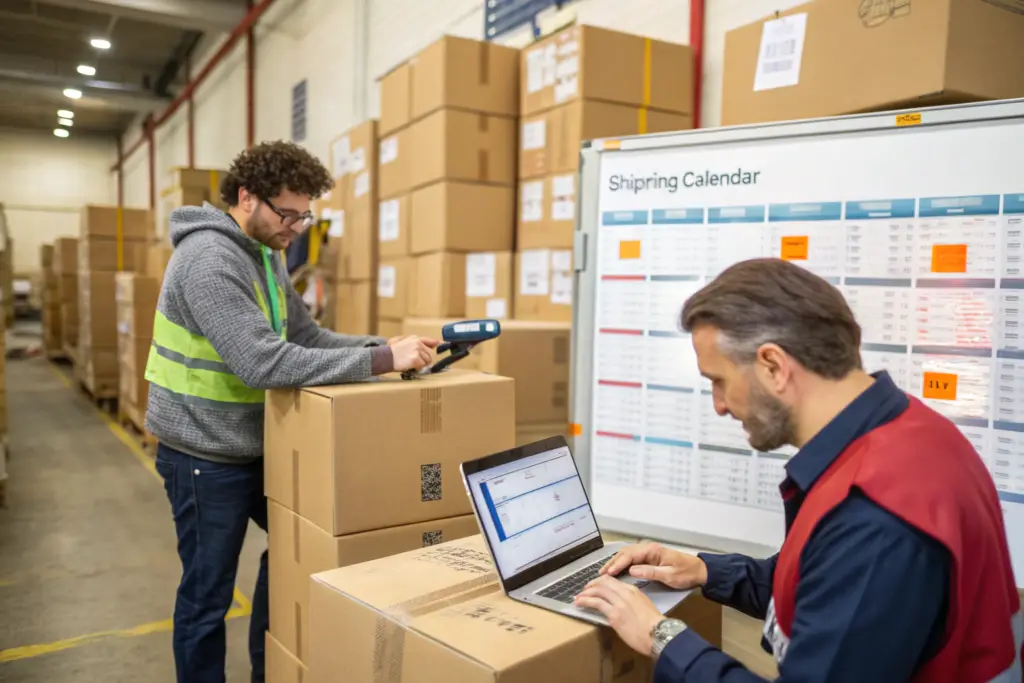
Dead inventory is the biggest cost for fast fashion brands. You make 10,000 pieces. Only 4,000 sell. The rest sit in a warehouse. You pay storage fees. Then you sell them at 70% off. You lose money on every piece. Agile factories help you avoid this by making production flexible.
What production strategies prevent overproduction?
The old way was simple. You forecast demand. You produce that amount. You hope you are right. The new way is different. You produce small batches. You sell them. You see what works. Then you produce more of what works.
We help clients with a strategy called phased production. Phase one is 20% of the forecast. Phase two is another 30% after sales data comes in. Phase three is the remaining 50% if the product is a hit.
Here is how phased production worked for a Texas fast fashion brand:
| Phase | Percentage of Forecast | When To Start | Risk Level |
|---|---|---|---|
| Phase 1 | 20% (500 pieces) | Before launch | Very low |
| Phase 2 | 30% (750 pieces) | After 7 days of sales | Low |
| Phase 3 | 50% (1,250 pieces) | After 14 days of sales | Medium |
The brand forecasted 2,500 pieces of a denim jacket. They started with 500 pieces. The jacket sold well. After 7 days, they ordered 750 more. After 14 days, they ordered the final 1,250. Total production was 2,500 pieces. They sold 2,300 of them. Their dead inventory was only 200 pieces. That is 8%. The industry average for fast fashion dead inventory is 25% to 30%.
We keep production slots open for these phased orders. That means when a client needs Phase two, we can start within 48 hours. We do not make them wait for a new production slot. This flexibility is what makes Shanghai Fumao different from rigid factories.
How do you handle returns and quality issues without losing speed?
Even with good quality control, some issues happen. A batch of shirts might have loose threads. A color might be slightly off. In traditional manufacturing, the brand returns the whole batch. The factory redoes it. That takes weeks.
We do something different. We keep a small team dedicated to fast fixes. When a client reports an issue, we ask for photos and a sample. We decide within 24 hours if the issue is our fault. If it is our fault, we fix it two ways. First, we send replacement pieces by air at our cost. Second, we fix the production process for future orders.
A client from Florida had a problem with seam strength on a batch of shorts. We sent 300 replacement pieces by air. Cost to us was $450 for shipping. The client received the replacements in 6 days. They did not miss their launch date. Their trust in us stayed high. They placed a $60,000 order for winter jackets three months later.
Fixing problems fast is more important than having no problems. Every factory has issues. The difference is how you respond. We respond with speed and honesty.
Conclusion
Fast fashion brands rely on agile overseas garment factories because speed is their entire business model. A trend appears and disappears in weeks. You cannot wait 60 days for production. You need 20 days or less. You need small batches to test the market. You need clear communication across time zones. You need flexible production that prevents dead inventory.
Agile factories in China offer something unique. Dense supply chains for fast material sourcing. Experience with small batch testing. Communication systems built for speed. Phased production that matches real demand. These are not nice to have. They are essential for fast fashion survival.
I have seen too many brands try to work with slow factories. They miss trends. They get stuck with dead inventory. They lose money. Then they come to us. We help them rebuild their supply chain for speed. It is not magic. It is just a different way of working.
If you run a fast fashion brand and you are tired of long lead times, let us talk. Visit Shanghai Fumao to see our work. Check our product categories. Look at our lead times. Then contact our Business Director Elaine. Her email is elaine@fumaoclothing.com. Tell her what you want to make. She will give you an honest timeline and quote. Let us help you move faster than your competition.