You find a factory. The samples are good. The price is right. The communication is responsive. You place a large order. You pay a deposit. Then the problems start. The order is delayed. The quality drops. Communication becomes slow. You wonder what happened. The factory was not financially stable. They used your deposit to pay other bills. They could not afford to buy your fabric. They could not pay their workers. Your order was not their priority. Their survival was.
The key indicators of a financially stable clothing manufacturer include a long operating history, modern and well-maintained equipment, a large and stable workforce, certifications from third-party auditors, a diversified customer base, transparent financial documentation, and a physical factory that you can visit. A financially stable factory has the cash flow to buy your materials, pay their workers, and invest in their operations. They are not desperate for your deposit. They are not cutting corners. They are a reliable partner. The cost of a financially unstable factory is far higher than the savings on the invoice.
I have run a clothing factory for over a decade. I have seen financially stable factories. I have seen financially unstable ones. The difference is visible. You just need to know what to look for. Here are the key indicators.
What Financial Documents Should You Request and Review?
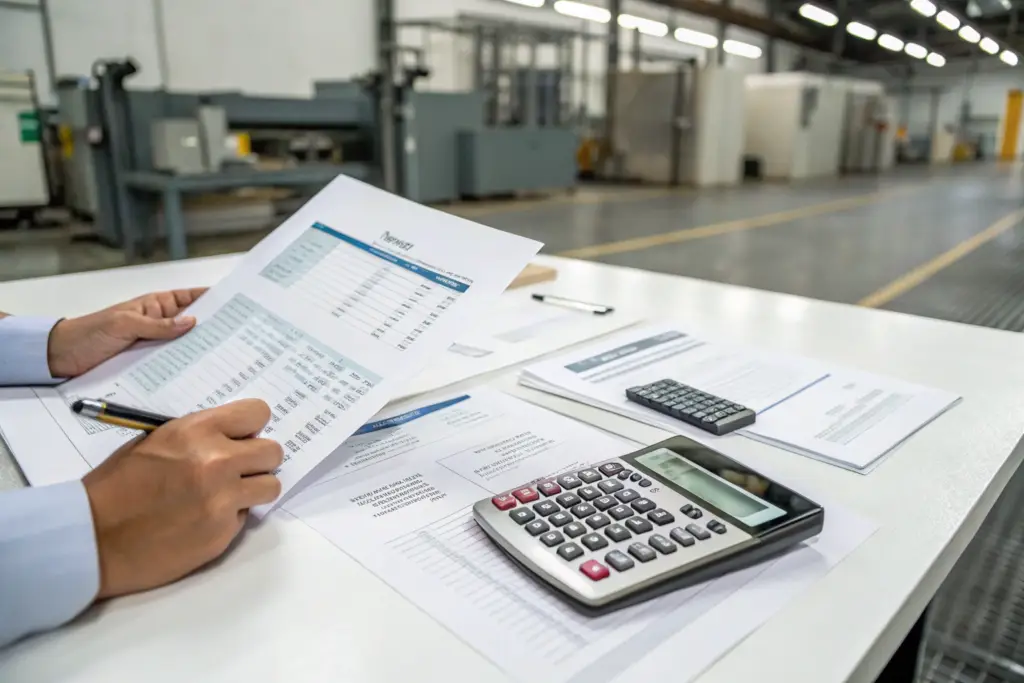
Financial documents provide evidence. A factory that is financially stable will share them. A factory that is not will make excuses.

What does a business license tell you?
A business license is the most basic document. It proves the factory is a registered legal entity. But you need to verify it.
What to check on a business license:
- Legal name: Is it the same as the name they use in communication?
- Registered address: Is it an actual factory address or a virtual office?
- Registered capital: Higher registered capital generally indicates more financial commitment.
- Business scope: Does it include clothing manufacturing? Or just trading?
- Validity date: Is the license current? Expired licenses are a red flag.
A client in New York requested a business license from a potential supplier. The license showed a registered capital of $50,000. Another supplier showed $500,000. The client chose the one with higher capital. They were more likely to be financially stable.
You should verify the business license with the local government database. In China, you can check the National Enterprise Credit Information Publicity System.
How do you read a bank statement or financial report?
A bank statement shows cash flow. A financial report shows profitability. Both are valuable.
What to look for:
- Cash balance: Does the factory have enough cash to cover their operating expenses? A low balance may indicate cash flow problems.
- Transaction volume: Regular, consistent transactions indicate active business. Sporadic transactions may indicate inconsistent work.
- Accounts receivable: Are customers paying on time? High receivables may indicate collection problems.
- Accounts payable: Is the factory paying their suppliers on time? Late payments may indicate cash flow problems.
- Profitability: Is the factory making a profit? Consistent losses are a red flag.
A client in Chicago asked for a bank statement. The supplier refused. The client did not place the order. They found another supplier who shared a redacted statement. The second supplier was financially stable.
You should understand that financial information is sensitive. A factory may redact customer names and account numbers. That is acceptable. Refusing to provide any information is not.
What third-party credit reports are available?
Third-party credit reports provide an independent assessment. They are valuable for verification.
Available reports:
- Dun & Bradstreet: Global business credit reports. Provides a credit rating and payment history.
- Alibaba Trade Assurance: Alibaba provides some verification. Limited but useful.
- Local credit bureaus: Each country has local bureaus. In China, use Qixin.com or Tianyancha.
A client in Los Angeles checked a factory on Qixin.com. The report showed multiple legal disputes. The factory had been sued for non-payment by fabric suppliers. The client avoided the factory.
You should use third-party reports. They are worth the cost.
What Physical Indicators Reveal Financial Stability?
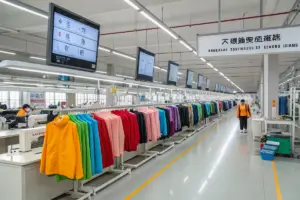
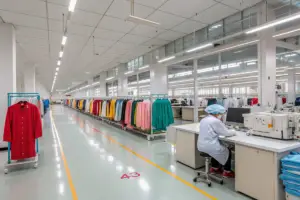
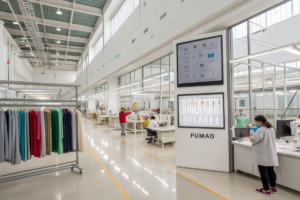
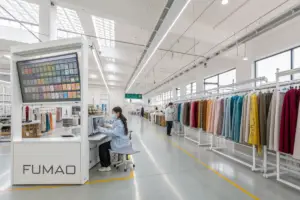
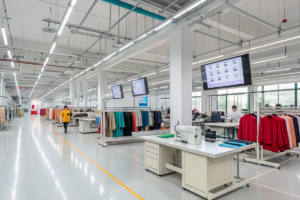
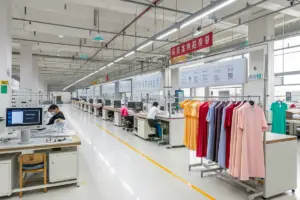
Numbers can be faked. A physical visit shows reality. The condition of the factory tells you a lot about their financial health.
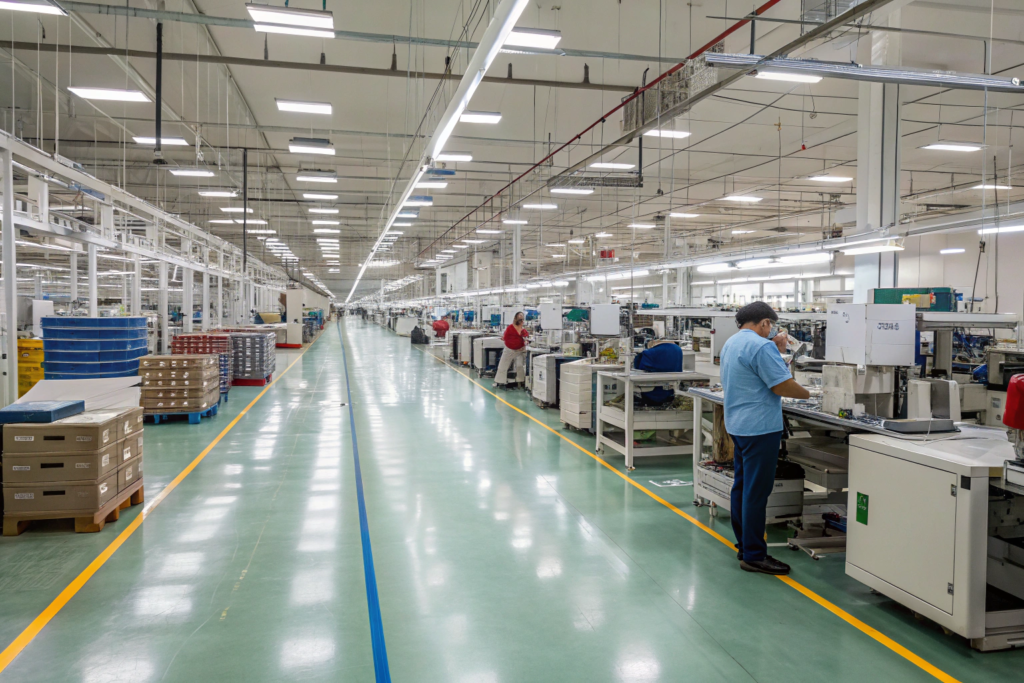
How does the condition of equipment indicate financial health?
Well-maintained equipment costs money. A factory that invests in maintenance and new machines is financially stable. A factory with broken, old, or dirty machines is struggling.
What to look for:
- Age of machines: Newer machines indicate investment. Older machines may indicate lack of capital.
- Maintenance: Are machines clean? Are there maintenance logs? Do they have spare parts?
- Brand of machines: Well-known brands (Juki, Brother, Pegasus) are more reliable. Generic brands may indicate cost-cutting.
- Machine utilization: Are most machines running? Empty machines may indicate lack of orders.
A client in Seattle visited a factory. The machines were old and dirty. Many were not running. The factory claimed they were between orders. The client was skeptical. They later learned the factory was struggling. They did not place an order.
You should ask about their machine replacement schedule. A financially stable factory plans for capital investments.
What does the workforce tell you about financial stability?
A factory needs workers to produce. A stable workforce indicates stable finances. High turnover or empty workstations indicate problems.
What to look for:
- Number of workers: Compare to the number of machines. A 1:1 ratio is typical.
- Worker demographics: A mix of ages is good. All very young or very old workers may indicate problems.
- Worker morale: Do workers look engaged? Or tired and unhappy?
- Turnover rate: High turnover means the factory cannot retain workers. This often indicates low pay or poor management.
- Training program: A factory that trains workers is investing in the future.
A client in Boston visited a factory. The workers looked tired. The supervisor was yelling. The client learned that workers had not been paid on time. The factory was struggling.
You should ask to speak with a line supervisor. They can give you a sense of worker morale.
How does the facility condition reflect financial health?
The building and grounds tell a story. A well-maintained facility indicates financial stability. A run-down facility indicates problems.
What to look for:
- Cleanliness: Is the factory clean? Cleanliness costs money. A clean factory is a well-managed factory.
- Lighting: Good lighting is essential for quality. Poor lighting may indicate cost-cutting.
- Safety: Fire exits, extinguishers, first aid kits. Safety costs money. A factory that neglects safety is likely neglecting other things.
- Organization: Are materials organized? Is there a place for everything? Disorganization leads to inefficiency and defects.
A client in Denver visited a factory. The floors were dirty. Fabric was piled everywhere. The fire exits were blocked. The client left. They did not place an order.
You should trust your eyes. If the facility feels wrong, it probably is wrong.
What Operational Indicators Suggest Financial Stability?
A financially stable factory has consistent work. They are not desperate for your order. They can plan ahead.
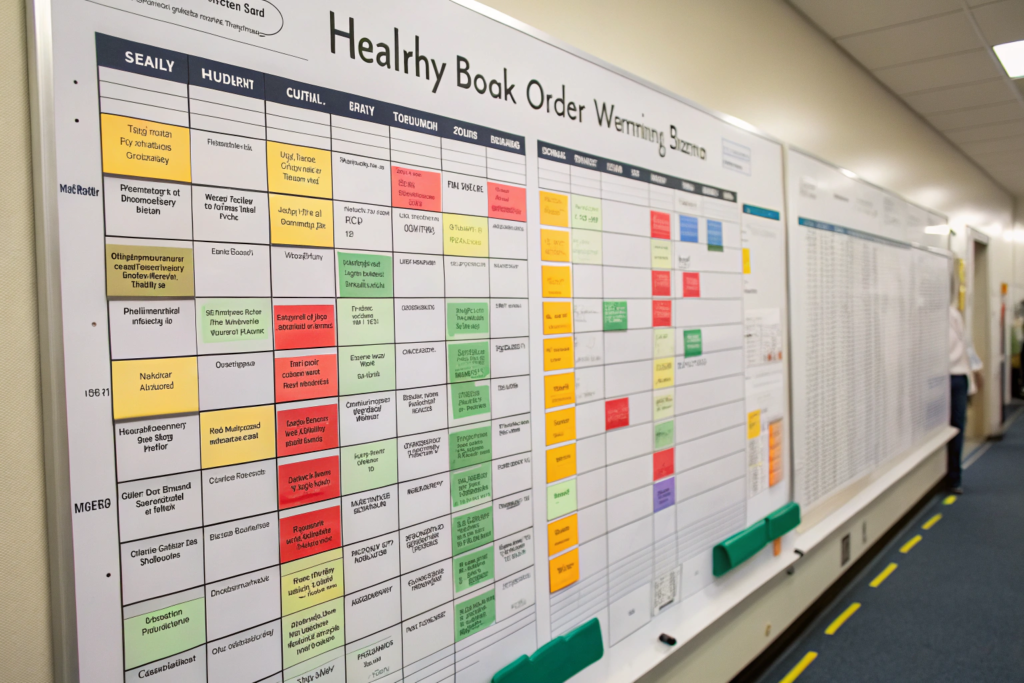
How does order book depth indicate stability?
An order book shows future work. A factory with a deep order book is stable. A factory with a shallow order book is at risk.
What to look for:
- Months of forward orders: A financially stable factory typically has 2-3 months of orders booked.
- Customer diversity: A mix of large and small customers is good. Reliance on one customer is risky.
- Order consistency: Are orders consistent month to month? Or are there gaps?
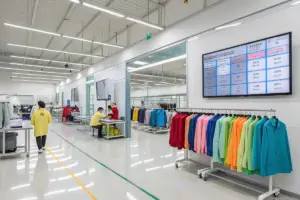
A client in San Francisco asked a factory about their order book. The factory said they had 4 months of orders. They showed the planning board. The client was impressed. The factory was stable.
You should ask about their largest customer. If one customer is more than 30% of their volume, that is a risk.
How does supplier payment history reflect on the factory?
A factory that pays their suppliers on time is financially stable. A factory that delays payment is struggling.
What to look for:
- Fabric supplier relationships: Ask if they have good relationships with fabric mills. Do they get good credit terms?
- Trim supplier relationships: Same question. Trim suppliers are often smaller. They are less tolerant of late payments.
- Payment disputes: Have they had any disputes with suppliers? Ask for references from their fabric suppliers.
A client in Chicago asked a factory for a reference from their fabric supplier. The supplier said the factory paid late. The client was concerned. They found another factory.
You should ask for supplier references. A factory that is proud of their relationships will provide them.
What do certifications tell you about financial stability?
Certifications cost money. A factory that invests in certifications is financially stable. They are also committed to quality and compliance.
Key certifications:
- ISO 9001: Quality management. Indicates systematic processes.
- ISO 14001: Environmental management. Indicates commitment to sustainability.
- SA8000 or BSCI: Social compliance. Indicates ethical treatment of workers.
- Oeko-Tex: Product safety. Indicates commitment to safe materials.
- WRAP: Worldwide Responsible Accredited Production. Comprehensive social compliance.
A client in New York required BSCI certification. One factory had it. Another did not. The client chose the certified factory. They were more likely to be stable and compliant.
You should ask for certification documents. Verify them with the issuing body.
How Do You Verify Financial Stability Without Visiting?
Visiting is best. But it is not always possible. You can verify many indicators remotely.

How do you use video calls to assess financial stability?
A video call is the next best thing to a visit. You can see the factory. You can ask to see specific areas.
What to ask to see on a video call:
- Production floor: Count the workers. Count the running machines.
- Fabric warehouse: Is there fabric in stock? Is it organized?
- Finished goods warehouse: Is there inventory? This indicates recent production.
- Maintenance area: Are there spare parts? Is the area organized?
- Order board: Can you see the production planning board? This shows future orders.
A client in Austin did a video call. The factory showed the production floor. Many machines were idle. The factory said it was lunchtime. The client asked to see the canteen. It was empty. The factory was lying. The client did not place an order.
You should ask for unexpected views. Do not let them prepare.
What online tools can help you assess financial stability?
Several online tools provide financial information on companies.
Useful tools:
- Qixin.com (China): Company credit reports, legal disputes, ownership structure.
- Tianyancha (China): Similar to Qixin. Also shows investment relationships.
- Dun & Bradstreet: Global business credit reports.
- Alibaba Trade Assurance: Basic verification for Alibaba suppliers.
- Google search: Search for the company name + "lawsuit" or "complaint" or "scam."
A client in Seattle searched for a factory on Qixin.com. The report showed that the factory had changed its legal name twice in three years. This was a red flag. The client avoided them.
You should use multiple tools. Cross-reference the information.
What Are the Red Flags of Financial Instability?
Knowing the red flags is as important as knowing the positive indicators. If you see these, walk away.
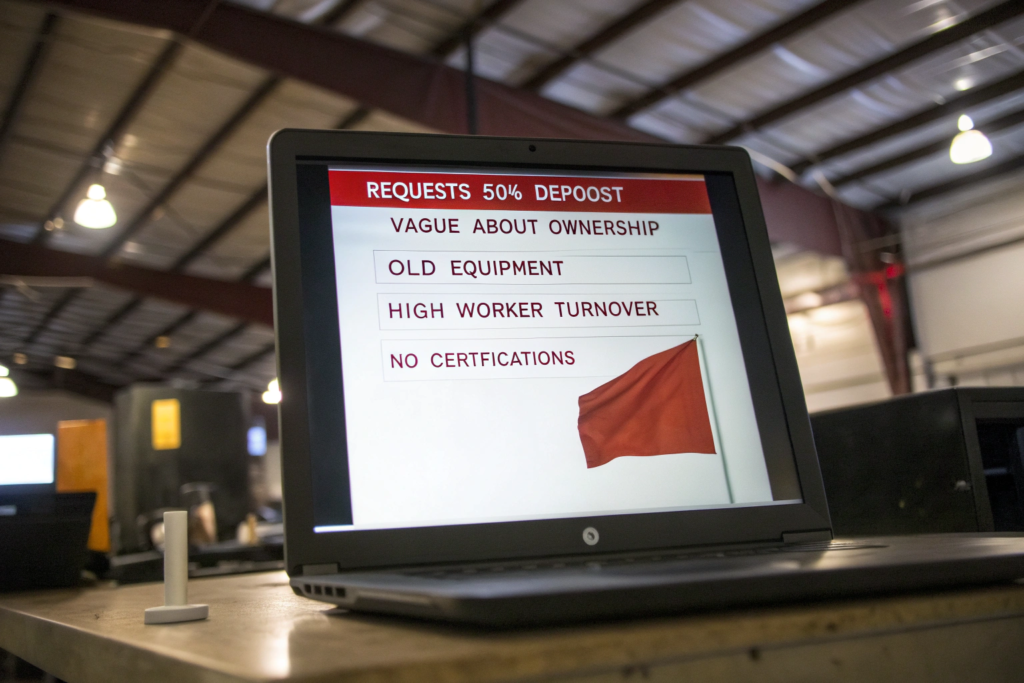
What payment term demands are red flags?
Desperate factories ask for unusual payment terms. They need your cash to survive.
Red flag payment terms:
- Demanding 50% or more deposit: Standard is 30%. Higher deposits may indicate cash flow problems.
- Demanding full payment before shipment: Standard is balance upon shipment or after inspection. Full payment before shipment transfers all risk to you.
- Refusing to use Trade Assurance or Letter of Credit: They want your cash directly. They avoid protections.
- Constantly asking for early payment: They are struggling to pay suppliers or workers.
A client in Boston was asked for a 70% deposit. The factory said it was their standard. The client checked with other clients. It was not standard. The client declined.
You should be wary of unusual payment terms. They are often a sign of desperation.
What communication patterns indicate financial trouble?
Communication changes when a factory is in trouble. They become defensive. They make excuses. They disappear.
Red flag communication:
- Slow responses: They used to respond in hours. Now it takes days.
- Vague answers: "Everything is fine." "We are working on it." No specifics.
- Excuses: Blaming others. The fabric mill. The shipping company. Never taking responsibility.
- Hiding problems: Not telling you about delays. You have to ask.
- Disappearing: No response for a week or more. This is a major red flag.
A client in Denver noticed that their factory’s communication slowed. Responses took days. Answers were vague. The client visited. The factory was half-empty. The owner was not there. The client pulled their orders.
You should trust your gut. If communication feels wrong, something is likely wrong.
What physical signs indicate a factory is struggling?
If you visit, look for these physical signs. They are hard to hide.
Physical red flags:
- Empty workstations: Many machines not running. Workers missing.
- No work-in-progress: No cut pieces. No partially sewn garments. The factory is not actively producing.
- Dust on machines: Machines that are not used collect dust.
- Disorganized warehouse: Fabric piled randomly. No labeling. No organization.
- Unpaid suppliers: Suppliers waiting outside for payment. This is a major red flag.
- Angry workers: Workers who have not been paid. They will tell you if you ask.
A client in New York visited a factory. There were suppliers waiting outside. They were demanding payment. The client turned around and left.
You should ask workers how long they have worked there. High turnover is a red flag.
Conclusion
A financially stable clothing manufacturer is essential for your success. Without stability, you face delayed shipments, poor quality, and lost deposits. The indicators of stability are visible. You just need to look.
Review financial documents. Business licenses, bank statements, and third-party credit reports provide evidence.
Look at physical indicators. Modern machines, a stable workforce, and a clean facility all indicate investment and stability.
Assess operational indicators. A deep order book, good supplier relationships, and certifications all indicate a healthy business.
Watch for red flags. Unusual payment terms, poor communication, and physical signs of struggle are warnings.
The time you invest in financial due diligence is small compared to the cost of a failed partnership.
At Shanghai Fumao, we are financially stable. We have been in business for over a decade. We have modern machines. We have a stable workforce. We have certifications. We have a deep order book. We pay our suppliers on time. We welcome your due diligence. We will share our business license. We will show you our factory. We will provide references.
If you are looking for a financially stable manufacturing partner, we would like to work with you. Our Business Director, Elaine, can provide the information you need. She can schedule a video call or an in-person visit. You can reach her at elaine@fumaoclothing.com. Let us build a stable partnership.