Your clothing is sustainable. Organic cotton. Recycled polyester. Low-impact dyes. But then you put it in a plastic polybag. You ship it in a cardboard box. You wrap it in plastic tape. Your customer opens the package. They see the plastic. They feel conflicted. Your sustainable garment arrives in unsustainable packaging. The message is mixed. The impact is real.
To implement sustainable packaging for your wholesale clothing orders, you need to take a systematic approach. Start by auditing your current packaging. Identify what can be eliminated, reduced, or replaced. Switch to recycled and recyclable materials. Use polybags made from recycled plastic or biodegradable alternatives. Use FSC-certified boxes. Use paper tape instead of plastic tape. Eliminate unnecessary layers. Optimize box sizes to reduce waste. Communicate your changes to your customers. Sustainable packaging is not just about materials. It is about design, efficiency, and communication.
I have run a clothing factory for over a decade. I have seen the shift to sustainable packaging. My clients are demanding it. Their customers are demanding it. The regulations are demanding it. The change is not optional. It is essential. Here is how you can implement sustainable packaging for your wholesale orders.
Why Is Sustainable Packaging Essential for Wholesale Clothing?
The reasons for sustainable packaging go beyond environmentalism. They are business reasons. Customers care. Regulators care. Your brand reputation depends on it.

How does packaging affect your brand perception?
Your packaging is the first thing the customer sees. It sets the tone. If the packaging is wasteful, the customer questions your commitment to sustainability.
Customer expectations:
- Consistency: If your garment is sustainable, your packaging should be too. Inconsistency creates doubt.
- Transparency: Customers want to know what your packaging is made of. They want to see certifications.
- Innovation: Customers appreciate creative, minimal packaging. It signals that you care.
A client in San Francisco switched to recycled polybags. They printed "I am made from 100% recycled plastic" on the bag. Customers posted photos on social media. The packaging became a marketing asset.
You should view packaging as part of your brand experience. It is not just a way to ship goods. It is a way to communicate your values.
What are the regulatory pressures for sustainable packaging?
Regulations are increasing. Single-use plastics are being banned. Packaging waste directives are becoming stricter. You need to stay ahead.
Regulatory trends:
- EU Packaging and Packaging Waste Regulation: Requires that all packaging be recyclable by 2030. Sets recycled content targets.
- US state laws: California, Washington, and other states have passed laws requiring recycled content and recyclability.
- Plastic bag bans: Many jurisdictions ban single-use plastic bags. This includes polybags.
- Extended Producer Responsibility (EPR): Brands are responsible for the end-of-life of their packaging. You may need to pay fees or manage recycling.
A client in New York started using recycled polybags before the regulations took effect. They were ahead of the curve. Their customers appreciated the proactive approach.
You should monitor regulations in your markets. Do not wait until you are forced to change. Lead the change.
How to Audit Your Current Packaging and Identify Opportunities?
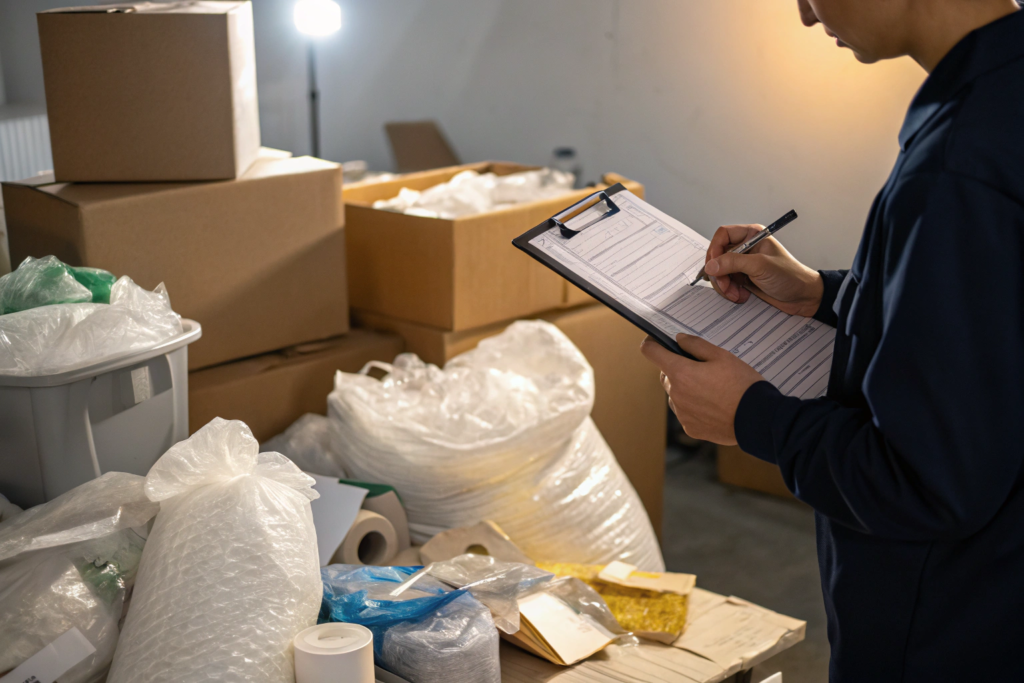
You cannot improve what you do not measure. Start with an audit. Understand what you are using. Identify where you can reduce, replace, or redesign.
What packaging materials are commonly used in wholesale clothing?
Wholesale clothing uses multiple layers of packaging. Each layer is an opportunity for improvement.
Common packaging materials:
- Polybags: Plastic bags that protect the garment. Often LDPE or HDPE.
- Cardboard boxes: Outer shipping boxes. Often corrugated cardboard.
- Tape: Plastic tape to seal boxes. Often polypropylene or PVC.
- Tissue paper: Used to wrap garments. Often virgin paper.
- Labels: Adhesive labels for box identification. Often plastic-coated.
- Desiccant packs: Silica gel to absorb moisture. Often in plastic packets.
- Hangers: Plastic or metal hangers for hanging garments.
A client in Los Angeles audited their packaging. They found that each garment used a polybag, tissue paper, a plastic hanger, and a plastic label. The outer box used plastic tape. The total plastic per garment was significant. They identified opportunities to eliminate, reduce, and replace.
You should list every material you use. Weigh it. Calculate the total waste per order.
How do you measure your packaging footprint?
Measuring your footprint helps you set baselines and track progress.
Metrics to track:
- Plastic weight per garment: Total weight of plastic packaging divided by number of garments.
- Recycled content percentage: Percentage of recycled material in each packaging component.
- Recyclability percentage: Percentage of packaging that is recyclable in standard recycling streams.
- Box fill rate: Percentage of box volume that is filled with product. Empty space is waste.
- Packaging cost per garment: Total packaging cost divided by number of garments.
A client in Chicago measured their packaging footprint. They found that 40% of their packaging was not recyclable. They set a goal to reach 100% recyclable within 12 months.
You should track these metrics over time. Share them with your customers. Transparency builds trust.
What Are the Sustainable Alternatives to Common Packaging Materials?
There are sustainable alternatives for almost every packaging material. Some are drop-in replacements. Others require changes to your process.
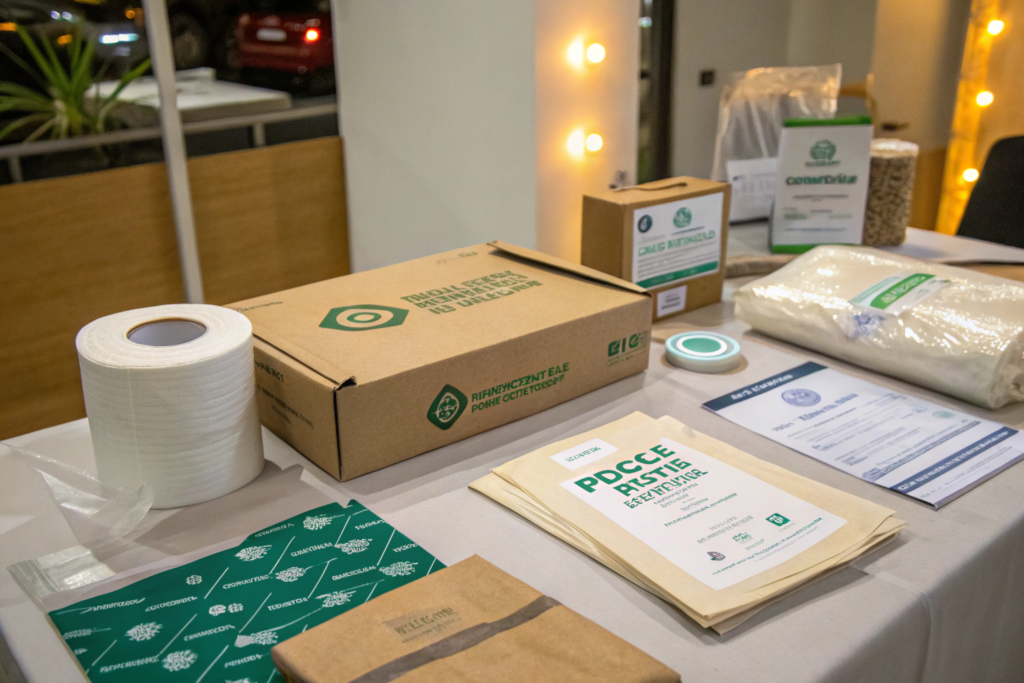
What are the best alternatives to plastic polybags?
Polybags are the most common packaging for clothing. They protect the garment from moisture and dirt. But they are plastic. Alternatives exist.
Polybag alternatives:
- Recycled plastic polybags: Made from post-consumer recycled LDPE. Recyclable in store drop-off programs. Drop-in replacement.
- Compostable polybags: Made from plant-based materials like cornstarch. Compost in industrial facilities. Not a drop-in replacement. Requires proper disposal.
- Paper polybags: Made from kraft paper. Recyclable in paper streams. Less moisture protection. May need a coating.
- Reusable polybags: Thicker bags designed for reuse. Customer keeps the bag. Requires customer behavior change.
- No polybag: For some products, a polybag is not necessary. Fold neatly. Use a paper band. This is the most sustainable option.
A client in Seattle switched to recycled polybags. They printed "Recycle me with plastic bags at your local store" on the bag. The cost was 10% higher. The customer response was positive.
You should evaluate the trade-offs. Recycled plastic is the easiest drop-in replacement. Compostable and paper require more education.
What are the best alternatives to plastic tape?
Plastic tape is used to seal boxes. It is not recyclable. It contaminates cardboard recycling.
Tape alternatives:
- Paper tape: Made from kraft paper with water-activated adhesive. Recyclable with the box. Strong and secure.
- Water-activated tape: Similar to paper tape. The adhesive is activated by water. Very strong.
- Recycled plastic tape: Made from recycled content. Still plastic. Still not recyclable with cardboard. Better than virgin plastic but not ideal.
- No tape: Use boxes with self-locking flaps. Eliminates the need for tape.
A client in Denver switched to paper tape. The cost was similar to plastic tape. The boxes were still secure. The recycling stream was cleaner.
You should switch to paper tape. It is an easy, low-cost change.
What are the best alternatives for boxes and void fill?
Boxes and void fill protect the product during shipping. They also create waste.
Box and void fill alternatives:
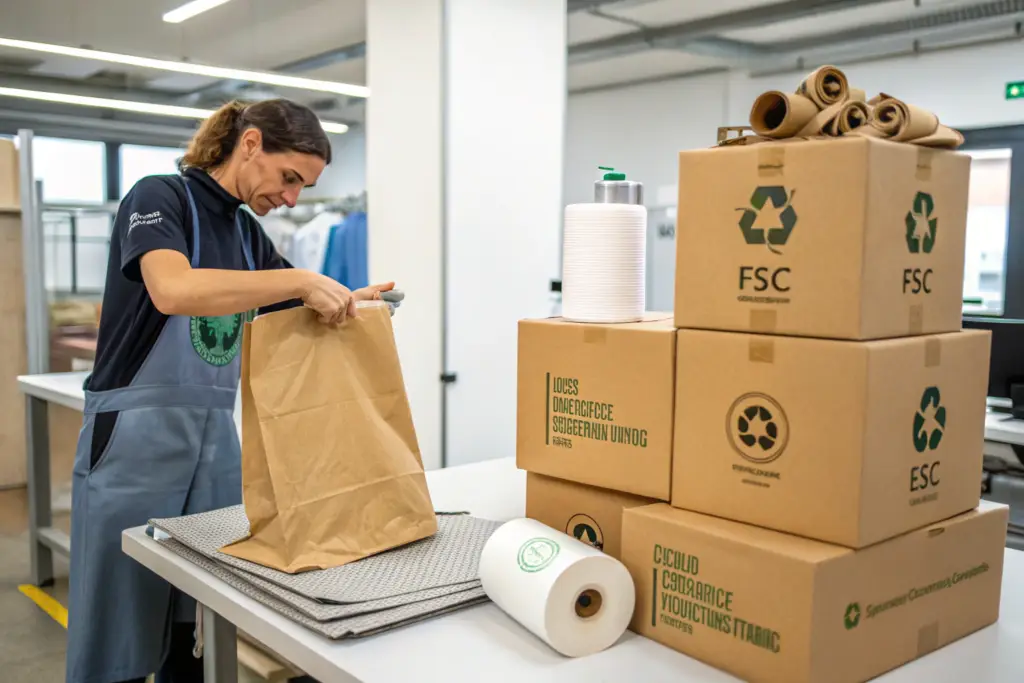
- FSC-certified boxes: Cardboard from responsibly managed forests. Recyclable.
- Recycled content boxes: Boxes made from post-consumer recycled cardboard.
- Right-sized boxes: Custom boxes that fit the product exactly. Eliminates void fill.
- Paper void fill: Crushed paper or paper pads. Recyclable.
- Mushroom packaging: Grown from agricultural waste and mycelium. Compostable.
- Air pillows made from recycled plastic: Better than virgin plastic but still plastic.
A client in Boston switched to right-sized boxes. They reduced void fill by 80%. They saved money on shipping because the boxes were smaller. The change paid for itself.
You should optimize box sizes. This reduces waste and saves shipping costs.
How to Communicate Your Sustainable Packaging to Customers?
Sustainable packaging is only valuable if customers know about it. You need to communicate. You need to educate. You need to celebrate.
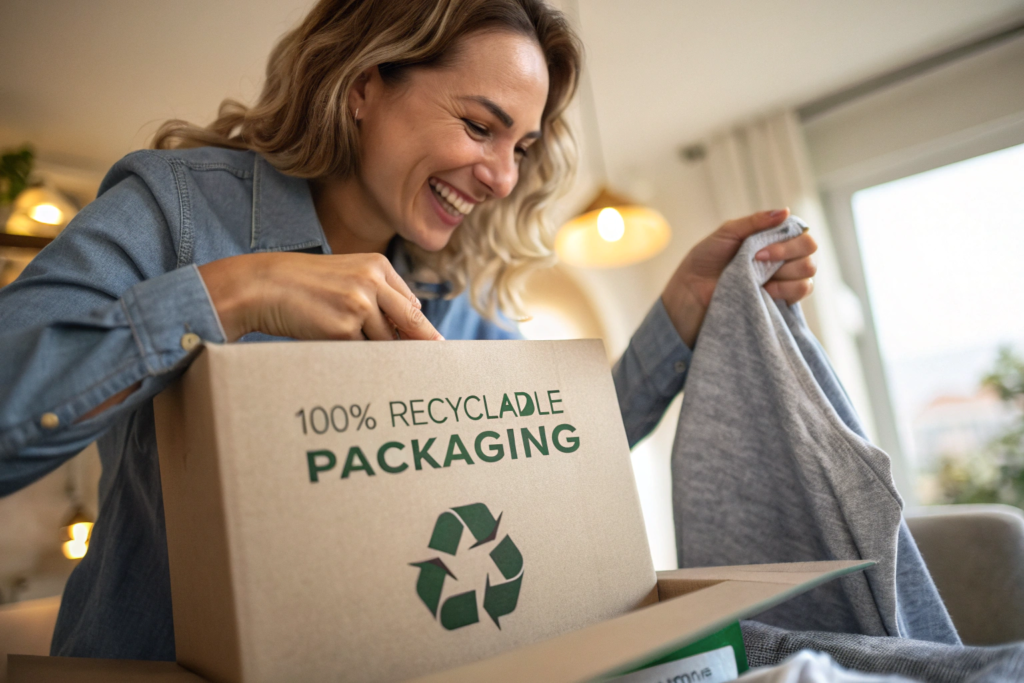
What information should you include on the packaging?
Use the packaging itself as a communication tool. Print information directly on the bag or box.
Information to include:
- What the packaging is made of: "This bag is made from 100% recycled plastic."
- How to dispose of it: "Recycle this bag at your local store drop-off. Not recyclable in curbside bins."
- Your brand's commitment: "We are committed to sustainable packaging. Learn more at [your website]."
- Certifications: FSC logo, recycled content logo, compostable logo.
A client in Austin printed disposal instructions on every polybag. Customer confusion decreased. More bags were properly recycled. The brand received positive feedback.
You should make the instructions clear. Use simple language. Use recognized symbols.
How do you market your sustainable packaging?
Sustainable packaging is a marketing asset. Use it in your communications.
Marketing channels:
- Website: Create a page about your packaging. Explain what you use and why.
- Social media: Post photos of your packaging. Show the changes you have made.
- Email: Announce your sustainable packaging to your email list.
- Product pages: Mention the packaging on each product page.
- Hang tags: Include a hang tag that explains the packaging.
A client in San Francisco created a video about their sustainable packaging journey. They posted it on Instagram. The video received thousands of views. Customers commented positively.
You should tell your story. Customers want to know that you care.
How to Work with Your Factory on Sustainable Packaging?
Your factory is your partner in sustainable packaging. They need to understand your requirements. They need to have the right materials. They need to train their workers.
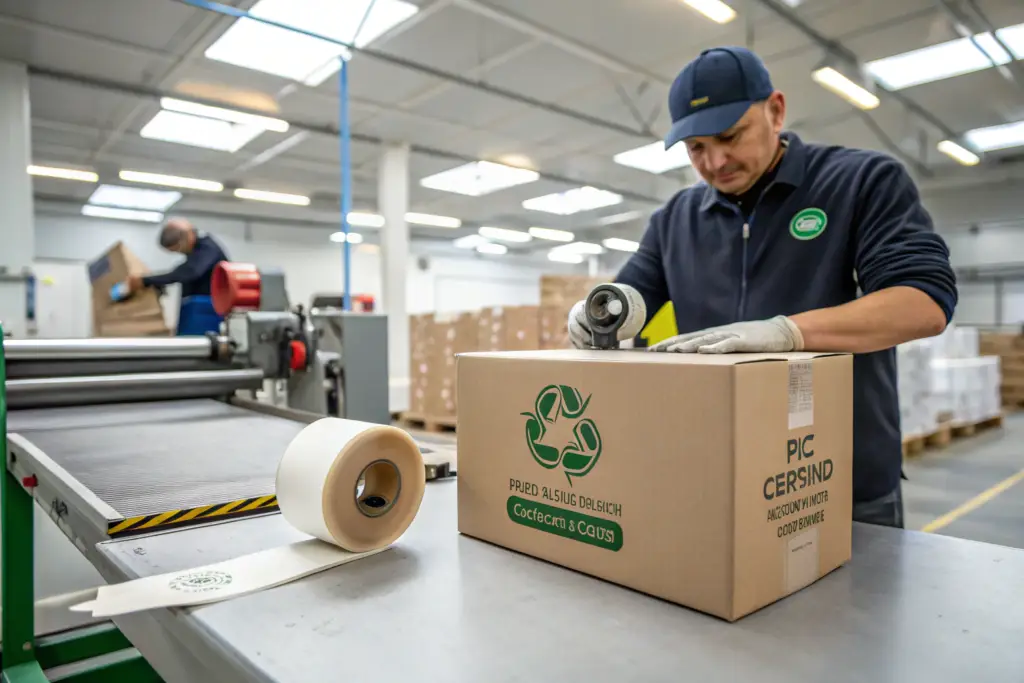
What should you specify in your tech pack?
Your tech pack should include packaging specifications. Do not assume the factory knows your requirements.
Packaging specifications to include:
- Polybag type: Recycled, compostable, or paper. Specify the material and recycled content.
- Polybag thickness: Specify in mils or microns. Thinner bags use less plastic.
- Box type: FSC-certified, recycled content. Specify the board grade.
- Tape type: Paper tape. Specify the width.
- Labels: Recyclable labels. Specify the adhesive.
- Void fill: Paper only. No plastic bubble wrap or air pillows.
- Hangers: Recycled plastic or paperboard. Specify.
A client in New York added a packaging specification page to their tech pack. The factory followed it exactly. The sustainable packaging was implemented correctly.
You should be specific. Do not say "use sustainable packaging." Say "use 100% recycled LDPE polybags, 1.5 mil thickness, with recycling instructions printed in black ink."
How do you verify that the factory is using sustainable materials?
Verification is essential. Do not assume the factory is following your specifications.
Verification steps:
- Request material certificates: Ask for certificates from the packaging suppliers. Recycled content certificates. FSC certificates.
- Request samples: Ask for samples of the polybags, boxes, and tape before production.
- Inspect during production: During a factory visit or video call, check the packaging station. Are they using the correct materials?
- Test the packaging: Test the boxes for strength. Test the tape for adhesion. Ensure they work.
A client in Chicago requested samples of the recycled polybags. The samples were correct. The factory used them in production. The client verified.
You should inspect. Sustainable packaging is only sustainable if it is actually used.
How do you train factory workers on sustainable packaging?
Workers need to know how to use sustainable materials correctly. Paper tape requires different handling than plastic tape. Right-sized boxes require careful selection.
Training steps:
- Provide written instructions: Include packaging instructions in the tech pack.
- Provide a video: Create a short video showing the correct packaging process.
- Train the supervisor: Train one person who trains others.
- Monitor compliance: Check during production. Provide feedback.
A client in Seattle provided a video showing how to apply paper tape. The factory trained their workers. The tape was applied correctly. Boxes stayed sealed.
You should invest in training. The best materials are useless if used incorrectly.
Conclusion
Implementing sustainable packaging for your wholesale clothing orders is essential. Customers demand it. Regulators require it. Your brand depends on it. The transition is not difficult. It requires planning, investment, and partnership.
Start with an audit. Understand what you are using. Identify opportunities to eliminate, reduce, and replace. Switch to recycled polybags, FSC-certified boxes, and paper tape. Optimize box sizes. Eliminate unnecessary layers.
Communicate your changes to your customers. Use the packaging as a marketing tool. Tell your story. Build trust.
Work with your factory. Specify your requirements in the tech pack. Verify that they are using the correct materials. Train their workers.
The cost of sustainable packaging is often higher. But the cost of not changing is higher. Lost customers. Regulatory fines. Brand damage.
At Shanghai Fumao, we support our clients' sustainable packaging goals. We source recycled polybags. We use paper tape. We offer FSC-certified boxes. We train our workers. We verify compliance. We know that sustainable packaging is part of sustainable fashion.
If you are ready to implement sustainable packaging for your wholesale orders, we would like to help. Our Business Director, Elaine, can discuss your packaging requirements. She can source sustainable materials. She can train our team. You can reach her at elaine@fumaoclothing.com. Let us package your garments sustainably.