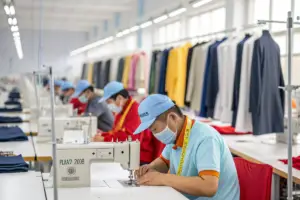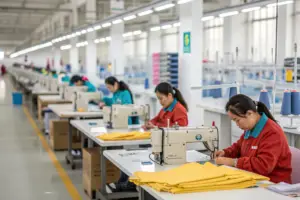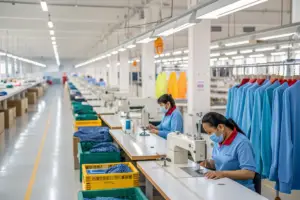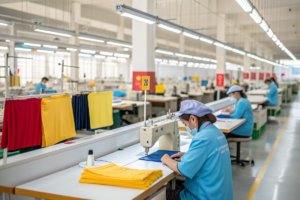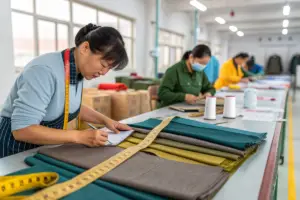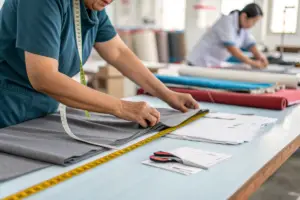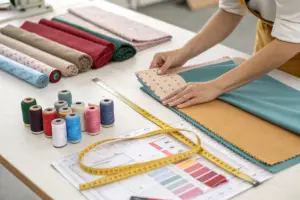
You have a new design. You send it to a factory for sampling. You are excited. But you are also nervous. Will the factory keep your design confidential? Will they share it with other brands? Will they produce your design for someone else? I have seen this happen. A brand developed a unique style. The factory made samples. A few months later, the brand saw the same style in a competitor's line. The factory had sold their design. The brand lost their competitive advantage.
Based on our experience producing thousands of samples, protecting your designs during the sampling stage requires a combination of legal agreements, physical security, digital security, and selective disclosure. For example, last year we worked with a brand from New York. They were launching a unique silhouette. They were concerned about copycats. We signed a non-disclosure agreement. We stored their patterns in a locked cabinet. We limited access to their sample to three people. We did not share their design with any other client. The brand launched successfully. Their design remained unique. That is how you protect designs.
So, how do you protect your designs during the sampling stage? Let me break it down. I will discuss legal agreements. I will cover physical security. I will talk about digital security. And I will give you a framework for selecting a trustworthy factory.
What Legal Agreements Protect Your Designs?
Without a legal agreement, you have no protection. I remember a client from Chicago. They sent their design to a factory. They did not sign an NDA. The factory copied the design. The client had no recourse.
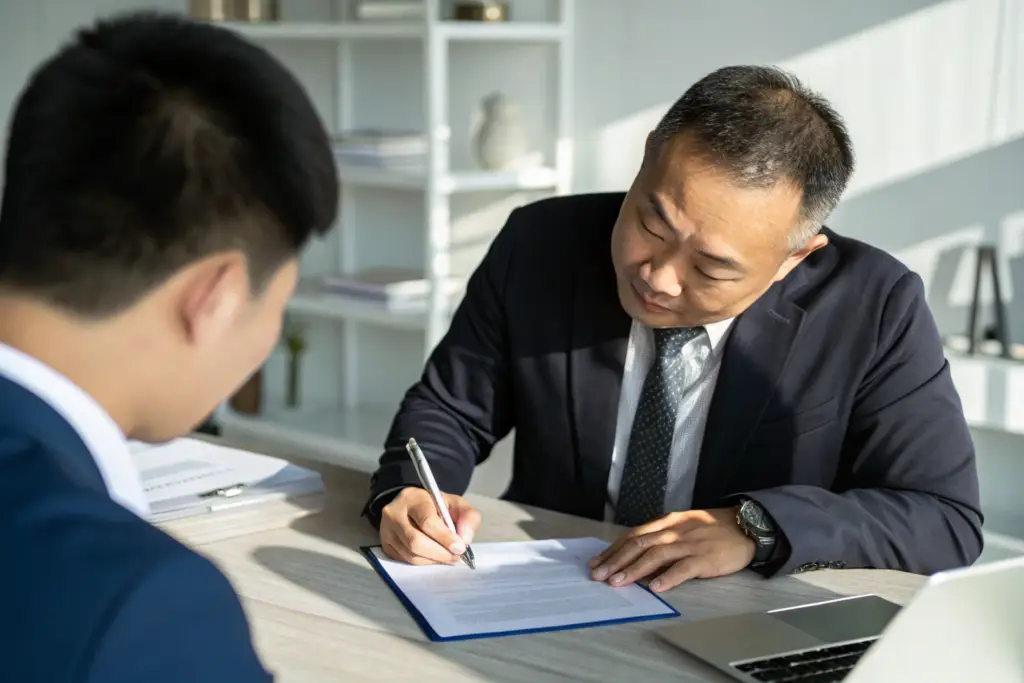
A non-disclosure agreement is the first line of defense. It legally binds the factory to keep your design confidential. For the Chicago client, we now require an NDA before sharing any design. For woven shirts, the NDA covers the pattern, the tech pack, and the sample. For knits, it covers the fabric specifications and construction details. For denim, it covers the wash formula. A good NDA also covers the factory's employees. They must also sign that they will not disclose your design. Without an NDA, you are trusting the factory to do the right thing. With an NDA, you have legal protection.
What Should an NDA Include?
An NDA should include:
- Definition of confidential information (patterns, tech packs, samples)
- Duration of confidentiality (at least 3 to 5 years)
- Obligations of the factory (to protect your information)
- Permitted disclosures (to employees who need to know)
- Consequences of breach (legal action, damages)
For a sportswear client, the NDA also covered their logo and branding. The factory could not use the logo for any other purpose.
Do You Need a Lawyer for an NDA?
You can use a standard NDA template. But it is better to have a lawyer review it. A lawyer can ensure that the NDA is enforceable in your country and the factory's country. For a denim client, their lawyer drafted an NDA. The factory signed it. The client felt secure.
How Do You Secure Physical Samples and Patterns?
Legal agreements are not enough. I remember a client from Boston. They had an NDA. But the factory left their sample on a table. A visitor saw it. The design was leaked.
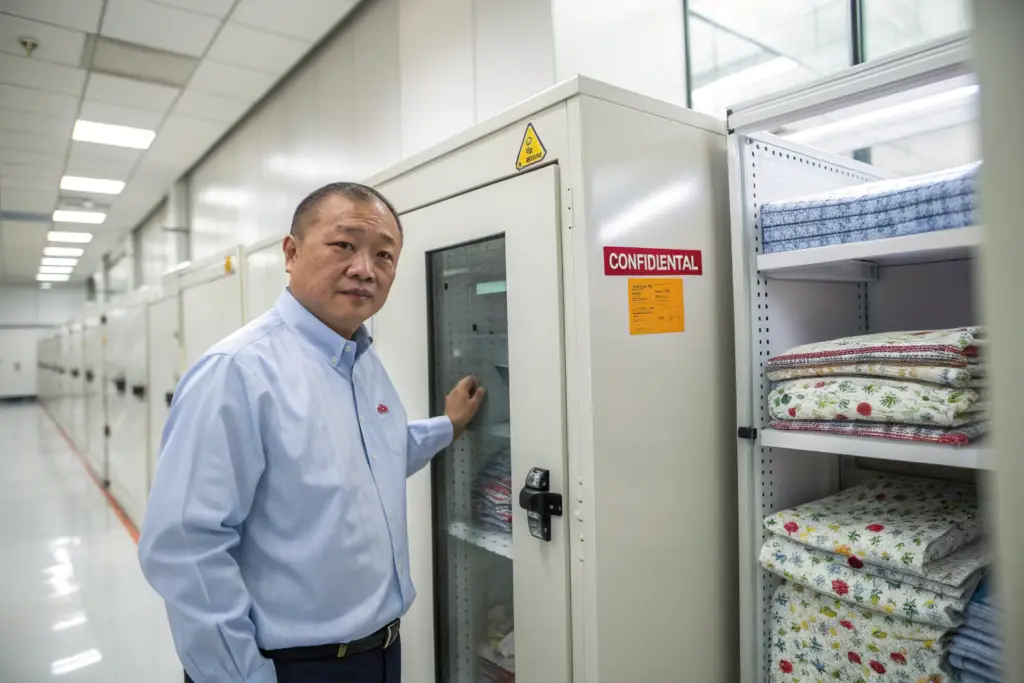
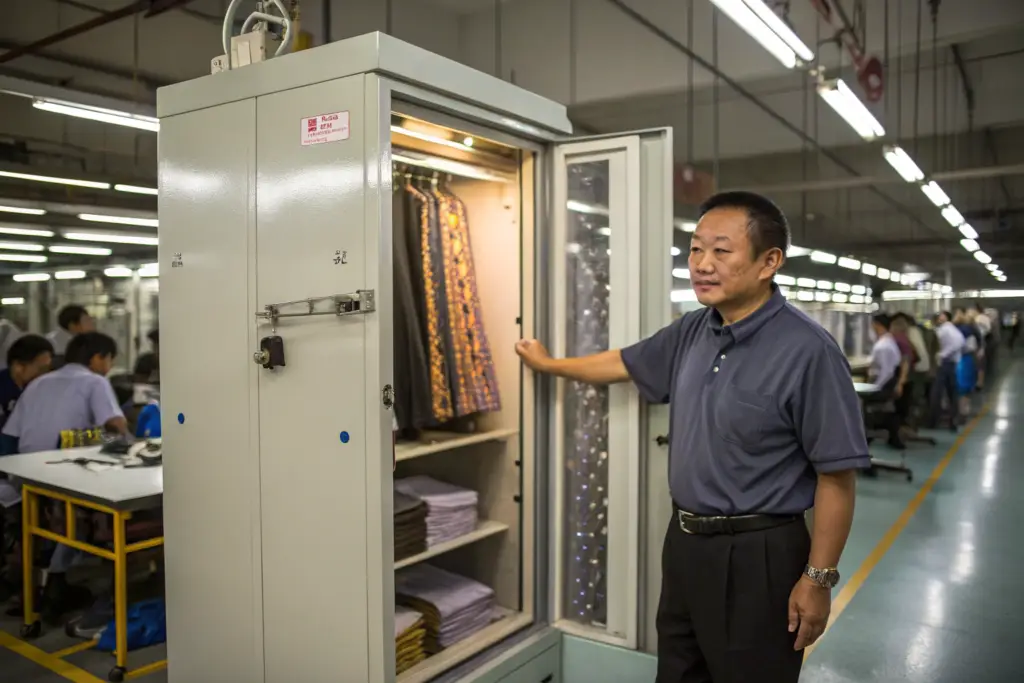
Physical security is essential. Your patterns and samples should be stored in a locked area. Access should be limited to the people working on your project. For the Boston client, we now store all samples and patterns in a locked cabinet. Only the pattern maker, sample sewer, and sample coordinator have access. For woven shirts, the pattern pieces are stored in a locked drawer. For knits, the sample garments are stored in a locked closet. For denim, the wash formula is stored in a locked lab. When samples are shipped, they are in unmarked boxes. The factory name is not visible. Physical security prevents casual viewing and theft.
What Physical Security Measures Should a Factory Have?
A factory should have:
- Locked storage for patterns and samples
- Limited access to sample room
- Sign-in for visitors
- Security cameras
- Unmarked shipping boxes
For a sportswear client, the factory had a locked sample room. Only the sample team had access. The client felt secure.
How Are Samples Shipped Securely?
Samples should be shipped in unmarked boxes. The box should not have the factory name or your brand name. The shipping label should not indicate that the contents are samples. For a denim client, the factory shipped samples in plain boxes. The label said "garment samples." No brand names were visible.
How Do You Secure Digital Files?
Digital files are easy to copy. I remember a client from Seattle. They sent their tech pack via email. The factory shared it with another client. The design was copied.
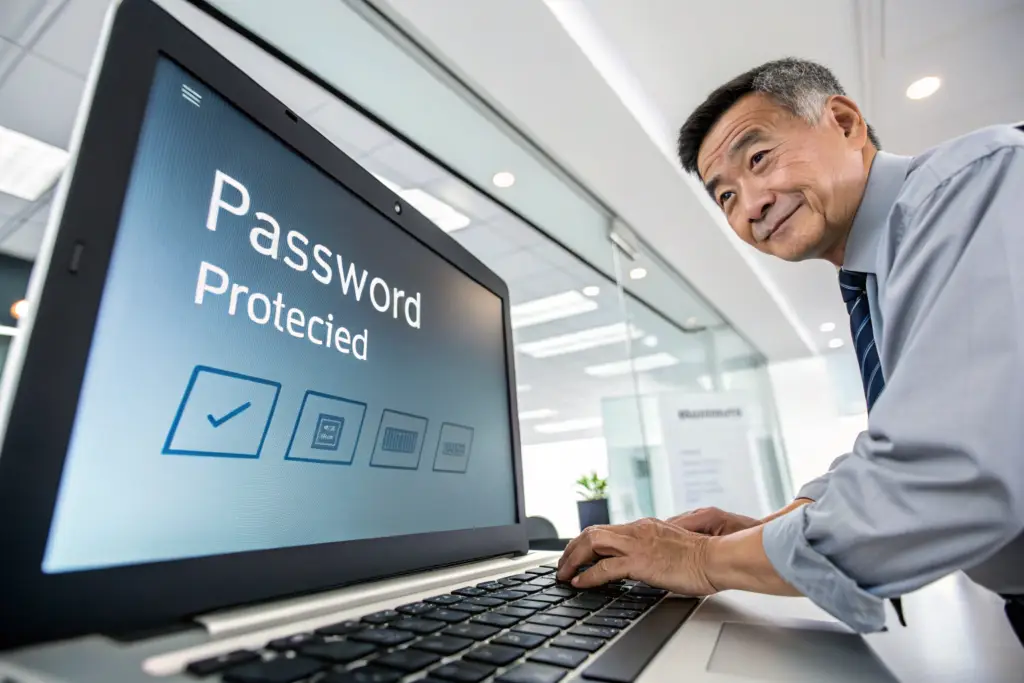
Digital security is as important as physical security. Your tech packs, patterns, and photos should be stored securely. For the Seattle client, we now use password-protected files and secure file transfer. For woven shirts, the tech pack is sent via a secure portal. For knits, the pattern files are password-protected. For denim, the wash formula is stored in a secure database. Ask your factory: How do you store digital files? Who has access? Are files shared with other clients? A good factory will have digital security measures.
What Digital Security Measures Should a Factory Have?
A factory should have:
- Password-protected computers
- Secure file transfer (not public email)
- Limited access to design files
- Watermarking on shared images
- No sharing of files with other clients
For a sportswear client, the factory used a secure portal. The client uploaded the tech pack. Only the pattern maker could access it.
Use secure file transfer services like Dropbox with password protection, WeTransfer with password, or a dedicated client portal. Do not send tech packs via regular email. For a denim client, they used a password-protected Dropbox link. The factory downloaded the files. The link expired after 7 days.
How Do You Choose a Trustworthy Factory?
Even with agreements and security, you need a trustworthy partner. I remember a client from New York. They had all the legal documents. But the factory still sold their design. The factory had a reputation for copying.
Choose a factory with a reputation for confidentiality. Ask for references. Ask other brands about their experience. For the New York client, we now check references. We ask: Has the factory ever shared your designs? Do you trust them with new designs? For woven shirts, we look for factories that work with established brands. For knits, we look for factories that have been in business for many years. For denim, we look for factories that have their own brands. They understand the value of intellectual property. A factory that has been in business for 10 or 20 years is likely to be trustworthy. A new factory with no track record is a risk.
What Questions Should You Ask Other Brands?
Ask other brands:
- How long have you worked with this factory?
- Have they ever shared your designs?
- Do they store your patterns securely?
- Do they respect NDAs?
- Would you recommend them?
For a sportswear client, they asked three references. All had positive experiences. They felt confident.
What Are Red Flags in a Factory?
Red flags include:
- Reluctance to sign an NDA
- Open sample room with no security
- Sharing other clients' designs with you
- High turnover of staff
- Short history in business
For a denim client, the factory showed them samples from other brands. That was a red flag. If they show you others' designs, they will show others yours.
Conclusion
Protecting your designs during the sampling stage requires legal agreements, physical security, digital security, and a trustworthy factory. Sign an NDA before sharing any design. Ensure patterns and samples are stored in locked areas. Use secure file transfer for digital files. Choose a factory with a reputation for confidentiality. Your designs are your intellectual property. Protect them.
At Shanghai Fumao, we take design protection seriously. We sign NDAs. We store patterns in locked cabinets. We use secure file transfer. We limit access to your designs. We do not share your work with other clients. Your designs are safe with us.
Let us protect your designs. Contact our Business Director, Elaine, directly at elaine@fumaoclothing.com. Ask about our confidentiality practices. We will show you how we keep your designs secure.