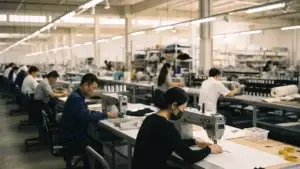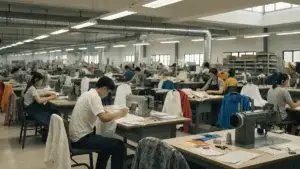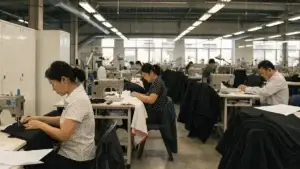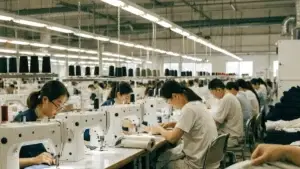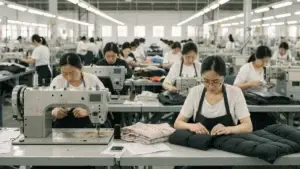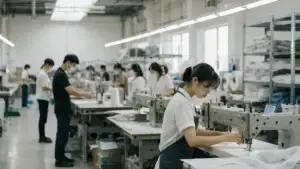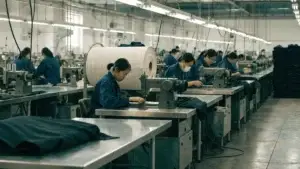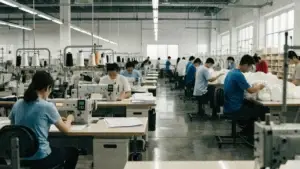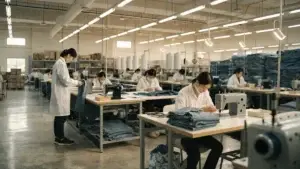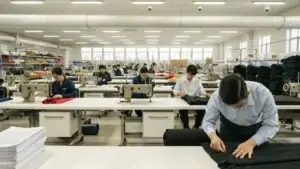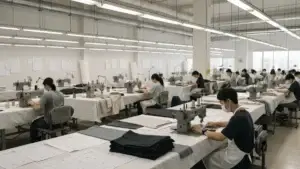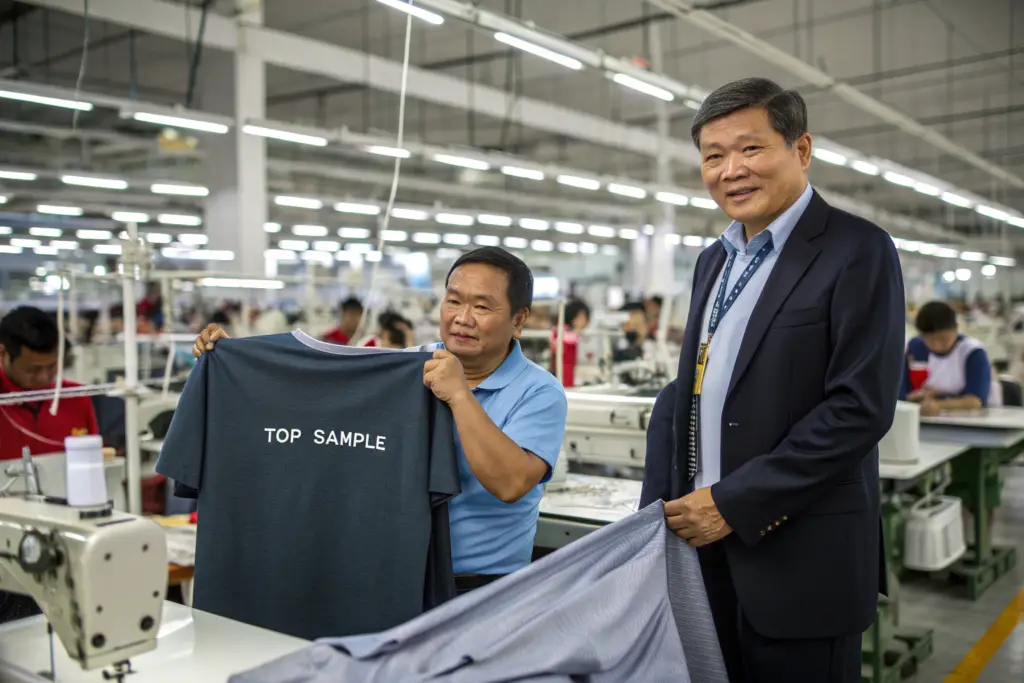
You have approved the pre-production sample. You have approved the bulk production sample. Production has started. You think everything is fine. But then you receive the shipment. The first 500 pieces are good. The next 500 are different. The quality drifted. You did not catch it. You wish you had checked the first piece off the line. I have seen this happen many times. The first piece sets the standard. If you do not check it, you may not know when quality drifts.
Based on our experience producing millions of garments, a top-of-production sample is the first piece off the production line. It confirms that the production line is set up correctly. It serves as the reference for the entire run. For example, last year we worked with a brand from Chicago. They approved the pre-production sample. Production started. We sent them the top-of-production sample. They compared it to the pre-production sample. The color was slightly off. They caught it before 5,000 pieces were made. The factory adjusted the dye. The rest of the order was correct. That is the power of the top-of-production sample.
So, what is a top-of-production sample? Do you need it? Let me break it down. I will explain what it is. I will show you how it differs from other samples. I will discuss why you need it. And I will give you a framework for using it to protect your order.
What Is a Top-Of-Production Sample?
A top-of-production sample is not the same as a pre-production sample. I remember a client from New York. They thought the pre-production sample was enough. They did not request a top-of-production sample. The bulk production had issues that the pre-production sample did not show.
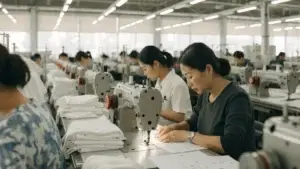
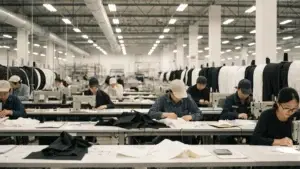
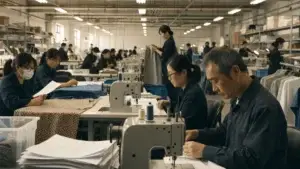
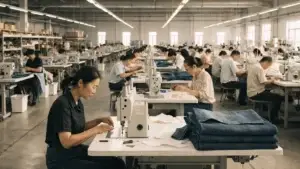
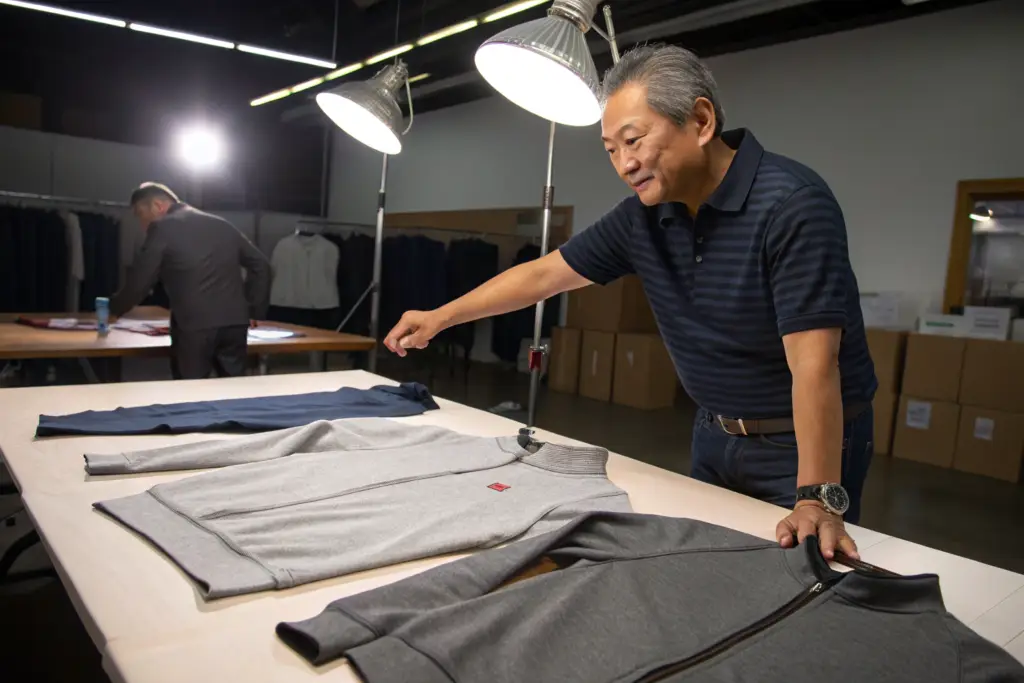
A top-of-production sample is the first piece off the production line. It is made after the line is set up, using the same machines, operators, and materials that will be used for the entire run. It is different from the pre-production sample, which is often made before the line is fully set up. For the New York client, we now send a top-of-production sample for every order. The client compares it to the pre-production sample. For woven shirts, they check the collar, placket, and cuffs. For knits, they check the neckband and hem. For denim, they check the wash and rivets. If the top-of-production sample matches the pre-production sample, the line is set up correctly. If it does not, we stop and correct.
How Does a Top-Of-Production Sample Differ from a Pre-Production Sample?
The pre-production sample is made:
- Before production starts
- Often on a dedicated sample machine
- By a sample maker
- To validate the design and pattern
The top-of-production sample is made:
- At the start of production
- On the production line
- By production operators
- To validate the production setup
For a sportswear client, the pre-production sample was made in the sample room. The top-of-production sample was made on the production line. The client approved both.
When Is the Top-Of-Production Sample Made?
The top-of-production sample is made after the production line is set up and before bulk cutting begins. For a denim client, the top-of-production sample was made after the first wash batch. The client approved it. The rest of the batch was consistent.
Why Do You Need a Top-Of-Production Sample?
Without a top-of-production sample, you do not know if the line is set up correctly. I remember a client from Chicago. They approved the pre-production sample. They did not ask for a top-of-production sample. The production line had a tension issue. The first 100 pieces were fine. Then the tension drifted. The client received a mixed shipment.
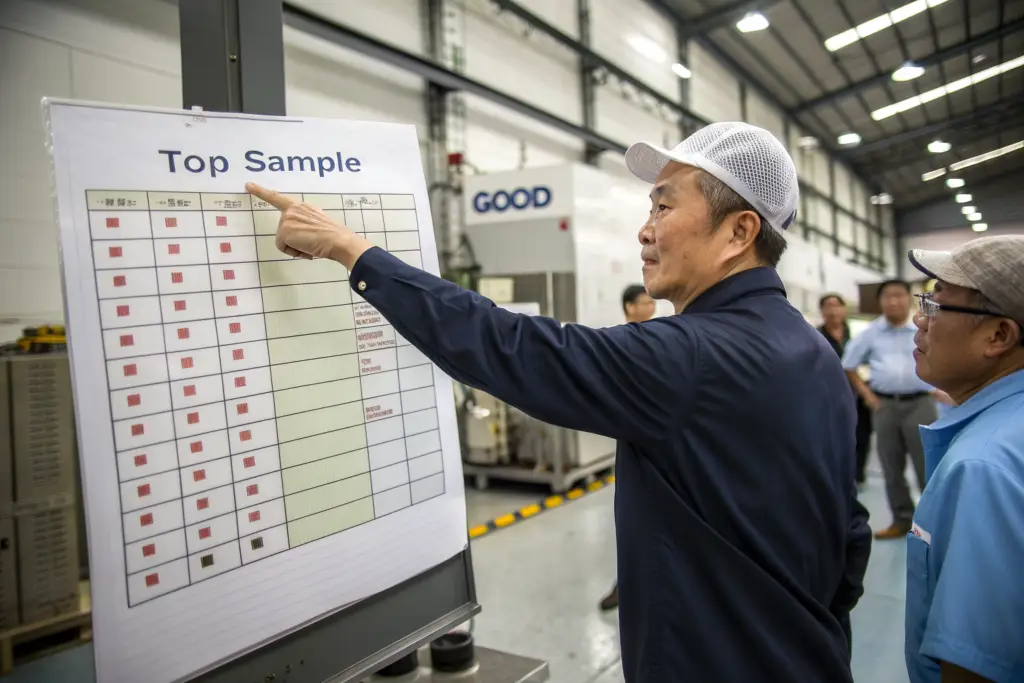
A top-of-production sample catches setup issues before bulk production continues. It ensures that the line is calibrated correctly. For the Chicago client, we now send a top-of-production sample for every order. The client checks it. If there is an issue, we stop and correct. For woven shirts, the top sample catches tension issues. For knits, it catches neckband stretch issues. For denim, it catches wash variations. A top sample costs a few hundred dollars. Catching an issue early saves thousands in rework and lost sales.
What Issues Does the Top-Of-Production Sample Catch?
The top-of-production sample catches:
- Machine calibration issues (tension, stitch length)
- Operator skill issues (if the operator is not trained)
- Fabric lot variations (if the production fabric differs)
- Wash variations (for denim)
- Trim issues (if the wrong trim was loaded)
For a sportswear client, the top sample caught that the screen print was misaligned. The printer was recalibrated. The rest of the order was correct.
How Does the Top Sample Prevent Quality Drift?
The top sample serves as the reference. Quality control checks every subsequent piece against the top sample. If a piece does not match, it is rejected. For a denim client, the top sample was kept at the wash station. Every batch was compared to it. The wash was consistent.
How Do You Use a Top-Of-Production Sample?
Receiving the top sample is not enough. I remember a client from Boston. They received the top sample. They put it on a shelf. They did not compare it to anything. The bulk had issues.
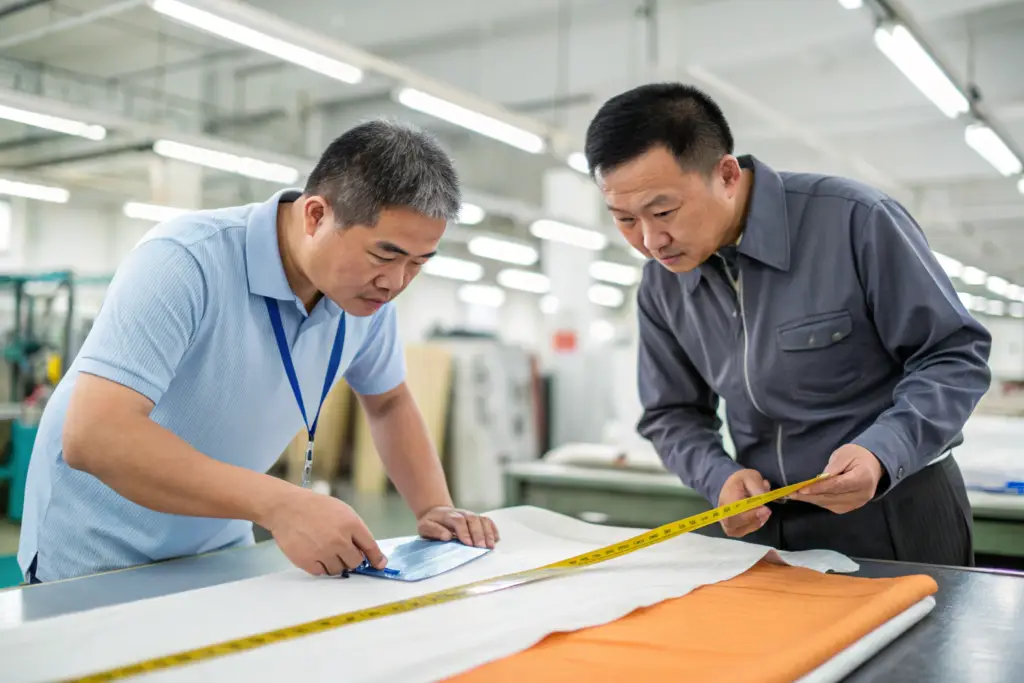
To use a top-of-production sample, compare it to the approved pre-production sample. Check color, measurements, construction, and trims. For the Boston client, we now provide a comparison checklist. The client checks the top sample against the pre-production sample. For woven shirts, they check the collar shape, placket width, and button placement. For knits, they check the neckband width and hem curve. For denim, they check the wash, rivet placement, and topstitching. If the top sample matches, they approve. If it does not, they reject. The top sample then becomes the reference for the entire run.
What Should You Compare on the Top Sample?
Compare:
- Color (against the pre-production sample)
- Measurements (against the spec sheet)
- Construction (seams, stitching, topstitching)
- Trims (zippers, buttons, labels)
- Fit (on a fit model)
For a sportswear client, the top sample was compared to the pre-production sample. The color matched. The measurements were within tolerance. The client approved.
How Do You Document Top Sample Approval?
Document the approval. Take photos. Keep a record. For a denim client, the top sample approval was documented with a signed form and photos. The form was kept with the order file.
When Is a Top-Of-Production Sample Not Needed?
A top sample is not always necessary. I remember a client from Seattle. They ordered 50 pieces. They asked for a top sample. The cost of the top sample was significant relative to the order size.
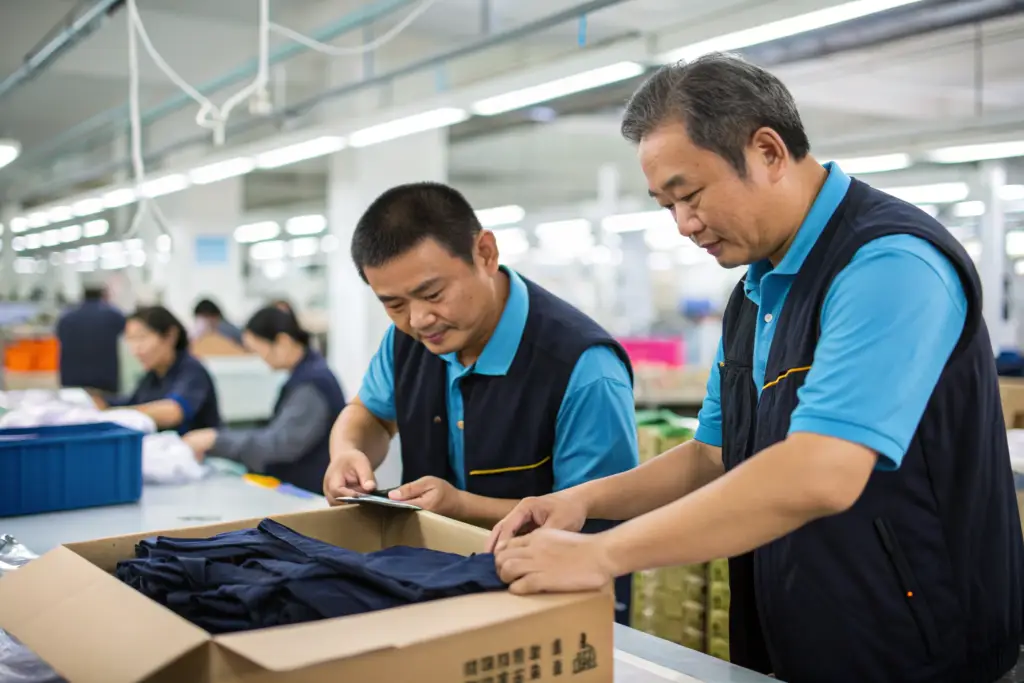
For small production runs (under 200 pieces), a top-of-production sample may not be cost-effective. The sample cost may be a large percentage of the order value. For the Seattle client, we recommended skipping the top sample. Instead, we provided in-line quality control. The first piece was checked on the line. For simple styles, a top sample may not be needed. The risk of variation is low. For complex styles, a top sample is recommended even for small runs. The risk of error is higher. Use your judgment. If the order is large, the top sample is essential. If the order is small, consider the cost versus the risk.
What Is the Cost of a Top Sample Relative to Order Size?
For a large order (5,000 pieces), a top sample costing $300 is 0.06% of the order value. It is a small investment. For a small order (200 pieces), a top sample costing $300 is 1.5% of the order value. It may not be justified. For a denim client, they ordered 10,000 pieces. The top sample cost $400. It was 0.04% of the order value. They approved it.
When Can You Skip the Top Sample?
You can skip the top sample when:
- Order size is very small (under 200 pieces)
- The style is simple and low risk
- The order is a repeat of a previous style
- The factory has a proven track record
For a sportswear client, they ordered 100 t-shirts. They skipped the top sample. The order was correct.
Conclusion
A top-of-production sample is the first piece off the production line. It confirms that the line is set up correctly. It catches issues before bulk production continues. It serves as the reference for the entire run. You need it for large orders, complex styles, and first-time production. For small orders or repeat styles, you may skip it. But for most orders, the top sample is a small investment that protects your order.
At Shanghai Fumao, we provide a top-of-production sample for every order. We compare it to the pre-production sample. We document approval. We keep it as a reference. We help our clients protect their orders.
Let us help you with your next production. Contact our Business Director, Elaine, directly at elaine@fumaoclothing.com. Ask about our top-of-production sample process. We will show you how we ensure quality from the first piece.