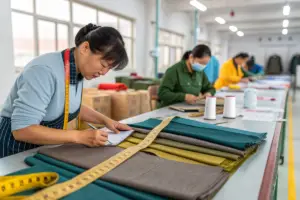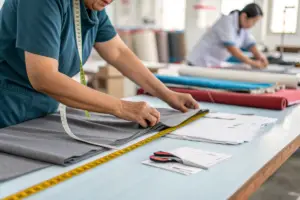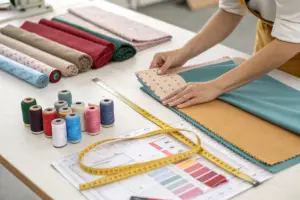
You have a design. You have a vision. You send it to a factory. What happens next determines everything. If the pattern is wrong, the sample is wrong. If the sample is wrong, the fit is wrong. If the fit is wrong, the bulk is wrong. If the bulk is wrong, your customers are unhappy. Your brand suffers. I have seen this chain reaction many times. The difference between success and failure is often the sample development team. A good team catches issues before they become problems. A poor team creates problems that compound.
Based on our experience producing millions of garments, the sample development team is the most important factor in your success. They translate your vision into a physical garment. They catch design flaws. They perfect the fit. They ensure the production process works. For example, last year we worked with a brand from Austin. They had a great design. But their previous factory's sample team could not execute it. The samples were wrong. The fit was poor. When they switched to us, our sample team took the same design. They refined the pattern. They perfected the fit. The bulk was flawless. The brand's sales doubled. That is the power of a great sample development team.
So, why is your sample development team key to your success? Let me break it down. I will explain the roles on the team. I will show you how each role contributes. I will discuss the skills you need. And I will give you a framework for evaluating a factory's sample team.
Who Is on a Sample Development Team?
A sample development team is not one person. I remember a client from New York. They thought one person could do everything. The samples were slow. The quality was poor.
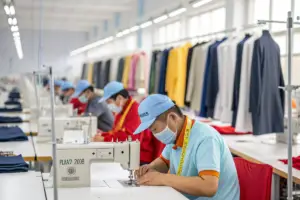
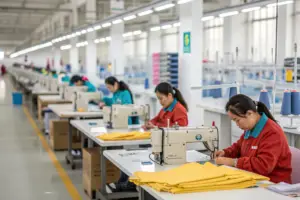
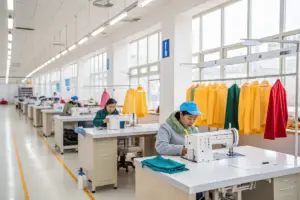
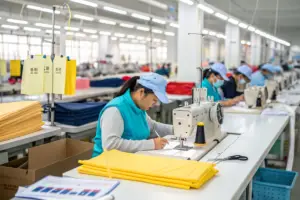
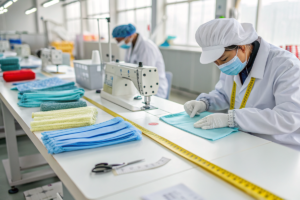
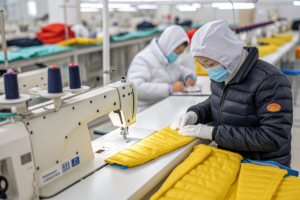
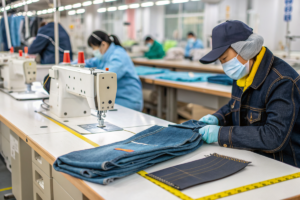
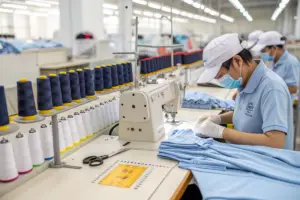
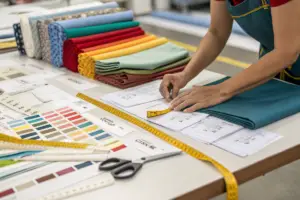
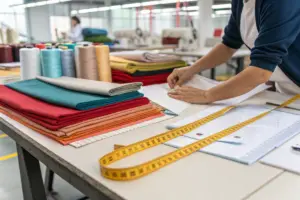
A sample development team typically includes a pattern maker, a sample sewer, a fit model, and a sample coordinator. The pattern maker creates the pattern. The sample sewer sews the sample. The fit model wears the sample. The coordinator manages the process. For the New York client, we introduced a full team. The pattern maker focused on patterns. The sample sewer focused on sewing. The fit model provided consistent feedback. The coordinator kept the timeline. For woven shirts, the pattern maker must understand collar construction. The sample sewer must be skilled in plackets and cuffs. For knits, the pattern maker must understand stretch. The sample sewer must know how to handle rib. For denim, the team includes a wash specialist. Each role requires specialized skills.
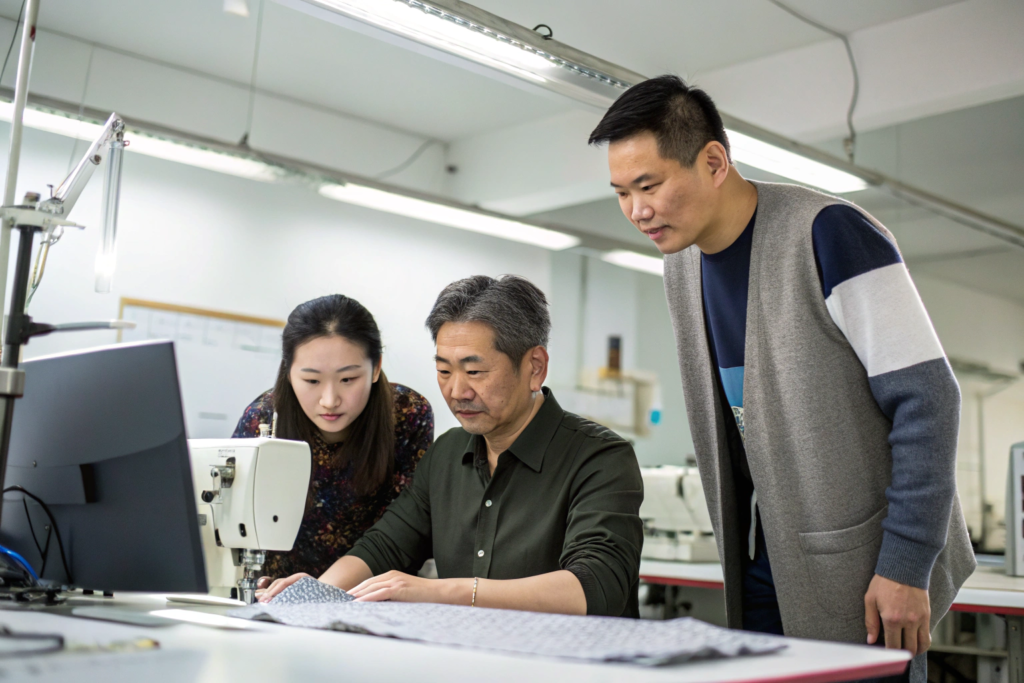
What Does a Pattern Maker Do?
A pattern maker:
- Creates the pattern from your tech pack
- Adds seam allowance and ease
- Grades the pattern for multiple sizes
- Adjusts the pattern based on fit feedback
- Ensures the pattern is production-ready
For a sportswear client, the pattern maker adjusted the pattern for stretch fabrics. The fit was perfect.
How Does the Sample Team Catch Issues Early?
Issues caught early are cheap to fix. I remember a client from Chicago. Their sample team did not catch a construction issue. The bulk order was made. The garments were defective. The client lost money.
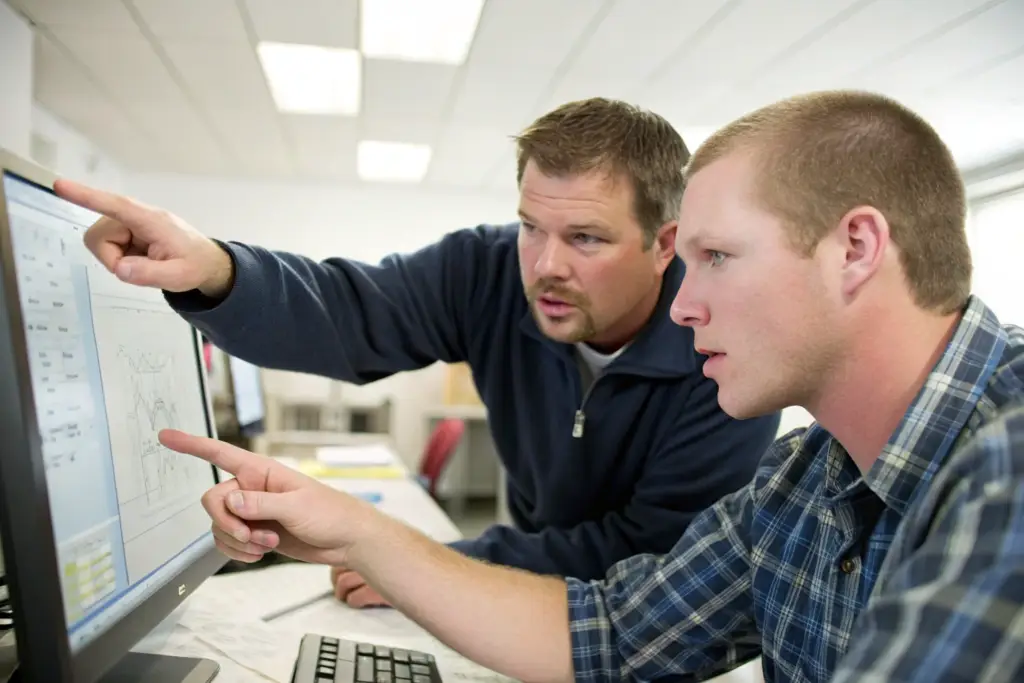
A good sample team catches issues before production. The pattern maker identifies potential construction problems. The sample sewer tests the construction. The fit model identifies fit issues. For the Chicago client, we now have a team review. The pattern maker and sample sewer review each pattern together. They identify issues before the sample is sewn. For woven shirts, they catch collar stand issues. For knits, they catch neckband stretch issues. For denim, they catch rivet placement issues. Catching issues early saves time and money.
What Issues Does the Sample Team Catch?
The sample team catches:
- Pattern errors (incorrect measurements, proportion issues)
- Construction problems (seams that are difficult to sew)
- Fabric issues (shrinkage, stretch, drape)
- Fit issues (binding, gaping, pulling)
- Production feasibility (can this be made in bulk?)
For a sportswear client, the sample team caught that the screen print was placed too close to the seam. They moved it. The bulk was correct.
How Does the Team Prevent Costly Mistakes?
Prevention happens through:
- Pattern review before cutting
- Sample review before production
- Fit testing on a live model
- Construction testing with production methods
For a denim client, the team caught that the back pocket placement was too low. They raised it before production. The jeans sold well.
How Does the Sample Team Ensure Production-Ready Patterns?
A pattern that is not production-ready will cause problems. I remember a client from Boston. Their sample team made beautiful samples. But the pattern was not graded for bulk production. The bulk had fit issues across sizes.
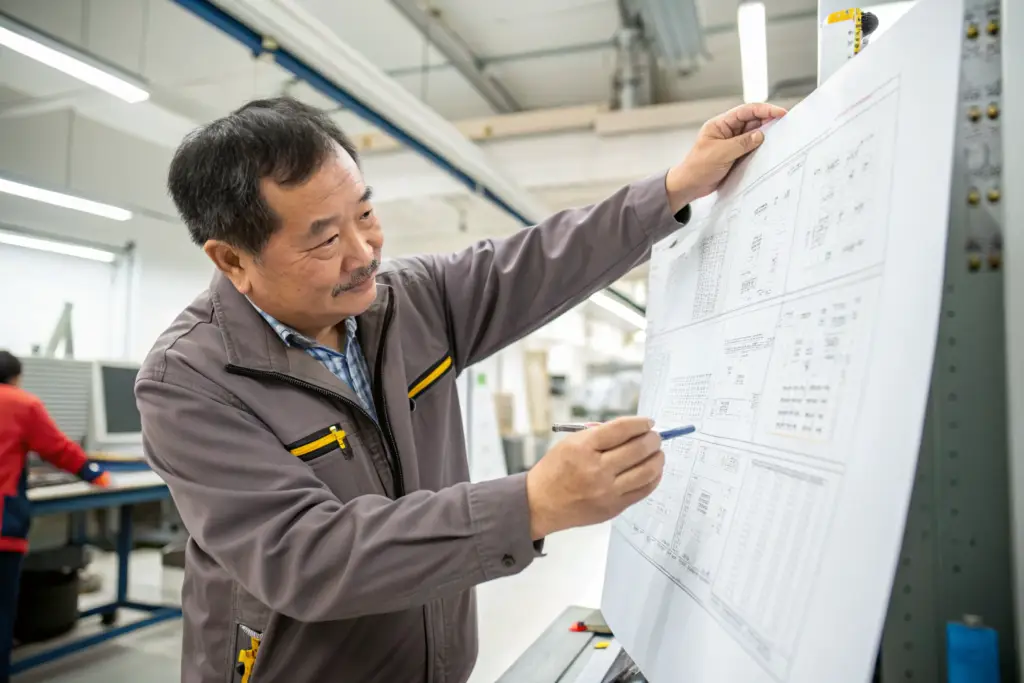
A good sample team ensures the pattern is production-ready. This means the pattern is graded correctly, the seam allowance is consistent, and the construction is efficient. For the Boston client, we now review the pattern for production readiness. For woven shirts, we check that the collar stand is graded correctly. For knits, we check that the neckband is sized for the body. For denim, we check that the rise is graded correctly across sizes. A production-ready pattern ensures that the bulk fits like the sample.
What Makes a Pattern Production-Ready?
A production-ready pattern has:
- Correct grading for all sizes
- Consistent seam allowance
- Notches for alignment
- Grain lines marked
- Size labels
- Construction notes
For a sportswear client, the pattern included notches for the side seam. The production line aligned the seams correctly.
How Does the Team Document the Pattern?
The team documents:
- Pattern pieces with size labels
- Spec sheet with measurements
- Construction notes
- Grade rules
For a denim client, the team documented the rise and thigh measurements for each size. The bulk production matched.
How Does the Sample Team Communicate with You?
Communication is critical. I remember a client from Seattle. Their sample team did not communicate. The client did not know when samples would be ready. The process was frustrating.
A good sample team communicates clearly and regularly. They provide updates on sample status. They share photos of in-progress samples. They answer questions quickly. For the Seattle client, we now have a sample coordinator. The coordinator updates the client every week. They share photos. They ask for feedback. For woven shirts, the coordinator shares photos of the collar and placket. For knits, they share photos of the neckband. For denim, they share photos of the wash. Good communication builds trust. The client knows what is happening. There are no surprises.

How Does the Team Handle Client Feedback?
The team:
- Listens to your feedback
- Asks clarifying questions
- Observes the garment on the fit model
- Identifies the root cause
- Writes clear, measurable instructions
- Makes the pattern adjustments
For a denim client, the client said "the jeans ride down." The team identified that the back rise was too short. They added 0.5 inches. The next sample was perfect.
How Does the Team Keep You Informed?
The team keeps you informed by:
- Providing a sample timeline
- Sending status updates
- Sharing photos
- Responding to emails within 24 hours
- Holding video calls for complex issues
For a sportswear client, the team sent weekly updates. The client knew when each sample would be ready.
Conclusion
Your sample development team is key to your success. They translate your vision into a physical garment. They catch issues early. They ensure patterns are production-ready. They communicate clearly. A good team saves time, money, and frustration. A poor team creates problems that compound.
At Shanghai Fumao, we have a dedicated sample development team. We have pattern makers with 20 years of experience. We have sample sewers who understand production methods. We have fit models with consistent measurements. We have sample coordinators who keep you informed. We work together to make your vision a reality.
Let us introduce you to our sample team. Contact our Business Director, Elaine, directly at elaine@fumaoclothing.com. Ask about our sample development process. We will show you how our team ensures your success.