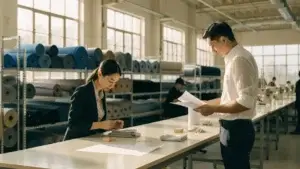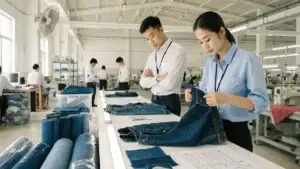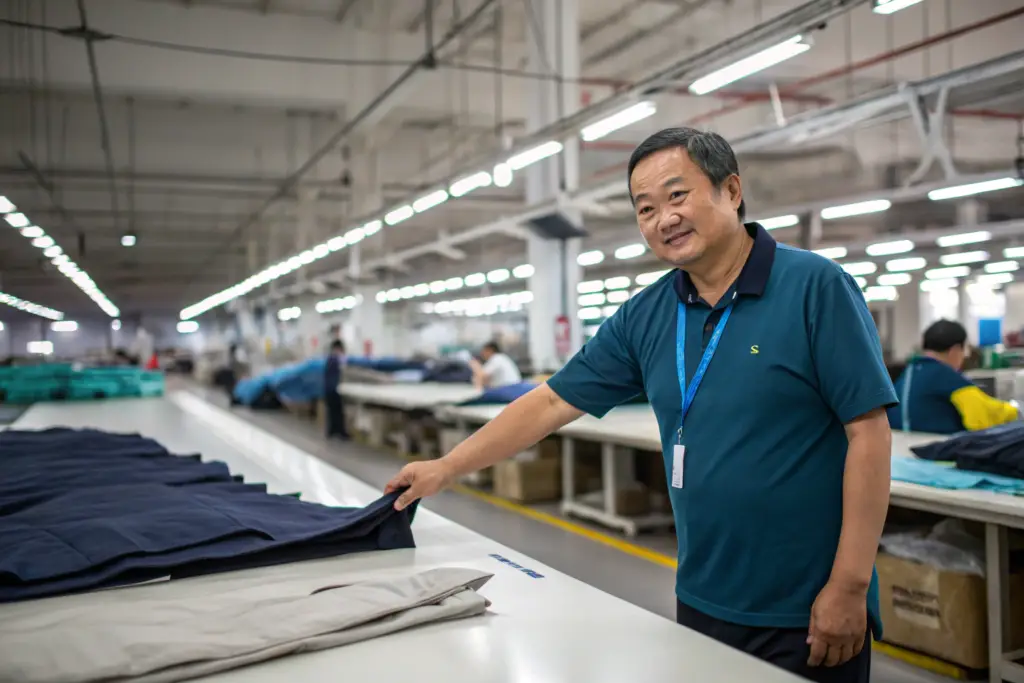
You have a sample. It is beautiful. The stitching is perfect. The fit is excellent. You approve it. You wait for the bulk order. It arrives. The stitching is uneven. The fit is inconsistent. The colors are off. You wonder what happened. The sample was perfect. Why is the bulk different? I have seen this happen many times. The problem is not the factory. It is that the sample did not reflect the production reality. A good sample should be a preview of the bulk. If the sample is made differently, the bulk will be different.
Based on our experience producing millions of garments, sample quality is the best predictor of final product quality. When samples are made with production methods, production fabrics, and production trims, the bulk will match. When samples are made with shortcuts, the bulk will fail. For example, last year we worked with a brand from London. Their previous factory made beautiful samples in the sample room. But the bulk was poor. When they switched to us, we made samples on the production line with production operators. The samples looked like the bulk. The bulk looked like the samples. That is how sample quality reflects final product quality.
So, how does sample quality reflect final product quality? Let me break it down. I will explain the factors that make a sample a true reflection. I will show you the warning signs of samples that do not reflect bulk. And I will give you a framework for ensuring your samples are a true preview.
How Do Production Methods Affect Sample Quality?
Samples can be made in different ways. I remember a client from New York. Their factory made samples in a separate sample room. The sample room used different machines and different operators. The samples were beautiful. The bulk was not.
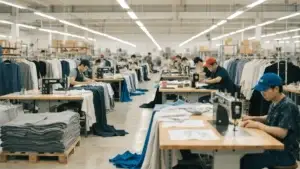
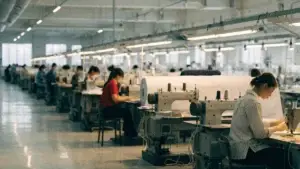
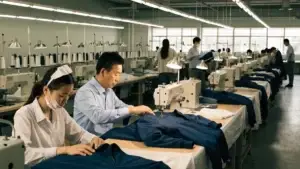
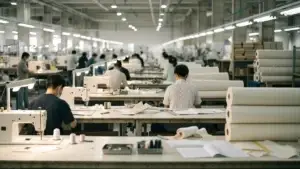
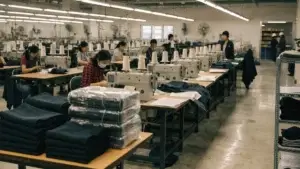
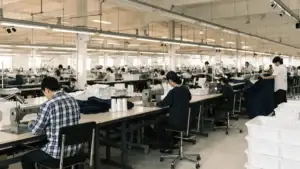
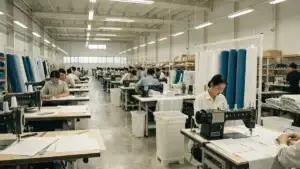
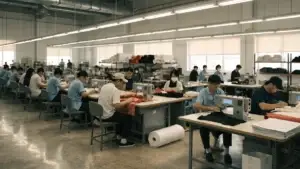
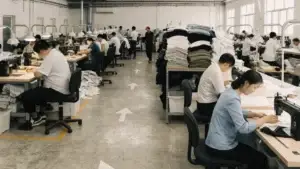
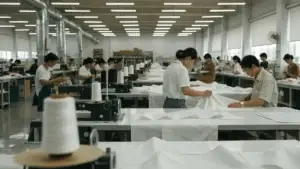
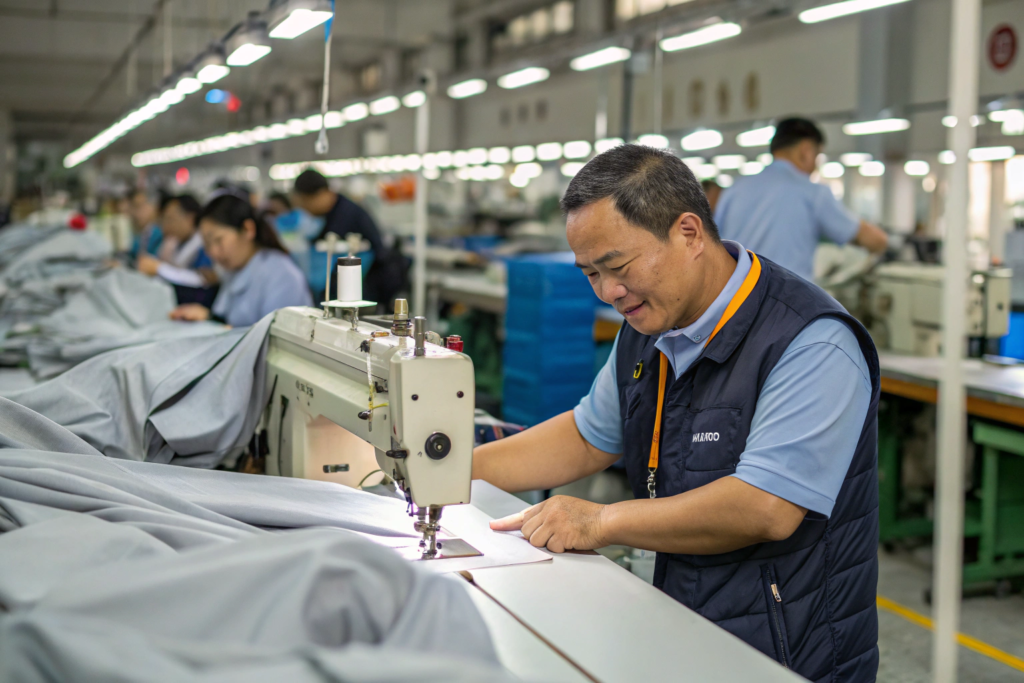
When samples are made with production methods, they reflect bulk quality. Production methods include production machines, production operators, and production workstations. For the New York client, we now make all samples on the production line. The same operators who sew bulk sew the samples. The same machines are used. For woven shirts, the sample is sewn on the same machine that will sew 10,000 shirts. For knits, the sample is sewn by the same operator who will sew the bulk order. For denim, the sample is washed in the same batch as bulk. When the sample is made with production methods, the bulk will match. If the sample is made by a specialist in a separate room, the bulk will be different.
What Is the Difference Between Sample Room and Production Line?
The sample room uses:
- Specialist sample makers (highly skilled, slow)
- Sample machines (often newer, well-maintained)
- Ideal conditions
The production line uses:
- Production operators (skilled but faster pace)
- Production machines (used for thousands of units)
- Realistic conditions
For a sportswear client, the sample room sample was perfect. The production line sample had slight tension variations. The client approved the production line sample. The bulk matched.
How Do You Ensure Samples Are Made with Production Methods?
Ask the factory:
- "Will the sample be made on the production line?"
- "Will the sample be sewn by production operators?"
- "Will the sample use the same machines as bulk?"
- "Can I see a production line sample before bulk?"
For a denim client, they requested a production line sample. The factory made it. The client approved it. The bulk matched.
How Do Production Fabrics Affect Sample Quality?
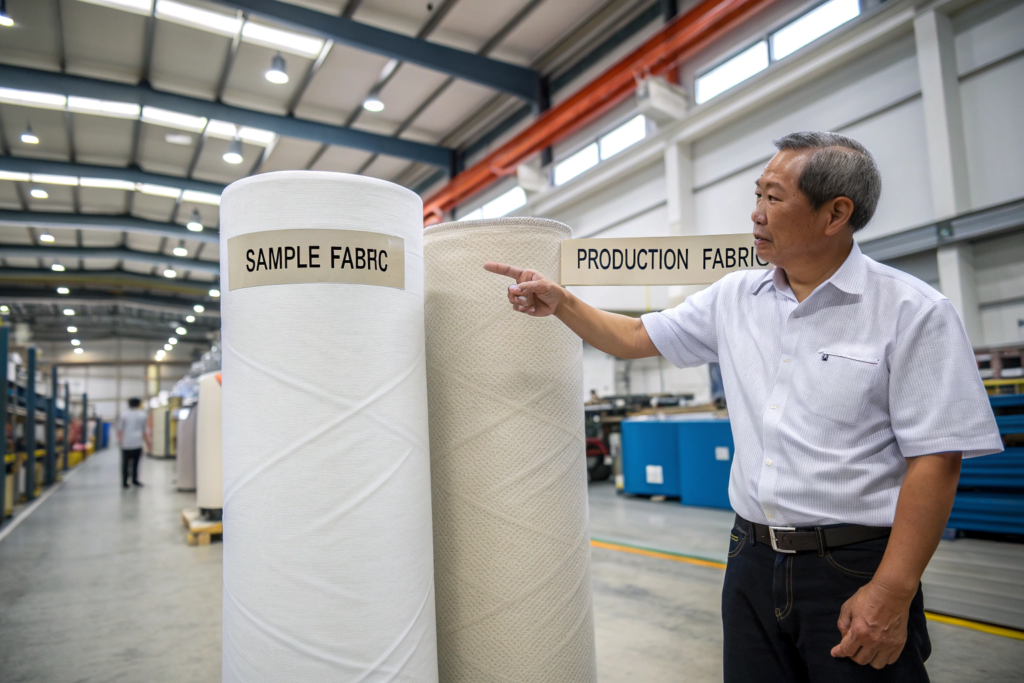
Samples can use different fabric. I remember a client from Chicago. They approved a sample made with sample fabric. The production fabric was different. The color was off. The weight was different. The fit changed.
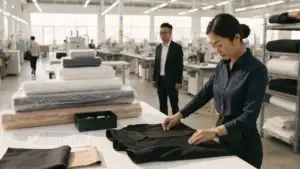
When samples use production fabric, they reflect bulk quality. Production fabric is the actual fabric that will be used for the bulk order. For the Chicago client, we now require that all samples use production fabric. For woven shirts, the sample fabric should come from the same lot as bulk. For knits, the sample fabric should have the same stretch and weight. For denim, the sample should be washed in the same batch as bulk. When the sample uses production fabric, the color, weight, and hand feel will match the bulk. If the sample uses different fabric, the bulk will be different.
What Is the Difference Between Sample Fabric and Production Fabric?
Sample fabric may be:
- From a sample roll (not the same lot as bulk)
- A substitute fabric (if production fabric is not ready)
- A different weight or composition
Production fabric is:
- The actual fabric for the bulk order
- From the same lot
- Tested for quality
For a sportswear client, the sample fabric had 5% stretch. The production fabric had 8% stretch. The fit was different. They now use production fabric for samples.
How Do You Ensure Samples Use Production Fabric?
Ask the factory:
- "Will the sample use production fabric?"
- "Can I see the production fabric before sampling?"
- "Will the fabric lot be the same for sample and bulk?"
For a denim client, they requested that the sample be cut from the production fabric roll. The factory complied. The sample matched the bulk.
How Do Production Trims Affect Sample Quality?
Trims can also vary. I remember a client from Boston. They approved a sample with a metal zipper. The production used a plastic zipper. The sample and bulk were different.
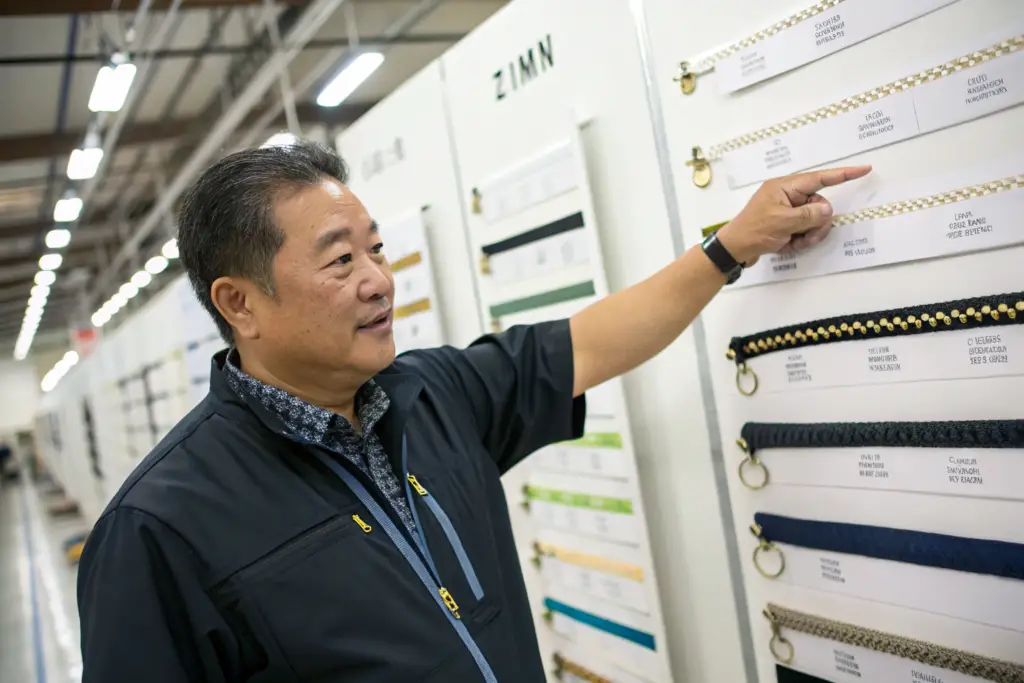
When samples use production trims, they reflect bulk quality. Production trims are the actual zippers, buttons, labels, and thread that will be used in bulk. For the Boston client, we now require that all samples use production trims. For woven shirts, the sample buttons should be the same as bulk. For knits, the sample thread should match. For denim, the sample rivets should be the same. When the sample uses production trims, the look and function will match the bulk. If the sample uses different trims, the bulk will be different.
What Trims Should Match Between Sample and Bulk?
Trims that must match:
- Zippers (type, color, length, puller)
- Buttons (type, size, color, shank)
- Labels (size, content, care, brand)
- Thread (color, weight, type)
- Elastic (width, tension)
- Rivets and snaps (type, finish)
For a sportswear client, the sample used a matte zipper. The production used a shiny zipper. The client rejected the bulk. Now they require trim matching.
How Do You Ensure Samples Use Production Trims?
Ask the factory:
- "Will the sample use production trims?"
- "Can I see the trim card before sampling?"
- "Will the trims be the same for sample and bulk?"
For a denim client, they requested a trim card. The factory provided it. The sample used the same rivets. The bulk matched.
How Do You Verify That Samples Reflect Bulk Quality?
Verification is essential. I remember a client from Seattle. They approved a sample. They did not verify that the bulk matched. The bulk was different.
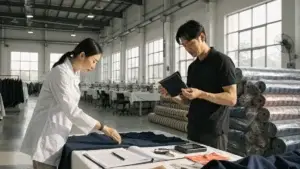
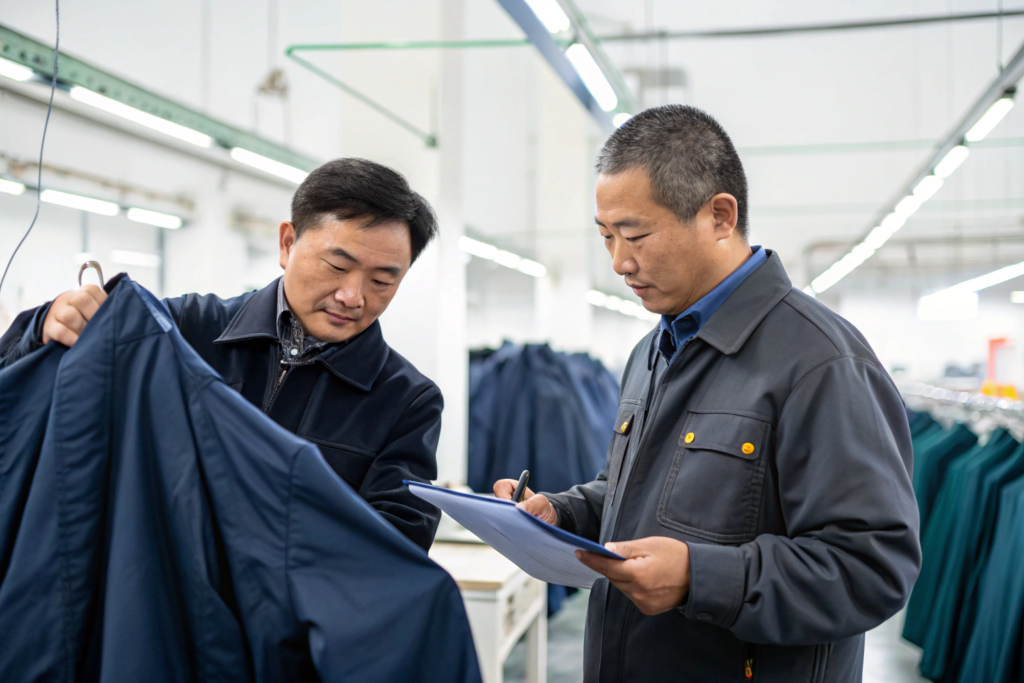
To verify that samples reflect bulk quality, request a bulk production sample. This is the first piece off the production line. Compare it to the approved sample. For the Seattle client, we now provide a bulk production sample for every order. The client compares it to the pre-production sample. For woven shirts, they check the collar, placket, and cuffs. For knits, they check the neckband and hem. For denim, they check the wash and rivets. If the bulk production sample matches, the bulk will match. If it does not, stop production and correct.
What Is a Bulk Production Sample?
A bulk production sample is:
- The first piece off the production line
- Made with production fabric, trims, and methods
- The best predictor of bulk quality
For a sportswear client, the bulk production sample was approved. The bulk matched.
How Do You Use a Reference Sample?
Keep the approved sample as a reference. When bulk arrives, compare it to the reference. Check:
- Color
- Measurements
- Construction
- Trims
- Fit
For a denim client, they keep a reference sample in their office. Every shipment is compared to it. There are no disputes.
Conclusion
Sample quality reflects final product quality when samples are made with production methods, production fabrics, and production trims. A sample made in a sample room with sample fabric will not reflect bulk. A sample made on the production line with production fabric will reflect bulk. To ensure your samples are a true preview, ask your factory: Are samples made on the production line? Do they use production fabric? Do they use production trims? And request a bulk production sample to verify.
At Shanghai Fumao, we make all samples on the production line. We use production fabric and production trims. We provide a bulk production sample for verification. We keep reference samples. We want our clients to know that what they see in the sample is what they will get in bulk.
Let us help you ensure sample quality reflects final product quality. Contact our Business Director, Elaine, directly at elaine@fumaoclothing.com. Ask about our sample process. We will show you how we make samples that reflect bulk.