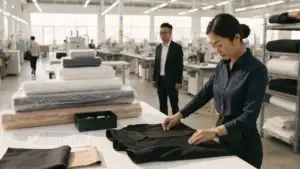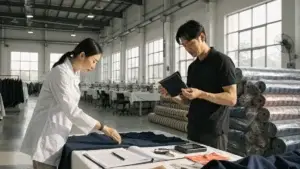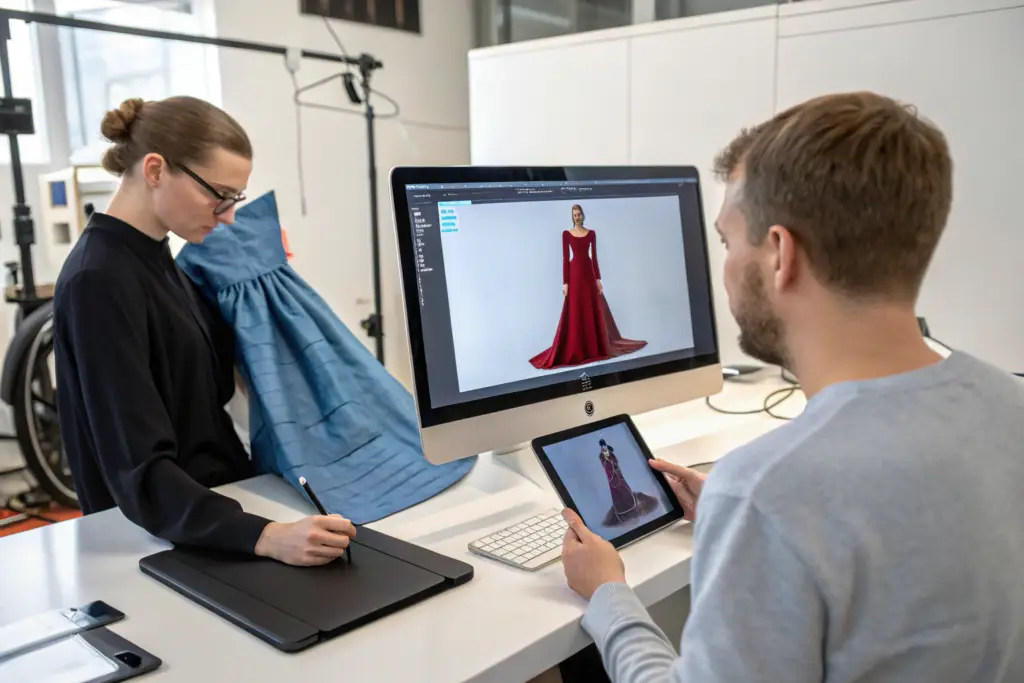
You have a new collection. You need samples. You wait weeks for the first prototype. It arrives. The collar is wrong. The fit is off. The fabric is not what you expected. You send feedback. You wait again. This cycle repeats. Each round costs time and money. Your launch date slips. You wonder if there is a better way. There is. It is happening now. Brands are replacing physical samples with digital ones. They are approving styles before any fabric is cut.
3D garment rendering is the future of apparel sample approvals because it compresses the development timeline from months to weeks, eliminates the cost and waste of multiple physical samples, and allows for instant collaboration between designers, brands, and factories regardless of location. With photorealistic 3D renders, you can see how a garment will look, drape, and fit on a virtual model before you commit to cutting a single piece of fabric. It transforms sampling from a slow, expensive, physical process into a fast, affordable, digital conversation.
I have run a clothing factory for over a decade. I have shipped thousands of physical samples across the world. I have seen the waste. I have seen the delays. Two years ago, we invested heavily in 3D rendering technology. The change has been dramatic. Our clients approve styles faster. They make fewer mistakes. They launch collections sooner. The physical sample is no longer the first step. It is often the last step, used only for final confirmation. This is the new way of working.
How Does 3D Rendering Compress the Apparel Development Timeline?
Time is the most valuable resource in fashion. The traditional sampling process consumes huge amounts of it. Each physical sample round takes weeks. 3D rendering compresses that time into days or even hours. This speed allows brands to develop collections closer to the season, reducing risk and improving sell-through.
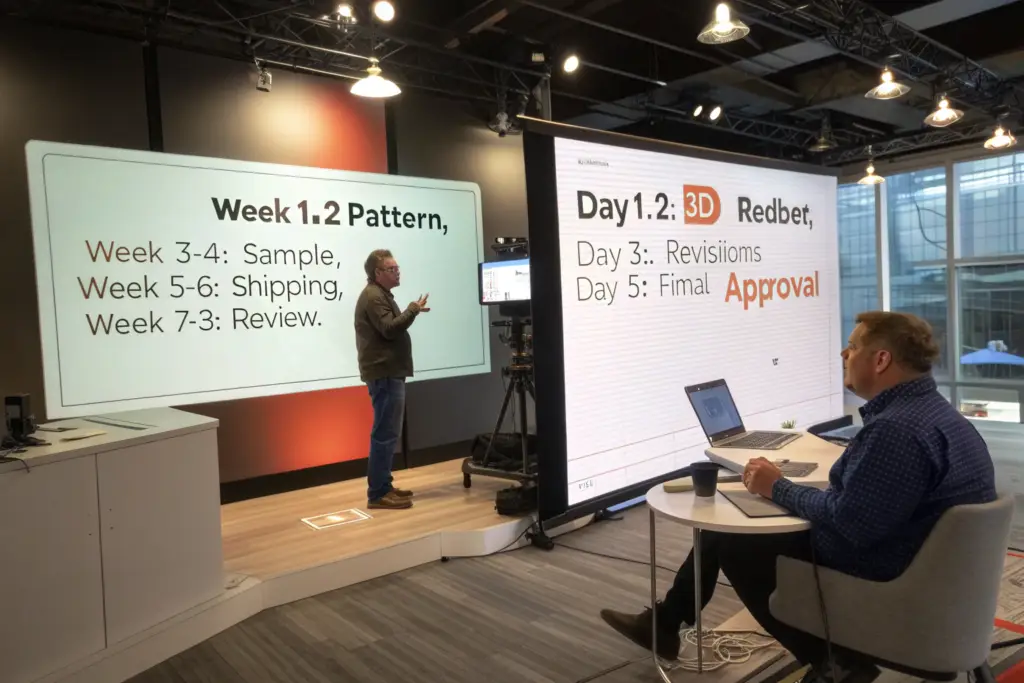
What is the traditional sampling timeline versus the 3D rendering timeline?
The traditional sampling process follows a slow, sequential path. You create a tech pack. You send it to the factory. The factory makes a pattern. They cut fabric. They sew a sample. They ship it to you. You receive it. You review it. You send feedback. The cycle repeats. Each round takes 2 to 4 weeks depending on shipping. Three rounds can take 3 months.
The 3D rendering process is different. You create a tech pack. You send it to the factory. The factory creates a 3D model. This takes 2 to 5 days. They send you a link. You open it on your computer. You see the garment on a virtual model. You can rotate it. You can zoom in. You can see the fabric drape. You send feedback. The factory updates the 3D model. This takes hours or days. You approve. The physical sample is made only after digital approval. Total time is 2 to 4 weeks for the entire development process.
A client in New York used to budget 16 weeks for sampling on a new collection. That was three physical sample rounds plus shipping. With 3D rendering, they now budget 6 weeks. They have cut 10 weeks from their development timeline. They can now launch collections closer to the season. They are more responsive to trends. Their sell-through has improved by 25% because they are making better decisions with more current information.
The time savings come from eliminating shipping. A physical sample from China to the US takes 3 to 5 days by courier. That is 3 to 5 days each way. Over three rounds, that is 3 to 4 weeks of just shipping time. With 3D rendering, shipping time is zero. The file transfers instantly. You review the same day.
How does real-time collaboration speed up decision making?
Traditional sampling creates long feedback loops. You see a sample. You write an email. You send it. The factory reads it. They interpret it. They make changes. They send a new sample. Each loop takes weeks. 3D rendering creates short feedback loops. You see the render. You comment directly on the 3D model. You can draw on the screen. You can call out exact measurements. The factory sees your comments instantly. They make changes. You see the updated render the next day.
We had a client in Los Angeles who was developing a technical jacket. The fit was complex. With physical samples, each round took 3 weeks. After three rounds, they were still not happy. With 3D rendering, we did the first render in 3 days. They marked changes on the screen. We updated. They approved after 4 rounds of digital changes. Total time was 2 weeks. They then made one physical sample for final confirmation. The physical sample was approved on the first try. The entire development took 4 weeks instead of 12.
This speed changes how brands work. They can try more variations. They can test more ideas. They can fail fast and cheap. A digital change costs nothing. A physical sample change costs time and money. This freedom leads to better products.
How Does 3D Rendering Reduce Cost and Waste in Sampling?
Physical samples are expensive. They use fabric, trims, labor, and shipping. Most of them are never sold. They become waste. For a brand doing multiple rounds on multiple styles, the cost adds up. The waste adds up. 3D rendering eliminates most of this cost and waste.
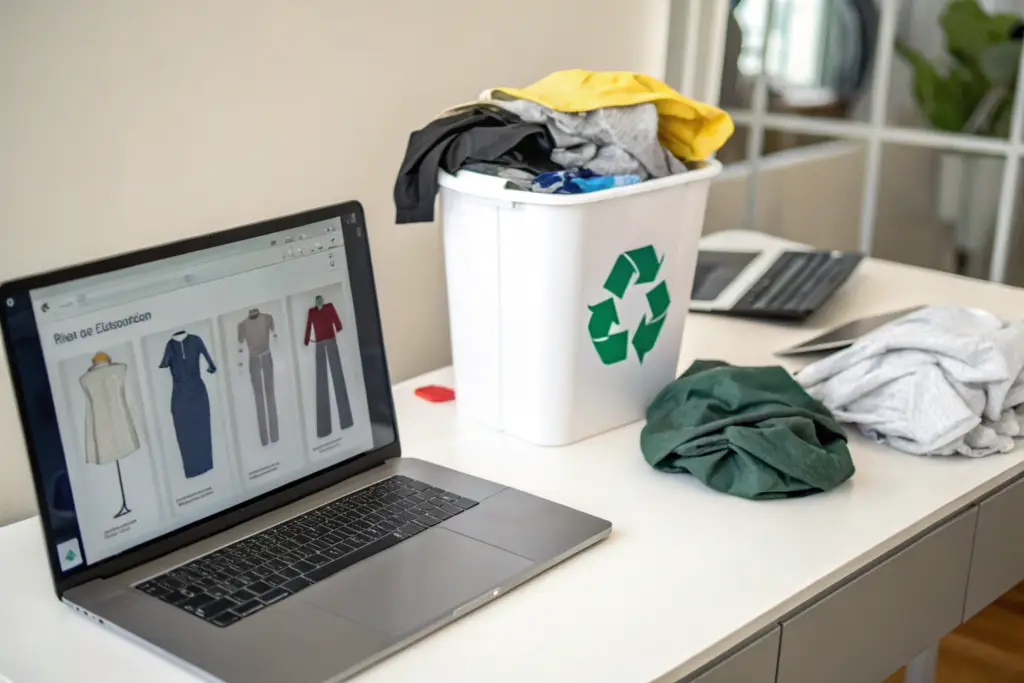
The visible cost of a physical sample is the sample fee. But there are hidden costs. Fabric is used for samples. That fabric could have been used for production. Trims are used. Some trims are wasted. Labor is used. Sample makers are skilled workers. Their time is valuable. Shipping costs add up. Courier fees for multiple rounds can be thousands of dollars.
There is also the cost of delay. A delayed sample pushes back production. Production delays push back launch. A missed launch means missed sales. This cost is often larger than the direct sample cost. A brand missing a holiday season because of sample delays can lose 30% of their annual revenue.
We calculated the sample cost for one of our clients. They produced 25 styles per season. They did three physical sample rounds per style on average. That was 75 physical samples. Each sample cost approximately $80 in materials and labor. That was $6,000. Shipping for 75 samples was another $3,000. Total direct cost was $9,000 per season. That did not include the cost of delayed launches or the environmental cost of waste.
With 3D rendering, they now do one physical sample per style. That is 25 samples. Cost is $2,000. Shipping is $1,000. They save $6,000 per season. Over five years, that is $30,000. That money goes to their bottom line. The waste reduction is even more significant. 50 fewer physical samples per season. 50 less of fabric, trims, and packaging going to waste.
How does digital sampling support sustainability goals?
Sustainability is no longer optional. Consumers demand it. Brands are committing to reducing waste. 3D rendering directly supports these goals. It reduces fabric waste. It reduces shipping emissions. It reduces the carbon footprint of product development.
A client in Portland built their brand around sustainability. They were using 3D rendering before they came to us. They saw it as essential to their mission. They told us that their customers appreciated the effort. They used the 3D renders in their marketing. They showed their development process. It became part of their story.
The reduction in waste is not just environmental. It is also financial. Fabric waste is money waste. Trims waste is money waste. Shipping waste is money waste. By reducing waste, you improve your margin. Sustainability and profitability go together.
How Does 3D Rendering Improve Fit and Design Accuracy?
Recraft指令--A realistic photograph of a 3D render of a denim jean on a virtual model, showing a detailed close-up of the fit around the waist and hips. On the screen, there are measurement lines and tension maps showing areas of stress. A technical designer is pointing to a specific area on the screen, explaining the fit to a colleague. The lighting is technical and precise.
Fit is the most important quality of a garment. Poor fit leads to returns. Returns hurt margin. They damage brand reputation. Traditional sampling relies on physical fit models. This is effective but slow. 3D rendering adds a new layer: virtual fit analysis. You can see fit issues before you make the first physical sample.
How does virtual fit analysis catch problems before production?
Virtual fit analysis uses software to simulate how a garment will fit on a body. The software creates a 3D avatar. You can adjust the avatar's measurements to match your target customer. The software then simulates the garment on the avatar. It shows where the garment is tight. It shows where it is loose. It shows where it wrinkles.
This analysis catches problems that are hard to see on a physical sample. A physical sample on a fit model is subjective. Two people may see different things. The virtual analysis is objective. It shows tension maps. It shows pressure points. It shows exactly where the pattern needs adjustment.
We had a client in Chicago developing a fitted blazer. The fit was critical. We did the first physical sample. It looked okay on the fit model. But we also ran a virtual fit analysis. The analysis showed tension at the back shoulder. It was not visible to the eye. We adjusted the pattern. The second physical sample was perfect. We caught a problem that would have taken two more sample rounds to fix. The virtual analysis saved us time and money.
Virtual fit also allows you to test on multiple body types. You can create avatars for different sizes. You can see how the garment fits across your size range. This ensures consistent fit across all sizes. It reduces returns from customers who find that the fit varies between sizes.
What is the role of 3D rendering in communicating design details?
Design details are often lost in translation between the brand and the factory. A written description of a seam is not the same as seeing it. A photo of a reference garment is not the same as a specification. A 3D render shows exactly what you want. There is no ambiguity.
The 3D render shows the stitch type. It shows the seam placement. It shows the pocket shape. It shows the collar roll. It shows the button placement. Every detail is visible. The factory can see exactly what you want. They do not have to interpret. They do not have to guess.
A client in Miami was developing a shirt with a complex placket detail. They sent a tech pack. We made a physical sample. The placket was wrong. They sent a photo of what they wanted. We made another sample. Still wrong. We switched to 3D. They showed us the detail in the render. We could see exactly what they wanted. We made one more physical sample. It was right. The 3D render eliminated the language barrier. It showed us what words could not.
The 3D render also serves as a permanent record. You can save the file. You can refer to it during production. You can compare the finished garment to the render. If something is wrong, you have proof of what was approved.
How to Integrate 3D Rendering into Your Existing Workflow?
3D rendering is not a replacement for everything. It is a tool. It works alongside physical sampling. The key is to integrate it into your workflow effectively. You need the right technology. You need the right skills. You need the right partnership with your factory.
What technology and skills do I need to get started?
You do not need to become a 3D expert yourself. Your factory can do the rendering. But you need the ability to view and comment on renders. This requires basic software. Most factories use software like CLO 3D or Browzwear. You can view renders in a web browser. You do not need to install complex software.
You do need to learn how to review a 3D render. It is different from reviewing a physical sample. You need to understand how to rotate the view. You need to understand how to zoom in on details. You need to understand how to use measurement tools. Most factories will train you. It takes a few hours to learn. It is not difficult.
The more advanced skill is creating your own renders. Some brands do this. They create renders in-house. They send them to the factory as the specification. This gives them more control. It also speeds up the process. But it requires investment in software and training. Many brands start with the factory doing the renders. They move to in-house rendering as they scale.
We have helped many clients transition to 3D. We provide training. We show them how to view renders. We show them how to give feedback. We make the process simple. The investment in learning is small compared to the time and cost savings.
How do I maintain quality control with digital sampling?
Quality control does not stop with digital sampling. The physical sample still has a role. The typical workflow now is: 3D render for design and fit approval, then one physical sample for construction and material approval. The physical sample confirms that the fabric behaves as expected. It confirms that the construction is sound. It confirms the final quality.
You should still have a quality control plan. The physical sample should be inspected against the 3D render. The measurements should match. The construction details should match. The fabric should match the digital representation. This final check ensures that what was approved digitally is what is produced physically.
We use this workflow with all our clients now. We do 3D renders for initial approval. We make one physical sample for final confirmation. The physical sample is almost always approved on the first try. The quality is higher because we have already resolved all issues digitally. The final product matches the approved render exactly.
Conclusion
3D garment rendering is not a futuristic concept. It is here now. It is transforming how apparel is developed. It compresses timelines from months to weeks. It reduces the cost and waste of physical sampling. It improves fit and design accuracy. It enables real-time collaboration across continents. It is a better way to work.
The brands that adopt 3D rendering gain a competitive advantage. They launch faster. They waste less. They make better products. They respond to trends more quickly. Their customers get better fitting garments. Their margins improve. The technology pays for itself quickly.
At Shanghai Fumao, we have fully integrated 3D rendering into our development process. We have invested in the software and the training. Our team can create photorealistic renders in days. We work with our clients to review and approve designs digitally. We then produce physical samples only for final confirmation. This process has transformed how we work with our clients. They love the speed. They love the accuracy. They love the reduced waste.
If you are ready to move your sampling process into the future, we can help. Our Business Director, Elaine, can show you how we use 3D rendering. She can walk you through a sample project digitally. You will see the process in action. You will understand the benefits. You can reach her at elaine@fumaoclothing.com. Let us develop your next collection faster, cheaper, and better.