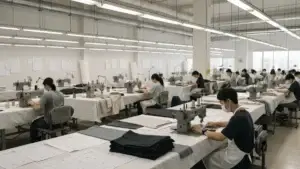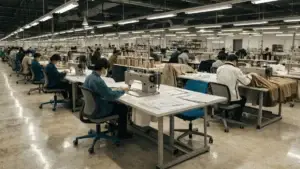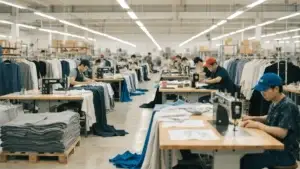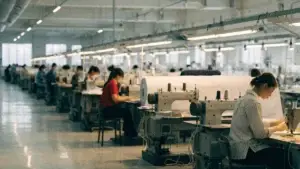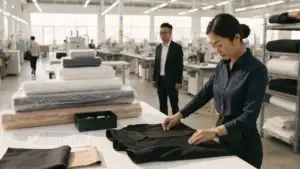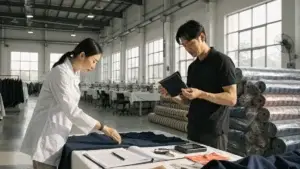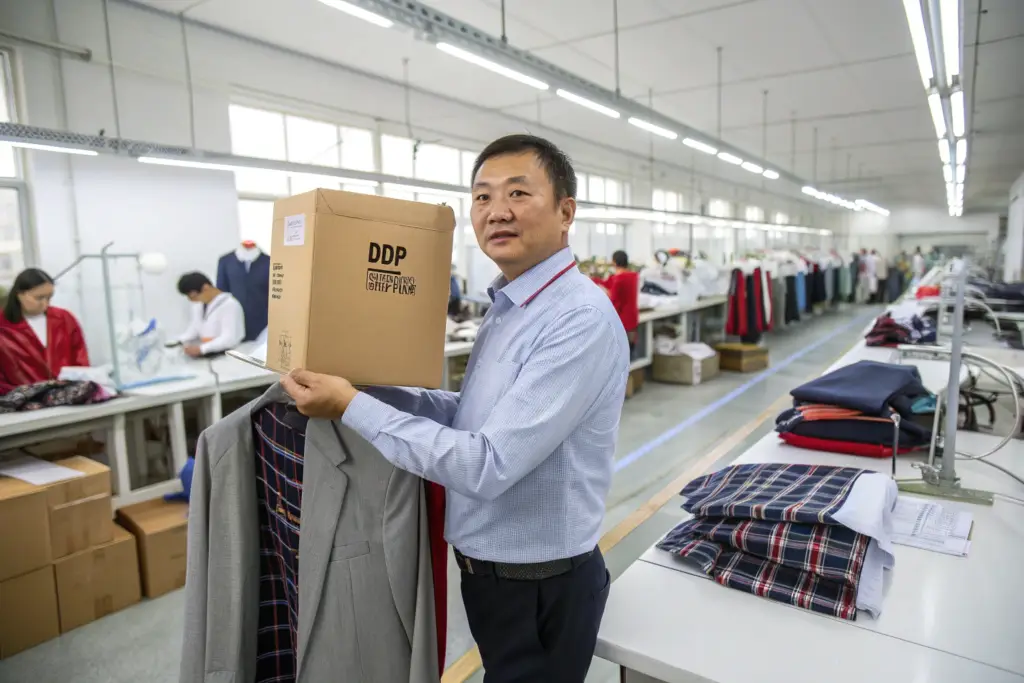
You need samples from China. You have a design. You find a factory. You send an inquiry. Then you wait. And wait. Weeks pass. The samples finally arrive. They are wrong. You send feedback. You wait again. Your launch date slips. I have seen this happen many times. The problem is not that China is far away. The problem is an inefficient sample sourcing process. But it does not have to be this way.
Based on our experience producing thousands of samples for international buyers, sourcing clothing samples from China efficiently requires clear communication, detailed tech packs, fast sampling services, and reliable logistics. For example, last year we worked with a brand from London. Their previous supplier took 8 weeks for samples. When they switched to us, we implemented a streamlined process. The client sent a complete tech pack. We made a proto sample in 7 days. The client approved it with clear fit notes. We made a revised sample in 5 days. The entire sample process took 3 weeks. That is efficient sample sourcing.
So, how do you source clothing samples from China efficiently? Let me break it down. I will explain how to prepare your tech pack. I will show you how to choose the right factory. I will discuss sample timelines. And I will give you a framework for logistics and communication.
How Does a Complete Tech Pack Speed Up Sampling?
An incomplete tech pack is the biggest cause of slow samples. I remember a client from New York. They sent a sketch and a few measurements. The factory had to guess. The first sample was wrong. The second sample was also wrong. Three rounds later, they had a usable sample.
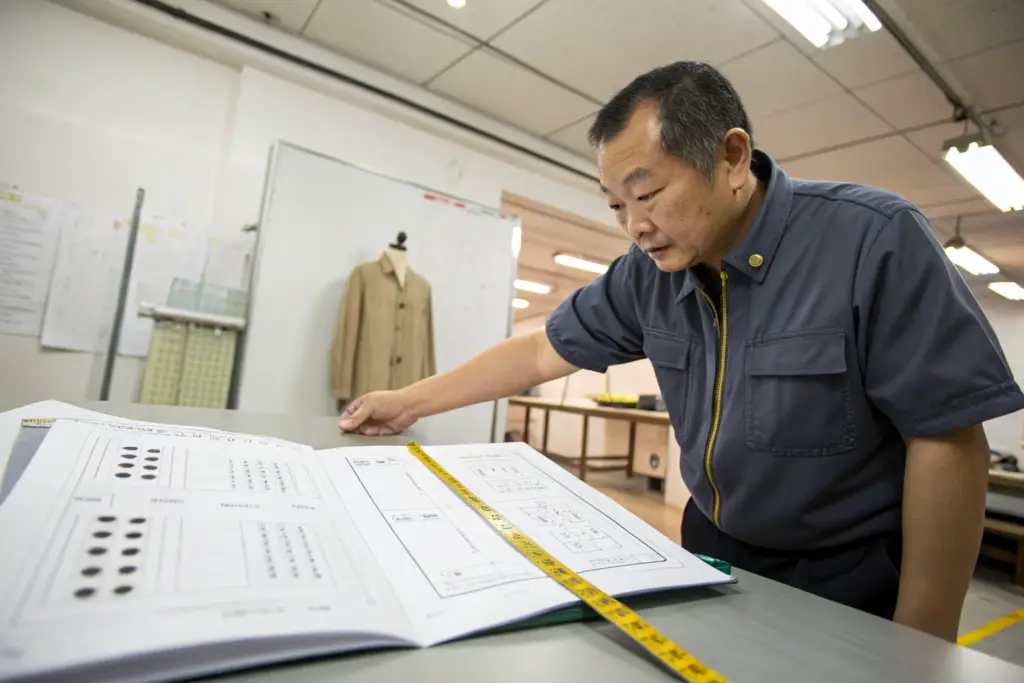
A complete tech pack includes flat sketches, a measurement spec sheet, fabric description, trim list, and construction details. It leaves no room for interpretation. For the New York client, we created a tech pack template. The client filled in all the details. The first sample was 80% correct. For woven shirts, the tech pack must include collar type, placket width, and button size. For knits, it must include rib type and neckband width. For denim, it must include wash specifications and hardware details. A complete tech pack reduces sample rounds from 5 to 2.
What Is the Minimum Information Needed for a Sample?
At a minimum, you need:
- Flat sketch (front and back)
- Key measurements (chest, length, sleeve for tops; waist, hip, inseam for bottoms)
- Fabric type (e.g., cotton jersey, 200 GSM)
- Any special construction details
For a sportswear client, the minimum also included stretch percentage. Without it, the first sample was too tight.
How Do You Use Reference Images to Supplement the Tech Pack?
Reference images show what the tech pack cannot. Send images of:
- The desired silhouette
- Specific details (collar, cuffs, pockets)
- The fabric texture
- A similar garment (if available)
For a denim client, they sent reference images of the wash they wanted. The sample matched the reference.
How Do You Choose the Right Factory for Samples?
Not all factories are good at samples. I remember a client from Chicago. They chose a factory based on low bulk prices. The factory was slow at sampling. Samples took 8 weeks. The client missed their launch.
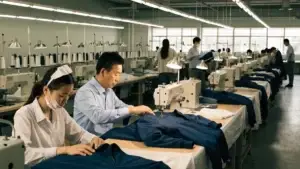
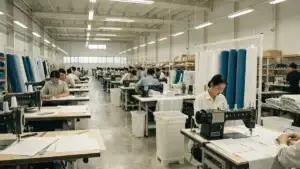
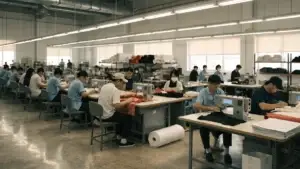
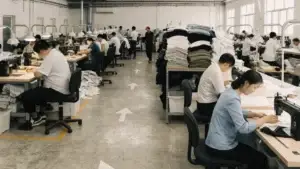
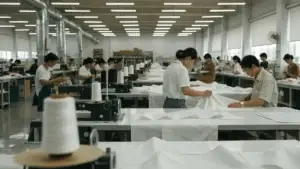
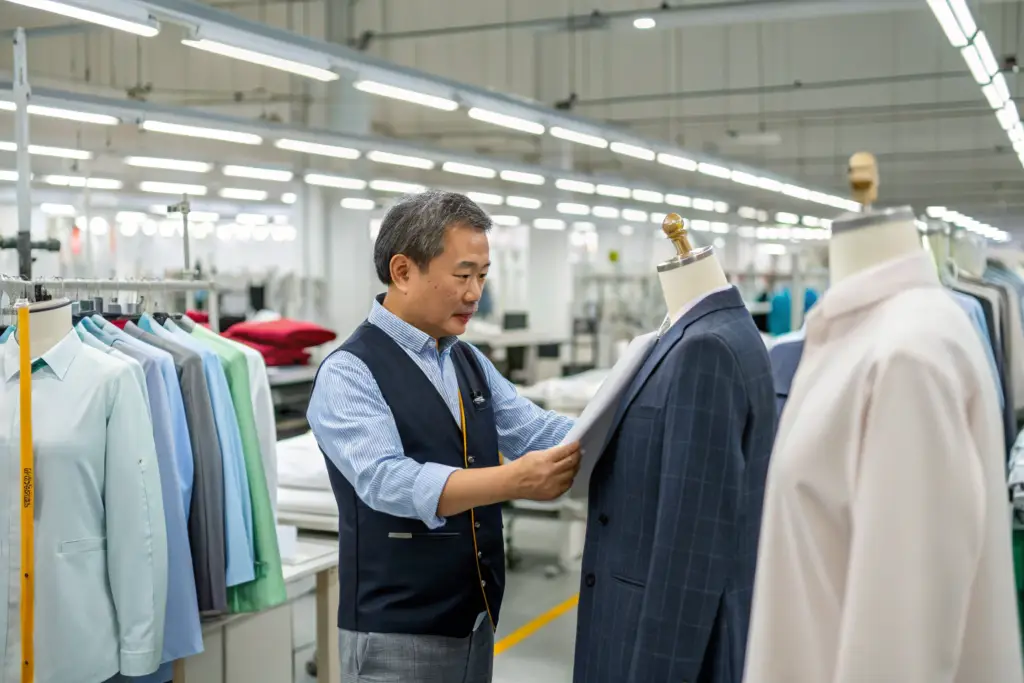
Choose a factory with a dedicated sample room. Ask about sample lead times. Ask about sample capacity. For the Chicago client, we had a dedicated sample team. Sample lead time was 7 to 10 days. For fast fashion brands, choose a factory that offers 5 to 7 day sampling. For emerging brands, 10 to 14 day sampling is acceptable. For premium brands, 2 to 3 week sampling allows for more complex development. Ask the factory: How many samples do you make per week? Do you have dedicated sample makers? What is your sample approval process?
What Questions Should You Ask a Factory About Sampling?
Ask:
- What is your sample lead time?
- Do you have a dedicated sample room?
- How many sample makers do you have?
- What is your sample approval process?
- Do you offer DDP shipping for samples?
- Can you work with our tech pack format?
For a sportswear client, they also asked about stretch fabric sampling. The factory had experience. The samples were accurate.
How Do You Evaluate a Factory's Sample Quality?
Request a sample of a similar style. Evaluate:
- Construction (seams, stitching)
- Fit (measurements, proportion)
- Fabric quality
- Overall finish
For a denim client, they requested a sample of a basic jean. The construction was excellent. They proceeded with the factory.
What Is a Realistic Sample Timeline?
Unrealistic timelines lead to rushed samples and mistakes. I remember a client from Boston. They wanted samples in 5 days. The factory rushed. The samples were poor quality. The client rejected them.
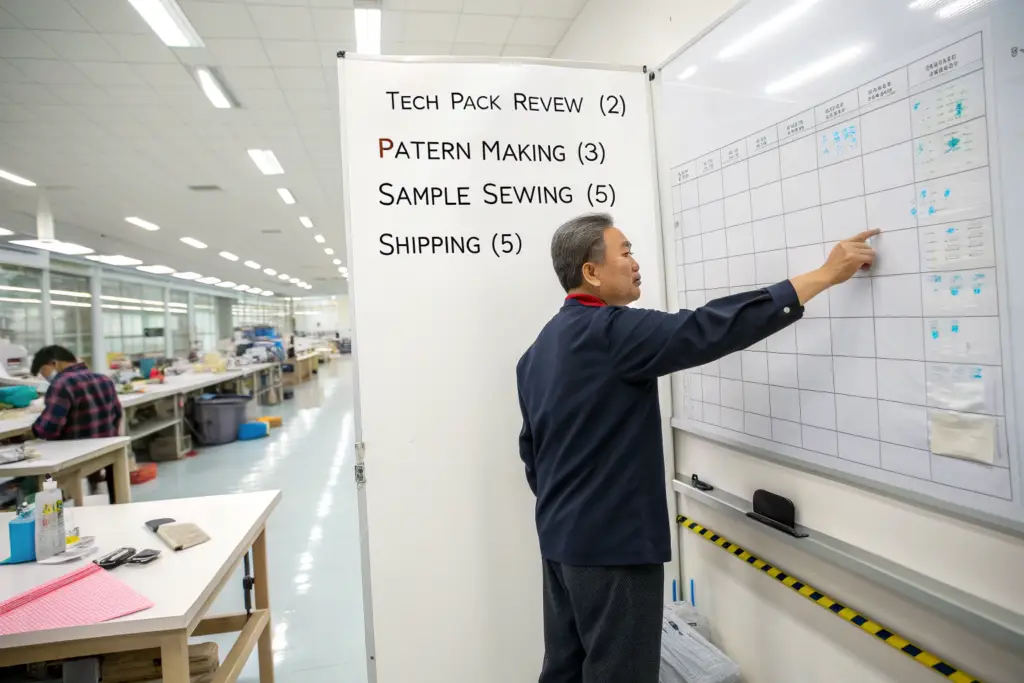
A realistic sample timeline for a simple style is 2 to 3 weeks from tech pack submission to sample receipt. For a complex style, allow 4 to 6 weeks. For the Boston client, we explained the realistic timeline. They adjusted their expectations. The samples were good. For woven shirts, a typical timeline is: tech pack review (2 days), pattern making (3 days), sample sewing (5 days), shipping (5 days). Total: 15 days. For knits, the timeline is similar. For denim, wash development adds 10 to 14 days. Plan accordingly.
How Much Buffer Time Should You Build In?
Build in at least 2 weeks of buffer time per sample round. For a style that needs 2 sample rounds, plan for 6 to 8 weeks total. For a fast fashion client, they built in 1 week of buffer. They had a tight timeline. They accepted the risk.
What Causes Sample Delays?
Common causes of sample delays:
- Incomplete tech pack
- Fabric out of stock
- Pattern complexity
- High sample room workload
- Customs delays
- Multiple revision rounds
For a sportswear client, the fabric was delayed. The sample was late. They now order fabric early.
How Do You Manage Sample Logistics and Communication?
Logistics and communication are the final pieces. I remember a client from Seattle. The samples were ready. But the factory used slow shipping. The samples took 3 weeks to arrive. The client was frustrated.
Use express carriers like DHL, FedEx, or UPS for sample shipments. Use DDP (Delivered Duty Paid) so the buyer pays no customs fees. Communicate clearly. Send tracking numbers immediately. For the Seattle client, we switched to DHL DDP. Samples arrived in 3 to 5 days. For US buyers, FedEx is also reliable. For European buyers, DHL is often fastest. For Canadian buyers, we use DHL or FedEx.

What Is the Best Shipping Method for Samples?
The best shipping method for samples is express courier with DDP:
- DHL: Best for Europe and Asia
- FedEx: Best for US and Canada
- UPS: Good for US
- EMS: Cheaper but slower (7 to 14 days)
For a denim client, we used DHL DDP. The sample arrived in 4 days. No customs delays.
How Do You Structure Communication with Your Factory?
Structure communication by:
- Using a shared tech pack platform
- Sending clear, numbered fit notes
- Scheduling regular check-in calls
- Documenting all decisions
For a sportswear client, we used a shared spreadsheet. The client could see the status of each sample. Communication was efficient.
Conclusion
Sourcing clothing samples from China efficiently requires a complete tech pack, the right factory, realistic timelines, and reliable logistics. A complete tech pack reduces sample rounds. Choose a factory with a dedicated sample room. Plan for 2 to 3 weeks per sample round. Use express DDP shipping. Communicate clearly.
At Shanghai Fumao, we have streamlined our sample process for international buyers. We offer 7 to 10 day sample lead times. We have a dedicated sample room. We ship DDP via DHL and FedEx. We communicate clearly. We help our clients get samples fast.
Let us help you source your samples efficiently. Contact our Business Director, Elaine, directly at elaine@fumaoclothing.com. Send us your tech pack. We will quote sample lead time and cost.