You’ve just received a container from your supplier. You open it with excitement. But as you unpack the boxes, your heart sinks. You see loose threads. You find uneven seams. Some garments have stains. Maybe the size measurements are wrong. This is a nightmare for any brand owner. You have invested money and time. Now you face a shipment of defective goods.
The best way to handle defective garments is to have a clear, pre-agreed quality control protocol in your contract. This includes specific Acceptable Quality Limit (AQL) standards, a clear definition of what constitutes a major versus minor defect, and a step-by-step plan for resolution, from on-site rework to financial compensation. Proactive communication during production is more effective than any reactive solution after the goods are shipped.
We have been in the apparel manufacturing business for over a decade. We know this problem from both sides. As a factory owner, we have learned that transparency from the start is the only real solution. Many buyers think they can solve problems after they find them. But the truth is, handling defects is much easier and cheaper when you build the right systems before the order is even cut.
How to Prevent Defective Shipments Before They Leave the Factory?
The best way to handle a defect is to stop it from happening in the first place. This is not just a saying. It is a core principle in manufacturing. Prevention is always cheaper than correction. Many brands focus only on the final inspection. But by then, the money is spent. The fabric is cut. The labor is done. A better approach is to build quality into the process from day one.
What quality control steps should I check with my factory partner?
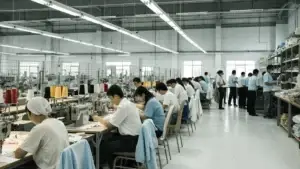
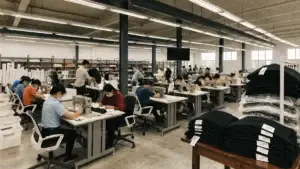
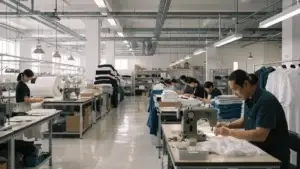
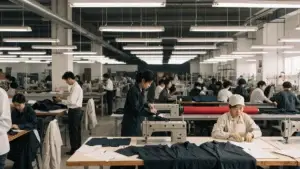
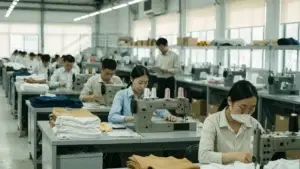
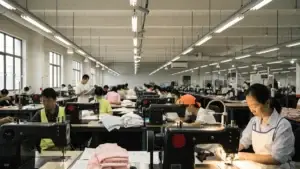
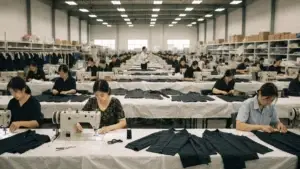
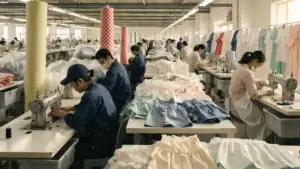
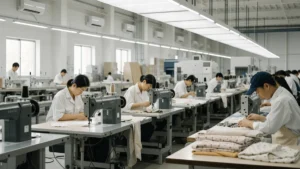
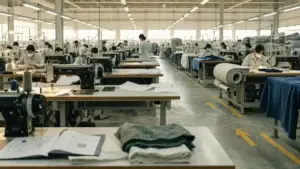
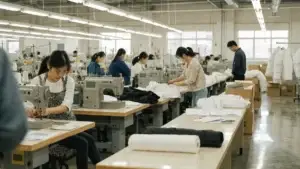
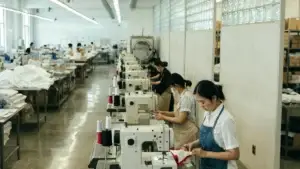
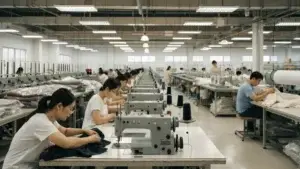
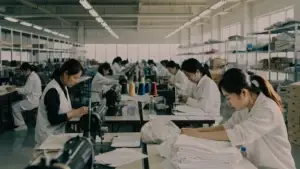
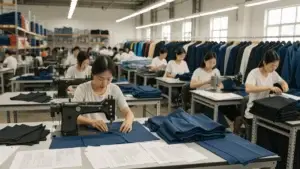
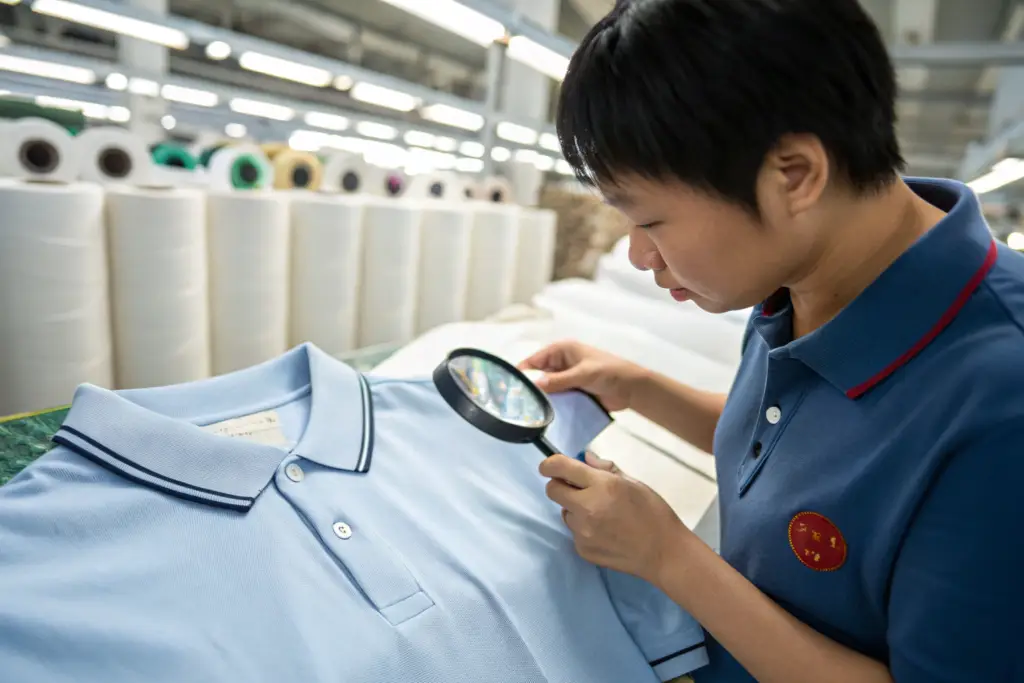
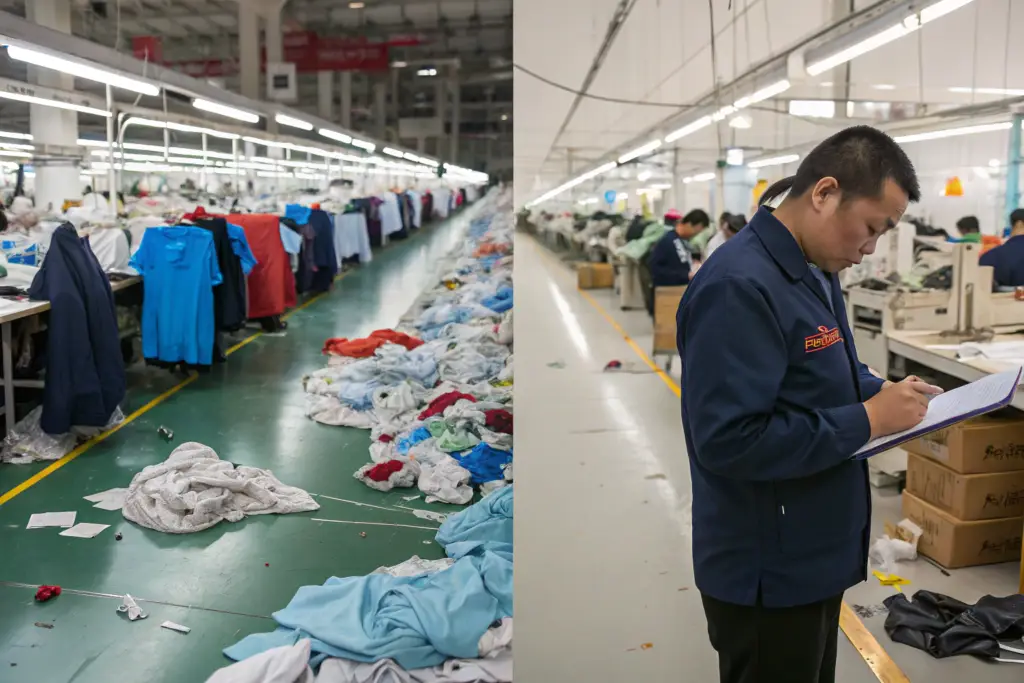
You should ask your supplier about their in-line inspection process. Do not just rely on a final inspection at the end. In-line inspections happen during production. A quality controller checks the work at each step. For example, they check the fabric after cutting. They check the sewing at the halfway point. They check the finishing before packing. This method catches issues early. It saves time and material.
For instance, last year we worked with a New York-based streetwear brand. They were very specific about their hoodie drawstrings. They had issues with previous suppliers where the drawstrings were too short. When we started their order, our in-line QC team measured the drawstrings at the assembly stage. We found a batch that was cut 2 cm short. We fixed it immediately. We did not have to rework 500 finished hoodies. That is the power of early detection.
Here is a simple table showing the difference in cost and time for defect correction:
| Stage of Detection | Cost to Fix | Time to Fix | Impact on Delivery |
|---|---|---|---|
| During Cutting | Minimal | Hours | No delay |
| During Sewing | Low | 1-2 Days | Minor adjustment |
| Final Inspection | Medium | 3-5 Days | Possible delay |
| After Arrival in US | Very High | Weeks | Major delay, lost sales |
You should also ask for quality control certification from your factory. Look for ISO 9001 or similar standards. This shows they have a documented system. Another key step is to agree on a third-party inspection before shipment. This is a common practice. A neutral company checks the goods. They send you a report. You can then decide to ship, rework, or reject the order.
How can I use a pre-production sample to avoid defects?
The pre-production sample, or "PP sample", is your best tool. Do not approve it quickly. Take your time. Use it to set the standard for the entire order. The PP sample should be the "golden sample". Every other piece should match it. You need to check every detail. Check the fabric weight. Check the stitching per inch. Check the wash effect. Check the labels and packaging.
Many buyers make a mistake here. They approve the sample by email with a simple "OK". But they do not sign a physical sample. They do not create a detailed spec sheet. When a dispute happens later, there is no clear reference. A signed sample removes the guesswork. It is physical proof of what was agreed.
We have a process with our clients. We send the PP sample. We also send a detailed "tech pack" with all specifications. We ask the client to sign the sample and return it. This creates a clear contract. For a client in Los Angeles last year, this process saved them. Their design team changed the fabric color after the PP was approved. They did not tell us. The final goods were made in the original color. They were unhappy. But we showed them the signed sample and email approval. We were able to re-cut the fabric at their cost, avoiding a total loss for us. But more importantly, it highlighted the need for clear communication.
You can also use a "top of production" or "TOP" sample. This is the first few pieces off the production line. You ask your supplier to send this to you for final approval. This is your last chance to make changes before full production runs. It adds a week to the timeline. But it gives you peace of mind. To set this up, you should add a clause in your purchase order contract specifying that the order cannot proceed without your TOP sample approval.
What to Do Immediately After Discovering Defective Goods?
You find the defect. What is your first move? Do you send an angry email? Do you call your agent? The first step is critical. It sets the tone for the entire negotiation. A calm, strategic approach will get you a better result than a heated argument. Remember, you still need a working relationship. This factory might be your best option for the next season.
Should I stop payment or refuse the shipment?
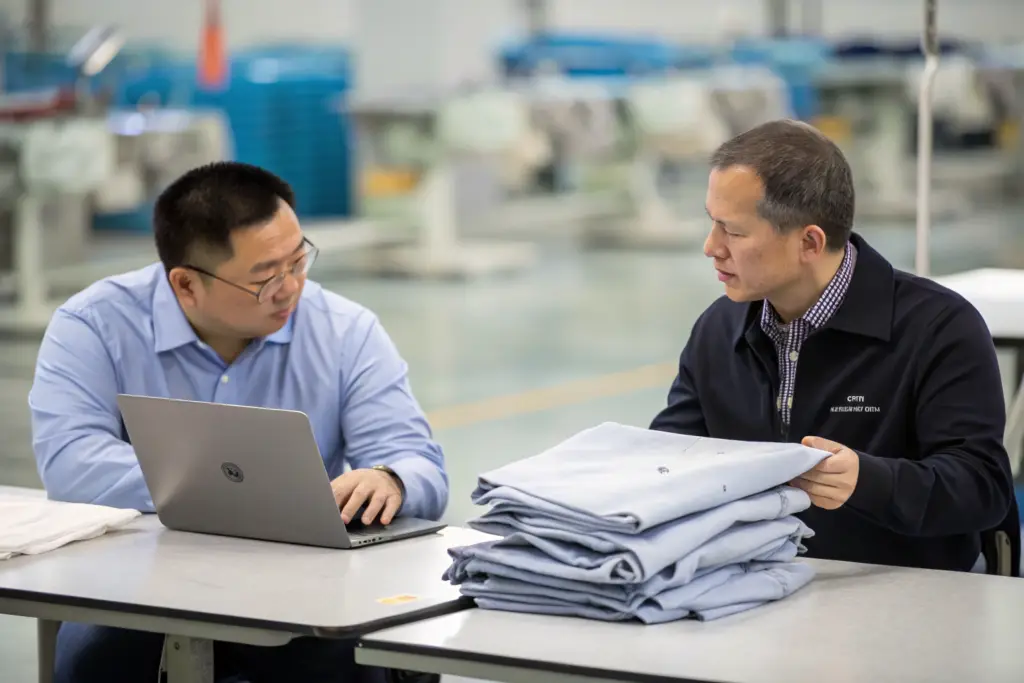
This is a common first thought. But it is not always the best first action. Stopping payment can freeze the entire situation. It can make the factory defensive. They may stop communicating. They may refuse to help with a solution. The same goes for refusing the shipment at the port. This can lead to demurrage charges. These are daily fees for the container sitting at the port. It can quickly become more expensive than the defective goods.
Instead, your first step should be to gather clear evidence. Do not rely on a general complaint. Take high-quality photos. Show the defects clearly. Use a ruler in the photo to show measurement errors. Take videos. Keep the defective samples separate. If possible, send a few pieces back to the factory for them to see. This removes any debate about whether the problem is real.
In one case, a client in Texas found a fading issue on a batch of screen-printed t-shirts. They called me frustrated. They wanted to stop payment. I advised them to first send the t-shirts back to us. Our team examined them. We found the problem was with a new batch of ink from our supplier. It was not curing correctly. By seeing the physical sample, we could identify the root cause. We then agreed to reprint the entire order at our cost. If they had simply stopped payment, the relationship would have ended. Instead, we fixed the problem and they placed a larger order the next season because they trusted our honesty.
You should always refer to your international trade payment terms. If you are using a Letter of Credit (L/C), you have protections. If you use a Documentary Collection, you have less control. Understanding your payment method before a problem happens is key. Your leverage is often in the final payment. But using it wisely is an art.
How to negotiate a fair solution with my supplier?
After you have evidence, you need to start a negotiation. The goal is a fair solution. This could be a discount. It could be rework. It could be a replacement order. The best solution depends on the severity of the defect. You need to be clear about your bottom line. What can you sell? What must be fixed?
Start with a professional tone. Send a formal "Quality Discrepancy Report". List each defect type. Count how many pieces have it. Attach your photos. Propose a solution. Do not just complain. For example, say: "We found 15% of the shirts have a seam misalignment. We propose a 20% discount on these pieces to compensate for the reduced value. We can sell them as seconds." This is a business-to-business approach. It is not an emotional argument.
A few years ago, we had a situation with a European sportswear brand. The zippers on a batch of jackets were stiff. It was a functional defect. We could not ship them. We had to rework all 1,200 jackets. The client needed them for a winter sale. We had two choices. We could argue about who pays for the labor. Or we could solve the problem. We chose to solve it. We hired a local team to work overtime. We replaced all the zippers. We shipped the order one week late. We shared the cost of the expedited shipping. The client was happy we took responsibility. They are still a client today.
Your negotiation should be guided by your supplier code of conduct. If you have a formal agreement, you can refer to it. But in many cases, the relationship is more important than the contract. A good supplier will want to keep you happy. A bad one will try to shift blame. Use the conversation to learn which type you are working with.
How to Systematically Rework or Replace Defective Orders?
Sometimes, a discount is not enough. The goods are unusable. You need rework or replacement. This is the most difficult situation. It costs money. It costs time. It can ruin your season. But there is a structured way to handle it. You need to manage the process tightly to avoid further delays and mistakes.
What are the most common types of garment rework?
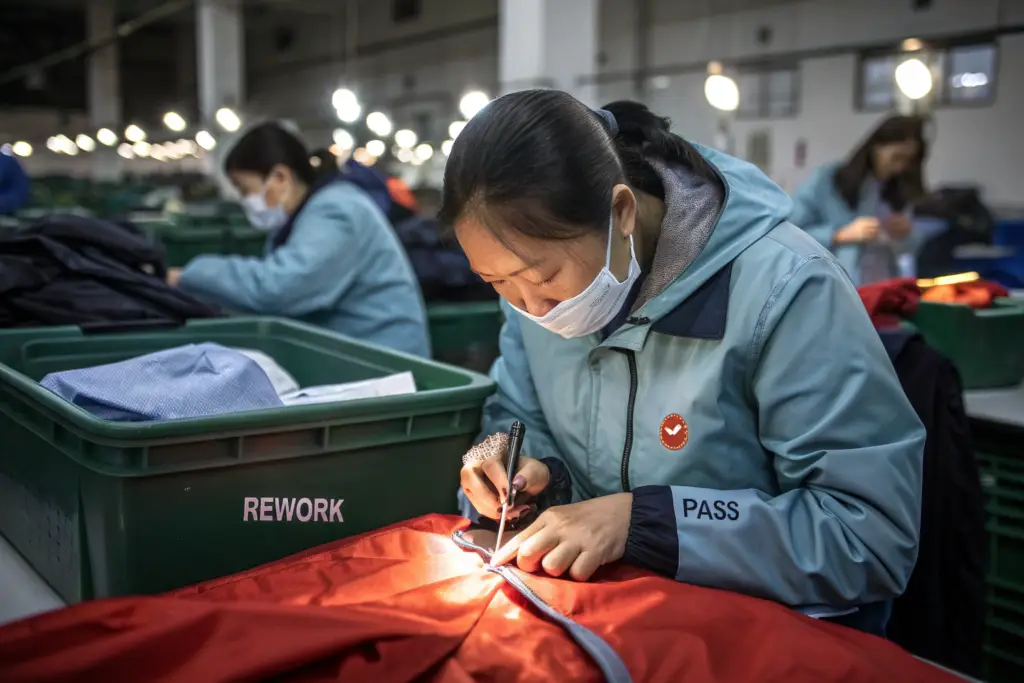
Rework is not one single thing. It is a set of actions. You need to know what can be fixed and what cannot. Some defects are easy to fix. Others require starting over. A good factory can tell you the options. You need to decide based on your timeline and the cost.
Common rework types include:
- Re-stitching: Fixing open seams, broken stitches, or missed topstitching.
- Replacing trims: Swapping out defective zippers, buttons, or drawstrings.
- Re-washing: Using a second wash to remove stains or fix a color mismatch.
- Re-cutting and re-sewing: For major fit issues, but this is essentially remaking the garment.
- Relabeling: Changing care labels, size labels, or main labels if they are incorrect.
We once worked with a high-end children's wear brand from Boston. They ordered a line of printed dresses. The print registration was off by 2mm on a few hundred pieces. It was a minor defect for most consumers. But for their brand, it was unacceptable. The dresses could not be sold. We could not reprint the fabric. The fabric was already cut. We had to remake those dresses entirely. We absorbed the cost for the labor. The client paid for the new fabric. We expedited the air freight. We lost money on that order. But we saved the relationship. The brand owner appreciated our commitment to their quality standards.
To manage this, you need a clear rework approval process. Ask the factory to provide a "rework plan". This plan should state the problem, the fix, the timeline, and who pays. Do not assume they will just fix it. Get it in writing. Ask for photos of the reworked pieces for approval before they pack them.
How to set up a corrective action plan for future orders?
The best outcome from a defect is a lesson learned. You should use the problem to improve future orders. This is called a Corrective Action Plan (CAP). A CAP is a formal document. It states what went wrong. It explains why. It lists the steps taken to fix it. It outlines changes to stop it from happening again. A serious factory will provide this without being asked.
A good CAP includes:
- Problem Description: Clear statement of the defect.
- Root Cause Analysis: Why did it happen? (e.g., machine error, human error, material issue).
- Immediate Correction: What was done to fix the current order?
- Preventive Measures: What changes are made for future orders? (e.g., new training, new machine part, different supplier for materials).
Last year, we had a problem with a batch of denim jeans. The indigo dye was crocking, or rubbing off, onto white leather accessories. We traced the root cause to a new denim mill we had used. Their washing process was incomplete. For the current order, we rewashed the jeans with a fixing agent. For the future, we implemented a new "crocking test" for all denim fabric before production. We bought a simple rubbing fastness tester and now test every roll. We sent the CAP report to our client. It showed them we were proactive. It built more trust than any sales pitch.
You should include a CAP clause in your supplier quality agreement. This makes it a standard part of your relationship. It turns a negative event into a system upgrade. This is how professional brands and factories work together to get better over time.
How to Build a Long-Term Strategy to Minimize Defect Risks?
Dealing with defects is a short-term crisis. But your goal should be to reduce the frequency of these crises. You do this by building a partnership. Not just a transactional relationship. A partner will tell you about a problem before it becomes a crisis. A vendor will hide it until the last minute. The difference is in the trust and structure you build.

Why is regular factory auditing more important than inspection?
Inspection is a snapshot. It checks the final product. Auditing is a movie. It checks the entire system. You should audit your factory partners. This does not mean you visit once a year. It means you have a system to check their processes. You can do this yourself or hire a third party. The goal is to verify their capabilities and consistency.
A good audit looks at:
- Social Compliance: Are workers treated fairly? Is the environment safe?
- Technical Capability: Do they have the right machines for your product? Are they maintained?
- Quality Management: Do they follow their own QC process? Is it documented?
- Financial Stability: Are they a stable business? Can they handle large orders?
We welcome audits from our clients. We find it builds confidence. A New York-based activewear brand audits us twice a year. Their first audit found we had no backup generator for our sewing machines. A power cut would stop production. We invested in a generator. This was not a defect issue. But it was a risk to on-time delivery. By auditing us, they helped us become a more reliable supplier for them.
You can find information about factory audit standards from organizations like amfori BSCI. Many large brands require these audits. If you are a smaller brand, you can still use these frameworks. You can ask your supplier to share their latest audit report. If they are a good factory, they will have one. If they are not, they will make excuses. This is a good screening tool.
How do I create a feedback loop with my factory?
Communication is often the problem. It is not the product. Misunderstandings about specs. Delayed responses. Lost emails. These lead to defects. You need a closed feedback loop. This means every conversation ends with a clear action. Every action is documented. Every document is shared. You cannot rely on memory.
Here is a simple workflow we use with our best clients:
- Weekly Video Call: Not just email. A 15-minute call to review the production status.
- Shared Production Tracker: A Google Sheet or similar tool. It shows the status of each style: fabric in, cutting, sewing, finishing, packing.
- Photo Reports: We send 5-10 photos at each milestone. The client can see the actual work in progress.
- Formal Approvals: We use the same system for every approval. No verbal approvals. It is always a formal email with a signed document.
One of our largest clients, a department store supplier in the Midwest, had a major issue with a previous Chinese supplier. The problem was always miscommunication. When they started with us, we set up this system. We had a shared tracker from day one. When a fabric issue came up, we flagged it on the tracker. We discussed it on the weekly call. We sent photos of the alternative fabric for approval. The entire process was transparent. We have worked with them for five years now. We have not had one single dispute over quality. The system prevents the problem.
You can implement this with any factory. You can use simple tools like Trello for production management to track tasks. The key is consistency. You need to demand that your supplier follows the system. If they refuse, that is a red flag. A good supplier will appreciate the structure. It saves them time and prevents their own mistakes.
Conclusion
Handling defective garments from an overseas factory is a test of your business systems. It is not just about fixing one order. It is about proving your ability to manage a global supply chain. The best strategy is proactive. You build quality into the contract, the sample process, and the production line. You choose partners who value transparency. You create communication systems that leave no room for misunderstanding.
When a problem does occur, you act calmly. You gather evidence. You negotiate a fair solution. You document the root cause. You use the lesson to improve your process. This turns a loss into a long-term gain. It separates a professional brand from an amateur one. The goal is not to never have a defect. The goal is to have a reliable, predictable way to handle it when it happens.
At Shanghai Fumao, we believe our job is to make your job easier. We have built our entire production system around these principles. We use in-line inspections. We share photo reports. We work with you on a shared production tracker. We have seen how clear communication and structured processes prevent most problems before they start. When rare issues do come up, we solve them together.
If you are looking for a manufacturing partner who values quality and transparency as much as you do, we invite you to start a conversation. Let us show you how our systems can protect your brand and help your business grow without the fear of defective shipments. You can reach out to our Business Director, Elaine, directly at elaine@fumaoclothing.com. Let us build a partnership that delivers quality, season after season.