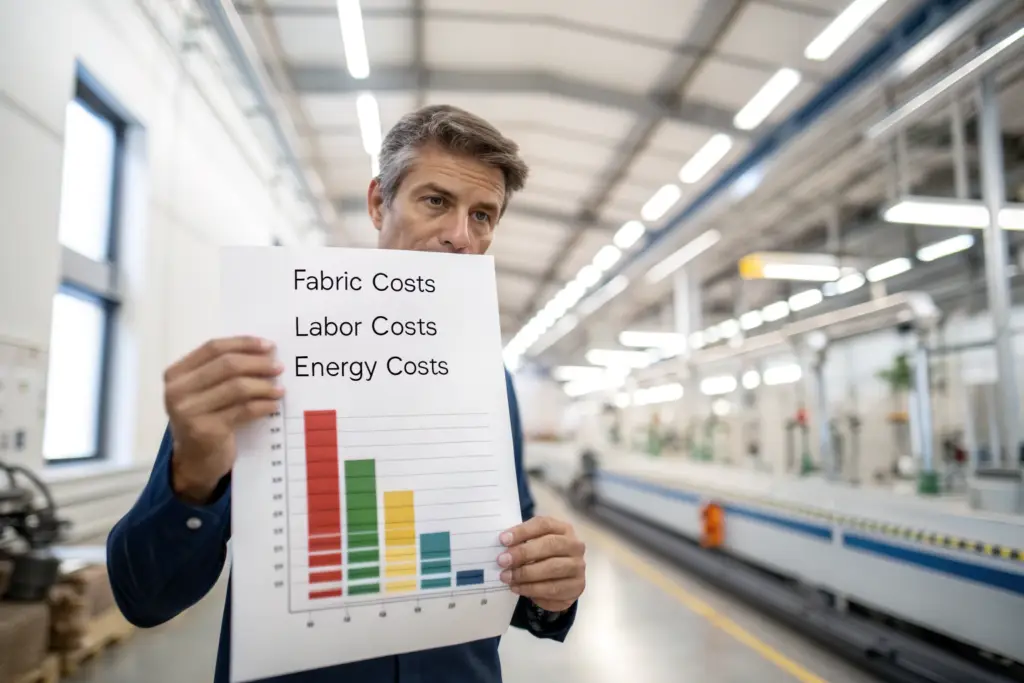
I have been in apparel manufacturing for fifteen years. I have seen prices go up and down. But the last three years have been different. Inflation has touched every part of the supply chain.
Global inflation impacts apparel manufacturing prices across all cost components: raw materials increase 10-30%, labor costs rise 5-15% annually in manufacturing hubs, energy costs add 10-20% to factory operating expenses, shipping freight fluctuates with fuel costs, and currency exchange rates affect final pricing in US dollars. The cumulative effect is a 15-25% increase in manufacturing prices over the past 24-36 months. Brands that understand these cost drivers can plan pricing strategies, negotiate effectively, and make informed sourcing decisions.
At Shanghai Fumao, we have navigated these inflationary pressures with our clients. I have seen how different brands respond. This guide explains what drives manufacturing price increases and how to manage them.
How do raw material costs drive apparel price increases?
Raw materials are the largest component of garment cost, typically 40-60% of total manufacturing cost. When raw materials go up, garment prices go up.
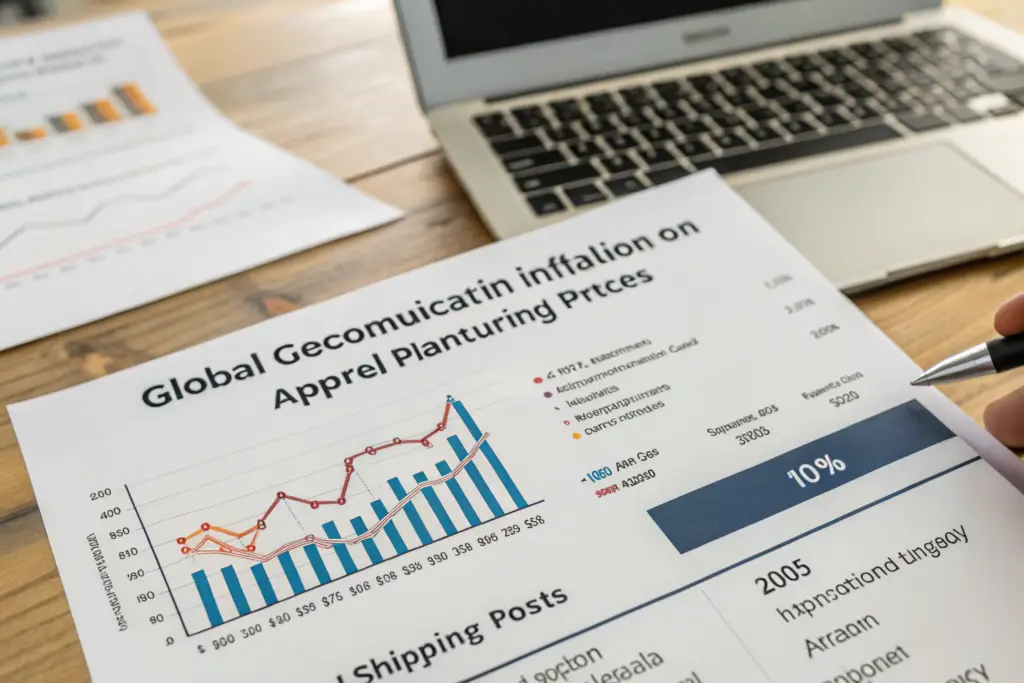
What is happening to cotton prices?
Cotton is the most common natural fiber in apparel. Cotton prices are affected by weather, planting decisions, global demand, and speculation. Inflation has driven cotton prices up.
I had a client from New York who used 100% cotton for his t-shirts. His cotton cost increased by 28% over two years. He had to raise his wholesale price by 12%. He lost some price-sensitive customers. But he maintained quality by not switching to cheaper blends.
Here is the trend in cotton prices:
| Period | Average Cotton Price (per lb) | Impact on Garment Cost |
|---|---|---|
| Pre-2021 baseline | $0.70-0.85 | Baseline manufacturing cost |
| 2021-2022 peak | $1.20-1.50 | +15-25% on cotton garments |
| 2023-2024 stabilization | $0.85-1.00 | +5-15% on cotton garments |
| Current trend | $0.80-0.95 | +5-12% on cotton garments |
A client from Chicago told me: "I used to price my cotton shirts without thinking about cotton futures. Now I watch the market. When cotton dips, I order fabric for the year."
How do synthetic fiber prices respond to oil prices?
Polyester, nylon, and other synthetic fibers are derived from petroleum. When oil prices rise, synthetic fiber prices rise. The volatility is significant.
I had a client from Los Angeles who made activewear from polyester-spandex blends. When oil prices spiked, his fabric cost jumped 18% in three months. He absorbed some of the cost but had to raise prices. He told me: "I cannot control oil prices. I can only control how I manage my margins."
Here is how synthetic fiber prices correlate with oil:
| Oil Price (Brent) | Impact on Polyester Yarn | Impact on Garment Cost |
|---|---|---|
| $60-70 per barrel | Baseline | Baseline synthetic cost |
| $70-85 per barrel | +5-10% | +2-5% on synthetic garments |
| $85-100 per barrel | +10-20% | +5-10% on synthetic garments |
| $100+ per barrel | +20-35% | +8-15% on synthetic garments |
A client from Boston told me: "I diversified my fabric sources. I use more recycled polyester now. The price is more stable because the supply chain is different."
How do specialty and natural fibers fare during inflation?
Wool, silk, linen, and specialty fibers have their own supply chains. Inflation affects them differently. Wool is affected by farming conditions. Silk is affected by production volumes in China and India.
I had a client from Seattle who made wool coats. His wool cost increased by 22% over two years. The supply of high-quality wool was tight. He shifted some styles to wool blends to maintain price points.
Here is the specialty fiber trend:
| Fiber | Inflation Impact | Mitigation Strategy |
|---|---|---|
| Wool | +15-25% | Use blends, pre-book annual volume |
| Silk | +10-20% | Source from multiple regions |
| Linen | +10-15% | Accept longer lead times |
| Cashmere | +20-30% | Reduce percentage in blends |
| Modal/Tencel | +5-15% | Stable, less volatile |
A client from Denver told me: "I used to use 100% merino wool. Now I use 70% merino with 30% other fibers. My customers still love the product. My margins are protected."
How do labor costs affect manufacturing prices?
Labor is 20-40% of garment manufacturing cost. Labor costs rise with inflation. Workers need higher wages to keep up with living costs.
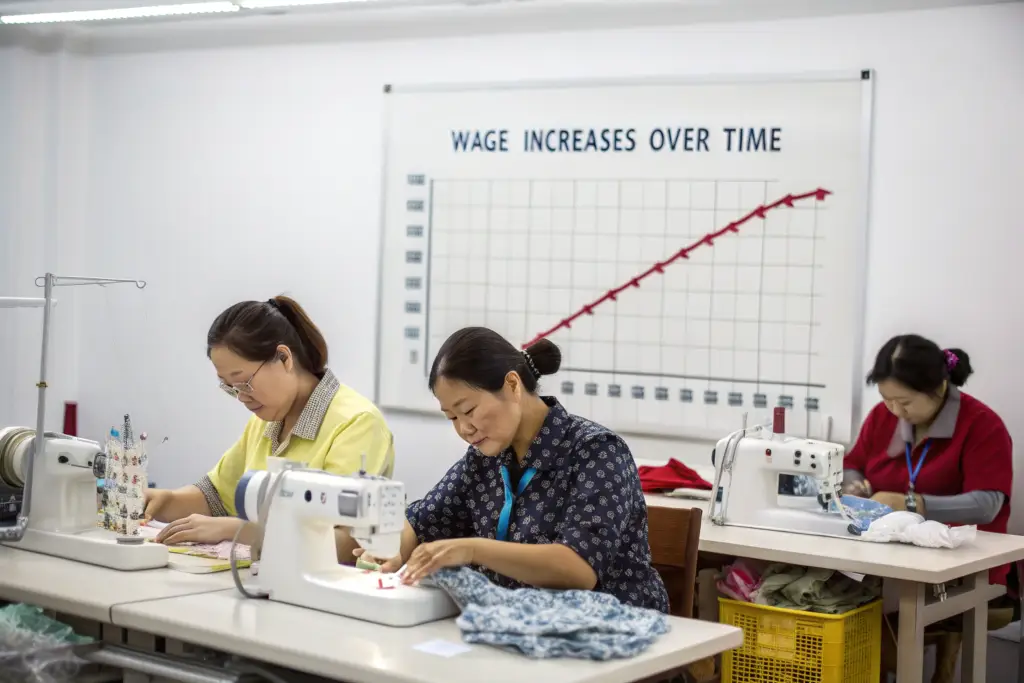
What is happening to wages in major manufacturing hubs?
Wages in China, Vietnam, Bangladesh, and other manufacturing countries have been rising steadily. Minimum wage increases are annual in many regions. Inflation accelerates these increases.
I had a client from Chicago who sourced from Vietnam. The minimum wage in his province increased by 12% in one year. His labor cost went up. He asked us to review his production efficiency. We found ways to reduce labor minutes per garment. The efficiency gains offset half of the wage increase.
Here is the wage trend in key manufacturing hubs:
| Country/Region | Annual Wage Increase | Impact on Garment Cost |
|---|---|---|
| China (coastal) | 5-10% | +1-3% per year |
| China (inland) | 8-12% | +1.5-3.5% per year |
| Vietnam | 6-12% | +1.5-4% per year |
| Bangladesh | 8-15% | +2-5% per year |
| India | 5-10% | +1-3% per year |
A client from Boston told me: "I used to chase the lowest labor cost country. Now I focus on productivity. A factory with higher wages but better efficiency can be cheaper overall."
How does labor productivity offset wage increases?
Higher wages do not always mean higher costs if productivity improves. Automation, training, and process improvement can offset wage inflation.
I had a client from New York who was concerned about rising labor costs in China. We showed him our productivity improvements over five years. Labor minutes per garment had decreased by 18% through automation and training. The effective labor cost increase was only 2% per year, not the 6% wage increase.
Here is how productivity affects effective labor cost:
| Scenario | Wage Increase | Productivity Improvement | Effective Cost Increase |
|---|---|---|---|
| No productivity improvement | +8% | 0% | +8% |
| Moderate improvement | +8% | -3% | +5% |
| Strong improvement | +8% | -6% | +2% |
A client from Texas told me: "I now ask factories about their productivity improvement programs. A factory that invests in training and automation can keep my costs stable even with wage inflation."
How does skilled labor scarcity affect pricing?
Skilled workers are becoming harder to find. Complex garments require experienced operators. Scarcity drives up wages for skilled positions.
I had a client from Seattle who made tailored jackets. The jacket required skilled hand-finishing. The workers who could do this were in short supply. Their wages increased faster than minimum wage. The jacket cost increased by 12% over two years.
Here is how skill level affects wage pressure:
| Skill Level | Supply | Wage Pressure | Cost Impact |
|---|---|---|---|
| Basic sewing | Moderate | 5-10% annual | Moderate |
| Specialized techniques | Low | 10-15% annual | Higher |
| Hand finishing | Very low | 15-20% annual | Highest |
| Pattern making | Low | 10-15% annual | Higher |
A client from Portland told me: "I simplified some of my designs to use less specialized labor. The cost savings allowed me to keep my retail prices stable."
How do energy and transportation costs factor in?
Energy costs affect every part of the supply chain. Factories pay for electricity. Shipping lines pay for fuel. Trucking companies pay for diesel. These costs pass through to garment prices.
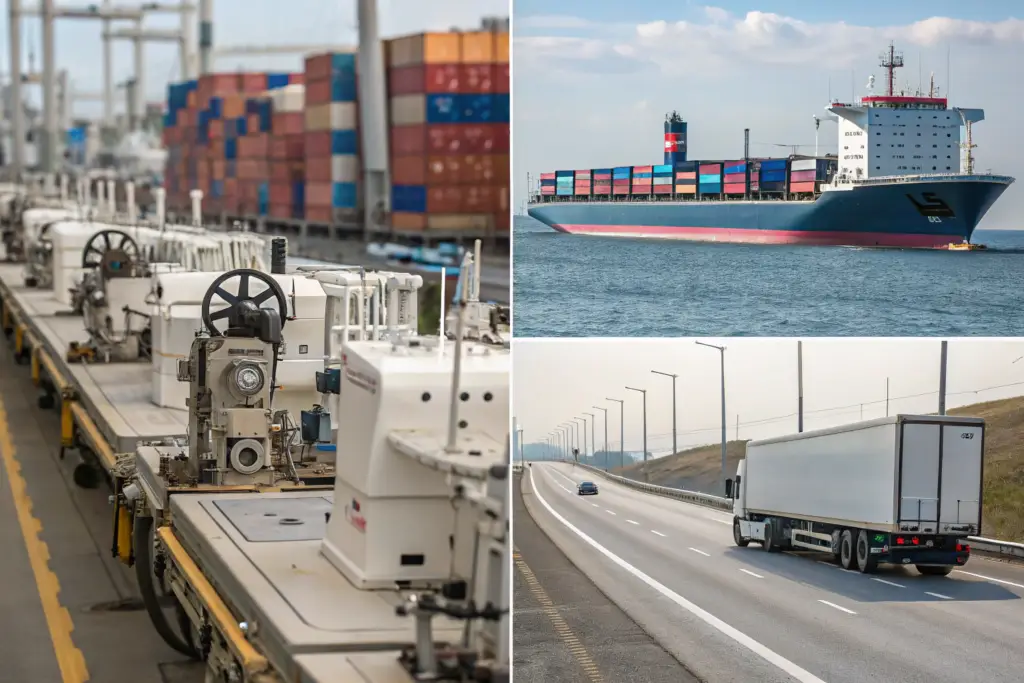
How does factory energy cost affect garment pricing?
Factories consume electricity for sewing machines, cutting equipment, lighting, and air conditioning. Energy price increases add to operating costs.
I had a client from Boston who asked why his prices had increased even though raw material and labor costs seemed stable. We explained the energy component. His factory's electricity cost had increased by 18%. That added 1.5% to his garment cost.
Here is how energy costs impact manufacturing:
| Energy Price Increase | Impact on Factory Operating Cost | Impact on Garment Cost |
|---|---|---|
| +10% | +0.5-1.0% | +0.2-0.5% |
| +20% | +1.0-2.0% | +0.4-1.0% |
| +30% | +1.5-3.0% | +0.6-1.5% |
A client from Chicago told me: "I never thought about electricity costs. Now I understand why my factory asks for price adjustments when energy prices spike."
How does shipping fuel cost affect landed cost?
Shipping lines add fuel surcharges when bunker fuel prices rise. These surcharges can add 10-30% to ocean freight costs. For a container costing $5,000, that is $500-1,500 extra.
I had a client from Los Angeles who watched his freight costs closely. When fuel prices spiked, his forwarder added a bunker adjustment factor of 18%. His total shipping cost went from $5,000 to $5,900. That added $0.50 per garment to his landed cost.
Here is how fuel affects shipping:
| Fuel Price (Bunker) | Bunker Adjustment Factor | Impact on Container Cost |
|---|---|---|
| $400-500 per ton | 5-10% | +$250-500 per container |
| $500-600 per ton | 10-15% | +$500-750 per container |
| $600-700 per ton | 15-20% | +$750-1,000 per container |
| $700+ per ton | 20-30% | +$1,000-1,500 per container |
A client from Denver told me: "I now build a 15% buffer into my freight budget. If fuel prices drop, I have extra margin. If they rise, I am prepared."
How do currency exchange rates affect US dollar pricing?
Most apparel manufacturing is priced in US dollars. But factory costs are in local currencies. When the dollar weakens, factory costs in dollar terms rise.
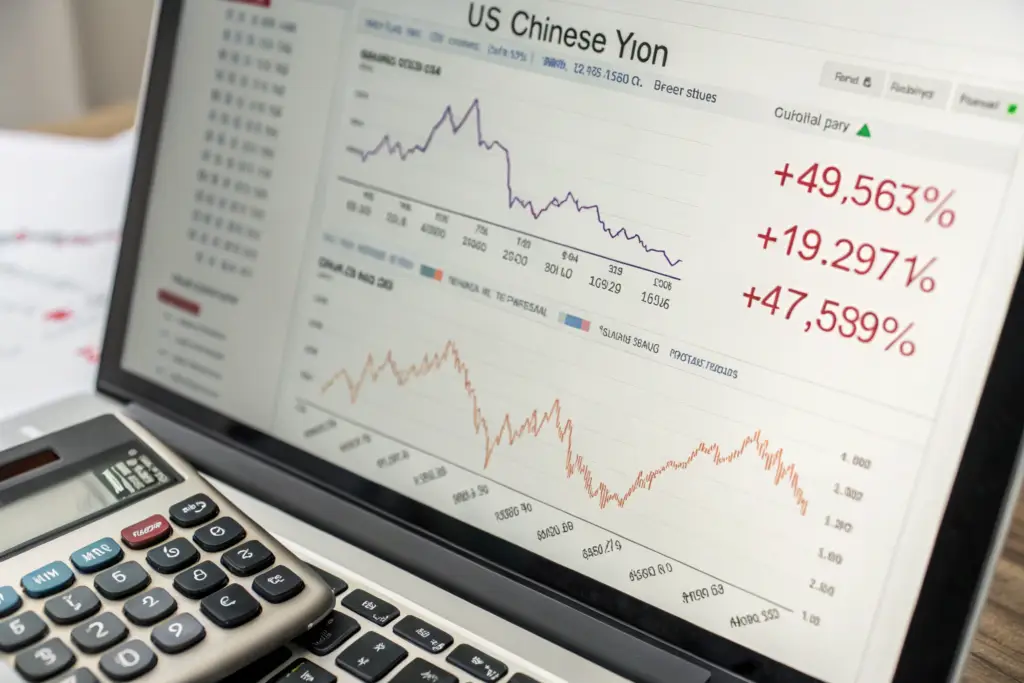
How does the yuan exchange rate affect pricing?
Chinese factories pay workers and suppliers in Chinese yuan. If the yuan strengthens against the dollar, the factory's dollar costs increase. They must raise dollar prices to maintain margins.
I had a client from New York who watched the yuan-dollar exchange rate. When the yuan strengthened by 8% over a year, his factory asked for a 5% price increase. He understood the math. He accepted the increase.
Here is how yuan exchange affects pricing:
| USD/CNY Exchange Rate | Impact on Factory Costs | Typical Price Adjustment |
|---|---|---|
| 7.2-7.3 yuan per dollar | Baseline | Stable pricing |
| 7.0-7.1 yuan per dollar | +2-3% | +1-2% |
| 6.8-6.9 yuan per dollar | +5-6% | +3-4% |
| 6.6-6.7 yuan per dollar | +8-9% | +5-6% |
A client from Chicago told me: "I used to think factories were just raising prices. Now I understand currency. When the yuan strengthens, their costs go up."
How do other currencies affect sourcing decisions?
Vietnam uses the dong. Bangladesh uses the taka. India uses the rupee. Currency movements against the dollar affect relative competitiveness.
I had a client from Boston who sourced from both China and Vietnam. When the Vietnamese dong weakened against the dollar, his Vietnam costs decreased in dollar terms. He shifted some volume to Vietnam. When the dong strengthened, he shifted back.
Here is how currency affects sourcing competitiveness:
| Currency Movement | Impact on That Country | Sourcing Strategy |
|---|---|---|
| Local currency weakens | Dollar costs decrease | Advantage for that country |
| Local currency strengthens | Dollar costs increase | Disadvantage for that country |
| Stable currency | Predictable pricing | Good for long-term planning |
A client from Seattle told me: "I watch exchange rates like I watch fabric prices. They tell me where to source."
How can brands manage inflationary pressures?
Inflation is not something any brand can control. But how you respond to inflation is within your control. The right strategies help you protect your margins.

How does long-term planning stabilize costs?
Factories are more willing to hold prices for clients who commit to long-term volume. Short-term, spot-market pricing is more volatile.
I had a client from Denver who committed to 12 months of production with us. We gave her fixed pricing for the year. When cotton prices spiked, she was protected. When labor costs increased, we absorbed the difference because she had committed volume.
Here is how commitment affects pricing:
| Planning Horizon | Price Stability | Typical Premium/Discount |
|---|---|---|
| Spot order | Volatile, market-based | Market price |
| 6-month commitment | Moderate stability | 0-2% discount |
| 12-month commitment | High stability | 2-5% discount |
| Multi-year partnership | Highest stability | 3-7% discount |
A client from Portland told me: "I give my factories annual forecasts. They give me stable pricing. We both win."
How does fabric pre-booking lock in costs?
Fabric is often the most volatile cost. Pre-booking fabric for multiple seasons locks in material costs and protects against price spikes.
I had a client from Chicago who pre-booked her cotton fabric for the year. When cotton prices increased mid-year, her cost did not change. Her competitors who bought spot market fabric had to raise prices. She gained market share.
Here is how pre-booking works:
| Strategy | Risk | Reward |
|---|---|---|
| Spot market | Price volatility | Potential lower cost if prices drop |
| 3-month pre-book | Moderate protection | Balance of stability and flexibility |
| 6-12 month pre-book | High protection | Stable pricing, downside protection |
| Annual contract | Maximum protection | Stable pricing, volume commitment |
A client from Boston told me: "I treat fabric like a commodity. I hedge by pre-booking. It has saved me three times in the last two years."
How does design for manufacturing reduce cost pressure?
Complex designs cost more to make. Simple designs cost less. During inflationary periods, simplifying designs can offset cost increases.
I had a client from Los Angeles who had a jacket with 15 pattern pieces and multiple construction details. The jacket was expensive to make. When inflation increased his costs, he asked us to review the design. We simplified it to 12 pattern pieces. The labor cost dropped by 8%. He kept his retail price stable.
Here is how design affects cost:
| Design Complexity | Relative Labor Cost | Inflation Vulnerability |
|---|---|---|
| Simple (t-shirt) | 1x baseline | Lower, easier to automate |
| Moderate (polo, shirt) | 1.5-2x baseline | Medium |
| Complex (jacket, dress) | 2-3x baseline | Higher, more skilled labor |
| High complexity (tailored) | 3-5x baseline | Highest, limited skilled labor |
A client from Texas told me: "I review my designs every season. I look for ways to simplify without changing the look. It helps me manage costs."
How does supplier partnership buffer inflation?
The best defense against inflation is strong supplier relationships. Suppliers who value your partnership will work with you during tough times.
I had a client from Seattle who has worked with us for eight years. When inflation spiked, we sat down together. We reviewed every cost component. We found savings in fabric sourcing, trim selection, and shipping consolidation. We absorbed some costs. She absorbed some. We both protected our margins.
Here is how partnership helps:
| Relationship Type | Response to Inflation | Outcome |
|---|---|---|
| Transactional supplier | Price increase, no discussion | Brand absorbs full increase |
| Partner supplier | Open cost review, joint problem-solving | Shared impact, mutual solutions |
| Strategic partner | Long-term pricing, volume commitment | Protected from volatility |
A client from New York told me: "My factory is my partner. When costs go up, we figure it out together. That is worth more than the lowest price."
Conclusion
Global inflation impacts apparel manufacturing prices across every component. Raw materials increase. Labor costs rise. Energy and transportation add pressure. Currency fluctuations create uncertainty. The cumulative effect over the past three years has been a 15-25% increase in manufacturing prices.
But inflation is not something you have to accept passively. You can manage it. Long-term planning with factories locks in pricing. Pre-booking fabric protects against raw material spikes. Simplifying designs reduces labor cost exposure. Building strong supplier relationships creates buffers that transactional relationships do not have.
At Shanghai Fumao, we work with our clients to navigate inflation. We review costs together. We find efficiencies. We offer stable pricing for committed volume. We communicate openly about market conditions. We believe that partnership is the best inflation hedge.
If you want to understand how inflation affects your apparel costs and what you can do about it, I invite you to reach out. Contact our Business Director, Elaine. She will discuss your sourcing strategy. She will help you understand current market conditions. She will show you how we can work together to manage costs. You can email her at strong>elaine@fumaoclothing.com</strong.
Let us navigate inflation together.