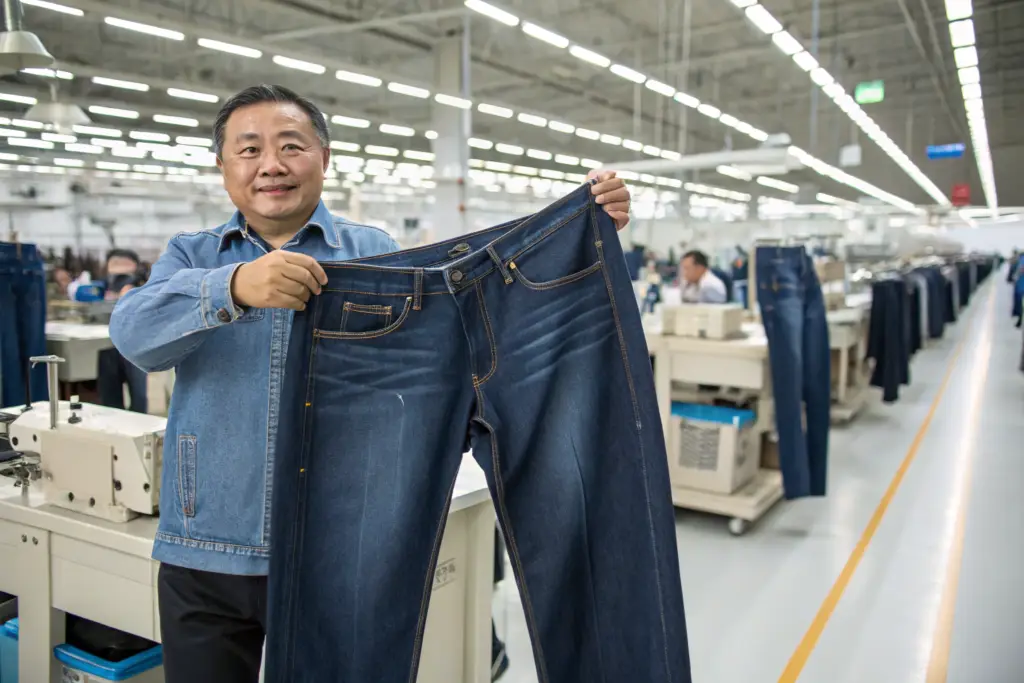
You have felt it before. You try on a pair of jeans. They look great in the dressing room. But after wearing them for an hour, they feel stiff. They pinch at the waist. You cannot move freely. Or maybe the opposite happens. You buy a pair that feels soft and comfortable. But after three washes, they lose their shape. They look baggy and worn out. This is the reality of denim. The weight of the fabric is not just a number. It determines how the jeans will feel, how they will fit, and how long they will last. Many brands overlook this. They choose a fabric weight based on trend or price alone. Then they wonder why customers complain about comfort or durability.
Based on my 18 years of manufacturing denim for American and European brands, I have learned that fabric weight is the single most important factor in denim comfort. It is not about finding one perfect weight. It is about matching the weight to the intended use, the fit, and the customer’s expectations. For example, last year we worked with a Los Angeles-based brand that was launching a new women’s jean line. They initially chose a 10 oz denim because it was cheaper. But our team tested the fabric. We found it would stretch out too much after a few wears. We recommended a 12 oz denim with a touch of elastane. The cost was slightly higher. But the comfort and recovery were much better. The brand sold out their first production run. Customer reviews praised how the jeans held their shape. That is the power of getting the weight right.
So, how do you choose the right fabric weight for your denim line? Let me break down what denim weight actually means, how it affects the wearing experience, and what weight works best for different styles and seasons. These are the lessons we apply every day in our factory.
What Does Denim Weight Actually Mean?
You see numbers like 10 oz, 12 oz, or 14 oz on denim specifications. But what do they actually mean? I have met many brand owners who do not know. They think a higher number means better quality. That is not always true. A few years ago, a client from New York insisted on using 16 oz denim for a summer jean line. He thought heavier meant premium. The jeans were beautiful. But they were too hot. They were too stiff. His customers complained. We had to work with him to find a better match for his next season.
Denim weight refers to the weight of one square yard of fabric, measured in ounces. A 12 oz denim means one square yard weighs 12 ounces. This number tells you about the fabric's density, thickness, and structure. Lightweight denim is typically under 12 oz. Mid-weight is between 12 oz and 14 oz. Heavyweight is anything over 14 oz. The weight affects everything: how the fabric drapes, how much it stretches, how breathable it is, and how durable it will be. For a denim jacket, we often recommend a mid-weight fabric. It gives structure without being too heavy. For a women's skinny jean, we often go lighter with added stretch. The weight is not about good or bad. It is about matching the fabric to the garment's purpose.
Understanding denim weight is the first step to creating comfortable, functional jeans. Once you know the numbers, you can start to understand how the fabric will behave. This knowledge helps you avoid costly mistakes. It also helps you communicate clearly with your factory.
How Is Denim Weight Measured in the Industry?
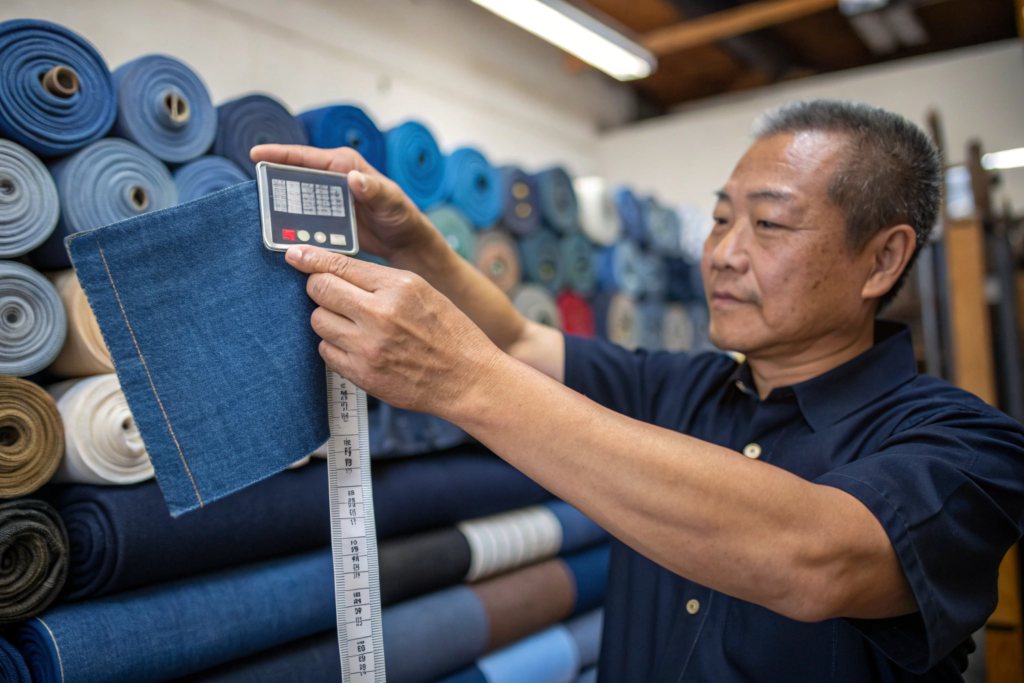
The industry standard is ounces per square yard. You will also see grams per square meter, or GSM, in some markets. To convert, multiply the ounce weight by 33.9. So a 12 oz denim is about 407 GSM. This measurement is taken from the finished fabric. It includes the weight of the indigo dye and any finishing treatments. When we receive denim from our mills, the first thing we do is test the weight. We cut a precise square yard. We weigh it on a calibrated scale. We do this for every batch. This ensures consistency. A few years ago, we received a shipment of 14 oz denim from a new mill. Our test showed it was actually 13.2 oz. We rejected the batch. The mill had to replace it. If we had not caught this, the client's jeans would have been lighter than expected. They would not have had the structure they wanted. This attention to detail is why our clients trust us. We do not assume. We verify.
Why Does Weight Vary Between Different Denim Types?
Not all 12 oz denim feels the same. The weight is just the starting point. The type of cotton, the weave structure, and the finishing process all affect the final feel. Raw denim, also called dry denim, is untreated. It feels stiff even at lighter weights. It softens over time with wear. Sanforized denim has been pre-shrunk. It feels softer from the start. Stretch denim includes elastane. This allows a heavier fabric to feel more comfortable because it moves with the body. For a men's raw denim line, we use a 14 oz Japanese selvedge denim. It feels heavy and stiff at first. But the customer expects that. They want the break-in process. For a women's everyday jean, we use an 11 oz stretch denim. It feels light and soft immediately. The weight is lower. But the added stretch makes it comfortable for all-day wear. The same number on a scale can produce completely different garments. You have to consider the whole package.
How Does Weight Affect Stretch and Recovery?
You have seen it happen. A customer buys a pair of jeans. They wear them for a day. The knees bag out. The waist stretches. By the end of the day, the jeans look two sizes too big. This is a stretch and recovery problem. The fabric stretched out. But it did not return to its original shape. I remember a brand from San Francisco. They launched a line of high-stretch skinny jeans. They sold well at first. But the return rate was 18%. Customers complained the jeans stretched out too much. The brand was losing money. They came to us for help.
Fabric weight directly impacts how denim stretches and how well it recovers. Heavier denim has more structure. It resists stretching. But it can feel restrictive. Lighter denim stretches easily. But it can lose its shape. The key is finding the right balance, especially for stretch denim. We solved the San Francisco brand's problem by changing the fabric composition. They were using a 10 oz denim with 3% elastane. It was too light. The elastane was overpowering the cotton. We moved them to a 12 oz denim with 2% elastane. The heavier base fabric gave more stability. The lower elastane content provided stretch but not over-stretch. The recovery improved dramatically. The return rate dropped to 4% in the next season. The customers noticed the difference. They started leaving reviews about how the jeans kept their shape all day.
Stretch and recovery are not just about the elastane percentage. The base fabric weight matters just as much. A heavy denim with a small amount of elastane can feel more comfortable than a light denim with no stretch. The fabric moves with the body without losing its structure. This is what customers actually want.
What Is the Ideal Weight for Stretch Denim?
There is no single ideal weight. It depends on the fit and the intended use. For skinny jeans, we typically recommend 10 oz to 12 oz with 2% to 3% elastane. This gives a close fit without feeling like a straightjacket. For boyfriend jeans or looser fits, we often go heavier. A 13 oz to 14 oz denim with 1% to 2% elastane works well. The looser fit allows for the heavier fabric. The stretch adds comfort for movement. For jeggins, which are tight-fitting, we use 9 oz to 10 oz with 4% elastane. These are almost like leggings. They need maximum stretch. But we warn clients: higher stretch means shorter lifespan. The fabric will eventually lose recovery. We always explain this trade-off. A client from Texas wanted a jeggings line. We provided three options. Option one was a 9 oz with 5% elastane. Very comfortable. But we predicted a 12-month lifespan. Option two was a 11 oz with 3% elastane. Slightly less stretch but better recovery. Option three was a 12 oz with 2% elastane. Most structured but least stretchy. They chose option two. It was the best balance. Their customers were happy. Returns were low.
How Do We Test Stretch and Recovery in Our Factory?
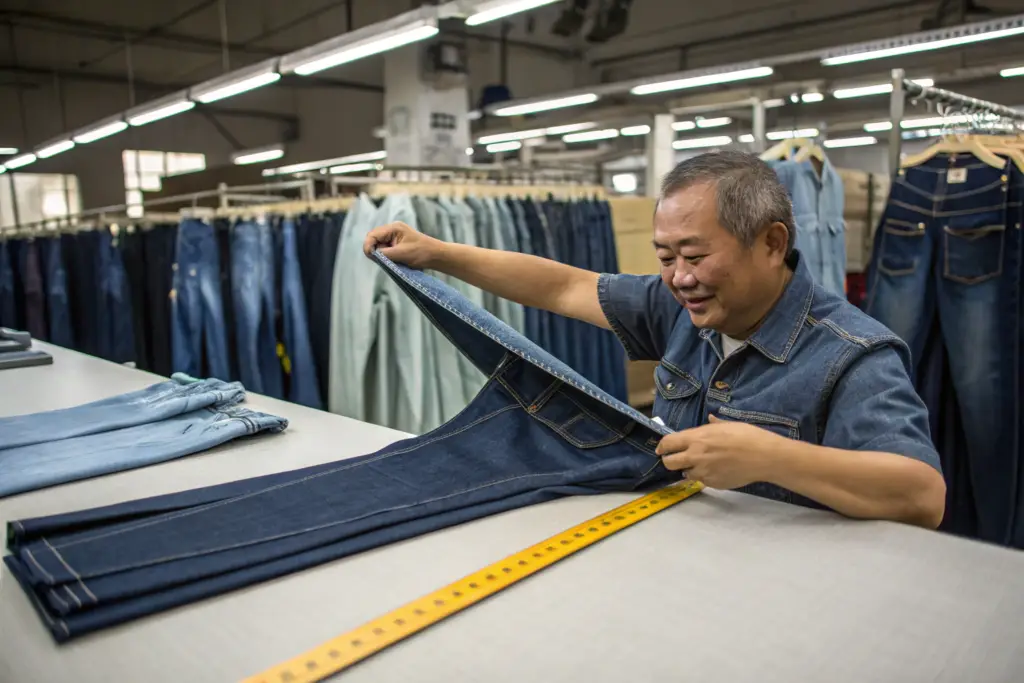
We do not guess. We test. Every batch of stretch denim goes through our lab. We have a machine that measures stretch percentage and recovery. We take a 10 cm wide strip of fabric. We mark a 10 cm section. We apply a 10 kg weight for 30 minutes. We measure how much it stretches. Then we remove the weight. We wait 30 minutes. We measure how much it returns. A good stretch denim will stretch 20% to 30% and recover to within 2% of the original length. If the recovery is more than 5%, we flag the batch. We also test after washing. Some denim stretches more after the first wash. We simulate three home launderings. Then we repeat the test. This gives us real-world data. For a client's premium denim line, we conducted 50 wash tests. We tracked stretch and recovery after each wash. The fabric performed consistently. We shared the data with the client. They used it in their marketing. They told customers the jeans would hold their shape wash after wash. This built trust.
How Does Weight Impact Breathability and Seasonality?
Denim is often seen as a year-round fabric. But the reality is different. A heavy pair of jeans that works in winter can be unbearable in summer. A lightweight denim jacket that is perfect for spring may not provide enough warmth in fall. I learned this lesson early in my career. We produced a line of 16 oz jeans for a European client. They looked amazing. But the client ordered them for a spring delivery. The jeans were too heavy for spring weather in Southern Europe. Sales were slow. The client had to discount heavily to move the inventory.
Fabric weight directly affects how denim breathes and regulates temperature. Lightweight denim, under 12 oz, allows air to circulate. It is comfortable in warm weather. It dries faster if you sweat. Mid-weight denim, 12 oz to 14 oz, provides a balance. It is suitable for spring and fall. Heavyweight denim, over 14 oz, traps heat. It works best for winter. But it is not just about the weight. The weave also matters. A looser weave breathes better. A tighter weave is more insulating. For a client in Florida, we recommended a 9 oz denim for their summer collection. The fabric had a slightly looser weave. It was breathable and comfortable in the heat. For a client in Canada, we recommended a 15 oz denim with a tight weave for their winter jeans. The jeans kept customers warm. Both clients saw strong sales because they matched the fabric to their climate.
Seasonality is often overlooked in denim sourcing. Brands get caught up in styles and washes. They forget that their customers live in different climates. A jean that sells well in New York in January will not sell in Miami in July. We help our clients think through these factors before production.
What Denim Weights Work Best for Summer vs. Winter?
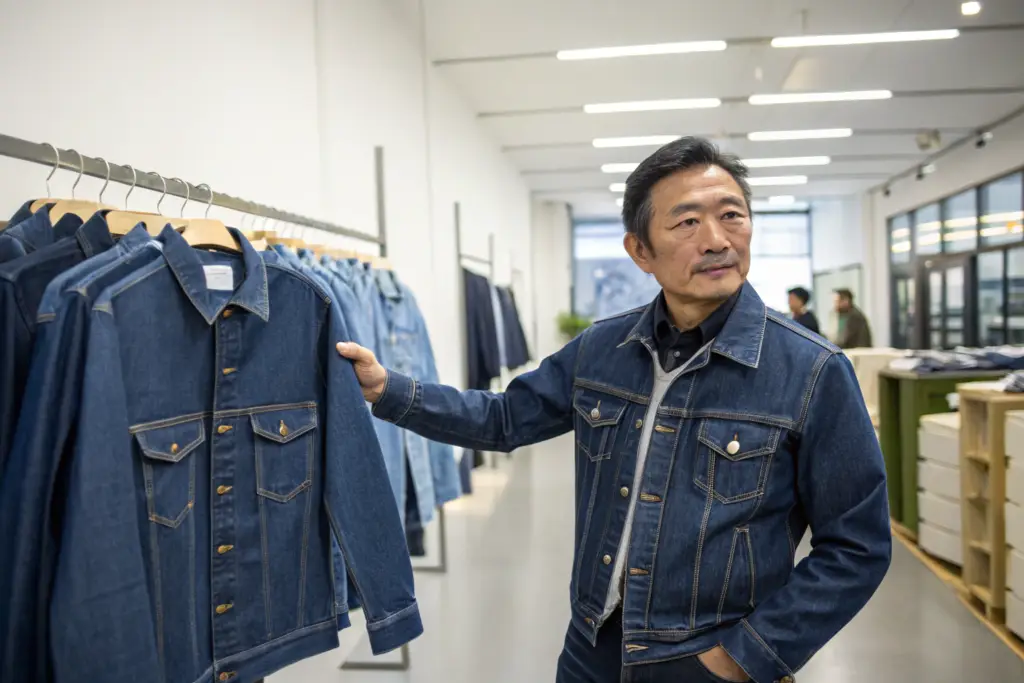
For summer, we recommend 8 oz to 10 oz denim. This is lightweight. It feels almost like a chino fabric. It is comfortable in heat. We often use open-end spinning for summer denim. This creates a slightly looser, more breathable fabric. For a men's summer short line, we used a 9 oz denim with a light wash. The shorts sold out in two weeks. Customers loved that they could wear denim without overheating. For winter, we recommend 14 oz to 16 oz denim. This is heavyweight. It provides insulation. It feels substantial. We often use ring-spun cotton for winter denim. This creates a stronger, tighter fabric. For a client in Chicago, we produced a 15 oz denim jean with a lined interior. The jeans were warm and durable. The brand marketed them as "winter-proof denim." It was a hit. For transitional seasons like spring and fall, we recommend 11 oz to 13 oz. This is the sweet spot. It is versatile. Customers can wear it in a range of temperatures.
How Does Weave Construction Affect Comfort Beyond Weight?
Weight is important. But weave construction is equally important. Denim is a twill weave. The most common is 3x1 twill. This means three warp threads go over one weft thread. This creates the diagonal rib. A 2x1 twill is lighter and softer. It drapes better. A 3x1 twill is heavier and more structured. We also look at the yarn size. Thinner yarns create a lighter, softer fabric. Thicker yarns create a heavier, more textured fabric. For a selvedge denim project, we used a 14 oz fabric with a 3x1 twill and thick yarns. The fabric was heavy but breathable because the weave had natural air pockets. For a lightweight summer denim, we used a 2x1 twill with finer yarns. The fabric was soft and draping. The client compared it to wearing a soft cotton pant. The construction choices are endless. We help clients navigate them. Our goal is to match the fabric to the intended wearing experience.
What Are the Trade-offs Between Lightweight and Heavyweight Denim?
Every decision in denim manufacturing involves trade-offs. Lightweight denim is comfortable and breathable. But it may not last as long. Heavyweight denim is durable and structured. But it can feel stiff and take time to break in. I had a client from New York. He wanted to launch a premium denim line. He insisted on 16 oz denim for everything. He thought heavier meant better quality. We made the samples. They looked great. But when we did wear tests, the feedback was mixed. Some customers loved the heavyweight feel. Others found the jeans uncomfortable. We had to help him understand the trade-offs.
Lightweight denim offers immediate comfort but sacrifices some durability and structure. Heavyweight denim offers superior durability and structure but requires a break-in period. There is no right or wrong choice. It depends on your brand positioning and your customer's expectations. For a client targeting young, fashion-forward customers, we often recommend lightweight stretch denim. These customers want comfort immediately. They rotate their clothes frequently. Durability is less critical. For a client targeting heritage-minded customers, we recommend heavyweight raw denim. These customers value longevity. They enjoy the break-in process. They want a garment that ages with them. We produced a 16 oz raw denim line for a Brooklyn-based brand. The jeans were stiff at first. But the brand marketed the break-in process. They told customers to wear them for 30 days before washing. The campaign worked. Customers embraced the ritual. The brand built a loyal following.
Understanding your customer is key. Do they want instant comfort? Or do they value long-term durability? The answer will guide your fabric weight choices. We help our clients think through these questions before they commit to production.
When Should a Brand Choose Lightweight Denim?
Lightweight denim is ideal for several scenarios. First, for warm climates. If your target market is in the southern U.S. or tropical regions, lightweight denim is a must. Second, for women's fashion lines. Women often prefer a lighter, softer feel. They wear jeans for fashion, not work. Third, for seasonal collections. Spring and summer lines should use lightweight denim. Fourth, for entry-level price points. Lightweight denim is generally less expensive to produce. It allows brands to hit lower price targets. For a women's fast fashion line, we produced a 9 oz stretch denim. The cost was low. The comfort was high. The brand sold thousands of units. The customers did not expect the jeans to last for years. They wanted affordable, comfortable jeans for the current season. Lightweight denim delivered that.
When Is Heavyweight Denim the Better Choice?
Heavyweight denim serves a different market. First, for workwear-inspired brands. Heavy denim is associated with durability and utility. Second, for heritage or premium brands. Heavyweight denim signals quality and longevity. Third, for men's lines. Men often prefer a heavier, more substantial feel. Fourth, for winter collections. Heavy denim provides warmth and insulation. For a Japanese-inspired selvedge brand, we used 18 oz denim. This is very heavy. The jeans required weeks of wear to break in. But the customers expected that. They were denim enthusiasts. They valued the craftsmanship and the fading potential. The brand charged a premium price. Customers paid it willingly. The heavy weight was a selling point, not a drawback. For a workwear client, we used 14 oz denim with a reinforced construction. The jeans lasted through years of heavy use. The brand built a reputation for durability.
Conclusion
Denim weight is not a simple number. It is a key decision that affects comfort, durability, breathability, and customer satisfaction. We have covered what denim weight actually means. We have explained how weight impacts stretch and recovery. We have discussed how weight affects breathability and seasonality. And we have outlined the trade-offs between lightweight and heavyweight denim.
The right choice depends on your brand, your customer, and your intended use. A summer jean for a fast-fashion brand needs lightweight stretch denim. A winter jean for a heritage brand needs heavyweight raw denim. There is no one-size-fits-all answer. But understanding these principles will help you make informed decisions.
At Shanghai Fumao, we have been manufacturing denim for over 18 years. We work with brands across North America and Europe. We have five production lines dedicated to denim and other woven garments. We know the fabrics. We know the fits. We know what works.
We do not just take orders. We partner with you. We help you select the right fabric weight for your vision. We test every batch to ensure consistency. We communicate every step of the way. Our goal is to deliver denim that your customers will love to wear.
Let us help you create your next denim collection. Contact our Business Director, Elaine, directly at elaine@fumaoclothing.com. Tell us about your brand. Tell us about your customers. We will help you find the perfect denim weight for your line.