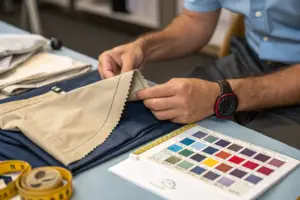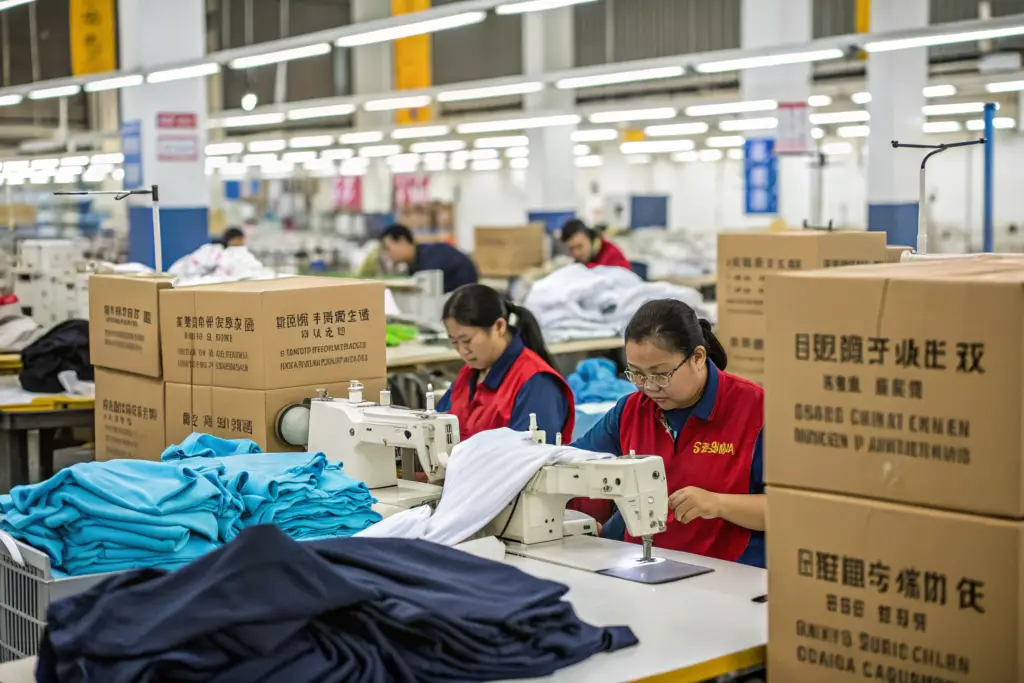
I've been in this business long enough to have been both. I started as a trading company. I bought from factories and sold to brands. I added my margin and passed the orders along. Then I opened my own factory. That experience taught me exactly where the money goes. I saw the markup from both sides. I understood why trading companies exist and why they charge what they charge. But I also saw why brands that work directly with factories get better prices, better communication, and better control over their production.
Factory direct apparel prices are better than trading companies because you eliminate multiple layers of markup, gain direct control over material sourcing and production decisions, and build relationships that lead to preferential pricing over time. Trading companies add value through convenience and curation, but that value comes at a cost of 15-30% or more.
At Shanghai Fumao, we work with both direct clients and trading companies. We see the difference in pricing and relationships. Let me explain exactly why factory direct wins on price and what you give up when you go through a middleman.
What exactly does a trading company do?
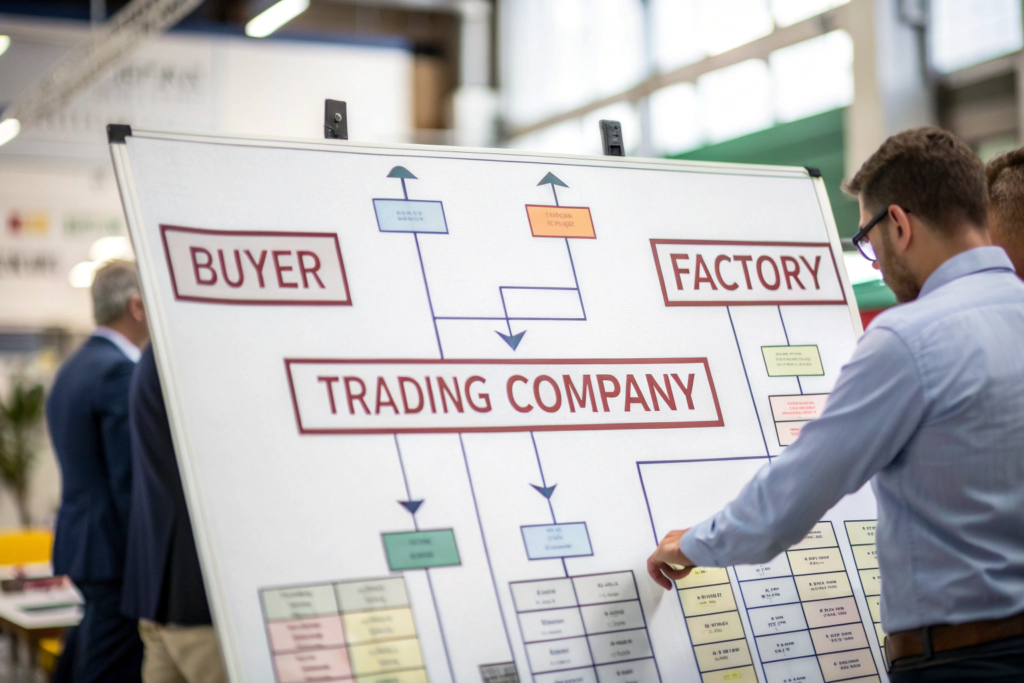
Trading companies exist because they solve problems. They find factories for buyers who don't know where to look. They check quality for buyers who can't visit. They handle communication for buyers who don't speak the language. They consolidate orders from multiple factories into one shipment. These services have real value. But they also have real cost.
A client from Miami used a trading company for years. He paid $18 per piece for a custom shirt. When he finally visited our factory, he saw the same shirt could be made for $12.50. He was paying $5.50 per piece for the trading company's services. On a 5,000 piece order, that's $27,500. He asked himself whether their services were worth that much.
How do trading companies find and select factories?
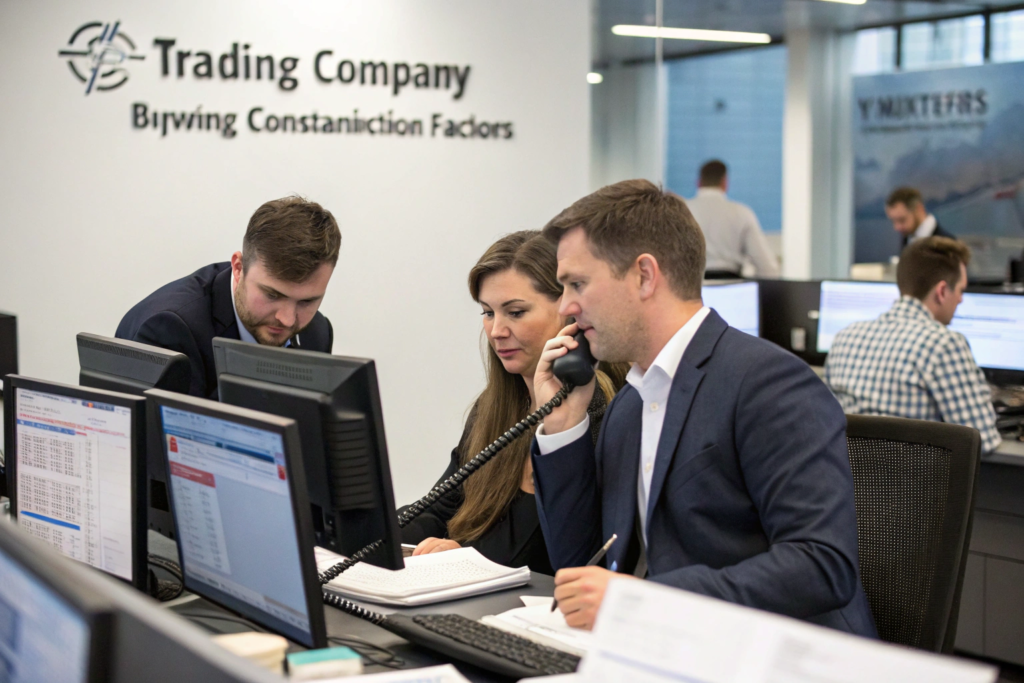
Good trading companies do real work. They visit factories. They audit capabilities. They check quality systems. They build relationships with production managers. They know which factories excel at which products. They maintain lists of vetted suppliers. For a buyer who can't travel to Asia, this curation is valuable. You don't have to worry about getting a bad factory because they've already done the screening. According to Sourcing Journal's analysis of intermediary roles, professional trading companies typically maintain relationships with 50-200 factories but only actively work with 20-30. They know who to call for denim, who to call for knits, who to call for outerwear. That expertise has value.
What markup do trading companies typically add?
The markup varies widely. Small trading companies working with low volumes might add 30-50%. Larger, more efficient traders might add 15-25%. Some add a fixed fee per order instead of a percentage. Some take commissions from factories rather than marking up your price. In that model, the factory pays the trader a commission, and you pay the factory directly. The cost is built into your price either way. At Fumao, when we work with trading companies, they typically add 20-30% to our price before quoting their clients. According to Just-Style's survey of sourcing costs, the average all-in markup for trading companies is 22% across the apparel industry. That's money that doesn't go into your product.
How do factory direct prices achieve such large savings?
When you buy direct, you eliminate the middleman's markup entirely. But the savings go deeper than that. You also gain control over decisions that affect cost. You can choose materials based on your budget, not what the trader has available. You can adjust specifications to hit price targets. You can build relationships that lead to better pricing over time.
A client from Atlanta switched from a trading company to working directly with us. His first direct order saved him 18% compared to his last order through the trader. But his second order saved another 5% because we knew his preferences and could streamline the process. His third order saved another 3% because he committed to volume. Over three orders, his savings exceeded 25%.
What cost layers disappear when you buy factory direct?
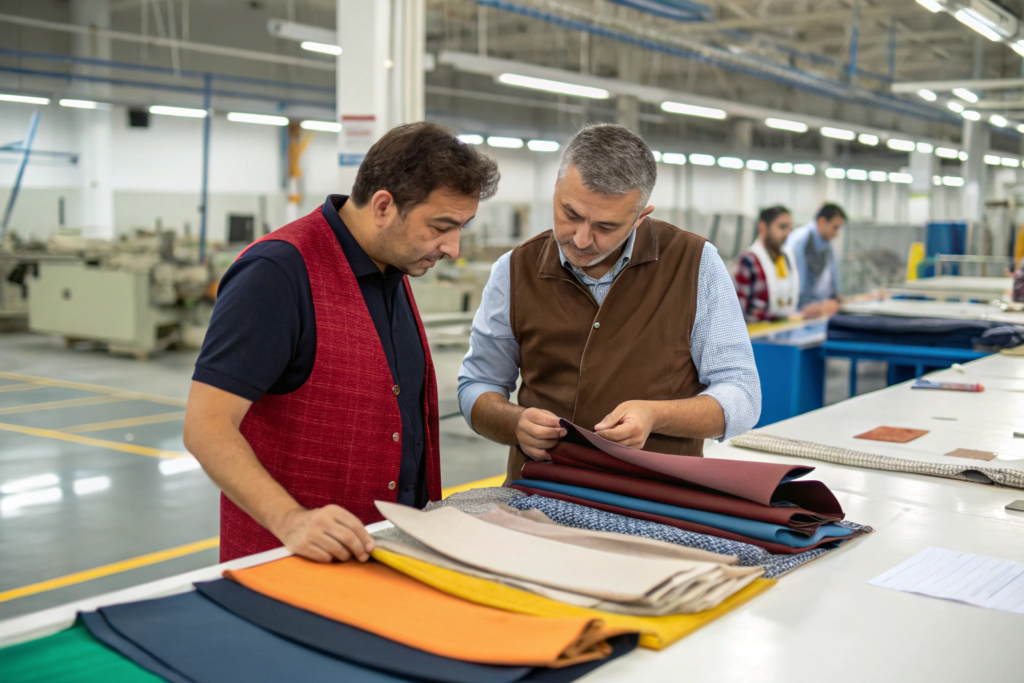
The most obvious layer is the trading company's profit margin. That 15-30% goes away. But there are other layers too. Trading companies often add their own quality control fees, their own inspection fees, their own documentation fees. They might charge for samples that factories would provide free. They might mark up fabric that they source on your behalf. At Fumao, when you work with us directly, you pay one price. It includes our cost, our overhead, and our profit. There are no hidden layers. According to McKinsey's apparel sourcing cost breakdown, direct sourcing eliminates 15-25% of non-production costs compared to using intermediaries. Those savings can go to your bottom line or let you offer better prices to your customers.
How does direct communication reduce costly mistakes?
Mistakes cost money. When you communicate through a trading company, information gets filtered. Something gets lost. Something gets misunderstood. The factory hears one thing. The buyer meant another. The trader tries to clarify but doesn't know the technical details. A client from Boston once had a disaster with a trading company. He specified "contrast stitching." The trader told the factory "different color thread." The factory used white thread on a black garment. It looked terrible. The trader blamed the factory. The factory blamed the trader. The client was stuck in the middle. When you work directly with us, you tell us "contrast stitching means thread color 101 on fabric color 201." We know exactly what you mean. According to Supply Chain Quarterly's research on communication efficiency, direct buyer-supplier communication reduces specification errors by 60% compared to communication through intermediaries. Fewer errors mean less rework, less waste, and lower costs.
What quality control advantages come with factory direct?
Quality control is where trading companies often promise more than they deliver. They say they inspect your goods. They say they ensure quality. But their inspectors visit occasionally. They don't live on the factory floor. They don't know the production team. They don't see the problems that happen between their visits.
A client from Denver used a trading company that claimed to provide "comprehensive quality control." They charged 5% of the order value for this service. When problems appeared in his shipment, the trading company said it was the factory's fault. The factory said the trading company approved everything. The client had no recourse. He switched to working directly with us. Now he sees our quality reports. He talks to our QC manager. He knows exactly what's happening.
Can I trust a factory's own quality control?
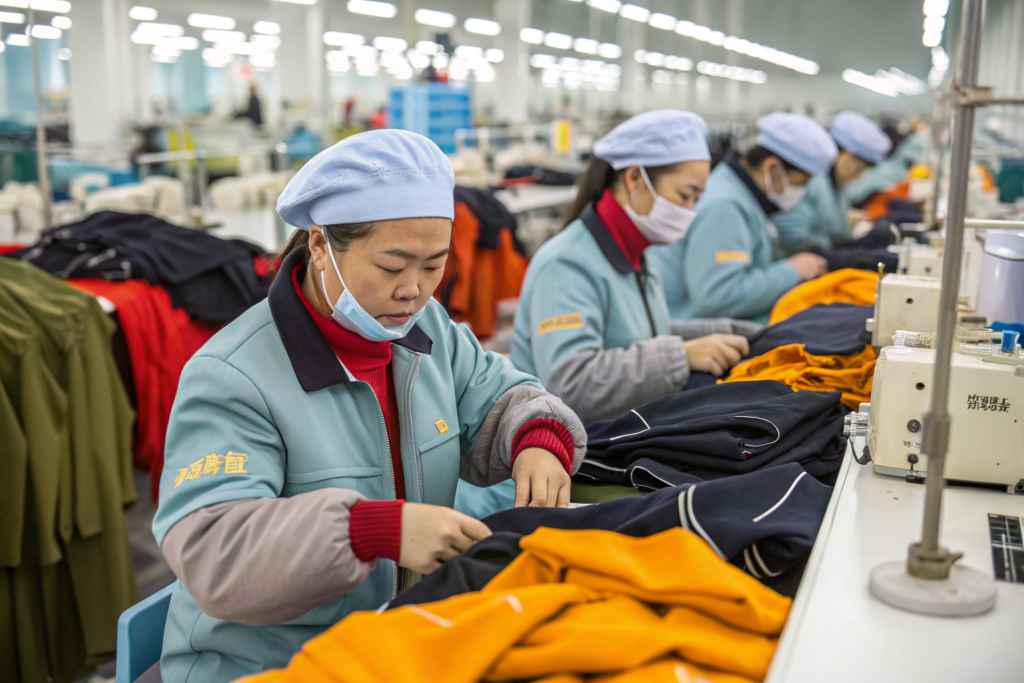
You can, if the factory has a real quality system. At Fumao, we have a dedicated QC team that reports to our production manager, not to sales. They inspect incoming materials. They do in-line inspections during production. They do final AQL inspections before shipping. We share these reports with clients. We welcome third-party inspections to verify our work. A factory with a real quality system has nothing to hide. According to Quality Magazine's guide to supplier quality, factories with robust internal QC systems have defect rates 50-70% lower than those that rely on external inspections alone. The best quality is built in, not inspected in. A factory direct partner builds quality from the start.
How do third-party inspections compare to trading company checks?
Third-party inspectors are independent. They have no relationship with the factory. They use standardized AQL methods. They provide objective reports. Trading company inspections are less reliable. The inspector works for the trader. They might have relationships with the factory. They might feel pressure to pass shipments to keep orders moving. A client from Seattle had a trading company inspector pass a shipment with obvious defects. When he complained, the trading company said the inspector "must have missed it." He never got a straight answer. Now he uses QIMA for independent inspections on every order. According to SGS's comparison of inspection types, independent third-party inspections catch 30% more defects than internal trading company checks. Independence matters.
The markup is obvious. The hidden costs are more dangerous. They don't show up on invoices. They show up in delays, mistakes, and missed opportunities. These costs can exceed the visible markup.
A client from Chicago worked with a trading company for three years. He thought he was getting good service. Then he visited our factory and realized how much slower his process was. Every decision took an extra day because it had to go through the trader. Every change required an extra email. Every problem had an extra layer of negotiation. He estimated that the trader added two weeks to every production cycle. That's time he could have used to get to market faster.
How do longer lead times affect my business?
Time is money in fashion. A two-week delay can mean missing a season. It can mean paying for air freight instead of ocean freight. It can mean holding more inventory because you can't reorder quickly. A client from Los Angeles calculated that the extra two weeks added by his trading company cost him about 8% of his annual revenue in lost sales and expedited shipping. The trading company's markup was 18%. His total cost of using them was 26%. According to Journal of Business Logistics research on lead time costs, each week of lead time reduction improves forecast accuracy by 5-10% and reduces safety stock requirements by 10-15%. Faster is cheaper in more ways than one.
What happens when problems require quick decisions?
When problems happen, speed matters. A fabric is delayed. A machine breaks. A worker gets sick. The factory needs to make a decision. Do we wait? Do we substitute? Do we prioritize? With a trading company, that decision has to go from the factory to the trader to you and back again. That takes days. When you work directly, we call you. You decide. We act. A client from Portland had a fabric delay last year. We called him immediately. He approved a substitute fabric within an hour. We kept production moving. His order shipped on time. If we had to go through a trading company, he would have missed his season. According to Harvard Business Review's analysis of supply chain agility, companies with direct supplier relationships resolve disruptions 40% faster than those using intermediaries. Speed is competitive advantage.
When does it make sense to use a trading company?
I'm not saying trading companies are always bad. They serve a purpose. For certain situations, they're the right choice. The key is knowing when their value justifies their cost.
A client from Nashville started his brand with zero experience. He didn't know factories. He didn't know fabrics. He didn't know the process. He used a trading company for his first two years. They taught him the basics. They connected him with reliable factories. They helped him avoid beginner mistakes. He paid more, but he learned faster. Now he works directly with us.

What volume justifies going factory direct?
There's no magic number, but generally, if you're ordering less than 500 pieces per style, a trading company might make sense. They can consolidate your small orders with others to meet factory minimums. They can handle the complexity of small-batch production that factories don't want. As you grow, the math changes. At 1,000 pieces per style, direct sourcing starts to make sense. At 3,000 pieces, the savings are substantial. A client from Austin grew from 200 pieces per style to 2,000 pieces per style. His direct savings covered the cost of hiring a full-time production manager. According to Forbes' small business sourcing guide, most brands should consider going direct when their annual import volume exceeds $250,000. Below that, trading companies may be more cost-effective when you factor in your own time and expertise.
How do I find a reliable trading company if I need one?
If you decide a trading company is right for you, choose carefully. Look for one that specializes in your product category. A denim specialist knows denim mills. A knit specialist knows knit factories. Ask for references and call them. Ask how they handle quality issues. Ask how they communicate with factories. Ask to visit their office if possible. Avoid companies that are vague about their process. A client from Philadelphia found a great trading company by asking other brand owners in his network. Personal referrals are worth more than website promises. According to TradeReady's guide to selecting intermediaries, the best trading companies are transparent about their markup and their relationships. If they won't tell you how they make money, keep looking.
Conclusion
Factory direct pricing beats trading companies because you eliminate layers of markup, gain control over decisions that affect cost, and build relationships that lead to better terms over time. You also get faster communication, fewer mistakes, and more agile problem-solving. The savings are real and substantial, often 20-30% or more.
But direct sourcing requires work. You need to find the right factory. You need to communicate clearly. You need to manage the relationship. For small brands just starting out, a good trading company can provide valuable support. For growing brands ready to scale, direct sourcing is the path to better margins and more control.
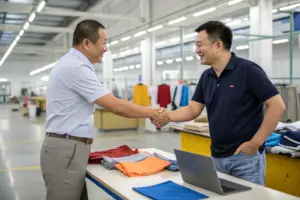
At Shanghai Fumao, we welcome both direct clients and trading company partners. But our heart is in direct relationships. We love working with brands that we know by name, that we talk to regularly, that we help grow over years. When you work with us directly, you get our best thinking, our fastest responses, and our most competitive pricing.
If you're ready to explore factory direct sourcing, let's talk. Contact our Business Director, Elaine, directly at elaine@fumaoclothing.com. Tell her about your brand and your volume. She'll be honest about whether direct makes sense for you. If it does, she'll connect you with our team. If a trading company would serve you better now, she'll tell you that too. We're here to help you succeed, however that happens.