I've watched too many smart brand owners get excited about a low price quote, only to discover months later that they actually lost money on the deal. The price from the factory was $8 per piece. They sold it for $32 and thought they were making a killing. Then the freight bill arrived. Then the duties. Then the trucking to their warehouse. Then the chargebacks from retailers for late delivery. Then the returns from customers because the quality didn't match the sample. Suddenly that $24 gross profit turned into a $2 loss. I've seen it happen more times than I can count. The problem isn't the factory price. The problem is not understanding the full cost picture.
True profit margins on imported garments depend on calculating every cost from the factory floor to your customer's closet. The key components include factory price, freight and logistics, duties and tariffs, quality failure costs, inventory holding costs, and the hidden costs of time and communication breakdowns.
At Shanghai Fumao, we've helped hundreds of clients build accurate cost models. We share our freight estimates. We explain our quality control process. We help them understand what drives costs up and where savings hide. Let me walk you through the real math of importing garments.
What costs hide in the factory price?
The factory price is just the beginning. But even that number isn't as simple as it looks. When I give a client a quote of $12.50 per piece, that number contains dozens of assumptions. If those assumptions don't match reality, the final cost will be different.
A client from Denver called me once, frustrated that his actual costs were 15% higher than his initial quote. We walked through the quote line by line. He had assumed the price included everything. It included the garment, yes. But it didn't include the special hang tags he wanted. It didn't include the individual poly bagging. It didn't include the carton marking. Those were all extras he hadn't budgeted for.
What's included in a typical garment factory quote?
A proper factory quote should be transparent. At Fumao, we break it down into: raw materials (fabric, thread, buttons, zippers, labels), cutting and making labor, trim and packaging, and factory profit. But even within these categories, there are variables. Fabric price depends on quantity and quality. Labor depends on garment complexity. Trim depends on what you choose. A basic cotton t-shirt quote might be $6.50. But if you want organic cotton certified by GOTS, add $1.80. If you want recycled polyester thread, add $0.30. If you want wooden buttons instead of plastic, add $0.50. According to Just-Style's guide to garment costing, these material choices typically account for 50-60% of the final factory price. The rest is labor and overhead. Ask for a detailed breakdown. A factory that won't provide it is hiding something.
How do MOQs and order quantities affect per-unit cost?
Minimum order quantities exist because every order has fixed costs. Setting up the cutting machine takes time. Programming the sewing machines takes time. Quality control setup takes time. Those costs are the same whether you order 300 pieces or 3,000. So they get spread across fewer units for small orders. I had a client who wanted to test a new style with just 100 pieces. The per-unit price was $22. When they committed to 1,000 pieces for the next season, the price dropped to $14.50. That's the power of volume. But the relationship isn't linear. The biggest drop usually happens between 300 and 800 pieces. After about 2,000 pieces, the savings start to flatten. According to McKinsey's apparel sourcing research, increasing order quantity from 500 to 1,500 pieces typically reduces unit cost by 20-25%. Beyond that, the savings are smaller but still meaningful.
How do I accurately estimate shipping and logistics costs?
Shipping is where margins go to die. The freight quote you get today might not be the freight cost you pay in three months when your goods are ready. Ocean freight rates can double in a month. Container availability can disappear. Port congestion can add weeks and thousands of dollars in detention fees.
A client from Atlanta learned this the hard way in 2021. He budgeted $3,000 for shipping based on pre-pandemic rates. By the time his goods were ready, the rate was $12,000. He didn't have the cash. His goods sat at our warehouse for three months while he scrambled. He lost his season and almost lost his business.
What's the real difference between FOB and DDP pricing?
FOB means Free On Board. It means the price includes getting the goods to the port and loading them on the ship. Everything after that is your responsibility and cost: ocean freight, insurance, customs clearance, duties, trucking to your warehouse. DDP means Delivered Duty Paid. It means the price includes everything to get the goods to your door. You pay one price and the goods show up. At Fumao, we offer both. Most of our clients prefer DDP because it eliminates surprises. One price, one invoice, one delivery. According to Freightos's guide to incoterms, DDP can cost 10-15% more than FOB on paper, but it saves 20-30% in hidden coordination costs and eliminates the risk of unexpected fees. You pay a premium for predictability. For most brands, that premium is worth it.
How do I budget for freight volatility?
Build a buffer. Don't use today's rates for a shipment six months away. Add 20-30% to your freight estimate as a risk buffer. Also, consider using a freight forwarder who can lock in rates for future shipments. Some forwarders offer rate guarantees for 3-6 months. You pay a small premium for the guarantee, but you avoid the risk of a rate spike destroying your margin. Another strategy is to build longer lead times into your planning. If you're not rushed, you can wait for better rates or consolidate shipments. A client in Seattle now plans all their collections 9-12 months out. They ship during off-peak seasons when rates are lower. Their freight costs dropped 18% just from better timing. According to Journal of Commerce's analysis of freight rate trends, seasonal planning can reduce shipping costs by 15-25% compared to rush shipments during peak periods.
What customs and duty costs do new importers miss?
Customs is a maze. The rules change. The rates vary by product category and country of origin. And if you get it wrong, the penalties can be severe. I've seen shipments held for weeks because the Harmonized System code was wrong. I've seen brand owners hit with thousands of dollars in unexpected duties because they didn't understand the trade agreements.
A client from New York imported a line of women's jackets. He classified them under a code with a 7% duty rate. Customs audited him two years later and reclassified them under a code with 16% duty. He owed back duties plus penalties totaling $47,000. He's still paying it off.
How do I find the correct HTS codes for my garments?
The Harmonized Tariff Schedule is complex but learnable. Start with the general category: chapter 61 for knitted garments, chapter 62 for woven. Then drill down by fiber content, by gender, by age group, by construction. A cotton t-shirt for women is 6109.10.0012. A cotton t-shirt for men is 6109.10.0027. They're different. Use the USITC's HTS database to search and verify. You can also request a binding ruling from Customs if you're unsure. It takes time but gives you legal protection. Many of our DDP clients rely on us to handle classification. We've been doing it for twenty years. We know how subtle differences in fabric or construction can change the code. We've saved clients thousands by ensuring correct classification from the start.
What trade agreements might reduce my duties?
The biggest one for Asian imports is the Generalized System of Preferences, but China is not a beneficiary country for most apparel. However, if you're importing from Vietnam, the US-Vietnam trade relationship offers some advantages. And if you're importing through programs like the African Growth and Opportunity Act, duties can be zero. More importantly, the way you source materials affects duty. Under the USMCA rules (similar rules apply for other trade agreements), if your garment uses U.S.-made fabric, it might qualify for reduced duties even if assembled elsewhere. This is called "yarn forward" rule. A client in Los Angeles now sources all their denim fabric from a U.S. mill, ships it to us for cutting and sewing, and then re-imports it at a reduced duty rate. According to U.S. Customs and Border Protection's trade agreements page, understanding these rules can save 5-15% on duties for qualifying goods. The paperwork is extra work. The savings are real.
What quality costs destroy profit margins?
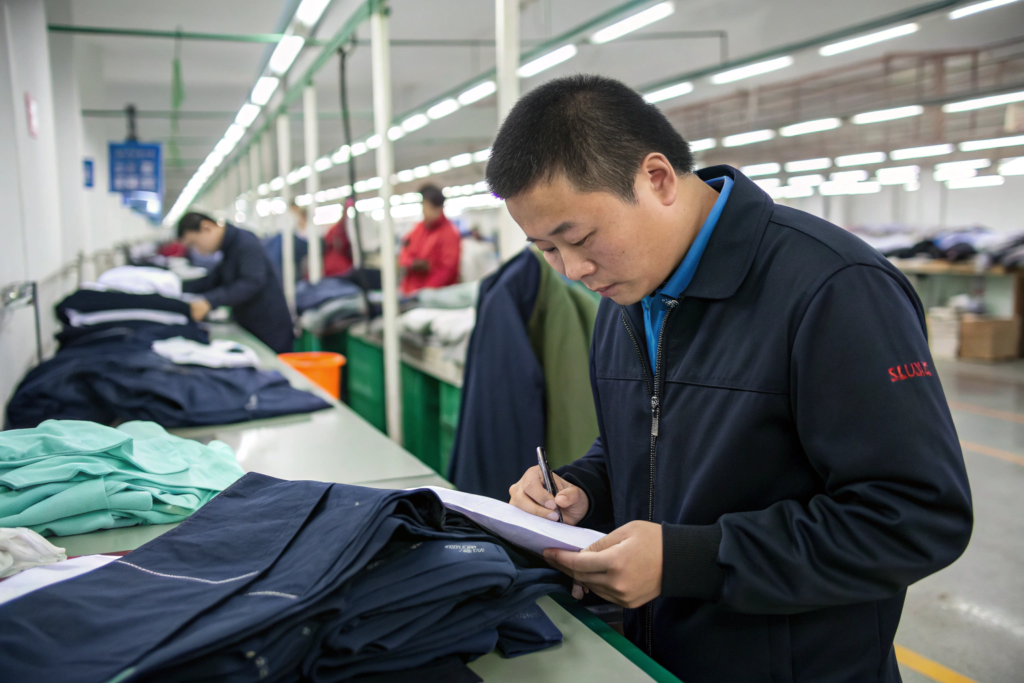
Bad quality is the silent margin killer. It doesn't show up on your initial cost sheet. It shows up later in returns, chargebacks, and lost customers. I've seen brands lose their entire profit on an order because 10% of the goods were defective and had to be replaced by air freight.
A client from Boston once approved a sample but didn't specify that the bulk production had to match it exactly. The factory used a slightly different fabric for the bulk order. The color was off. The hand feel was different. The client accepted the shipment because they were desperate. Then the returns started. 30% of the order came back. They lost $80,000 on that season.
How much should I budget for quality control?
Budget 2-4% of your total order value for independent quality control. This covers third-party inspections at the factory before shipment. It's insurance. At Fumao, we have our own QC team, but many clients still hire independent inspectors to verify our work. A client from Chicago pays $400 per inspection for a third-party company to check every batch before it ships. They've caught exactly two problems in three years. Those two problems would have cost them $15,000 each. Their $2,400 annual QC budget saved them $30,000. According to Quality Digest's cost of quality research, the cost of preventing defects is 10-20% of the cost of fixing them after shipment. Spend the money upfront. It's cheaper than fixing problems later.
What's the true cost of returns and chargebacks?
Returns cost more than the garment value. You lose the shipping both ways. The garment might not be resalable. If you sell to retailers, they often charge chargebacks for quality issues. A chargeback can be 10-20% of the invoice value, plus administrative fees. One of our clients sells to a major department store chain. Their chargeback for a quality issue is 15% of the order value, plus they have to replace the defective goods at their own cost. A single quality problem on a $50,000 order cost them $7,500 in chargebacks plus $12,000 in replacement production and air freight. Their profit margin on that order went from 25% to negative 4%. According to National Retail Federation's return rate report, apparel return rates average 20-30% online, and 10-15% of those returns are due to quality or fit issues. Preventing those returns is the fastest way to protect your margin.
How do I calculate inventory holding and cash flow costs?
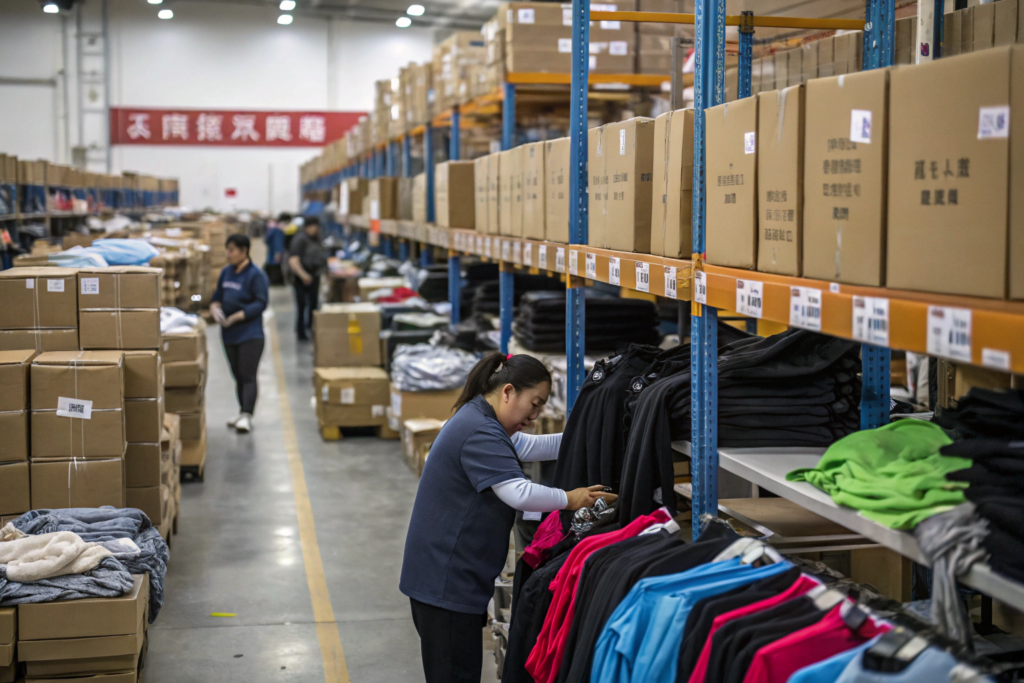
Money tied up in inventory is money you can't use for growth. Every month your goods sit in your warehouse, they cost you. Rent, insurance, labor, and the opportunity cost of capital. Many new importers forget to factor this into their margin calculations.
A client from Miami once ordered a full container of winter coats. They arrived in September, perfect timing. But sales were slow. By January, half the inventory remained. They had to discount heavily to clear it. Their gross margin looked fine on paper, but after storage costs and discounting, they barely broke even.
What's a realistic inventory carrying cost percentage?
Industry standard is 20-30% of inventory value per year. That includes warehouse space (5-8%), insurance (1-2%), taxes (if applicable), and most importantly, cost of capital (8-12%). If you borrowed money to buy the inventory, you're paying interest. If you used your own cash, you're losing the return you could have gotten elsewhere. A client in Dallas calculates his carrying cost at 2.5% per month. If his goods sit for four months, that's 10% of their value gone before he sells a single piece. According to TradeGecko's inventory carrying cost guide, most small businesses underestimate their carrying costs by 40-60%. They count the warehouse rent but forget the cost of capital. Include everything. Your true margin depends on it.
How does order timing affect my cash flow?
Timing is everything. If you order too early, you pay for inventory that sits. If you order too late, you pay for air freight or miss sales. The sweet spot is delivering goods 4-6 weeks before your selling season starts. That gives you time to warehouse, photograph, and market, but not so much time that you're carrying inventory for months. A client in Oregon now times all their orders for August 1 delivery for their October launch. They pay a slight premium for off-peak shipping, but their inventory only sits for 60 days instead of 120. Their carrying costs dropped by half. According to Journal of Business Logistics research on inventory timing, optimizing order timing can improve cash flow by 15-25% for seasonal businesses. It's not just about getting the lowest product cost. It's about getting it at the right time.
Conclusion
Calculating true profit margins on imported garments is complicated. But it's not mysterious. You need to account for every cost from the factory floor to your customer's closet. The factory price is just the beginning. Add freight, duties, quality control, returns, and inventory carrying costs. Build buffers for volatility. Verify every assumption. Track every expense.
At Shanghai Fumao, we help our clients build complete cost models. We share our freight estimates. We explain our duty calculations. We help them understand where money goes and where it can be saved. We've been doing this for over twenty years. We've seen every mistake and learned from every one. Our goal is to make sure our clients succeed, because when they succeed, we succeed.
If you're ready to import with clarity and confidence, let's talk. Contact our Business Director, Elaine, directly at elaine@fumaoclothing.com. Tell her about your product and your target margin. She'll connect you with our team, and we'll help you build a complete cost model for your next order. No surprises. No hidden costs. Just clear numbers and a profitable partnership.