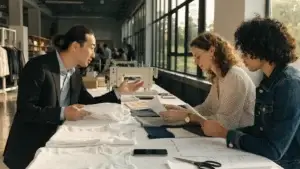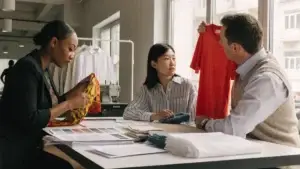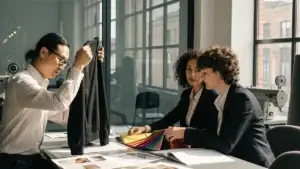
I have seen too many brands learn the hard way that a factory that looks good on paper can be a disaster in reality. A few years ago, a client from Boston came to me after losing over $100,000. He had found a factory online. The website was professional. The communication was good. The samples were perfect. He placed a large order. What arrived was completely different. The quality was poor. The sizing was wrong. The factory stopped answering his calls. He had no recourse.
He told me he wished he had known what to look for before he committed. He wished he had asked the right questions and visited the right places. He learned that evaluating a factory is not just about liking the samples. It is about understanding the entire operation.
Evaluating a garment factory before placing a large wholesale order requires a systematic approach that goes far beyond reviewing samples. You need to assess their production capacity, quality control systems, financial stability, communication capabilities, and ethical practices. You need to verify that they can handle your volume, meet your quality standards, and deliver on time. A thorough evaluation protects your investment and builds the foundation for a long-term partnership.
Let me walk you through exactly what to look for and what questions to ask.
What should you look for during a factory visit?
I have a client in Seattle who visits every potential factory before placing an order. He has developed a checklist over many years. He knows exactly what to look for. When he visited us for the first time, he spent three hours walking through every area. He looked at our machines. He checked our fabric storage. He watched workers. He asked questions constantly.
Another client from Miami once told me he does not need to visit. He trusts photos and videos. He has been burned twice. He still does not visit. Some people never learn.
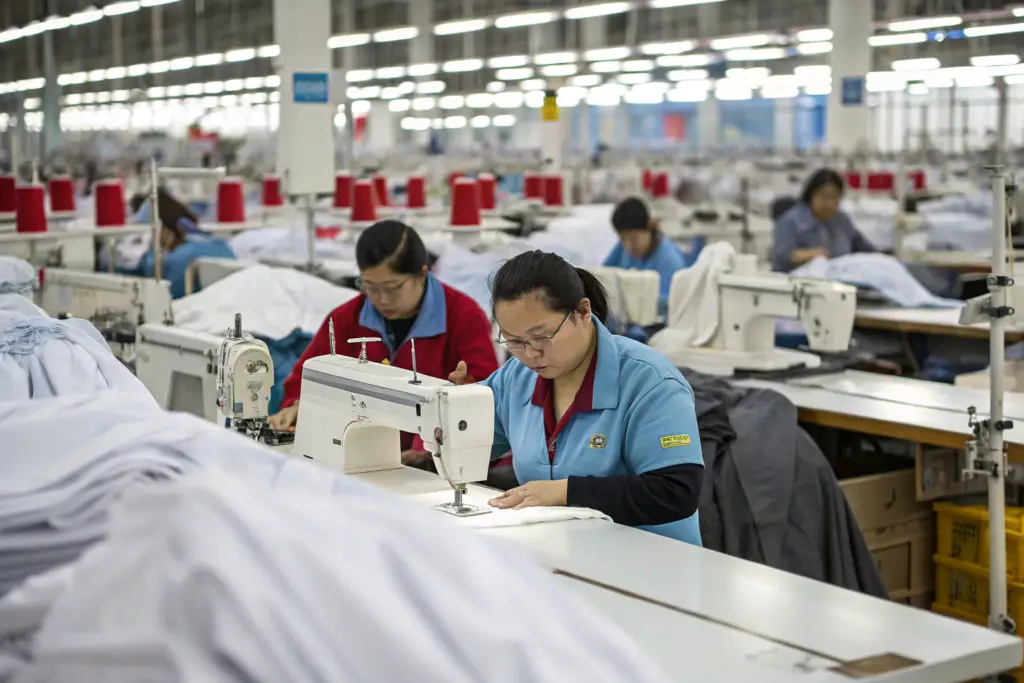
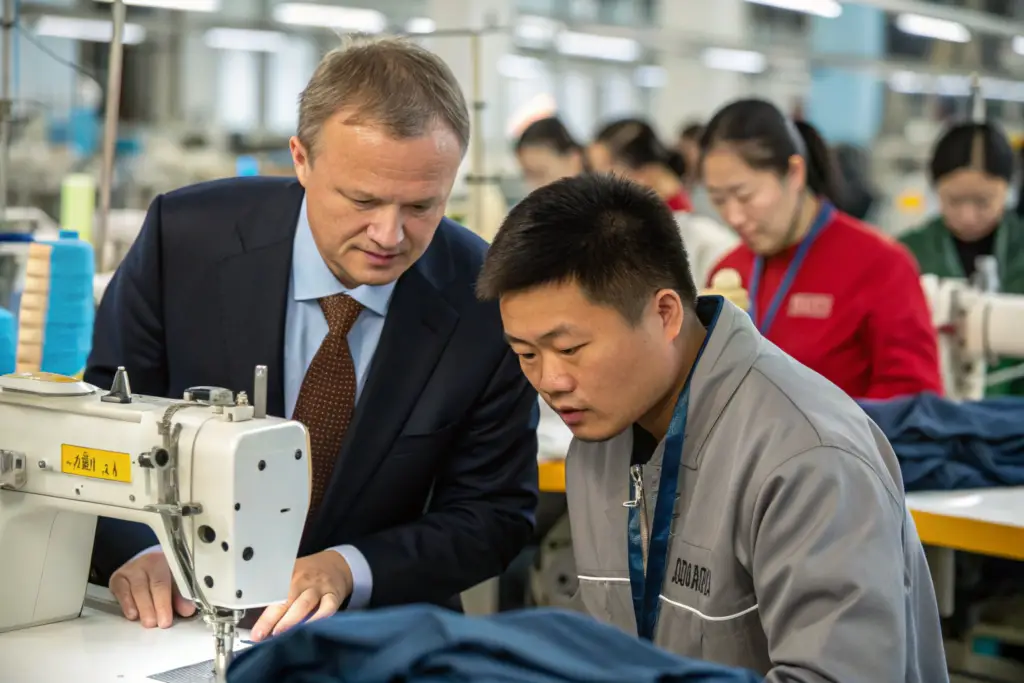
A factory visit is the single most valuable evaluation tool. When you walk through the facility, you see the truth. Look at the machines. Are they modern and well-maintained? Look at the workstations. Are they organized and clean? Look at the workers. Do they seem skilled and focused? Look at the fabric storage. Is it organized and protected from dust and moisture? Look at the finished goods area. Is there a quality control process visible? Trust your eyes. A clean, organized factory with modern equipment and skilled workers is likely a reliable partner. A messy, chaotic factory is a risk.
The Seattle client noticed things during his visit that he never would have seen in photos. He saw that we had a dedicated quality control team, not just final inspectors. He saw that our fabric was stored off the floor and covered to protect it. He saw that workers had good lighting and ergonomic chairs. These details told him we cared about quality. He placed his first order that week. For more on factory evaluation checklists, we provide detailed guides to our clients.
What are the red flags to watch for during a visit?
Dirty floors with fabric scraps everywhere suggest poor organization. Machines that look old or poorly maintained suggest lack of investment. Workers who seem unhappy or stressed suggest management problems. Fabric stored in damp or dusty conditions suggests quality will suffer. A "showroom factory" that is clearly staged while other areas are hidden suggests they have something to hide.
Should you take photos during the visit?
Yes, absolutely. Take photos of everything. They are useful for reference later and for sharing with your team. Most factories are happy to allow photos. If a factory refuses to let you take photos, that is a major red flag.
What questions should you ask about production capacity?
I had a client from Chicago who found a factory that seemed perfect. They said they could handle his volume. They said they had capacity. He placed a large order. Then the delays started. The factory was overbooked. They were juggling too many clients. His order kept getting pushed back. He missed his season.
He learned that asking "can you handle my order" is not enough. You need to dig deeper. You need to understand their actual capacity and their current workload.
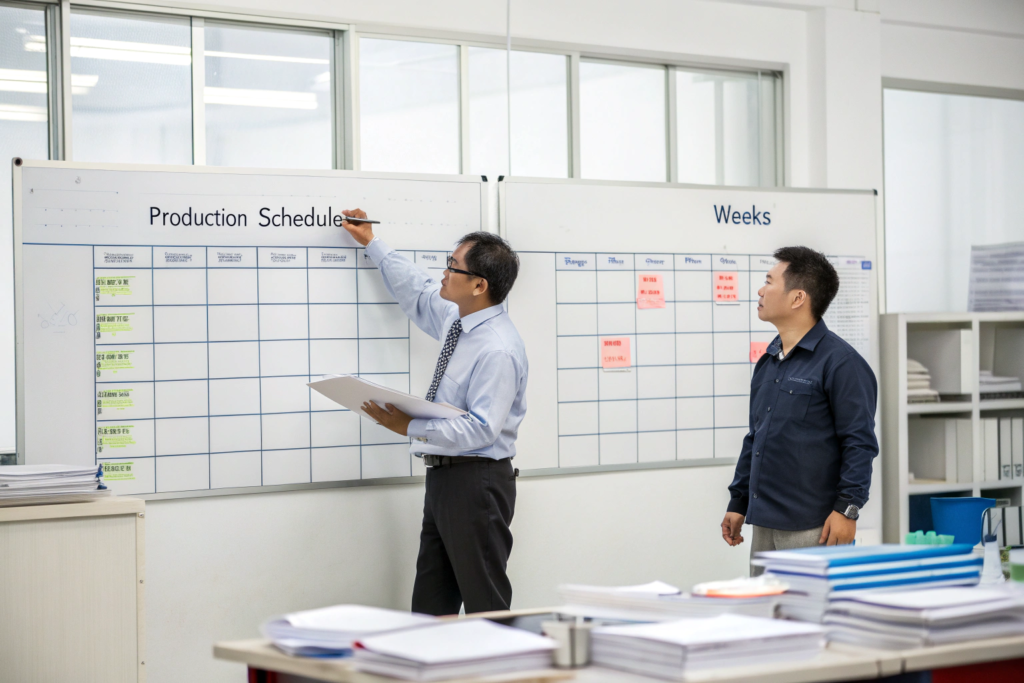
You must ask detailed questions about production capacity. What is your monthly production capacity in pieces? How many lines do you have? What is your current utilization rate? How many other clients are you producing for right now? Can you show me your production schedule? A factory that is already at 90% capacity may struggle to take on a large new order. A factory that has open capacity and a clear schedule is a safer bet. Also ask about their peak seasons and when they are busiest. You want to avoid placing a large order during their busiest time if possible.
The Chicago client now asks for production schedules. He wants to see where his order would fit. He wants to know that we have the space and time for him. We are always transparent about our production capacity and scheduling. We show clients our calendar. We reserve slots for them. There are no surprises.
What is a reasonable utilization rate for a factory?
Most factories aim for 80% to 85% utilization. This leaves some buffer for urgent orders or unexpected issues. A factory running at 95% or higher is at risk of delays. A factory running below 60% may be struggling to get business, which could be a red flag or an opportunity, depending on the reason.
How do you verify a factory's capacity claims?
Ask for references from other clients, especially clients with similar order volumes. Contact those references and ask if the factory delivered on time. Also, ask to see their production schedule. A real factory will have a schedule. A trading company or a factory with no real capacity will not.
How do you assess a factory's quality control systems?
I have a client in New York who is obsessed with quality. Before he places an order, he wants to know everything about our quality control process. He asks about fabric inspection. He asks about in-line checks. He asks about final inspection. He asks about AQL levels. He asks about third-party inspections. He leaves no stone unturned.
Another client once told me he trusts the factory to handle quality. He does not ask questions. He has been disappointed many times. He still does not ask. Quality does not happen by accident. It happens by design.
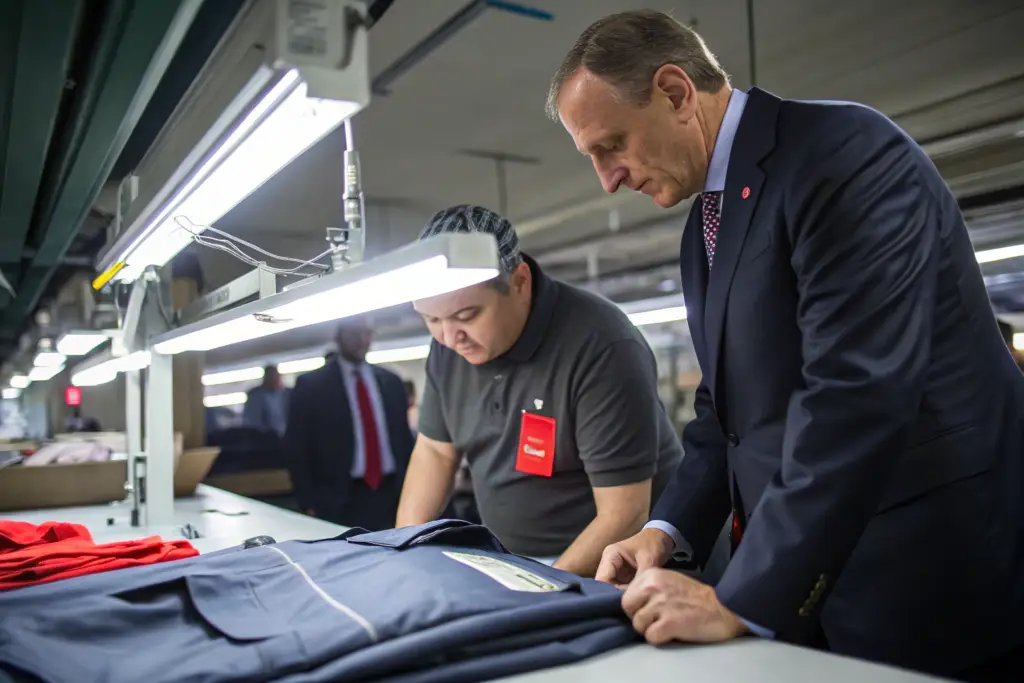
Quality control is not just about inspecting finished goods. It is a system that runs through the entire production process. Ask your factory: Do you inspect fabric before cutting? Do you have in-line inspectors on the production floor? Do you do 100% inspection or AQL sampling? What AQL level do you use? Do you allow third-party inspections? Can you show me your quality reports from recent orders? A factory with a robust quality control system will have answers and documentation. A factory that relies on final inspection alone is taking risks with your reputation.
The New York client liked what he saw when he visited us. He saw inspectors at work. He saw our checklists. He saw garments with red tags pulled aside for rework. He knew we took quality seriously. He has been with us for five years. We provide all our clients with our quality control protocols and welcome their scrutiny.
What is AQL and why does it matter?
AQL stands for Acceptable Quality Limit. It is a statistical method for sampling inspections. You agree on an AQL level, like 1.5% or 2.5%. The inspector samples a certain number of garments based on the lot size. If the number of defects exceeds the limit, the lot is rejected. Understanding AQL helps you set clear quality expectations with your factory.
Should you use third-party inspections?
For large orders, absolutely. A third-party inspector has no incentive to pass borderline goods. They work for you. Their report is objective. Even if you trust your factory, third-party inspections add a layer of protection. The cost is small compared to the risk of receiving defective goods.
What financial and ethical considerations should you evaluate?
I had a client from Texas who placed a large order with a factory that seemed great. The quality was good. The communication was good. Then halfway through production, the factory asked for more money. They said material costs had increased. He had already paid a deposit. He felt trapped. He paid, but he lost trust.
He learned that financial stability matters. A factory that is struggling may cut corners or ask for unexpected payments. You need to know they are solid.
Financial and ethical considerations are often overlooked, but they are critical. Ask about their payment terms. Are they standard and consistent? Ask about their history. How long have they been in business? Ask for bank references if possible. Also ask about their labor practices. Do they have BSCI or other social compliance certifications? Do workers have proper contracts and safe conditions? A factory that treats workers well and operates ethically is more likely to be a reliable long-term partner. A factory that cuts corners on labor is likely to cut corners on your order too.
The Texas client now asks these questions before placing orders. He works only with factories that have been in business for many years and have clear financial practices. He also visits to see worker conditions. He wants to know that his products are made ethically. We are proud of our ethical manufacturing practices and welcome his questions.

What payment terms are reasonable?
Standard terms are 30% to 50% deposit with order, balance before shipment. Some long-term partners may get better terms, but for new relationships, this is normal. Be wary of factories that demand 100% payment upfront. That is a major red flag.
How do you verify a factory's ethical claims?
Ask for certifications like BSCI, WRAP, or SA8000. Verify them with the certifying body. Also, visit and see for yourself. Look at working conditions. Talk to workers if possible through a translator. A factory that is proud of its ethical practices will be happy to show you.
Conclusion
Evaluating a garment factory before placing a large wholesale order is a process that requires time and attention. Visit the factory and see the operation with your own eyes. Ask detailed questions about production capacity and verify their claims. Assess their quality control systems to ensure they can meet your standards. Evaluate their financial stability and ethical practices to ensure they are a partner you can trust for the long term.
At Shanghai Fumao, we welcome this evaluation. We have been in business for over a decade. We have modern equipment, skilled workers, and robust quality systems. We are transparent about our capacity, our processes, and our practices. We invite you to visit, to ask questions, and to verify everything. We are confident that when you evaluate us, you will find a partner you can trust.
If you are ready to find a factory partner you can rely on, I invite you to reach out. Let us schedule a visit or a video tour. Let us answer all your questions. Contact our Business Director, Elaine, directly at strong>elaine@fumaoclothing.com</strong. Tell her about your needs, and let us start building a partnership based on trust and quality.