I have been in this industry long enough to remember when "sustainable" was just a marketing word. Factories would slap a green label on anything and call it eco-friendly. Buyers would ask for organic cotton without really knowing what it meant. The whole system was full of confusion and, honestly, a lot of deception.
That world is ending. Today, my clients ask real questions. They want to know where their fibers come from. They want proof of certifications. They want to tell their customers a true story about how their clothes are made. This shift is real, and it is transforming how we work.
I remember a client from Portland who came to us five years ago with a dream of building a completely sustainable brand. She wanted organic cotton, recycled polyester, and low-impact dyes. She had done her research. She knew the certifications she needed. But she had no idea how to actually find these materials in China. She had been burned by suppliers who claimed sustainability but delivered conventional fabrics with fake certificates.
Sourcing sustainable fabrics from Chinese clothing factories requires a systematic approach that goes beyond trusting supplier claims. You need to understand the key certifications, know which mills specialize in sustainable production, verify claims through independent testing, and build relationships with factories that prioritize transparency. The good news is that China is now a global leader in sustainable textile production, with hundreds of certified mills producing everything from organic cotton to recycled synthetics. The challenge is separating the genuine from the greenwashed.
Let me walk you through exactly how to find and verify sustainable fabrics from Chinese suppliers.
What are the key certifications you should look for in sustainable fabrics?
I had a client from Boston who came to us asking for GOTS-certified organic cotton. He sent me a list of requirements. He knew exactly what he wanted. But when I asked him if he knew how to verify a real GOTS certificate, he admitted he did not. He had been accepting PDFs from suppliers without checking if they were genuine. We had to teach him the verification process.
The world of sustainable certifications is confusing. There are dozens of labels, each meaning something different. Some are rigorous. Some are meaningless. Understanding the difference is essential.
The most important certifications for sustainable fabrics in China are GOTS for organic cotton, GRS for recycled materials, Oeko-Tex for harmful substances, and BSCI for social compliance. GOTS (Global Organic Textile Standard) is the gold standard for organic fibers. It covers the entire supply chain, from field to finished fabric. GRS (Global Recycled Standard) verifies recycled content and tracks it through production. Oeko-Tex certifies that finished fabrics are free from harmful chemicals. BSCI focuses on social compliance and worker conditions. A supplier with these certifications has made a real investment in sustainability. But you must verify them directly with the certifying bodies, not just accept the PDF.
The Boston client learned to verify every certificate. He now goes to the official GOTS website and searches for the certificate number. He checks the dates and the scope. He has caught two suppliers with expired or fake certificates this way. He now works only with verified suppliers, including us. We provide all our sustainability certifications openly for clients to verify.
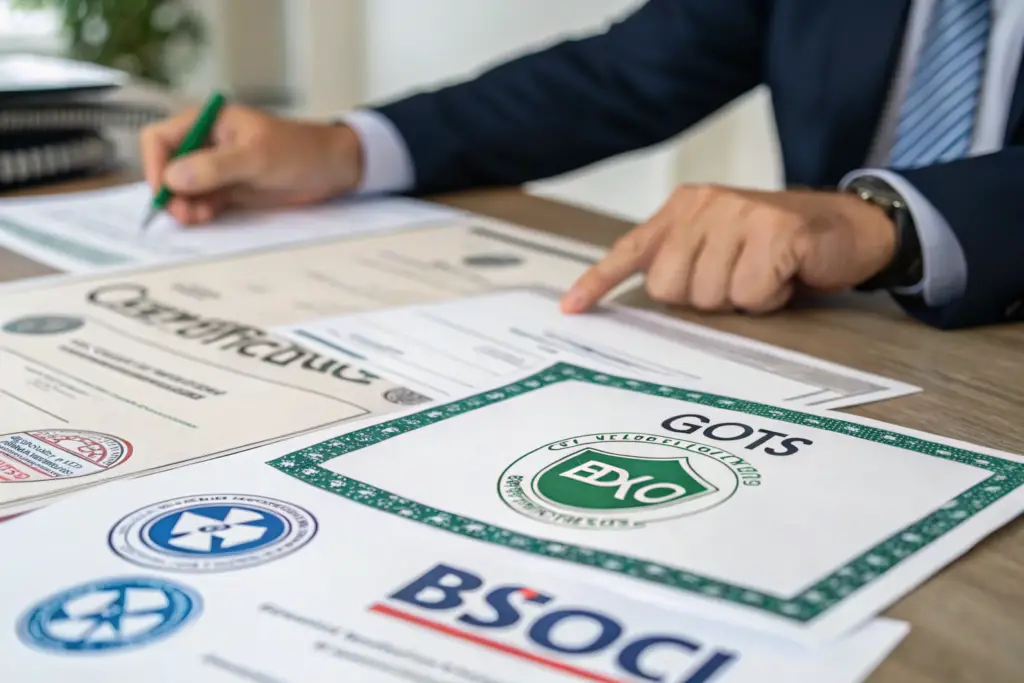
How do you verify a GOTS certificate is real?
Go to the official GOTS website. There is a public database of all certified suppliers. Enter the certificate number or the company name. Check that the certificate is current and covers the specific products you need. If the supplier refuses to provide their certificate number for verification, that is a major red flag.
What is the difference between Oeko-Tex and GOTS?
Oeko-Tex certifies that the finished fabric is free from harmful substances. It is a product safety standard. GOTS certifies that the entire production chain, from farming to finishing, meets organic and social standards. GOTS is much broader and more rigorous. Many sustainable fabrics have both certifications.
Which Chinese mills and regions specialize in sustainable fabric production?
I have been visiting fabric mills in China for over fifteen years. I have watched the sustainable sector grow from almost nothing to a major industry. Certain regions have become hubs for specific types of sustainable production. Knowing where to look saves enormous time.
A few years ago, a client from San Francisco wanted recycled polyester made from plastic bottles. He had been searching online with limited success. I introduced him to a mill in Jiangsu province that specializes in GRS-certified recycled synthetics. They had been doing it for a decade. They had the certifications. They had the capacity. He placed his first order within a month.
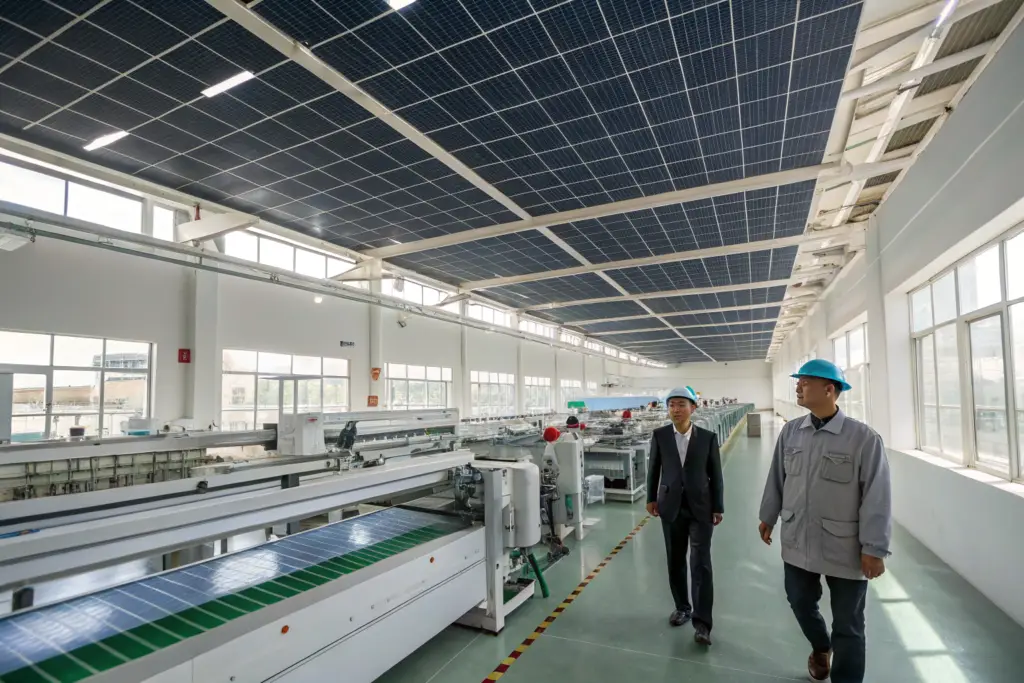
Different regions in China have developed expertise in different sustainable fabrics. Jiangsu and Zhejiang provinces are home to many GRS-certified mills producing recycled polyester and nylon from post-consumer waste. Guangdong has a concentration of GOTS-certified organic cotton mills, many serving major European and American brands. Shaoxing, in Zhejiang, has become a center for innovative sustainable fabrics, including Tencel, hemp, and other eco-friendly fibers. Working with mills in these regions gives you access to established supply chains and genuine expertise.
The San Francisco client now sources all his recycled synthetics from that Jiangsu mill. He visits them once a year. He trusts their certifications because we have helped him verify them. He knows that China's sustainable textile industry is real and growing. The key is knowing where to look.
How do you find mills with specific sustainable certifications?
Use the certification body's public database. GOTS, GRS, and Oeko-Tex all have searchable directories of certified suppliers. Start there. Also, ask your factory. A good full-package manufacturer like us has relationships with certified mills. We can introduce you to partners we have already vetted. This shortcut saves months of searching.
Are there trade shows focused on sustainable fabrics in China?
Yes. Intertextile Shanghai has a dedicated section for sustainable and eco-friendly fabrics. It grows every year. Attending this show gives you access to hundreds of certified mills in one place. You can see the fabrics, touch them, and talk to the suppliers directly. It is the most efficient way to discover what is available.
How can you verify that the fabric you receive is actually sustainable?
I had a client from Chicago who ordered a large quantity of GOTS-certified organic cotton from a new supplier. The price was good. The certificates looked real. He was happy. Then he decided to do random testing on the finished garments. The results came back: the fabric was conventional cotton with traces of pesticides. The certificates were fake. He had to recall the entire collection. It cost him his reputation and a lot of money.
He came to us after that disaster. He told me he would never trust a certificate alone again. Now he tests everything. And we support him in that. We help him coordinate with third-party labs. We provide samples for testing before production. We have nothing to hide.
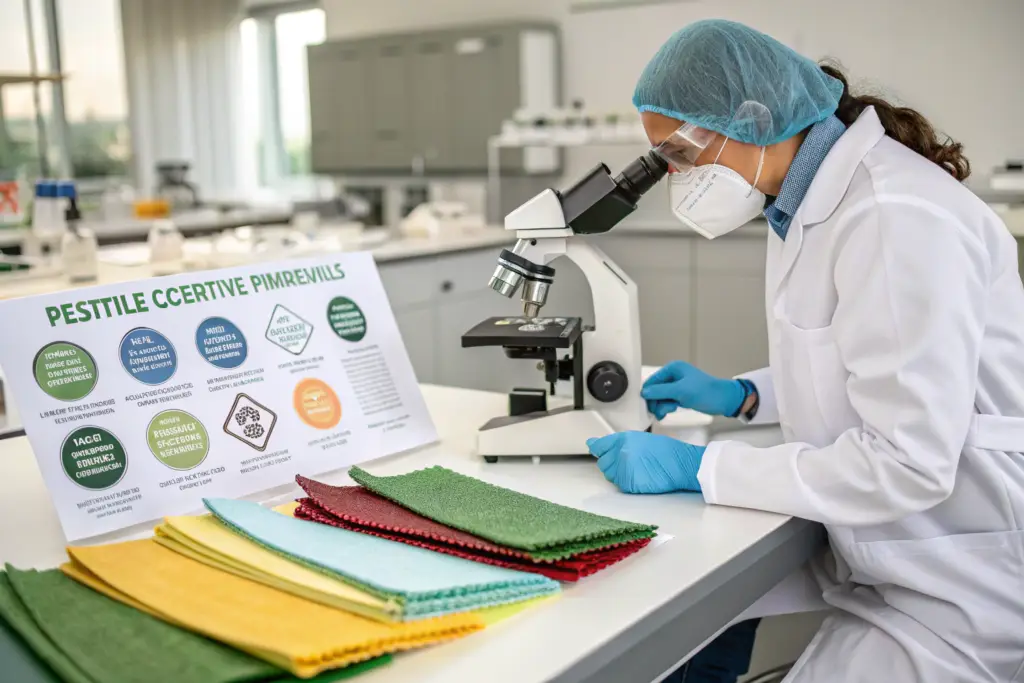
Verification is essential. Certificates can be faked. Supplier claims can be exaggerated. The only way to be certain your fabric is truly sustainable is through independent third-party testing. For organic cotton, test for pesticide residues. For recycled materials, test for composition and verify the recycled content percentage. For chemical safety, test against Oeko-Tex standards. Build testing into your quality control process. Test samples before production. Test finished goods randomly. The cost of testing is tiny compared to the cost of a sustainability scandal.
The Chicago client now tests every order. He works with labs like SGS and Bureau Veritas. He has a testing schedule built into his production timeline. He sleeps better knowing his claims are backed by science. We help coordinate this testing, providing samples and documentation. This kind of third-party textile testing is the only real protection against greenwashing.
What tests should you run on organic cotton?
Test for pesticide residues. Genuine organic cotton should have no detectable synthetic pesticides. Also test for GMO content if that matters to your brand. The lab can provide a certificate of analysis that you can share with your customers as proof.
How do you verify recycled content claims?
Testing for recycled content is more complex. Labs can use carbon dating or other methods to estimate the percentage of recycled material. For GRS-certified products, the certification itself includes chain-of-custody tracking. But random testing adds another layer of assurance.
How can you build long-term relationships with sustainable fabric suppliers?
I have a client in Boulder who has worked with the same organic cotton mill for eight years. They trust each other completely. When he needs a rush order, they prioritize him. When they have a new sustainable fabric development, they show him first. He gets better pricing, better quality, and better reliability than any new client could.
This relationship did not happen by accident. He invested time. He visited the mill regularly. He paid on time. He communicated clearly. He treated them as partners, not vendors. Over eight years, that investment has paid back many times over.
Building long-term relationships with sustainable fabric suppliers is the ultimate strategy for reliable sourcing. When you are a regular, trusted customer, suppliers will prioritize your orders, alert you to new developments, and work with you when problems arise. They will also be more transparent about their supply chain, sharing information they might withhold from one-time buyers. These relationships take time to build, but they are worth the investment. Start by visiting suppliers, communicating consistently, and paying reliably. Over time, you become a partner, not just another order.
The Boulder client now has relationships with several key suppliers. He visits China once a year, combining visits to us and to his fabric mills. He brings them small gifts. He remembers their names. He asks about their families. This human connection matters. When there is a fabric shortage, guess whose order gets filled first? His. We help facilitate these relationships by introducing clients to our trusted mill partners and supporting long-term supply chain partnerships.

How often should you visit your sustainable fabric suppliers?
At least once a year, ideally. In-person visits build trust that emails cannot. You see the operation. You meet the people. You show that you are committed. If you cannot visit, schedule regular video calls. Stay top of mind. Send updates about your brand. Make them feel part of your success.
What should you do if a supplier fails to meet sustainability claims?
Address it immediately and professionally. Share the test results. Ask for their explanation. Give them a chance to correct the issue. If it is a one-time mistake and they handle it well, the relationship may survive. If it is a pattern of deception, walk away. Your reputation is too important to risk on a dishonest supplier.
Conclusion
Sourcing sustainable fabrics from Chinese clothing factories is absolutely possible, but it requires diligence. You must understand the key certifications and how to verify them. You need to know which regions and mills specialize in the materials you need. You have to test your fabrics independently to confirm supplier claims. And you should invest in long-term relationships with suppliers who prove their commitment to sustainability.
At Shanghai Fumao, we have made sustainability a core part of our business. We work with certified mills for organic cotton, recycled synthetics, and low-impact materials. We provide full transparency on our supply chain. We welcome third-party testing and verification. We have helped dozens of brands build truly sustainable product lines. Our experience is your advantage.
If you are ready to source sustainable fabrics with confidence, I invite you to reach out. Let us discuss your goals and show you how we can help. Contact our Business Director, Elaine, directly at elaine@fumaoclothing.com. Tell her about your vision for sustainable fashion, and let us make it real together.