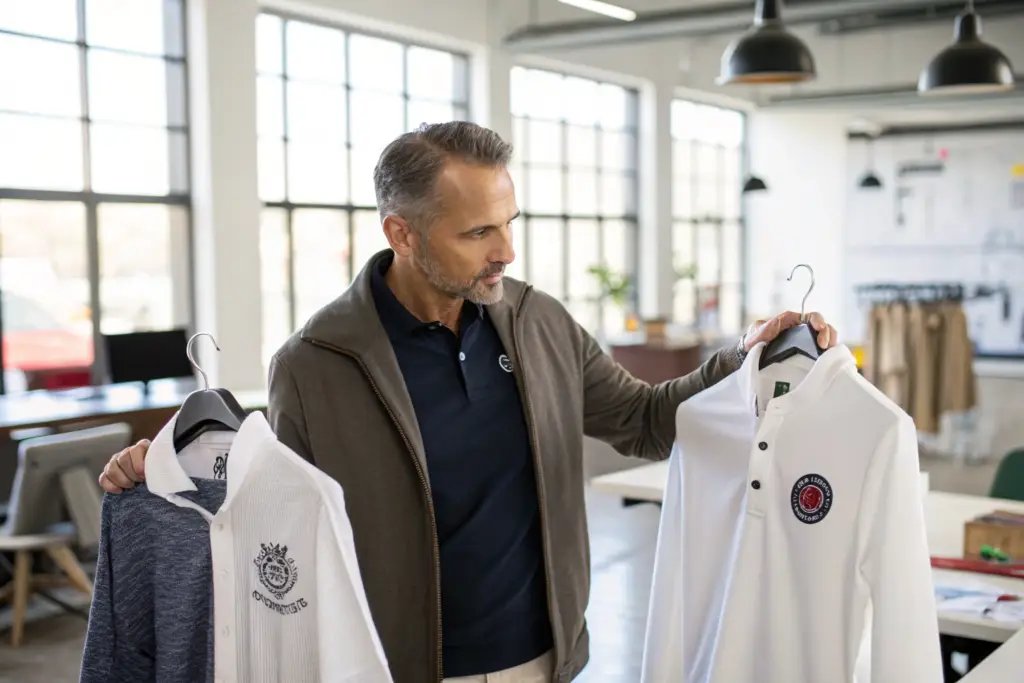
I have worked with hundreds of brands over the years, and I have seen every possible logo technique used well and used poorly. I remember a client from Denver who came to us with a beautiful design for a line of premium polo shirts. He had spent months perfecting the cut and fabric. But when he showed me the logo he wanted, a complex multicolor design with fine details, he wanted it embroidered. I had to tell him that his beautiful logo would look like a blurry mess at embroidery size.
He was disappointed. He had fallen in love with his logo on paper, but he had not considered how it would translate to fabric. We worked together to simplify the design for embroidery, and also explored other techniques. The final result was perfect, but the journey taught him a valuable lesson. Logo technique is not an afterthought. It is a core design decision.
Choosing the best custom logo technique for wholesale apparel depends on four factors: your garment fabric, your logo design complexity, your order quantity, and your budget. Embroidery offers durability and a premium feel but works best with simple designs. Screen printing delivers vibrant colors at low cost but struggles with fine details on dark fabrics. Heat transfer allows photo-realistic images but may not last as long. Direct-to-garment printing is perfect for complex, colorful designs on light fabrics. There is no single best technique. There is only the best technique for your specific needs.
Let me walk you through each option in detail. I will explain the pros and cons based on real experience, not marketing materials. This will help you make a decision that looks great and lasts.
When should you choose embroidery for your custom logo?
I have a client in Texas who produces high-end baseball caps for a lifestyle brand. His logo is a simple, bold wordmark with no fine details. He has been using embroidery for ten years. His customers love the look and the feel. The caps last for years, and the logo still looks new. Embroidery was the obvious choice for him.
But I also had a client from Miami who wanted to embroider his complex, photo-realistic animal logo on lightweight performance t-shirts. The result was a disaster. The dense stitching made the fabric pucker. The fine details blurred together. The shirt was stiff and uncomfortable where the logo sat. He learned the hard way that embroidery has limits.
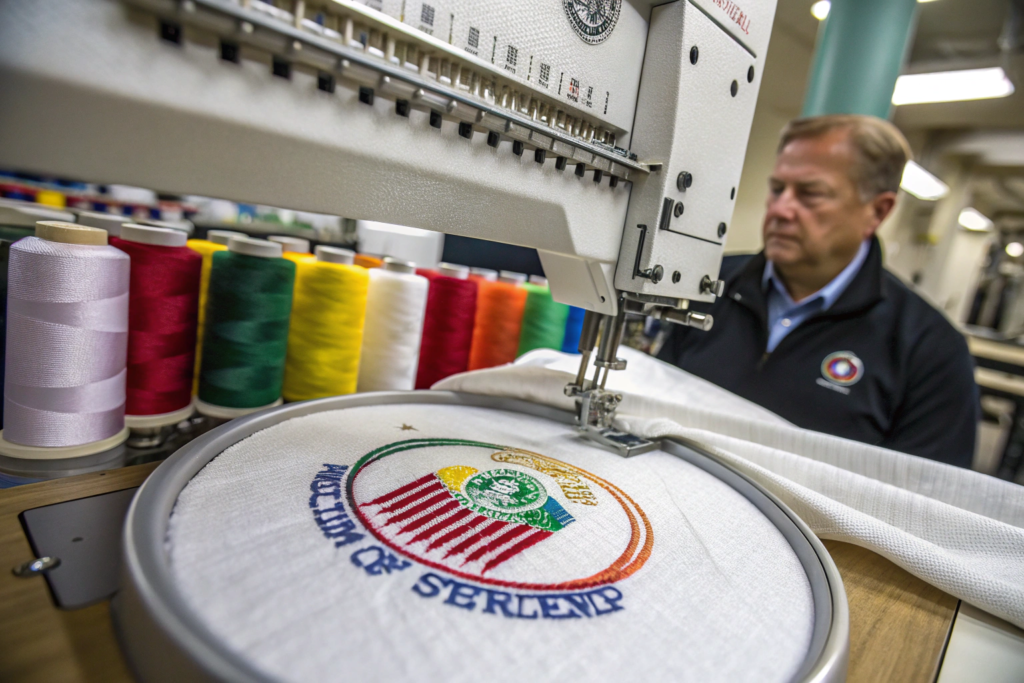
Embroidery is the best choice for logos that are simple, bold, and need to last. It works beautifully on structured garments like caps, jackets, and polo shirts. It adds a premium, textured feel that customers associate with quality. However, embroidery has limitations. It struggles with fine details, small text, and gradients. It requires a stable, sturdy fabric. Lightweight knits can pucker under dense stitching. Embroidery also costs more per piece than most printing methods, so it is best for higher-end products or smaller quantities.
The Texas client understood his logo's strengths. He kept the design clean and bold. He chose a structured garment that could support the stitching. He invested in high-quality thread that would not fade. His customers recognize his caps anywhere. The embroidery has become part of his brand identity. For more on embroidery digitizing and techniques, you can explore resources that explain how designs are prepared for machine stitching.
What logo designs work best for embroidery?
Logos with bold text, simple shapes, and limited colors work best. Avoid very small text, generally anything under 0.25 inches tall. Avoid very fine lines and intricate details. Think in terms of shapes, not photographs. A good rule is that if your logo looks clear when printed small in black and white, it will probably embroider well.
What fabrics are not suitable for embroidery?
Very lightweight fabrics like silk, thin jersey, or mesh can pucker or tear under the weight of embroidery. Highly stretchy fabrics can distort the design. Terry cloth and other textured fabrics can hide the stitching. If your garment is lightweight or stretchy, consider a printing method instead.
When is screen printing the most cost-effective choice?
I have a client in Chicago who produces thousands of simple t-shirts every year for events and promotions. His logos are usually one or two colors. He needs them fast and cheap. Screen printing is his go-to method. It gives him vibrant colors at a cost low enough that he can sell his shirts at a competitive price.
But I also had a client from Seattle who wanted to screen print a photograph on a dark t-shirt. The result was expensive and disappointing. He needed multiple screens for the different colors. The registration had to be perfect. The final print was thick and plasticky. He would have been better off with a different method.
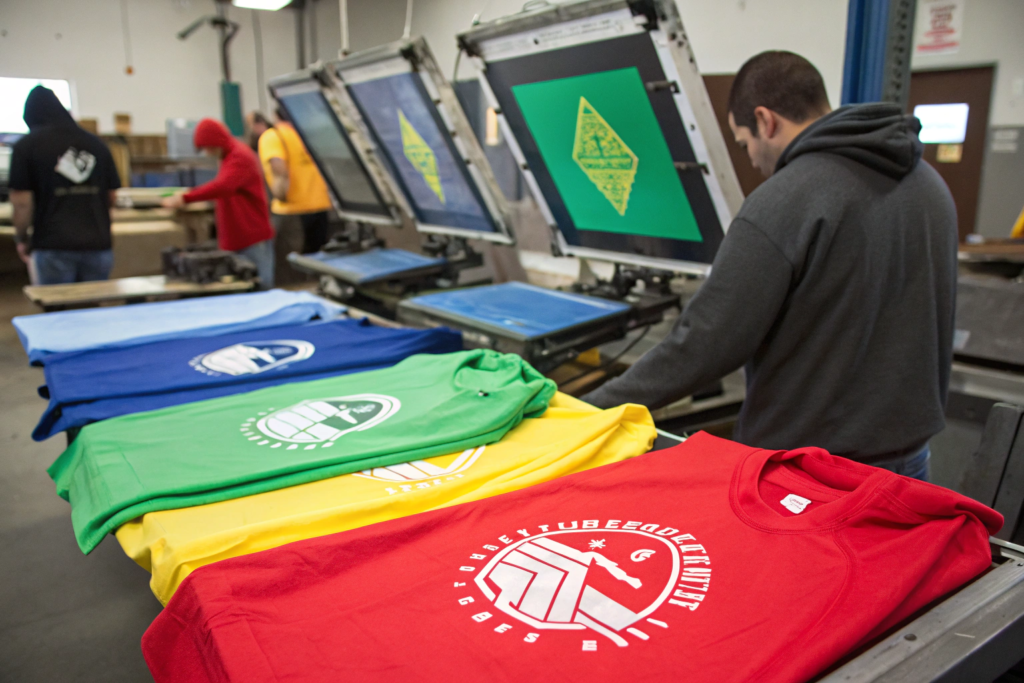
Screen printing is the workhorse of apparel decoration. It delivers vibrant, opaque colors at the lowest cost per piece for large quantities. It is ideal for simple logos with limited colors, typically one to four. The setup cost for screens makes it expensive for small runs, but the per-piece cost drops dramatically as quantity increases. Screen printing works on almost any fabric, but it excels on cotton and cotton blends. The prints are durable and can last as long as the garment with proper care.
The Chicago client plans his orders strategically. He consolidates multiple events into one large print run to maximize his setup investment. He limits his designs to two colors to keep costs down. He knows that screen printing cost factors include setup per color, so he designs accordingly. His approach keeps his margins healthy.
What is the minimum quantity for cost-effective screen printing?
Screen printing has a fixed setup cost per color. For very small runs, like 50 pieces or less, this setup cost makes each shirt expensive. For runs of 200 pieces or more, the per-piece cost becomes very competitive. For 1000 pieces, it is the most economical option by far. If you need small quantities, consider combining orders or using a different technique.
How many colors are too many for screen printing?
Technically, you can print unlimited colors, but each color adds setup cost and complexity. Four colors is a common maximum for keeping costs reasonable. More than four colors requires more screens, more labor, and more chance of registration errors. If your logo has many colors, consider simulated process printing or a different method.
When should you consider heat transfer or DTG printing?
I have a client in New York who runs a streetwear brand with incredibly complex, artistic designs. His logos are essentially full-color artworks with gradients and fine details. Screen printing would cost him a fortune. Embroidery is impossible. He uses direct-to-garment printing for small runs and heat transfer for larger ones. These techniques allow him to print exactly what he designs without compromise.
But I also had a client from Florida who chose heat transfer for a simple one-color logo on a bulk order of work uniforms. The transfers started peeling after a few washes. His workers looked unprofessional. He had chosen the wrong method for the application.
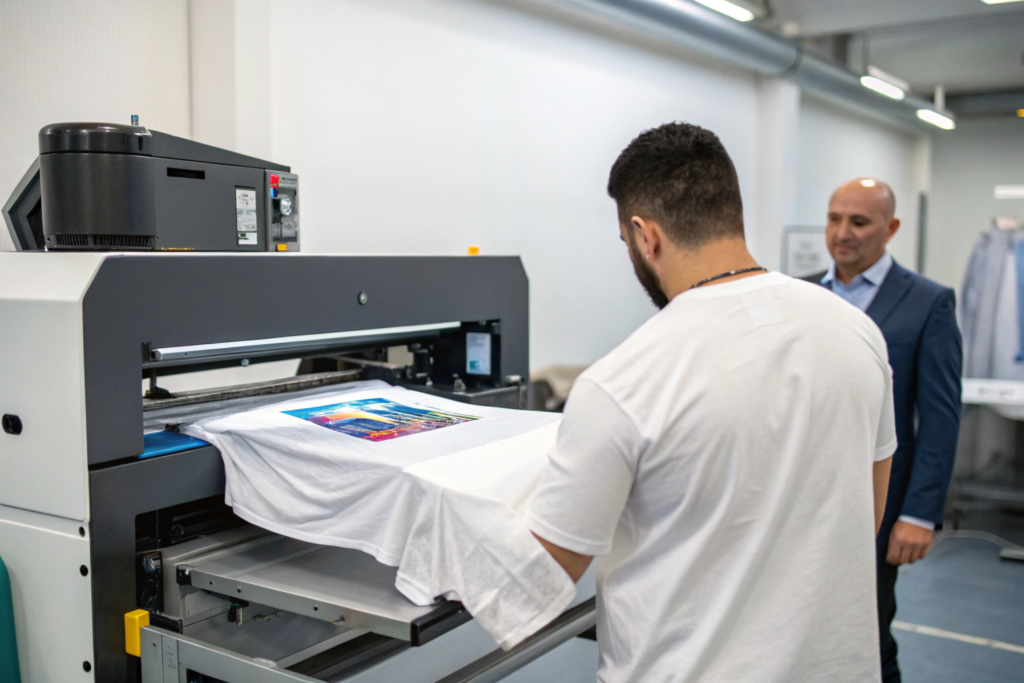
Heat transfer and direct-to-garment printing are the best choices for complex, multi-color, or photo-realistic designs. DTG prints directly onto the fabric like a paper printer, allowing unlimited colors and fine details. It works best on 100% cotton light-colored garments. Heat transfer prints the design onto a carrier film and then presses it onto the garment. It works on almost any fabric and color, and it can include special effects like glitter or puff. However, both methods have durability limitations compared to embroidery or screen printing, especially on garments that will be washed frequently and roughly.
The New York client has built his entire brand around complex graphics. He uses DTG for his limited drops of 50 to 100 pieces. For his larger runs, he uses screen-printed transfers that give him the detail he needs at a better price point. He tests every new design for wash durability before committing to production. He has learned that DTG vs screen printing vs heat transfer each have their place in his lineup.
What are the durability differences between these methods?
Screen printing and embroidery are the most durable. They can last the life of the garment with proper care. Heat transfer and DTG are less durable. High-quality transfers can last 50 washes or more, but cheap ones peel quickly. DTG prints can fade over time, especially on dark garments. Always ask for wash test results before choosing a method for garments that will be washed frequently.
Which method works best on dark-colored garments?
Screen printing with opaque inks works very well on dark garments. Heat transfer with a white underbase also works. DTG on dark garments requires a pretreatment and white ink, which can add cost and affect hand feel. For small runs on dark garments, high-quality heat transfer is often the best balance of quality and cost.
What about specialty techniques like puff, glitter, or metallic prints?
I have a client in Los Angeles who produces merchandise for a music festival. Every year, they want something different. One year it was glitter logos. Another year it was puff print. Another year it was metallic foil. These specialty techniques create excitement and justify premium prices. His fans love the unique feel and look.
But I also had a client from Boston who ordered puff print for a corporate event without understanding the limitations. The raised design caught on things. It cracked after one wash. His employees complained. He learned that specialty techniques require careful application and realistic expectations.
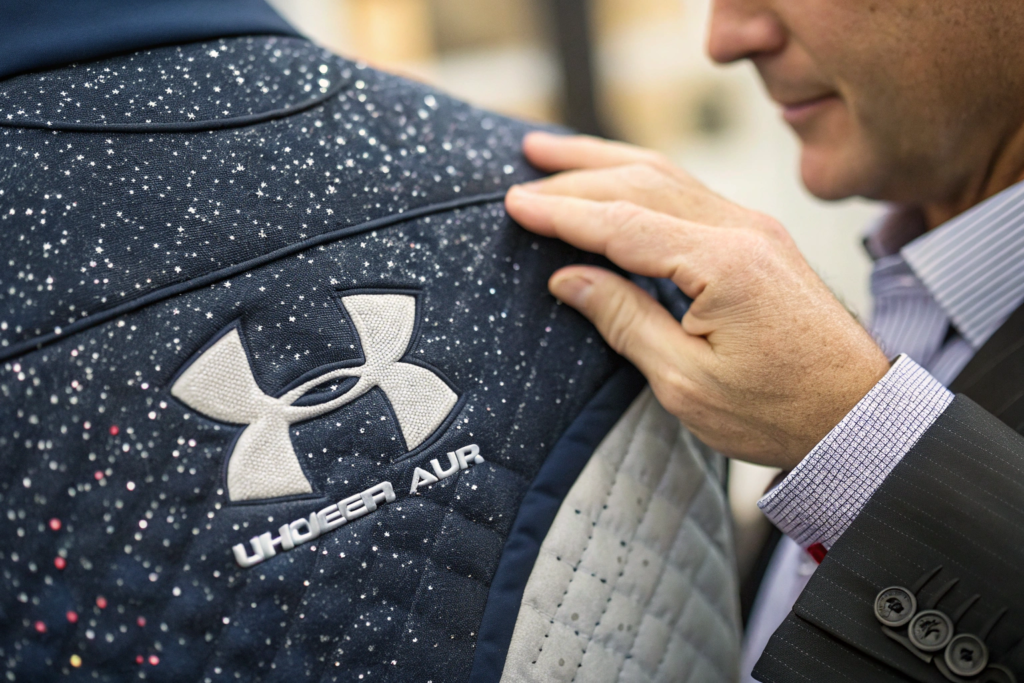
Specialty techniques like puff, glitter, metallic, and flocking can make your logo stand out and command higher prices. Puff print uses heat to raise the ink, creating a 3D effect. Glitter and metallic add sparkle and shine. Flocking creates a velvet-like texture. These techniques work best as accents on simple designs, not as the primary method for complex logos. They cost more than standard printing and may have durability limitations. Use them strategically to create impact, not as a default choice.
The LA client uses specialty techniques sparingly. He might add a metallic accent to an otherwise simple screen print. He might use puff for the main logo on a limited edition hoodie. He always tests wash durability before committing to large orders. He knows that the novelty of a specialty technique wears off quickly if the print fails. For guidance on specialty screen printing techniques, we often refer clients to resources that explain the options.
Which specialty techniques are most durable?
Flocking and metallic prints can be quite durable if applied correctly. Puff print is more vulnerable to cracking and crushing. Glitter prints can shed over time. Always ask for wash test results and consider the garment's intended use. A festival shirt worn once may be fine with less durable techniques. A work uniform worn weekly needs maximum durability.
How do specialty techniques affect cost?
They add significant cost. Each specialty technique requires specific inks, screens, and often additional labor. They also typically have higher minimums. Use them for accent colors or limited runs where the premium price is justified by the perceived value. For large, simple orders, stick with standard techniques.
Conclusion
Choosing the best custom logo technique for wholesale apparel is a balance of art and science. Embroidery gives you a premium, durable look that works best on structured garments with simple, bold designs. Screen printing delivers vibrant colors at the lowest cost for large quantities, ideal for simple logos on almost any fabric. Heat transfer and DTG printing allow unlimited colors and photo-realistic detail, perfect for complex artwork on smaller runs. Specialty techniques like puff and glitter create excitement and justify premium pricing when used strategically.
At Shanghai Fumao, we have extensive experience with every logo technique. We can guide you through the options based on your specific garment, design, and budget. We have the equipment and expertise to execute embroidery, screen printing, heat transfer, and more. We have helped hundreds of brands find the perfect technique for their logo, ensuring it looks great and lasts.
If you are ready to add your logo to your next collection, I invite you to reach out. Let us discuss your design and find the best technique together. Contact our Business Director, Elaine, directly at elaine@fumaoclothing.com. Tell her about your brand and your vision, and let us bring your logo to life on quality apparel.