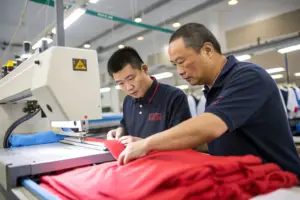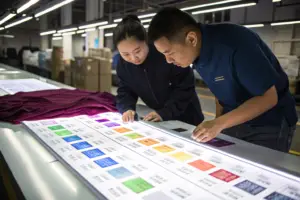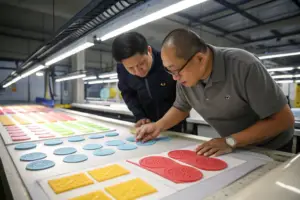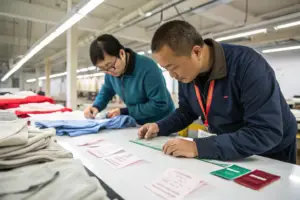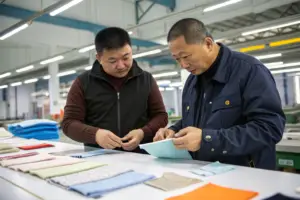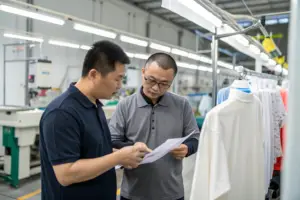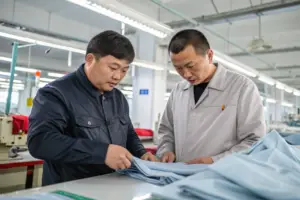
For a distributor, time is money. Your entire business model depends on getting products to your retail customers when you promised them. A late shipment means empty shelves, cancelled orders, and damaged relationships. I have spoken to dozens of distributors over the years, and the frustration in their voices when they talk about delayed shipments is always the same. They feel helpless, thousands of miles away, at the mercy of a factory that does not seem to care about their deadlines.
The truth is, you are not helpless. Avoiding delayed shipments is about shifting from a passive buyer to an active project manager. It requires you to build specific protections into your contract, maintain constant communication, and choose suppliers who are transparent about their production capacity and raw material lead times. A delay is rarely a surprise; it is almost always the result of a problem that was visible weeks earlier, if you knew where to look.
I have run Shanghai Fumao for over a decade, shipping thousands of orders to distributors across North America. I have seen every reason for a delay, from fabric shortages to overbooked production lines. The key to avoiding them is a partnership built on transparency and proactive planning. Let me share the specific strategies that work.
What specific clauses in your contract prevent shipping delays?
Many distributors treat the purchase order as a simple agreement. "I pay you, you ship on this date." But when that date passes, and the goods are still on the factory floor, you have very little power. The contract is your first and best defense. You need to define what "on time" means and what happens if the factory fails to meet that definition.
Your contract must include two critical clauses: a detailed production schedule with milestones, and a clear liquidated damages clause for late shipments. The production schedule should include dates for fabric arrival, cutting start, sewing completion, and final inspection. The liquidated damages clause should specify a penalty, such as a percentage deduction from the total invoice for each week of delay. This aligns the factory's financial incentive with your need for on-time delivery.
Let me share a story from about five years ago. We had a distributor client in New Jersey who ordered a large volume of winter jackets. The contract we signed had a very clear schedule and a late fee of 2% of the invoice value per week. Halfway through production, our fabric supplier had a quality issue and had to re-make a batch. This pushed our cutting schedule back by ten days. We immediately contacted the client. We explained the problem and showed him our revised plan to try to make up the time. Because we were transparent, and because the contract held us accountable, we worked overtime, expedited the sewing, and managed to ship only three days late. We paid the late fee without argument. It was fair. The client appreciated our honesty and the fact that we took responsibility. The contract was not just a threat; it was a framework for honest communication and problem-solving. This is the kind of professional relationship you want. You can see our standard terms and commitment to schedules on our website at Shanghai Fumao.

What is a "force majeure" clause and how does it affect you?
A force majeure clause protects both parties from events outside their control, like major natural disasters, wars, or government actions. It is important that this clause is specific. It should not be so broad that a factory can use it to excuse a delay caused by their own poor planning, like a machine breaking down due to lack of maintenance. A well-written force majeure clause covers only truly unforeseeable and unavoidable events. You should review this carefully.
How do you enforce a late fee with an overseas supplier?
Enforcing a late fee is easiest if you have a signed contract and you control the final payment. The typical payment structure for distributors is a 30% deposit and 70% balance against shipping documents. If the shipment is late, you can deduct the agreed-upon penalty from the 70% balance before you release the payment. This gives you real leverage. The factory will not get their final payment until the delay is accounted for. This is much more effective than trying to get a refund after you have already paid in full.
How can daily or weekly communication keep your order on track?
The worst feeling is silence. You send an email asking for an update, and you get no reply for three days. Then another email, another day of silence. Finally, you get a one-line answer: "Everything is fine." But you do not believe it. This lack of communication is a major source of anxiety and a huge red flag. It usually means the factory is avoiding telling you bad news.
To avoid delays, you need to establish a regular communication rhythm with your supplier from day one. Do not wait for them to update you. Demand a weekly production report. Ask for photos or short video updates at key milestones, like when the fabric arrives or when cutting starts. Use instant messaging tools like WhatsApp or WeChat for quick check-ins. A good supplier will welcome this. They want you to see the progress. If a supplier is resistant to regular, visual updates, that is a major warning sign.
I have seen the power of this firsthand. About three years ago, we were producing a complex order of woven shirts for a distributor in Florida. We had a weekly video call scheduled every Monday at 9 AM his time. During one of these calls, we showed him the fabric that had just arrived. He zoomed in on the video and said, "That looks slightly darker than the lab dip we approved." We stopped. We compared the bulk fabric to the approved sample under good light. He was right. It was a shade darker. Because we caught it the day the fabric arrived, we were able to work with the mill to re-dye a new batch immediately. The delay was only one week. If we had not had that call, we might not have noticed until the shirts were cut and sewn. That would have been a disaster. The weekly communication was not just a formality. It was an active quality and timeline control tool. This is why we encourage all our clients to stay in close contact. We even have a shared production tracking sheet that we update every Friday and share with them.
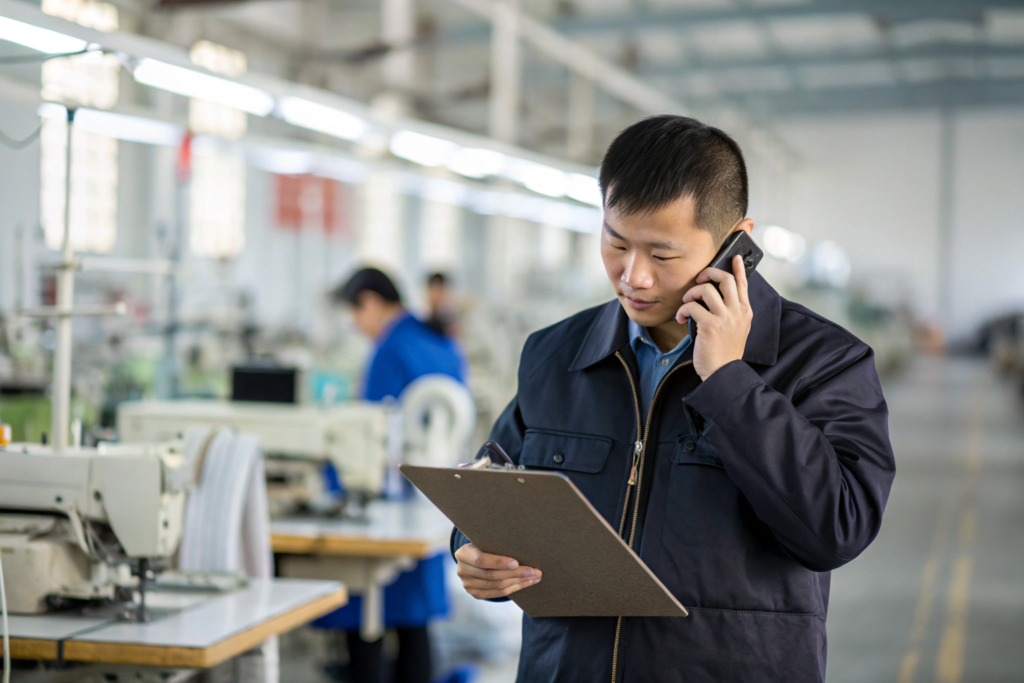
What should a weekly production report from your supplier include?
A good weekly report should include: 1) Status of raw materials (fabric, trims, labels). 2) Cutting progress (percentage complete). 3) Sewing progress (percentage complete). 4) Finishing and packing progress. 5) Any issues encountered and the plan to solve them. 6) Photos of the production line and finished goods. This report gives you a complete picture in one document. It makes it easy to spot potential problems early.
Which communication tools work best with Chinese suppliers?
WeChat is the most essential tool for business communication in China. Every factory manager and salesperson uses it constantly. It allows for instant text, voice messages, photos, and video calls. For formal communication and document sharing, email is still the standard. For video meetings, Zoom works well across borders. Using a combination of WeChat for daily updates and email for formal records is the most effective approach. We give all our clients our WeChat ID so they can reach us instantly.
Why is understanding your supplier's capacity the key to on-time delivery?
A factory wants your business. So, when you ask if they can deliver 10,000 pieces in 60 days, they will almost always say "yes." They want the order. But their production lines might already be full with other clients' orders. They might be planning to push your start date back, hoping you will not notice until it is too late. This "overbooking" is one of the most common causes of delays.
Before you place an order, you must understand your supplier's current capacity. Ask them directly: "How many production lines do you have? What is your current utilization rate? Can you show me a schedule of the orders you are running right now?" A transparent supplier will share this information. They might even show you a photo of their production planning board. If you place an order with a factory that is already at 100% capacity, your order will inevitably be delayed.
I remember a situation a few years ago. A distributor from Chicago was looking for a new supplier because his current one kept missing deadlines. He visited our factory. During the tour, he asked to see our production schedule. We walked him over to the planning office and showed him the whiteboard. He could see which orders were running, when they were due, and where we had open capacity for the following month. He was shocked. He told us his previous supplier never let him see anything like that. He placed a trial order with us, and we delivered it early. He has been a client ever since. This transparency is the foundation of trust. If a factory keeps their schedule a secret, it is usually because they are overbooked and do not want you to know. At Shanghai Fumao, we are always open about our capacity because it protects both of us from making promises we cannot keep.
How can you verify a factory's production capacity?
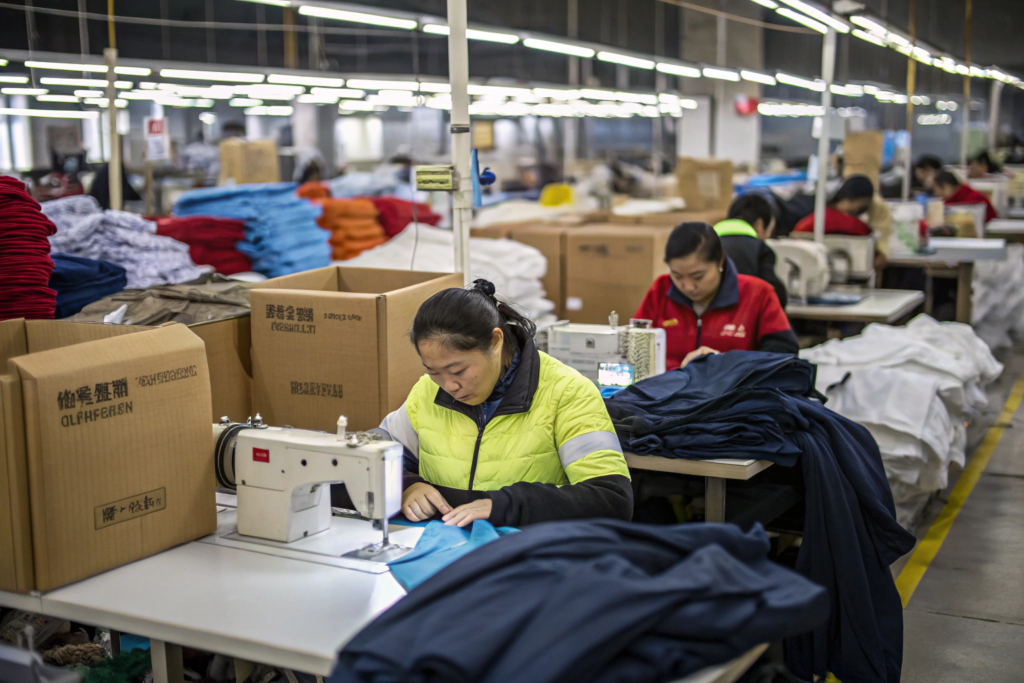
You can ask for a virtual tour of the factory floor. Count the number of sewing machines you see. Ask how many shifts they run. A factory with 100 machines running one shift has a certain capacity. If they run two shifts, they have double the capacity. Ask about their current orders. A simple question like, "How many pieces are you producing this month?" can give you a rough idea of their workload. If they are vague, be cautious.
What questions reveal if a factory is overbooked?
Ask specific questions: "When can you guarantee my production will start?" "What orders are running on your lines the week of [your proposed start date]?" "Can you share a screenshot of your production calendar with the names blocked out to show availability?" A factory that is not overbooked will have clear open slots. A factory that is overbooked will give you vague answers like, "We will fit you in" or "Don't worry, we have capacity."
Conclusion
Avoiding delayed shipments is not about luck. It is about building a system of accountability with your overseas partner. It starts with a contract that defines the timeline and penalizes lateness. It continues with a communication routine that gives you visibility into every stage of production. And it is built on a foundation of transparency about the factory's actual capacity. When you have these three elements in place, you move from being a worried buyer waiting for news to an active partner managing a process.
At Shanghai Fumao, we believe in this approach completely. We sign clear contracts with our distributor clients. We provide weekly photo and video updates. We are transparent about our five production lines and our production schedule. We know that your success in getting products to your customers on time is directly tied to our success as a factory.
If you are a distributor looking for a reliable partner who treats your deadlines with the same urgency you do, let us talk. We are ready to show you how we work. Please contact our Business Director, Elaine, at elaine@fumaoclothing.com to discuss how we can keep your supply chain moving.