You have placed your order. The samples looked perfect. The quality was approved. Now you wait. And wait. The selling season is approaching. Your customers are asking when new stock will arrive. But your supplier goes silent. Emails go unanswered. Then, three weeks late, you get a message: "Sorry, production delay. Factory was too busy. Shipment next month." Your season is ruined. Your cash is tied up in goods that will arrive late. This is the nightmare every US brand owner fears. I have heard this story from too many buyers.
The honest answer is that a reliable Chinese factory ensures on-time delivery through three interconnected systems: realistic production planning, buffer time management, and proactive communication. It is not about luck. It is about process. At Shanghai Fumao, we treat your delivery date as a binding contract. We build our entire production schedule around it. We do not make promises we cannot keep because we know your business depends on it.
I have run this factory for over 15 years. I have seen every excuse for late delivery. The fabric was late. The worker got sick. The machine broke. The ship was full. Some of these are real problems. But they are not excuses. They are challenges to be solved. A factory that wants to be your long-term partner plans for these problems before they happen. We build buffers. We track every yard of fabric. We communicate bad news early, before it becomes a crisis. In this article, I will share exactly how we do it. I will pull back the curtain on our planning process.
What Production Planning Systems Prevent Delays?
Good intentions do not ship products. Systems do. When an order comes in, the clock starts ticking. But the countdown is not a mystery. We break every order down into tiny steps. Each step has a deadline. Each step has a person responsible. This is not complicated. It is just disciplined.
How Do We Schedule Production Backwards From Your Deadline?
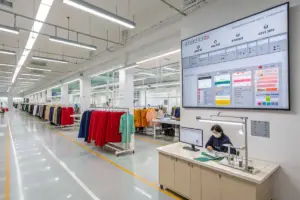
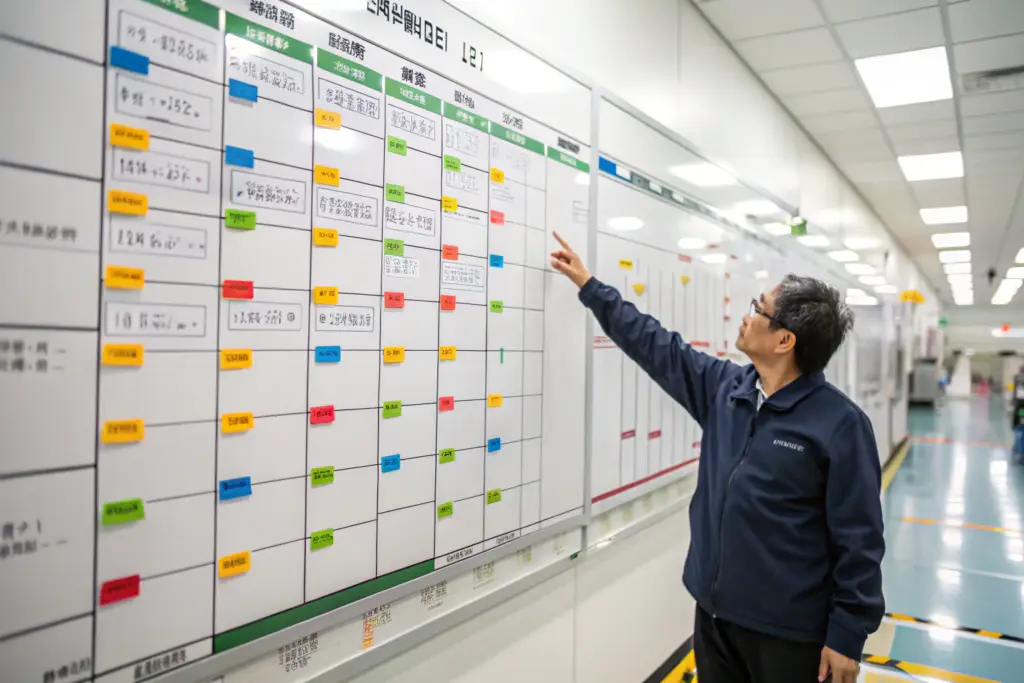
We start with your required ship date. Let us say you need the goods on a vessel by October 15th to make it for the holiday season. We count backwards. We need 5 days for final packing and loading. We need 20 days for bulk production. We need 10 days for fabric cutting and preparation. We need 15 days for fabric sourcing and delivery to our factory. We need 7 days for pre-production sample approval. That means we must start fabric sourcing by early September. This seems simple. But many factories do not do this math. They start when they feel like it. Then they rush at the end. Rushing causes quality problems. We do the math on day one. We put every date into our system. Our production manager checks progress against this plan every single morning. If fabric is one day late arriving, we know immediately. We can adjust. We do not wait until the end to discover a problem. This production planning process is the backbone of on-time delivery.
Why Do We Reserve Buffer Time for Every Single Order?
This is the secret most suppliers do not tell you. Problems will happen. The dyer will mess up a color. A shipping container will be unavailable. A typhoon will close the port. These are facts of life in global trade. The difference between a delayed order and an on-time order is buffer time. We build extra days into every step. For a typical order, we might have 7 to 10 days of buffer built into the total schedule. If something goes wrong, we use the buffer. The client never even knows there was a problem. Last year, for a major order of rare-style jackets for a New York brand, our zipper supplier sent the wrong color. It happened. We caught it immediately. We used our buffer time to have the correct zippers air-shipped from the supplier. Production continued. The order shipped on time. The client never knew there was a crisis. This is how professional manufacturing works. We absorb the shocks so you do not have to. At Shanghai Fumao, we believe buffer management is not waste. It is insurance for your brand’s reputation.
How Does Material Sourcing Impact Delivery Reliability?
You cannot sew clothes without fabric. This sounds obvious. But fabric delays are the number one reason orders ship late. The factory waits for materials. Then they rush production. Quality drops. Everyone loses. Solving this problem starts long before the order is placed.
What Relationships With Mills Guarantee Fabric Availability?
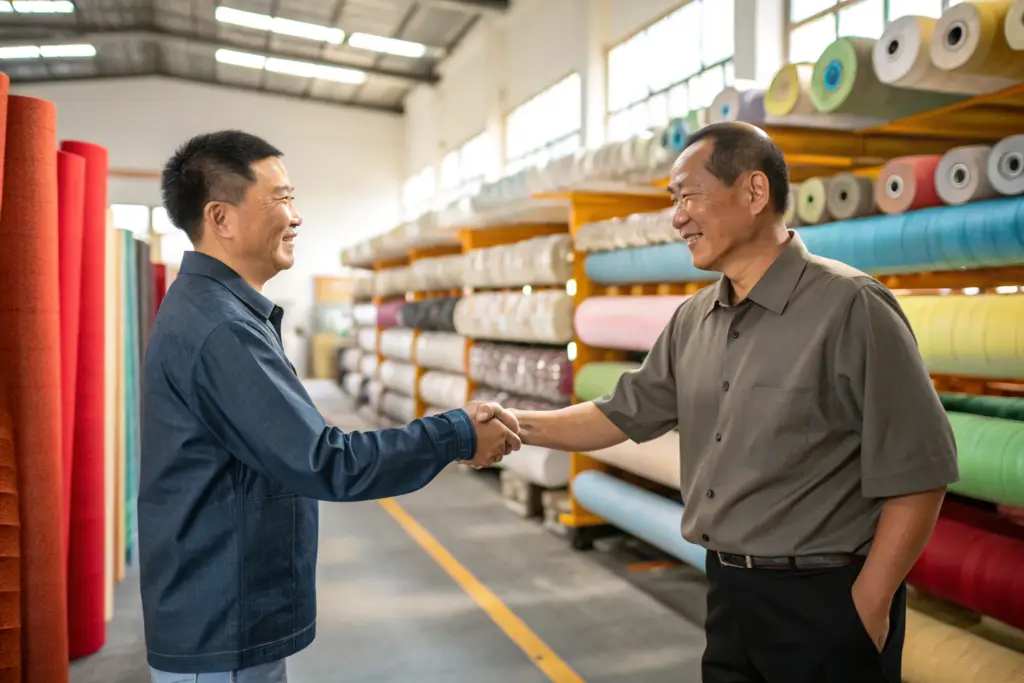
We do not treat fabric mills as vendors. We treat them as partners. We work with a select group of reliable mills year after year. We know their quality. We know their lead times. We know their owners. When we place an order, they prioritize it. This matters. A factory that jumps from mill to mill looking for the cheapest price will always have delays. The cheap mill does not care about your deadline. They will push your order aside for a bigger client. Our long-term mill partners know that if they take care of us, we will keep coming back. For rare styles that need special fabrics, we involve the mill early. We send them the specs during sample development. They can start preparing materials before the bulk order is even confirmed. This supply chain partnership model cuts weeks off the normal timeline. It is a competitive advantage we pass directly to you.
How Do We Handle Fabric Inspection Before Cutting?
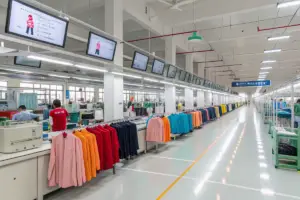
Fabric arrives at our factory. It is not ready to cut yet. First, it goes to our inspection room. We roll every yard onto a machine. We check for defects. We check the width. We check the shade against the standard. This takes time. But it saves disasters. If we find a problem, we contact the mill immediately. They send replacement fabric. We use our buffer time. This inspection happens before cutting, not after. I remember a client from Chicago who ordered a rare-style linen blend for summer dresses. The first batch of fabric had slubs that were not in the approved sample. Our inspection caught it. We rejected the fabric. The mill rushed a new batch. The order was delayed by only 5 days, still within our buffer. If we had cut that bad fabric, the client would have received 2,000 defective dresses. They would have had to issue refunds. They would have blamed us. Instead, we protected them. This fabric inspection process is non-negotiable for us. It is the gate that keeps bad quality out of production.
What Communication Systems Keep You Informed?
Silence is the enemy of trust. When you do not hear from your supplier, your mind starts to worry. Are they working? Are they hiding a problem? Good communication does not just make you feel better. It actually helps us deliver on time. When we talk to you regularly, we catch small issues before they become big ones.

Why Do We Provide Weekly Production Updates With Photos?
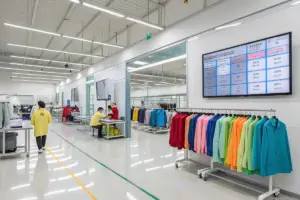
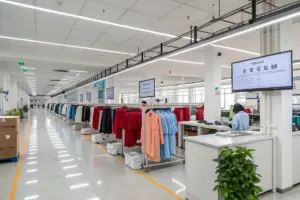
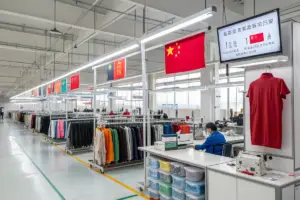
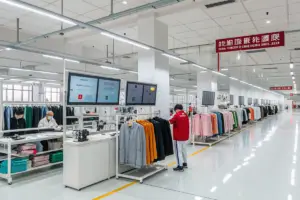
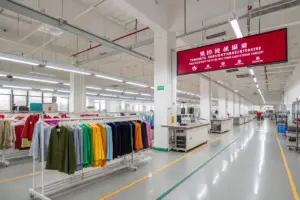
Every week, for every active order, you get an update. It is not a generic email. It includes specific information. “This week, we cut all fabric for your order. Here is a photo of the cutting tables.” “This week, sewing started on your jackets. Here is a photo of the first 50 pieces on the line.” “This week, finishing is 50% complete. Here is a photo of the packed cartons.” These photos prove progress. They show you the work is real. They build confidence. If there is a delay, the update includes that too. “We had a machine breakdown. It is fixed now. We lost 2 days. We are using buffer time. Your ship date is still secure.” This honesty is rare. But it is the only way to build long-term trust. A client in Seattle once told me our weekly photos saved him hours of anxiety. He stopped worrying and started focusing on selling. That is the goal.
How Do We Handle Problems That Threaten Your Ship Date?
Sometimes, despite our best efforts, a problem is bigger than our buffer. A major fabric mill might close. A port strike might be announced. In these rare cases, we do not hide. We call you immediately. We explain the situation. We present options. Can we air ship a portion of the order to keep your shelves stocked? Can we split the shipment? Can we substitute a similar fabric you approve? We do not ask you what to do. We give you choices. We guide you. This happened two years ago with a client from Boston. They ordered a complex woven shirt for a spring launch. Our usual shipping port had a sudden congestion issue. We identified it 3 weeks before the ship date. We contacted the client. We offered to truck the goods to a different port, 8 hours away. It cost us extra money. But the order shipped on time from the alternate port. The client was amazed. They had never had a supplier proactively solve a problem before. This is the proactive communication that defines a true partnership. At Shanghai Fumao, we are your eyes and ears on the ground in China.
How Do Logistics Partnerships Ensure Final Mile Success?
The factory floor is only half the journey. Once the cartons are sealed, they must travel across the ocean. They must clear customs. They must reach your warehouse. This final stage is full of its own risks. A reliable factory manages this too.
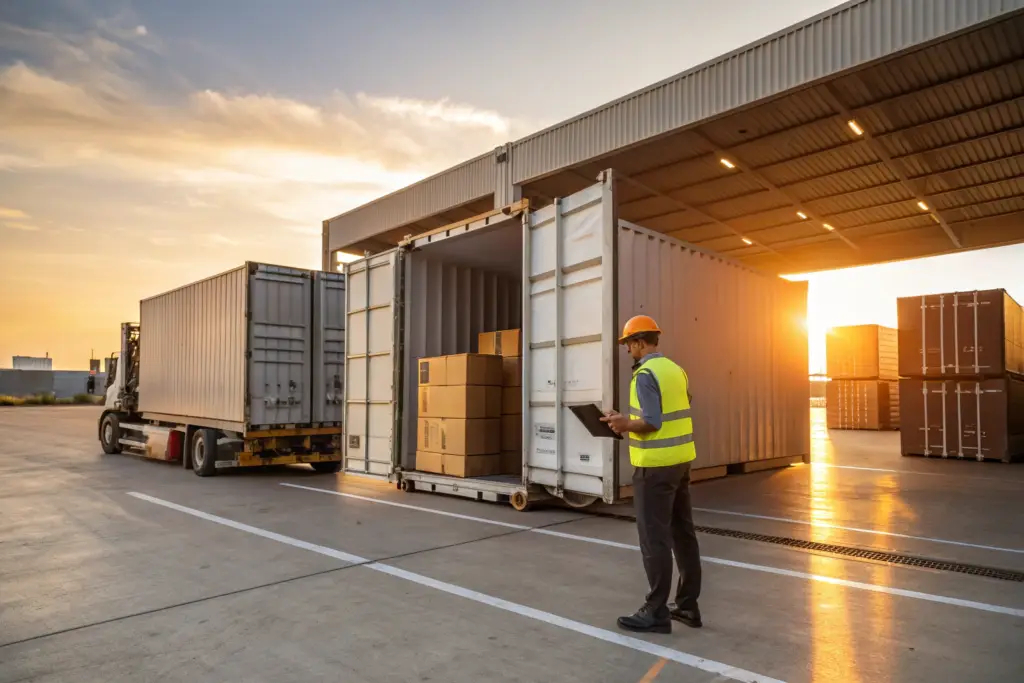
Why Do We Work With Multiple Freight Forwarders?
We do not rely on one shipping company. We have relationships with several major forwarders. This gives us options. If one carrier is full, we book with another. If ocean freight prices spike, we can compare rates to find you the best deal. We also offer DDP shipping service for many US clients. This means we handle everything. We pay the duty. We clear customs. You receive the goods at your door with one simple payment. This removes a huge headache for you. You do not need to worry about customs brokers or surprise fees. You just receive your product and start selling. For a client in Florida last year, we managed the entire DDP process for a large order of activewear. They told us it saved them at least 20 hours of administrative work. They could focus on marketing and sales instead of paperwork.
How Do We Track Shipments Until They Arrive?
Our job does not end when the container leaves our factory. We track every shipment. We get updates from the carrier. If a ship is delayed, we know. We tell you. We help you plan. If your warehouse is not ready to receive the goods, we can hold the shipment at the port for a few days. We coordinate with your logistics team. We make sure the handoff is smooth. We want the entire process, from your first email to the moment the cartons arrive at your door, to be stress-free. This end-to-end visibility is what turns a one-time transaction into a long-term relationship. We care about your success, not just our production quota.
Conclusion
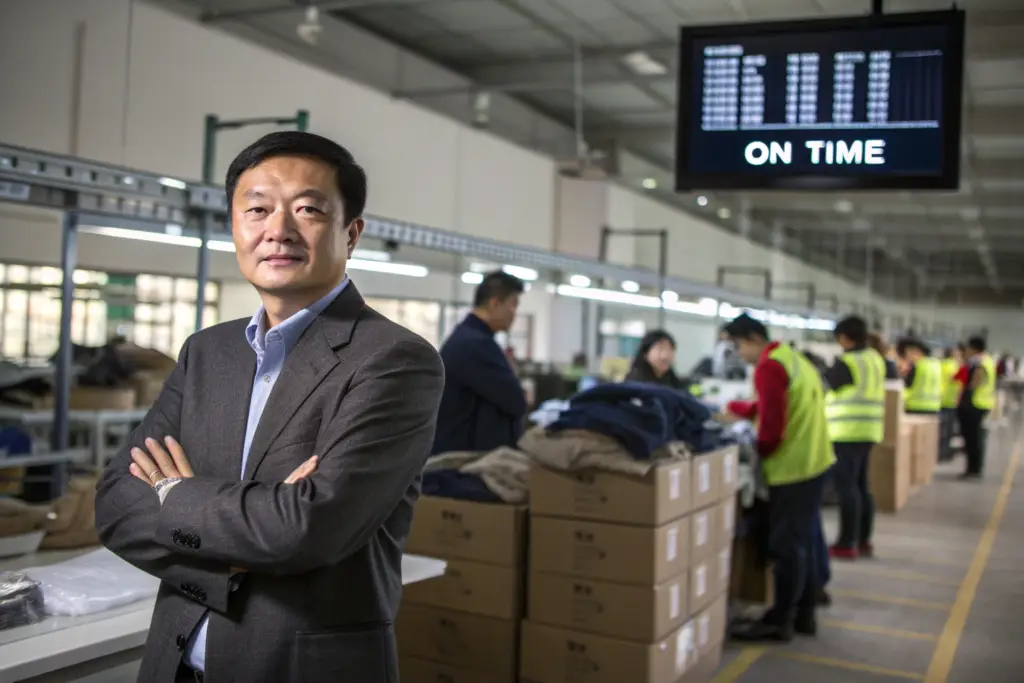
On-time delivery is not a mystery. It is not luck. It is the result of disciplined systems, strong supplier relationships, honest communication, and reliable logistics. A factory that delivers on time every time is a factory that respects your business. They understand that your seasons do not wait. Your customers do not wait.
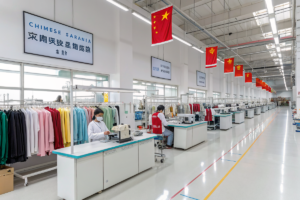
At Shanghai Fumao, we have built our reputation on this reliability. Our five production lines are managed with precision. Our material partners are trusted allies. Our communication is open and frequent. Our logistics network is flexible and strong. We do not make promises we cannot keep. We prove our reliability with every order, every season, every year.
Do not let another late shipment ruin your season. Partner with a factory that treats your deadline as seriously as you do.
Contact our Business Director, Elaine, to discuss your upcoming collection. Let her show you how reliable manufacturing works.
Email: elaine@fumaoclothing.com