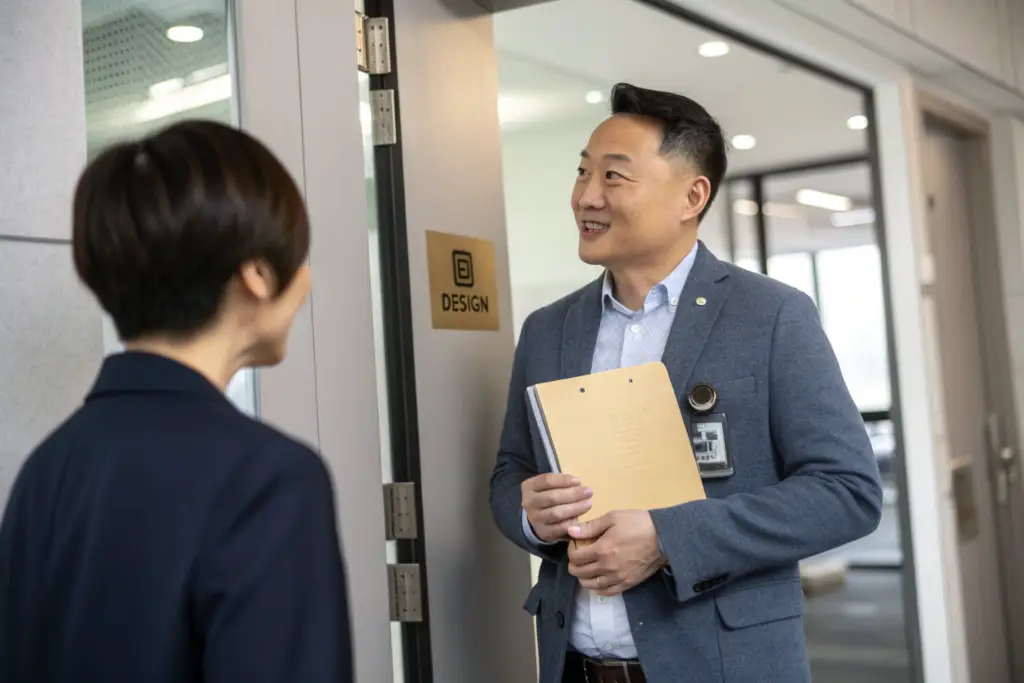
Have you ever sent your designs to a factory and worried they might show up on a competitor's website next month? I've had clients call me in a panic, sending me links to products that looked exactly like theirs, made by another supplier. The fear of design theft keeps more brand owners awake at night than almost anything else. Your designs are your intellectual property. They are the soul of your brand.
Full package production protects your designs through a combination of legal contracts, operational security, and a culture of trust. A professional full-package factory will sign a Non-Disclosure Agreement (NDA) and a manufacturing agreement that clearly states they cannot produce your designs for anyone else. More importantly, we have internal systems to keep your samples, patterns, and tech packs secure and accessible only to your dedicated team.
I'm the owner of Shanghai Fumao. For 15 years, I've guarded my clients' secrets as if they were my own. I know that your design is your competitive advantage. Let me show you how we protect it, from the moment you send us your first sketch to the day your container ships.
What Legal Protections Should I Have In Place?
A client from New York once sent me his entire collection without asking for a single legal document. I was flattered by the trust, but I told him, "Stop. Send me an NDA first." He laughed. He said, "I trust you." I said, "Trust is good. But contracts protect us both." We signed the papers, and then we started working. He later told me that was the smartest advice he got.
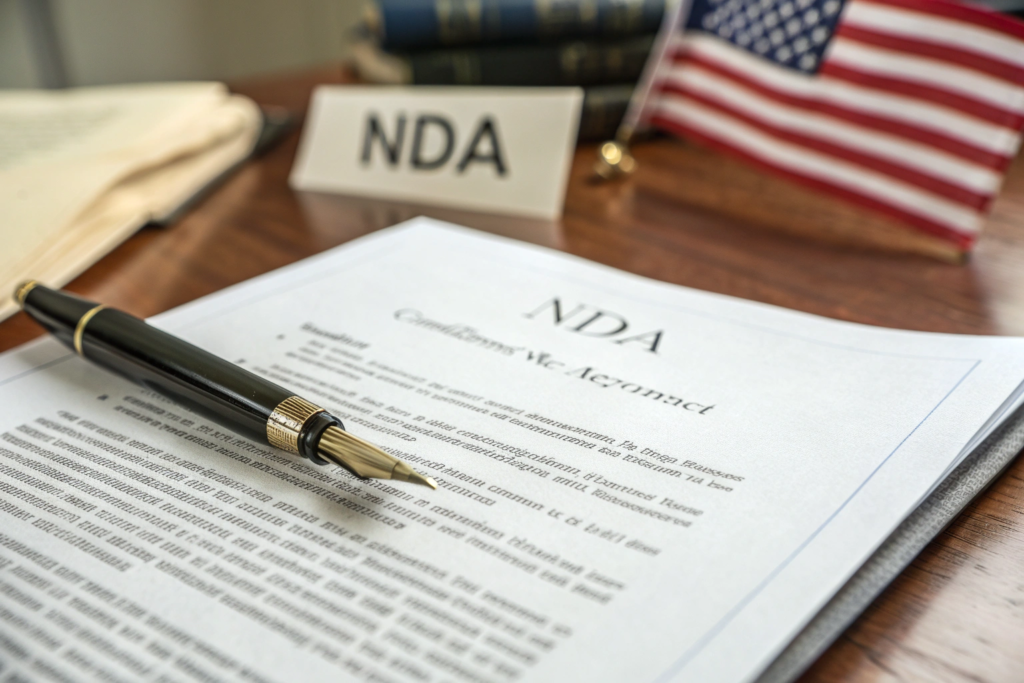
Before you send any designs, get a signed Non-Disclosure Agreement (NDA). This is a simple, legally binding document where the factory agrees not to share your confidential information with anyone else. For full-package production, you should also have a Manufacturing Agreement that includes a "non-compete" clause, stating the factory cannot use your patterns or designs to make garments for any other party.
Let's break down the key documents. First, the NDA. It should define what is confidential (your tech packs, your patterns, your samples, your customer lists). It should state that the factory cannot disclose this information to third parties. It should last for a reasonable period, even after the project ends. Second, the Manufacturing Agreement. This is a broader contract. It should include a clause that says something like, "All patterns, specs, and designs created for Buyer are the sole property of Buyer. Factory shall not use them for any other party." It should also state that the factory will return or destroy all materials related to your project after production. At Shanghai Fumao, we are happy to sign these documents. We have standard templates, or we can sign yours. A legitimate factory will have no problem with this. If a factory hesitates or says "we don't do that," walk away. They are not a professional partner.
What Is A "Non-Compete" Clause And Do I Need It?
A "non-compete" clause in a manufacturing context means the factory agrees not to make the same or a similar design for one of your competitors. It's a stronger form of protection than an NDA. It's common in the industry. However, it's important to be reasonable. You can't expect a factory to stop making all woven shirts just because you make woven shirts. The clause should be specific to your designs. For example: "Factory agrees not to produce garments using the patterns, spec sheets, or design elements provided by Buyer for any third party." This protects your unique creations. For a client in Boston who had a patented pocket design, we signed a very specific non-compete. We agreed not to use that pocket construction for anyone else. That gave him peace of mind. We are happy to do this. Your design is yours.
How Does Chinese Law Protect Intellectual Property?
Many brands worry that Chinese law doesn't protect them. That's a myth. China has strong IP laws, and they are enforced. The key is registration. An NDA is a contract. If a factory breaks it, you can sue them in a Chinese court, and you can win. But it's easier if you register your designs. In the US, you might have a design patent. In China, you can register an "外观设计专利" (design patent). This gives you stronger legal rights. It's a more complex process, but for a core, unique design, it's worth considering. We have helped clients find local IP lawyers to do this. The best protection, however, is choosing a reputable partner. A factory that has been in business for 15 years, with a reputation to protect, is not going to risk it all by stealing a design. The long-term value of our reputation is far greater than the short-term gain from copying one design. That's the Fumao promise.
How Does Fumao Secure Your Samples And Patterns?
I remember a client from Chicago who visited our factory. He saw our pattern room. He was amazed. He said, "You have a whole room just for patterns?" I said, "Yes. Your patterns are here, in this file, labeled with your brand code. Only your dedicated pattern maker and I have access to this room." He felt relieved. He knew his patterns weren't just lying around.
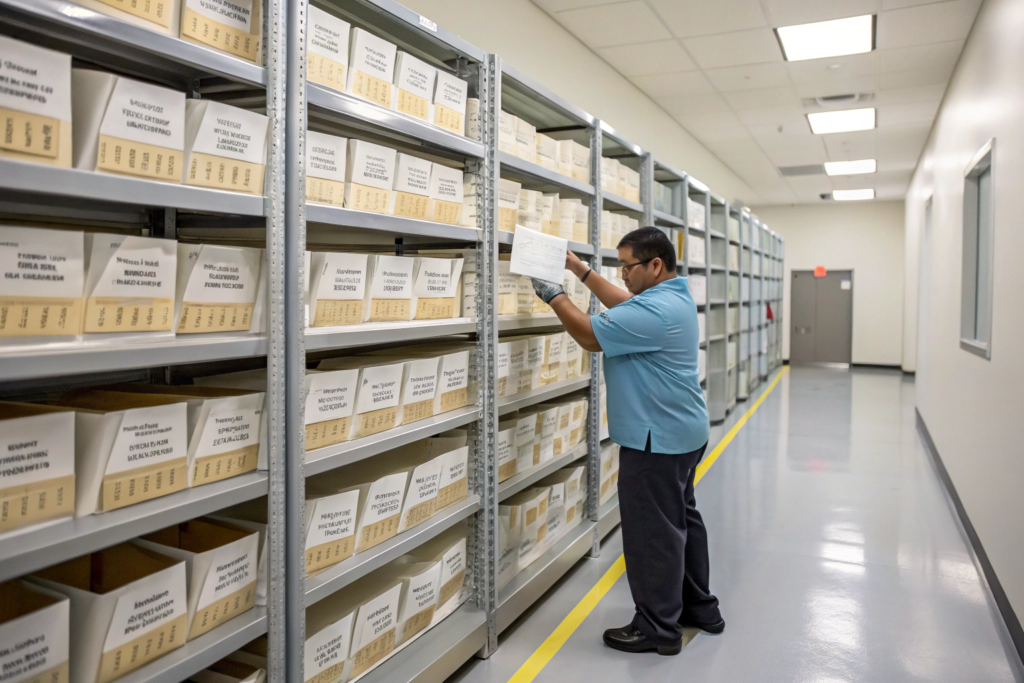
Physical security is just as important as legal security. At Fumao, we have a dedicated pattern room. All patterns, for all clients, are stored securely and labeled with internal codes, not brand names. Access is restricted to essential personnel. When a project is finished, we can either send you the physical patterns or destroy them, as you prefer. Your digital files are stored on secure, password-protected servers.
Let me walk you through our internal security protocols. When you send us a tech pack, it's saved on our server in a folder named with your unique client code. Not your brand name. We use codes to ensure that even within the factory, people don't know who the client is unless they need to. Our pattern makers access these files on secure computers. When we print the pattern, it goes to the pattern room. The pattern pieces are labeled with the same client code and the style number. They are not labeled "Nike" or "Gap" (unless you want them to be). When the sample is made, it goes into a sample room. Samples are also tagged with internal codes. Visitors are not allowed in the pattern room or the sample room without an escort. We control access. At the end of a season, we ask you what you want us to do with the patterns. Some clients want them stored for reorders. Some want them shipped back. Some want them destroyed. We follow your instructions exactly. For a client in Los Angeles who is very protective of his designs, we send him photos of the patterns being shredded at the end of the season. It's a small thing, but it gives him confidence.
How Do You Handle Digital Files And Communication?
Your digital files are at risk from hackers and from simple human error. We take this seriously. We use secure, password-protected servers. Access to client folders is restricted by user role. Your sales manager can see your files, but the cutting room manager cannot, unless they need to for a specific task. We also use secure communication channels. We prefer to share files via encrypted email or through secure project management tools. We are careful about what we post in WhatsApp groups. We never post full tech packs in unsecured chats. We might post a photo of a sample, but we don't post the detailed spec sheet. We also have clear policies for our staff. They are not allowed to take photos of your samples with their personal phones. Only authorized staff with company devices can take photos for the purpose of sharing updates with you. We train our team on data security. They know that your designs are valuable and must be protected. For a client in New York who designs high-end activewear, we set up a dedicated, password-protected portal for all file sharing. It was extra work, but it gave him the security he needed.
What Happens To Your Samples After Fittings?
Samples are a physical embodiment of your design. They need to be protected too. After a fitting session, we store your samples in a secure area. They are not left on a table for anyone to see. When we send you samples by courier, we use discreet packaging. We don't put your brand name on the outside of the box. We label it with just a reference number. If you have a sample that you don't want us to keep, we will destroy it. We have a shredding service for fabric and a disposal service for samples. We can video the destruction for you. We've done this for clients with top-secret projects. It sounds extreme, but for a major brand launching a new silhouette, it's necessary. We understand. We have the systems in place.
How Does Fumao Prevent Design Leakage To Other Factories?
A few years ago, a client in Miami had a problem. His previous factory had sold his patterns to a competitor. He was furious. He came to us. He asked, "How do I know you won't do the same?" I explained our system. We don't sub-contract his complex styles. We make everything in-house. We control our workers. We have a culture of loyalty. He gave us a chance. He's been with us for 7 years.
A major source of design leakage is subcontracting. A factory takes your order, then sends it to a smaller, unregulated workshop to save money. That workshop has no loyalty to you. They might copy your design. At Fumao, we manufacture all complex garments in-house. We don't secretly subcontract your work. For specialized processes like printing or washing, we use trusted, vetted partners who also sign NDAs with us.
Let's talk about subcontracting. It's common in the industry. A factory gets a big order, they can't handle it all, so they send some to another factory. The problem is, you don't know who that other factory is. They might not have the same ethical standards. They might not have signed an NDA. Your design is now in the hands of strangers. At Fumao, we are transparent about our capacity. We have 5 production lines. If we are full, we tell you. We don't secretly send your order to an unknown factory. If we need to use a partner for a specific process, like embroidery, we tell you who it is. We have them sign an NDA. We audit them. You can audit them too. There are no hidden hands on your garments. For a client in Denver who was very concerned about this, we provided a list of all our subcontractors for every process. He approved them all. That's transparency.
How Do You Train Your Staff On Confidentiality?
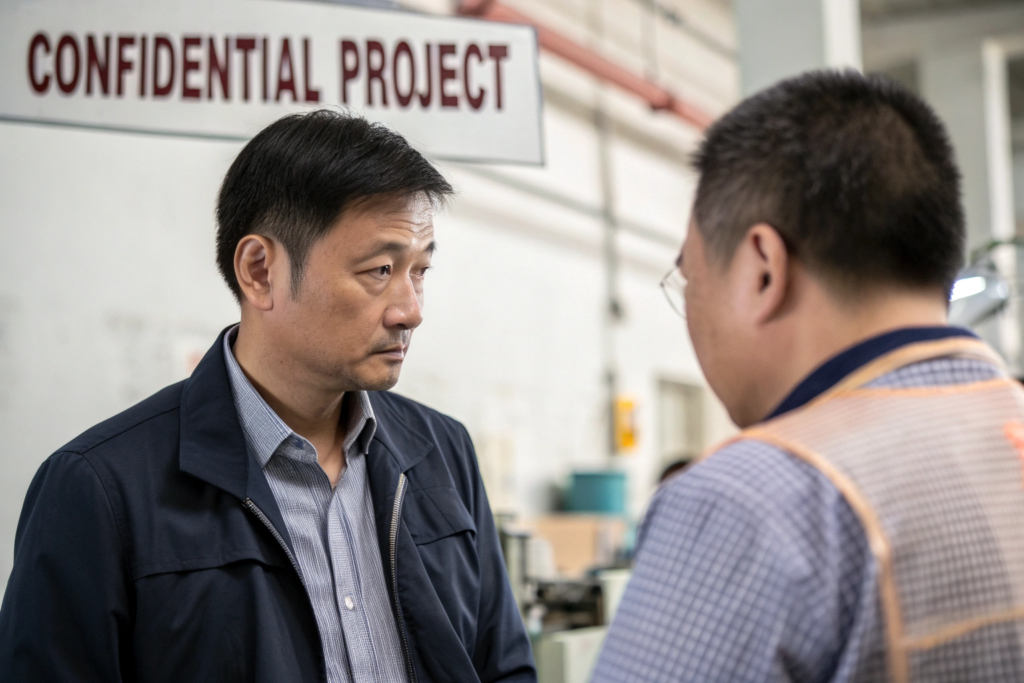
Our staff are our first line of defense. We train them. Every new employee signs a confidentiality agreement as part of their contract. It states that they cannot share client designs or information with anyone outside the company. We hold regular training sessions. We remind them that our clients trust us with their secrets. We explain that a breach of confidentiality is grounds for immediate termination. We also create a culture of pride. Our workers are proud that big brands trust us. They understand that this trust is what brings them work. They don't want to jeopardize that. This cultural aspect is often overlooked, but it's powerful. When workers feel respected and valued, they protect the company. They don't sell secrets to competitors. They are loyal.
What Is Your Policy On Visitor Photography?
This is a simple but important rule. In our factory, we have a strict "no photography" policy for visitors, unless it's specifically arranged with a manager. If a visitor is a potential client, we of course allow them to take photos of their own production, with permission. But a random visitor cannot walk around taking pictures of everything. This prevents industrial espionage. We also monitor our own staff. Company phones are used for work photos. Personal phones are not allowed on the production floor. This reduces the risk of someone taking an unauthorized photo. It's about creating a culture of security, where everyone knows that protecting client designs is part of their job.
What Happens If A Design Is Copied?
A client in Texas once called me, panicked. He found a website selling a dress that looked exactly like his best-seller. He was sure the factory in Vietnam had stolen it. He asked me what to do. I calmed him down. I helped him gather evidence. He contacted a lawyer. It turned out the factory had closed down. But he appreciated that I was there to help, even though it wasn't my problem.
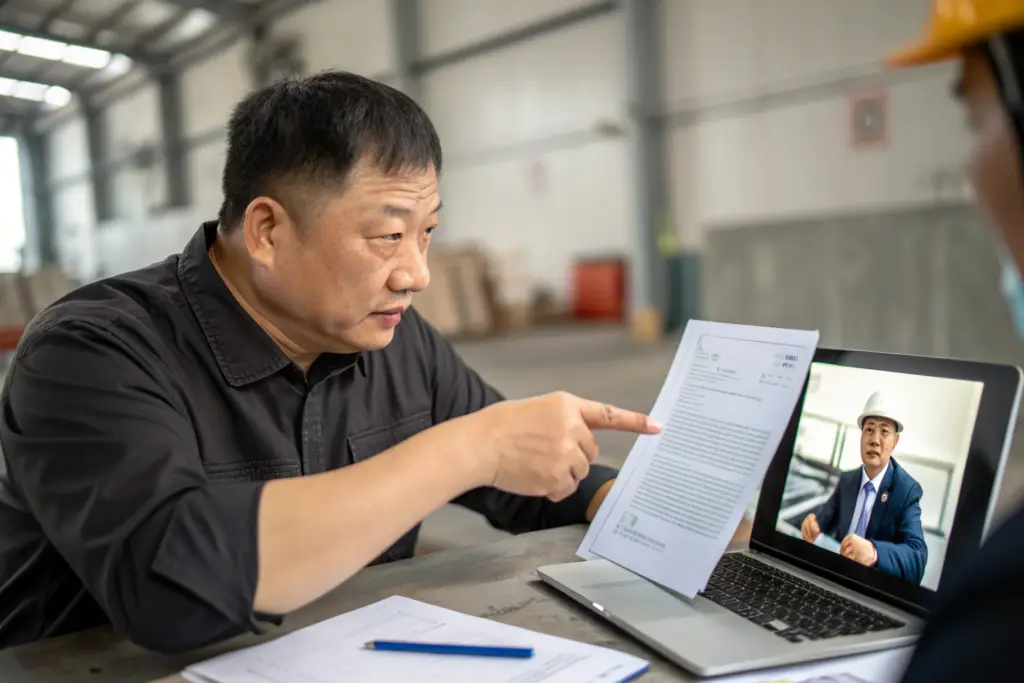
If a design is copied, the first step is to gather evidence. Take screenshots, save the website, note the date. Then, contact your legal counsel. If the copycat is in China, a strongly worded letter from a Chinese lawyer, citing your NDA or design patent, can often stop them. As your manufacturing partner, we will support you. We will provide documentation proving you were the original creator, if needed.
Prevention is better than cure. But if the worst happens, you need a partner who will stand with you. At Fumao, we will not be the source of the leak. But if a leak happens elsewhere, we will help you prove your ownership. We have records of your tech packs, your samples, your order dates. We can provide these to your lawyer to establish a timeline. We have done this for clients. It's not common, but it happens. And we are on your side. We also have relationships with local lawyers. If you need a referral for a Chinese IP attorney, we can provide one. We want to help you protect your business. Your success protects our future.
How Do You Handle "Inspiration" Vs. "Copying"?
This is a grey area in fashion. Everything is inspired by something. But there is a clear line between inspiration and copying a unique, original design. A factory needs to understand this line. We train our design team on this. If a client sends us a reference image from Pinterest, that's inspiration. We use it to create something new for you. If a client sends us a competitor's garment and says "copy this exactly," we will have a conversation. We will explain the legal and ethical risks. We will suggest modifications to make it your own. We don't do "knockoffs." It's bad for you, and it's bad for us. We build original brands. We protect original designs. That's our commitment.
What About Designs From Previous Factories?
Sometimes a client comes to us with a sample from another factory. They want us to reproduce it. We have to be careful. We ask, "Did you design this? Do you own the rights?" If they say yes, and they have the original tech pack, we proceed. But if they just have a sample and want us to reverse-engineer it, we ask more questions. We want to ensure we are not complicit in stealing someone else's work. We will ask for proof of ownership. A professional client understands this. They have the paperwork. They own their designs. We only work with clients who own their IP. This protects us and protects you from future disputes.
Conclusion
Protecting your designs is a partnership. It requires legal contracts, like NDAs and manufacturing agreements, that clearly state your ownership. It requires operational security in the factory, from secure pattern rooms to digital file protocols. It requires transparency about subcontracting, so you know exactly who is touching your garments. And it requires a culture of trust and loyalty, where the factory understands that your secrets are the foundation of your brand.
At Shanghai Fumao, we have spent 15 years building this culture. We have the systems, the training, and the reputation to be trusted with your most valuable assets: your designs. We sign your NDAs. We lock up your patterns. We control our digital files. We don't subcontract to unknown shops. We treat your designs as if they were our own.
If you are looking for a manufacturing partner who will guard your secrets as fiercely as you do, let's start a conversation. Contact our Business Director, Elaine, directly at elaine@fumaoclothing.com. Tell her about your collection, and let's build something amazing together, safely and securely.