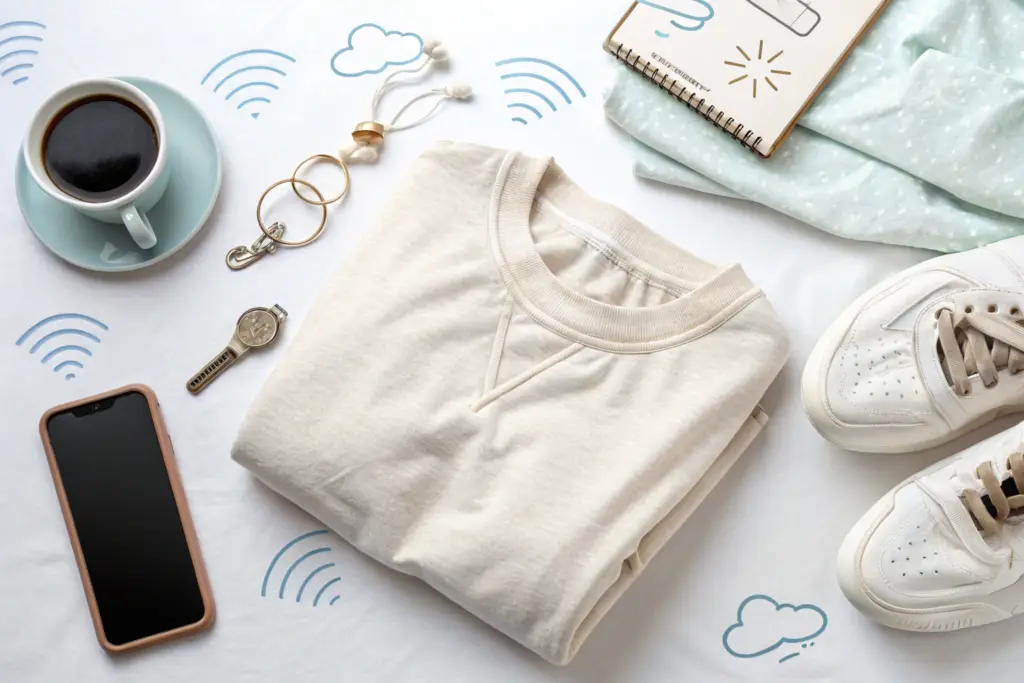
You wake up. You reach for a shirt. You wear it through a morning commute, a day at the office, an evening errand. It is against your skin for 12+ hours. By 3:00 PM, are you feeling fresh and comfortable? Or are you sticky, clammy, and counting the minutes until you can rip it off? That difference, the difference between a garment you forget you are wearing and one you cannot wait to shed, often comes down to a single, invisible property: breathability. A brand owner told me, "I used to design purely for aesthetics. Then I realized my customer’s favorite pieces weren’t the most beautiful ones; they were the most comfortable ones. Breathability was the secret."
Yes, breathable fabric is absolutely essential for daily wear clothing. It is not a luxury feature; it is a fundamental requirement for comfort, hygiene, and overall well-being. Breathable fabrics allow air and moisture vapor to pass through, keeping the body cool and dry. Non-breathable fabrics trap heat and sweat against the skin, leading to discomfort, odor, and skin irritation. For any garment meant to be worn for extended periods, breathability is non-negotiable.
At Shanghai Fumao, we prioritize fabric performance as much as aesthetics. We guide our B2B partners to understand that the right material choice is the foundation of a beloved, everyday garment. Let me explain the science behind breathability, which fibers excel, and how to make smart choices that ensure your daily wear collection becomes your customer’s go-to favorite.
What Does "Breathable Fabric" Actually Mean Scientifically?
"Breathable" is a word often used in marketing, but it has a specific, measurable scientific meaning. It is not about the fabric having holes that let the wind blow through. It is about the material’s ability to allow moisture vapor—the invisible water vapor your body constantly emits as sweat—to escape. Understanding this distinction is key to choosing truly comfortable daily wear.
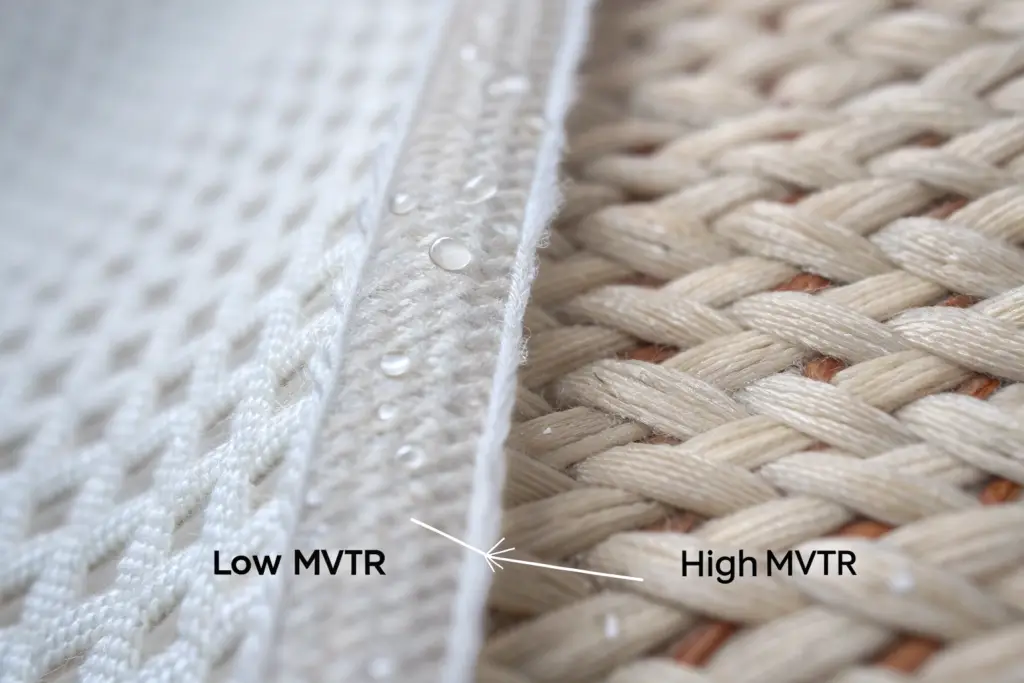
Breathability is scientifically measured as Moisture Vapor Transmission Rate (MVTR), which is the amount of water vapor that can pass through a fabric in a given time. A fabric’s breathability is determined by two primary factors: 1) The fiber itself (hydrophilic fibers like cotton and linen absorb and release moisture; hydrophobic fibers like polyester do not), and 2) The fabric’s construction (a loose, open weave is more breathable than a tight, dense weave). It is a combination of material and structure.
I recall a men’s wear client who designed what he thought was the perfect summer shirt: a sleek, tightly-woven polyester fabric. It looked modern and resisted wrinkles. But the reviews were brutal: "Feels like wearing a plastic bag." "I sweat through this in minutes." The fabric had a very low MVTR. It was trapping heat and moisture against the skin. We helped him switch to a Tencel blend with a more open weave. The new version had a much higher MVTR. It felt cool and comfortable. The difference was night and day. The lesson was clear: breathability is a measurable performance characteristic, not just a feeling. This is the kind of material science we apply in our fabric sourcing .
What Is MVTR and Why Is It a Better Measure Than "Air Permeability"?
While often confused, they are different:
- Air Permeability: Measures how easily air (wind) passes through a fabric. Important for a breezy linen shirt, but not the primary driver of comfort.
- Moisture Vapor Transmission Rate (MVTR): Measures how easily water vapor (sweat) passes through. This is the critical factor for preventing that clammy, sticky feeling. A fabric can be windproof but still have good MVTR, which is essential for performance activewear. This is a key metric we consider for performance fabrics .
How Does Fabric Construction Impact Breathability More Than You Think?
Fiber is important, but construction is king. A very tightly woven cotton poplin can be less breathable than a loosely knitted polyester mesh. This is why a classic Oxford cloth shirt feels warmer than an airy linen shirt. For daily wear, we consider:
- Knit vs. Woven: Knits (jersey, interlock) are generally more breathable due to their open, looped structure.
- Weave Density: A loose, open plain weave (like voile) is more breathable than a dense twill (like denim).
- Fabric Weight (GSM): A lightweight 120 GSM fabric is inherently more breathable than a heavy 250 GSM fabric of the same construction.
This is why we guide our clients not just on fiber choice, but on the specific construction of the fabric for their seasonal collections .
Which Natural and Cellulosic Fibers Offer the Best Breathability?
When it comes to raw breathability, natural and cellulosic fibers are in a league of their own. Their unique molecular structures allow them to absorb, hold, and release moisture vapor in a way that most synthetics cannot. They are the undisputed champions of all-day comfort for daily wear. Understanding the nuances between them allows you to choose the perfect fiber for your specific garment.
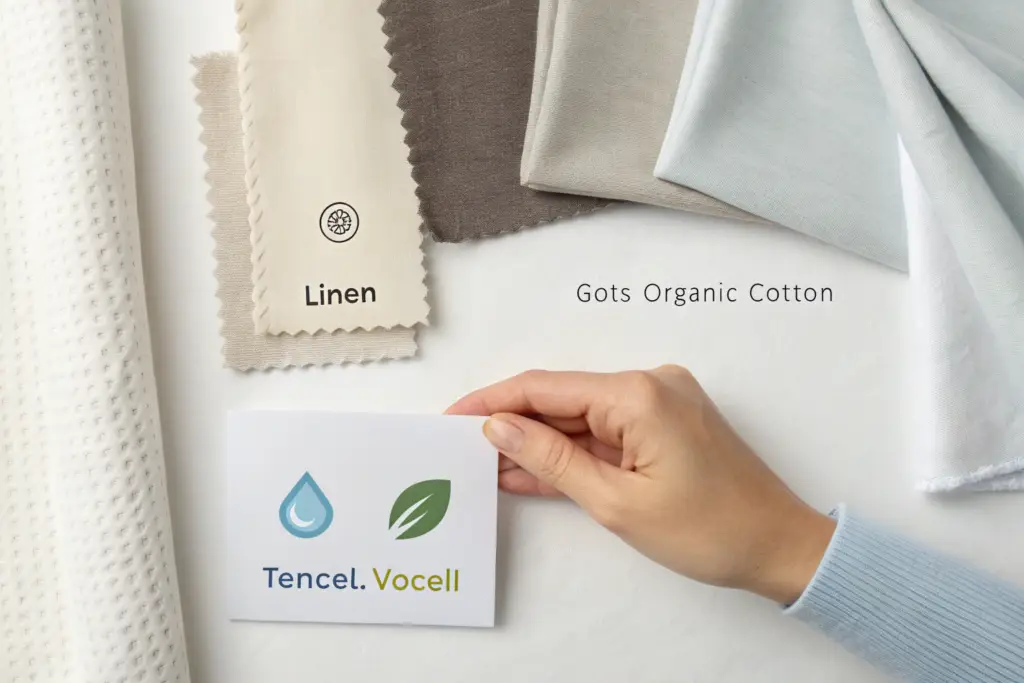
The most breathable fibers for daily wear are: 1) Linen: The undisputed king. Its hollow flax fibers allow exceptional airflow and moisture-wicking. 2) Cotton: Highly breathable and absorbent, especially in lighter, open weaves like voile, lawn, and jersey. 3) Tencel Lyocell: A cellulosic fiber with a uniquely smooth surface that wicks moisture efficiently and feels cool to the touch. These fibers actively manage moisture, keeping the wearer feeling fresh.
A women’s wear client of mine designs the perfect "summer commuter" dress. Her hero fabric is a linen/Tencel blend. She knows her customer is navigating hot subways and walking to meetings. The blend provides the exceptional breathability and natural texture of linen, combined with the soft, fluid drape and reduced wrinkle of Tencel. It is a high-performance fabric engineered for real life. Her customers rave about how comfortable and cool the dresses are. She has built a loyal following by prioritizing this invisible feature. This is the power of intelligent fabric selection .
Why Is Linen the "King of Cool" for Hot Weather?
Linen’s breathability is unmatched due to its natural structure. The flax fibers are long, hollow tubes. This allows air to circulate freely and provides a natural "capillary action" that wicks moisture away from the skin and into the air. It is also incredibly strong and durable. Its tendency to wrinkle is a small price to pay for its supreme cooling power. For daily summer wear, a lightweight linen (120-180 GSM) or a linen blend is an exceptional choice.
How Does Tencel’s Breathability Compare to Cotton?
Tencel (Lyocell) is often described as being even more breathable than cotton. This is due to its incredibly smooth, round fiber surface. This smoothness allows moisture vapor to be transported away from the skin more efficiently than the rougher, ribbon-like surface of a cotton fiber. Tencel also has a naturally cool, almost silky handfeel. It is an exceptional choice for daily wear, especially for those with sensitive skin, as it is less prone to harboring bacteria. This is why we often recommend it for our premium essentials .
When Can Synthetic Fabrics Be a Breathable Choice for Daily Wear?
The common perception that "all synthetics are hot and unbreathable" is outdated. While a cheap, solid-knit polyester from the 1970s deserves its reputation, modern textile engineering has created synthetic fabrics with exceptional breathability. These are materials specifically designed for performance, but their comfort properties have made them increasingly popular for daily wear, especially in activewear and athleisure.
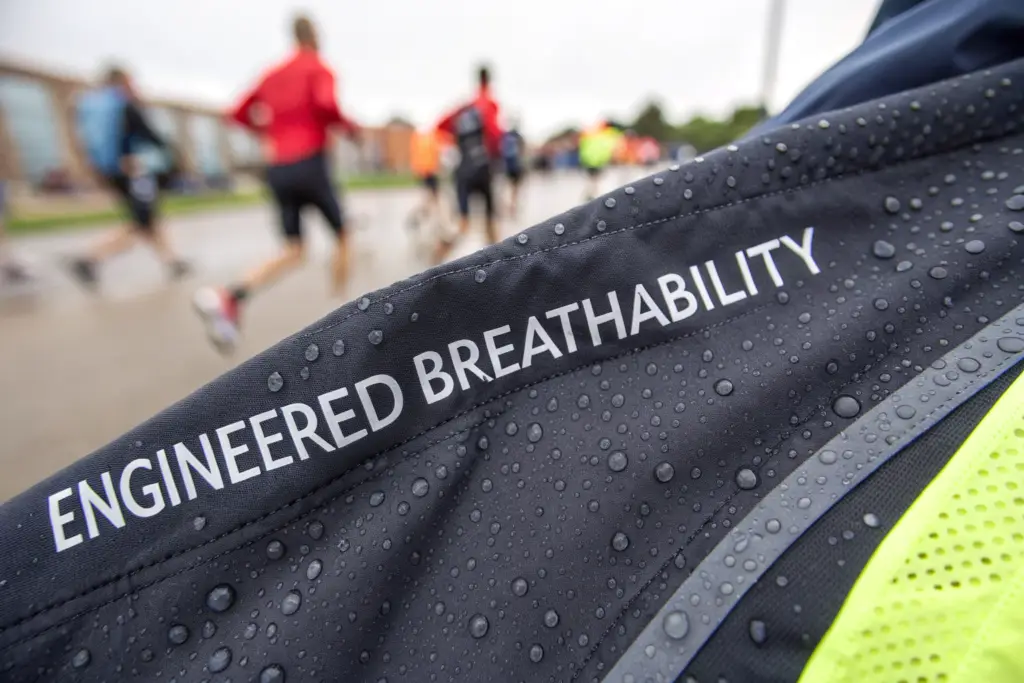
Modern synthetic fabrics can be highly breathable when they are engineered for it. This is achieved through specific constructions like open mesh knits and through advanced fiber technologies that create a capillary action to wick moisture (sweat) away from the skin to the fabric’s surface, where it can evaporate quickly. For daily wear, these fabrics are excellent for hot weather, exercise, or for anyone who wants the durability and easy care of synthetics without the clamminess.
A brand I work with specializes in travel-friendly daily wear. Their best-selling pant is made from a lightweight nylon/spandex woven with a specialized wicking finish. It looks like a chic, tailored trouser, but it performs like activewear. It is breathable, resists wrinkles, and dries in a flash. Their customers—busy professionals and frequent travelers—swear by them. This is a perfect example of how a modern synthetic, chosen intelligently, can be the ideal fabric for a specific daily wear niche. It is not about natural vs. synthetic; it is about choosing the right tool for the job. This is the kind of performance we can achieve with our advanced fabric library .
How Does Moisture-Wicking Technology Work in Synthetics?
This is a physical process, not a chemical one. The synthetic fibers (like polyester or nylon) are extruded with irregular, multi-channeled cross-sections. These tiny channels create a capillary action, pulling moisture away from the skin and spreading it across a large surface area on the outside of the fabric. Because the fiber itself is hydrophobic (does not absorb water), the moisture sits on the surface and evaporates very quickly. This keeps the wearer feeling dry.
What Should You Look for in a Breathable Synthetic for Daily Wear?
When evaluating a synthetic for a daily wear garment, look for:
- Open Construction: A mesh, a pique knit, or a lightweight woven.
- "Wicking" or "Moisture-Management" Claims: These should be backed by the mill’s technical specs.
- Blends: A synthetic blended with a natural fiber like cotton or Tencel can offer the best of both worlds: the durability of synthetic with the comfort of natural fibers.
This is the nuanced approach we take to sourcing performance daily wear .
How Does Fumao Help You Source the Perfect Breathable Fabric for Your Brand?
The world of fabric performance can be complex, with terms like MVTR, wicking, and air permeability. You should not have to become a textile scientist to make smart choices for your brand. Our role is to translate this science into a tangible, sensory experience and guide you to the perfect materials that will make your daily wear collection a favorite.
Fumao helps you source the perfect breathable fabric by combining technical knowledge with a curated, tactile approach. We listen to your design goals and your customer’s lifestyle. We then present you with a curated selection of swatches, from the airy coolness of linen to the soft performance of Tencel to the engineered breathability of modern synthetics. We provide clear guidance on the handfeel, drape, and comfort performance of each option, empowering you to make a confident, informed decision.
A new brand founder came to us wanting to create the "perfect everyday t-shirt." She knew she wanted it to be soft and comfortable, but she did not know the difference between a 150 GSM carded cotton and a 180 GSM combed ring-spun. We sent her a "Comfort Tee" swatch kit. It included a range of options, from a basic carded cotton to a luxurious GOTS combed ring-spun. She could feel the step-change in softness and breathability. She chose the premium option. That t-shirt became the cornerstone of her brand and the #1 reason for her five-star reviews. She made the right choice because she could feel the difference. That is the power of our curated fabric experience .

What Is a "Comfort Rating" and How Do We Use It?
We have developed an internal "Comfort Rating" for our core daily wear fabrics. It is a simple, qualitative scale (e.g., 1 to 5 stars) based on a combination of:
- Breathability (MVTR)
- Softness/Handfeel
- Moisture Management
This simple tool helps our clients quickly compare options and understand the trade-offs between, say, the supreme coolness of a 5-star linen and the 4-star softness of a cotton/Tencel blend. It makes the abstract tangible. This is part of our commitment to transparent material selection .
How Do We Help You Match the Fabric to the Customer’s Lifestyle?
We always start with a conversation about the end-user. Is your customer a busy professional who needs a polished, breathable blouse for the office? We might suggest a Tencel twill. Is she a new mom who needs easy, soft, and breathable pieces for chasing a toddler? We might suggest a GOTS organic cotton slub jersey. Is he a traveler who needs a shirt that can go from a plane to a meeting? We might suggest a breathable wool blend or a high-performance synthetic woven. The fabric must serve the life it will be worn in. This is the essence of our product development partnership .
Conclusion
For any garment meant to be worn for hours on end, through the varied activities of daily life, breathable fabric is not a luxury—it is a necessity. It is the invisible feature that determines whether a piece of clothing becomes a cherished favorite or a source of constant discomfort. It is the foundation of true, lasting comfort.
At Shanghai Fumao, we are passionate about the science of comfort. We guide our B2B partners beyond just aesthetics, helping them understand and select the materials that will make their daily wear collections perform beautifully and feel incredible against the skin. We help you build a brand that customers reach for, day after day.
If you want to build a daily wear collection that prioritizes genuine, breathable comfort, let’s talk. Our Business Director, Elaine, can share our curated selection of high-performance, breathable fabrics. Please email Elaine at: elaine@fumaoclothing.com.