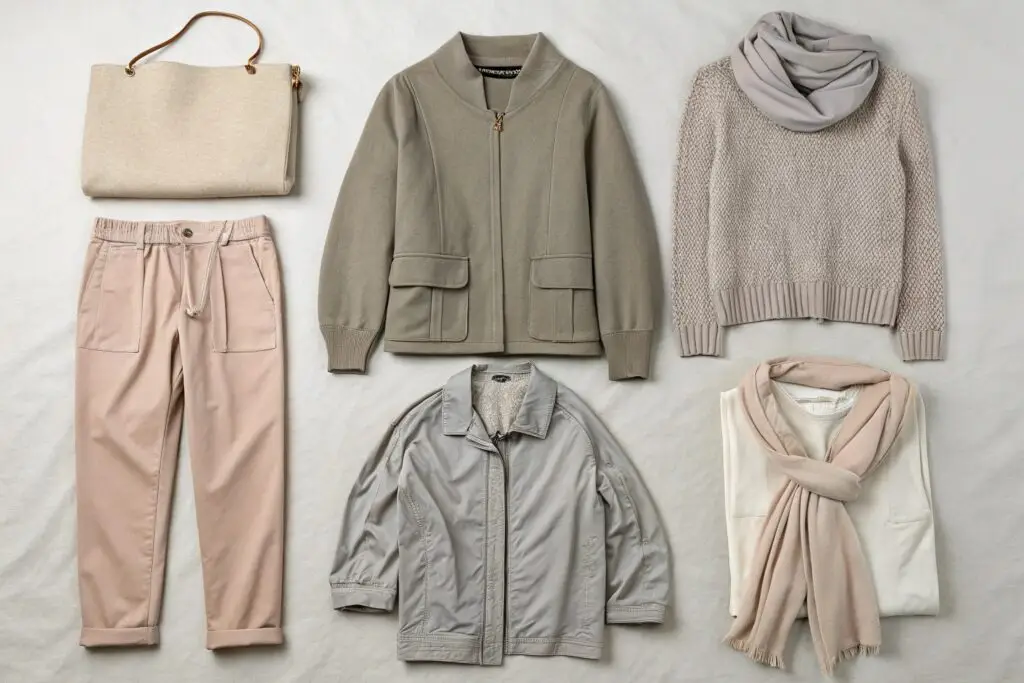
Layering isn’t just a styling trick—it’s the engine that drives wearability across seasons in capsule collections. Without smart layering options, capsules can fall short in both function and fashion.
Layering allows capsule pieces to adapt to changing temperatures, occasions, and personal style—without needing a large wardrobe.
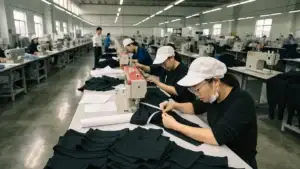
In my factory, we’ve worked with many capsule-focused brands that rely on layering logic to keep SKUs low while maximizing usage. If your buyers demand more from fewer pieces, this approach is non-negotiable.
How Layering Extends Seasonal Wearability?
A single garment might work for one season—but layered thoughtfully, that same piece becomes wearable all year. That’s where capsules prove their true value.
Smart layering allows capsule pieces to function across climates by adding or removing warmth without changing the base look.
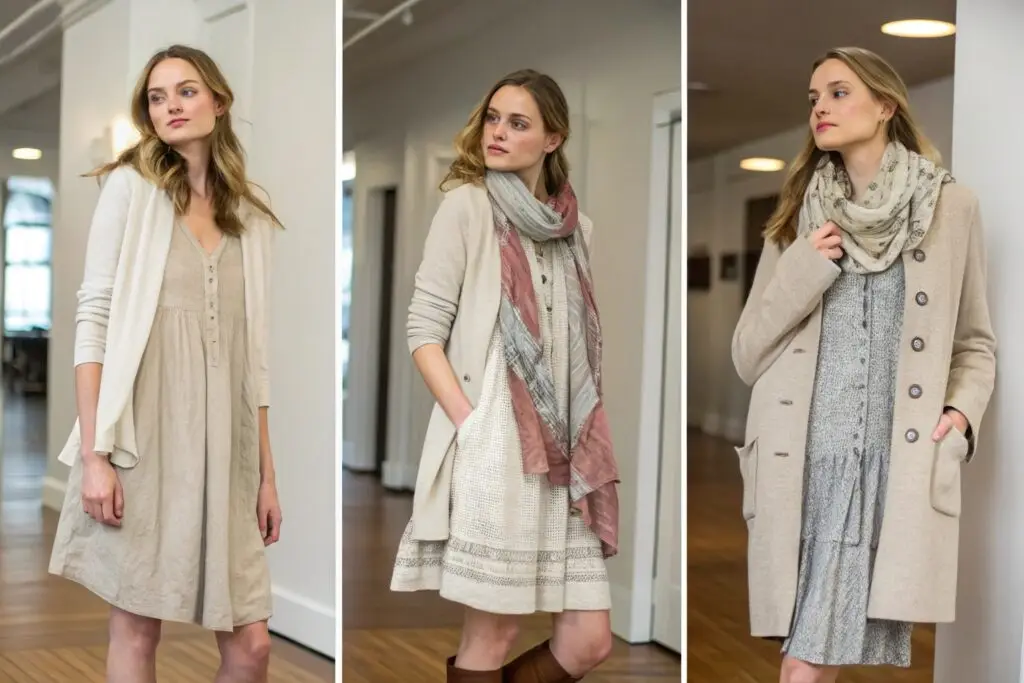
Can the same outfit work from winter to spring?
Yes—but only with intentional layering. Think of it like this:
- A light cotton tee works alone in summer
- Add a knit cardigan, and it’s ready for fall
- Layer a coat over that, and it’s winter-ready
This simple formula enables capsules to remain minimal while stretching across seasons.
| Base Piece | Spring Add-On | Fall Add-On | Winter Add-On |
|---|---|---|---|
| Cotton Dress | Denim Jacket | Wool Wrap | Puffer Vest + Tights |
| Tank Top | Linen Blazer | Trench Coat | Thermal Shirt |
| Jersey Skirt | Button Shirt | Knit Sweater | Longline Coat |
From a sourcing perspective, I always recommend fabrics in the 180–230 GSM range for capsule layers. They can be worn solo or stacked—ideal for trans-seasonal wardrobes.
What Pieces Are Essential for Layered Capsules?
Not all clothes layer well. Some wrinkle too fast. Others don’t breathe. So if you want your capsule to truly flex with seasons, your layer-friendly items need specific design traits.
Essential layering pieces include cardigans, overshirts, light jackets, knit pullovers, and stretch-fit long sleeves—all optimized for comfort and stacking.
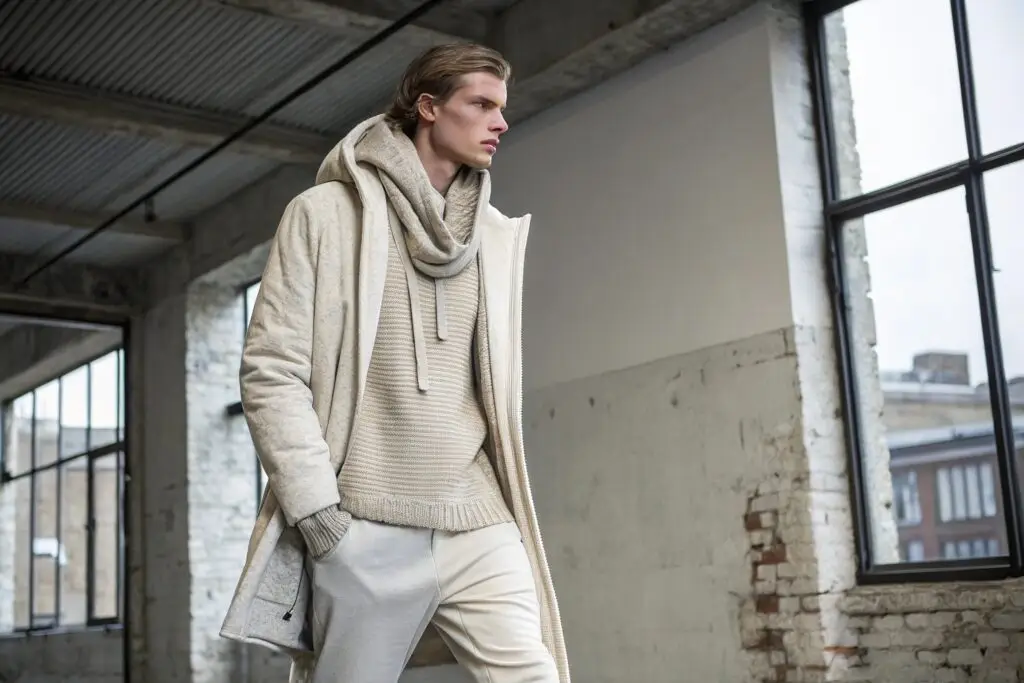
What makes a piece “layer-friendly”?
Here are some must-have features:
- Midweight structure: Holds shape without bulk
- Smooth seams: No bunching under coats
- Stretch factor: Allows movement when stacked
- Neutral tones: Coordinates with multiple base outfits
These are the five layering MVPs I suggest to most capsule buyers:
| Layer Piece | Ideal Fabric | Why It Works in Capsules |
|---|---|---|
| Open Cardigan | Cotton-Modal Knit | Breathable, pairs with tanks or blouses |
| Overshirt Jacket | Brushed Twill or Flannel | Structured, casual-to-smart versatility |
| Sleeveless Gilet | Quilted Nylon or Fleece | Adds core warmth without restricting arms |
| Lightweight Hoodie | French Terry Cotton | Travel-friendly, great under outerwear |
| Long Sleeve Tee | Ribbed Modal Blend | Form-fitting, non-bulky base layer |
Every successful capsule I’ve seen in the market includes at least 2–3 of these. They’re the silent heroes of wardrobe versatility.
Balancing Warmth, Bulk, and Styling Flexibility?
Add too much insulation and the outfit looks puffy. Go too light, and the customer freezes. In capsule design, layering must walk a fine line between performance and style.
Capsule layering pieces must provide warmth while remaining compact and versatile—this means smart fabric weights, tapered shapes, and low-profile designs.
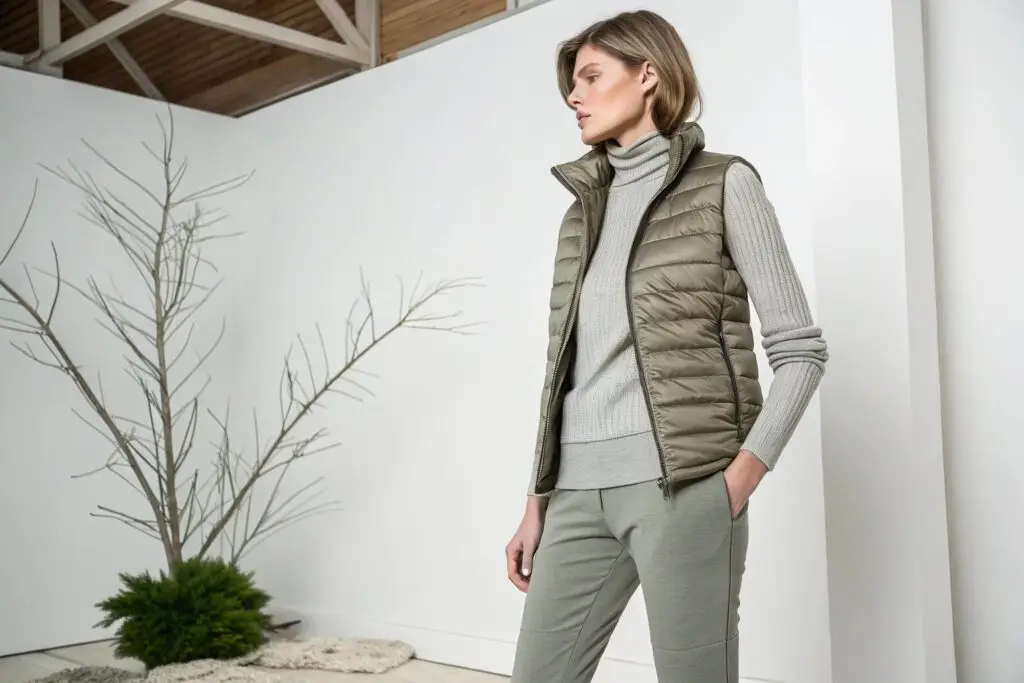
How do we keep things warm—but not bulky?
This is where design and sourcing must work hand-in-hand. Consider:
- Fabric GSM: Midweight is best (200–250 GSM)
- Pattern cut: Straight seams, soft shoulder slopes
- Layer friction: Inner fabrics must not grip outerwear
- Tapered hems: Avoids ballooning or tenting
Let me share a quick checklist I use when advising capsule clients:
| Layering Trait | Good Option Example | What to Avoid |
|---|---|---|
| Fabric Thickness | Double-knit cotton | Bulky fleece over 280 GSM |
| Closure Design | Open-front, minimal buttons | Zippers that snag under coats |
| Sleeve Cut | Set-in, lean sleeves | Batwing or oversized arms |
| Neckline Fit | Crew or mock neck | Cowl or wide boat necks |
You don’t have to compromise on warmth if you plan your capsule silhouettes intentionally. In fact, smart layering pieces are what make a capsule line feel premium, not basic.
Why Buyers Value Transitional Layering Options?
Buyers—especially B2B ones—aren’t just thinking about looks. They think about turnover rate, end-customer satisfaction, and return rates. Layering improves all three.
Transitional layering pieces extend product lifespan, reduce buyer risk, and empower customers to wear the same styles longer.

Why are layering pieces a sales booster?
Here’s what I’ve learned from my clients:
- Retail buyers like that layering SKUs have fewer seasonal constraints
- Brand buyers appreciate that they can stretch lookbooks over multiple months
- End consumers love re-styling options with minimal spend
I often advise buyers from colder regions (like Canada or northern Europe) to prioritize layers that can sell 8+ months out of the year. This minimizes deadstock and smooths out cash flow across seasons.
A buyer from New York once told me, “If I can sell your overshirt in October and March, I’m placing double the order.”
Here’s how layers can impact capsule sales performance:
| Benefit | Sales Impact |
|---|---|
| Seasonless styling | Longer shelf life per SKU |
| Lower return rates | Fit works with different layers |
| Elevated perceived value | Outfit flexibility = higher pricing |
| Higher basket size | Customers buy top + layer combo |
If you're developing your own capsule collection—or sourcing one—you need to think like a buyer who’s counting ROI per square meter of shelf space. Layers multiply that ROI, simply by design.
Conclusion
Layering is not just a feature—it’s the foundation of smart capsule logic. With well-designed layers, one capsule serves many climates, many people, and many styles.