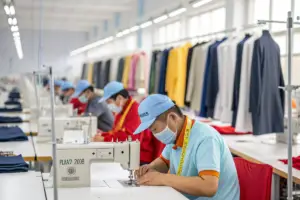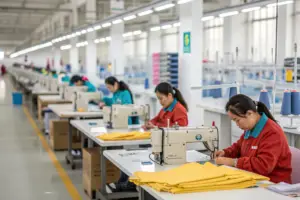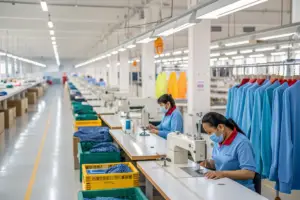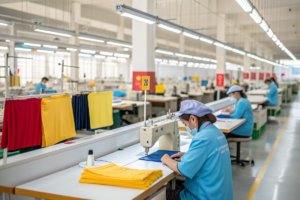
Last year, a veteran buyer I know in downtown LA whispered something to me at a trade show. "We are all looking for the same thing," he said, glancing around. "A backup plan that doesn't feel like a downgrade." He told me he was tired of the volatility in one market, the logistical nightmares in another, and the cookie-cutter quality that was flooding the racks. He needed something stable, premium, and quiet. He didn't want his competitors to know where he was sourcing his new best-sellers. He needed a hidden gem, and he asked if I knew any factories that could keep a secret.
LA wholesalers are discreetly testing Shanghai Fumao to secure a reliable, high-margin supply chain from China that offers European-level finishing without the European price tag, giving them a silent competitive edge in a saturated market.
The Los Angeles wholesale scene is brutally efficient and highly connected. If a wholesaler finds a supplier that delivers 15% better quality at the same price point as their current vendor, they don't broadcast it. They lock it in. They test it quietly. They order a small batch, check the seams and the hang, and if it passes, they scale fast while their competitors are still stuck with delayed shipments and inconsistent stitching. This is what is happening now with Shanghai Fumao. We are not flooding Instagram with wholesale ads. We are building this reputation one quiet, successful shipment at a time.
What Quality Gaps Are LA Wholesalers Facing With Current Suppliers?
I deal with the aftermath of bad sourcing decisions every week. A wholesaler from Vernon, California, came to me three months ago with a serious problem. His previous supplier in a low-cost country had shipped 5,000 "premium" polo shirts ahead of the spring season. But the collars were collapsing after three washes. The rib knit on the cuffs was stretching out like old elastic. He couldn't sell these to his boutique clients. He called me not for a deal, but for a diagnosis. He wanted to know why a garment can look perfect in a Polybag and fall apart on a customer.
The primary gap is the inconsistent translation of pre-production samples into bulk manufacturing, combined with raw material substitutions that degrade the garment's integrity over time. A factory seeking the contract might use authentic Supima cotton for the sample but switch to a blended generic cotton in bulk to shave costs. You can't see this when you open the box. You smell it, you feel it, and you see it only after the first wash. The fiber length is shorter in the substituted batch, leading to pilling, fading, and a rough hand feel. This is a betrayal of trust that forces a wholesaler to constantly test every single delivery, which is exhausting and expensive.
Why Does the "Sample vs. Bulk" Discrepancy Keep Happening?
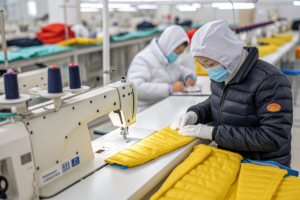
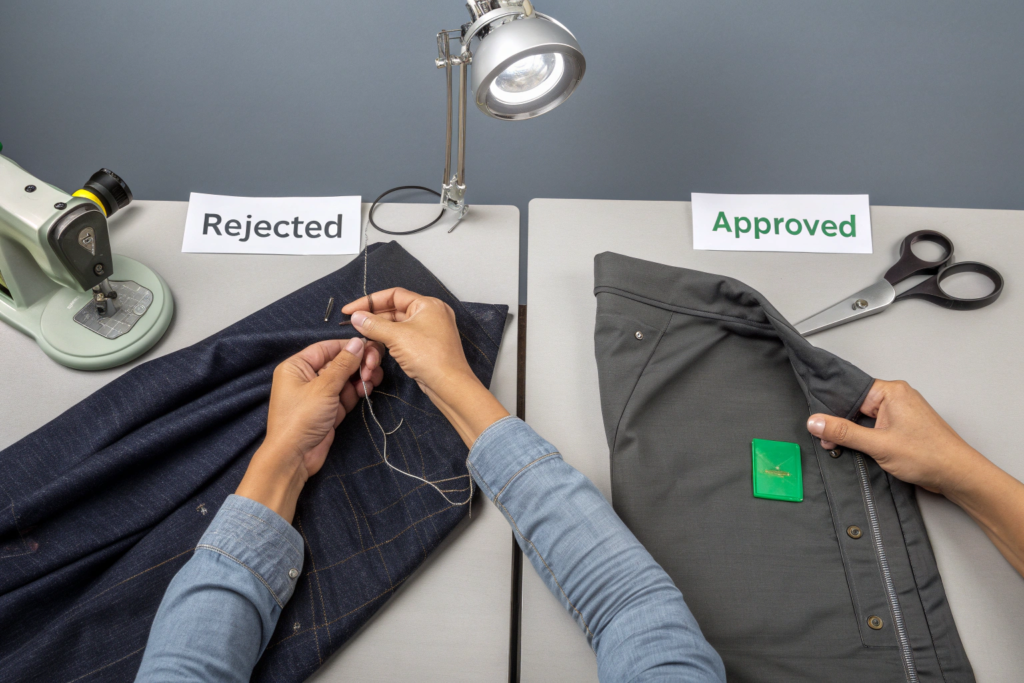
This is the oldest trick in the sourcing playbook, and it works because most wholesalers don't cut apart their bulk shipments. I once cut open a jacket sent to me by a potential client who wanted me to replicate it. The sample he had received was padded with soft white duck down. The bulk jacket I was holding was stuffed with shredded feather fibers and a little polyester fill. The weight was barely different, but the warmth and plushness were gone. The cost saving for the factory was huge. The damage to this wholesaler's reputation with a major Orange County retailer was catastrophic.
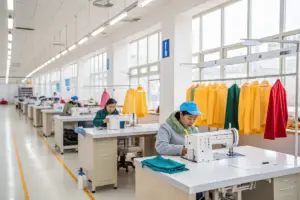
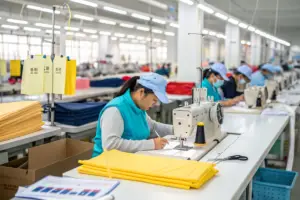
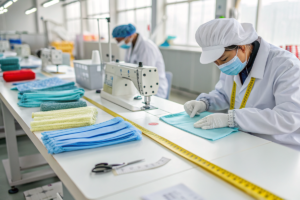
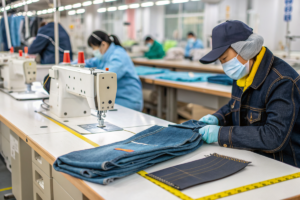
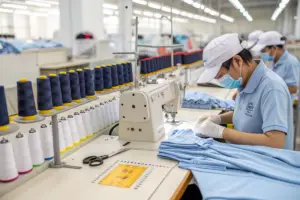
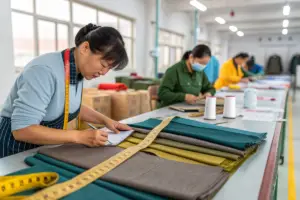
The discrepancy occurs because many factories operate a separate, highly skilled "Sample Room" that crafts by hand, while the bulk "Mass Line" relies on speed-based incentives that encourage shortcuts. A skilled tailor in a sample room might spend 30 minutes fusing a collar with the correct heat and pressure. On the mass line, a pressured operator might rush the pressing time to five seconds to meet the hourly output target of 200 collars. The interlining isn't properly bonded, causing bubbling later. As a partner, Shanghai Fumao keeps the sample room master present on the production floor floor to sign off on the first 50 pieces of bulk production to lock the standard.
Is the "China Market" the Only Source of Quality Complaints?
Not by a long shot. I see many LA importers romanticizing the "old days" of perfectly smooth sourcing, but that's a myth. Today, they face what I call the "Global Roulette." Vietnam has brilliant production but faces severe capacity crunches and long lead times that kill fast fashion plays. India's textile artistry is unmatched, but infrastructure bottlenecks can delay a shipment for weeks with no clear update. Bangladesh offers low prices but the logistical infrastructure and strict compliance requirements limit flexibility for small batches.
The reality is that quality complaints are rising across all traditional supply bases due to global raw material inflation and skilled labor shortages. Cotton prices fluctuate wildly, pushing factories everywhere to blend fibers. The apparel industry is in a severe skilled labor crisis. The experienced cutters and sewers are aging out, and younger workers are choosing gig economy jobs over factory floors. This is a global issue, from Guangzhou to Guatemala. The difference with a dedicated China-based partner like Shanghai Fumao is not just a label that says "Made in China". It is the application of rigorous ISO 9001 quality management that certifies the process control, not just the final look of the sample.
How Does Fumao's Production Speed Create a Local Advantage for LA?
Speed in Los Angeles isn't just about getting the goods before the season ends. It's about cash flow. A wholesaler sitting on a container from a 90-day lead time supplier is sitting on $100,000 of dead capital. That money could be turning three times in the same year if the supply chain was tighter. I have a client in the Arts District who operates on pure velocity. He doesn't warehouse deep. He flows. He gets his styles in, sells them out immediately, and needs the next replenishment batch to land precisely when his bank account is ready to pay for it. He doesn't sell cheap; he sells fast.
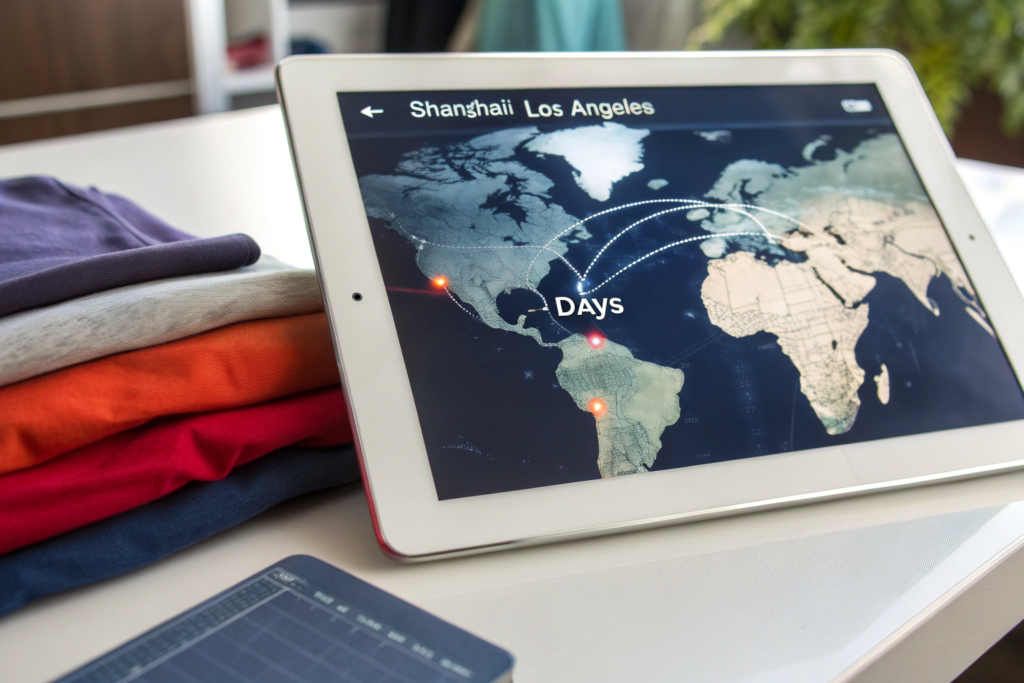
Shanghai Fumao provides a localized speed advantage by compressing the standard development-to-delivery cycle to just 30 days, effectively mimicking a just-in-time domestic supplier with far better costs. We achieve this by owning our raw material warehouse in Shanghai. While other factories wait two weeks for a truck to deliver grey fabric from a remote mill, we pull it from our own shelves. This "vertical velocity" means a style trending on Melrose Avenue can be in production in China 48 hours after you send the order. This obliterates the usual 14-day pre-production lag that kills momentum for supply chain management in the fashion industry.
How Can "Vertical Speed" Reduce Your Markdown Risk?
Markdowns are the reason many LA wholesalers fail. Buying too deep too early on a guess. The guess goes wrong, and the goods sit. The cost of the fabric is less painful than the cost of storing a pallet of unsold lime green joggers. When you work with a slow supply chain, you are forced to be a bad fortune teller. You order six months in advance. By the time the box hits your warehouse, the trend might have shifted from lime green to sage green. You are left holding a dead trend.
Cutting the lead time from 60 days to 30 days allows an LA wholesaler to reduce pre-season commitment by 50%, ordering a smaller initial batch and re-ordering only the proven winners. This is the "Speed to Replenish" model. Let's say you introduce three new jackets. You order 100 of each. If Jacket A sells out in a week, and Jacket B flops, you don't reorder B. You immediately call us to reorder 500 of Jacket A. With a 30-day turn, those 500 units hit your floor while the trend is still peaking. You capture the full margin wave without getting stuck with the dead stock undertow. This drastically reduces the inventory carrying cost eating your profit.
Why Is "Reactive Production" Critical for Streetwear Trends?
Streetwear is a monster that doesn't follow the traditional fashion calendar. One viral TikTok video can ignite a demand spike for a specific type of cargo pant within 72 hours. If your supply chain is rigid, you watch that demand pass by like a parade you can't join. I had an LA client who caught a flash trend for a bright, oversized graphic tee featuring a specific retro car print. He sent me the artwork on a Thursday. We digitized it, cut the fabric, printed it, and shipped the first 200 tees by air. He had them on his racks in ten days.
Streetwear wholesalers need factories that operate like a restaurant during a rush, reading chits and adjusting in real-time rather than a static, pre-set menu. The streetwear consumer is fickle but highly profitable. They pay high retail for authenticity and immediate gratification. Supporting this requires a factory that treats the sewing line as a fluid resource. We use a flexible production line system where we assign a core group of multi-skilled technicians to flash orders. This allows a single streetwear drop of 300 graphic hoodies to be processed in a week without disrupting our standard formalwear lines. You don't get penalized for a small, fast order.
What Are the Unspoken "Hidden Costs" of Low-Bid Suppliers?
"Low price" is a psychological trap. I see it constantly. A wholesaler sends me a quote from a cheap vendor, asking if I can beat it. I look at the specs. The price doesn't include the reinforced pocket stitching they asked for. It doesn't include proper safety testing for children's wear. It's a phantom price. It's a number designed to hook you, knowing that once the order is in motion, the "extras" will surface like ghosts. I tell them to add 25% to that quote to get the real math.
The unspoken costs include excessive quality control reject allowances, hidden logistics surcharges on non-standard packaging, and the opportunity cost of "out-of-stock" events due to unreliable delivery. A factory quotes you $5.00 per unit but specifies a 10% AQL allowance, meaning 10% of the goods can be defective and you still have to pay for them. They ship leaky polybags that catch moisture in transit, ruining the outer garments. They use a carton specification too flimsy for the international journey, collapsing at the port. The freight forwarder then charges you a "Temporary Holding" fee for damaged freight, and you have no recourse with the factory. These are not accidents; they are systematic cost transfers from a low-bid supplier to you.

Are Factory "Audit Certificates" Always What They Seem?
A piece of paper is not a quality control system. I have heard too many stories in LA showrooms of a supplier presenting a glossy, beautiful social audit certificate, only for the goods to arrive with a hidden disaster inside. I call these "Wallpaper Certificates." They are real documents, often for a different factory wing, a different legal entity, or expired by three years. The wholesaler checks the box, "They have a BSCI certificate," and moves on. They don't verify the details until a seam rips in front of a major buyer.
Many audit certificates are photo-edited, expired, or taken from a different facility, which requires a live verification or a specific traceable registration number to trust. You can't just look at the logo. You need the specific audit registration number and the date. You need to go to the Sedex Members Ethical Trade Audit website and type in that number. Check the scope. Does it cover the specific building, the specific employees, and the specific production processes like screen printing? Don't be afraid to ask us at Shanghai Fumao for a live video walk of the floor, showing our current operating license on the wall. This traceability is free insurance.
What Is the Real Price of a "Missed Window" in Retail?
This is the cost that kills companies. Not the extra dollar on the fabric, but the season that passes you by. A client who runs a women's boutique supply chain in West Hollywood told me how she lost a $150,000 seasonal order from a major online retailer. Her cheap supplier missed the ship window by two weeks. The goods arrived. They were fine. But the retailer had a strict "must-arrive-by" date for their online catalog launch. Because the goods weren't in the warehouse for the photo shoot, the order was canceled. The factory's penalty was zero, as inclement weather is usually a force majeure clause in their purchase order terms. She had to liquidate the stock at a 40% loss.
A missed delivery window can lead to a 100% margin loss due to order cancellations, making the initial "cheap" unit price irrelevant. The waste goes beyond the stock itself. Your brand's relationship with the big retailer gets a black mark. They trust your delivery reliability less next time. The long-term revenue loss from a damaged reputation is far higher than the short-term savings from a cut-rate factory. A reliable partner with accurate logistics tracking who manages a 30-day timeline and hits the port exactly when promised is worth a 15% premium on the unit cost, because that premium buys you the certainty of the sale.
How Are Savvy Wholesalers Negotiating "Exclusive Soft Holds" for LA?
In Los Angeles, the fear of a copycat is real. If you find a unique fabric, a perfect cut, a new wash, you don't want your factory selling that exact style to the next wholesaler who calls them. I understand this deep paranoia because I've seen the internet's speed. A competitor gets a sample, sends it to a factory, and says, "Copy this exactly." I once had a client bring me a style twist—a woman's blazer with a specific hidden scrunch detail on the sleeve. He didn't want to see that scrunch on the rack next to his at the California Market Center.
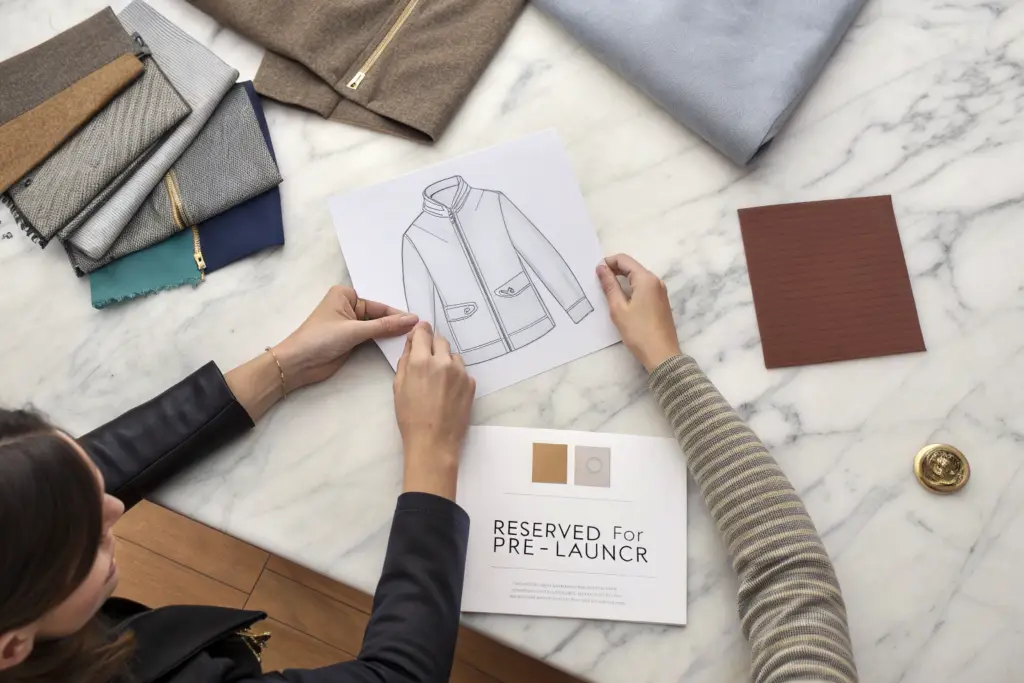
They secure an "Exclusive Soft Hold" by writing specific "Blocked Style" agreements into the contract that restrict our re-use of non-generic trims and specific fabric batches. We can't stop another brand from making a blue bomber jacket. That's a generic style. But we can agree not to use your specific custom-printed lining you developed over three months. We can hold the 500 yards of a unique custom-dyed ripstop fabric specifically for you for a defined 90-day window. This isn't a patent; it's a gentlemen's and contractual agreement that respects your design development time.
How Does a "Blocked Style" Agreement Actually Work in a Factory?
This isn't a legal cage match. It's a clarification of assets. When we sit down to write a manufacturing agreement, we don't list "denim jeans." That's impossible to block. We list specific, identifiable components that you paid to develop. Did you pay for an expensive laser engraving file for a specific floral pattern on denim? That file is yours. We block that file from being used on any other client's order. Did you create a specific hangtag design and a heat-transfer logo mold? We block the mold.
The "Blocked Style" clause formally defines which custom-developed trims, molds, and fabric batches are off-limits to other clients for a negotiated period. The negotiation is simple: You pay for the exclusivity of the development tool. If a mold costs $400, you own it; we just store it. If a fabric is custom-dyed, you commit to buying a substantial portion of the minimum dye lot from the mill, and we will not show that specific dye lot to anyone else for the season. This protects your product differentiation while allowing me to still run my business. It's a fair and clean boundary.
Can You Reserve Factory Time for a Flash Purchase?
In Los Angeles, the Christmas season starts in July, and if you miss the slot, you miss the year. The "holding" strategy isn't just about design. It's about reserving the physical space on the cutting table. Smart wholesalers don't just sign a purchase order; they sign a production calendar. They understand that a factory's most scarce resource isn't cotton. It's time. A sewing machine is either making your jacket or it's making someone else's. If you don't reserve the machine, you don't get the product.
You can strategically reserve production capacity by placing a non-refundable deposit on a specific weekly slot, ensuring your goods are cut before the peak season congestion. This is a proactive move. You might not have the final sales numbers yet, but you know you'll need 1,000 heavy coats by September 1st. You call us in July. We agree on a slot for August 10th. You pay a small deposit to reserve the labor, not just the materials. This guarantees that when the US retail orders flood in during August, your goods are already on the cutting table, ignoring the noise of everyone else trying to squeeze in last minute.
Conclusion
The drift of LA wholesalers toward Shanghai Fumao is a logical market correction, not a fluke. The reasons are buried in the balance sheets and the stress levels of business owners who are weary of unreliable cheap labor, hidden costs, and missed opportunities. They are quietly testing us because we fill the gap between the unaffordable European atelier and the unpredictable low-cost market. We deliver a quality standard that starts with matching the bulk to the sample, using raw materials that don't betray you after three laundry cycles. We compress the supply chain from a sluggish, 60-day gamble to a sharp, 30-day replenishment weapon that lets you chase a viral trend without drowning in dead stock. We don't play the game of low-bid quotes wrapped in hidden freight surcharges and fake audit certificates. We price transparently for the exact specification, ensuring you aren't paying for a "Wallpaper Certificate" but for real process control.
The LA market operates on trust, speed, and exclusivity, three currencies we trade in heavily at Shanghai Fumao. We protect your design with soft-hold agreements, we protect your schedule with reserved production slots, and we protect your cash flow with predictable logistics. As you plan your next buy, think about the hidden costs of your current supply chain—the markdowns from late deliveries, the chargebacks from quality fails, the fatigue of firefighting—and consider a partnership that turns sourcing into your silent competitive advantage, not your daily migraine. This is why the smart money in LA is quietly shifting toward us.
If you are ready to put our production speed and quality to the test, I invite you to reach out to us directly. We can discuss a trial order, a blocked style for your custom fabric, or a specific reserved production slot before the peak season closes availability. Please contact our Business Director, Elaine, at elaine@fumaoclothing.com. She will give you a transparent quote and a realistic timeline today.