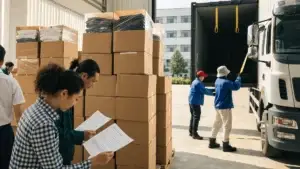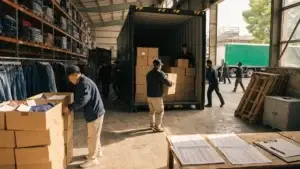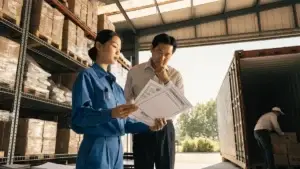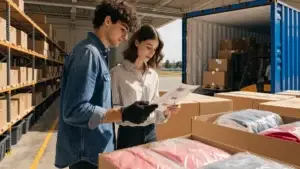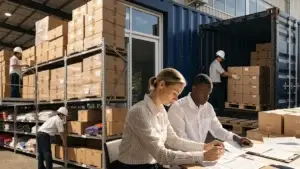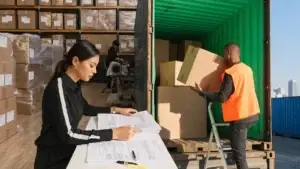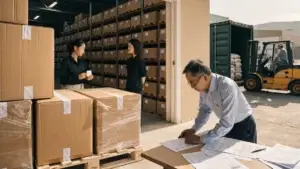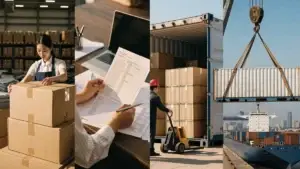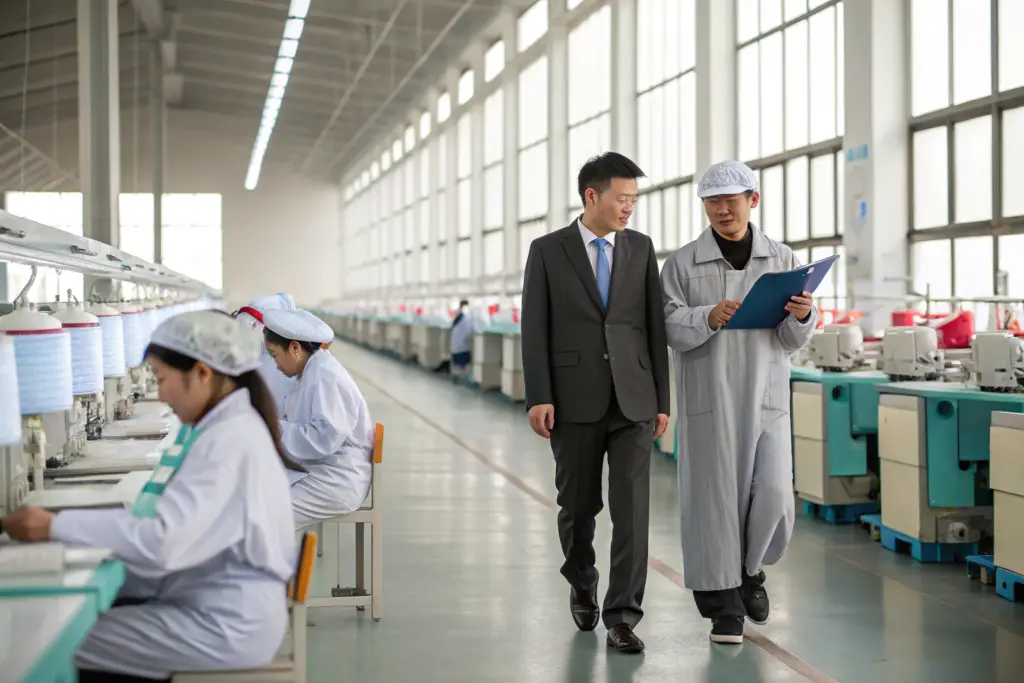
A polished website and a responsive sales rep convinced you to wire a $50,000 deposit. Six weeks later, the shipment arrived late, with crooked labels and fabric that did not match the approved swatch. The factory photos on their website were stolen. The "production line video" was filmed in a facility they visited once. Your procurement team never saw the real factory floor. The result was a damaged brand and a painful conversation with your board about sourcing failures. I have heard versions of this story from Fortune 500 buyers and mid-market brand owners alike. The common thread is always the same: no one walked the floor before signing the contract.
A factory tour is crucial for large company apparel buyers because it transforms sourcing from a paper-based gamble into a physically verified decision. On the factory floor, a buyer can confirm the existence and condition of production lines, observe the real-time quality control culture, verify worker treatment and safety standards, and assess whether the facility's operational reality matches its marketing claims. No certificate, video, or sales presentation can replace the evidence gathered by your own eyes and ears during a walkthrough.
At Shanghai Fumao, we have hosted factory tours for procurement directors, quality assurance managers, and CEOs from some of the largest apparel brands and distributors in North America. We do not prepare a staged tour for these visits. We walk the same floor you would see on any working day. The factory tour is the moment of truth in any sourcing partnership, and understanding what to observe, what questions to ask, and what red flags to detect can save your company from a catastrophic sourcing failure.
What Do Large Company Buyers Gain from a Physical Factory Walkthrough?
Digital communication creates an illusion of understanding. You exchange fifty emails about quality standards. You review spec sheets and lab test PDFs. You feel informed. But you have not smelled the factory air. You have not heard the rhythm of the sewing machines. You have not watched a worker's body language as she handles your garment. These sensory data points carry more truth about a factory's operational health than any document. Physical presence collapses the distance between the supplier's claims and your direct observation.
A physical factory walkthrough provides three categories of verification that no remote process can replicate: operational verification of production line existence, capacity, and equipment condition; cultural verification of worker-management dynamics, safety practices, and cleanliness standards; and technical verification of quality control processes, material handling procedures, and finished goods consistency. These verifications transform procurement from an act of faith into an act of evidence.
How Does Observing Real-Time Production Flow Reveal Capacity Claims?
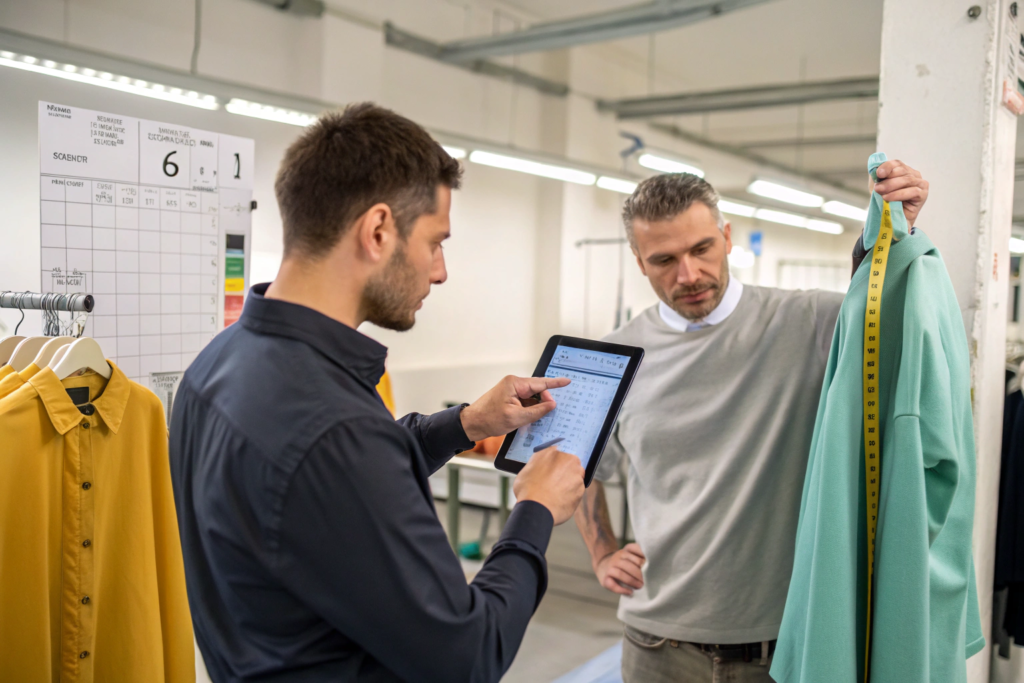
A factory's website claims ten production lines. A video call shows ten lines operating. But are those lines genuinely productive, or are they staffed temporarily for the call? During a physical walkthrough, you can observe the flow. Real production has rhythm: cut panels moving steadily from cutting table to sewing stations, finished garments accumulating at inspection points, bundles labeled with current dates and real purchase order numbers. Staged production looks different: workers moving slowly, machines running without fabric, a lack of work-in-progress inventory between stations.
I recall a procurement director from a major U.S. retailer who visited our facility last year. He stood at the end of line three for ten minutes with a stopwatch, timing how many finished polo shirts passed through final inspection. He calculated the throughput against our claimed daily capacity. The numbers matched. He told me later that he performs this simple timing test at every factory he audits, and that one in three factories fails it. The throughput does not match the claim. This is the level of scrutiny a large buyer must apply. We welcome it. Our production scheduling board is updated in real-time and visible on the factory floor. Buyers can cross-reference the board against the physical work in progress. This transparency around production capacity verification separates factories with genuine operational integrity from those with inflated marketing.
Why Is the Condition of Ancillary Facilities a Hidden Indicator?
The sewing floor gets attention. The fabric warehouse, the trim storage room, and the worker facilities often reveal more about management quality. A fabric warehouse with rolls stored directly on concrete floors, exposed to moisture and pests, indicates a disregard for material integrity. A trim room with disorganized boxes, missing labels, and no inventory system indicates a production environment where the wrong button or zipper will end up on your garment. Worker bathrooms and break areas that are dirty or poorly maintained indicate a management culture that does not value the people making your products.
During a factory tour for a children's wear brand, their quality director spent fifteen minutes in our fabric storage area. She checked humidity logs, examined how rolls were racked, and verified FIFO inventory rotation labels. She later told me the fabric storage condition was her single most important indicator of a factory's quality culture. If a factory protects raw materials, it will protect finished garments. If it neglects materials, it will neglect quality. This insight cannot be gathered from a curated video tour. It requires walking into the storage areas unescorted and observing the reality. We maintain our ancillary facilities to the same standard as our production floor because we know sophisticated buyers inspect everything. Our approach to warehouse management standards reflects our understanding that material care is the first step in quality assurance.
How Can a Buyer Assess Quality Control Culture During a Factory Visit?
A quality manual on a shelf means nothing. A framed ISO certificate means nothing. Quality culture lives in the behavior of inspectors, operators, and supervisors at the point of production. It is visible in what happens to a defective garment when it is found. Does the inspector pull it, tag it, and log it? Or does she quietly set it aside and continue counting units? The difference between a documented quality system and an actual quality culture is the difference between a factory that manages defects and a factory that hides them.
Assessing quality control culture during a visit requires observing whether inspectors operate independently from production pressure, whether defects are visibly tracked and displayed, whether measurement tools are calibrated and actually used, and whether the line supervisor can explain the specific quality standards for the product currently in production. A factory with genuine quality culture welcomes this observation. A factory with a paper quality system becomes nervous when you watch the inspectors too closely.
What Specific Behaviors Distinguish Real Quality Control from Theater?
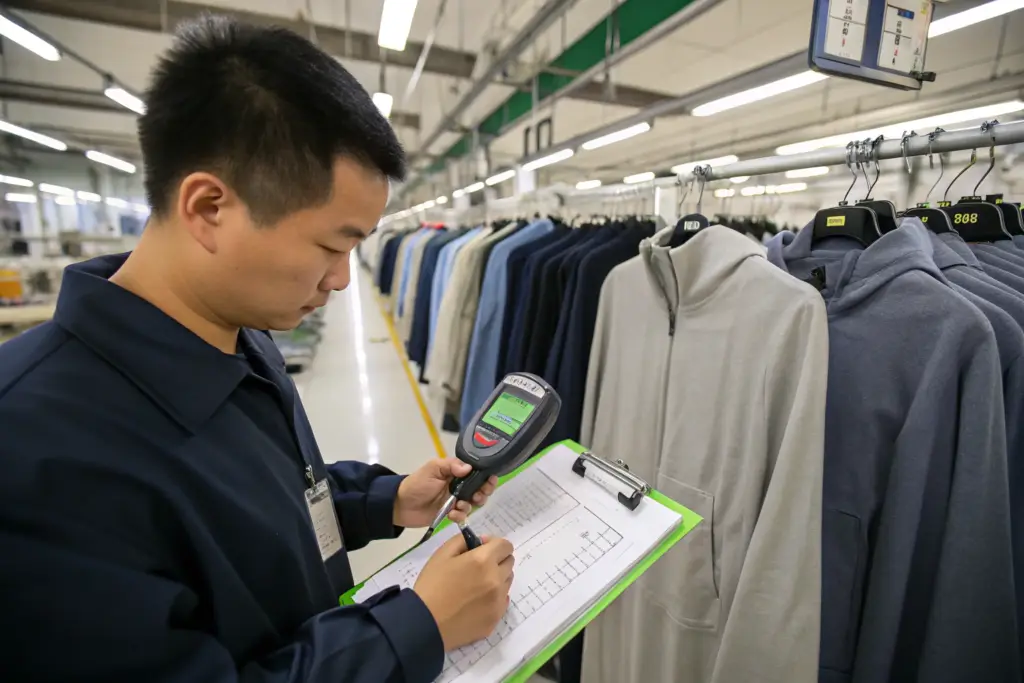
Stand at an inspection station for five minutes and observe. A genuine inspector has a measurement chart, a calibrated tool, and a defect log. She measures multiple points on each garment. She marks defects with a sticker or tag and records them. The inspected garments are sorted into pass, rework, and reject racks. There is an accumulation of rework garments, because every real production line generates defects that require correction. A factory with no rework rack is hiding defects, not preventing them.
A theatrical inspector performs for the visitor. She handles garments but does not measure. She does not log. She smiles at you instead of focusing on the garment. This performance disappears when the visitor leaves. During a tour for a premium menswear brand, their production manager asked to see the defect log for the current production batch. Our QC supervisor handed over the clipboard immediately. The log showed a running tally of defect types, quantities, and corrective actions. The buyer reviewed it and confirmed the data matched the garments in the rework rack. He told us this moment gave him more confidence than any certificate we could have produced. The quality control inspection process was visibly operational, not theoretically documented.
How Can a Buyer Evaluate Worker Skill and Engagement at the Machine?
Skilled sewing operators work with a rhythm that comes from experience. Their movements are economical. They handle fabric without hesitation. They adjust thread tension intuitively. Unskilled or disengaged workers move jerkily, stop frequently, and produce uneven seams. Observing the operators on the line that would produce your garments gives you a direct read on the factory's labor quality and training investment.
We encourage buyers to stop at a workstation and ask the operator, through a translator, about the garment they are sewing. "What is this garment for? What quality check do you perform before passing it to the next station?" An engaged, trained operator answers with specificity: "This is a women's blazer for the fall collection. I check that the sleeve is set smoothly with no puckers and that the notch aligns with the collar." A disengaged worker shrugs and points to the supervisor. The difference is enormous. It tells you whether the factory invests in worker training and development or treats labor as a replaceable cost. A large apparel buyer should visit their own product in production if timing allows. Watching your garment being made by skilled, informed operators is the ultimate quality assurance.
What Questions Should a Buyer Ask the Production Floor Supervisor?
Sales managers are trained to answer buyer questions smoothly. They know the marketing claims. They have polished responses for common concerns. The production floor supervisor is different. This person manages machines, materials, and workers for twelve hours a day. They speak the language of production reality, not sales narrative. Asking the supervisor unscripted, technical questions bypasses the sales filter and accesses the operational truth. A factory that prevents buyers from talking to supervisors is hiding something.
The most revealing questions for a production floor supervisor focus on specific technical challenges, current production data, and problem-solving processes. Ask about the most difficult fabric they processed last month and how they adjusted. Ask for the current line's hourly output and defect rate. Ask what happened the last time a machine broke down during a critical order. Genuine supervisors answer with data and stories. Inexperienced or coached supervisors give vague, non-specific answers.
What Technical Questions Separate a Real Factory Floor from a Showroom?
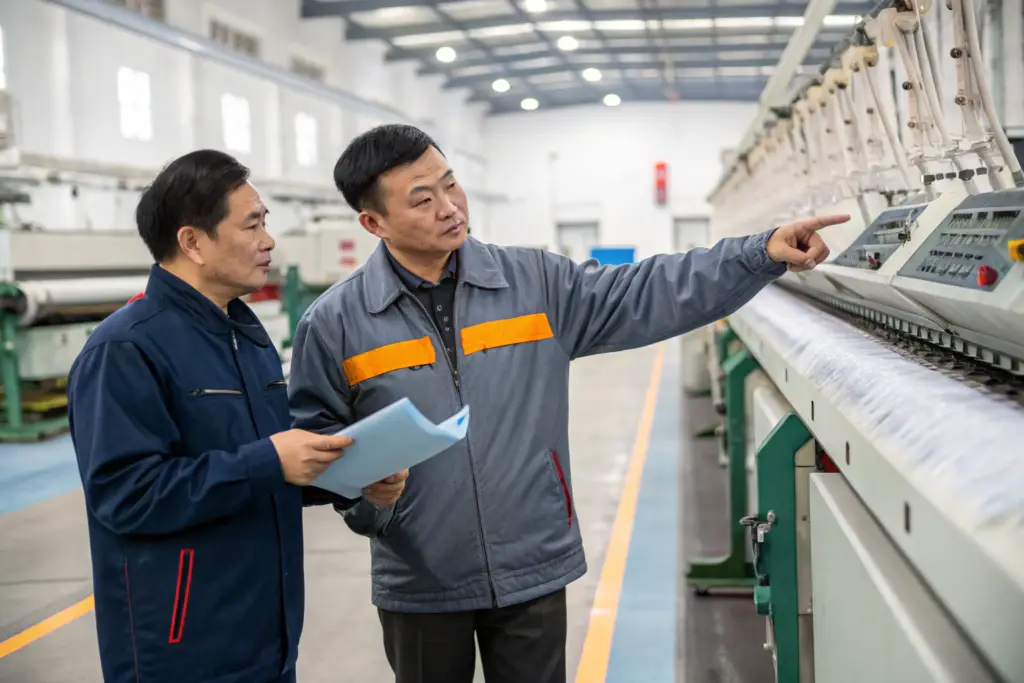
Ask to see the machine maintenance log for the line currently running. Every industrial sewing machine requires regular oiling, needle changes, and calibration. The maintenance log records these activities with dates and technician signatures. A real factory floor produces this log immediately from a cabinet on the line. A showroom or a staged floor cannot produce a maintenance log because the machines are not maintained for real production, only for appearance.
A buyer for a major outdoor apparel brand asked our line supervisor this question during a tour. Our supervisor opened the cabinet, pulled out the logbook for line two, and showed the daily maintenance checks for the past three months. The buyer flipped through the pages, verified the consistency of entries, and noted a logged repair for a specific overlock machine two weeks prior. He asked to see that machine. The supervisor walked him to it. The machine's serial number matched the log entry. This level of cross-verification is only possible in a factory that operates genuine, documented maintenance processes. Our commitment to equipment maintenance standards is a point of professional pride, not a tour performance.
How Can Questions About Current Orders Reveal Production Management Quality?
Ask the supervisor: "What is the current order running on this line? When was it cut? When does it ship? What is the biggest challenge on this order?" A competent supervisor answers immediately with specifics: "This is order number 4527 for Brand X. Cut date was Monday. Ship date is next Friday. The biggest challenge is the contrast color binding on the neckline, which requires a slower feed rate for accuracy. We adjusted the line speed to maintain quality on this operation."
A supervisor who cannot answer these questions, or who looks to the sales manager for the answers, reveals a production floor that is not managed with operational rigor. This indicates a factory where your order might get lost, delayed, or produced without active problem-solving. At Shanghai Fumao, our line supervisors carry tablets with real-time production data for their assigned orders. They can answer these questions in seconds because the information is part of their daily workflow. This level of production management transparency is what large company buyers should demand and what top manufacturers provide as standard practice.
Why Are Unannounced Visits the Gold Standard for Large Buyers?
An announced visit is a performance. The factory has days or weeks to prepare: deep-clean the floor, schedule the best operators, hide the safety violations, coach the workers on responses. The tour you experience bears little resemblance to the factory that will produce your order. An unannounced visit strips away the preparation window. You see the factory as it operates when no VIP is expected. The difference between announced and unannounced conditions is the integrity gap of the manufacturer.
Unannounced visits are the gold standard because they eliminate the opportunity for staging. A buyer who arrives with two hours' notice sees the real production floor: the actual housekeeping standards, the genuine worker conditions, the true pace of production. A factory that welcomes unannounced visits demonstrates operational confidence. A factory that resists them, or requires weeks of notice, demonstrates that its daily reality differs from its tour presentation.
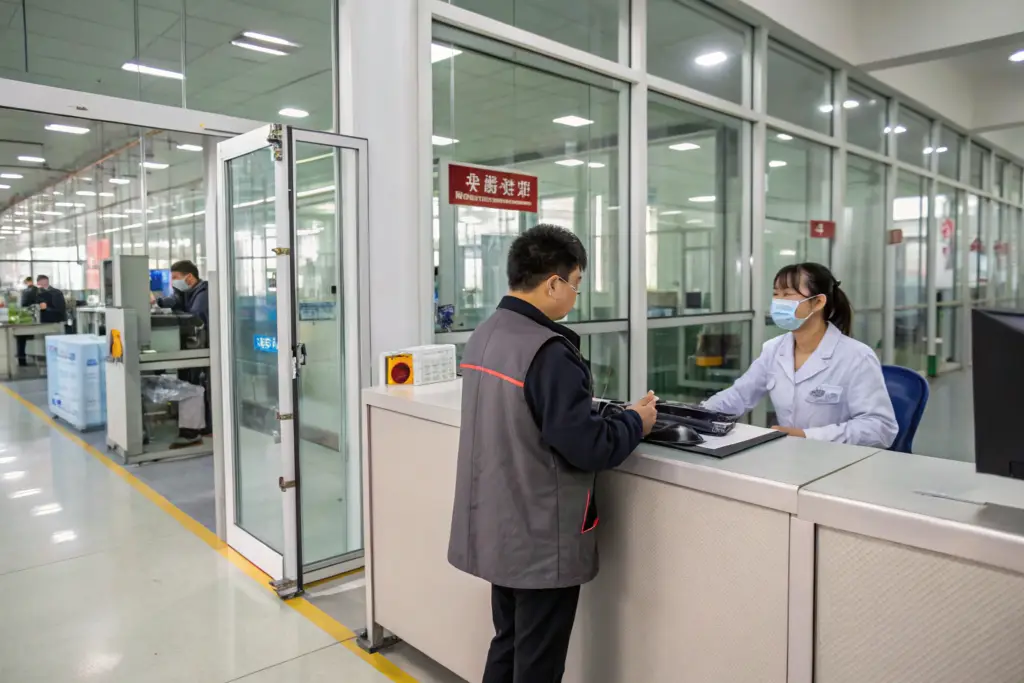
How Should a Buyer Arrange and Conduct a Semi-Announced Visit?
A fully unannounced visit can be logistically challenging and may catch a factory during a holiday closure or a line changeover, wasting the trip. A semi-announced visit is a practical compromise. You inform the factory of your visit on the morning of, giving them two to four hours' notice. This is enough time to ensure the right person is available to escort you but not enough time to fundamentally alter the condition of the production floor.
We recommend this approach to large buyers who want to verify operational consistency. A procurement team from a major sportswear brand used this method. They called our office at 9 AM from their hotel, saying they would arrive at 11 AM. They saw our floor exactly as it runs every day. No special cleaning. No selective staffing. The quality inspection records from the previous day were still on the clipboard, showing the real defect rates. The buyer told us this semi-announced visit built more trust than the three scheduled audits they had conducted at other factories combined. Our open-door policy for factory tours and audits reflects our belief that a buyer's ability to verify at any time is a fundamental right in a sourcing partnership.
What Are the Red Flags That Emerge Only During Unannounced Access?
Factories that resist unannounced access often reveal themselves through specific behaviors even during an announced visit. Workers avoid eye contact with visitors. Supervisors hover near any worker a visitor approaches. Certain areas are "closed for renovation" or "restricted for proprietary processes." The factory tour route is rigidly controlled, and deviation from the path is gently but firmly discouraged.
A buyer from a children's apparel company once told me about a factory visit in another country where the tour guide physically blocked him from entering a stairwell. The guide claimed it led to a "private office." The buyer later learned through an industry contact that the stairwell led to an unregulated dormitory where workers slept in unsafe conditions. That blocked stairwell haunted him. He now considers any restricted area during a factory tour an automatic disqualification. At Shanghai Fumao, the only restricted areas are those involving chemical storage that require safety PPE, and we provide the PPE and escort the buyer through those areas as well. There are no hidden floors, no unregulated dormitories, no invisible workers. Our entire facility is open to buyer inspection because hiding something in a factory that produces consumer goods is never acceptable. This commitment to complete factory transparency is the price of admission for serving large, reputation-sensitive apparel brands.
Conclusion
A factory tour is not a sourcing formality. It is the single most important risk management activity a large company apparel buyer can perform before committing to a production partnership. A certificate verifies compliance at a point in time. A video call shows what the factory chooses to frame. A factory tour, conducted with sharp observation, unscripted technical questioning, and preferably a semi-announced arrival, reveals the operational truth that determines whether your order will arrive on time, on quality, and on brand.
The procurement teams that avoid costly sourcing failures are the ones that treat factory tours as investigative exercises, not hospitality events. They time production throughput. They inspect fabric storage humidity logs. They interview operators at their machines. They ask the supervisor for the maintenance logbook. They notice the rework rack and the defect trend chart. They request to see areas not on the standard tour route. They arrive with some element of surprise.
At Shanghai Fumao, this level of scrutiny is not an inconvenience we tolerate. It is the standard we built our factory to meet. Our production lines, our quality systems, our worker facilities, and our documentation practices are designed to withstand and welcome the most rigorous buyer inspection. We do not prepare for tours. We maintain permanent tour readiness.
If your company requires a factory tour before qualifying a new apparel manufacturing partner, we invite you to schedule one. Announce it in advance, or give us two hours' notice. Walk every line. Interview every supervisor you wish. Inspect every logbook. Verify every certificate against its live database. We will not block a door or deflect a question. Contact our Business Director, Elaine, at elaine@fumaoclothing.com to arrange your visit. Let your own eyes confirm what our words can only claim.