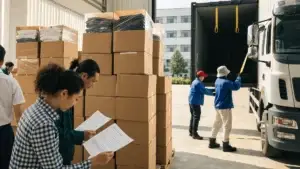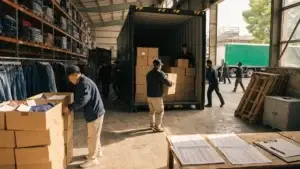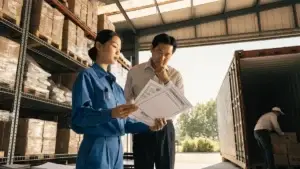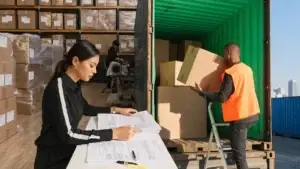
A beautiful garment with a dark origin story damages more than a brand's reputation. It damages the trust your customer placed in you when they handed over their credit card. A few years ago, a U.S. brand owner showed me a viral social media post about a competitor's factory. The video showed unsafe working conditions, and within 48 hours, the brand's website was flooded with demands for accountability. Sales dropped 20% that quarter. The brand had never visited the factory. They had trusted a PDF certificate sent by a middleman. That trust cost them everything.
A top clothing manufacture ensures ethical production through a multi-layered system that combines third-party social compliance audits, internal labor standards monitoring, supply chain traceability down to the raw material level, and a transparent working environment that welcomes unannounced buyer inspections. Ethical production is not a certificate on a wall; it is a daily operational practice verified by independent eyes.
But the word "ethical" gets thrown around like a cheap hang tag these days. Every supplier claims to be ethical. Most cannot prove it beyond a glossy policy document. At Shanghai Fumao, we understand that American brand owners and large distributors need verifiable proof, not promises. Let me walk you through the specific systems, audits, and daily practices that make ethical production measurable and real.
What Independent Audits Verify a Factory's Ethical Compliance Status?
A factory's own claim of being ethical is worthless. Self-declaration is marketing. Independent verification is evidence. The apparel industry has developed several rigorous audit frameworks that send trained professionals into factories to inspect working conditions, interview workers confidentially, and review payroll records. These audits are not a one-time event. They require annual renewal and continuous improvement. When a factory opens itself to this level of external scrutiny, it is making a serious commitment.
The most respected independent audit frameworks for garment manufacturing are the BSCI (Business Social Compliance Initiative), WRAP (Worldwide Responsible Accredited Production), and SMETA (Sedex Members Ethical Trade Audit). Each sends accredited auditors to evaluate labor practices, health and safety, environmental impact, and business ethics. A factory that holds current, valid certifications from these bodies has demonstrated ethical compliance to an independent standard.
How Does a BSCI Audit Differ from a Basic Supplier Questionnaire?
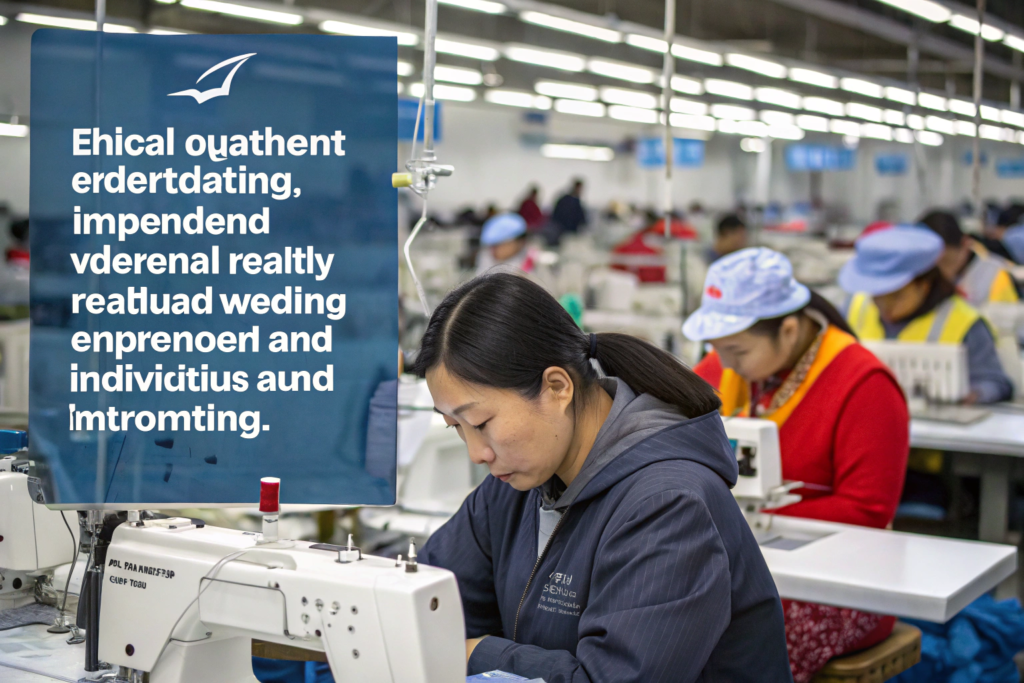
A basic supplier questionnaire asks a factory owner to check boxes: "Do you pay minimum wage? Do you allow freedom of association?" A dishonest owner checks "yes" and moves on. There is no verification. A BSCI audit is fundamentally different. An amfori-appointed auditor arrives unannounced at our facility. They do not sit in a meeting room and accept tea. They walk the production floor with a checklist aligned to the amfori BSCI Code of Conduct. They inspect fire exits, check machine safety guards, measure ambient temperature and noise levels, and verify that chemical storage follows MSDS guidelines.
The most revealing part is the confidential worker interview. The auditor selects workers at random and interviews them privately, without management present. They ask about working hours, overtime compensation, break times, and whether they feel safe raising concerns. This process exposes any gap between management claims and worker reality. We recently completed our BSCI audit with an improved rating. The auditor's report highlighted a minor observation about updating our fire drill log frequency. We implemented a digital logging system within a week and shared the corrective evidence with the auditor. A genuine factory treats audit findings as improvement opportunities, not threats. A fake factory refuses the audit or tries to bribe the auditor. Ask your potential supplier for their most recent BSCI audit report and their DBID number. Then verify it on the amfori platform. If they cannot provide a verifiable number, they have not been independently audited.
What Does a WRAP Certification Actually Guarantee?
WRAP certification focuses specifically on lawful, ethical, and humane manufacturing. It is widely recognized by U.S. retailers and brands. A WRAP Gold certificate means the factory has demonstrated full compliance with all twelve WRAP principles, which cover child labor prohibition, forced labor prevention, health and safety, working hours, compensation, and environmental responsibility. The certification is not permanent; it requires annual re-audit.
The twelve principles also address supply chain transparency. The factory must demonstrate that its subcontractors and homeworkers, if any, are also compliant. This matters for rebranding projects where you might worry about your garments being outsourced to an unmonitored workshop. At Shanghai Fumao, our WRAP certification covers all 5 production lines under our roof. We do not subcontract. The WRAP compliance certificate on our wall is backed by an auditor's detailed report covering payroll records, time cards, safety training logs, and environmental permits. We provide the certificate number to any buyer who requests it so they can verify its validity independently on the WRAP website. A buyer recently told us they chose us over a cheaper competitor because we proactively provided our audit reports before they even asked. The competitor dodged the request for two weeks before admitting their certificate had expired. That transparency gap cost them the order. Ethical compliance is a competitive advantage for factories that invest in it, and a disqualifier for those that fake it. Reputable ethical trade organizations maintain public databases that buyers can search.
How Are Workers' Rights and Fair Wages Protected Daily?
Audits capture a snapshot of compliance on a specific day. But ethical production lives in the daily rhythm of the factory: how wages are calculated, how overtime is approved, how grievances are heard, and whether a worker can refuse excessive hours without retaliation. A factory can pass an audit and still operate unethically in the weeks between inspections. The systems must be embedded in payroll software, HR policies, and the physical factory layout itself.
Protecting workers' rights daily requires digital time tracking systems that prevent hours manipulation, transparent payroll with overtime calculated at legally mandated premium rates, formal grievance mechanisms that allow anonymous reporting, and a management culture that treats labor law compliance as a baseline, not a negotiation. These systems are auditable every day, not just on audit day.
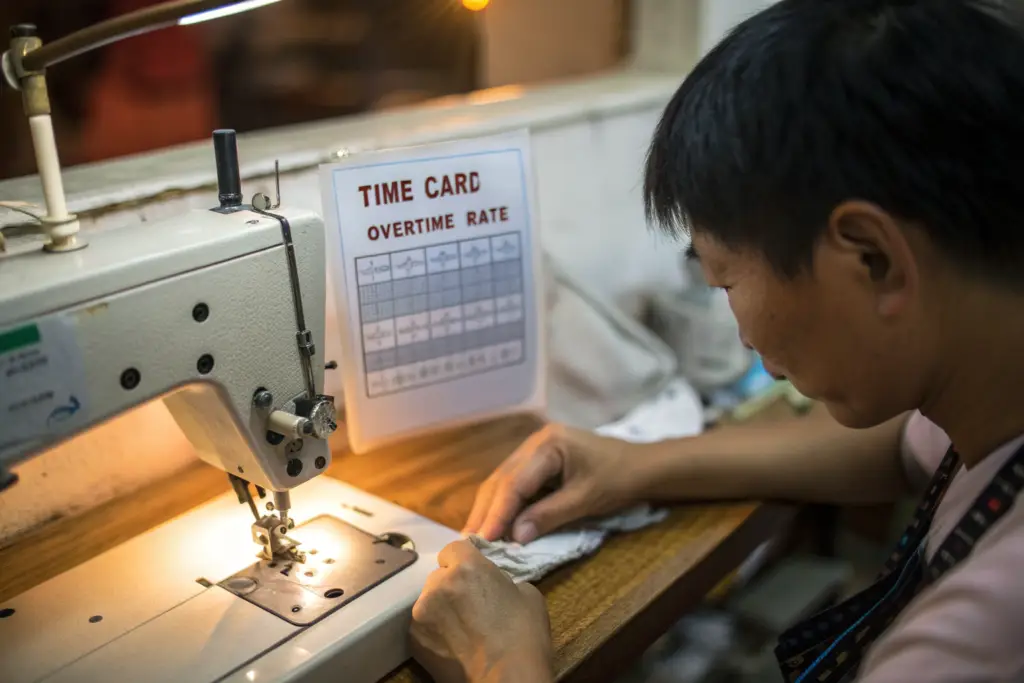
How Do Digital Time Tracking Systems Prevent Wage Theft?
Manual paper time cards invite fraud. A supervisor can adjust clock-in times. A worker's overtime can be shifted to a lower-paid category or simply erased. Digital biometric systems eliminate this manipulation. Every worker at Shanghai Fumao clocks in and out using a fingerprint scanner. The system timestamps every entry and exit. It automatically calculates regular hours, overtime at 1.5x, and weekend overtime at 2x, based on China's labor law thresholds.
No supervisor can override the system without leaving an auditable digital trail requiring senior management approval. Workers can check their monthly attendance record and payslip on a self-service kiosk in the break room. If there is a discrepancy, they report it through the grievance channel, and HR investigates within 48 hours. This transparency aligns with fair wage standards. A visiting buyer once asked one of our sewing operators directly, through a translator, if she received her overtime pay. She walked to the kiosk, pulled up her digital payslip, and showed him the line items. The buyer was visibly impressed. That moment of worker empowerment is what ethical production looks like in practice. The system also prevents excessive overtime. If a worker's hours approach the legal weekly limit, the system blocks their clock-in and alerts the production manager to redistribute the workload. We would rather extend a production timeline by two days than push a worker beyond legal limits. Protecting worker welfare is a responsibility that sits above production pressure.
What Does a Functional Worker Grievance Mechanism Look Like?
A suggestion box with a padlock that only management opens is not a grievance mechanism. It is a decorative box. A real mechanism provides multiple channels: a direct line to an HR representative not connected to the production management chain, an anonymous online form accessible via a QR code in the break room, and a worker-elected representative who sits on a monthly labor-management committee.
We established our committee two years ago. It meets every month. Workers elect their representatives, and management cannot veto their selection. The committee discusses canteen food quality, dormitory conditions, air conditioning settings on the production floor, and workload distribution. Minutes are posted publicly in the factory. Last summer, the committee raised a concern about the temperature near the pressing stations during a heatwave. Within a week, we installed additional ventilation and provided electrolyte drinks. A formal grievance procedure is a recognized component of ethical manufacturing standards. A buyer who wants to verify this can request to see the committee minutes from the last quarter. If the factory cannot produce them or if the minutes only show management topics, the grievance mechanism is performative. Genuine mechanisms create change.
How Does Ethical Sourcing Extend to Raw Materials and Supply Chain?
An ethical garment requires an ethical supply chain. Sewing organic cotton fabric in a compliant factory is undermined if that cotton was harvested using forced labor or if the dyehouse discharged toxic wastewater into a local river. True ethical production traces responsibility backward through the fabric mill, the yarn spinner, and the raw fiber origin. This level of traceability is difficult and expensive, which is why most factories avoid it. We invest in it because our buyers demand it, and because it is the right thing to do.
Ethical sourcing extends compliance through the entire supply chain by requiring material suppliers to provide third-party certifications, chain-of-custody documentation, and environmental permits. For high-risk materials like cotton from specific regions, we use traceability platforms that map the material's journey from field to finished fabric, ensuring no forced labor or environmental harm is embedded in the garment.
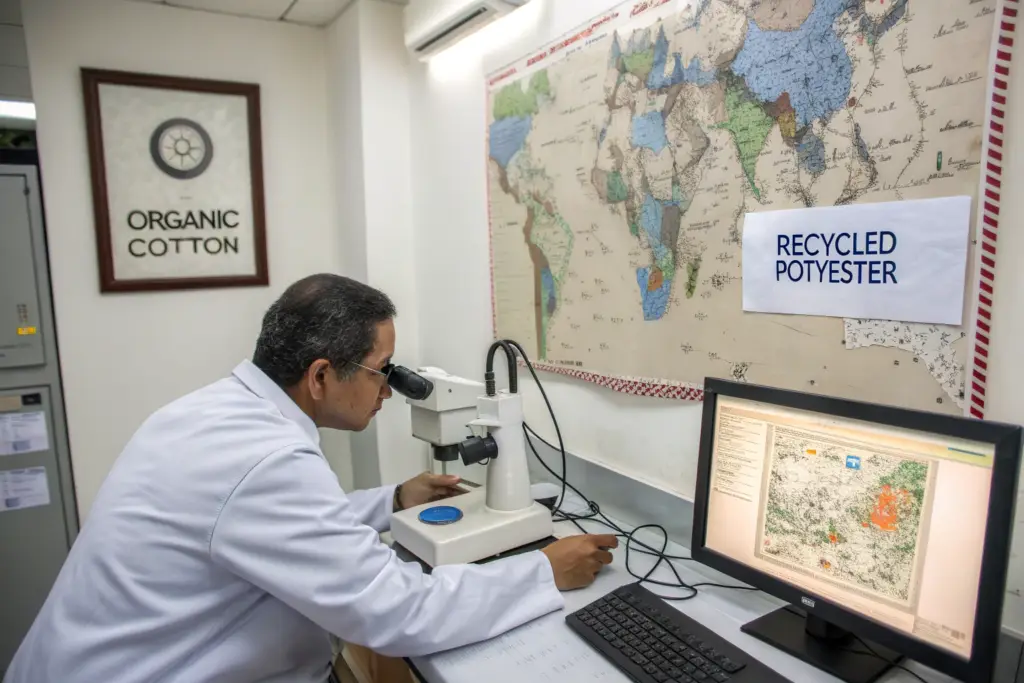
How Do We Verify the Origin of Cotton and Other Natural Fibers?
Cotton sourcing is under intense scrutiny. Legislation like the Uyghur Forced Labor Prevention Act (UFLPA) in the U.S. requires importers to prove their cotton supply chain is free of forced labor from high-risk regions. A simple mill certificate stating "origin: India" is insufficient for CBP compliance. We require every cotton fabric supplier to provide a complete chain-of-custody record: the gin certificate, the yarn spinner declaration, the fabric mill audit report, and a third-party verification from organizations like the Organic Cotton Accelerator or Better Cotton.
For a recent order of men's organic cotton T-shirts, our fabric supplier provided documentation tracing the fiber to a specific cooperative of certified organic farms in Turkey. We cross-checked the cooperative's certification with the Global Organic Textile Standard database. The entire chain was verified before we cut a single panel. This due diligence is labor-intensive, but it is the only way to provide a buyer with genuine confidence in the ethical integrity of their product. A distributor can then use this traceability as a marketing asset, telling their customers exactly where the cotton came from and under what conditions it was grown. For synthetic fibers, we apply similar scrutiny. Our recycled polyester suppliers must provide Global Recycled Standard (GRS) certification, verifying the recycled content and the environmental practices of the recycling facility.
What Environmental Standards Apply to Dyeing and Finishing Processes?
The dyehouse is the most environmentally sensitive link in the apparel supply chain. Traditional dyeing consumes vast amounts of water and can release toxic chemicals into waterways if effluent treatment is inadequate. We only partner with dyehouses that hold a valid bluesign or OEKO-TEX STeP certification. These standards audit the facility's chemical management, water treatment, air emissions, and worker safety specifically for wet processing operations.
We physically audit our primary dyehouse partners annually, separate from their own certifications. Our quality manager inspects the effluent treatment plant, reviews the discharge monitoring reports filed with the local environmental bureau, and checks the chemical inventory against the Restricted Substances List (RSL) from ZDHC. Last year, we discontinued a relationship with a dyehouse that had a minor non-compliance in their wastewater pH levels. They were working on corrective action, but until it was resolved and verified by an independent lab test, we moved our production to another certified facility. This disrupted our production schedule for two weeks, and it was the right decision. A garment dyed with clean water and safe chemicals is a garment that does not harm the wearer, the worker, or the river downstream. Our commitment to sustainable manufacturing is non-negotiable, even when it creates short-term operational friction.
What Transparency Practices Should Buyers Demand from Their Manufacturers?
Ethical production without transparency is still a closed box. If a buyer cannot see the factory floor, access audit reports, or talk to workers, then trust is based on faith rather than evidence. The power dynamic in sourcing often discourages buyers from asking hard questions. They fear offending the supplier or losing a good price. But a genuinely ethical manufacturer does not get offended by verification. They invite it. They make transparency the easiest part of the partnership.
Buyers should demand three transparency practices from any manufacturer: an open-door visitor policy with no advance notice required, unrestricted access to unredacted third-party audit reports, and the ability to conduct a confidential worker interview during a factory visit. A factory that agrees to all three has nothing to hide. A factory that resists any of these practices is managing perception, not reality.
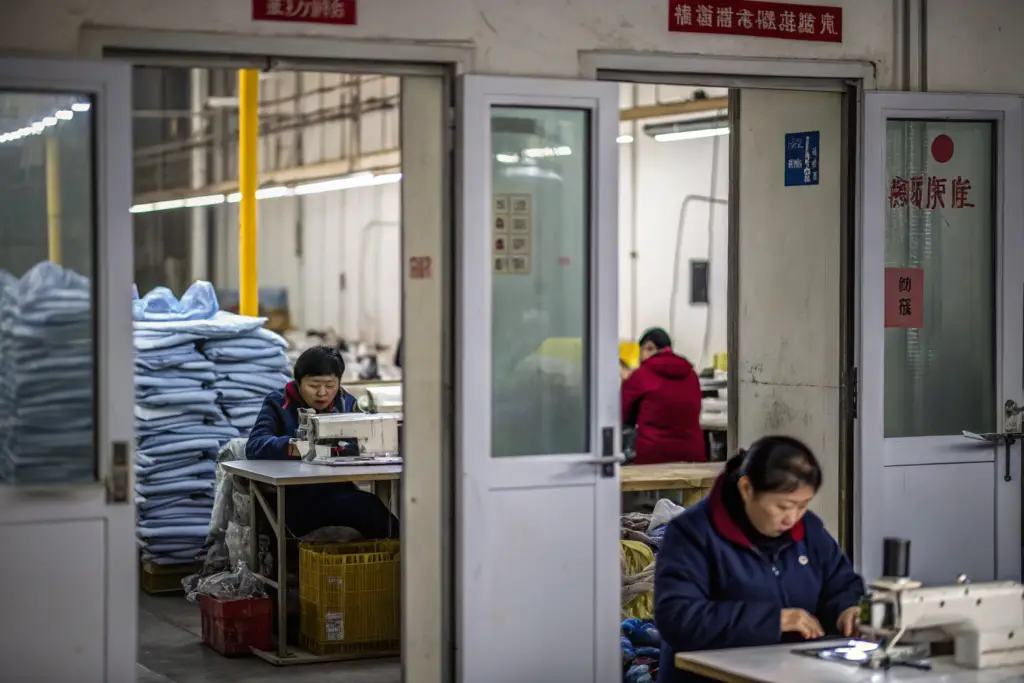
Why Is an Unannounced Visit Policy the Ultimate Trust Test?
A factory that requires two weeks' notice for a visit can clean up, hide unsafe practices, and coach workers on what to say. The visit you experience bears little resemblance to daily reality. A factory with a genuine open-door policy says, "You are welcome anytime during operating hours. Call us when you are at the airport." At Shanghai Fumao, we have hosted buyers who arrived with two hours' notice. They saw our production floor exactly as it operates every day.
One buyer from a premium sustainable brand visited us last year. She arrived unannounced because her previous supplier had given her a polished tour of a facility they did not actually own. She walked our floor, stopped at random workstations, and asked workers about their hours through her own interpreter. After two hours, she told us, "This is the first time a factory looked exactly like the photos on its website." That moment validated years of investment in genuine transparency. Our factory welcomes third-party auditors and client visits at any reasonable time because we operate the same way every day. There is no "audit mode" to switch on and off. This constant readiness is expensive to maintain, but it is the only way to build unshakeable trust with brands whose reputations depend on ethical production.
How Can a Buyer Conduct Meaningful Worker Interviews During a Visit?
A buyer who only talks to management during a factory visit receives a curated narrative. The real story lives with the people operating the machines. But interviewing workers requires ethical sensitivity. You cannot put a worker's job at risk by interrogating them publicly next to their supervisor. We facilitate confidential conversations by providing a private meeting room and allowing the buyer to randomly select workers from the production floor. We step out of the room.
A buyer should ask open-ended questions: "Can you walk me through a typical work day?" "What happens when you need to take a day off for a family matter?" "How is overtime communicated to you?" "Do you feel safe raising a concern about working conditions?" The worker's body language and comfort level are as revealing as their words. A worker who looks nervously at the door while giving a rehearsed answer signals fear. A worker who speaks openly, even about minor complaints like canteen food, signals an environment where voice is not punished. A distributor we work with conducts these interviews on every annual visit. His interview notes inform his sourcing decisions more than any audit report. He trusts his own eyes and ears. This practice is endorsed by ethical trade initiatives as best practice for buyer due diligence. A factory that facilitates this process is a factory that empowers its workers to speak truth to external visitors.
Conclusion
Ensuring ethical production across all garment lines is not a static achievement. It is a continuous practice of opening the factory to scrutiny, investing in systems that protect workers' rights, tracing responsibility through the supply chain, and welcoming buyers into the reality of the production floor. A certificate on a wall means nothing if the factory behind it fears an unannounced visit. A policy document means nothing if the workers cannot access a grievance mechanism without retaliation.
At Shanghai Fumao, ethical production is the foundation on which we build every customer partnership. Our BSCI and WRAP certifications, our digital wage protection systems, our worker-led labor committee, and our open-door visitor policy are not marketing strategies. They are the daily operational reality of a factory that understands that an American brand's reputation lives in the hands of every sewing operator, cutter, and quality inspector on our floor. We protect that reputation by protecting those hands.
If ethical production is a non-negotiable requirement for your brand, let us show you the evidence. We will share our unredacted audit reports, arrange a live video walkthrough of our production floor with worker interviews, and provide the chain-of-custody documentation for the materials in your order. Reach out to our Business Director, Elaine, at elaine@fumaoclothing.com. Schedule a visit, announced or unannounced. Demand the transparency your customers deserve. We are ready to meet that standard.