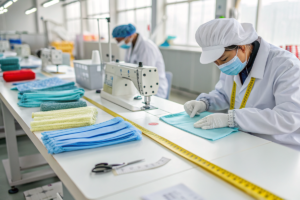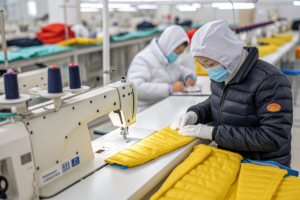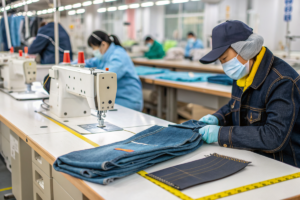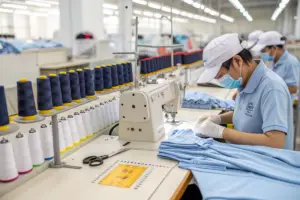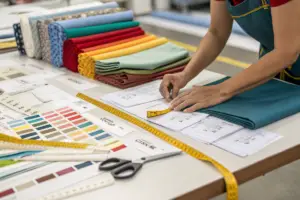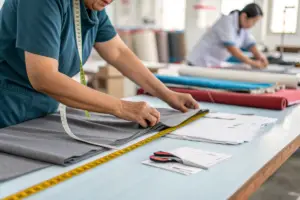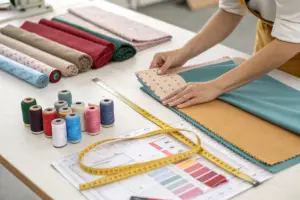
An Austin-based casualwear startup once lost six weeks of their production timeline because their factory's "two-week sampling process" stretched into an eight-week nightmare. The factory mailed the first fabric swatch to the brand for approval. The swatch got stuck in customs for five days. The brand sent the swatch back with comments. The factory made a second swatch, but the color was still slightly off. The factory made a third swatch. The color was finally approved, but by then, the fabric mill had sold the required greige fabric to another client, and the brand had to wait another three weeks for new greige inventory to arrive. The sampling process had no structured stage-gates, no digital approval mechanism, and no pre-reserved fabric buffer. The factory was simply mailing physical swatches back and forth across the Pacific, hoping for eventual alignment.
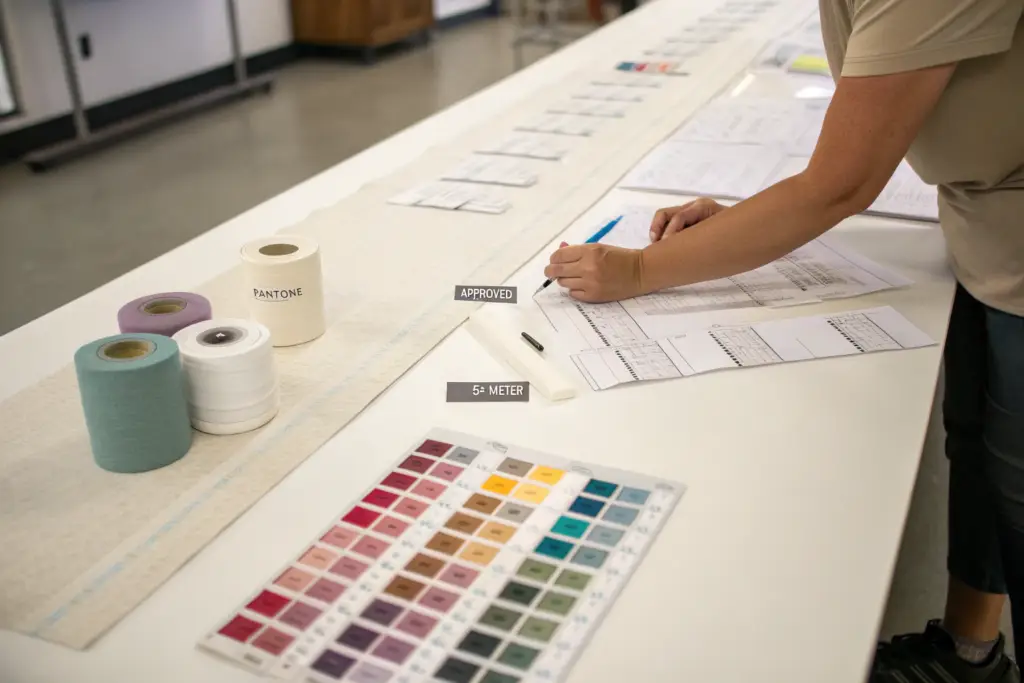
The standard two to three week sampling process for basic apparel fabrics follows a structured, four-stage gate process: Stage One, the "Hand Loom or Header Card" stage where the factory prepares a small, 10cm x 10cm physical fabric swatch in the requested color on a sample knitting or weaving machine within 3-5 days; Stage Two, the "Digital Color Approval" stage where the factory spectrophotometer-measures the swatch against the brand's target Pantone code and sends both the physical swatch via express courier and a high-resolution calibrated photograph via email within 24 hours; Stage Three, the "Lab Dip Sign-Off" stage where the brand approves or rejects the color with specific numerical Delta-E feedback, completed within 2-4 days; and Stage Four, the "Bulk Fabric Reservation" stage where the approved lab dip triggers the immediate reservation of the required greige fabric yardage at the mill, securing the raw material before the sampling process concludes.
At Shanghai Fumao, I have compressed this standard process to a reliable 14-18 calendar days for basic cotton jersey, fleece, poplin, and interlock fabrics by digitizing the color communication stage and pre-reserving greige buffer stock at the mill the moment a purchase order is signed.
What Exactly Happens During the "Hand Loom" or "Header Card" Stage in Days 1 Through 5?
A Vancouver-based loungewear brand once asked their factory to "match this sage green" by sending a photograph of a leaf from their garden. The factory's sample technician, lacking a Pantone reference, guessed at the dye formulation. The resulting hand loom swatch was a dark forest green, not the soft, muted sage the brand envisioned. The brand was frustrated. The factory was confused. Neither had provided the other with a common, objective color language.
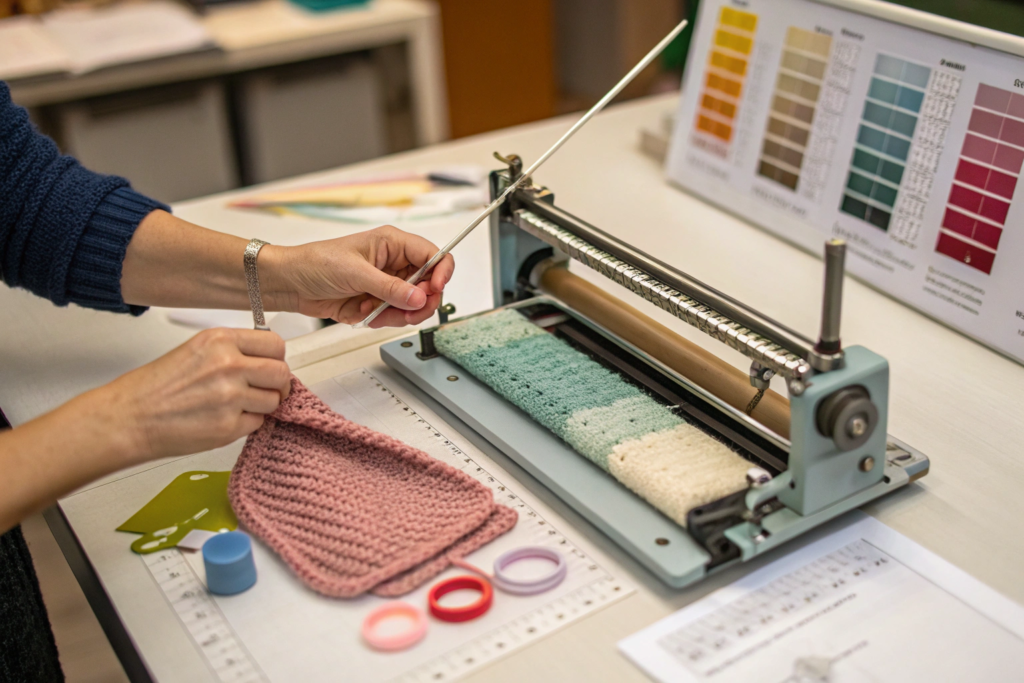
During the Hand Loom or Header Card stage in days 1 through 5, the factory's sample knitting or weaving technician produces a small, 10cm x 10cm physical fabric swatch on a dedicated sample machine, using the specified yarn count and fiber composition, dyed to the brand's exact Pantone color code or a physical color standard swatch provided by the brand, creating a first-article physical representation of the fabric's color, texture, weight, and hand feel that serves as the tangible starting point for the color approval conversation.
The hand loom swatch is not the final fabric. It is a rapid, low-cost physical prototype that answers the foundational question: "Are we talking about the same color and the same fabric weight?" before the more expensive and time-consuming lab dip process begins.
Why Does the Hand Loom Swatch Use a Different Machine Than Bulk Production, and Does This Affect the Final Color Appearance?
A hand loom or a small sample knitting machine operates at a slower speed and with different tension dynamics than a large industrial circular knitting machine. The surface texture may be slightly different, but the fiber composition, yarn count, and dye formulation are identical to what will be used in bulk production. The color on the hand loom swatch is a highly reliable 90-95% accurate preview of the final bulk color.
What Specific Information Must the Brand Provide Alongside the Pantone Code to Ensure an Accurate First Swatch?
The brand must provide the exact Pantone TCX (Textile Cotton) code, the desired fabric weight in GSM or ounces per square yard, the fiber composition including the percentage of any elastane or recycled content, and a physical reference swatch if the brand has one from a previous season. A photograph of a color on a smartphone screen is not a color specification and will result in a mismatched swatch.
How Does "Digital Spectrophotometer Color Communication" Cut the Approval Cycle From 14 Days to 3 Days?
A Miami-based swimwear brand once spent fourteen days on a single color approval round because the process was entirely physical. The factory mailed a fabric swatch to the brand. The brand received the swatch, visually compared it to their Pantone chip under their office lighting, decided the color was "a little too warm," and mailed the swatch back to the factory with a subjective written comment. The factory's dye technician, reading the words "a little too warm," guessed at the dye formulation adjustment. The second swatch was too cool. The third swatch was acceptable. Three physical mailing rounds consumed fourteen days.
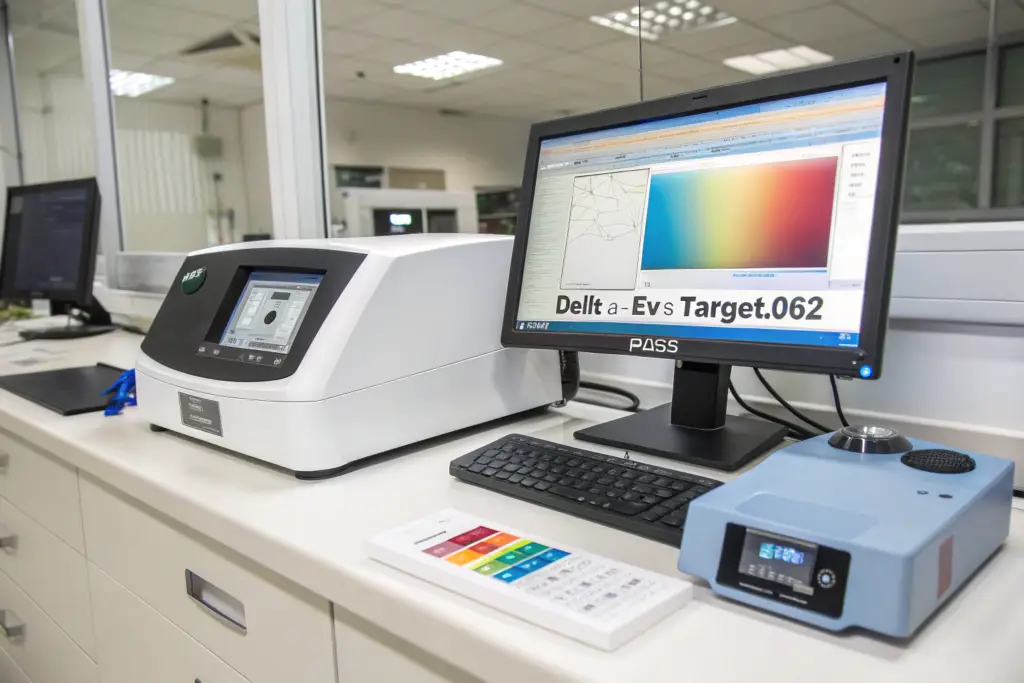
Digital spectrophotometer color communication cuts the approval cycle from 14 days to 3 days by replacing subjective, language-based color descriptions with objective, numerical Delta-E data measured under D65 daylight simulation, where the factory measures the hand loom swatch against the brand's target Pantone standard, emails the brand a calibrated digital photograph and the exact Delta-E value, and the brand responds within hours with a specific, numerical instruction—"Delta-E 1.8 is acceptable" or "Delta-E 2.5 is too high, reduce the red component"—eliminating the trans-Pacific physical mailing delay entirely.
The word "warm" is a subjective interpretation that changes based on the lighting in the room and the observer's personal color perception. A Delta-E of 1.2 is an objective, mathematical fact that is identical whether the observer is in Shanghai, Los Angeles, or London.
What Is a Delta-E Value, and What Numerical Threshold Represents "Acceptable" Versus "Rejected"?
Delta-E (ΔE) is a single number representing the mathematical distance between two colors in a three-dimensional color space. A Delta-E of 0.0 means the colors are identical. A Delta-E below 1.0 is imperceptible to the average human eye under controlled lighting. A Delta-E between 1.0 and 2.0 is a very slight, commercially acceptable difference for most apparel categories. A Delta-E above 2.5 is visually noticeable and generally rejected for basic apparel.
How Does a Calibrated Digital Photograph Differ From a Standard Smartphone Photo for Remote Color Approval?
A smartphone photo is processed by the phone's internal software, which automatically adjusts white balance, saturation, and contrast, distorting the true color. A calibrated digital photograph is taken under controlled D65 lighting with a color-calibrated camera, and the image file includes an embedded ICC color profile that ensures the colors displayed on the brand's calibrated monitor are an accurate representation of the physical swatch.
What Is a "Lab Dip" and Why Is the Formal Sign-Off the Single Most Critical Document in the Sampling Process?
A London-based premium basics brand once verbally approved a lab dip during a phone call with their factory. The factory manager wrote "Approved by phone 12 March" in his notebook and proceeded to dye 3,000 meters of fabric. When the bulk fabric arrived, the brand owner claimed the color was "never approved" and that the phone call had been a "preliminary discussion." The factory had no signed document, no dated email confirmation, and no legal defense. The factory absorbed a $27,000 fabric loss. The relationship ended in acrimony and litigation.
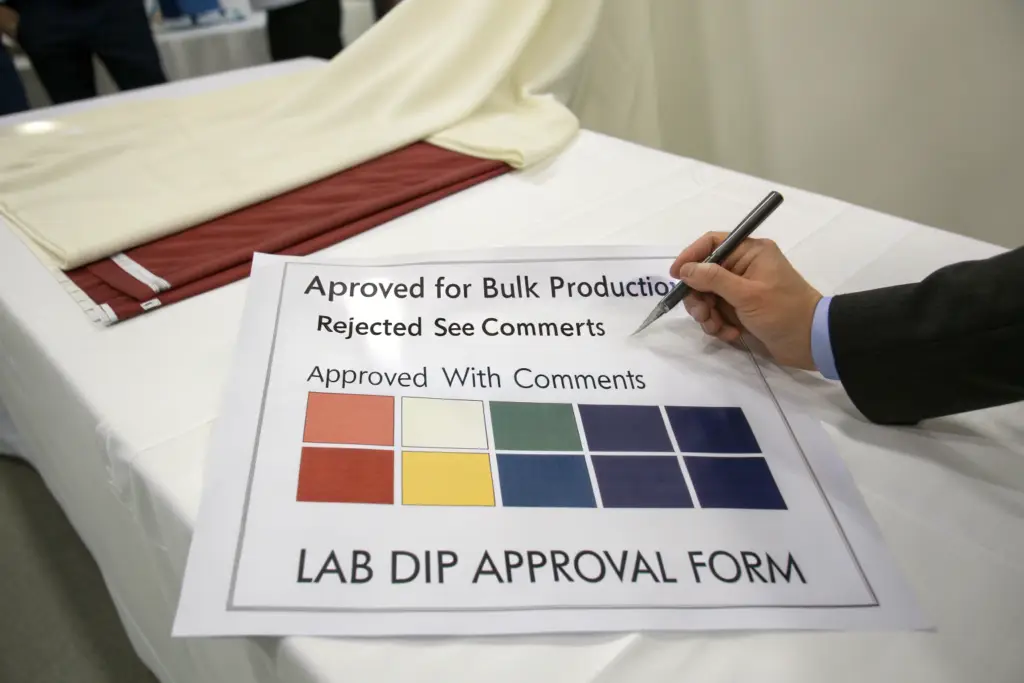
The Lab Dip is a large, 20cm x 20cm fabric swatch, dyed in a laboratory dyeing machine that precisely replicates the bulk production dye formulation, representing the final, exact color, fabric weight, and hand feel that the bulk fabric will achieve, and the formal signed Lab Dip Approval Form—with the brand owner's physical signature, the date, the Pantone code, and the Delta-E measurement—is the single most critical document in the sampling process because it is the legally binding color reference standard that governs the entire bulk dyeing operation and serves as the final arbiter in any subsequent color-related quality dispute.
A verbal approval is a memory. A signed lab dip approval form is a contract. The signature transforms the lab dip from a "sample" into a "Golden Standard" that the dye house is contractually obligated to match.
How Does the Lab Dip Machine Replicate Bulk Dyeing Conditions in a Small-Scale Format?
A lab dip dyeing machine uses a small, sealed stainless steel vessel that precisely replicates the temperature curve, dye concentration, liquor ratio, and cycle time of the full-scale industrial dyeing machine. The dye formulation that produces an approved lab dip will produce the identical color in bulk, because the chemistry and thermal dynamics are identical at both scales.
What Specific Three Checkboxes Must a Lab Dip Approval Form Include to Eliminate Ambiguity?
The form must include exactly three unambiguous options: "Approved for Bulk Production" with no qualifications, "Approved with Comments" with a mandatory comment field that specifies the exact Delta-E adjustment required, or "Rejected - New Lab Dip Required" with a mandatory comment field that specifies the rejection reason in objective, numerical terms. There is no "maybe" checkbox.
How Does the "Greige Reservation Trigger" Ensure the Approved Lab Dip Has Fabric Ready to Dye Immediately?
A San Diego-based casualwear brand approved a perfect lab dip for a seasonal coral color, only to be told by the factory that the required greige cotton jersey was out of stock at the mill and the next production run was four weeks away. The approved lab dip was useless because there was no raw material to dye. The sampling process had succeeded, but the procurement process had failed silently in the background.
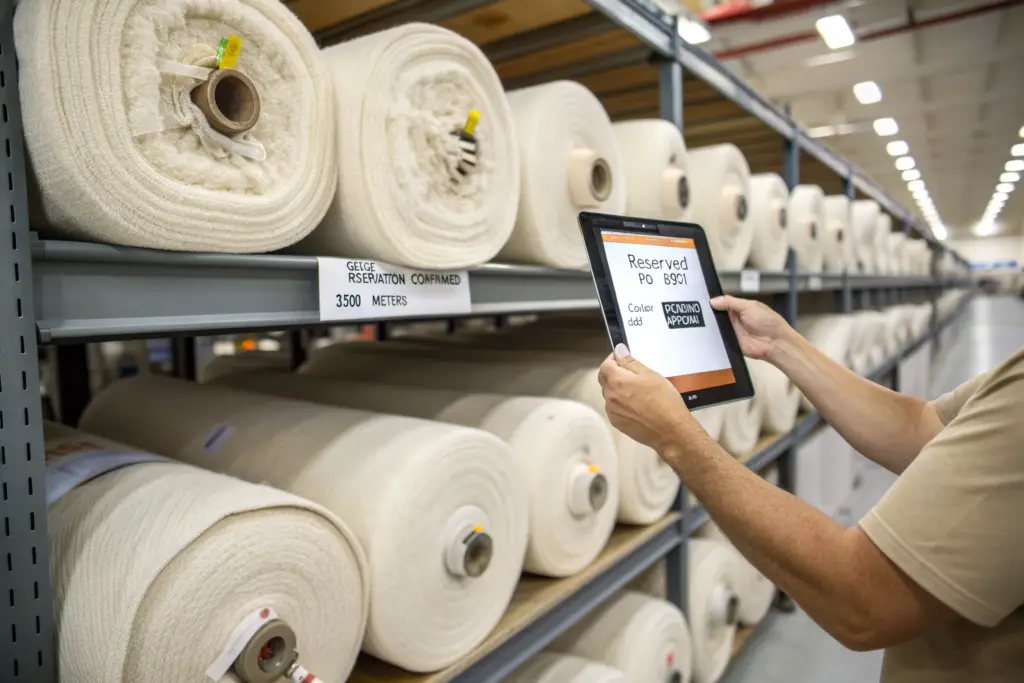
The Greige Reservation Trigger is a procurement protocol where the moment the brand signs the initial purchase order—not the lab dip approval—the factory's purchasing department contacts the fabric mill and places a hold on the required yardage of undyed greige fabric, securing the physical raw material inventory under the brand's PO number with a "pending color approval" status, so that when the lab dip is formally signed off, the reserved greige rolls are immediately released into the dye house queue without waiting for a new mill production run.
The greige fabric is the universal, undyed raw material. It waits, physically present in the warehouse, until the exact color is approved. The moment the signed lab dip form arrives, the greige roll is physically moved from the reserved shelf to the dye house. There is no procurement delay because the procurement was completed weeks earlier.
What Is the Financial Risk to the Factory of Pre-Reserving Greige Without a Signed Lab Dip?
The factory commits capital to purchase or reserve the greige fabric before the final color is approved. If the brand cancels the order, the factory is left with undyed greige fabric that can be used for another client's order, because greige is a universal base material. The financial risk is minimal because greige is highly reusable across different clients and colors.
How Does the Factory's ERP System Link the Greige Reservation Barcode to the Specific Brand PO Number?
When the greige rolls arrive from the mill, the factory's warehouse team scans each roll's barcode into the Enterprise Resource Planning (ERP) system and digitally links it to the brand's specific Purchase Order number. The PO dashboard then shows a green "Material Reserved" status, visible to both the factory and the brand on a shared production tracking platform.
Conclusion
The standard two to three week fabric sampling process is not a single, vague "we'll send you a swatch" activity. It is a disciplined, four-stage manufacturing gateway. The Hand Loom stage produces a rapid, low-cost first physical representation of the color and texture. The Digital Spectrophotometer stage compresses the color approval conversation from a subjective, multi-week physical mailing exercise into an objective, same-day data exchange. The Lab Dip Sign-Off stage produces the formal, legally binding Golden Color Standard that governs the entire bulk dyeing operation. The Greige Reservation Trigger ensures that when the lab dip is approved, the raw material is already physically waiting in the warehouse, ready to enter the dye bath.
At Shanghai Fumao, I have integrated all four stages into a seamless 14-18 calendar day process for basic cotton fabrics. My sample knitting technician prepares the hand loom swatch within three days. My dye house partner provides the Delta-E measurement and the digital photograph within 24 hours. The brand approves or rejects with specific feedback within two days. The greige fabric was reserved the moment the PO was signed.
If you are a brand owner or a buyer who wants to experience a fabric sampling process that respects your production calendar and communicates in objective, numerical color data rather than vague subjective language, contact my Business Director, Elaine. She can walk you through our Lab Dip Approval Form, demonstrate our spectrophotometer color communication protocol, and show you a live view of our greige reservation inventory system. Reach Elaine at: elaine@fumaoclothing.com. Sample the fabric the way you'll buy the bulk—with data, not guesses.