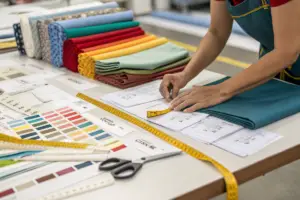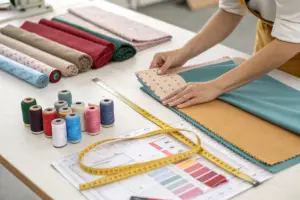
A brand owner from Dallas called me two years ago, frustrated and confused. He had just launched a collection of streetwear-inspired pieces that he personally loved—baggy silhouettes, bold graphics, heavy cotton. But the collection failed. His target customers, professional women in their thirties looking for office-appropriate casual wear, did not buy a single piece. He designed for himself, not for them. He had $50,000 of inventory he could not sell.
Choosing clothing styles for your target audience is not about your personal taste. It is about understanding who your customer is, what they need, and how they live. It requires research, empathy, and a willingness to set aside your own preferences to serve the people who will actually buy and wear your clothes. When you get this right, you do not just sell garments—you build a loyal community of customers who feel like you designed specifically for them.
My name is David, and I run Shanghai Fumao, a garment factory that has helped hundreds of American brands develop collections that actually sell. Over the years, I have watched brands succeed brilliantly and fail miserably. The difference almost always came down to one thing: how well they understood their customer. Based on what I have learned from our partners' successes and failures, I want to share a practical framework for choosing styles that resonate with your specific audience.
How Do You Define Your Target Customer Profile?
A client from Miami once told me his target audience was "everyone who likes nice clothes." He could not understand why his marketing felt unfocused and his sales were flat. I asked him to describe his ideal customer in detail—age, job, where she shops, what she does on weekends. He could not answer a single question. He was trying to sell to everyone, which meant he was connecting with no one.
Defining your target customer profile is the foundation of everything that follows. You need to create a detailed picture of one specific person who represents your ideal buyer. This is not a theoretical exercise—it directly determines every style choice you will make, from silhouettes to fabrics to price points.
Most new brand owners think too broadly. They believe casting a wide net catches more fish. In reality, the opposite is true. A clear, specific target allows you to design collections that feel personal and relevant to a defined group of people. Let me show you how to build that profile.

What demographic questions must you answer first?
Start with the basics, but go deeper than surface level. Age is important, but a 35-year-old in Manhattan lives very differently from a 35-year-old in rural Nebraska. Ask yourself: What is their income level? What is their education? Do they have children? What is their job? Where do they live—city, suburbs, or small town? These factors directly influence what clothes they need. A suburban mom of three needs durable, washable, practical pieces. A single professional in Chicago needs polished, commute-friendly, versatile items. I once worked with a brand targeting "active women," which was too vague. When we narrowed it to "yoga teachers in their twenties who live in California," every design decision became clear. Resources like the Pew Research Center offer excellent demographic data to help you understand different American consumer groups.
What psychographic details reveal their true needs?
Demographics tell you who they are. Psychographics tell you why they buy. This is even more important for style selection. What are their values? Do they prioritize sustainability and ethical production? What are their hobbies—hiking, dining out, attending concerts? What are their fashion goals? Do they want to look professional and competent? Young and trendy? Comfortable and relaxed? What magazines do they read? Who do they follow on Instagram? A client targeting "environmentally conscious mothers" succeeded because we chose organic cotton and minimalist, durable styles that aligned with her customers' values of reducing waste. For understanding consumer psychographics, resources like Qualtrics provide excellent guides on market segmentation.
What Research Methods Reveal Real Customer Preferences?
A brand owner from Seattle was convinced her customers wanted bright, bold colors. She based this on her own love for color and nothing else. Before placing a large production order, we suggested she spend a week on Instagram looking at her competitors' most-liked posts and reading comments on their pages. She discovered that her target audience consistently praised and engaged with neutral, earth-toned pieces. She adjusted her color palette, and her first collection sold out in two months.
Research methods are how you replace guesswork with real data. You cannot assume you know what your customer wants. You have to listen to them, observe them, and learn from existing evidence. There are simple, free ways to do this before you invest a dollar in production. Many new designers make the mistake of designing in a vacuum. They look inward instead of outward. Here are two practical methods to look outward effectively.
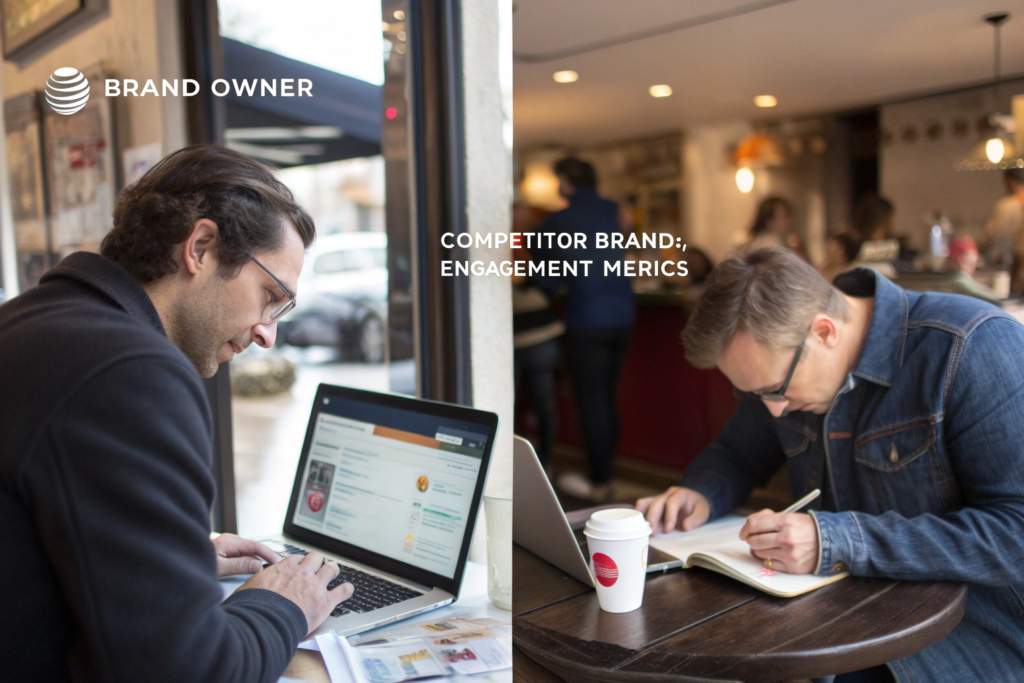
Social media is a goldmine of free market research. Identify five to ten successful brands that target the same customer you want to reach. Go to their Instagram pages. Look at their posts from the last six months. Which styles got the most likes and comments? Read the comments carefully. What are people saying? What do they love? What do they wish was different? Look at the hashtags your target audience uses. What are they posting about? What styles are they wearing in their own photos? This is not about copying competitors. It is about understanding what resonates with the people you both want to serve. Tools like Brandwatch offer deeper social listening capabilities, but even manual observation provides valuable insights. At Shanghai Fumao, we often ask new clients to share this kind of research with us so we can better understand the market for their women's wear or other collections.
Why should you analyze customer reviews of similar brands?
Customer reviews are honest, unfiltered feedback about what real people like and dislike. Go to Amazon, Nordstrom, or any online retailer selling clothes similar to what you want to make. Read hundreds of reviews. Pay attention to what customers praise and what they complain about. Do they love the fabric feel? Do they hate that the sleeves are too short? Do they wish the neckline was higher? Do they mention that the item pills after two washes? This information is pure gold. It tells you exactly what to prioritize in your own designs and what pitfalls to avoid. One client avoided a major disaster by reading reviews that complained about cheap zippers on a popular jacket style. We upgraded his zipper specification, and his customers consistently praised the quality. For authoritative guidance on using customer feedback, the Harvard Business Review has published numerous articles on the topic.
How Do You Match Silhouettes To Body Types And Lifestyles?
A client from Atlanta brought us a beautiful sample of a fitted blazer she wanted to produce for her line of professional women's wear. The sample looked perfect on a standard size 6 mannequin. But her target audience was women aged 45 to 60, many of whom had fuller busts and carried weight in their midsections. The fitted blazer would not work for them. We worked together to develop a softly structured blazer with a subtle A-line cut that flattered her actual customers. That blazer became her best-selling item.
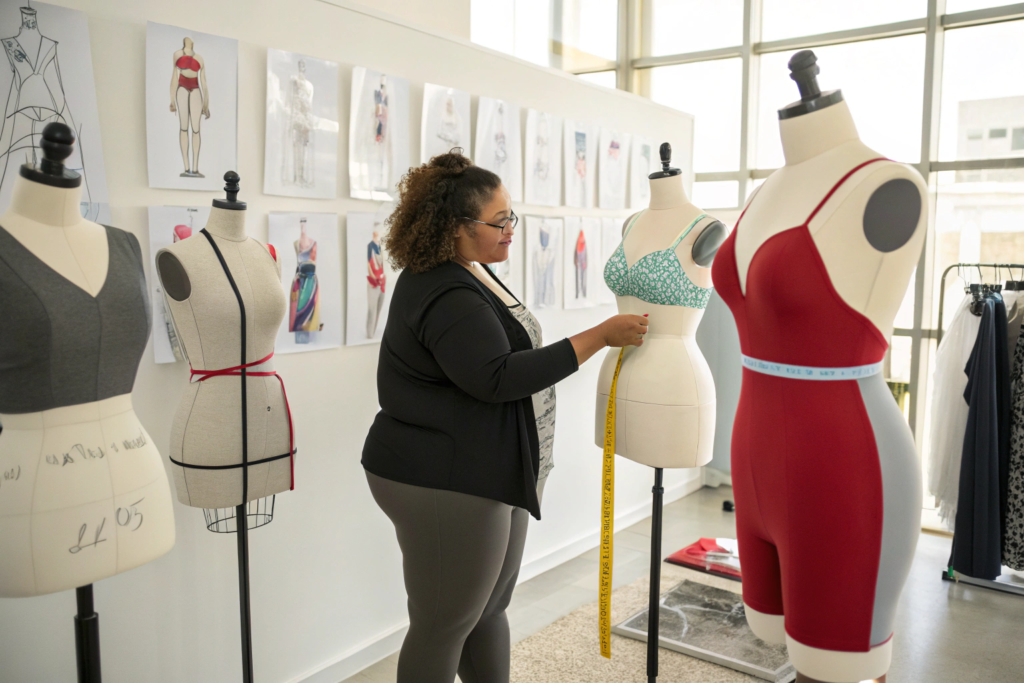
Matching silhouettes to your audience means understanding the real bodies and real lives of your customers. You are not designing for an idealized mannequin. You are designing for real people with real shapes and real needs. A silhouette that works for a 22-year-old intern will not work for a 50-year-old executive. Silhouette is one of the most powerful tools you have to connect with your audience. It signals who the garment is for and what it will do for them. Let me break down how to approach this.
How does age and lifestyle influence preferred fits?
Younger audiences often prefer trend-driven silhouettes—cropped lengths, oversized proportions, fitted cuts that follow current fashion. Older audiences typically prioritize fit, comfort, and flattery. A 25-year-old might love an ultra-crop top. A 45-year-old mother of two probably wants a top that hits at the hip and skims, not clings. Think about your customer's daily activities. Does she sit at a desk all day? She needs pants with some stretch and a comfortable waistband. Does she chase toddlers? She needs clothes that move with her and survive repeated washing. Does she attend evening events? She needs pieces that transition from day to night. Last year, we helped a client targeting plus-size professional women develop a line of ponte knit dresses. The four-way stretch fabric accommodated various body shapes while maintaining a polished look. The key was understanding that her customers wanted both comfort and professionalism. For body measurement standards, the ASTM International provides detailed sizing guidelines for different demographic groups.
What role does climate play in your style selection?
This sounds obvious, but many brands overlook it. A customer in Minnesota needs different clothes than a customer in Arizona. Think about layering. If your audience lives in cold climates, they need silhouettes that work with layers—jackets with enough room for a sweater underneath, dresses that look good over a turtleneck. If they live in warm climates, they need loose, breathable silhouettes in natural fibers. Consider also the microclimates of your customers' lives. Do they commute on public transportation in a hot city? They need wrinkle-resistant, breathable pieces. Do they drive everywhere in air-conditioned cars? Climate matters less. One client targeting young professionals in Chicago succeeded with a line of lightweight wool blazers—structured enough for the office, warm enough for the commute, but not so heavy they could not be worn indoors. The National Oceanic and Atmospheric Administration (NOAA) provides climate data that can inform your seasonal planning.
How Do You Validate Your Style Choices Before Production?
A few years ago, a client was absolutely certain that her audience wanted a specific shade of mustard yellow in her fall collection. She loved the color herself and was convinced it was "the next big thing." Before committing to thousands of yards of fabric, we suggested she do a simple Instagram poll showing her top three color options to her existing followers. Mustard yellow came in dead last. She chose the most popular color instead, and those pieces sold fastest.
Validating your style choices means testing your assumptions before you invest in production. It is the step that separates professionals from amateurs. Professionals know they might be wrong. Amateurs assume they are right. There are simple, low-cost ways to test your ideas and get real feedback from real potential customers. I have seen too many brands skip this step and pay the price with dead inventory. Validation does not have to be expensive or complicated. Here are two practical methods.
How can pre-orders and small batch testing reduce risk?
The ultimate validation is someone giving you money. Before committing to a full production run of 1,000 pieces per style, consider a pre-order campaign or a small batch test. Launch your collection on a platform like Shopify with pre-orders. Use your social media and email list to drive traffic. See which styles get actual orders. This tells you exactly what your customers want, based on their willingness to pay. You can then produce only the winning styles in larger quantities. One client used this method for her debut kids' wear line. She offered six styles for pre-order. Two styles received 80% of the orders. She produced only those two styles initially and saved herself from overproducing four styles that her market did not actually want. For more on this strategy, Shopify's blog has excellent resources on running successful pre-order campaigns.
Why should you gather feedback from real people in your target group?
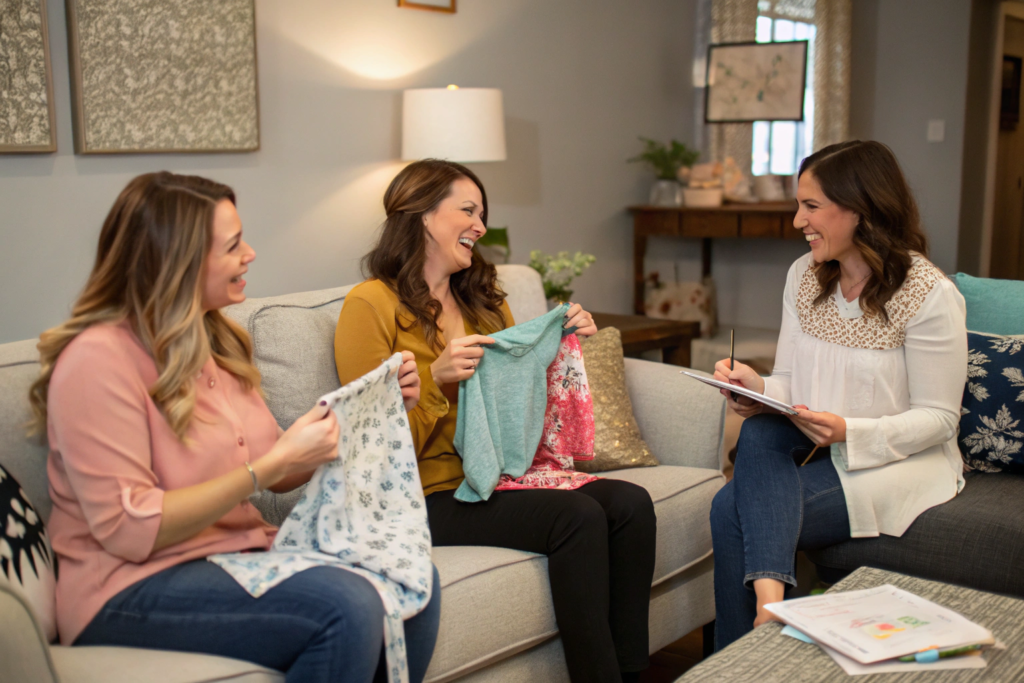
Your friends and family will tell you they love everything because they want to be supportive. This is useless feedback. You need feedback from strangers who match your target customer profile. Find them. Join Facebook groups where your target audience hangs out. Offer a small gift card in exchange for 15 minutes of feedback. Show them your sketches or samples. Ask specific questions: Would you wear this? What would you change? How much would you pay for this? Where would you wear this? Listen more than you talk. Do not defend your choices. Just listen and learn. A client targeting "active moms" joined several parenting groups on Facebook. She shared images of her sample activewear and asked for honest feedback. Dozens of moms told her they needed pockets for their phones. She added pockets, and her customers raved about it. This kind of direct feedback is invaluable. For guidance on ethical market research, the Insights Association provides best practices for gathering consumer feedback.
Conclusion
Choosing clothing styles for your target audience is a discipline, not a guessing game. It starts with defining one specific customer in detail—not a vague demographic, but a real person with real needs and preferences. It continues with research that replaces your assumptions with actual data from social media, customer reviews, and direct observation. It requires matching silhouettes to the real bodies and real lives of the people you want to serve. And it ends with validation—testing your choices with real potential customers before you commit to production.
At Shanghai Fumao, we have guided hundreds of brands through this process. We have seen the relief on a client's face when their first collection sells out because they took the time to understand their customer first. We have also had difficult conversations with clients who skipped these steps and ended up with inventory they could not move. Our team can help you at every stage—from refining your customer profile based on our experience with the U.S. market, to developing samples that match your validated style choices, to ensuring quality control on the styles your customers actually want.
If you are ready to build a collection that truly connects with your audience and minimizes the risk of costly mistakes, I invite you to reach out. Please contact our Business Director, Elaine, directly at elaine@fumaoclothing.com. Let us work together to create styles your customers will love and buy.