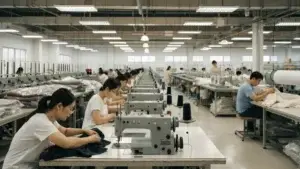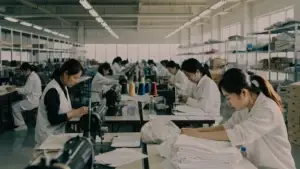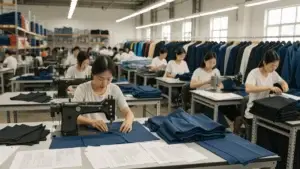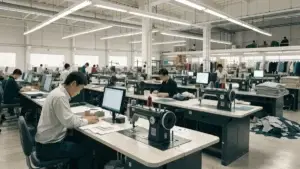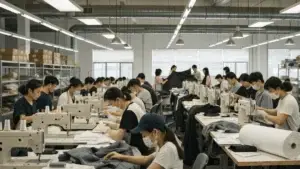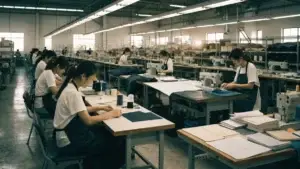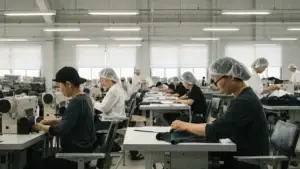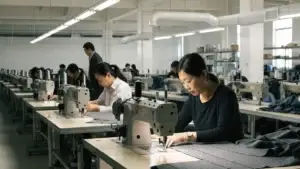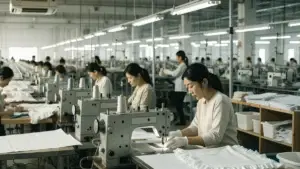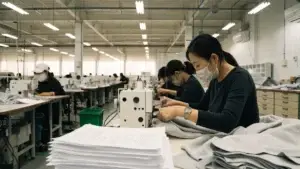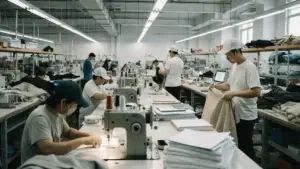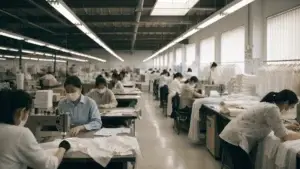
Running a clothing business means juggling design, sourcing, production, quality, and logistics. That’s where one-stop cut and sew manufacturers make a real difference.
A one-stop cut and sew manufacturer handles everything from fabric sourcing to final packaging, giving fashion brands full-service production under one roof.
If you're scaling your line or just starting, a single partner who can simplify the process saves time, money, and stress.
Why Choose a One-Stop Cut & Sew Manufacturer?
Dealing with multiple suppliers slows you down and creates miscommunication. That’s why many brands now prefer full-service partners.
One-stop cut and sew manufacturers offer design, pattern-making, fabric sourcing, sewing, finishing, and delivery—all in one place, making production faster and more reliable.
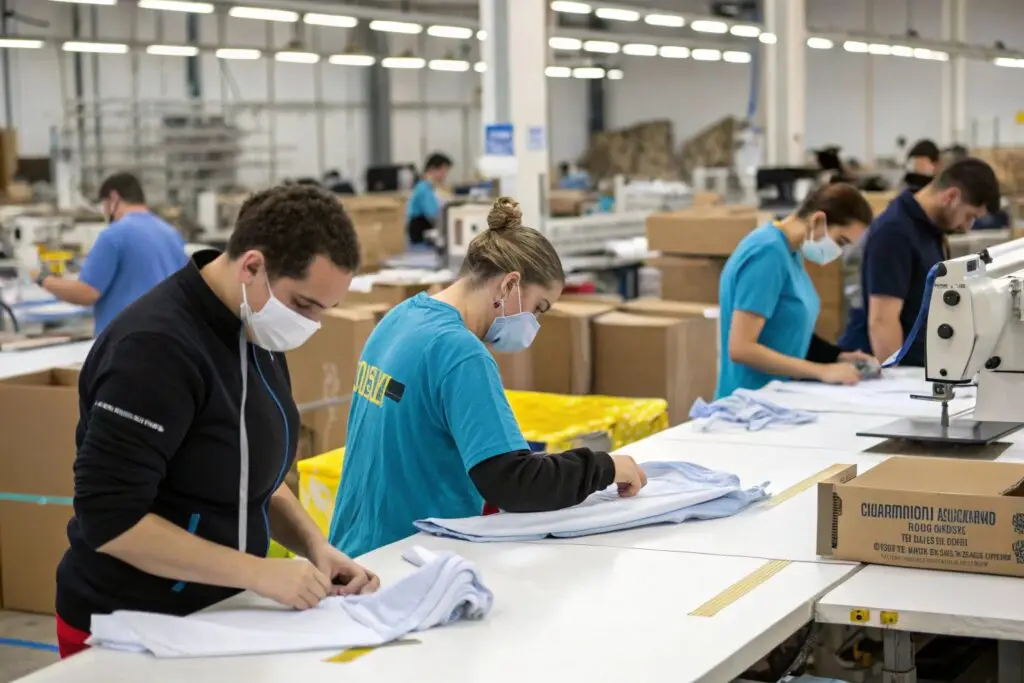
What makes one-stop partners more efficient than working with separate vendors?
When each part of your supply chain lives in a different place, the handoffs can get messy. Fabric might arrive late. The sewing team might misread your design. Packaging might not match your spec.
Here’s how a one-stop shop1 improves things:
- No coordination gaps – One team manages the entire timeline
- Faster decision-making – Design, sampling, and production all happen under one roof
- Better accountability – You deal with a single partner, not five vendors
- Cost predictability – Easier to manage your margins with bundled pricing
| Step | With One-Stop Shop | With Multiple Vendors |
|---|---|---|
| Fabric Sourcing | Factory handles it | You find a fabric mill |
| Pattern + Sampling | Internal team | External pattern maker + tech pack writer |
| Sewing + QC | All done in-house | Separate CMT contractor needed |
| Branding + Packing | Included in service | Must find label/tag vendor |
I once worked with three vendors on one project: a pattern maker in New York, a fabric supplier in India, and a factory in China. It took 4 months and 100 emails to fix one sizing issue. After switching to a one-stop shop, I got my first samples in 3 weeks—with no translation errors.
What kind of brands benefit most from one-stop cut and sew?
- Startup brands launching their first collections
- DTC labels that want speed and flexibility
- Established brands looking to reduce production complexity
- Sustainable brands that want sourcing and sewing under one ethical supply chain
If you’re growing and don’t have time to manage 10 moving parts, this model just works.
How Cut & Sew Services Streamline Production?
Cut and sew production used to be slow, fragmented, and hard to manage—especially for smaller brands. One-stop service changed that.
Cut and sew services streamline production by offering design development, fabric sourcing, sewing, labeling, and logistics through one centralized team.
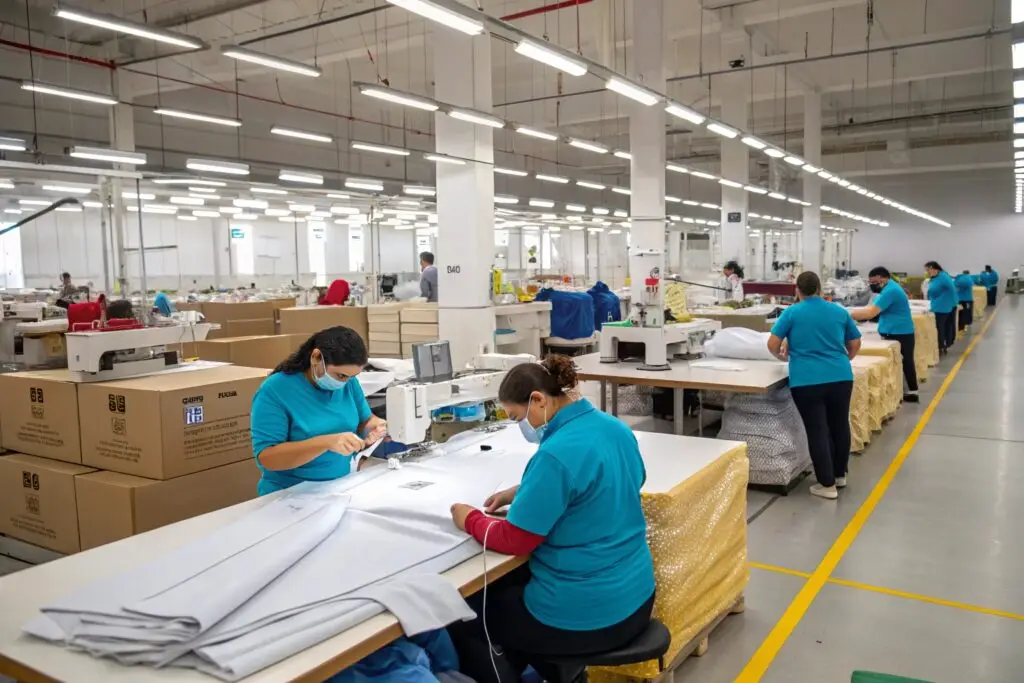
How do full-service cut and sew teams manage the timeline better?
Let’s walk through a simplified workflow at a one-stop cut and sew shop2:
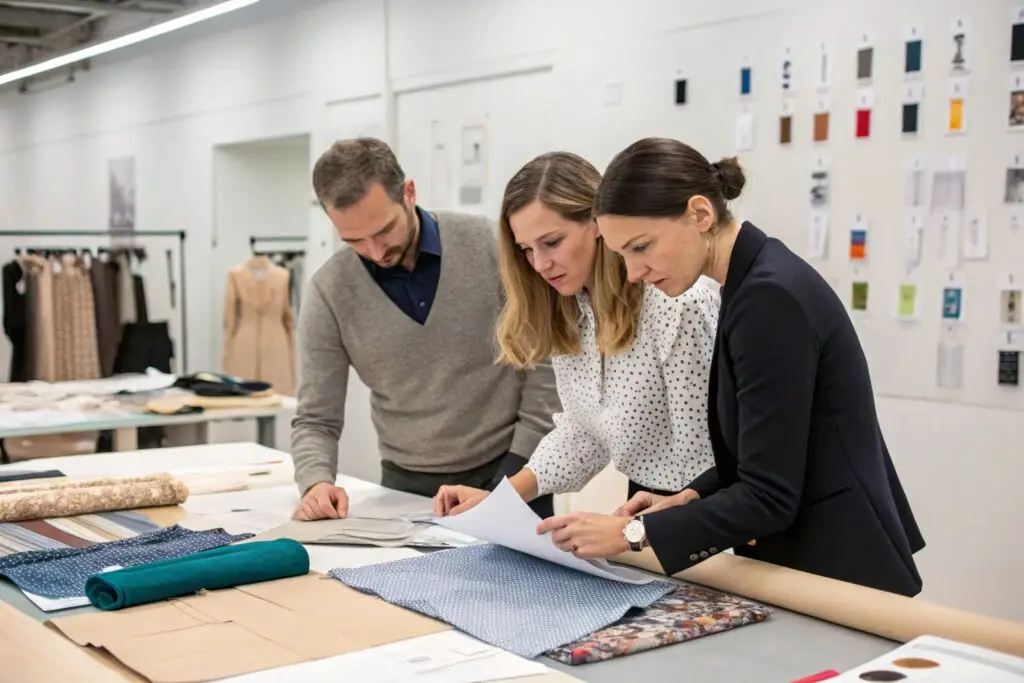
- You send an idea or mood board
- They make the pattern and sample
- Once approved, they source fabric
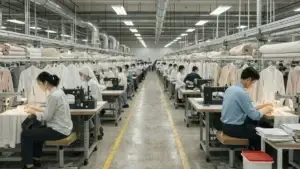
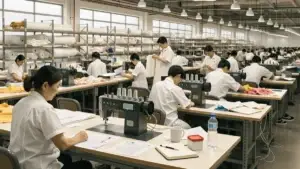
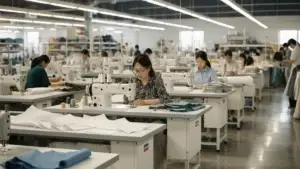
- They cut, sew, and inspect in-house
- They add your labels, pack, and ship
This vertical model3 eliminates back-and-forth between providers and speeds up your calendar. I’ve gone from idea to production in under 30 days using this system.
| Step | Traditional Timeline | One-Stop Timeline |
|---|---|---|
| Design + Pattern | 2–3 weeks | 1 week |
| Sampling | 2–4 weeks | 1 week |
| Fabric Sourcing | 3 weeks | 1–2 weeks |
| Production | 4–6 weeks | 2–4 weeks |
What services are usually included?
- Pattern development
- Tech pack creation
- Sample development
- Fabric/trims sourcing
- Garment production
- Quality inspection
- Branding (labels, tags)
- Packing & shipping
Having one team manage it all ensures the vision stays intact. You don’t lose detail translating from one vendor to the next.
Quality Control in Cut & Sew Manufacturing?
Even the best designs fail if quality isn’t consistent. With cut and sew, especially at volume, every seam, stitch, and tag matters.
Quality control in cut and sew manufacturing involves inspections at each step: fabric, cutting, sewing, finishing, and packing, often under one in-house system.
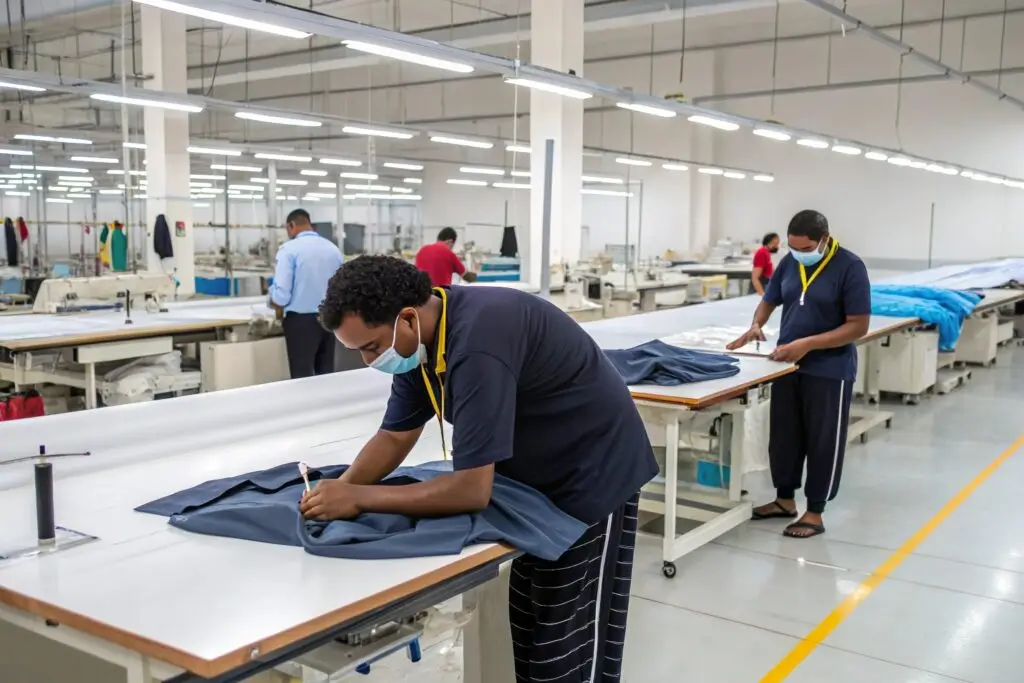
How do one-stop shops manage quality better?
In a fragmented supply chain, no one owns the full result. But in one-stop models4, the factory oversees:
- Fabric inspection before cutting
- Pattern accuracy during marking
- Sewing supervision by line managers
- Final QC5 before packing
| QC Step | Focus Area |
|---|---|
| Pre-production | Fabric defects, GSM accuracy |
| Mid-production | Stitch tension, construction |
| Final QC | Labels, trims, packaging |
I once had an order where the print color shifted during washing. My one-stop partner in Shaoxing caught it after sewing only 100 units—and fixed the issue in-house before the full run. That would’ve slipped through in a multi-vendor setup.
What tools and systems are used?
- In-house checklists and SOPs6
- Fabric shrinkage and colorfastness tests
- Inline inspections every few hundred units
- Final sample comparison using original tech pack
Better still, you don’t have to coordinate the QC yourself. A one-stop factory has staff who follow your spec sheet from start to finish.
Sustainable Cut & Sew Solutions for Brands?
Sustainability isn't just a buzzword—it’s a growing customer demand. And cut and sew production can be part of the solution.
Sustainable cut and sew solutions use certified fabrics, waste-reducing practices, ethical labor, and local supply chains to reduce environmental impact.
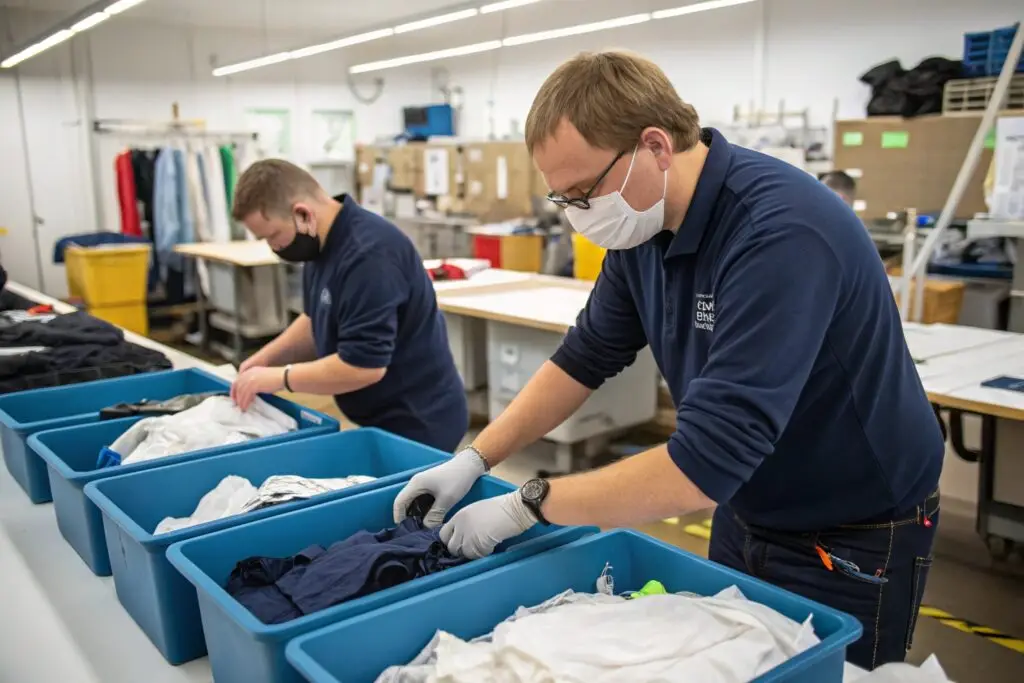
What makes a cut and sew factory sustainable?
Look for these indicators:
- GOTS or OEKO-TEX certified fabrics7
- Digital pattern marking to minimize fabric waste
- Energy-efficient machines
- Zero-waste cutting or scrap reuse
- Fair labor wages and work conditions8
- Recycled trims and packaging
| Feature | Sustainable Practice |
|---|---|
| Fabric | Organic cotton, recycled PET |
| Cutting | Smart markers, less waste |
| Labor | SA8000 or WRAP certified |
| Packaging | Recycled, biodegradable |
I worked with a one-stop manufacturer in Portugal that offered carbon-offset shipping and biodegradable hangtags. We marketed that directly on our product page and saw a 20% increase in conversions.
Can small brands afford sustainable cut and sew?
Yes—especially when the factory bundles services. You’ll save by:
- Avoiding external sourcing agencies
- Reducing waste through smart design
- Using smaller, local production runs
Even if the unit price is slightly higher, the brand value9 you gain often offsets the cost. More and more customers are willing to pay for ethical production.
Conclusion
A one-stop cut and sew manufacturer simplifies the entire clothing production journey—from design to delivery. If you value speed, consistency, and brand control, this model offers the best path to scalable, sustainable growth.
-
Explore how a one-stop shop can streamline your supply chain, improve efficiency, and reduce costs. ↩
-
Explore this link to understand how a one-stop cut and sew shop can streamline your production process and enhance efficiency. ↩
-
Learn about the vertical model in manufacturing to see how it can reduce timelines and improve workflow in your projects. ↩
-
Explore how one-stop models streamline processes and enhance quality control in supply chains. ↩
-
Learn why Final QC is crucial for ensuring product quality and customer satisfaction in manufacturing processes. ↩
-
Discover how implementing checklists and SOPs can enhance quality assurance and operational efficiency. ↩
-
Understanding these certifications can help you choose truly sustainable fabrics for your projects. ↩
-
Learn about the importance of fair labor practices and how they contribute to sustainable fashion. ↩
-
Discover how sustainability can enhance your brand's reputation and attract more customers. ↩