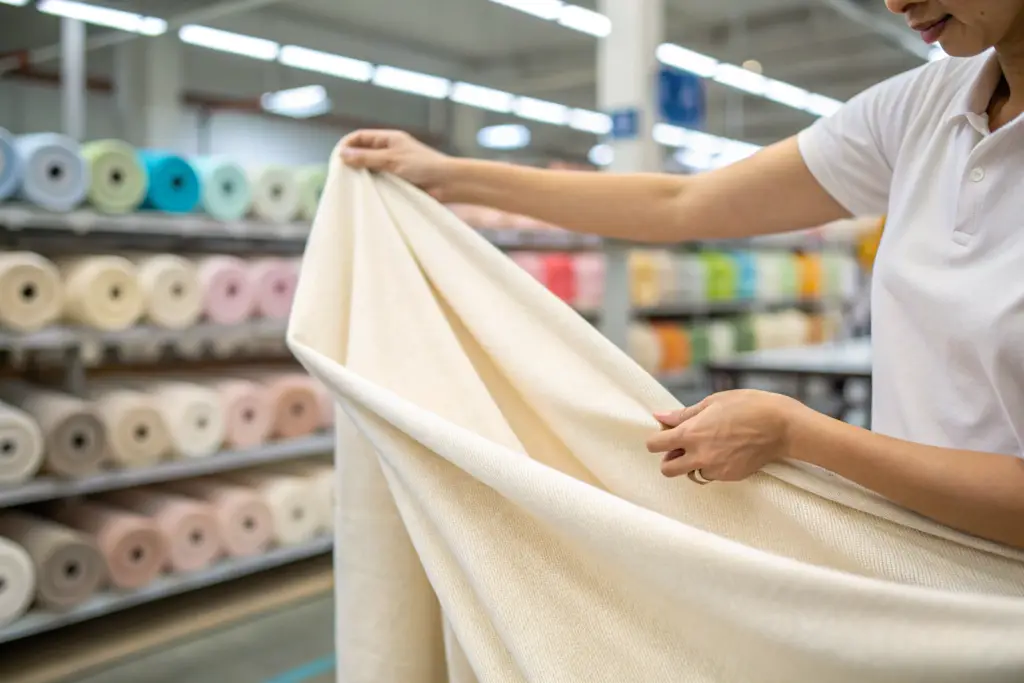
Let's be honest. You have built a solid brand on reliable wholesale basics. But right now, the market feels flat. Every catalog looks the same. Every competitor offers the same 180gsm cotton jersey. You are tired of racing to the bottom on price alone. It feels like the only way to win is to slash margins until there is nothing left. There is a better way. The difference between a garment that gets lost in a clearance rack and one that commands a premium price often comes down to one simple thing: the hand feel. You need a fabric that stops the customer mid-scroll. You need ultra-soft fabric.
Sourcing ultra-soft fabrics for wholesale basics requires a shift from standard material specifications to specialized finishing techniques like bio-wash, silicon wash, and specific yarn blends such as TENCEL™ Lyocell or Supima Cotton blends. You must prioritize direct factory partnerships that offer DDP logistics and rigorous quality control to ensure the softness survives the first wash and the logistics chain.
I get it. As the owner of Shanghai Fumao, I have sat across the table from dozens of brand owners like you. The conversation almost always starts with cost per unit. It almost always ends with a discussion about why the sample feels like cardboard. You are not just buying fabric. You are buying a competitive edge. Let's walk through how you can source that edge without opening yourself up to supply chain nightmares or certification fraud.
Why Does Standard Jersey Feel So Rough and How Can You Fix It Before Production?
I cannot count how many times I have heard this complaint. A brand owner buys a "premium" t-shirt sample online. It looks great in the photo. When the box arrives, the fabric feels stiff and crunchy. You wash it hoping for a miracle. It comes out of the dryer looking like a Brillo pad. That is the pain of inefficient communication and missed expectations. You were told it was "soft," but the supplier's definition of soft was not yours.
The roughness in standard wholesale jersey usually comes from three main issues: the use of shorter staple carded cotton instead of combed cotton, the lack of proper enzyme washing, and a high twist factor in the yarn spinning. You fix this by specifying combed ring-spun yarns and requiring a garment wash process that includes cellulase enzymes to eat away the surface microfibers before the shirt ever reaches your customer.
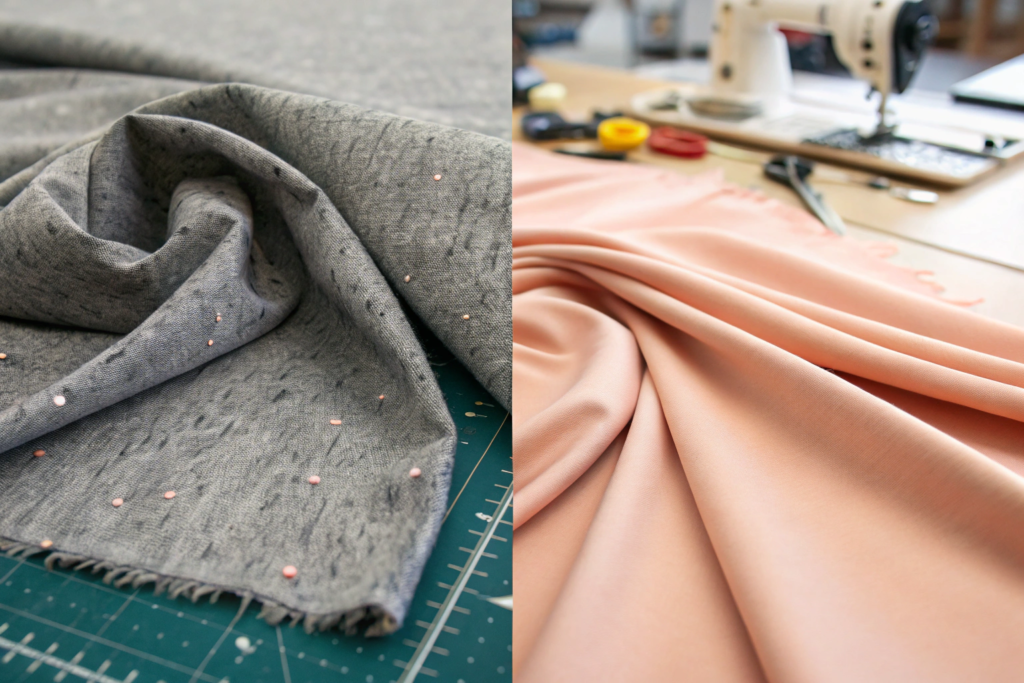
Is the Problem Really the Cotton Quality or the Factory's Finishing Process?
Most buyers immediately jump to "I need Pima cotton" or "I need Egyptian cotton." Those are great fibers. But they are also expensive and sometimes faked. Last year, we worked with a client from Texas who specialized in resort wear. He was paying a premium for a fabric labeled "Long Staple Cotton." When his returns started piling up because the shirts were pilling after two wears, we cut open a seam in our Shanghai lab. The fiber length was standard 22mm carded cotton. The supplier had falsified the certificate.
The real magic often happens in the wet processing department. Even a standard mid-tier cotton can feel like a cloud if the finishing is right. We use a process called bio-polishing. This is a textile finishing step using enzymes. These enzymes act like tiny scissors. They cut the tiny, loose fiber ends that stick out from the yarn surface. These loose ends are what cause the initial scratchiness and eventual pilling. When you remove them chemically, you expose the smooth core of the yarn. The result is a clean, soft surface that stays soft longer.
What Specific Yarn and Knit Construction Delivers That "Luxury" Hand Feel?
Beyond washing, you have to look at how the yarn is built. There is a huge difference between open-end yarn and ring-spun yarn. Open-end is faster and cheaper to make. It traps more short fibers and creates a harsher, dryer hand feel. Ring-spun yarn, especially combed ring-spun yarn, aligns the fibers in a parallel formation and removes the short, itchy ones.
Then you look at the knit gauge. A basic heavy t-shirt might use a 20 gauge single jersey. That is fine for durability. But for that ultra-soft drape that women's wear and kids' wear buyers crave, we recommend looking at finer gauges or specific knit structures like slub jersey or interlock. Interlock is a double-knit fabric. It is naturally thicker and smoother on both sides. It does not curl at the edges and feels substantial but buttery against the skin. At Shanghai Fumao, we often advise clients moving from rigid wovens to knits that the gauge of the machine matters just as much as the price of the yarn. A finer gauge (like 28G or 32G) uses thinner yarns and creates a denser, smoother surface area. That surface area is what creates the sensation of softness.
What Are the Top 3 Chemical Washes for Achieving a Vintage Soft Feel?
You want that "lived-in" softness straight off the hanger. You see it in high-end Los Angeles streetwear brands. They sell a plain hoodie for $150, and the only difference is the drape and the sueded hand feel. Achieving that level of softness is not an accident. It is chemistry. And if you do not know the right terms to ask for, a factory might just give you a basic rinse and call it a day. This is a major pain point for buyers sourcing from developing countries—they know what they want to feel, but they lack the technical vocabulary to demand it.
The three most effective chemical washes for achieving a vintage soft feel are Enzyme Wash (Bio-Wash), Silicone Wash (Softener), and Peach Finish (Sueding). Enzyme wash cleans the fiber surface for long-term softness. Silicone wash adds surface lubricity for immediate slippery softness. Peach finish mechanically and chemically alters the fabric surface to create a velvety nap.
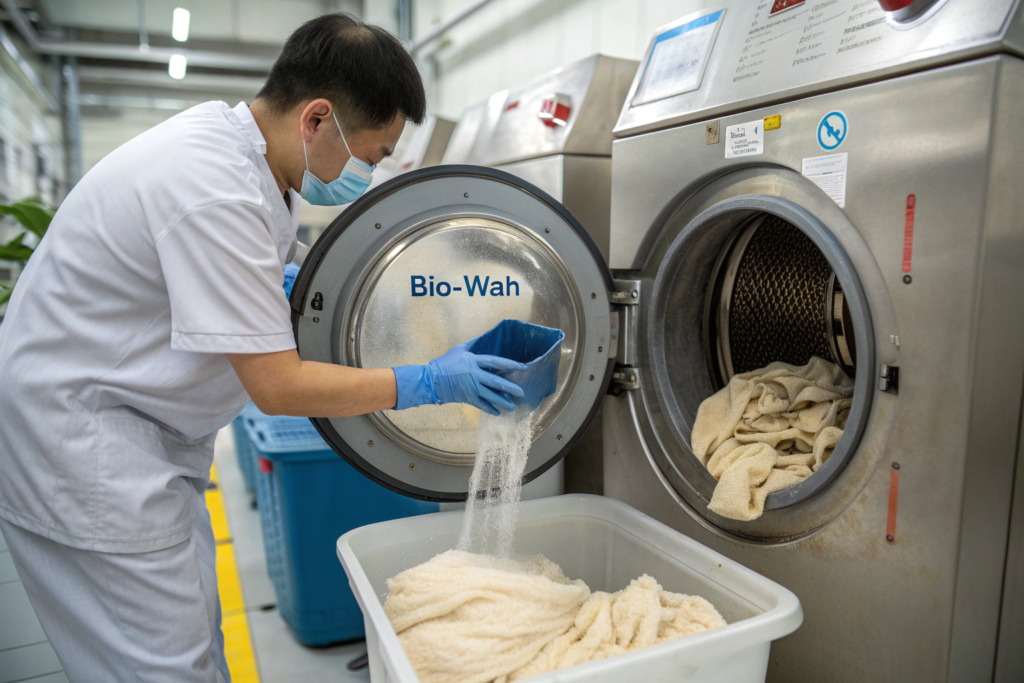
How Do Enzyme Washes Like Cellulase Prevent Pilling in Wholesale Basics?
Let's get specific because this is where your customers' returns drop dramatically. We had a long-term partner in Seattle who runs a subscription box service for men's essentials. Their biggest complaint? The tees would develop little fuzz balls under the arms after just a few wears. We switched their production to a batch that used a Cellulase Enzyme Wash before dyeing. The return rate on those items dropped by nearly 35% in the following quarter.
Here is how it works in simple terms. Cotton is a plant fiber made of cellulose. Pills are tiny broken fibers that tangle together on the surface. Cellulase enzyme is a protein that eats cellulose—but only the weak, protruding bits. It cannot touch the strong, twisted core of the yarn. By tumbling the garments in a bath with this enzyme at a specific temperature (usually around 55°C) for 40-60 minutes, we remove the fuzz at the source. This is different from a regular softener. Softener coats the fabric. It feels great for about three washes, then washes away. Enzymes permanently alter the surface of the fabric. When you are selling to a customer who is sensitive to quality, this kind of invisible detail is what builds a brand reputation.
Why Does Silicone Wash Make Fabric Feel Slicker but Not Always Better?
Silicone wash is the fast food of softness. It is instant gratification. You pull the shirt out of the box, and it feels like butter. Slick, slippery, and drapey. This is what most brands think they want. But there is a catch.
There are different types of silicone. Macro silicone and micro silicone. Macro silicone is cheap. It sits on top of the fabric like a layer of oil. It feels great at first, but it can actually trap odors and reduce the fabric's ability to absorb moisture. If you are making activewear or summer t-shirts, this is a disaster. A shirt treated with heavy macro silicone will feel clammy and hot.
We recommend Micro Silicone Emulsion for basics. It penetrates deeper into the fiber matrix. You get the soft hand feel without sealing the pores of the fabric. Last spring, we did a blind touch test for a Florida-based distributor comparing three hoodie samples. Sample A was untreated. Sample B was cheap silicone wash. Sample C was bio-wash + micro silicone. The distributor picked Sample C 9 out of 10 times. They said it felt "expensive" rather than "coated." That is the language you want your customers to use.
| Wash Type | Softness Type | Longevity | Moisture Wicking Impact | Best Use Case |
|---|---|---|---|---|
| Enzyme Wash | Dry, Natural Soft | Excellent (Permanent) | Slight Improvement | Premium Tees, Everyday Basics |
| Silicone Wash | Slick, Greasy Soft | Poor (Washes Out) | Reduces Breathability | Display Samples, Fast Fashion |
| Peach Finish | Velvety, Napped Soft | Good (Mechanical) | Moderate Reduction | Hoodies, Sweatshirts, Fleece |
Can You Trust Overseas Manufacturers to Deliver Consistent Softness in Bulk?
This is the elephant in the room. You found the perfect sample. It was soft, the color was rich, the stitching was clean. You wired the 30% deposit. Eight weeks later, a container lands at the Port of Long Beach. You open a carton, and the fabric is stiff. The color is slightly off. The XL size fits like a Medium. This is the nightmare of every American brand owner dealing with suppliers in China, Vietnam, or India. The sales rep is suddenly "on holiday" and communication slows to a crawl. The selling season is three weeks away. The panic sets in.
Trusting overseas manufacturers requires more than a sample approval. It demands a system of third-party lab dip verification, inline production audits, and AQL 2.5 inspection standards. You must partner with factories that are vertically integrated enough to control the dyeing and finishing process in-house rather than subcontracting it out to unvetted local vendors.
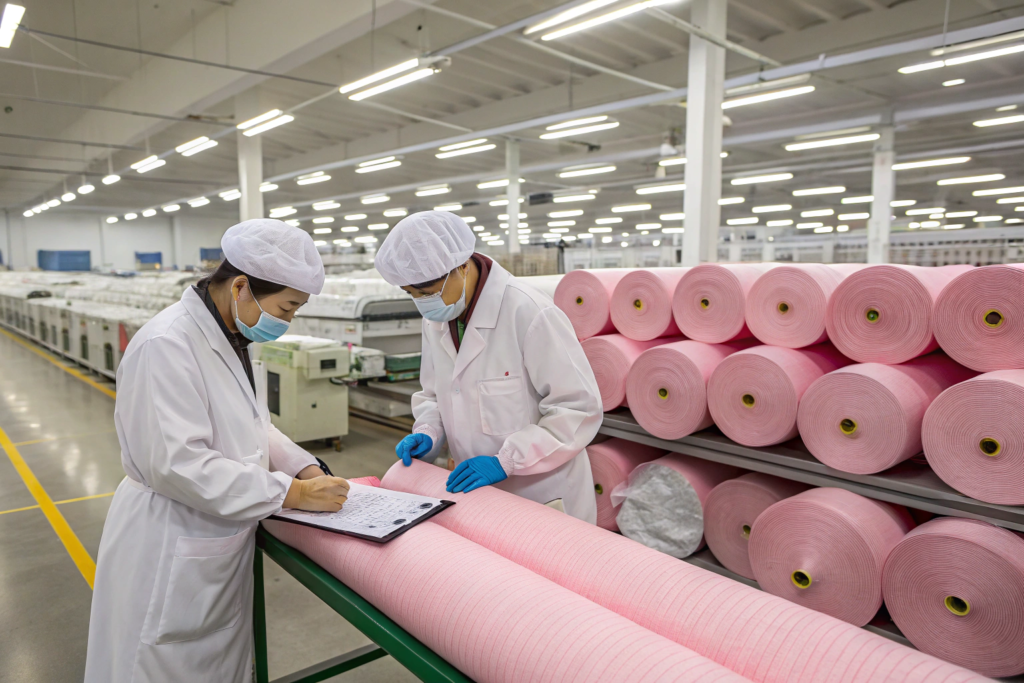
What Quality Control Checks Should You Demand Before Shipment?
When we talk to new clients at Shanghai Fumao, they often mention they "do a QC check." But what does that actually mean? Sending a junior staffer to snap photos of finished cartons is not a QC check. That is a photo op. You need to demand data points that are measurable and repeatable.
Here is the minimum viable QC protocol I would advise for any brand sourcing soft fabric basics:
- Lab Dip Approval with Spectrophotometer Reading: Do not approve a color based on a photo on WhatsApp. Demand a Delta E (ΔE) value. This is a scientific measurement of color difference. We aim for a ΔE of less than 1.0 for the lab dip and less than 1.5 for bulk production. This ensures that the fabric coming off the dye machine matches the swatch you signed off on.
- GSM and Shrinkage Test Cut from Bulk Roll: Before cutting the fabric, we cut a 10cm x 10cm square, mark it, wash it according to AATCC Test Method 135, and measure it again. If the shrink is over 3% on a basic jersey, we adjust the pattern or reject the roll. Nothing kills a brand faster than a shirt that turns into a crop top after one wash cycle.
- Inline Production Check (DUPRO): This happens when 20% of the order is packed. We pull random pieces and put them on a mannequin. Does the softness match the reference sample? Is the drape the same? This is where you catch issues before 10,000 units are boxed up.
How Does DDP Shipping Protect Your Margins and Timeline for Soft Lines?
You know the frustration of a shipment sitting in customs for two weeks because of a paperwork error. Or worse, getting a surprise bill for $1,500 in handling fees from the freight forwarder just to release the goods. For a brand owner sensitive to both quality and price, these hidden logistics costs can wipe out the profit margin you gained by sourcing from a developing country.
This is why we push for Delivered Duty Paid (DDP) terms. Under DDP, we, as the manufacturer, take on all the risk and cost of shipping until the goods arrive at your warehouse door. We pay the freight. We pay the US customs bond. We pay the duties and taxes. You write one check for the goods plus freight, and you know exactly when they arrive.
I recall a situation with a client based in Colorado who specialized in organic kids' wear. They had a strict "Back to School" delivery window. Their previous supplier used FOB terms. The ship got delayed in Long Beach due to congestion. By the time the container was unloaded and they paid the chassis fees and demurrage, they had missed two weeks of prime selling season. When they switched to our DDP model, the predictability of their cash flow improved. They could plan their marketing emails around a confirmed delivery date, not a vague estimate from the port of Los Angeles. That reliability is more valuable than shaving an extra $0.10 off the unit cost.
How to Source Blended Fabrics That Are Soft Yet Durable for Heavy Rotation?
Pure cotton is classic. But it has limits. It fades. It can shrink. And if you are making activewear or lifestyle pieces that need to survive the gym and the office, 100% cotton can feel heavy and wet. Your customers want the softness of their favorite worn-in tee combined with the performance of modern fabric. You need to look at blends. However, the wrong blend can feel like plastic. You need to know which blends actually elevate the garment and which ones just cut costs.
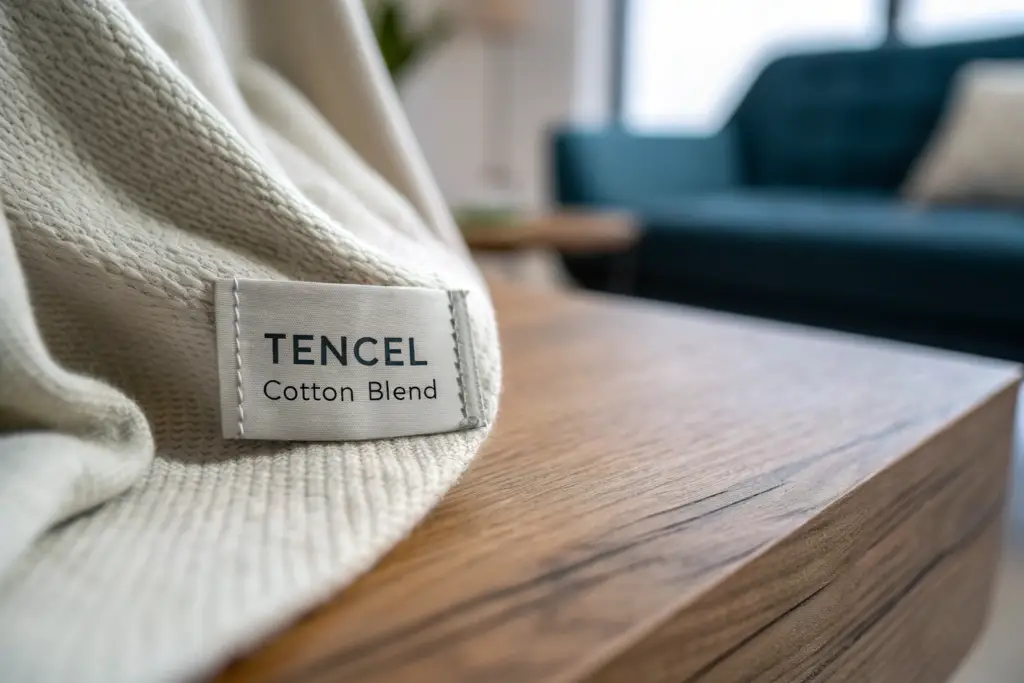
The most effective blends for combining softness with durability are Cotton/Modal, Cotton/TENCEL™ Lyocell, and Polyester/Rayon from high-quality sources. Cotton/Modal enhances absorbency and softness by about 50% over standard cotton. Cotton/TENCEL™ Lyocell adds a silky coolness and prevents wrinkles. A proper Poly/Rayon French Terry blend provides the ideal weight and drape for elevated streetwear basics.
What Is the Real Difference Between TENCEL™ Lyocell and Cheap Viscose?
Many importers see the word "Viscose" or "Rayon" on a spec sheet and think they are getting the same thing. They are not. Cheap viscose has a dirty secret: it often comes from unsustainable forestry and it gets weak when wet. Have you ever had a customer complain that a dress tore under the arms after washing? That is often poor-quality wet strength in the viscose yarn.
TENCEL™ Lyocell is a branded fiber from Lenzing. The difference is in the production process. It uses a closed-loop system where 99% of the solvent is recycled. For your brand story, this is a sustainability win. But for the hand feel, it is a massive upgrade. TENCEL™ fibers are incredibly smooth. Under a microscope, they look like smooth rods compared to cotton's twisted ribbon shape. This means they feel cool to the touch. They also have a higher tenacity when wet than standard viscose.
We produced a run of women's blouses for a New York boutique owner last season. We used a 70% Cotton / 30% TENCEL™ blend. The boutique owner was hesitant at first because the cost was higher than the 100% rayon she usually sourced. But the sell-through rate was significantly better. She reported almost zero returns due to seam slippage or tearing. The fabric held its shape. It draped like silk but washed like cotton. That is the kind of value that keeps her customers coming back and, more importantly, keeps her reordering from us.
Why Is the Polyester Ratio Critical for the Drape of Soft Streetwear?
Streetwear is all about volume and drape. Think of a heavyweight hoodie that stands away from the body but feels like a cloud. Or a pair of sweatpants that stack perfectly over sneakers without looking stiff. You cannot get that with 100% cotton fleece. Cotton fleece will shrink and lose its shape. You need polyester, but not the shiny, cheap kind.
The secret is in the Denier of the polyester and the construction of the knit. For soft streetwear basics, we look at Polyester Filament Yarn (PFY) mixed with combed cotton in the face yarn. A common premium blend is 80% Cotton / 20% Polyester in the face and 100% Cotton in the back loop for a soft interior feel against the skin.
Here is a breakdown of how the ratio changes the garment character:
Fabric Blend Analysis for Streetwear Basics
| Blend Ratio (Face Fiber) | Hand Feel Outcome | Durability Factor | Ideal Garment Application |
|---|---|---|---|
| 100% Cotton Fleece | Soft initially, high shrinkage | Low (Pilling, Wrinkling) | Vintage wash hoodies (requires heavy enzyme treatment) |
| 80% Cotton / 20% Poly | Soft, Slightly Heathered look | Moderate | Premium Crewnecks, Lightweight Joggers |
| 60% Cotton / 40% Poly | Smooth, retains color well | High | Heavyweight Hoodies, Streetwear staples |
| 50% Cotton / 50% Poly | Very Smooth, Less "Natural" feel | Very High | Performance blends, sublimation prints |
That 20% poly in the face yarn is just enough to lock the cotton fibers in place. It provides a memory to the garment. When a customer sits in the hoodie all day, the elbows won't bag out permanently. When it comes out of the dryer, it requires less ironing. For a brand owner who lacks deep technical aesthetic knowledge, this is the kind of invisible engineering that makes a basic hoodie worth $85 instead of $35.
Conclusion
Sourcing ultra-soft fabrics for your wholesale basics is not a guessing game. It is a science wrapped in an art. You started this article wondering why your standard jersey feels rough. Now you know it is a combination of yarn twist, fiber length, and specific enzyme washes like bio-polish. You were worried about trusting overseas manufacturers with bulk orders. Now you know the specific QC checks—like spectrophotometer readings and inline DUPRO—that separate a reliable partner from a risky vendor.
The goal is not just to find a supplier. The goal is to find a partner who understands that the hand feel of your t-shirt is the first physical touchpoint between your brand and the end consumer. It is what justifies your retail price. It is what builds the loyalty that keeps customers off Amazon and coming back to your store.
Navigating this landscape requires more than an Alibaba account. It requires a team on the ground that knows how to calibrate a silicone wash so it enhances the fabric instead of ruining it. It requires a factory that owns its supply chain and can guarantee that the softness you felt in the sample room is the softness that lands in your warehouse in America.
If you are ready to stop competing on price and start competing on quality feel, I encourage you to reach out. We have spent years perfecting the finishes that make standard fabrics feel exceptional. We operate with the transparency and logistics reliability that a growing American brand demands.
Let's talk about how we can bring that premium, ultra-soft hand feel to your next collection. Contact our Business Director, Elaine, directly at elaine@fumaoclothing.com. Tell her what you are looking for, and let's see if Shanghai Fumao is the right fit to elevate your basics.