About two years ago, the CEO of a conservative American menswear brand sat in my office, holding a pair of shorts in each hand. In his right hand was his brand's best-selling short, a 9-inch inseam, flat-front chino in stone khaki. It had been a top seller for fifteen years. In his left hand was a 5-inch inseam short, same fabric, same construction, same brand label. He had been testing the 5-inch style in small quantities online, and the data was confusing him. The 5-inch short had a higher return rate than the 9-inch, 12% versus 6%. But the customers who kept the 5-inch short had a significantly higher repeat purchase rate and a higher average order value. The 5-inch was polarizing. It was driving away some customers and converting others into brand evangelists. He asked me the question that the data could not answer. "Is adding this short to my core line a strategic evolution, or am I risking my brand identity for a trend?"
A classic 5-inch inseam short is not too risky for a conservative American menswear brand, provided it is introduced as a deliberate brand expansion, not a replacement of the core longer-inseam styles, and is positioned as a tailored, proportion-conscious option that serves a specific customer segment and a specific set of occasions, with the risk being concentrated in the potential alienation of a portion of the existing, older customer base and the reward being the attraction of a younger, fashion-conscious male consumer who views the shorter inseam as a marker of contemporary style and confidence.
At Shanghai Fumao, I manufacture shorts at every inseam length for brands across the menswear spectrum. I have watched the 5-inch inseam migrate from a niche, fashion-forward style to a legitimate, commercially significant category. The question is not whether the 5-inch short is a valid product. It is whether it is a valid product for a conservative brand, and how that brand should manage the introduction. Let me walk you through the data, the demographics, and the strategy.
What Is Driving the Shift Toward Shorter Inseams in American Menswear?
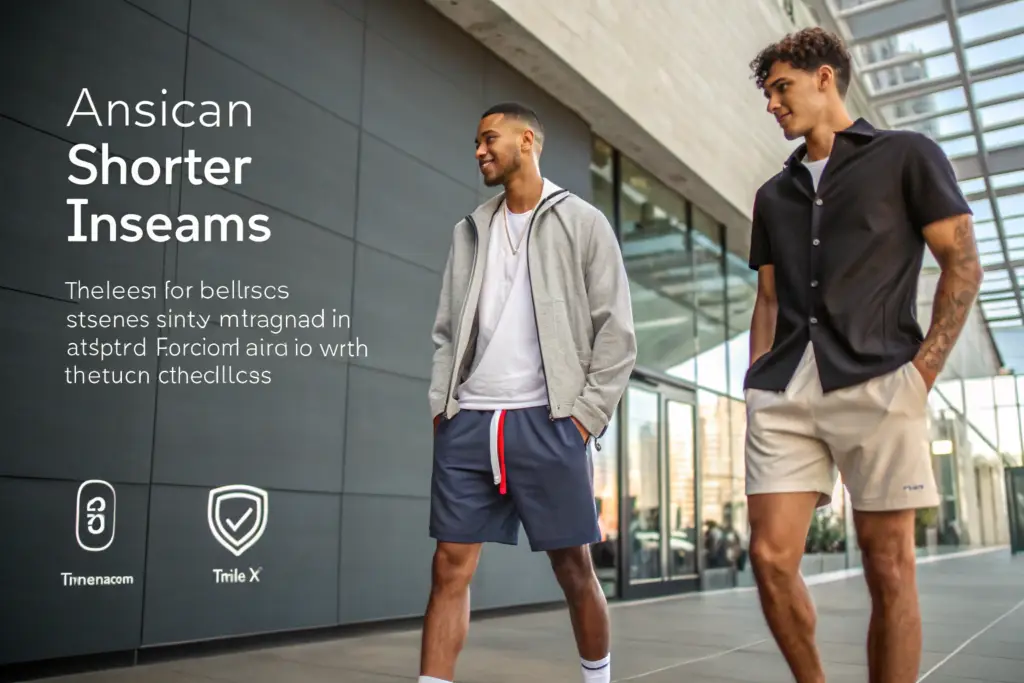
The inseam on men's shorts has been shrinking for over a decade. In the early 2000s, the dominant inseam was 11 to 13 inches, grazing the bottom of the knee or falling below it. By the mid-2010s, the 9-inch inseam had become the standard, with the 7-inch beginning to appear in younger-oriented brands. Today, the 5-inch inseam is no longer a radical statement. It is a standard option at brands ranging from J.Crew to Lululemon to Ralph Lauren. This shift is not arbitrary. It is driven by specific, identifiable cultural and demographic forces that a conservative brand can analyze and respond to.
The shift toward shorter inseams in American menswear is driven by four converging forces: the broader menswear trend toward tailored, proportion-conscious dressing that emphasizes the leg line and rejects the baggy, knee-covering shorts of the early 2000s; the influence of athletic and gym culture, where shorter shorts have always been the norm for functional movement, normalizing the exposure of the male thigh in casual contexts; the changing demographics of the menswear consumer, with Gen Z and younger Millennial men expressing greater comfort with body exposure and viewing the shorter inseam as a signal of style confidence; and the visual influence of social media, particularly Instagram and TikTok, where the 5-inch short photographs as a more intentional, fashion-forward silhouette than longer, baggier shorts.
How Has Athletic Culture Normalized the Shorter Inseam?
For decades, the gym was the only place where American men wore shorts with a 5-inch inseam or shorter. The short short was functional. It allowed unrestricted movement for squats, lunges, and running. The association was purely athletic.
The rise of athleisure over the past decade dissolved the boundary between gym clothing and casual clothing. The man who wore 5-inch shorts to the gym began wearing them to brunch, to the grocery store, to casual social events. The visual of a man's bare thigh in a non-athletic context became familiar, then normal, then fashionable. The gym short paved the cultural road for the tailored 5-inch short. This athleisure influence on menswear shorts is one of the primary drivers of the inseam shift. The conservative brand that understands this connection can position its 5-inch short as a natural evolution, not a radical break.
What Demographic Data Supports the 5-Inch Inseam as a Long-Term Shift?
The age segmentation of 5-inch short purchasing is stark and consistent. Men under 35 are the dominant purchasers. Men between 35 and 50 are a growing segment, particularly in metropolitan markets. Men over 50 are the smallest segment and the most resistant.
This age profile is significant because it mirrors the age profile of other major menswear shifts that became permanent. The shift from baggy to slim-fit suits followed a similar pattern. Older consumers resisted. Younger consumers embraced. Over a decade, the slim fit became the new standard, and the baggy fit became a niche. The 5-inch inseam is following the same adoption curve. The young men who are buying 5-inch shorts today will not revert to 9-inch shorts when they turn 40. They will take their inseam preference with them. This generational shift in menswear preferences suggests the 5-inch inseam is a structural market change, not a passing fad.
What Are the Real Risks of Adding a 5-Inch Short to a Conservative Line?
Every product expansion carries risk. The risk of adding a 5-inch short to a conservative brand is not that the style will fail in the market. The risk is that the style will damage the brand's relationship with its existing customer base. The conservative menswear customer, typically a man over 45, has a specific expectation of what his brand stands for. If the brand suddenly introduces a product that reads to him as youthful, fashion-forward, or inconsistent with his self-image, he may question whether the brand is still for him. This is a real risk, and it must be managed.
The primary risks of a conservative brand introducing a 5-inch inseam short are the alienation of the existing, older customer base who may view the shorter inseam as inconsistent with their personal style or as a signal that the brand is abandoning them in pursuit of a younger demographic, an increased return rate driven by customers who are unfamiliar with the fit and order their usual size without accounting for the different proportion, and a potential brand identity dilution if the 5-inch short is not clearly positioned within the brand's aesthetic and is perceived as a trend-chasing move rather than a deliberate brand extension.

How Can a Brand Mitigate the Risk of Alienating Its Core Customer?
The core customer does not need to buy the 5-inch short. He needs to not feel that the 5-inch short is a signal that the brand no longer wants him. The mitigation strategy is to continue to invest in the core longer-inseam styles and to communicate the 5-inch short as an expansion of the range, not a replacement.
The 9-inch short should remain prominently featured in the brand's marketing, its lookbooks, and its retail presentation. The 5-inch short should be introduced alongside it, not instead of it. The brand should communicate clearly, through its merchandising and its sales team, that the 5-inch is an additional option for the customer who prefers that proportion, not a replacement for the customer who prefers the 9-inch. The core customer who sees his preferred styles still available and still central will not feel abandoned. This brand extension without alienating core customers principle is well-established in brand management.
Why Will Return Rates Initially Be Higher, and How Should That Be Managed?
The higher return rate on 5-inch shorts is not primarily a product quality issue. It is a fit education issue. The customer who has worn a 9-inch short for twenty years orders a 5-inch short in the same size. He tries it on. It fits correctly at the waist, but the leg feels dramatically shorter. He feels exposed. He is not sure if it looks right. He returns it.
The return rate can be reduced through proactive communication. The product page should clearly explain the intended fit and proportion. It should show the short on a model of the brand's typical customer age, not just on a 22-year-old fitness model. It should include a comparison image showing the 9-inch and the 5-inch on the same model, so the customer understands the difference visually. The product description should address the customer's anxiety directly. "A tailored, above-the-knee silhouette designed to elongate the leg. Pairs perfectly with a relaxed camp shirt or a simple crewneck tee." This product page optimization for fit-sensitive categories approach reduces the return rate by setting accurate expectations before the customer orders.
How Should a Conservative Brand Position and Market a 5-Inch Short?
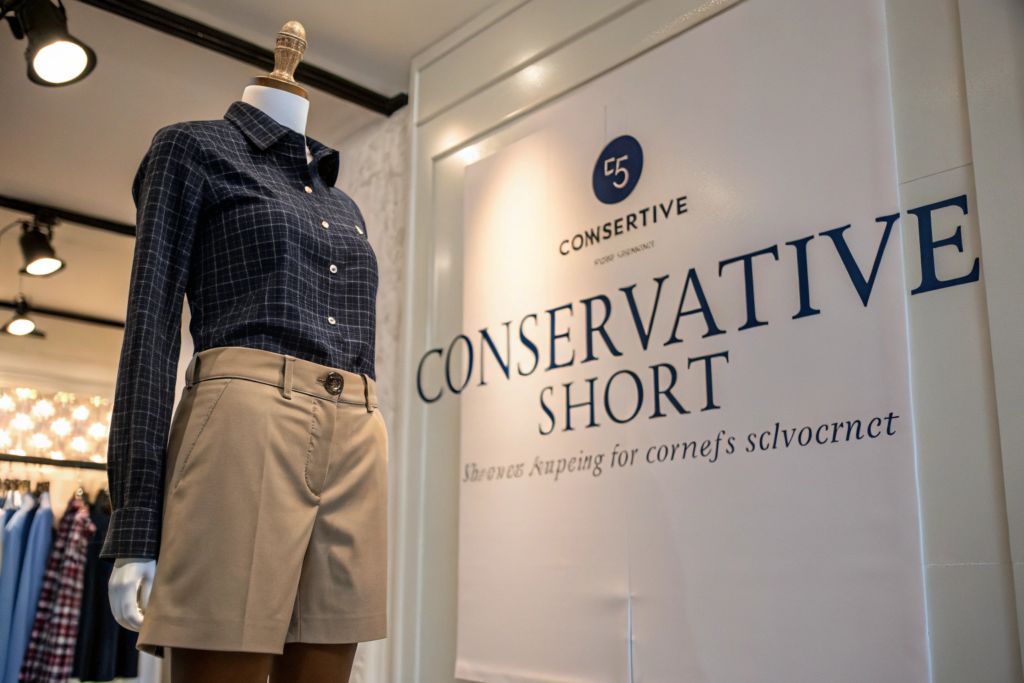
The marketing of a 5-inch short for a conservative brand must be handled with care. The language must be deliberate. The styling must be consistent with the brand's identity. The brand is not trying to look like a streetwear label. It is trying to communicate that the 5-inch short is a legitimate, tailored option for the same man who already wears the brand's 9-inch short, just styled differently for a different proportion.
A conservative brand should market its 5-inch short by anchoring it in the language of tailoring and proportion, not fashion or trend, using terms like "tailored fit," "above-the-knee silhouette," and "proportion-conscious design" rather than "short shorts" or "trendy," by styling it with classic, masculine pieces that are core to the brand's aesthetic such as oxford cloth shirts, unstructured blazers, and leather loafers to demonstrate that the shorter inseam can be integrated into a traditional wardrobe, and by referencing historical precedents in menswear, the tailored shorts worn by style icons of the mid-20th century, to establish that the 5-inch inseam is not a new, radical concept but a return to a classic proportion.
What Language Should Be Used to Describe the Inseam?
The term "short shorts" is deadly for a conservative brand. It carries juvenile, unserious, and feminine connotations in the American male psyche. The phrase should never appear in the brand's marketing.
The correct language is tailored, proportion-focused, and masculine. "Our 5-inch inseam short is cut for a clean, above-the-knee silhouette that elongates the leg." "An athletic-inspired proportion, tailored in our classic chino fabric." "A modern take on the vintage tennis short, updated with our signature flat-front construction." The language connects the style to tailoring, to athletics, or to historical precedent, all of which are legitimate and masculine contexts for a shorter inseam. This menswear marketing language and consumer psychology discipline is critical to the style's acceptance by a conservative customer.
How Should the 5-Inch Short Be Styled in Lookbooks and Product Photography?
The lookbook is the visual argument for the style. The argument must be convincing to a skeptical, conservative male consumer. The styling must demonstrate that the 5-inch short can be worn in the contexts where the brand's customer actually lives, not just on a fashion runway.
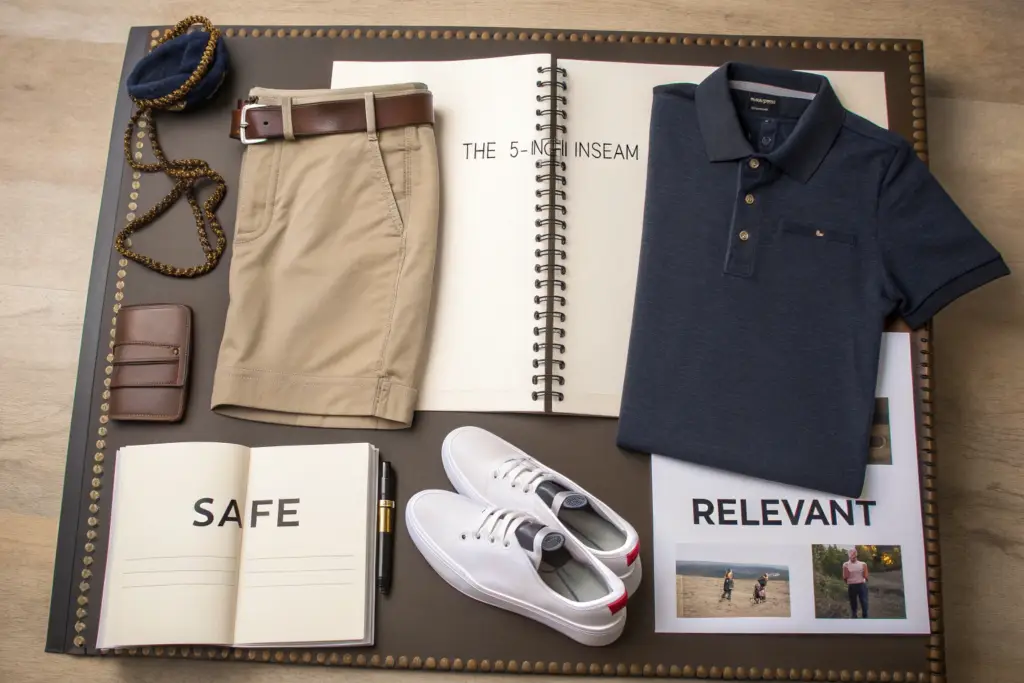
The short should be styled with classic, masculine pieces that the customer already owns. An oxford cloth button-down shirt, untucked, with the sleeves rolled. A navy unstructured blazer over a white t-shirt. A simple leather belt and a pair of unlined suede loafers or minimalist white sneakers. The model should be age-appropriate. A 35 to 45-year-old man, fit but not a bodybuilder, comfortable and relaxed. The setting should be aspirational but familiar. A coastal weekend, a backyard barbecue, a casual dinner on a patio. The message is visual. This is a short for a man like you, in a life like yours. This lookbook styling for conservative menswear approach translates the style from the fashion-forward context into the brand's context.
What Does the Supply Chain Data Say About the 5-Inch Inseam as a Permanent Style?
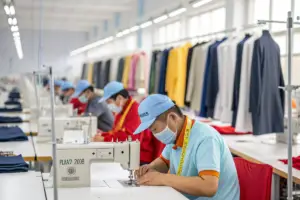
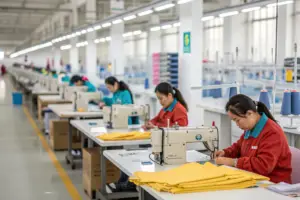
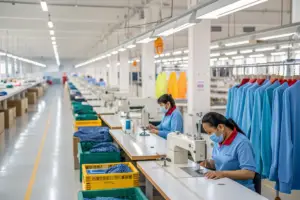
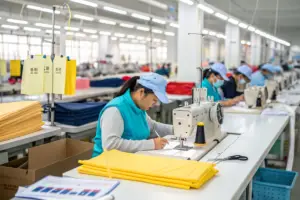
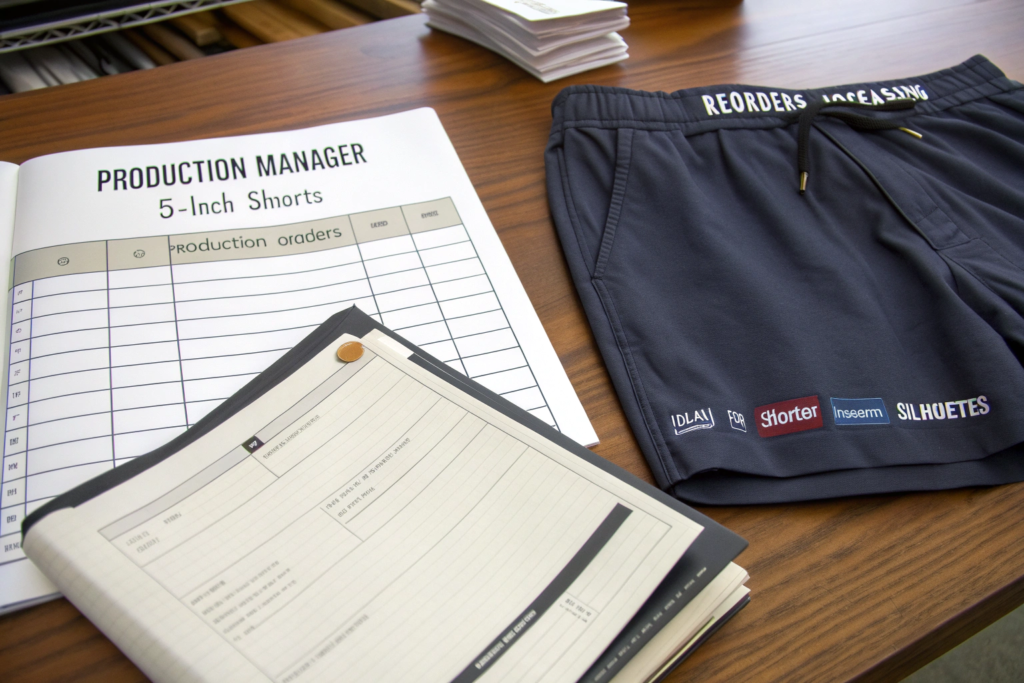
The most reliable indicator of a style's permanence is not found in fashion magazines or on social media. It is found in the factory order book. I can see, from the orders that cross my desk at Shanghai Fumao, which styles are being purchased by multiple, unrelated brands, in increasing volumes, over multiple seasons. The 5-inch inseam short has moved, over the past three years, from a niche request from fashion-forward brands to a standard order from mainstream and conservative brands. This transition is the supply-side evidence that the style is becoming a permanent category.
The supply chain data confirms the 5-inch inseam as a permanent, not a temporary, category because multiple unrelated brands across the market spectrum, from streetwear to conservative menswear, are ordering the style in stable or increasing volumes, fabric mills are developing and stocking lightweight fabrics specifically designed for shorter inseam silhouettes, and major retailers are transitioning the style from seasonal test buys to core replenishment programs, indicating that the 5-inch short has passed the market adoption threshold and is being treated as a staple category by the infrastructure that supplies the industry.
What Are the Mills and Factories Seeing That Brands May Not?
A single brand sees its own sales data. A factory sees the aggregated demand across dozens of brands. When five different brands, a minimalist label in New York, a coastal lifestyle brand in California, a department store private label, and two conservative menswear brands, all place orders for a 5-inch inseam short within the same season, the factory knows that the style is not a single-brand phenomenon. It is a market movement.
The fabric mills confirm this. A mill that develops a new lightweight cotton twill specifically engineered for the drape and structure of a shorter short, and then moves that fabric to a stock service program with low minimums, is betting that demand for the shorter inseam will be sustained. The mill's investment is the most concrete, financially committed signal of permanence available. This supply chain trend validation is the data that conservative brands should use to inform their decision-making.
Why Does Private Label Adoption Matter for a Conservative Brand?
A conservative brand may feel that the 5-inch short is too risky for its customer base. But if the private label programs at major department stores, which serve a similarly conservative, mass-market customer, are adopting the 5-inch short and reordering it season after season, the data suggests that the conservative customer is ready.
The private label buyer is risk-averse. She does not stock a product that she believes will alienate her core customer. If she is stocking the 5-inch short, it is because her sales data, which is far more extensive than any single brand's data, shows that the customer is buying it. The conservative brand that is uncertain about the 5-inch short should look at the private label programs at stores where its own customer shops. If the style is there, and if it is being reordered, the customer is voting with his wallet. This private label as market validation is a powerful de-risking tool.
Conclusion
A classic 5-inch inseam short is not too risky for a conservative American menswear brand, but it must be introduced strategically. The brand must not replace its core longer-inseam styles. It must add the 5-inch as an expansion. The brand must communicate the 5-inch in the language of tailoring and proportion, not fashion and trend. It must style the 5-inch with the classic, masculine pieces that its customer already trusts. It must educate its customer about the fit to manage the initial return rate. And it must look to the supply chain data, the factory order books, the mill investments, and the private label adoptions, for the objective evidence that the 5-inch is not a passing fad but a structural shift in the market.
The reward for managing this introduction successfully is significant. The brand that offers both a 9-inch and a 5-inch short captures both the customer who is staying with the longer inseam and the customer who is moving to the shorter one. The brand that only offers the 9-inch cedes the younger, growth-oriented segment of the market to competitors, and risks being perceived as a brand that is aging out of relevance.
At Shanghai Fumao, I have helped conservative menswear brands navigate this exact product introduction. We have the patterns, the fabrics, and the construction expertise to produce a 5-inch short that looks and feels like it belongs in a traditional menswear wardrobe. If you are a conservative brand considering this expansion, contact our Business Director, Elaine, at elaine@fumaoclothing.com. Let's build a 5-inch short that your customer recognizes as his own.