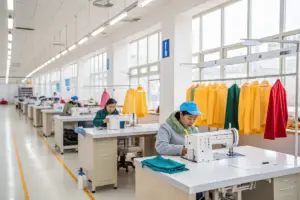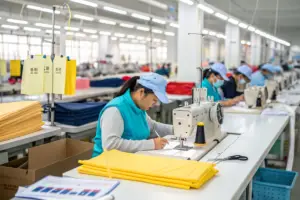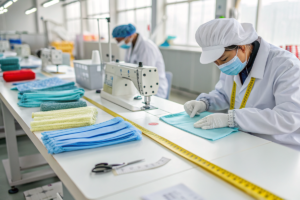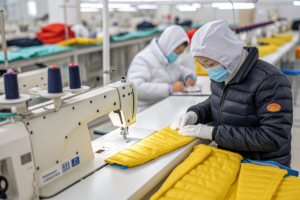
A few years ago, a brand owner came to me with a branding dilemma. He had built a successful direct-to-consumer label selling premium classic shorts. His brand identity was built on transparency, quality, and ethical production. His product was manufactured in our factory in Shanghai, where he had visited multiple times, where he knew the workers by name, and where he had personally inspected the quality systems. But the "Made in China" label on his shorts was creating a problem. Some of his customers, influenced by stereotypes about Chinese manufacturing, were questioning the quality and the ethics of his product. He was not ashamed of where his shorts were made. He was proud of our factory. But the label was communicating something he did not intend. He asked me, "How do I tell the truth about where my shorts are made, in a way that my customers understand and trust?"
Creating authentic "Made In" branding for classic shorts manufactured in Asia requires moving beyond the mandatory country-of-origin label to a proactive, transparent narrative that tells the full story of the product's creation, including the specific factory, the people who made the garment, the quality standards, the ethical certifications, and the brand's direct involvement in the production process, transforming the "Made In" label from a potential liability into a proof point of the brand's commitment to quality, transparency, and responsible partnership.
At Shanghai Fumao, I have worked with many brands to develop this kind of authentic, transparent country-of-origin branding. The old model was to hide the "Made in China" label, to make it as small and as inconspicuous as legally possible. The new model is to lead with it, to tell the story behind it, and to make it a point of pride. Let me walk you through exactly how to do this.
What Is the Legal Requirement for Country of Origin Labeling on Shorts?
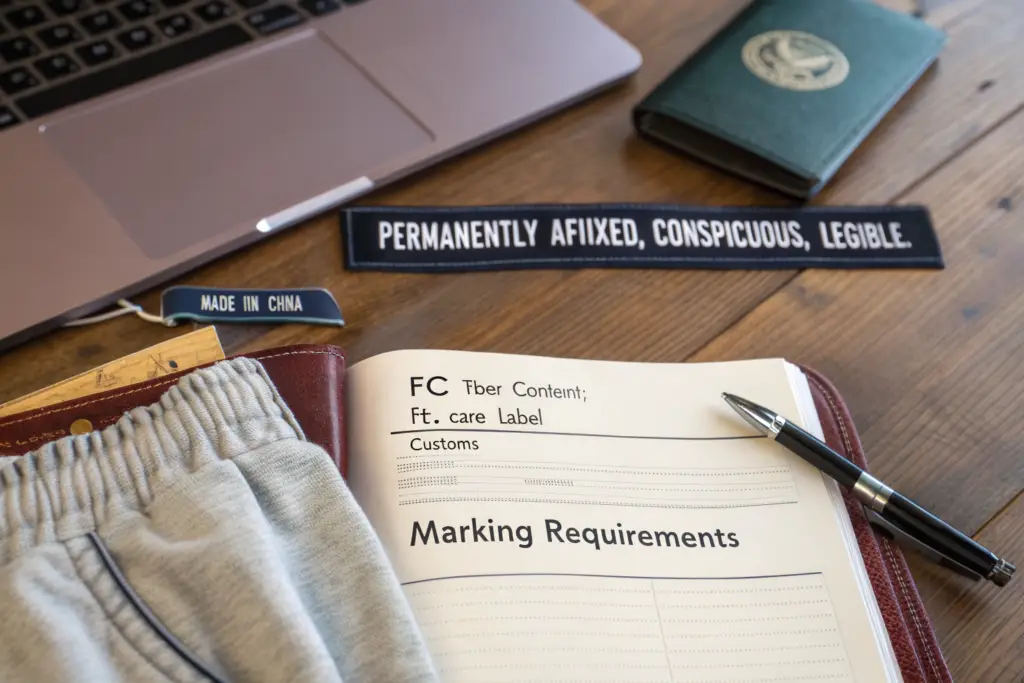
The country of origin label is not a branding choice. It is a legal requirement. Every garment imported into the United States must be marked with its country of origin in a specific manner. The mark must be permanent, meaning it must survive through the distribution process and be visible to the ultimate purchaser. It must be conspicuous, meaning it must be placed where the consumer can easily find and read it. It must be legible, meaning the text must be of a sufficient size and contrast. The brand that understands these requirements can comply with them while also using the label as an opportunity for authentic communication.
The legal requirement for country of origin labeling on classic shorts imported into the United States is governed by US Customs and Border Protection regulations, which mandate that the garment be marked with its country of origin in English, in a conspicuous location such as the inside center back of the waistband, using a permanent method such as a woven label or a durable printed label, with lettering of a reasonable size and in a color that contrasts with the background, and that the label must not be obscured by any other label, hangtag, or packaging, with the penalty for non-compliance including detention of the shipment at the border, fines, and potential seizure of the goods.
Where Must the Country of Origin Label Be Physically Placed on a Short?
The country of origin label on a pair of shorts is typically placed on the inside center back of the waistband. This location is standard across the apparel industry. It is where the consumer expects to find the label. It is conspicuous when the consumer examines the garment.
The label can be a woven label, a printed satin label, or a heat-transfer print, provided it is permanent and legible. It is often combined with the brand label or the size label on a single tag. The country of origin can be printed on the reverse side of the main brand label. The legal requirement is that the information is present, conspicuous, and permanent. This US customs country of origin marking requirements is the legal foundation upon which the brand's authentic narrative can be built.
How Do the FTC Fiber Content and Care Labeling Rules Interact with Origin Marking?
In addition to the country of origin, the garment must carry a fiber content label and a care instruction label. The fiber content label, required by the Federal Trade Commission, must disclose the fiber composition by percentage in descending order of predominance. The care label must provide clear instructions for washing, bleaching, drying, and ironing.
These labels are typically combined into a single, multi-panel label that includes the brand name, the country of origin, the fiber content, the care instructions, and the RN number. The label is a legal document as well as a branding opportunity. The brand should design the label to be clear, compliant, and consistent with its brand identity. This FTC textile labeling rules compliance is the baseline. The authentic branding goes beyond it.
How Can You Transform "Made in China" from a Liability into an Asset?
The stigma that some consumers attach to "Made in China" is a reality that brands must address. The response to this stigma should not be to hide the label, to use euphemisms, or to hope the customer does not notice. The response should be to educate the customer. The label should be the starting point of a story, not the end of a conversation. The brand that tells the story of its specific factory, its specific quality standards, and its specific ethical commitments transforms the country of origin from a generic, potentially negative association into a specific, positive one.
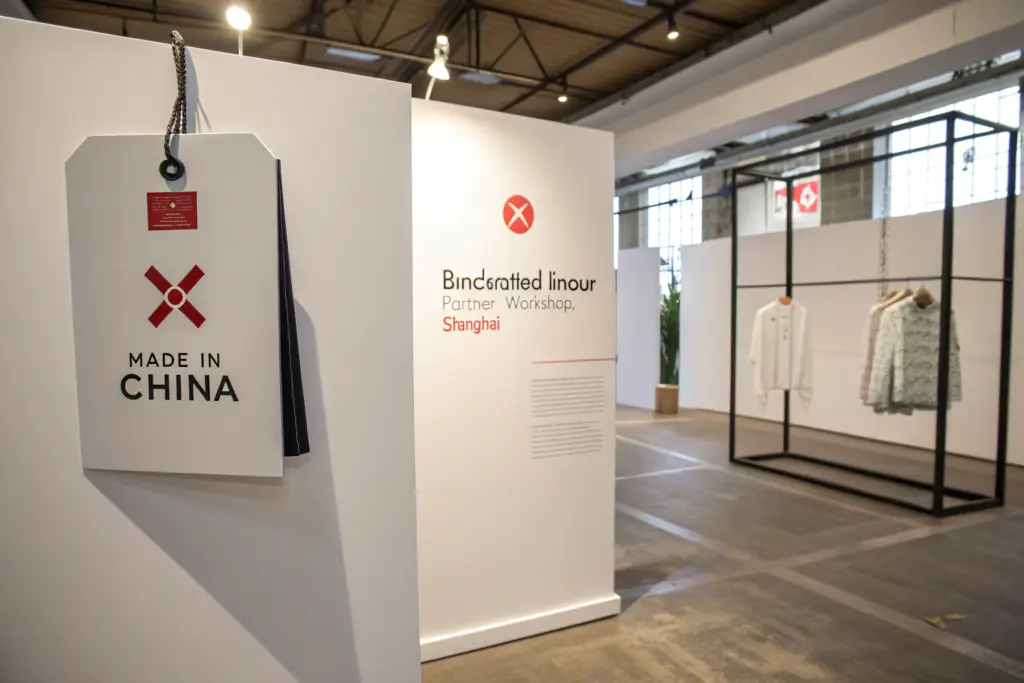
Transforming "Made in China" from a liability into an asset requires a proactive brand narrative that tells the specific story of the product's origin, including the name and location of the factory, the factory's history and specialization, the quality certifications and social compliance audits the factory holds, the brand's direct relationship with the factory and its workers, and the specific construction techniques and quality standards that make the product exceptional, with this narrative delivered through a dedicated "Our Factory" page on the brand's website, a hangtag or packaging insert that tells the factory's story, and social media content that shows the factory floor, the workers, and the production process.
What Should an "Our Factory" Page on Your Website Include?
The "Our Factory" page is the centerpiece of the authentic origin narrative. It should not be a generic page with stock photography of an anonymous factory. It should be specific, personal, and transparent.
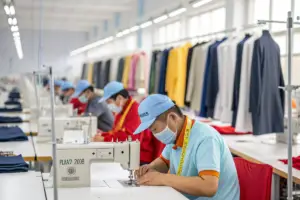
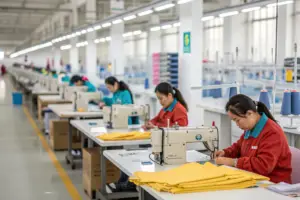
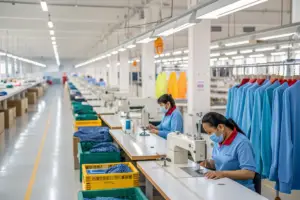
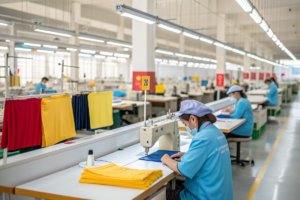
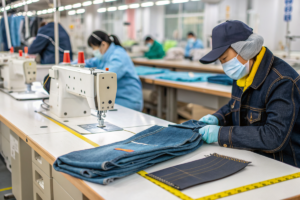
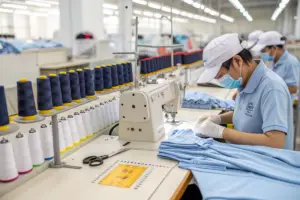
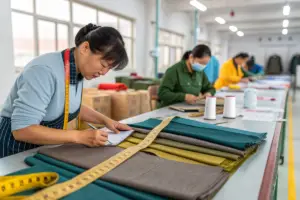
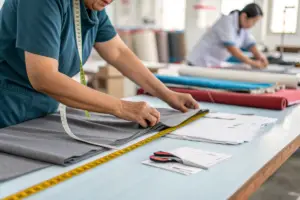
The page should name the factory, "Shanghai Fumao Garment Co., Ltd." It should show photographs of the actual factory floor, the cutting tables, the sewing lines, and the quality control stations. It should show photographs of the factory workers, with their permission, and tell a brief story about the factory's history and specialization. It should list the factory's certifications, BSCI, SEDEX, ISO 9001, GOTS, with links to the verification portals. It should include a quote from the brand founder about why they chose this specific factory and what the partnership means. This level of transparency is disarming. The customer who might have been suspicious of "Made in China" reads the story, sees the photographs, and understands that this is not an anonymous sweatshop. It is a specific, quality-focused manufacturing partner. This transparent supply chain marketing approach has been successfully used by brands to build trust and differentiate themselves.
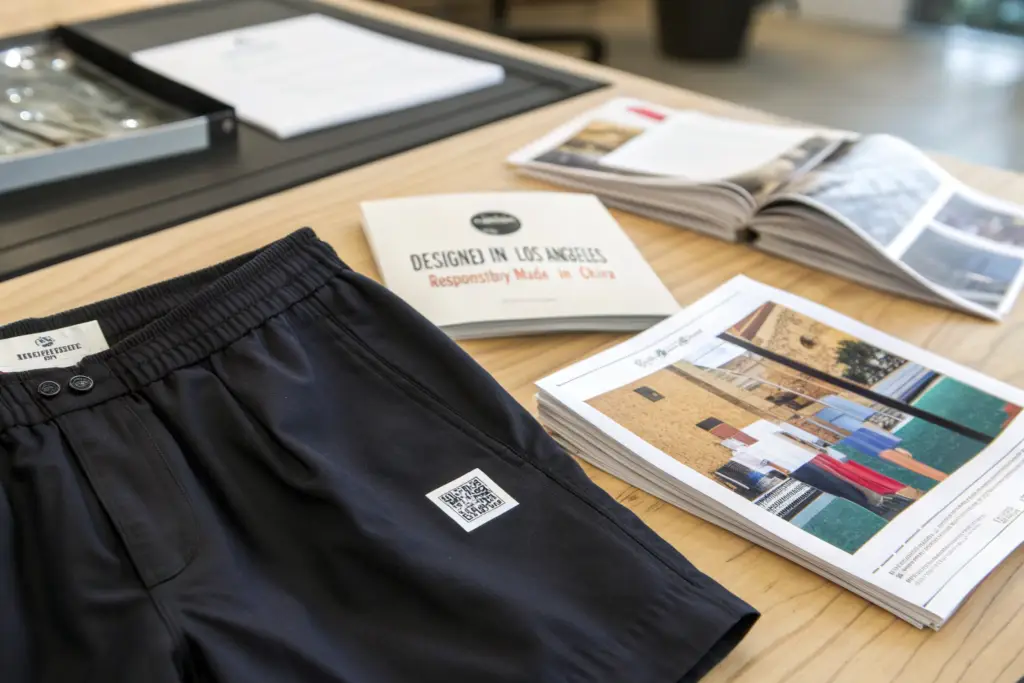
A QR code printed on the hangtag or the interior label can link the consumer directly to the "Our Factory" page, or to a video of the shorts being made. When the consumer scans the code with her smartphone, she is taken to a short, beautifully produced video showing the cutting, sewing, and finishing of the shorts in the actual factory where her specific pair was made.
This connection closes the loop. The consumer holds the physical product in her hands. She scans the code. She sees the factory floor. She sees the workers who made her shorts. The country of origin is no longer an abstract concept. It is a place, a process, and a group of people. The brand that provides this level of transparency earns a level of trust that no amount of marketing copy can replicate. This QR code supply chain transparency technology is simple, low-cost, and increasingly expected by consumers who care about the origin of their clothing.
How Should You Ethically Highlight the "Designed In" Versus "Made In" Distinction?
Many brands design their products in the United States or Europe and manufacture them in Asia. The "Designed in California, Made in China" formulation is common. The distinction is legally permissible and factually accurate. But it can be communicated in a way that respects the manufacturing partner, or in a way that diminishes the manufacturing partner. The ethical approach is to present the design and the manufacturing as equal, complementary contributions to the final product, with neither being privileged over the other.
The "Designed In" and "Made In" distinction should be communicated as a partnership narrative, not a hierarchy, with the brand's design contribution and the factory's manufacturing contribution presented as equally essential, using language that is factual and respectful, avoiding any implication that the manufacturing location is inferior or that the design location is superior, and ensuring that the visual hierarchy of the labels does not relegate the manufacturing partner to a hidden, barely legible location while giving the design location prominence.
What Language Frames the Design and Manufacturing as Equal Partners?
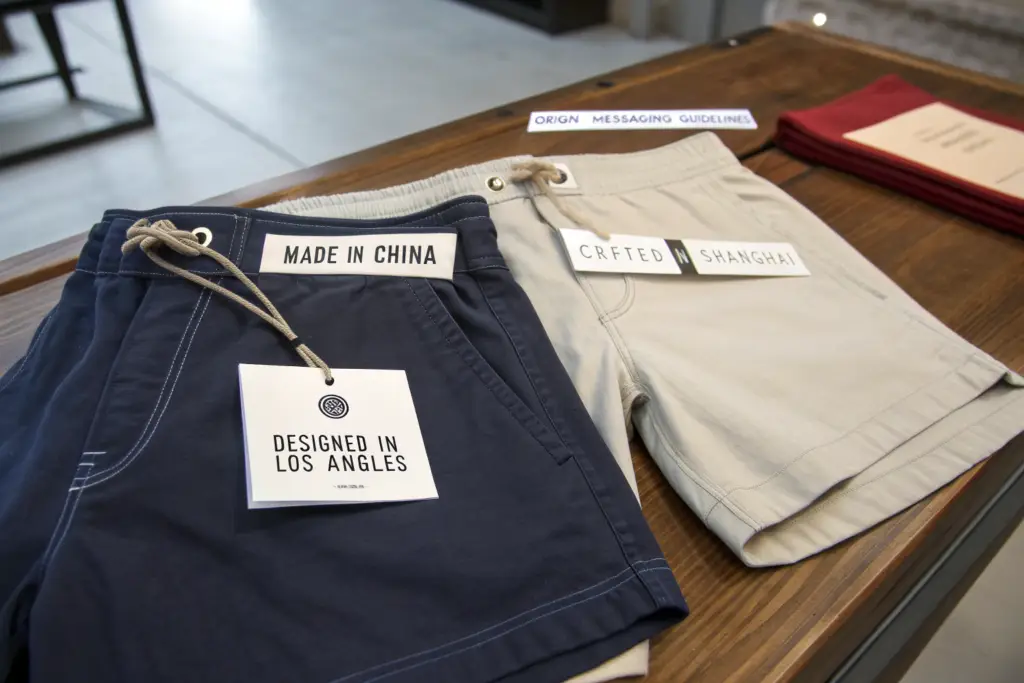
The phrase "Designed in Los Angeles, Made in China" is legally accurate but can imply a hierarchy. The design is the creative, valuable activity that happens in California. The manufacturing is the executional, less valuable activity that happens in China. This implication is inaccurate and disrespectful to the skilled labor that produces the garment.
Alternative phrasing can communicate partnership. "Designed in Los Angeles, Responsibly Crafted in Shanghai." "Design by [Brand Name], Los Angeles. Production by Shanghai Fumao, our partner since 2018." "Conceived in California, Brought to Life in China." These formulations recognize both contributions. They tell the customer that the brand values its manufacturing partner, not that it tolerates its manufacturing location. This ethical country of origin communication approach aligns with the values of transparency and respect that modern consumers increasingly demand.
How Should the Labels Be Visually Balanced to Avoid Implying Hierarchy?
The legal country of origin label is typically small and located inside the waistband. The "Designed In" statement is often placed on a hangtag, which is larger, more visible, and more prominent. This visual hierarchy, whether intentional or not, communicates that the design location is more important than the manufacturing location.
The brand that wants to communicate partnership should balance the visual presentation. The hangtag can include both the design location and the manufacturing location in equal font size and weight. The interior label can include a statement of partnership. The brand's website and marketing materials should give visual and narrative space to the manufacturing story, not just the design story. This branding and label design for transparency approach aligns the visual communication with the brand's stated values.
How Can Factory Partnerships Become a Unique Selling Proposition (USP)?
The relationship between a brand and its factory is not just an operational detail. It can be a powerful competitive differentiator. In a market where most brands are opaque about their supply chains, the brand that is transparent stands out. The brand that can name its factory, show its factory, and tell the story of its partnership with its factory has a marketing asset that its competitors cannot easily replicate. The factory partnership becomes part of the brand's identity and its value proposition to the customer.
A brand's specific, transparent relationship with its manufacturing partner can be developed into a unique selling proposition by treating the factory's story, the factory's certifications, the factory's craft, and the brand's direct involvement in the production process as marketing content, not just operational details, communicating to the customer that the brand's shorts are not just another anonymous product from an anonymous supply chain, but are the result of a specific, quality-focused, ethically managed partnership, a message that resonates powerfully with consumers who are increasingly seeking authenticity, transparency, and accountability in the products they buy.
How Can a Factory's Certifications Become a Consumer-Facing Trust Signal?
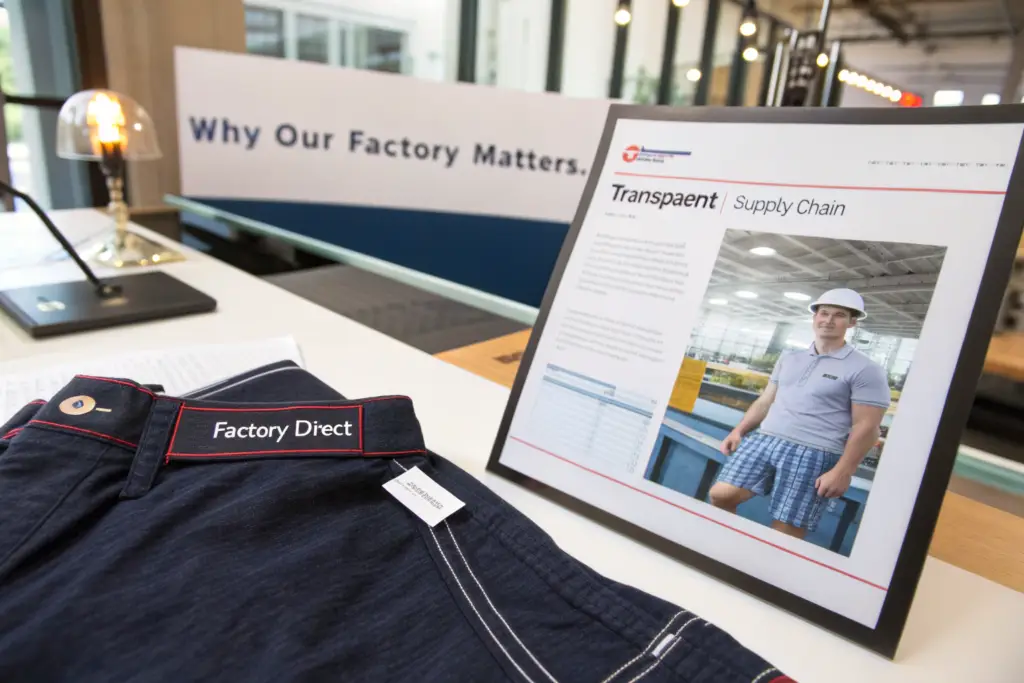
The factory's BSCI audit, its GOTS certification, and its ISO 9001 registration are typically invisible to the consumer. They are documents that the brand shows to wholesale buyers or files for compliance purposes. But these certifications can also be powerful consumer-facing trust signals.
The brand can include the certification logos on its hangtag or its product page. "Made in a BSCI Audited Factory," with the BSCI logo. "Produced in a GOTS Certified Facility," with the GOTS logo. The customer may not understand what BSCI or GOTS means specifically, but the presence of independent, third-party certifications communicates that the factory has been verified, that standards are being met, and that someone is watching. This third-party certification as consumer trust signal is a shortcut to credibility that many brands underutilize.
What Content Brings the Factory Partnership to Life for the Consumer?
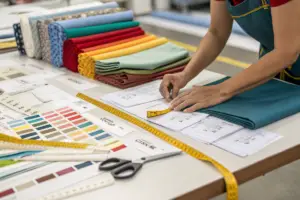
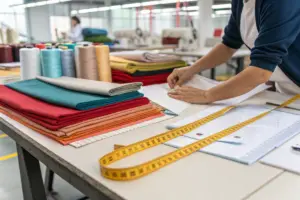
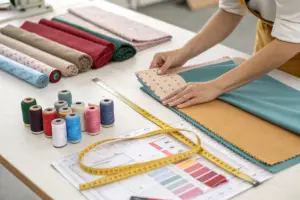
The most powerful content is specific and human. A short video showing a skilled sewing operator attaching a waistband with precision. A photograph of the factory's quality control team inspecting the brand's shorts. An interview with the factory owner about the partnership. A behind-the-scenes look at the cutting room, with the brand's fabric on the cutting table.
This content brings the factory partnership to life. The customer who watches the video, sees the photographs, and reads the interview develops a relationship with the factory. The shorts are no longer a commodity. They are the product of a specific place, made by specific people, in partnership with the brand. This emotional connection builds loyalty and reduces price sensitivity. This behind-the-scenes factory content marketing approach transforms the supply chain from a cost center into a marketing asset.
Conclusion
Creating authentic "Made In" branding for classic shorts manufactured in Asia is not about hiding the country of origin or spinning it with clever marketing language. It is about telling the truth, the full truth, about where the shorts come from and who made them. The truth, when told well, is more compelling than any evasion. The specific factory, with its name, its location, its certifications, its workers, and its story, is a far more interesting and trustworthy origin than the anonymous implication of "Made in China."
The brand that invests in this transparency, through its website, its hangtags, its labels, and its content, builds a relationship of trust with its customer that is difficult for competitors to replicate. The factory partnership becomes a unique selling proposition. The country of origin label becomes a point of pride.
At Shanghai Fumao, we are proud of our factory, our workers, and our quality systems. We welcome our brand partners to tell our story, to show our factory, and to use our partnership as a proof point of their commitment to quality and transparency. If you are rebranding your classic shorts line and want to build an authentic, transparent origin narrative with a manufacturing partner who is proud to be part of your story, contact our Business Director, Elaine, at elaine@fumaoclothing.com. Let's tell the truth together.