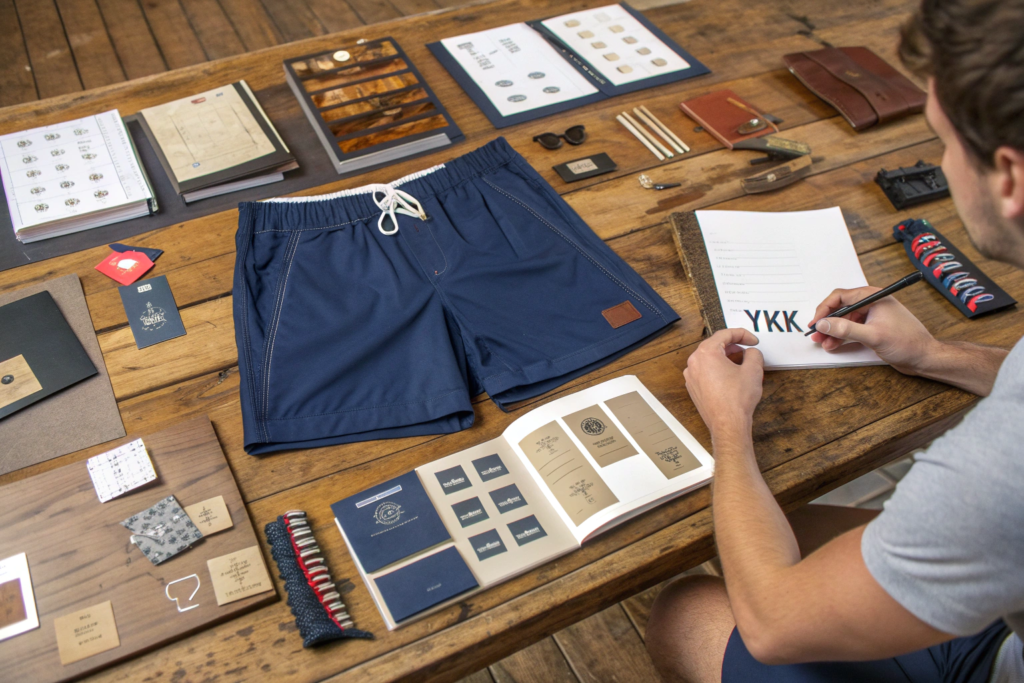
A few years ago, a brand owner came to me in a state of quiet panic. He had spent six months and a significant budget on a complete rebrand. New logo, new color palette, new brand story, new website. Everything was ready. The launch date was set. Then he realized that the 8,000 pairs of classic shorts he had ordered from his previous factory were already in production with the old branding. The old logo was woven into the labels. The old hangtags were printed. The old packaging was ordered. He had to either delay his launch by three months or launch his new brand with old-branded product. He delayed. The missed season cost him far more than the rebranding production work would have. He told me afterward, "I planned the rebrand perfectly except for the part that actually touches the product."
Fumao Clothing handles the rebranding details for a classic shorts company through a structured, multi-stage process that begins with a comprehensive branding audit to identify every physical touchpoint on the garment and its packaging that carries the old brand identity, continues with the sourcing and production of all new branded components including woven labels, care labels, hangtags, zipper pulls, buttons, and packaging elements, and concludes with a phased implementation plan that manages the transition from old to new branding across in-production, in-transit, and in-inventory product, ensuring a seamless brand transition without costly production delays or inventory write-offs.
At Shanghai Fumao, I have guided numerous brand partners through rebranding transitions. The rebranding of a physical product is a manufacturing project, and it requires the same discipline, the same timeline management, and the same attention to detail as the product development itself. Let me walk you through exactly how we manage this process.
What Physical Touchpoints Need Rebranding on a Classic Short?
The first step in a rebranding project is identifying everything that carries the old brand identity. This seems obvious, but it is almost always more extensive than the brand owner initially thinks. The main label on the waistband is obvious. The care label with the old brand name and RN number is slightly less obvious. The hangtag is obvious. The button with the embossed old logo is often forgotten. The zipper pull with the engraved old brand name is frequently overlooked. The packaging, the polybag, the box, the tissue paper, the sticker, is sometimes not even considered part of the product until the last moment.
A complete physical rebranding of a classic short covers six primary touchpoints: the main brand label, which includes both the design of the woven or printed label and its placement on the waistband or pocket, the care and content label, which must be updated with the new legal brand name and RN number if changed, the hangtag and any additional swing tags, which carry the most visible brand messaging, the hardware branding, including any logo-embossed buttons, engraved zipper pulls, or branded rivets, the internal branding elements such as printed pocket bag logos or inner waistband prints, and the packaging, including polybags, boxes, tissue paper, stickers, and any shipping materials that carry brand identity.
Why Is the Hardware Branding Audit the Most Commonly Overlooked Step?
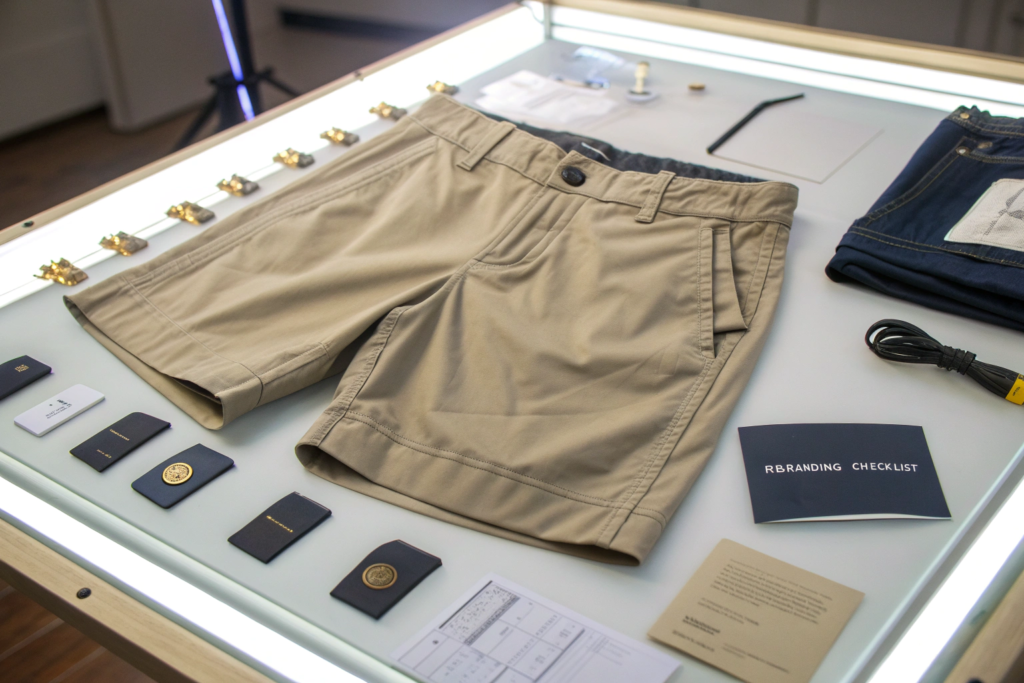
The main label and the hangtag are designed by the brand's graphic designer. The brand owner reviews and approves them. They are part of the conscious rebranding project. The hardware, the buttons, the zipper pulls, the rivets, was often developed years ago, by a previous employee, with a supplier that may no longer be active. The brand owner may not even remember that the button has an embossed logo. The mold for that button may be lost. The minimum order quantity for a new mold may be higher than expected.
The hardware audit requires physically examining a sample of the current product and identifying every component that carries a logo, a brand name, or a distinctive brand element. Each component is documented with a photograph and a specification. The feasibility of replicating or redesigning each component is assessed. The lead time for new molds and new production is determined. This custom garment hardware branding audit often reveals complications that the brand owner had not anticipated. At Shanghai Fumao, we conduct this audit as the first step in every rebranding project.
How Do Care Label Legal Requirements Constrain a Rebrand?
The care label is not just a branding element. It is a legal document. In the United States, the Federal Trade Commission requires that care labels include specific information in a specific format. The brand name or Registered Identification Number must appear on the label. If the rebrand includes a legal name change, the RN number may need to be updated, which requires filing with the FTC.
The fiber content disclosure must be accurate and in the correct order. The country of origin must be stated. The care instructions must be provided in the correct symbol format or written language. A rebrand that changes the brand name but not the legal entity may require only a label redesign. A rebrand that involves a new corporate entity requires new RN registration and potentially new testing documentation for the fiber content. This FTC care labeling rules compliance aspect of rebranding is often overlooked until the last moment, when it becomes a crisis.
What Is the Timeline for Sourcing and Producing New Branded Components?
The timeline for rebranding components is the most common source of project failure. A brand owner assumes that changing a label is a simple, quick process. The label itself may be simple, but the procurement process for that label follows the same sequence as any other custom-manufactured component. The sequence cannot be meaningfully shortened beyond a certain point, because it involves physical tooling, physical production, and physical shipping. Understanding the real lead times for each component is essential for building a rebranding timeline that works.
The timeline for sourcing and producing new branded components for classic shorts follows a sequence that begins with design finalization and approval, typically one to two weeks, followed by the component-specific procurement cycle: two to four weeks for woven labels, three to four weeks for printed care labels, four to eight weeks for custom-engraved or embossed hardware which requires new mold fabrication, two to three weeks for printed hangtags, and two to three weeks for custom packaging, with the entire component procurement process requiring a total of six to twelve weeks from design approval to receipt of finished components, depending on the complexity of the hardware requirements.
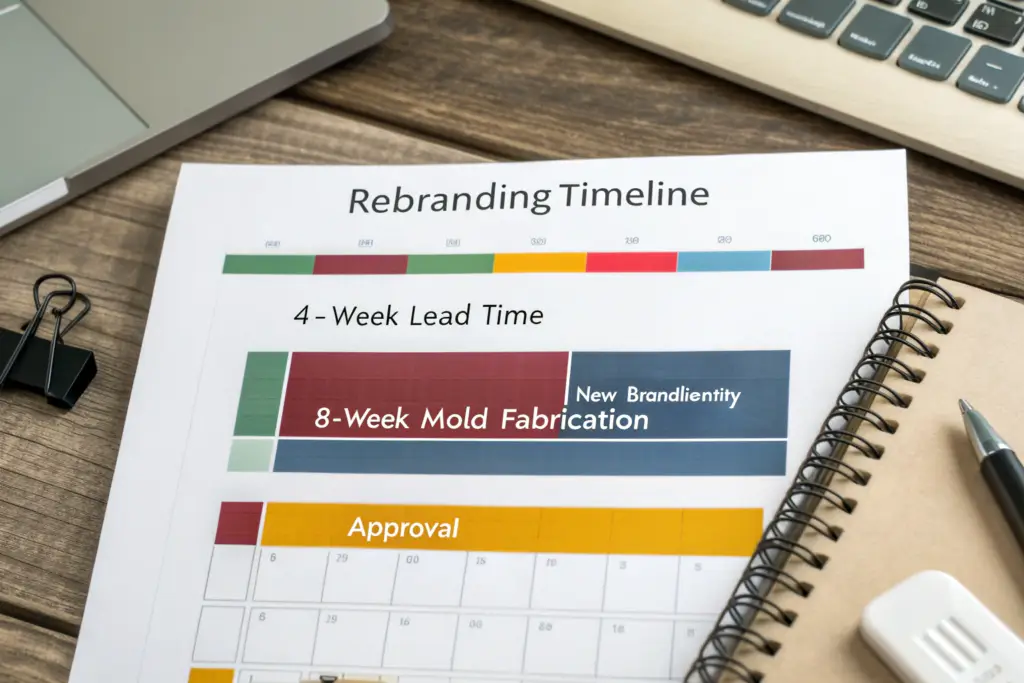
Woven labels are produced on specialized looms. The label design is converted into a weaving program, a digital file that controls the loom. A sample is woven and sent for approval. The approval may take one round or several. Once approved, the bulk production runs. The labels are cut, folded, and packaged. The total process, from final design approval to receipt of finished labels, is typically three to four weeks for a standard woven label.
Hangtags are printed on paper stock, often with foil stamping, embossing, or other specialty finishes. The printing plates must be produced. A proof is printed and sent for approval. Bulk printing follows approval. The total process is typically two to three weeks. If the label or hangtag design is simple and the factory has stock materials available, these timelines can be compressed by a week. If the design is complex, involves multiple colors, or requires specialty materials that must be ordered, the timelines can extend. This custom clothing label production timeline reality must be factored into the rebranding plan.
Why Do Custom Buttons and Zipper Pulls Have the Longest Lead Times?
Custom hardware requires a mold. The mold is a precision-machined metal tool that forms the logo or design onto the button face or the zipper pull. Mold fabrication is a skilled trade. The mold shop receives the digital design file, programs the CNC machine, and cuts the mold from a block of steel or brass. The process takes time and cannot be rushed.
Once the mold is fabricated, a sample is produced from the mold and sent for approval. If the sample is approved, bulk production proceeds. If adjustments are needed, the mold is modified. The total process for custom buttons, from design approval to receipt of finished buttons, is typically six to eight weeks. Custom zipper pulls are similar. The mold must be fabricated, a sample produced and approved, and bulk production completed. This custom button and zipper pull manufacturing lead time is the longest pole in the rebranding tent. At Shanghai Fumao, we initiate the hardware procurement process immediately upon design approval to prevent it from delaying the overall project.
How Do You Manage the Transition from Old to New Branding on Existing Inventory?
The rebranding of a classic shorts line rarely happens at a clean break point. There is almost always existing inventory with the old branding. There may be goods in production with the old branding. There may be goods in transit with the old branding. A brand that launches its new identity while still selling old-branded product creates confusion. A brand that writes off its old-branded inventory creates a financial loss. The transition must be managed as a phased process.
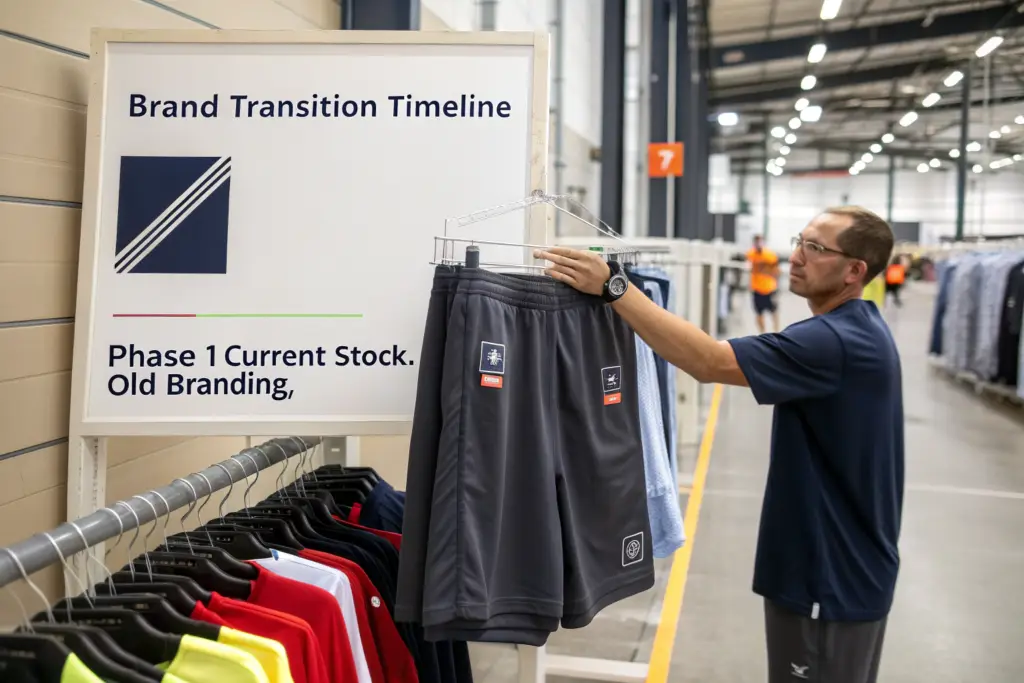
Managing the transition from old to new branding on existing classic shorts inventory requires a three-phase approach: the sell-through phase, where existing old-branded inventory is sold down to a predetermined minimum level before the new branding launch date, the cut-in phase, where new branded components are introduced into production while any remaining old-branded components are consumed or responsibly disposed of, and the full conversion phase, where all product in the market and in production carries only the new brand identity, with the timeline for each phase determined by the inventory position, the component procurement timelines, and the marketing launch calendar.
What Is the "Sell-Through and Cut-In" Strategy?
The sell-through phase begins months before the rebranding launch. The brand assesses its current inventory of old-branded shorts. It calculates the sell-through rate, the number of units sold per week. It determines the date by which the old inventory will be depleted at the current sales rate. If the depletion date is after the planned launch date, the brand either accelerates sales through promotions or accepts that old-branded product will be sold concurrently with the new launch.
The cut-in phase is the transition point in production. The new labels, hangtags, and hardware arrive at the factory. The factory continues producing shorts using the existing production line. At a specified cut-in date, the old branded components are removed from the production line and the new branded components are introduced. The garment itself does not change. Only the branding changes. This brand transition inventory management strategy minimizes waste and avoids production line downtime.
How Should Surplus Old-Branded Components Be Handled?
After the cut-in date, there will be surplus old-branded components. Labels, hangtags, buttons, zipper pulls, packaging. These components represent a sunk cost. They cannot be used on new production because they carry the old brand identity. They cannot be returned to the supplier. The options are disposal or, in some cases, responsible donation.
Disposal must be handled securely. Old-branded components, particularly labels and hangtags, can be misused if they fall into the wrong hands. They should be destroyed or recycled under supervision. Documentation of the disposal should be retained for brand protection records. Some components, such as generic buttons or zippers without branding, can be repurposed for other projects. This surplus inventory disposal best practices process is the final step in the physical rebranding transition. At Shanghai Fumao, we manage this process for our brand partners, providing documentation of the disposal and recycling of old-branded components.
How Can the Rebrand Itself Become a Quality Upgrade Opportunity?
A rebrand is not just a change of logo. It is a moment when the brand redefines its identity, its positioning, and its promise to the customer. That moment should be reflected not just in the graphic design of the new branding, but in the physical quality of the branded components. A rebrand that places a new logo on the same cheap paper hangtag and the same basic resin button as the old brand is a missed opportunity. The rebrand should be a quality upgrade.
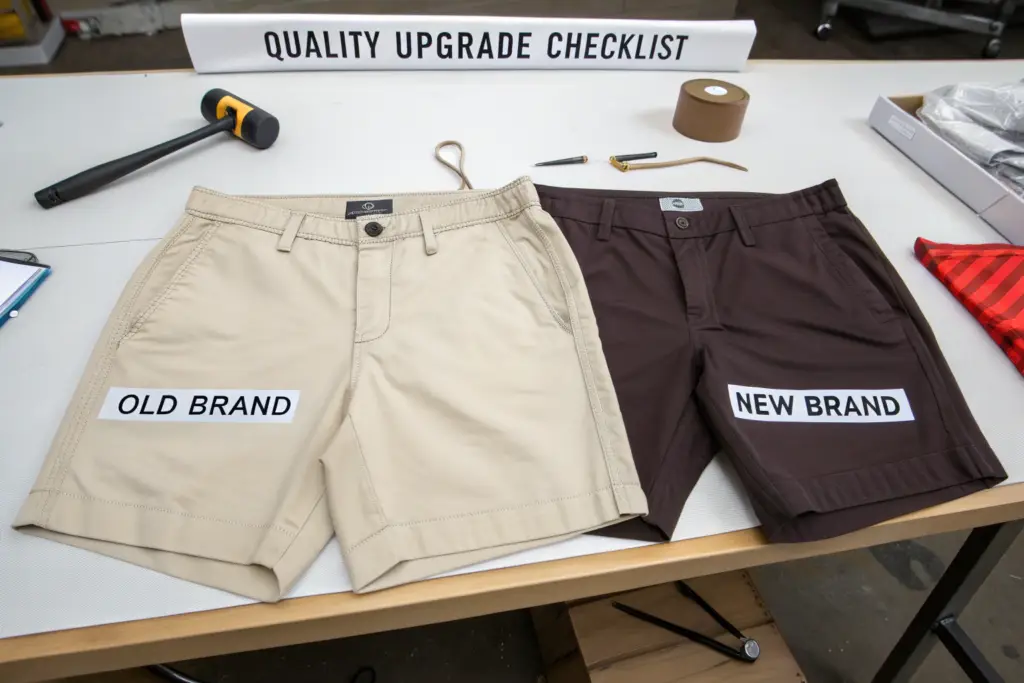
A classic shorts rebranding project should be leveraged as an opportunity to upgrade the physical quality of the branded components, moving from a basic paper hangtag to a textured, premium card stock with foil stamping, from a standard resin button to a genuine horn, corozo, or mother-of-pearl button, and from a simple woven label to a soft, detailed damask weave or a genuine leather patch, with these tangible upgrades providing immediate, tactile evidence to the customer that the rebrand represents a genuine elevation of the brand, not just a graphic redesign.
How Does Hangtag Material and Finish Communicate the New Brand Position?
The hangtag is the first physical interaction the customer has with the brand. It is touched when the customer picks up the short from the rack or removes it from the polybag. A flimsy, standard paper hangtag printed in black ink communicates a basic, value-oriented brand. A thick, textured card stock hangtag with foil stamping, embossing, and a soft-touch finish communicates a premium, considered brand.
The hangtag redesign should reflect the new brand positioning. A brand moving from mass-market to contemporary premium should upgrade its hangtag material, printing technique, and design sophistication. A brand moving from contemporary to luxury should add a second hangtag, a hand-signed quality assurance card, or a story card that communicates the product's provenance and construction details. This luxury hangtag and packaging design upgrade is a small incremental cost with a large perceptual impact.
Why Should You Upgrade the Main Label and Hardware Simultaneously?
The main label on the waistband is visible every time the customer puts on the shorts. It is touched every time. A scratchy, basic woven label with loose threads is a daily irritation that degrades the brand experience. A soft, fine-weave damask label with sealed edges is a daily reminder of quality.
The button is touched every time the shorts are fastened. A lightweight, hollow-feeling plastic button communicates cheapness. A heavy, cool-to-the-touch genuine horn or corozo button communicates luxury. The rebranding moment is the natural time to upgrade these components because the old components must be replaced anyway. The incremental cost of upgrading from a basic button to a premium button, or from a basic label to a premium label, is small relative to the total cost of the component procurement process. The perceptual return is large. This garment trim and label upgrade strategy approach turns the rebrand into a genuine product improvement.
Conclusion
Handling the rebranding details for a classic shorts company is a manufacturing project with a marketing outcome. It begins with a comprehensive audit of every physical touchpoint that carries the old brand identity, from the main label to the zipper pull to the polybag. It continues with a carefully managed procurement process for the new branded components, respecting the real lead times that custom hardware, woven labels, and printed materials require. It navigates the transition from old to new branding across existing inventory, in-production goods, and future production, using a phased sell-through and cut-in strategy that minimizes waste and avoids market confusion. And it leverages the rebranding moment as an opportunity to upgrade the physical quality of the branded components, turning a graphic redesign into a tangible product improvement.
At Shanghai Fumao, I have managed this process for brands ranging from startups rebranding their first collection to established labels executing a complete identity overhaul. The process is methodical, the timeline is predictable, and the outcome is a seamless transition from old brand to new brand, executed on time and within budget.
If you are planning a rebrand for your classic shorts line and want a manufacturing partner who can manage the physical transition with the same care you have invested in the creative work, contact our Business Director, Elaine, at elaine@fumaoclothing.com. Let's ensure that every detail of your new brand shows up exactly where it matters: on the product your customer holds in her hands.