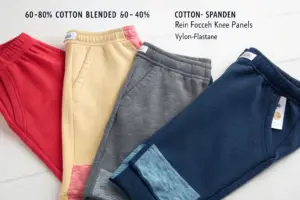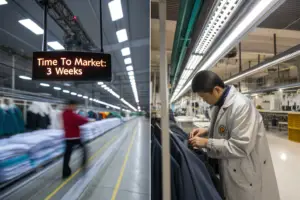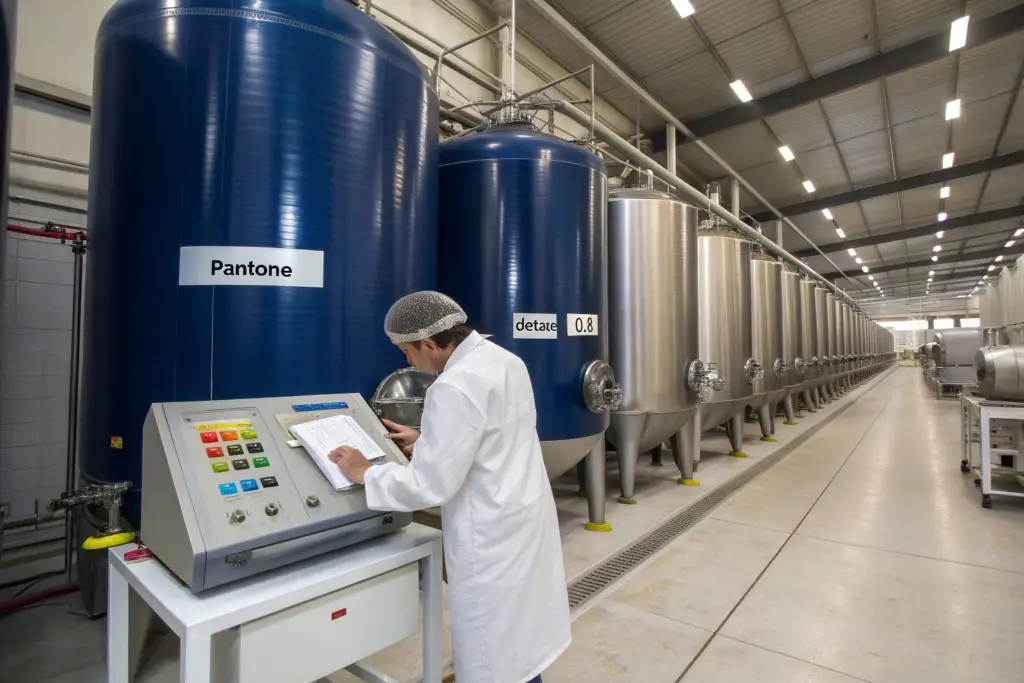
Four years ago, a Los Angeles-based premium basics brand received a shipment of 8,000 navy blue t-shirts from a factory they had worked with for two seasons. The factory had always delivered consistent color before. But this time, when the brand owner opened the cartons, he discovered a disaster. The navy shirts in carton one were a deep, true midnight blue. The shirts in carton seven were visibly lighter, with an almost purplish grey cast. The sleeves on some shirts were a slightly different shade than the body panels. The brand had already shot their campaign photos using the correct sample color. The retail buyers had approved the midnight blue swatch. The entire shipment was unsellable at full price, and the cause was a dye house that had split the order across three different dyeing machines without properly calibrating the dye concentration and temperature curves between batches.
The absolute top apparel factories consistently ensure perfect fabric dyeing across massive orders by deploying a closed-loop, automated spectrophotometer-based dye dispensing system that measures and adjusts the dye concentration in the bath in real-time, enforcing a strict "one dye lot, one machine" policy that prohibits splitting a single purchase order across multiple dyeing vessels with different thermal profiles, and requiring a final Delta-E color difference value of less than 1.0 between the approved lab dip swatch and every single roll in the production batch, verified by a third-party-accredited color lab technician before the fabric is released to the cutting room.
At Shanghai Fumao, I learned very early that dyeing is not an art. It is a chemical and thermal engineering discipline where a 1.5-degree Celsius temperature deviation in the dye bath or a 0.3 pH shift in the water can cause a visible, unacceptable shade variation across a massive order.
Why Is "One Order, One Machine" the Non-Negotiable First Principle of Bulk Fabric Dyeing?
A fast-growing menswear brand once placed a 12,000-unit order for burgundy chinos with a factory that had two medium-sized dyeing machines. The factory's production manager, under time pressure, split the fabric into two 6,000-unit batches and ran them through the two different machines simultaneously. Machine A was a three-year-old unit with a slightly worn heating element that consistently ran 1.2 degrees Celsius cooler than its digital display indicated. Machine B was a brand-new unit, perfectly calibrated. The fabric from Machine A emerged a shade lighter and with a subtle orange undertone that Machine B's output did not have. The brand owner discovered the discrepancy only after the trousers were cut, sewn, packed, and shipped.
"One Order, One Machine" is the non-negotiable first principle of bulk fabric dyeing because every industrial dyeing vessel, even identical models from the same manufacturer, develops a unique thermal fingerprint over its service life due to subtle variations in heating element efficiency, water circulation flow rate, and internal pressure consistency, meaning that the exact same dye recipe and cycle program will produce a microscopically different shade on a different machine, and no amount of post-dyeing inspection can fully correct this batch-to-batch variation once the fabric is cut.
The cost of cleaning and preparing a single large vessel for a massive run is higher in setup time, but the cost of splitting the order and reconciling two slightly different shade lots into a single garment assembly is astronomically higher.
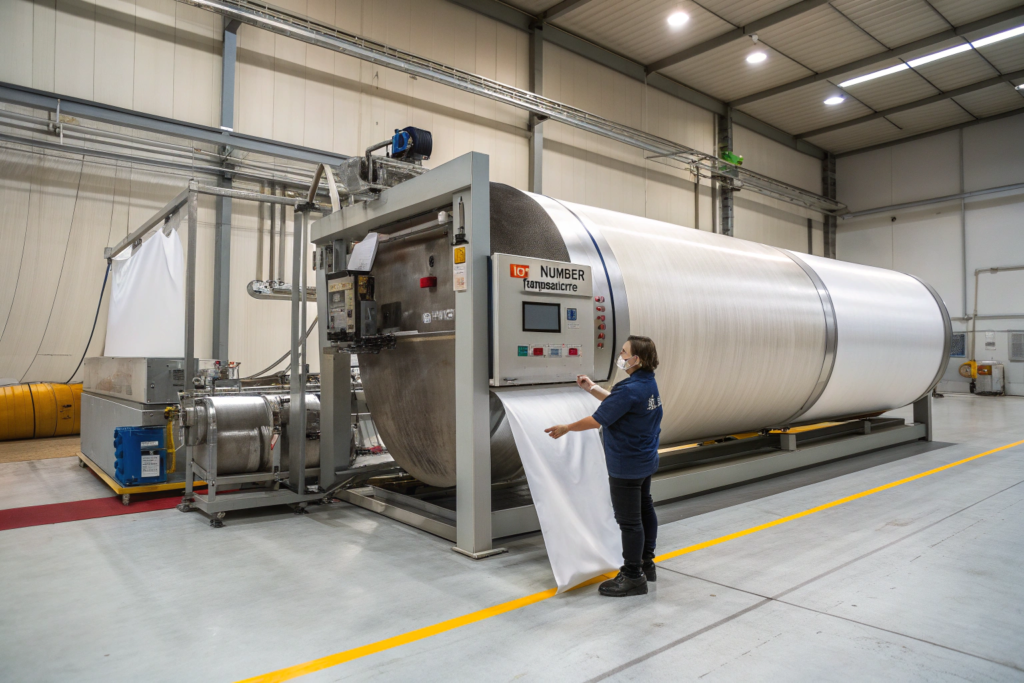
How Does a Thermal Fingerprint Difference Between Two "Identical" Machines Create a Visible Shade Shift?
The dye molecule's bonding reaction with the cotton fiber is temperature-dependent. A specific reactive red dye might achieve 95% fixation at 60 degrees Celsius but only 88% at 58.5 degrees Celsius. If Machine A's heating element cycles off slightly early due to a worn thermostat, the dye bath never quite reaches the target temperature, and the shade comes out fractionally lighter. The human eye can perceive a Delta-E (color difference) value of 2.0 or higher in side-by-side comparison. A single order split across two machines can easily generate a Delta-E of 1.8 to 2.5, which is visually detectable and commercially unacceptable.
What Is the Exact "Pre-Dyeing Vessel Qualification" Protocol That Certifies a Machine for a Specific Color?
Before we commit a massive order to a specific machine, we run a qualification test. We load a small, 50-meter test roll of the exact greige fabric into the candidate machine and run the full dye cycle. The output test roll is then measured at ten equidistant points using a spectrophotometer. The Delta-E variation across the ten points must be below 0.5. If any single point exceeds 0.5, the machine requires maintenance or calibration before the bulk run begins. This protocol prevents the "sleeve shade mismatch" that plagues cheap factories.
How Does an Automated "Closed-Loop" Dye Dispensing System Eliminate Human Measurement Error?
A European eco-fashion brand nearly cancelled a major organic cotton program after a human dye kitchen worker made a devastatingly simple error. The worker, mixing a custom sage green dye formula, misread the handwritten recipe card and added 3.2 kilograms of a yellow dye component instead of the specified 2.3 kilograms. The resulting fabric emerged a sickly, yellow-green chartreuse, not the calming, muted sage that the brand's entire seasonal collection was built around. The fabric was wasted, the production timeline collapsed, and the brand's trust in overseas manufacturing was shattered.
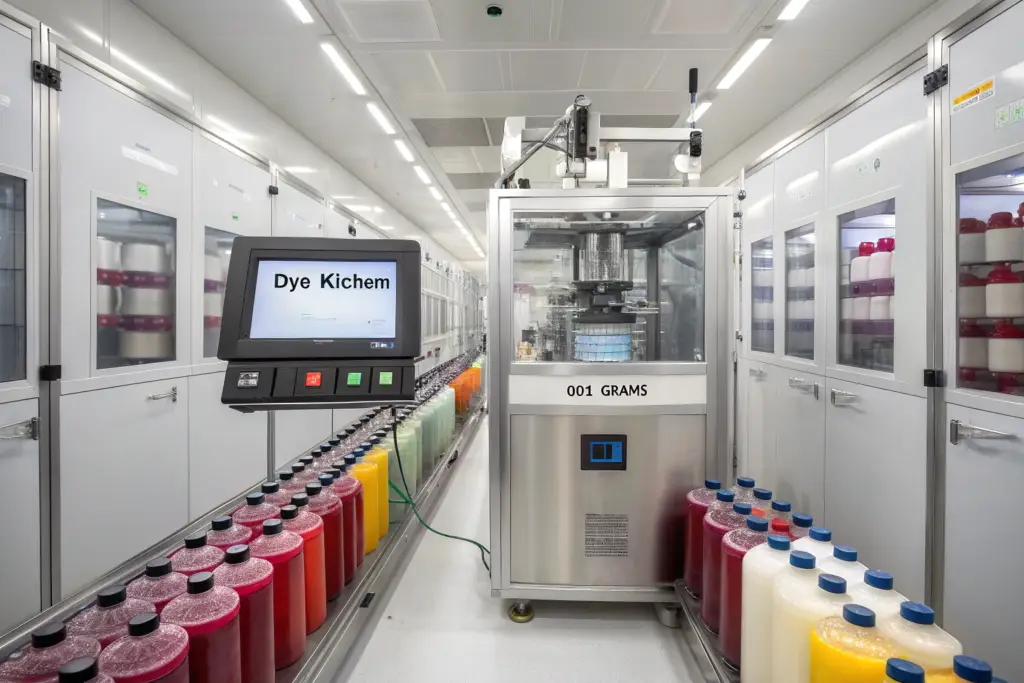
An automated closed-loop dye dispensing system eliminates human measurement error by storing all approved dye recipes as encrypted digital files, using precision robotic pumps to draw each liquid dye and auxiliary chemical to a weight accuracy of +/- 1 gram on a 50-kilogram batch, and continuously monitoring the dye bath's optical density in real-time during the exhaustion phase, automatically adjusting the dosing if the uptake rate deviates from the calibrated reference curve.
The human eye and hand cannot weigh dye powder to sub-gram precision consistently over an eight-hour shift. A robotic dispensing system can do it every 90 seconds without fatigue.
How Does a "Real-Time Optical Density Sensor" Inside the Dye Bath Prevent Mid-Cycle Shade Drift?
A probe inside the dyeing vessel continuously shines a specific wavelength of light through the circulating dye liquor and measures how much light is absorbed. As the fabric absorbs the dye, the optical density of the liquor decreases along a predictable curve. If the curve deviates—for example, if the dye is exhausting too quickly, indicating a potential uneven absorption—the system injects a metered dose of a leveling agent to slow the uptake and prevent patchy, uneven dyeing.
Why Does the Recipe Digitization Itself Close a Major Security Gap?
In a manual dye kitchen, a disgruntled or departing employee can steal the physical recipe book, which represents years of accumulated color-matching expertise. A digitized, encrypted recipe database is access-controlled and logged. I know exactly who accessed the burgundy chino recipe and when. This protects both the factory's intellectual property and the brand's unique, proprietary seasonal colors.
What Spectrophotometer Precision Standard Defines "Acceptable" Color Variation in 2026?
A Canadian technical apparel brand once rejected an entire 5,000-unit order of navy jackets from a factory that claimed the color was "within tolerance." The factory's tolerance was a Delta-E of 2.5, established internally without any agreement with the brand. Under a Delta-E of 2.5, the navy jackets displayed an obvious, visible shade difference when a jacket was paired with its matching trousers in a retail display. The brand's wholesale buyers refused the goods.
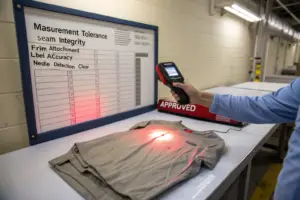
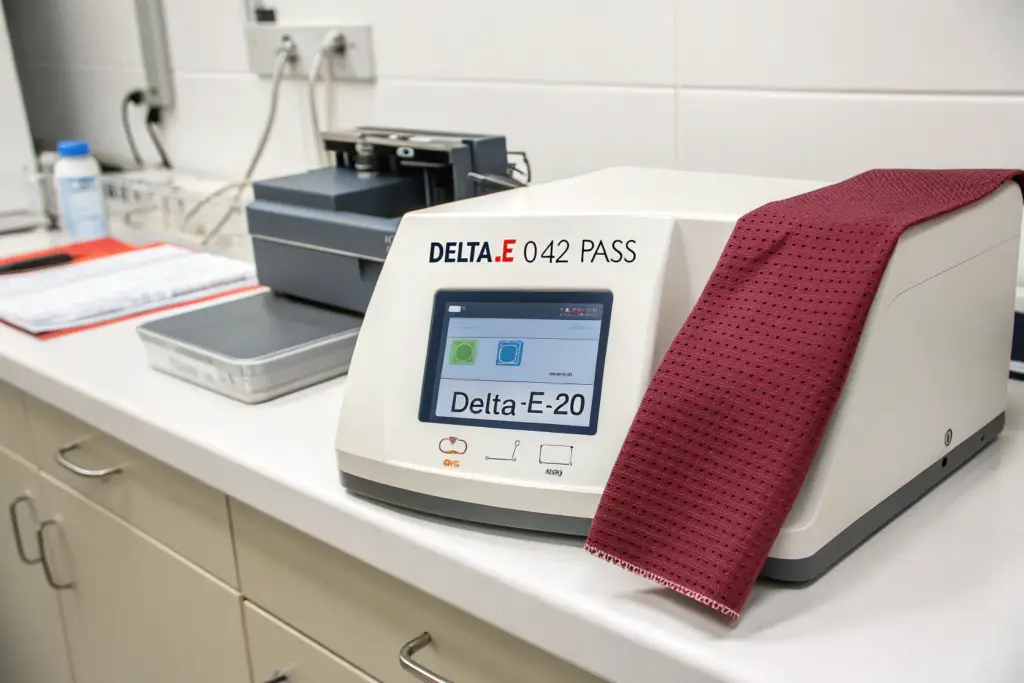
The spectrophotometer precision standard that defines acceptable color variation for top apparel factories in 2026 is a maximum Delta-E value of 1.0, measured under D65 daylight simulant lighting on a sphere-based benchtop spectrophotometer against the brand's physical, signed lab dip reference swatch, with measurements taken at no fewer than three points per fabric roll—left selvage, center, right selvage—and the entire batch rejected if any single measurement point exceeds Delta-E 1.0.
Delta-E is a mathematical calculation of the distance between two colors in a three-dimensional color space. A value of 0.0 means the colors are mathematically identical. A value of 1.0 is the threshold below which the average human eye cannot perceive a difference in a controlled side-by-side comparison.
How Does a "Sphere-Based" Spectrophotometer Differ From a Cheaper "45-Degree" Instrument?
A 45-degree spectrophotometer measures color at a fixed angle, similar to how a human eye might look at a smooth, flat surface. It misses the color contribution of the fabric's surface texture. A sphere-based spectrophotometer illuminates the fabric from all directions inside an integrating sphere, capturing the total color appearance including the effect of the textile's weave structure, pile, or brushing. For a brushed flannel or a textured slub linen, a sphere-based measurement is essential for accuracy.
Why Must the Measurement Be Taken at the Left, Center, and Right Selvage of Every Roll?
The dye liquor circulates through the fabric roll from the center outward. If the circulation pressure is uneven, the edges of the roll (the selvages) receive slightly different dye exposure than the center core. A measurement taken only at the center might show a perfect 0.3 Delta-E, while the left selvage could measure a 1.4, indicating a "side-to-center shading" defect. My fabric inspection protocol requires a minimum of three measurement points across the roll width.
How Does a Third-Party Dye House Audit Ensure Chemical Safety Without Compromising Color Vibrancy?
A German children's wear brand once rejected a batch of brilliantly vibrant, perfectly color-matched t-shirts because the chemical safety audit revealed a residue of a banned azo dye that released a carcinogenic amine above the legal detection limit. The factory had achieved the stunning, bright red color by using a cheap, unapproved dye formulation that had been banned in the EU since 2003. The color was visually perfect. The chemistry was illegal. The entire shipment was seized and destroyed.
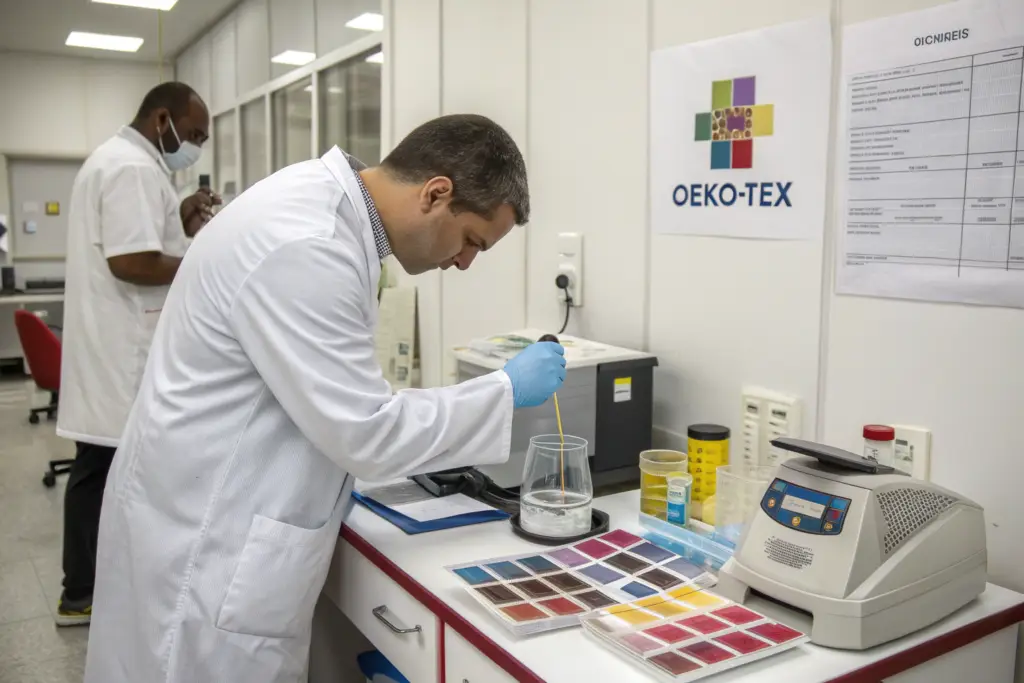
A third-party dye house audit ensures chemical safety without compromising color vibrancy by verifying that the specific dye formulations used to achieve a requested Pantone shade are drawn exclusively from an approved chemical inventory that has been pre-screened against the OEKO-TEX Standard 100 restricted substances list and the EU REACH Annex XVII banned azo dye catalog, and by conducting a random, post-dyeing chemical extraction test on a sacrificial fabric sample from the actual production batch to confirm that no banned amine or allergenic disperse dye is present at a concentration above 20 mg/kg.
The chemistry of achieving a specific, brilliant color is a trade-off. Some of the most vivid, cheapest red and yellow dyes are azo-based and can break down into carcinogenic amines. The master dyer must balance vibrancy with safety, and the audit verifies they made the right choice.
What Is a "Post-Dyeing Extraction GC-MS Test" and Why Does It Catch What a Recipe Audit Misses?
A recipe audit checks the chemical inventory list. A post-dyeing extraction test uses a gas chromatograph-mass spectrometer (GC-MS) to chemically analyze the actual finished fabric. Even if the correct, approved dye was purchased, a contaminated pipe or a shared mixing vessel could introduce a trace amount of a restricted substance from a previous batch. The GC-MS test on the final fabric detects this cross-contamination. I require this specific test for any kids' wear order.
How Do Low-Impact Fiber-Reactive Dyes Achieve the Same Color Fastness as Conventional Reactive Dyes?
Conventional reactive dyes often require a heavy urea-based printing or padding process and a subsequent, intensive wash-off that generates significant polluted wastewater. Low-impact fiber-reactive dyes have a much higher fixation rate—over 90% of the dye molecule bonds permanently to the fiber, compared to 65-75% for conventional dyes—requiring less dye in the initial bath and less water to wash off the unfixed residue. The final color fastness to washing is equivalent or superior. Achieving the exact color match with low-impact dyes requires a highly skilled color technician, but the environmental and chemical safety profile is dramatically improved.
Conclusion
Perfect fabric dyeing across massive orders is not a single technology or a skilled artisan working alone. It is a tightly integrated system of four non-negotiable protocols. The "One Order, One Machine" rule ensures that a single, known thermal fingerprint produces every roll. The automated closed-loop dispensing system eliminates the human hand on the scale. The Delta-E 1.0 spectrophotometer standard with multi-point roll measurement creates a mathematical, objective, unarguable pass/fail gate. And the third-party chemical extraction audit verifies that the beautiful, consistent color is not built on an illegal, unsafe chemical foundation.
At Shanghai Fumao, I invested in this dyeing infrastructure and these protocols because I learned that a brand's seasonal color palette is its single most valuable aesthetic asset. A washed-out burgundy or a mismatched navy sleeve destroys a season's sell-through more thoroughly than a loose button ever could. Our dye house partners are audited against these specific protocols, and our inline inspection team measures Delta-E on incoming fabric rolls before a single meter is released to the cutting table.
If you are about to place a large order and the color consistency of your fabric is a non-negotiable requirement, I invite you to verify our protocols directly. Contact our Business Director, Elaine. She can share our actual Delta-E batch reports, our spectrophotometer calibration certificates, and our chemical extraction test results from recent production runs. Reach Elaine at: elaine@fumaoclothing.com. Your brand's signature navy should look exactly the same in carton one and carton one hundred.