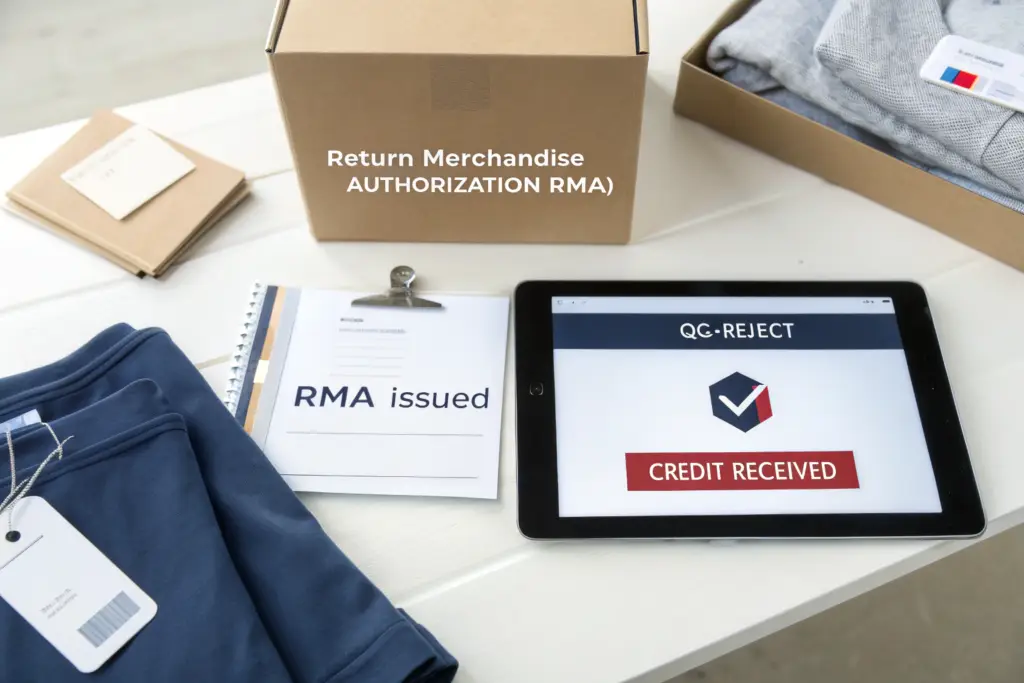
You have just received a bulk shipment from your factory. You open the first few cartons, and your heart sinks. You find a recurring defect—a loose seam, a broken zipper, or a shade mismatch. A significant portion of your order is not sellable. A wave of anxiety hits you. Do you have to eat the loss? How do you even begin to return these goods internationally? Will you ever see a refund? A brand owner told me, "My first defective shipment felt like a disaster. But I learned that with a professional supplier, a return is not a fight. It's a structured, documented process. The key is having a clear agreement and a partner who takes responsibility."
Effectively managing the return of defective bulk apparel requires a shift from an emotional reaction to a structured, data-driven business process. The three critical pillars are: 1) A Clear, Pre-Established Defect Policy in your manufacturing agreement (defining what constitutes a defect, the inspection standard, and the remedy), 2) Meticulous Documentation of the Defects (using the factory's own inspection data or a third-party report and detailed photos), and 3) Agreement on the Financial and Logistical Terms of the Return (who pays for shipping and duties, and how the credit or replacement will be handled). A professional factory partner will have a clear process for this.
At Shanghai Fumao, we believe a true B2B partnership is defined by how problems are solved. Our commitment to top-tier quality is designed to prevent these situations, but we also have a clear, fair, and transparent process for handling any issues that do arise. Let me explain how to navigate this challenging situation professionally and secure the best possible outcome for your brand.
What Defines a "Legitimate Defect" and How to Document It Incontrovertibly?
The foundation of any successful return is proving, with objective evidence, that the goods do not meet the agreed-upon standard. This is not about a subjective feeling. It is about data. Your leverage comes from a formal, industry-recognized inspection process and clear, un-arguable visual documentation. A professional partnership has these standards pre-defined, so you are not arguing about what "quality" means.
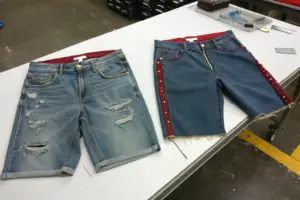
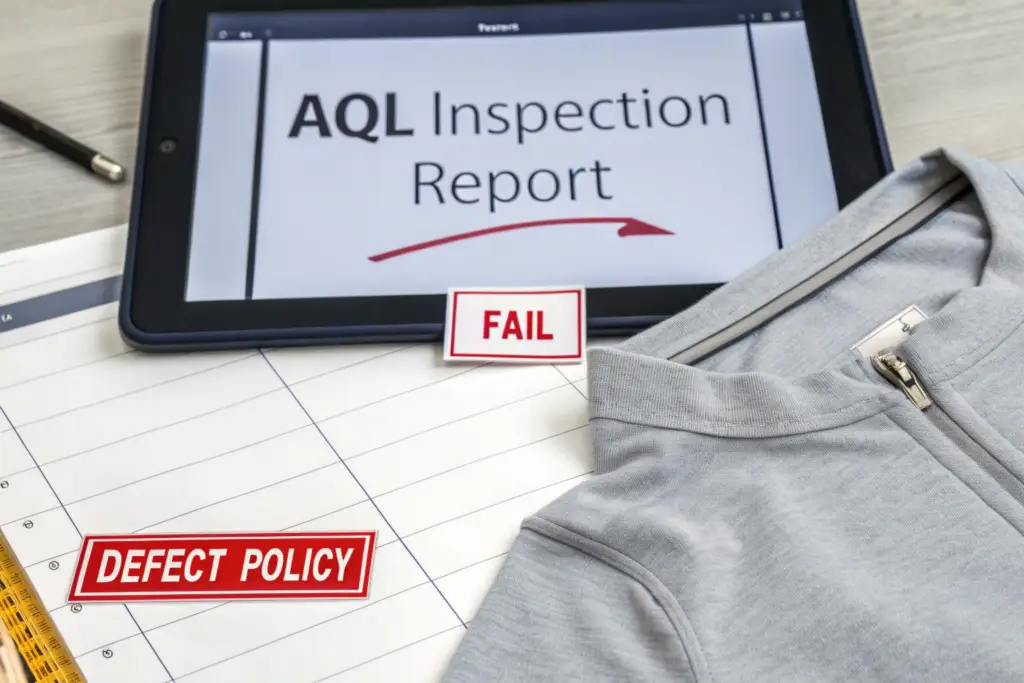
To incontrovertibly document a defect, you must tie it to a pre-agreed, objective standard, typically an AQL (Acceptable Quality Limit) inspection. If a formal AQL inspection is conducted (by the factory, a third party, or your own team), and the lot fails, you have statistical proof the shipment is sub-standard. For each specific defect, you must provide a high-resolution, well-lit photo with a ruler for scale, showing the flaw clearly. Pair each photo with a written description of how it violates the agreed standard.
A brand we work with once received a shipment where a significant number of shirts had misaligned buttonholes. They did not just email us to complain. They had their receiving team perform a random AQL inspection as per our agreement. The lot failed the AQL 2.5, Level II standard. They sent us the failed AQL report and a folder of clear, well-lit photos of the misaligned buttonholes with a ruler showing the deviation. We did not argue. The evidence was objective. The lot failed the pre-agreed standard. We immediately processed a credit for the defective units. This was a professional, data-driven resolution, not an emotional argument. This is the power of having a clear quality agreement .
What Is the Difference Between a "Major" and "Minor" Defect in a Return?
This classification, defined by the AQL standard, is critical. A Major Defect is one that would likely cause a customer to return the item (a hole, a stain, a broken zipper). A Minor Defect is a visible imperfection that does not render the product unsellable (a loose thread, a slight wrinkle). Return claims are typically based on the number of Major Defects found exceeding the AQL limit. This objective classification removes subjectivity from the dispute.
Why Is a Failed AQL Report the Most Powerful Document in a Return?
An AQL report is not an opinion; it is a statistical fact. It states, "In a random sample of 125 units, 12 major defects were found. The AQL 2.5 standard allows a maximum of 7. The lot has failed." This data is undeniable in a professional manufacturing relationship. It is the foundation for a fair and swift resolution. This is why we provide transparent AQL data with every shipment.
How to Negotiate the Financial and Logistical Terms of the Return?
Once the defect is documented, the next step is a direct, professional conversation with your supplier. This is not the time for angry accusations. It is a business negotiation based on the facts. You must have a clear understanding of what outcome you want—a credit, a replacement, or a refund—and you must be prepared to discuss who will bear the costs of the return freight and any associated duties.
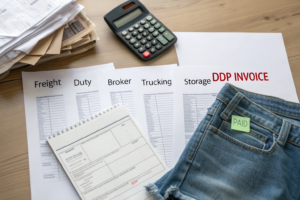
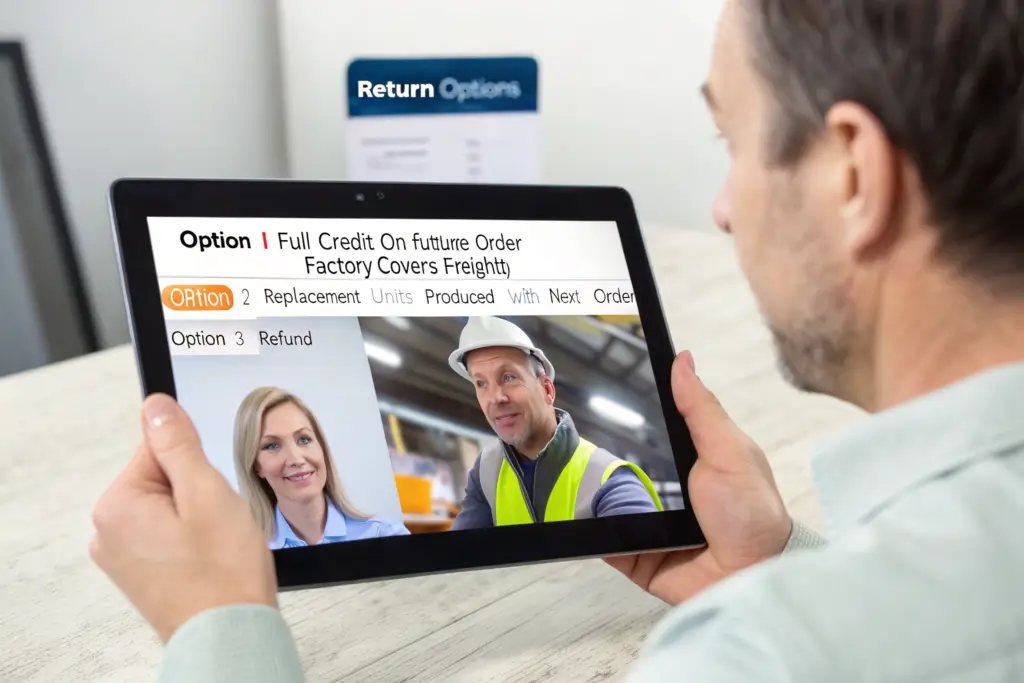
Negotiating the terms of a return involves a clear, fact-based discussion. Your goal is to agree on the Remedy (Credit vs. Replacement vs. Refund) and the Logistics (who pays for return freight and any import duties). The most common and practical remedy for a professional B2B relationship is a Credit Memo applied to a future order, as it avoids the high cost and complexity of physically shipping defective goods back internationally. Re-exporting goods can incur duties again, so the financial terms of the return shipment must be clearly agreed upon.
A distributor who received a batch of pants with a faulty zipper issue had a clear discussion with us. The cost of shipping the entire batch back to China was prohibitive. We agreed on a practical solution: we issued a Credit Memo for the wholesale value of the defective units, which they could apply to their next order. They then donated the pants to a local charity (with our permission), avoiding the waste of destroying them. This was a fair, efficient, and responsible resolution. This is the kind of collaborative problem-solving that defines a mature B2B partnership .
What Is a "Credit Memo" and Why Is It Often the Best Solution?
A Credit Memo is a document issued by the factory, stating that you have a specific monetary credit that can be deducted from a future invoice. It is often the most practical remedy because it avoids the massive logistical headache and cost of physically shipping defective goods back across the ocean. It keeps the business relationship moving forward.
Who Is Responsible for the Return Freight and Customs Duties?
This is a critical point of negotiation. The standard industry practice is that if the goods are proven to be defective, the factory should bear the cost of the return freight. However, customs duties can be a major complication. When goods are re-imported back into China, they may be subject to duty again. Having a clear agreement on who pays these charges before a problem arises is essential. This is part of a well-drafted manufacturing agreement .
How Does a Professional Factory's QC Process Prevent the Need for Returns?
The best way to manage a return is to never have to make one. A factory's internal quality control system is your first, best, and most important defense against receiving defective goods. A professional, multi-layered QC process is designed to catch and correct issues at every stage—from raw material inspection to the final audit—so that problems are solved on the factory floor, not on your receiving dock.
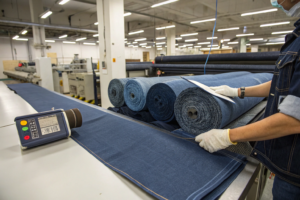
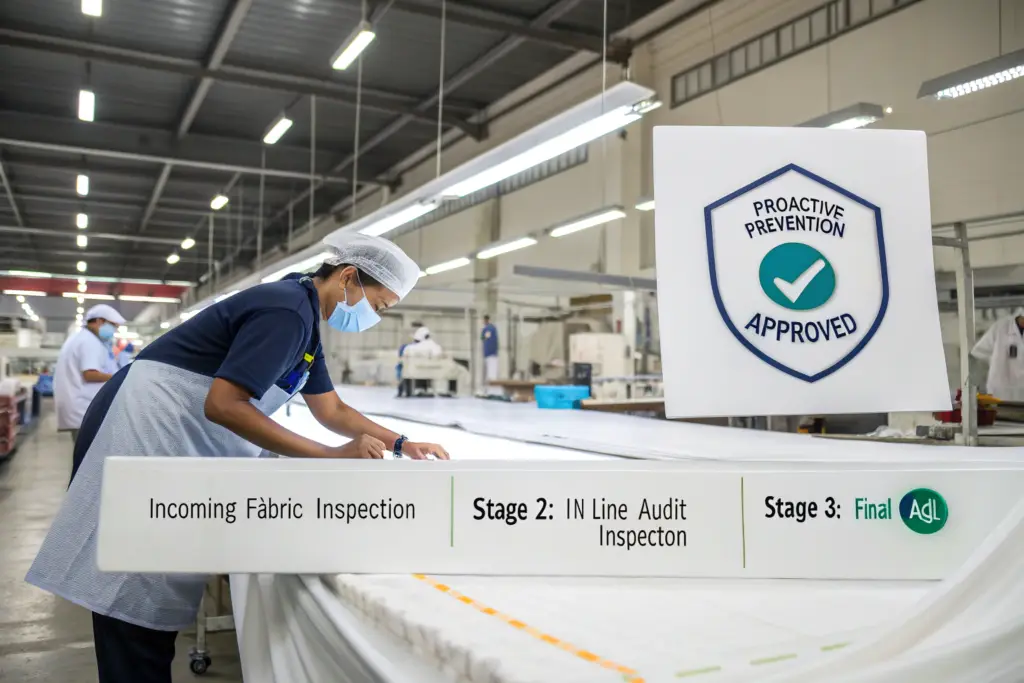
A professional factory's multi-layered QC system is your best defense against ever needing to make a return. This includes a rigorous Incoming Inspection of all materials, proactive In-Line Audits during the sewing process, and a final statistical AQL Inspection of the finished goods. When this system is functioning correctly, a defective shipment should be an extremely rare event. The factory should also be transparent with their QC data, sharing inspection reports proactively.
At Fumao, our entire quality control system is built on the principle of proactive prevention. Our Incoming Inspection catches fabric flaws before cutting. Our In-Line Audits catch sewing errors before they become batch problems. Our Final AQL Inspection provides a statistical guarantee of quality before shipment. Because of this system, the rate of defective shipments from our factory is near zero. We do not just hope for quality; we engineer a system that delivers it. This is the peace of mind that comes with a quality-obsessed manufacturing partner .
How Can a Factory's In-Line QC Data Be Used to Prevent a Return?
If a factory shares their in-line QC data with you during production, you have real-time visibility into the quality of your order. If you see a spike in a certain type of defect, you can address it with the factory before the order is even finished. This transparency allows for proactive problem-solving and prevents a bad surprise at the end.
What Is the Role of the "Sealed Sample" in a Quality Dispute?
The Sealed Sample—the final, approved pre-production sample that is signed and sealed—is the ultimate arbiter in a quality dispute. If there is a disagreement about whether a detail is correct, the Sealed Sample is the definitive physical reference. Both the buyer and the factory have an identical, approved copy. This eliminates subjective arguments. This is a cornerstone of our quality assurance process .
How Does Fumao's Transparent Partnership Model Make a Difficult Situation Manageable?
A problem with a shipment is a defining moment in a factory relationship. A transactional, low-trust factory will deflect, blame, and make the process painful. A true strategic partner will meet the problem with transparency, accountability, and a clear, fair path to resolution. Our entire B2B model is built on the understanding that how we handle a problem is as important as how we manufacture a product.
Fumao's transparent partnership model makes a difficult situation manageable by prioritizing clear communication, accountability, and a fair resolution. We do not hide from problems. We provide all relevant QC data. We engage in a collaborative, solution-oriented discussion. Our goal is to resolve the issue in a way that is fair, efficient, and that strengthens the long-term partnership. We view a problem as an opportunity to prove our integrity.
A brand owner who experienced a minor quality issue with us early in our partnership told me, "The way you handled that problem was the reason I became a client for life. You didn't make excuses. You showed me the data, you took responsibility, and you gave me a credit without me having to fight for it. You proved I could trust you." That is the standard we hold ourselves to. Our commitment to integrity and fair dealing is the bedrock of our long-term B2B relationships .

How Do We Handle a Situation Where the Root Cause Is Unclear?
We conduct a joint investigation. We share our internal QC data, cutting reports, and any relevant machine maintenance logs. We review the Sealed Sample together. We work collaboratively with the brand to diagnose the issue. The goal is not to assign blame, but to find the truth, fix the root cause, and prevent it from ever happening again. This is the essence of a true quality partnership .
How Does Our Approach to Returns Strengthen a Long-Term Partnership?
It builds immense trust. When a brand sees that you are accountable, fair, and solution-oriented when things go wrong, their confidence in you skyrockets. They know they have a partner they can rely on, not just when things are easy, but when they are hard. This trust is the foundation of a multi-year, strategic relationship. This is the ultimate value of our transparent and ethical business practices .
Conclusion
Effectively managing the return of defective bulk apparel is a stress-test of your supply chain and your factory relationship. It requires moving from panic to a structured, data-driven process built on a pre-agreed quality standard and a spirit of collaborative problem-solving. The right partner will make this process fair, transparent, and even relationship-strengthening.
At Shanghai Fumao, our proactive quality systems are designed to make returns a rare event, and our partnership ethos ensures that if an issue does arise, it is handled with integrity and efficiency. We are the partner that protects your brand, not just when things go right, but especially when they don't.
If you want to build a partnership with a manufacturer who stands behind their quality, let's talk. Our Business Director, Elaine, can explain our quality assurance and issue resolution process in detail. Please email Elaine at: elaine@fumaoclothing.com.