You import high-quality clothing from overseas. The garments are well-made. The fabrics feel good. But the label inside says the factory name, not yours. Your customers do not see the quality. They see a generic product.
Effective rebranding of imported wholesale clothing requires a comprehensive strategy that goes beyond adding a label. It involves selecting the right blank garments, developing distinctive branding elements like custom labels and hang tags, creating cohesive packaging, and building a brand story that connects with American consumers. The goal is to transform a commodity product into a branded experience that commands higher prices and builds customer loyalty.
I run Shanghai Fumao, a clothing factory in China with five production lines. Over the years, I have helped many American brands rebrand imported clothing. Some started with our blanks. Others switched their production to us after struggling with inconsistent quality from other sources. The brands that succeed understand that rebranding is not just about the physical product. It is about telling a story that resonates with their customers.
What is the foundation of successful apparel rebranding?
Before you change labels or design packaging, you need a foundation. Rebranding starts with understanding what you want your brand to represent.
Why does brand positioning come before design?
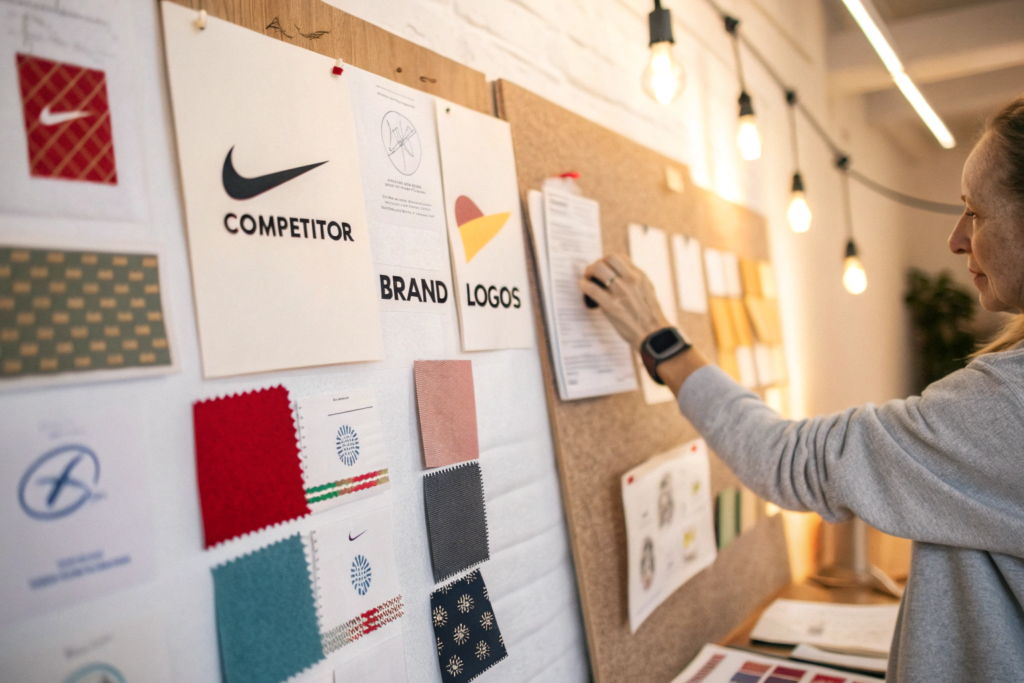
Many new brand owners start with the visual elements. They design a logo. They pick a font. They choose a color. Then they try to fit their product into these choices. This approach often leads to misalignment.
Effective rebranding starts with positioning. You need to answer several questions. Who is your target customer? What problem does your product solve for them? What feeling do you want them to have when they wear your clothes? What makes your brand different from the options they already have?
A client from Austin started his t-shirt brand with a clear position. He wanted to serve creative professionals who needed comfortable, durable shirts that looked good in casual offices. He did not try to compete with streetwear brands or outdoor brands. He focused on a specific customer with specific needs. His positioning guided every decision from fabric selection to packaging design.
When you have clear positioning, design decisions become easier. You choose fabrics that match your quality promise. You select colors that appeal to your target customer. You design labels that reflect your brand personality. You write copy that speaks directly to your audience.
Without clear positioning, rebranding becomes a guessing game. You might end up with a brand that looks nice but does not connect with anyone.
How do you select the right blank garments for rebranding?
The blank garment is the canvas for your brand. If the canvas is poor quality, no amount of branding will save it. Your customers will feel the difference.
When selecting blanks, evaluate several factors. Fabric quality is the first consideration. The fabric should feel good against the skin. It should have a weight that matches your positioning. A premium brand needs a heavier, denser fabric. A budget brand can use lighter fabric.
Construction quality is equally important. Look at the seams, the collar, the hem. A well-constructed garment has even stitching, reinforced stress points, and clean finishes.
Fit consistency matters for customer satisfaction. Your customers expect a size medium to fit the same way every time they buy. Inconsistent sizing leads to returns and lost trust.
A client from New York learned this lesson the hard way. He sourced blanks from a low-cost supplier. The fabric was thin. The sizing varied. His customers complained. He spent months dealing with returns. He switched to our blanks at Shanghai Fumao. The fabric quality improved. The sizing became consistent. His return rate dropped by more than 60%. His customers started leaving positive reviews about the quality.
When you select blanks, order samples from multiple suppliers. Compare them side by side. Wash them. Wear them. Test them. The extra time spent in selection pays off in customer satisfaction.
What role does quality control play in rebranding success?
Quality control does not stop at the factory. You need your own inspection process. Even with a reliable supplier, occasional defects occur. Catching them before they reach your customers protects your brand reputation.
Develop a simple inspection protocol. Check a percentage of each shipment. Look for the same issues you would check in a retail store. Stains. Loose threads. Misaligned seams. Incorrect sizing. Damaged packaging.
Document your findings. Share them with your supplier. A good supplier will use this feedback to improve their process.
A client from Chicago implemented a 100% inspection for his first three shipments. He caught a few minor issues. He provided photos to us. We adjusted our quality checks to prevent similar issues. After the third shipment, he reduced his inspection to a random sample. He trusted our process. But he maintained the habit of checking because his brand reputation depended on it.
Quality control is also about consistency across shipments. Your customers expect the same quality every time. If the first batch is excellent but the second batch is poor, you lose trust. A reliable supplier maintains consistent standards. They welcome your quality checks because they know they will pass.
What are the essential branding elements for imported clothing?
The physical branding elements transform a blank garment into a branded product. Each element communicates something about your brand.
How do you design custom labels that communicate quality?
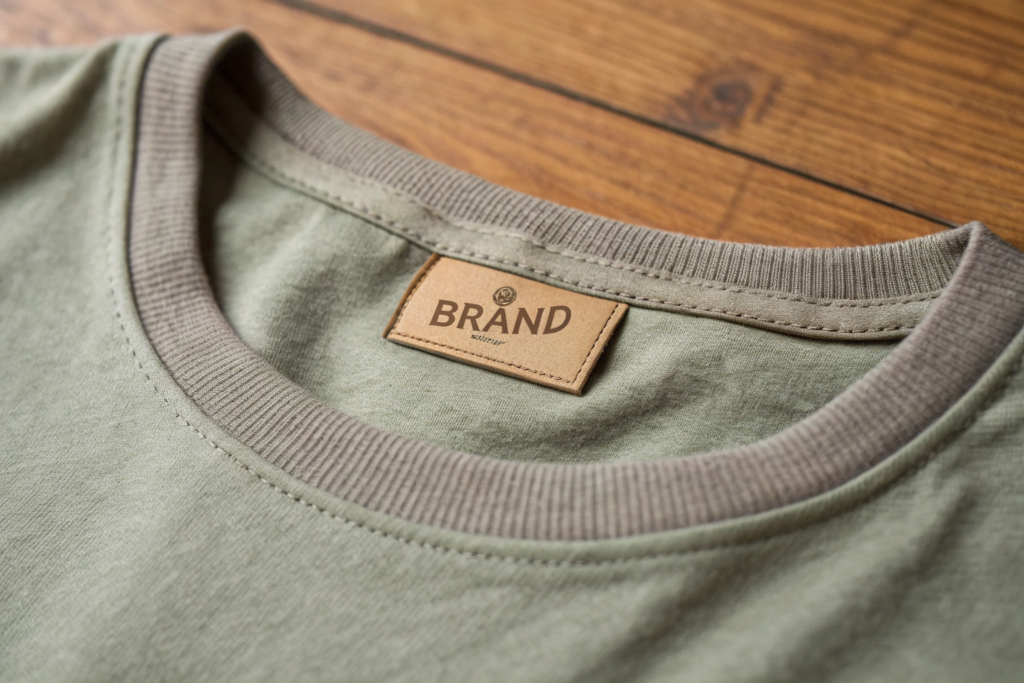
The label inside the garment is the most direct brand communication. It is the first thing a customer sees when they look at the inside of the collar. A high-quality label signals a high-quality garment.
Choose the right label type for your brand. Woven labels are the standard for quality garments. The threads create a raised texture that feels substantial. Printed labels are less expensive but look less premium. Leather or faux leather patches work well for denim and casual wear.
Your label should include your brand name. It may also include the size, the country of origin, and care instructions. For a premium brand, consider adding your logo or a tagline.
A client from Los Angeles wanted a minimalist aesthetic. He used a small woven label with only his brand name in a clean sans-serif font. The label was placed at the center back neckline. It was subtle but unmistakable. His customers appreciated the understated quality.
When you order custom labels, pay attention to the materials. A soft, thin label feels comfortable against the skin. A stiff, scratchy label can irritate. The thread color should match your brand colors. The edges should be finished cleanly to prevent fraying.
Order extra labels. You will need them for samples, replacements, and future orders. A reliable label supplier can produce consistent quality across batches.
What makes a hang tag effective for telling your brand story?
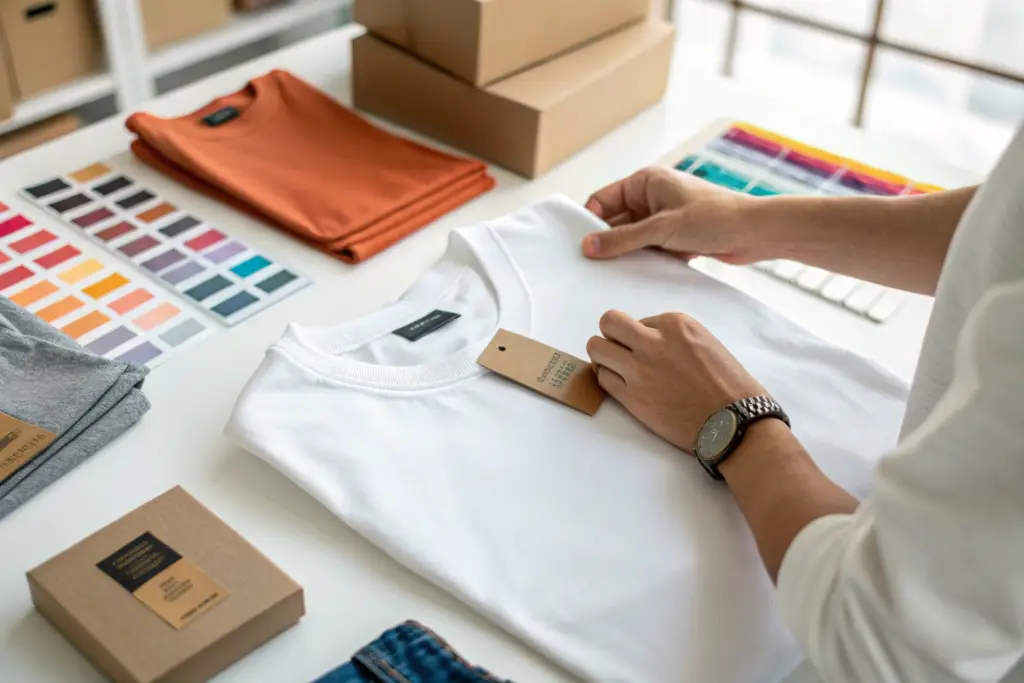
The hang tag is often the first branded element a customer sees. It hangs from the garment on the retail floor or in the e-commerce package. It has a few seconds to capture attention and communicate value.
An effective hang tag includes your logo and brand name prominently. It should convey the essence of your brand quickly. Is your brand sustainable? Premium? Streetwear? Outdoor? The design of the tag should reflect this positioning.
Use the hang tag to tell your story. Include a brief description of what makes your garment special. The fabric. The construction. The inspiration. A short paragraph can create emotional connection.
A client from Portland built her brand around sustainability. Her hang tags were made from recycled paper. They included a short statement about the organic cotton used in the garments. They also included a QR code linking to a page with more information about her supply chain. Her customers appreciated the transparency.
The physical quality of the hang tag matters. A thick, textured cardstock feels premium. A thin, flimsy card feels cheap. The attachment method also communicates quality. A natural fiber string or a metal pin feels more substantial than a plastic tie.
Consider the unboxing experience. When a customer receives an online order, the hang tag is part of the first impression. A well-designed tag in a clean package creates excitement.
How do you create packaging that reinforces brand identity?
Packaging is the container for your brand. It protects the garment during shipping. It also creates an experience for the customer.
For e-commerce brands, consider custom poly mailers or boxes. A branded mailer with your logo turns the delivery into a marketing moment. Customers share unboxing videos on social media. Your packaging becomes free advertising.
For retail brands, consider tissue paper, stickers, and branded bags. The details matter. A garment wrapped in tissue with a sticker seal feels more special than a garment folded directly into a poly bag.
A client from Miami sells his shirts in boutique retail stores. He provides each store with branded boxes and tissue paper. When a customer buys a shirt, the store presents it in his branded packaging. This consistency reinforces his brand identity. His customers recognize his packaging when they see it online or in other stores.
Packaging should also be practical. It should protect the garment during shipping. It should not create excessive waste. Many brands now use recyclable or compostable packaging to align with sustainability values.
Your packaging budget should match your positioning. A premium brand can invest in custom boxes and high-quality materials. A value brand may use simpler packaging. The key is consistency. Every touchpoint should reflect your brand identity.
How do you build a brand story around imported clothing?
Customers today buy stories, not just products. A compelling brand story differentiates your imported clothing from competitors. It gives customers a reason to choose you.

What story elements resonate with American consumers?
American consumers respond to authenticity. They want to know where their clothes come from. They want to know who made them. They want to know why the brand exists.
Share your origin story. Why did you start this brand? What problem were you solving? What is your connection to the product? Personal stories create emotional connection.
Share your sourcing story. Where do your materials come from? Who makes your garments? Transparency about your supply chain builds trust. Consumers appreciate knowing that their clothes are made ethically.
Share your quality story. What makes your garments better than alternatives? The fabric. The construction. The fit. Educating customers about quality helps them appreciate the value.
A client from Denver built his brand story around his grandfather, who was a tailor. He talked about learning about fabrics and construction as a child. He connected his modern brand to this heritage. His customers felt they were buying from someone who genuinely cared about quality. He used this story in his website copy, his hang tags, and his social media content.
American consumers also respond to values. If your brand supports a cause or represents a lifestyle, share that. Customers who share those values will feel aligned with your brand.
How do you use photography to communicate brand identity?
Photography is the visual representation of your brand story. The images you use should reflect your positioning and appeal to your target customer.
For e-commerce, product photography must be clean and consistent. Show the garment from multiple angles. Show details like the collar, the seams, and the label. Good product photography reduces returns because customers know exactly what they are getting.
Lifestyle photography creates aspiration. Show real people wearing your clothes in real situations. The setting should match your brand. A hiking brand should show models on trails. A urban brand should show models in city settings.
A client from Seattle used lifestyle photography to differentiate his rainwear brand. He photographed his customers in the Pacific Northwest rain. The images were authentic. They showed real people enjoying the outdoors despite the weather. His customers connected with these images. They saw themselves in the photos.
Invest in professional photography. Poor images communicate low quality. Consistent, professional images build credibility. Use the same photographer or the same style across all platforms to create a cohesive brand identity.
Social media is where your brand story comes to life. It is where you engage with customers, share your values, and build community.
Choose the platforms where your target customers spend time. Instagram is essential for visual brands. TikTok reaches younger demographics. LinkedIn may be appropriate for professional or B2B brands.
Share behind-the-scenes content. Show the factory where your clothes are made. Show the design process. Show your team. This transparency builds trust and connection.
Share customer content. Repost photos of customers wearing your clothes. This creates social proof. It also makes your customers feel valued.
A client from Boston built a loyal following on Instagram by sharing stories about his sustainable manufacturing process. He posted photos from our factory floor. He talked about the workers who made his garments. His followers appreciated the transparency. They felt connected to the brand beyond the product.
Consistency is key on social media. Post regularly. Engage with comments. Respond to messages. A social media presence that is updated sporadically communicates that the brand is not active or not committed.
How do you price and position rebranded products effectively?
Rebranding allows you to command higher prices. But pricing must align with your positioning and your target customer's expectations.
How do you determine the right price point for your brand?
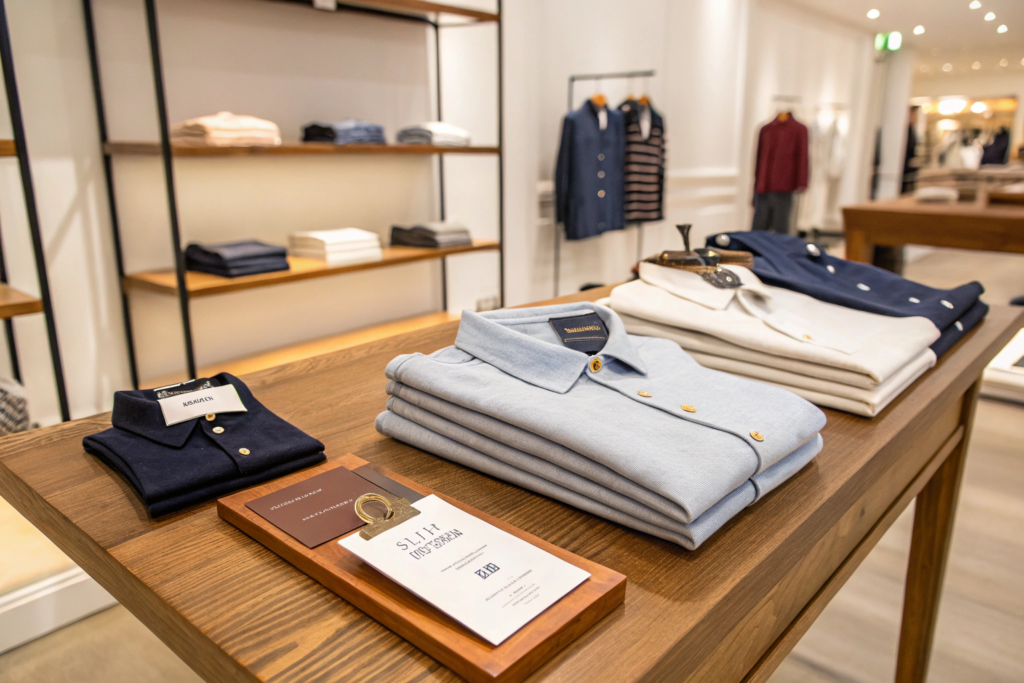
Pricing is a strategic decision. It signals quality. It determines your profit margins. It affects how customers perceive your brand.
Start with your costs. Calculate the cost of the blank garment. Add the cost of labeling, packaging, and shipping. Add your overhead and marketing costs. This gives you your break-even price.
Then consider the market. Research competitors with similar positioning. What are they charging? Your price should be in the same range. A much lower price signals lower quality. A much higher price requires justification through superior quality or branding.
A client from Chicago started his t-shirt brand at a price point $10 above the market average. He justified this with superior fabric quality and ethical manufacturing. His hang tags explained the reasons for the higher price. Customers who valued quality were willing to pay. He built a loyal customer base that appreciated the value.
Consider your sales channel. Direct-to-consumer prices can be lower than wholesale prices because there is no retailer margin. Wholesale prices must leave room for the retailer to mark up.
Test your pricing. Start at a certain point. Monitor sales and customer feedback. Adjust based on response. A price that is too high will limit volume. A price that is too low will limit profit and may signal low quality.
What marketing strategies work best for rebranded products?
Marketing communicates your brand story to potential customers. Effective marketing connects your product with the right audience.
Start with your existing customers if you have them. Reach out to your email list. Share your new brand story. Offer a special launch promotion. Existing customers are your best advocates.
Use targeted advertising on social media. Platforms like Instagram and Facebook allow you to target specific demographics and interests. You can reach people who match your ideal customer profile.
Collaborate with influencers who align with your brand. A micro-influencer with a loyal following in your niche can be more effective than a celebrity with a broad audience. Choose influencers whose values align with yours.
A client from Austin worked with a group of micro-influencers who were fans of his product. He sent them free shirts. They posted authentic reviews. The engagement rate was high. Sales increased significantly without a large advertising budget.
Content marketing is another effective strategy. Write blog posts about topics relevant to your audience. Create videos showing your manufacturing process. Share styling tips. This content builds authority and attracts organic traffic to your website.
How do you maintain brand consistency across all touchpoints?
Brand consistency builds trust. When customers see the same quality, the same messaging, and the same visual identity across all channels, they know what to expect.
Create brand guidelines. Document your logo usage, color palette, typography, and tone of voice. Share these with anyone who creates content for your brand. This ensures consistency even as your team grows.
Use the same photography style across your website, social media, and marketing materials. Consistent lighting, composition, and models create a cohesive brand identity.
Ensure your product quality is consistent. Every shipment should meet the same standards. A customer who buys a shirt today should have the same experience as a customer who bought six months ago.
A client from New York learned the value of consistency. She used the same packaging, the same labels, and the same photography style for three years. Her customers recognized her products immediately. When she introduced new styles, her existing customers trusted that the quality would be the same. Her repeat purchase rate was high.
Consistency also applies to customer service. Respond to inquiries promptly. Handle returns fairly. A consistent service experience builds loyalty.
Conclusion
Rebranding imported wholesale clothing is an opportunity to build something valuable. It transforms generic products into a brand with identity, story, and loyal customers.
Start with positioning. Know your customer. Understand what makes your brand different. Let this foundation guide every decision.
Select high-quality blanks. The garment itself is the canvas. If the canvas is poor, no branding will save it. Invest in fabric quality and construction.
Develop distinctive branding elements. Custom labels, hang tags, and packaging communicate quality and tell your story. Each detail matters.
Build a compelling brand story. Share your origin. Share your values. Connect with customers on an emotional level. Use photography and social media to bring your story to life.
Price strategically. Position yourself in the market. Use marketing that reaches your target audience. Maintain consistency across all touchpoints.
At Shanghai Fumao, we have helped many American brands build their private label collections. We understand that the garment is the foundation. We provide consistent quality, reliable lead times, and the flexibility to customize labels and packaging to your specifications.
If you are ready to rebrand imported clothing for the American market, let us be your manufacturing partner. Contact our Business Director, Elaine, at elaine@fumaoclothing.com to discuss your blank apparel needs. We will help you build a foundation of quality that supports your brand story.