You have a great brand idea. You need high-quality blank apparel to put your label on. But finding the right supplier is not simple. The wrong blanks can ruin your brand reputation before you even start.
Sourcing premium blank apparel requires a systematic approach that prioritizes fabric quality, construction consistency, and supply chain reliability. The best strategy involves working directly with manufacturers who control their production process, offer consistent sizing across styles, and provide transparent lead times. For private label brands, the foundation of success is a blank garment that feels premium, fits consistently, and arrives when promised.
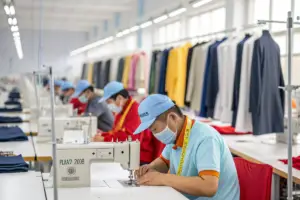
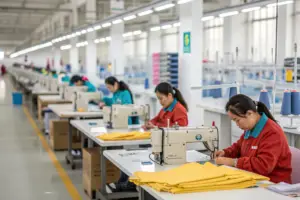
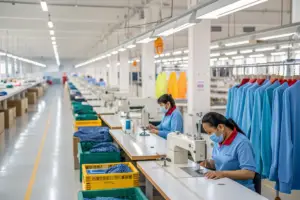
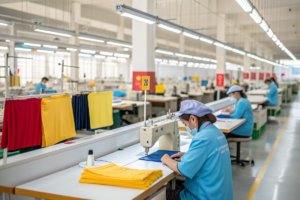
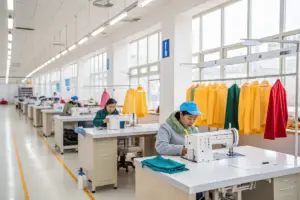
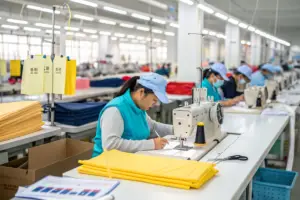
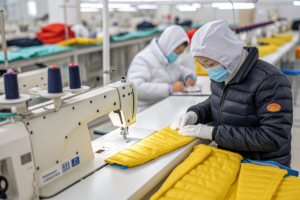
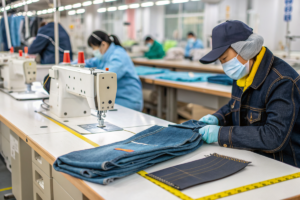
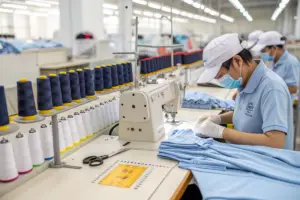
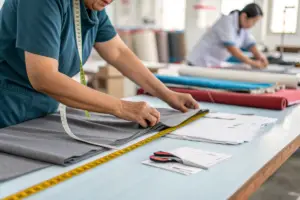
I run Shanghai Fumao, a clothing factory in China with five production lines. Over the years, I have helped many American brands build their private label collections. The ones who succeed do not just look for the lowest price. They look for a manufacturing partner who understands that a blank garment is the canvas for their brand identity.
Premium quality is not a single thing. It is a combination of fabric, construction, and finishing. Every detail matters when your brand name is on the garment.
How do you evaluate fabric quality and feel?
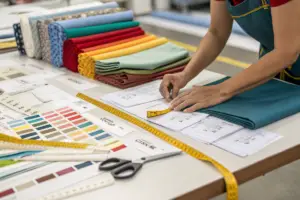
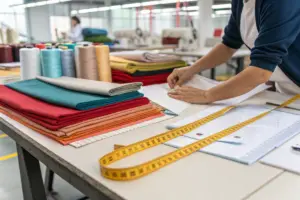
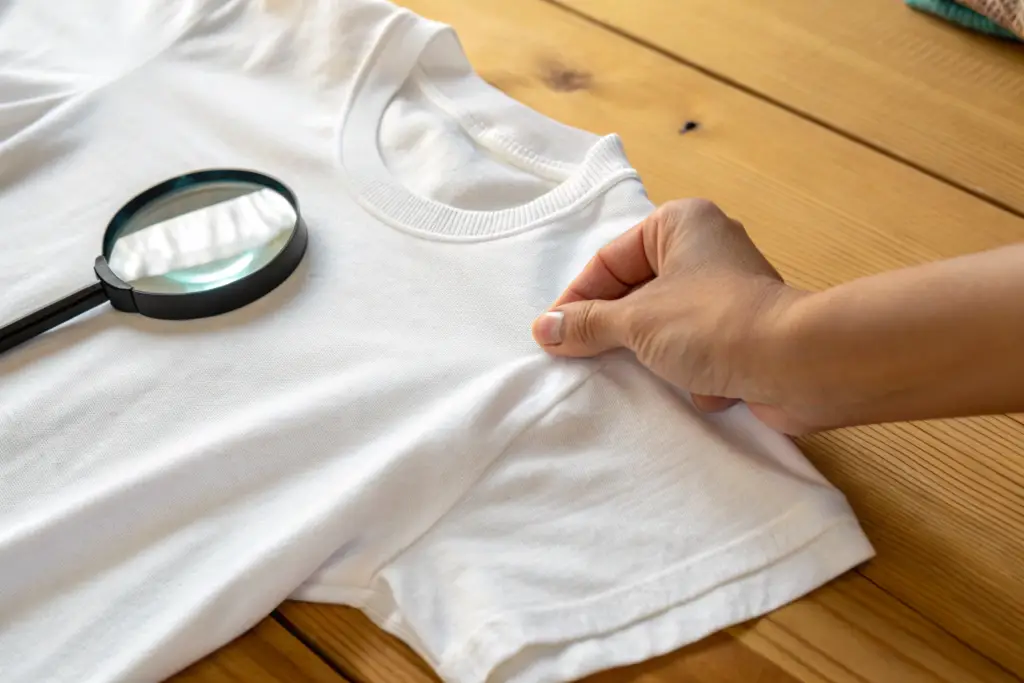
Fabric is the first thing a customer notices. They touch it. They feel it against their skin. If the fabric feels cheap, the brand feels cheap.
For cotton blanks, look for long-staple cotton. This type of cotton has longer fibers. It creates a smoother, stronger, and softer fabric. Combed cotton is another good indicator. The combing process removes short fibers and impurities. The result is a cleaner, softer surface.
For blends, look at the ratio. A cotton-polyester blend should balance softness with durability. Too much polyester feels synthetic. Too much cotton may lose shape over time.
For ringspun cotton, the yarn is twisted tighter. This creates a smoother, finer surface. The fabric feels softer against the skin compared to open-end cotton.
A client from Portland visited our factory last year. He brought samples from three different suppliers. He asked our team to evaluate the fabric quality. We showed him how to feel the difference. One sample had a rough, uneven surface. Another felt thin and flimsy. The third, which we produced, had a dense, smooth, and substantial feel. He chose our blank for his brand. He told me that fabric quality was the deciding factor.
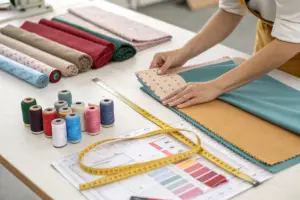
When you evaluate blanks, ask for the fabric specifications. Look for details like yarn count, fabric weight (GSM), and fiber composition. A good manufacturer will provide this information without hesitation.
Fabric is important. But construction is what makes a garment last. Premium blanks have construction details that standard blanks skip.
Look at the collar. A premium t-shirt has a ribbed collar with a clean finish. The collar should hold its shape after multiple washes. A poor collar will stretch out or curl.
Look at the shoulder seams. Premium garments often have taped shoulder seams. This is a small strip of fabric that reinforces the seam. It prevents stretching and maintains the garment's shape.
Look at the hem. The bottom hem should have even stitching. The stitches per inch should be consistent. A premium garment uses coverstitch on the hem. This allows the hem to stretch with the fabric.
Look at the side seams. Some blanks are tube-knit with no side seams. This is common in budget t-shirts. Premium blanks often have side seams. They help the garment maintain its shape over time.
A New York streetwear brand switched to our blanks after a bad experience. Their previous supplier used tube-knit construction. After three washes, the t-shirts twisted. The side seam would rotate to the front. It looked terrible. Our blanks use side seam construction. The garments stay straight wash after wash. The brand owner now requires side seams on all his blank orders.
How do you ensure consistent sizing and fit?
Sizing consistency is critical for private label brands. Your customers expect a size medium to fit the same way every time they buy.
Premium manufacturers control their sizing through pattern grading and production monitoring. They use digital patterns that are graded precisely. They check measurements at multiple points during production.
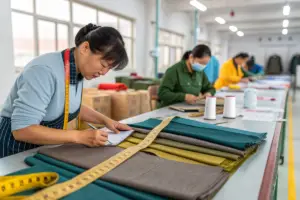
Ask for a size specification sheet. This document shows the exact measurements for each size. Chest width. Body length. Sleeve length. Shoulder width. A good manufacturer will provide this and stand behind it.
I recall a client from Chicago who had a sizing disaster with a previous supplier. One batch of size large shirts measured 22 inches across the chest. The next batch measured 24 inches. His customers complained. Returns spiked.
When he came to us, we showed him our size spec sheet. We explained our measurement checks. We cut one sample from each new fabric roll and verified the measurements. We checked again during sewing. His first order with us had zero sizing complaints. He now uses our blanks exclusively.
Consistent sizing also depends on fabric shrinkage. Premium manufacturers pre-shrink their fabrics or account for shrinkage in the cutting. Ask about their shrinkage control process. A good factory will have data on this.
What should you look for in a blank apparel manufacturer?
Not all blank apparel suppliers are the same. Some are traders who buy from multiple factories. Others are manufacturers who control the entire process. The difference matters for your brand.
Why choose a manufacturer over a trading company?
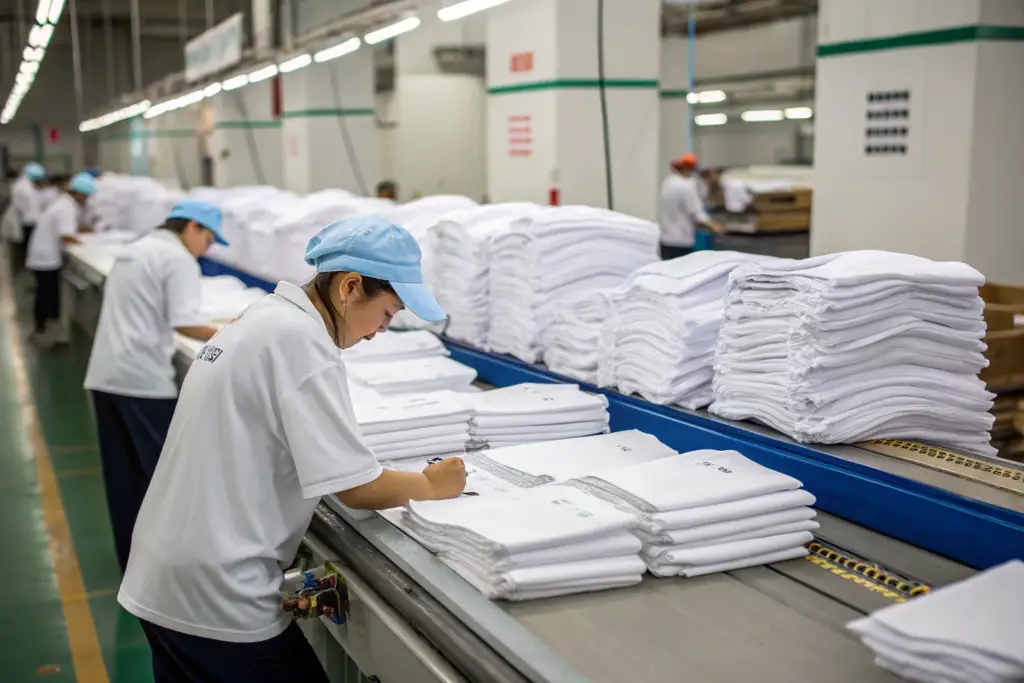
A manufacturer owns the production process. They control fabric sourcing, cutting, sewing, and finishing. A trading company buys from multiple factories and resells.
Working directly with a manufacturer offers several advantages. First, consistency. The same factory produces your order every time. There is no variation from batch to batch.
Second, communication. You speak directly to the people making your garments. Questions get answered faster. Problems get solved directly.
Third, customization. A manufacturer can modify their blanks for your needs. They can change the collar style. They can add a pocket. They can adjust the fit. A trading company can only sell what they have.
A client from Austin started with a trading company. He wanted a specific fabric weight. The trading company said they had it. When the shipment arrived, the fabric was different. The trading company had switched suppliers without telling him.
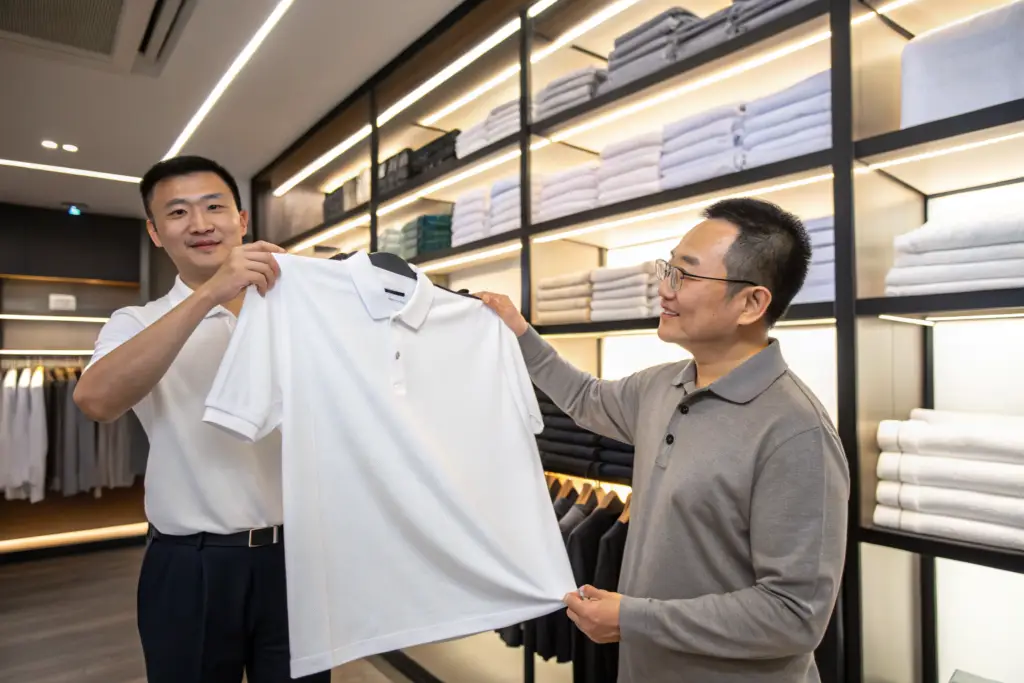
He switched to us. We manufacture our blanks in-house. He knows exactly what he is getting. He has visited our factory twice. He meets the people who make his garments. He told me this relationship gives him peace of mind he never had with a trading company.
When you source blanks, ask if the supplier owns their own factory. If they do not, ask for the name of the factory. A transparent supplier will share this information.
What certifications should a blank supplier have?
Certifications matter for private label brands. They provide assurance about quality and ethical production.
Look for ISO 9001 for quality management. This certification shows the factory has documented processes for quality control.
Look for BSCI or WRAP for social compliance. These audits cover working conditions, wages, and safety. Your customers may care about these issues.
Look for Oeko-Tex Standard 100. This certification ensures the fabric is free from harmful substances. It is especially important for garments worn against the skin.
At Shanghai Fumao, we maintain these certifications. We provide certificates to our clients. We also welcome third-party audits.
A client from Colorado required Oeko-Tex certification for all her blanks. Her previous supplier provided a certificate. But when she checked the certificate number, it was expired. The supplier had not renewed it for two years. She was selling garments as Oeko-Tex certified when they were not. This was a serious liability.
We provided our current certificates. She verified them online. She now trusts that our certifications are real and current. For any brand, using certified materials protects both your customers and your reputation.
How do you verify a manufacturer's reliability?
A manufacturer can look good on paper. But you need to verify their reliability before you commit.
Ask for references from other brands. A good manufacturer will share client contacts. Call those references. Ask about on-time delivery. Ask about quality consistency. Ask about communication.
Ask about their capacity. Do they have enough production lines to handle your volume? What is their typical lead time? Do they have buffer capacity for reorders?
Visit the factory if possible. See the production floor. Meet the team. Watch how they work. A well-organized factory with clean workspaces and trained operators is a good sign.
A brand owner from Miami visited three potential suppliers. The first had a nice showroom but a messy factory floor. The second had no one who spoke English well. The third was us. He saw our organized production lines, our trained operators, and our project management office. He saw the quality control station with inspection logs. He placed his order that week.
If you cannot visit, request a video tour. A reputable manufacturer will be happy to show you their facility. They have nothing to hide.
How do you manage the sourcing process for private label blanks?
Sourcing blanks is not a one-time transaction. It is an ongoing process. The way you manage it determines the long-term success of your brand.
What is the right approach to sampling?
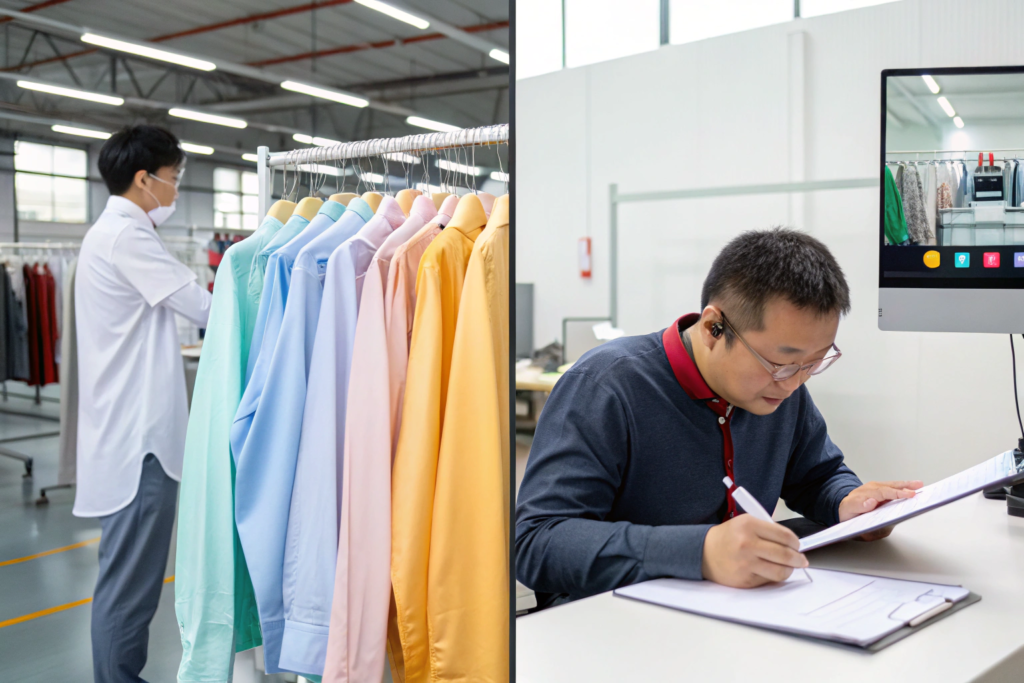
Sampling is your chance to verify quality before committing to bulk production. Do not skip this step.
Start with a pre-production sample. This is one piece made to your specifications. Check every detail. Fabric feel. Construction. Measurements. Fit.
Wash the sample. See how it behaves after laundering. Does it shrink? Does it pill? Do the colors fade? A good manufacturer will provide wash test results.
After approving the pre-production sample, request a production sample. This is a sample taken from the first production run. It confirms that the bulk order matches the approved standard.
A client from Seattle learned the hard way. He approved a pre-production sample. But he did not request a production sample. When the bulk order arrived, the fabric was different. The supplier had switched mills to save money. The shirts felt rough and cheap. He could not sell them.
Now he requires both pre-production and production samples for every order. He also asks us to keep a "gold seal" sample. This is a reference sample we keep in our office. Every future order is compared to this sample. This system ensures consistency over time.
How do you structure orders and manage inventory?
Blank apparel requires careful inventory planning. You need enough stock to meet demand. But you do not want to over-order and tie up cash.
Start with a test order. Place a smaller quantity to validate the product and the supplier relationship. If the quality is good and the supplier delivers on time, you can scale up.
Work with your manufacturer on lead times. Understand how long it takes to produce and ship your blanks. Factor this into your inventory planning.
Consider a stock service arrangement. Some manufacturers will hold finished blanks in their warehouse. You can release smaller quantities as you need them. This reduces your inventory risk.
A client from Denver uses this model with us. She orders 10,000 pieces per style annually. But we produce and ship in four batches of 2,500 pieces. She does not pay for the entire order upfront. She does not store large quantities. She can respond to demand without overcommitting.
This arrangement requires trust and clear communication. But it works well for brands that want to scale safely.
What payment terms should you expect?
Payment terms are part of the sourcing relationship. They should be clear and fair for both sides.
For new clients, we typically require a 30% deposit to start production. The balance is paid before shipment or against shipping documents. For established clients with a track record, we offer more flexible terms.
Beware of suppliers who ask for 100% payment upfront. This leaves you with no leverage if something goes wrong. Also beware of suppliers who offer payment terms that seem too generous. They may be taking risks that could affect their reliability.
A client from Atlanta had a bad experience. He paid a supplier 50% upfront. The supplier then delayed production repeatedly. The client had no leverage. He could not cancel because he had already invested.
We structure our payment terms to balance risk. The deposit covers our material costs. The final payment is due when the goods are ready to ship. The client sees the finished goods before paying. This creates accountability.
Conclusion
Sourcing premium blank apparel is about more than finding a good price. It is about finding a manufacturing partner who understands your brand.
Start with fabric quality. Look for long-staple cotton, consistent blends, and the right weight for your needs. Evaluate construction details. Side seams, taped shoulders, and proper hems separate premium from standard. Verify sizing consistency through specification sheets and measurement checks.
Choose a manufacturer over a trading company. Work directly with the people who make your garments. Verify their certifications and their reliability through references and visits if possible.
Manage the process carefully. Use sampling to validate quality. Structure orders to manage inventory risk. Agree on clear payment terms.
At my factory, we have built our blank apparel business on these principles. We control our production. We maintain consistent quality. We communicate clearly. We deliver on time.
When you put your label on a garment, you are making a promise to your customer. The quality of that garment reflects on your brand. Do not compromise on the foundation.
We invite you to explore our blank apparel collection at Shanghai Fumao. Our team can help you select the right fabric, weight, and construction for your brand. We offer consistent sizing, reliable lead times, and the quality your customers expect. Contact our Business Director, Elaine, at elaine@fumaoclothing.com to request samples and discuss your private label needs. Let us build the foundation for your brand together.