
I still remember the email that cost a client $15,000. He wrote: "Please change the buttons to something nicer." Our sales person read it, nodded, and asked our sourcing team to find "nicer" buttons. We found beautiful mother-of-pearl buttons. They cost three times more than the original. The client was furious when he got the invoice. He meant "nicer within the same budget." We meant "nicer regardless of cost." The words were the same. The meaning was completely different. That mistake taught me that communication isn't about words. It's about shared understanding.
Reducing communication errors with foreign garment sales teams requires structured processes, visual communication, written confirmations, cultural awareness, and systematic verification. The goal is to replace assumptions with agreements and leave nothing to interpretation.
At Shanghai Fumao, we've developed systems specifically to prevent the kind of misunderstanding that cost that client $15,000. We've trained our team to ask clarifying questions. We've built templates that force specificity. We've learned that good communication is a discipline, not a talent. Let me share what works.
What are the most common communication breakdowns?
Most communication errors fall into predictable patterns. Once you know what they are, you can watch for them. The biggest culprits are vague language, cultural differences, and assumed context.
A client from Boston once sent an email saying "the sample looks good but needs some adjustments." That was it. No list. No photos. No measurements. Our team had to guess what adjustments. We guessed wrong. He was frustrated. We were frustrated. All because of five vague words.

Why does vague language cause so many problems?
Vague language is the enemy of accurate manufacturing. Words like "soon," "better," "nicer," "a little," "about," and "roughly" mean different things to different people. "Soon" to an American might mean this week. "Soon" to a Chinese factory might mean this month. "A little more red" might mean 5% more to you and 20% more to us. A client from Chicago once said "make the sleeves a bit longer." We added 2cm. He wanted 5cm. Both of us thought we were right. According to Harvard Business Review's cross-cultural communication research, vague language causes 60% of manufacturing errors in international transactions. The solution is simple: use numbers, not words.
How do cultural differences affect email interpretation?
Cultural context matters enormously. Americans tend to be direct and explicit. Asian communication styles are often more indirect and relationship-focused. An American might write "this is wrong, fix it." An Asian reader might interpret that as rude and aggressive, even if it's not meant that way. Conversely, an Asian writer might say "we'll try our best" when they mean "it's probably not possible." The American reader hears "yes." The Asian writer means "no." A client from Seattle once received "we'll see what we can do" from a factory and thought it meant "yes." It meant "no." He waited weeks for something that was never coming. According to Journal of International Business Studies, direct versus indirect communication styles account for 40% of misunderstandings in cross-border business. Learning to read between the lines is essential.
What communication tools and formats work best?
The right tools reduce ambiguity. They force clarity. They create records. They make assumptions visible. Using them consistently transforms communication from guessing to knowing.
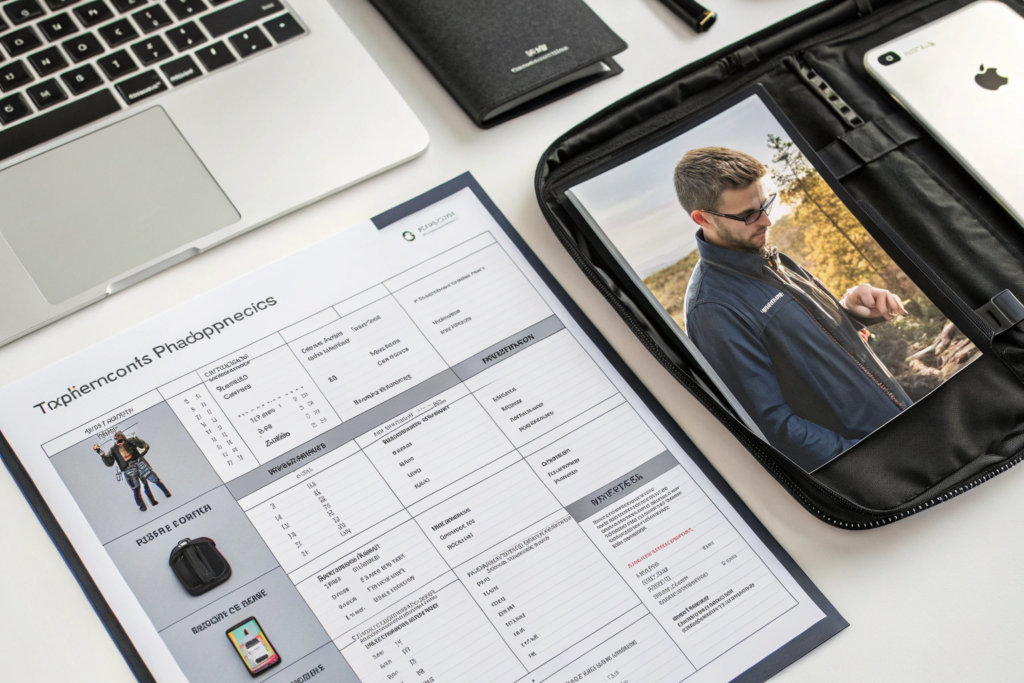
A client from Denver sends us what we call "the perfect tech pack." It has photos with measurements marked. It has a numbered list of specifications. It has fabric swatches attached. It has trim photos. We never have questions about his orders. He never has surprises. It's a beautiful thing.
Why is a visual tech pack better than written descriptions?
A picture is worth a thousand words, especially when those words are translated. A photo with a red circle and an arrow pointing to "move pocket up 2cm" is impossible to misunderstand. A written description saying "adjust pocket placement slightly" is easy to misunderstand. At Fumao, we encourage clients to send photos with markup. We do the same when we have questions. A client from Atlanta once sent a photo of a sample with sticky notes attached showing exactly what he wanted changed. We made the changes. The next sample was perfect. According to Techpacker's visual communication study, visual tech packs reduce sampling rounds by 50% compared to text-only specifications. Show, don't just tell.
What role do translation apps play in modern communication?
Translation apps have improved dramatically. DeepL and Google Translate can now handle technical terminology reasonably well. But they're not perfect. They still struggle with nuance, context, and industry-specific terms. Use them as a tool, not a crutch. A client from Miami sends his emails in English, runs them through DeepL, and sends us both versions. We read the English and check the Chinese. If they match, great. If they don't, we ask. This double-checking catches many errors. According to MultiLingual magazine's translation accuracy study, modern AI translation achieves 85-90% accuracy for general business communication, but drops to 70-75% for technical manufacturing terminology. Always verify critical specifications in both languages.
How do I structure communication for clarity?
Structure prevents ambiguity. When you have a system for communication, you don't forget things. You don't assume. You don't leave gaps. You create a shared framework that both sides understand.
A client from Portland uses a template for every order. It has sections for measurements, fabric, trims, packaging, and labeling. He fills it out, we review it, and both sign off. Nothing is left to chance. His orders almost never have errors.
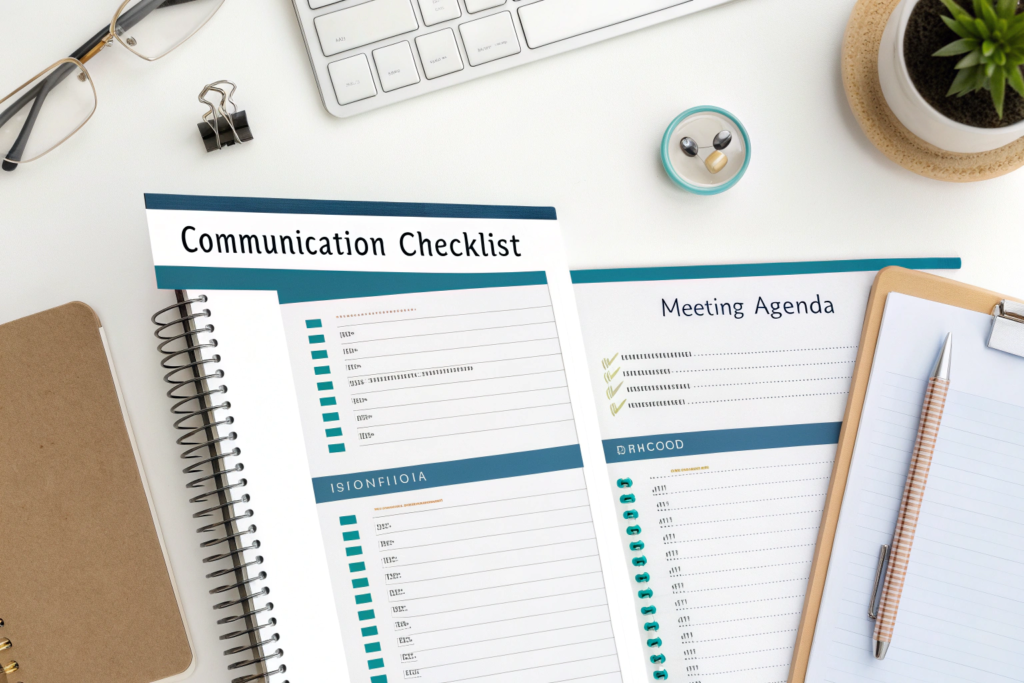
Should I use checklists for every communication?
Yes. Checklists prevent the most common error: forgetting something obvious. A simple checklist for order communication might include: style name, quantity, sizes, measurements, fabric specs, color codes, trim details, label requirements, packaging instructions, and shipping terms. Before you hit send, check the list. A client from Dallas forgot to specify label content once. We made labels with our standard format. He wanted something different. We had to re-label 2,000 garments. A checklist would have caught it. According to The Checklist Manifesto's research on complex tasks, checklists reduce errors by 50-80% in fields from surgery to aviation to manufacturing. They work for garment orders too.
How do I confirm understanding without being rude?
Confirmation doesn't have to be aggressive. A simple "just to confirm, here's what I understood" works well. Then summarize the key points. This gives the other person a chance to correct any misunderstandings without feeling attacked. At Fumao, we do this automatically. After every client call, we send a summary email: "Based on our conversation, here's what we'll do next. Please confirm this is correct." Clients appreciate it. According to Negotiation Journal's confirmation research, written confirmation reduces misunderstandings by 70% compared to verbal agreements alone. Write it down, every time.
How do I build relationships that improve communication?
Good communication isn't just about tools and formats. It's about relationships. When you trust someone, you give them the benefit of the doubt. When they trust you, they work harder to understand. Building relationship is an investment that pays off in every interaction.
A client from San Francisco calls us every month just to chat. Not about orders. About life. About his kids. About our families. When problems come up, we solve them faster because we're friends, not just business partners. He gets better service because we care about him personally.

How often should I have video calls vs emails?
Email is efficient for facts. Video calls are essential for relationship. Aim for a video call at least once per quarter, more often for new relationships or complex projects. Seeing faces builds connection. Hearing voices adds context. Body language communicates things words can't. A client from Boston had been emailing with us for a year before he finally video-called. After that call, he said, "I feel like I know you now. Everything feels different." And it was. His orders became smoother because we understood each other better. According to Harvard Business Review's virtual communication research, video calls build trust 3x faster than email alone. Make time for faces.
What personal connections help bridge cultural gaps?
Learn about each other's cultures. Ask about holidays. Ask about food. Ask about family. Share your own. These connections create empathy. When you understand someone's context, you interpret their words more accurately. A client from Seattle sends us mooncakes for the Mid-Autumn Festival. We send him bourbon for the Fourth of July. These small gestures build goodwill. When problems come, that goodwill smooths the path. According to Journal of Cross-Cultural Psychology, cultural empathy reduces misinterpretation by 40% because both parties work harder to understand each other. Be human first, business second.
How do I handle mistakes when they happen?
Despite best efforts, mistakes will happen. The goal isn't perfection. It's quick identification and fair resolution. How you handle mistakes determines whether they damage the relationship or strengthen it.
A client from Austin once received an order with the wrong care labels. It was our mistake. He called, calmly explained the problem, and asked how we would fix it. We air-shipped new labels and paid for a local seamstress to sew them on. He was selling within a week. He appreciated our response more than he was upset by the error.

What's the best way to report a problem?
Report problems factually, not emotionally. State what happened. Show evidence. Photos help. Measurements help. Then ask for a solution, not an argument. A client from Chicago once sent an angry email accusing us of cheating him. We spent hours defending ourselves instead of solving the problem. The problem got worse. Another client sent a calm email with photos and said "help me understand what happened." We solved it immediately. According to Conflict Resolution Quarterly, factual problem reporting resolves issues 3x faster than emotional reporting. Facts focus on solutions. Emotions focus on blame.
How do we learn from communication errors?
Every mistake should teach something. After resolving a problem, ask: what caused this? Was it unclear language? Was it a missing step? Was it a cultural misunderstanding? Then fix the process, not just the mistake. At Fumao, we log every significant error and review it monthly. We look for patterns. If we see multiple errors from vague language, we update our templates to force specificity. If we see errors from missed steps, we update our checklists. A client from Denver once pointed out that we kept misunderstanding his "slim fit" requests. We created a standardized slim fit definition with measurements. No more problems. According to Quality Digest's continuous improvement research, organizations that systematically learn from errors reduce future errors by 50% year over year. Every mistake is a lesson if you're willing to learn.
Conclusion
Reducing communication errors with foreign garment sales teams requires intention and systems. Use visual communication whenever possible. Replace vague words with specific numbers. Confirm understanding in writing. Build relationships through video calls and personal connection. Handle mistakes factually and learn from them. These practices transform communication from a source of frustration to a source of competitive advantage.
At Shanghai Fumao, we've built our entire client communication system around these principles. Our sales team is trained to ask clarifying questions. Our templates force specificity. We summarize every call in writing. We build relationships, not just transactions. We learn from every mistake. The result is fewer errors, faster resolution, and stronger partnerships.
If you're tired of misunderstandings costing you time and money, let's talk. Contact our Business Director, Elaine, directly at elaine@fumaoclothing.com. Tell her about your communication challenges. She'll explain how we work and how we can make your experience smoother. Clear communication starts with the right partner.