You have a launch date. You have marketing planned. Your customers are waiting. Then the call comes. The fabric is delayed. Or the zippers are stuck at another port. Or the factory is behind schedule. Your heart races. You start doing the math. You realize you are going to miss your window. The season will be over by the time your clothes arrive. This is a supply chain bottleneck. And it is the fastest way to turn a successful brand into a struggling one.
You can avoid supply chain bottlenecks in fashion by building a proactive, transparent, and diversified production system. This means working with a partner who plans backwards from your deadline, not forwards from the order. It means having visibility into every stage of production so you can spot delays early. It means building buffers into your timeline and having alternative sources for critical materials. Bottlenecks happen when you react to problems. You avoid them by anticipating and preventing those problems before they occur.
I have run Shanghai Fumao for over 15 years. I have navigated shipping crises, material shortages, and global pandemics. The brands that survived and thrived were not the lucky ones. They were the ones with smart supply chain strategies. They understood that a smooth flow of goods requires constant attention and planning. Let me share the specific tactics we use to keep our clients' production running on time, every time.
What are the most common bottlenecks in fashion production?
Before you can fix bottlenecks, you need to know where they hide. In my experience, problems almost always cluster in the same few places. Understanding these danger zones is the first step to avoiding them. You cannot prevent what you do not anticipate.
Where do material delays usually happen?
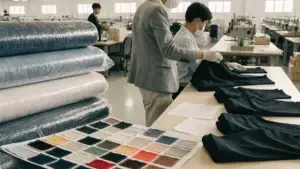
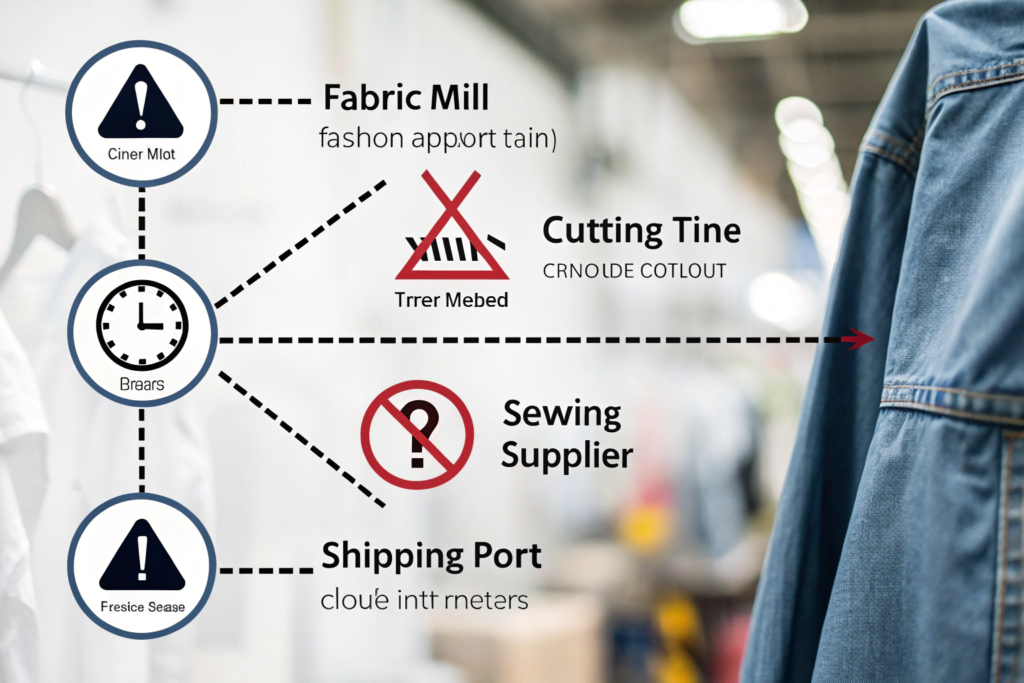
The most common bottleneck is materials. Fabric and trims are the lifeblood of production. If they are late, nothing else can start. Fabric mills often have their own production schedules. If you order a fabric that is not in stock, you are at the back of a long queue. The mill might take 4-6 weeks just to weave and dye your fabric. Trims are another hidden danger. Buttons, zippers, labels, and hang tags seem small, but they are highly specialized. If your zipper supplier is in a different country and their shipment is delayed, your whole production stops. For a client in Seattle, we once had a bottleneck because the special recycled polyester thread they specified was out of stock globally. We had to find an alternative quickly. Now, we always advise clients to identify "critical path" materials early. We order long-lead items like custom labels and specialty fabrics the moment the design is finalized, even before the sample is approved. This forward material buying protects against mill queues.
Why does poor communication create production logjams?
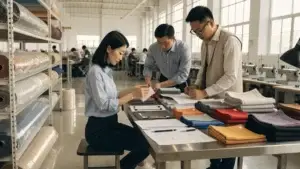
The second biggest bottleneck is information. When communication is slow or unclear, decisions get delayed. A sample is sent, and it sits on a desk for a week before anyone looks at it. A fit comment is emailed, but it goes to the wrong person. The factory waits for approval while the production line sits idle. Every day of delay in communication is a day of delay in delivery. We have a strict policy with our clients. For sampling, we expect feedback within 3-5 business days. If we do not hear from you, we follow up. We also use shared digital tools so that everyone sees the same information at the same time. For a brand in New York, we set up a shared folder for all their fit photos and comments. The designer, the pattern maker, and the sales team could all see the status. Decisions that used to take a week now take a day. This streamlined communication workflow keeps the production line moving.
How can you build a timeline that prevents bottlenecks?
A common mistake is creating a timeline that is too optimistic. You assume everything will go perfectly. It never does. A good timeline builds in buffers for the things that can and will go wrong. It plans backwards from your "must-have" date, not forwards from "today."

What is "backward scheduling" and why does it work?
Backward scheduling is simple. You start with your final deadline. For example, you need the goods in your warehouse by August 1st. Then you work backwards.
- Shipping from China to the US West Coast takes 20 days. So the goods must be ready to ship by July 10th.
- Production takes 4 weeks. So cutting must start by June 12th.
- Fabric needs to be in our warehouse 1 week before cutting. So fabric must arrive by June 5th.
- Fabric production and shipping from the mill takes 4 weeks. So you must place the fabric order by May 8th.
Now you have a real deadline. If you miss the fabric order date, you know immediately that you will miss the August 1st delivery, unless you use air freight. This backward scheduling gives you visibility. For a sportswear brand in Colorado, we did this for their fall collection. We identified that the custom zippers they wanted had an 8-week lead time. That became the driving factor for the entire timeline. They ordered the zippers immediately. When the fabric arrived, the zippers were waiting. There was no delay. This method forces you to address the longest-lead items first.
How much buffer time should you build into your plan?
You need a buffer. A safety net. I recommend building in at least 2-3 weeks of buffer time between major stages. For example, schedule fabric to arrive 2 weeks before cutting is scheduled to start. If the fabric is a week late, you still have a week of buffer. You do not miss your cutting slot. If the fabric is on time, you have extra time for quality inspection. The same goes for production. Do not schedule the ship to leave the day production finishes. Give yourself a week for packing, final inspection, and any last-minute issues. For a client in Miami, we built a 2-week buffer into their summer dress production. The fabric from India was delayed by 10 days due to a port strike. Because we had the buffer, we did not miss our production slot. The dresses still arrived in Miami in time for the summer launch. If we had scheduled everything back-to-back, they would have been 10 days late and missed the key July 4th sales. This buffer management is the difference between a resilient supply chain and a fragile one.
How can diversification protect you from bottlenecks?
Relying on one source for anything is a risk. One fabric mill. One trim supplier. One factory. One port. If that one thing has a problem, your whole business has a problem. Diversification is your insurance policy.
Why should you have backup suppliers for key materials?
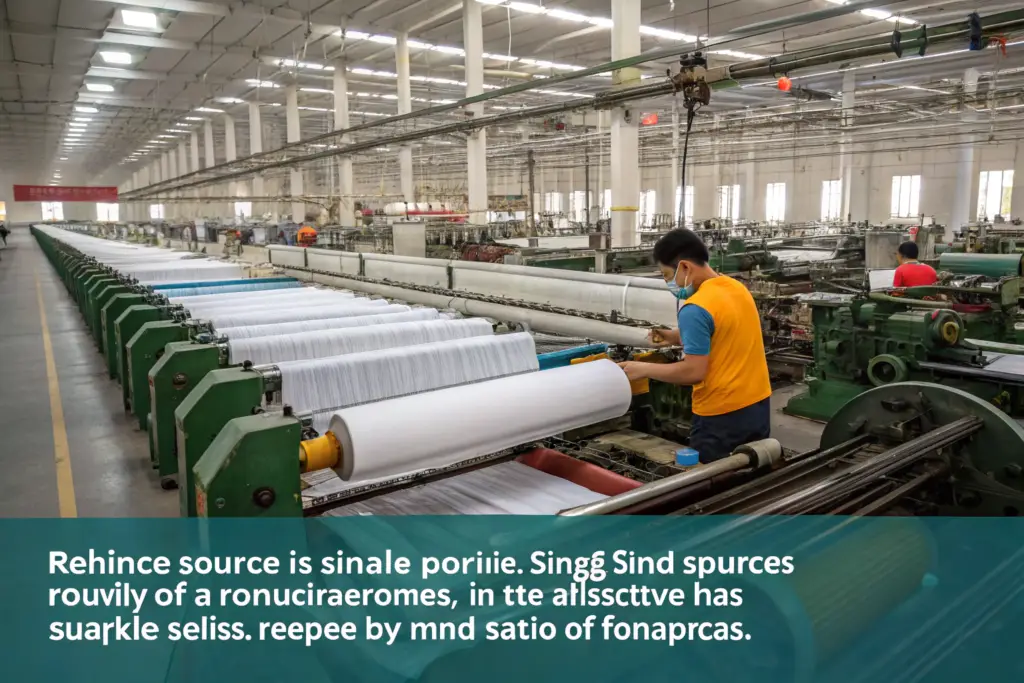
We always recommend that our clients have "approved" alternatives for their key materials. If your primary fabric mill is in a region that floods, you need to know another mill that can produce a similar quality. We maintain a database of alternative suppliers for this reason. For a denim brand in Los Angeles, their primary mill in China had a fire. It was going to be shut down for 3 months. Because we had already qualified a backup mill in Vietnam that could produce a very similar denim, we were able to transfer the order. The delay was only 2 weeks. If we had started from scratch, it would have been 3 months. This supplier diversification saved their season. We do not wait for a crisis to find backups. We find them beforehand, test their samples, and keep them in our back pocket.
How does multi-country production prevent port bottlenecks?
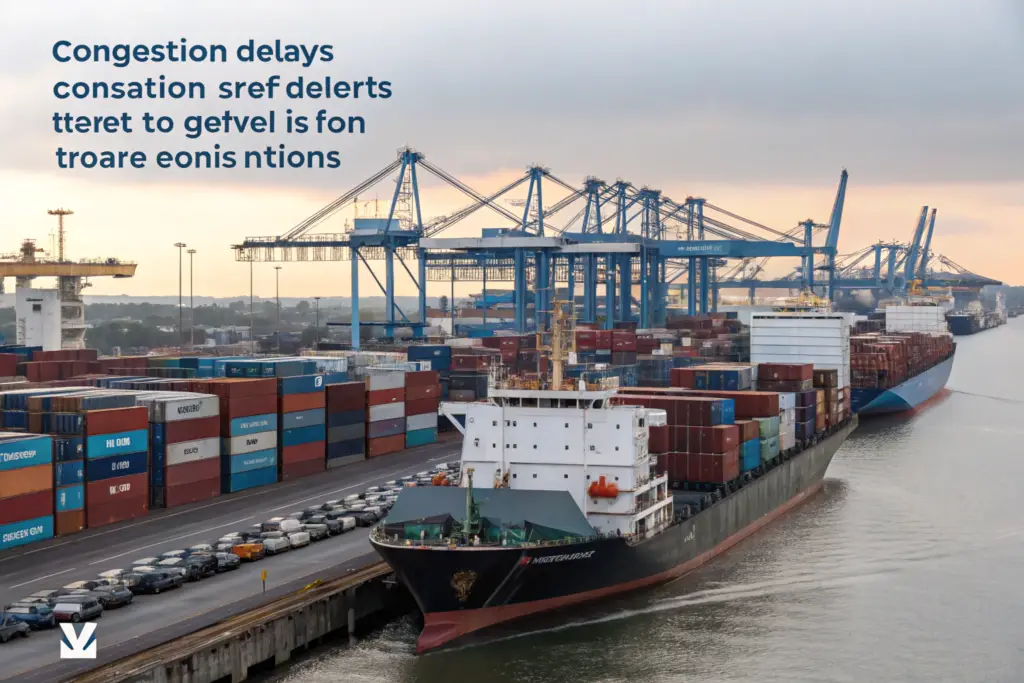
Ports can get clogged. Labor disputes, weather, or simply too many ships can cause massive delays. If all your goods come through the Port of Los Angeles and that port has a backup, your goods are stuck. We use multiple shipping routes and ports. We ship through Los Angeles, but also through Long Beach, Oakland, New York, and Savannah, depending on the destination and the current conditions. For a brand in Atlanta, we normally ship through Savannah, which is close to them. During a period of congestion, we offered to reroute their shipment through the Port of New York and then truck it down. It cost a little more, but it arrived 2 weeks faster than waiting in the Savannah queue. This port diversification is a tool we use to keep your goods moving, even when the system is stressed.
What role does technology play in avoiding bottlenecks?
You cannot fix what you cannot see. In the past, production was a black box. You sent an order and hoped for the best. Today, technology gives us visibility. We can see where every order is, in real-time. This visibility allows us to spot potential bottlenecks before they become actual delays.
How do real-time tracking dashboards keep you informed?
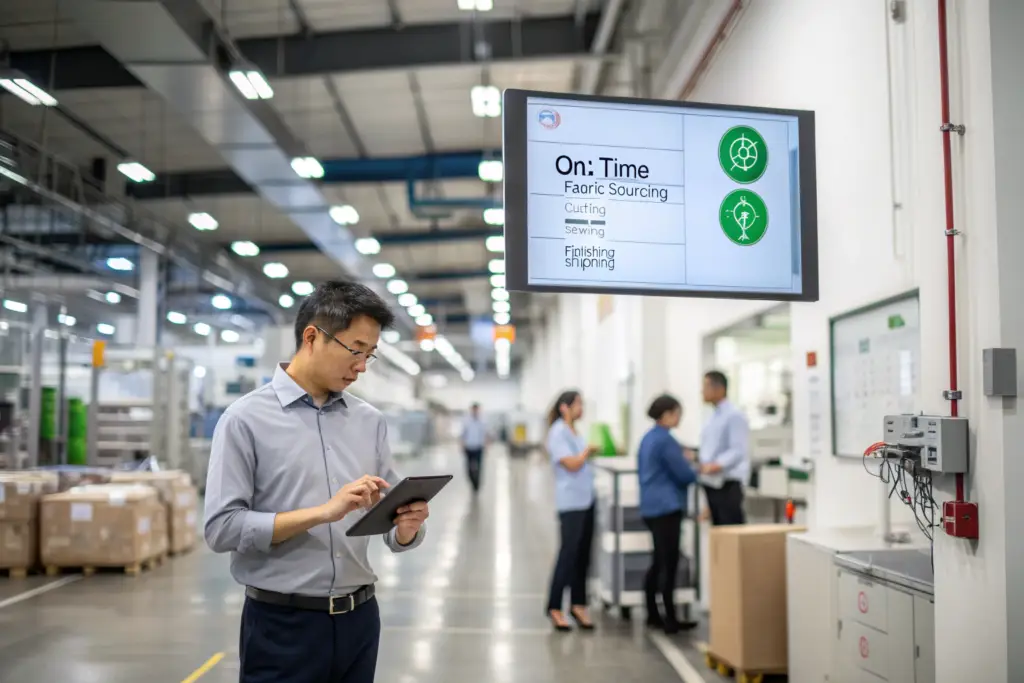
We provide our clients with access to a real-time production dashboard. You can log in and see the status of your order at every stage. You can see that the fabric has arrived. You can see that cutting is 50% complete. You can see that sewing has started. This transparency means you are never in the dark. You do not have to send "where is my order?" emails. You can see for yourself. For a client in Chicago, they noticed on the dashboard that "trim arrival" was still showing as "pending" 3 days after it was supposed to arrive. They flagged it to us. We investigated and found the trim shipment was held up at a local depot. We expedited it. The trim arrived 2 days later, and production started on time. If they had not seen the delay, we might not have noticed for another week. This supply chain visibility turns you and us into a team that can solve problems together, instantly.
How do we use data to predict and prevent future delays?
We track data on every order. We know which fabric mills are consistently on time and which are often late. We know which trim suppliers have quality issues. We use this data to make better decisions for you. When you ask for a recommendation on a fabric source, we do not guess. We look at the data. We recommend the mill with the best on-time delivery record, not just the cheapest price. For a basics brand in Texas, we used our data to shift their core cotton orders to a mill that was 15% more expensive but had a 98% on-time rate. The previous mill was cheap but always late. The extra cost was worth it because they never missed a shipping date again. This data-driven sourcing eliminates the guesswork and builds a more reliable supply chain.
Conclusion
Avoiding supply chain bottlenecks is not about luck. It is about strategy. It is about planning backwards from your deadline and building in buffers. It is about diversifying your sources so one problem does not stop your whole business. And it is about using technology to see problems coming so you can fix them early. A smooth supply chain means you hit your launch dates. Your customers get their products. Your brand builds trust. It is the engine that drives your growth.
At Shanghai Fumao, we have built our entire operation around reliability. We have the systems, the partners, and the experience to keep your production flowing smoothly, season after season. If you are tired of last-minute panic and want a partner who helps you sleep at night, let's talk. Contact our Business Director, Elaine, at elaine@fumaoclothing.com. Tell us about your next collection and your launch date. Let's build a plan that gets you there, on time, every time.