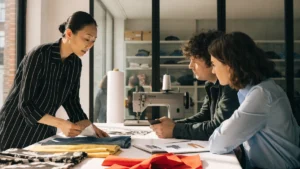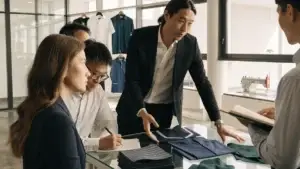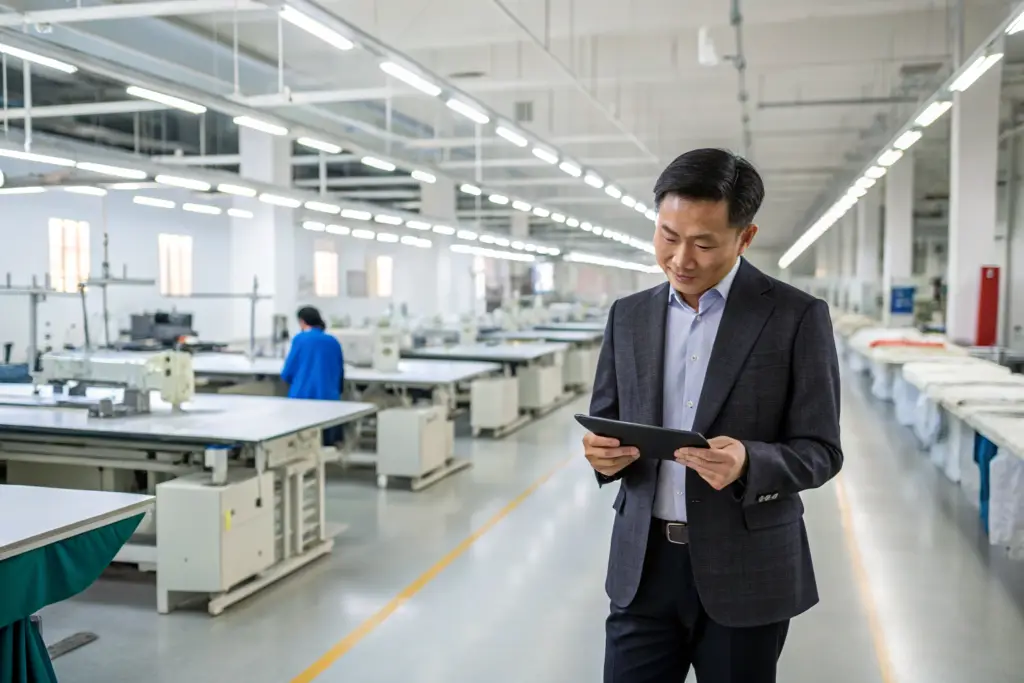
You see big brands launching new lines every few weeks. They drop collaborations. They react to trends instantly. You wonder how they do it. You know they don't own the factories. You know they don't weave their own fabric. Yet they move faster than almost anyone else. The secret is not magic. It is a deliberate choice about how they build their supply chain. They choose partners who are built for speed.
Top brands choose private label manufacturing for speed to market because it transforms their supply chain from a series of sequential handoffs into a single, synchronized operation. Private label partners act as an extension of the brand's own team. We hold the inventory of raw materials, manage the entire production schedule, and handle logistics. This allows the brand to make a decision and see that decision turn into a product on a shelf in weeks, not months. We absorb the complexity so they can focus on the speed.
I've run Shanghai Fumao for over 15 years. I've worked with startups and with names you see in every mall in America. The demands of the big brands are intense. They don't have time for slow vendors. They have taught me exactly what speed means and how to deliver it. Let me share the specific reasons why the biggest names in fashion trust private label to keep them ahead of the curve.
How do top brands use "quick response" manufacturing?
The old fashion model was simple: design in January, produce in March, ship in June, sell in August. That model is dead. Trends now appear on TikTok and are sold out by the weekend. Top brands have shifted to a "quick response" model. They produce smaller batches first. They see what sells. Then they order more of the winning items immediately. Private label makes this possible.
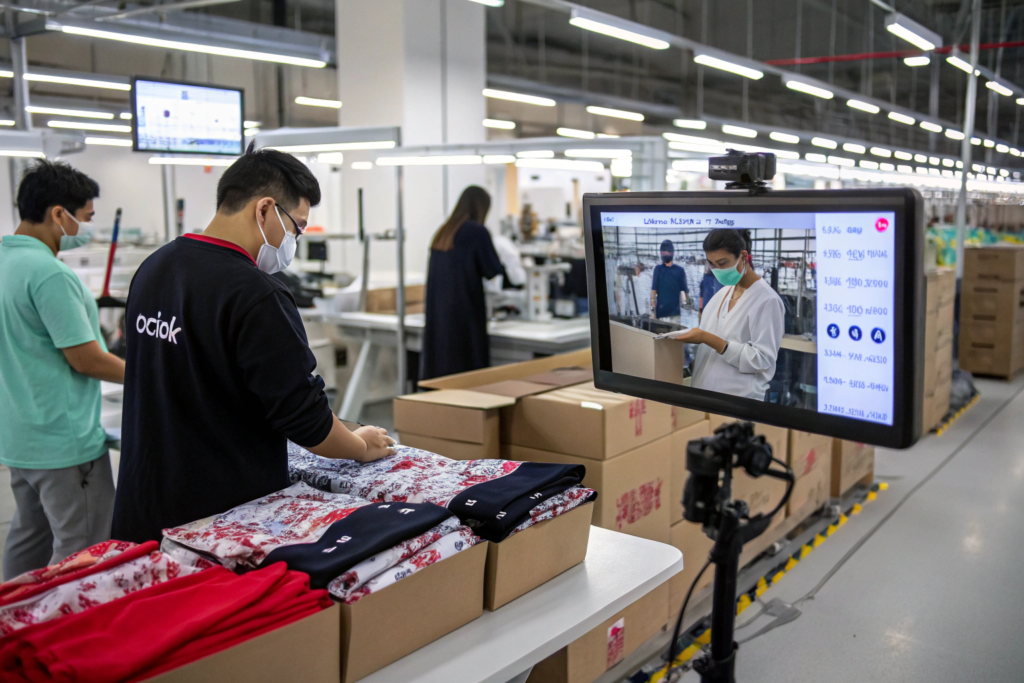
What is "test and repeat" and how does it work?
The "test and repeat" strategy is how brands avoid massive inventory mistakes while still capturing demand. A brand will launch a new style with a small initial order, maybe 300 pieces per color. They put it in stores or online. They watch the data closely. If a particular color or size starts selling fast, they place a "repeat" order immediately. With a traditional supply chain, that repeat order would take another 6 months. By then, the trend is over. With private label, we can make that repeat order in 4-6 weeks. For a contemporary womenswear brand in New York, we did this with a specific silk blouse. The first order of 500 units sold out in 10 days. They emailed us on a Monday. We had the fabric in stock from the first run. We started cutting on Wednesday. The new 1,000 units were on a ship by the following Friday. They had them in their store in time to catch the second wave of the trend. This agile manufacturing model protects their cash flow and maximizes their sales.
How do we hold "safety stock" of key materials?
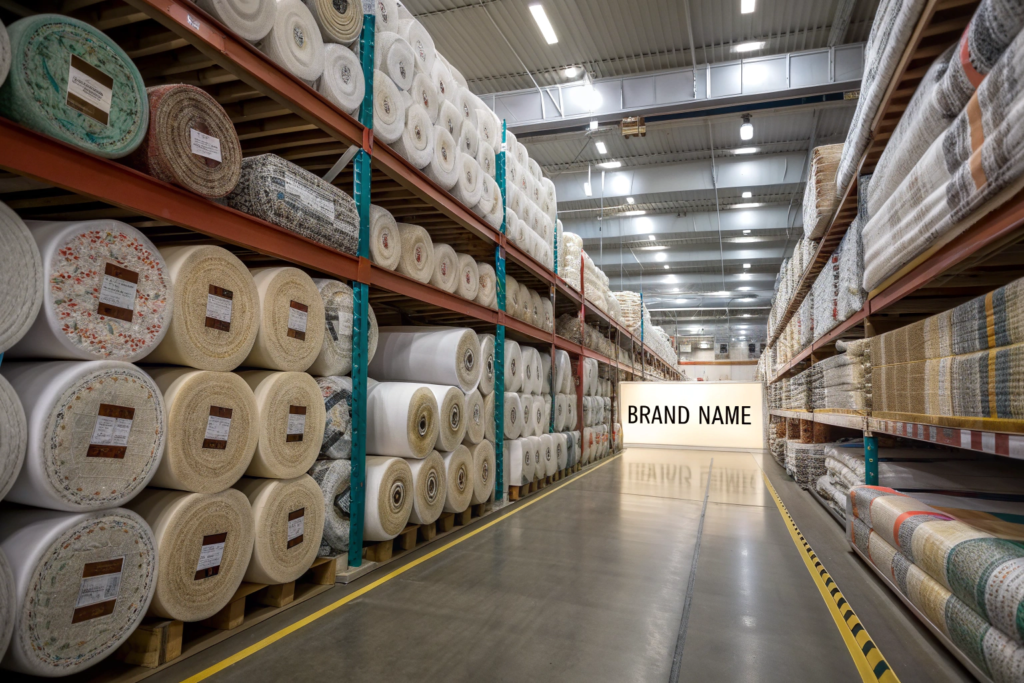
Speed requires preparation. If a brand needs a fast reorder, the biggest delay is usually fabric. Fabric mills have their own production schedules. They can take 4-6 weeks just to make the fabric. Top brands work with us to forecast and hold "safety stock." After we finish a production run, we keep a certain amount of the base fabric or key trims in our warehouse. We don't cut it into garments until we get the reorder. For a high-end activewear brand based in Colorado, we hold their signature compression fabric in grey and black at all times. When a particular style sells out, they send us the PO, and we cut and sew immediately. The fabric is already here. We save those 4-6 weeks of mill time. This raw material inventory management turns a 3-month reorder into a 3-week reorder.
Why do top brands treat factories as partners, not vendors?
A vendor is someone you send a purchase order to and hope they deliver. A partner is someone you collaborate with to solve problems. Top brands understand this distinction deeply. They know that a partner will move mountains to meet a deadline because they feel a shared responsibility for the brand's success. This relationship is the foundation of speed.
How does early involvement in design speed up production?
Top brands don't wait until the design is finished to talk to us. They bring us in early, sometimes during the concept phase. They might say, "We want to do a faux leather jacket for fall. What's possible?" We can then tell them about leather alternatives that are in stock now, or about construction techniques that are faster. For a streetwear brand in Los Angeles, they came to us with a concept for a complicated puffer jacket with multiple zip pockets. Our pattern maker looked at the design and suggested combining two of the pockets into one construction unit. It looked the same from the outside but required 40% less sewing time. The brand loved it. They got a faster production time, and we saved labor costs. This design for manufacturing collaboration is only possible when you treat us as a partner from the start.
What is the role of trust in bypassing standard procedures?
Trust is the ultimate accelerator. Standard procedures exist to protect against risk. But if you trust your partner, you can bypass some of the slowest steps. For example, the "pre-production sample" is a standard step. But with a brand we have worked with for years, and who we have produced dozens of successful lines for, we can sometimes reduce or even skip this step if the style is a repeat of a previous one. The trust is built on data and history. We know their quality standards. They know our execution. A luxury knitwear brand in San Francisco has worked with us for 7 years. Last year, they needed a rush order of a core style they produce every season. We agreed to skip the PP sample. We went straight from fabric to bulk production based on the previous season's approved specs. The garments arrived perfectly, and we saved 3 weeks. This trust-based partnership is the ultimate shortcut.
How do top brands manage risk while moving fast?
Speed creates risk. If you go fast, you might make a bad product. You might order the wrong thing. Top brands manage this risk not by slowing down, but by building quality systems into the fast process. They demand controls that are instant, not retrospective.
What "fail-fast" systems do we use during production?
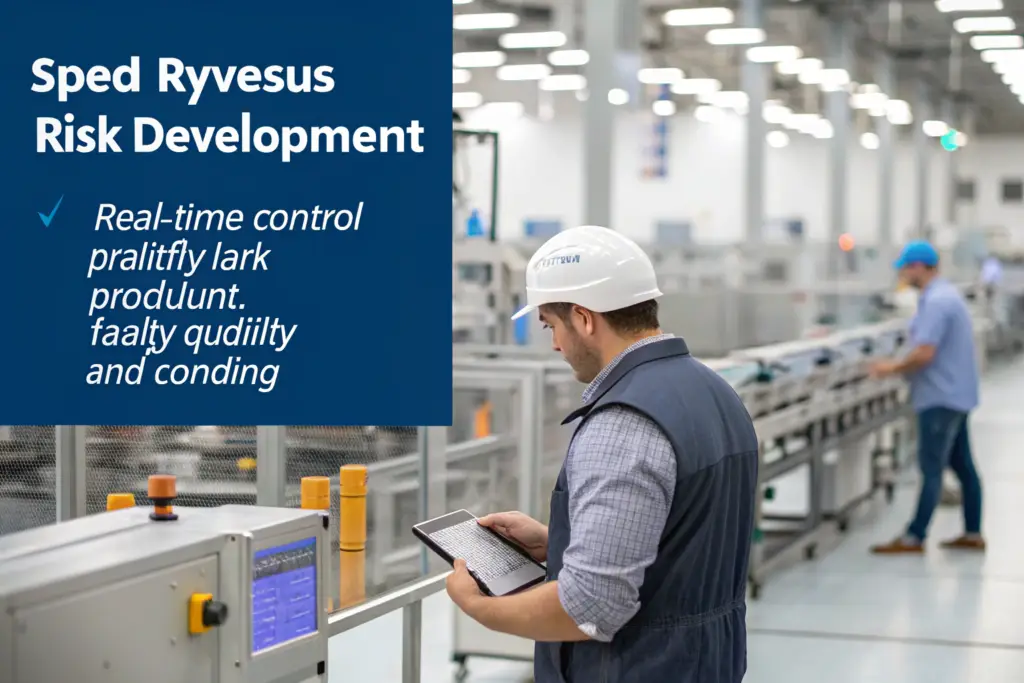
The concept of "fail-fast" comes from software, but it applies perfectly to clothing. You want to find a problem as early as possible, when it's cheap and fast to fix. We use "first-article inspection" on every order. The first few garments off the production line are pulled immediately and inspected thoroughly. We measure every point on the spec sheet. We check every stitch. If something is wrong, we stop the line right there. For a menswear brand in Chicago, the first-article inspection on a run of dress shirts showed that the collar points were 2mm longer than the spec. It was a small error, but it changed the look of the shirt. Because we caught it on piece #1, not piece #501, we could adjust the pattern and restart. The delay was 2 hours, not 2 weeks. This early warning system is how we maintain quality at high speed.
How do we use AQL to protect your brand reputation?
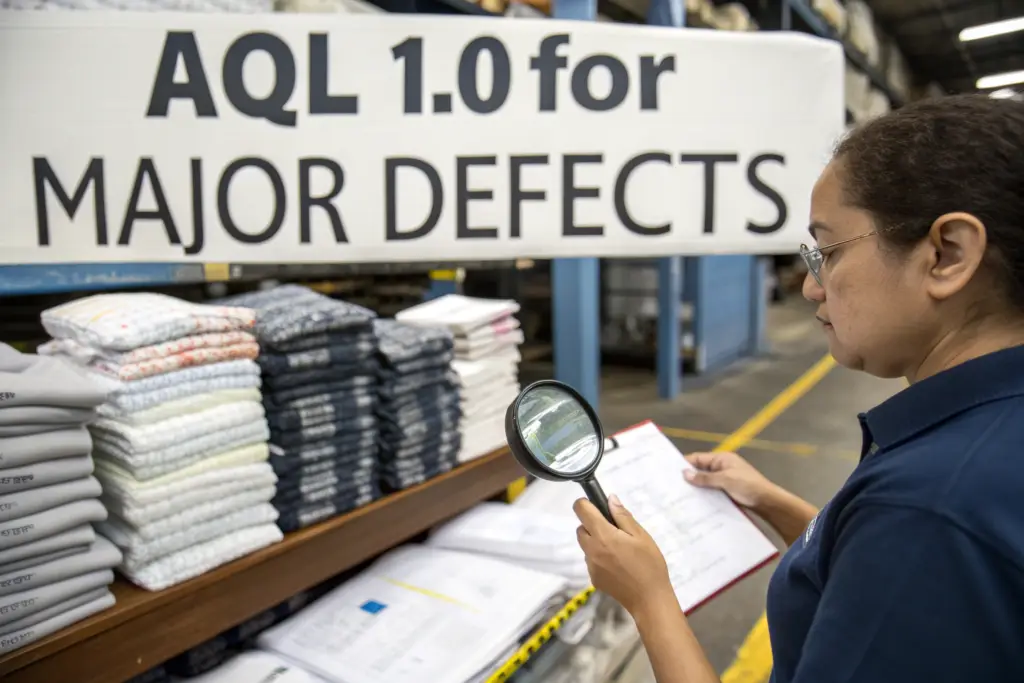
AQL stands for Acceptable Quality Limit. It is a statistical sampling method used worldwide. When your production is finished, we don't inspect every single garment. That would take too long. Instead, we use AQL standards to pull a random sample. For a typical order, we might inspect 125 pieces out of 1,000. If we find more than a certain number of defects, the whole batch is rejected and must be re-inspected. This is fast and statistically reliable. For a children's wear brand in Florida, we use a strict AQL of 1.0 for major defects. This means we accept almost no major errors. Our inspectors are trained specifically for their high standards. This system gives the brand confidence that their fast-moving goods are still high-quality goods.
How do top brands leverage logistics for a competitive edge?
The fastest production in the world is useless if the ship is slow. Top brands don't just think about factory speed. They think about total time to market, which includes shipping. They use a mix of air and sea, and they use DDP to remove customs friction.
When do top brands choose air freight over sea freight?
Sea freight is cheap, but it takes 15-25 days from China to the US West Coast. Air freight is expensive, but it takes 3-5 days. Top brands make calculated decisions. For a core collection that isn't time-sensitive, they use sea. For a hot trend, a collaboration, or a reorder of a bestseller, they pay for air. We help them model the costs. For a streetwear brand dropping a limited-edition hoodie, the entire value was in the hype. If it arrived late, it was worthless. They chose air freight. The hoodies left our factory on a Tuesday and were on sale in their LA store the following Monday. The extra shipping cost was built into the premium price. This multi-modal logistics strategy gives them flexibility. They can choose speed when it matters and save money when it doesn't.
How does consolidated shipping reduce costs and delays?
For smaller brands, shipping a full container can be too expensive and too much inventory. Top brands often use consolidated shipping. We combine their order with orders from other brands we produce. We fill a container together. Then, at the US port, a partner de-consolidates the container and sends each brand its individual order via truck. For a brand in Atlanta that orders 300 pieces at a time, this is essential. They can't fill a 40-foot container. Consolidation allows them to ship as LCL (Less than Container Load) efficiently. We manage this for them. They get the benefit of regular, small-batch deliveries without the high per-unit shipping cost of small packages. This consolidation service is a key part of our Shanghai Fumao offering. It makes fast, frequent ordering economically viable for brands of all sizes.
Conclusion
Top brands choose private label for speed because it is the most reliable way to win in a fast-moving market. They use our "quick response" capabilities to test and repeat winning styles. They build deep partnerships with us that allow for early collaboration and trust-based shortcuts. They rely on our fail-fast quality systems to protect their reputation while moving quickly. And they leverage our logistics expertise to choose the fastest, most efficient path to their customer. Speed for them is not a accident. It is a designed outcome of choosing the right partner.
At Shanghai Fumao, we have built our systems to meet the demands of these top-tier brands. We understand that your timeline is your competitive advantage. Whether you are a growing brand aiming for the next level or an established name defending your market share, we have the experience and the infrastructure to help you move faster. Let's talk about your goals. Contact our Business Director, Elaine, at elaine@fumaoclothing.com. Tell us what you need to launch, and let's build a speed strategy together.